Reviewed · TOKYO TOURS
Tokyo: Private Custom Insider Tour with a Local Host
Tokyo rewards curiosity. A good local guide helps you find it.
This private walking tour is interesting because it is built around your interests rather than a fixed route. I like the pre-tour questionnaire, which helps match you with a host who fits your pace and tastes. I also like the practical help, especially learning Tokyo’s train system, cultural manners, and small food spots that are easy to miss. The main consideration is cost: at $95 per person, you still pay separately for transport, food, drinks, and attraction tickets.
You can book from three to eight hours, with a start time that suits your plans. That flexibility is useful in Tokyo, where one neighborhood can fill an afternoon and a cross-city itinerary can quietly eat half your day on trains. The tour works best when you tell your host exactly what you want before meeting.
In This Review
- Key points to know before booking
- A private day instead of a fixed sightseeing march
- Starting in Asakusa at Senso-ji
- Ameya-Yokocho and the feel of old Tokyo
- Akihabara for games, anime, and bright city energy
- Harajuku, Meiji Shrine, and Tokyo’s style-conscious side
- Fish markets, Ginza, and a carefully chosen lunch
- Quiet corners, artisan shops, and unplanned stops
- The practical value of a host who teaches you the trains
- How much walking and time you should plan
- What the guides do best
- Who should book this Tokyo experience?
- Is $95 per person good value?
- Final verdict: book it for a personal first look at Tokyo
- FAQ
- How long does the private Tokyo tour last?
- What languages are available?
- Is this a private group tour?
- Can the tour be customized?
- Can I choose the start time?
- Is hotel pickup available?
- Is transportation included?
- Are food, drinks, and attraction tickets included?
- Can I cancel for a full refund?
Key points to know before booking
- Your questionnaire shapes the day: Your interests, personality, pace, and requests help determine the route and host.
- The host can teach you Tokyo basics: Several guests received practical help with subway travel, Suica cards, etiquette, and Japanese phrases.
- The route can mix famous and local Tokyo: Possible stops include Senso-ji, Ameya-Yokocho, Akihabara, Harajuku, Ginza, fish markets, and quieter side streets.
- Food is a strong part of the experience: Your host might take you to yakitori, sushi, mochi, or a small restaurant you would not easily find alone.
- It is a walking tour, not a private car tour: Public transport or taxis may be needed between neighborhoods, at your own expense.
- It suits a first day especially well: You can learn how to get around, then use that knowledge for the rest of your stay.
A private day instead of a fixed sightseeing march
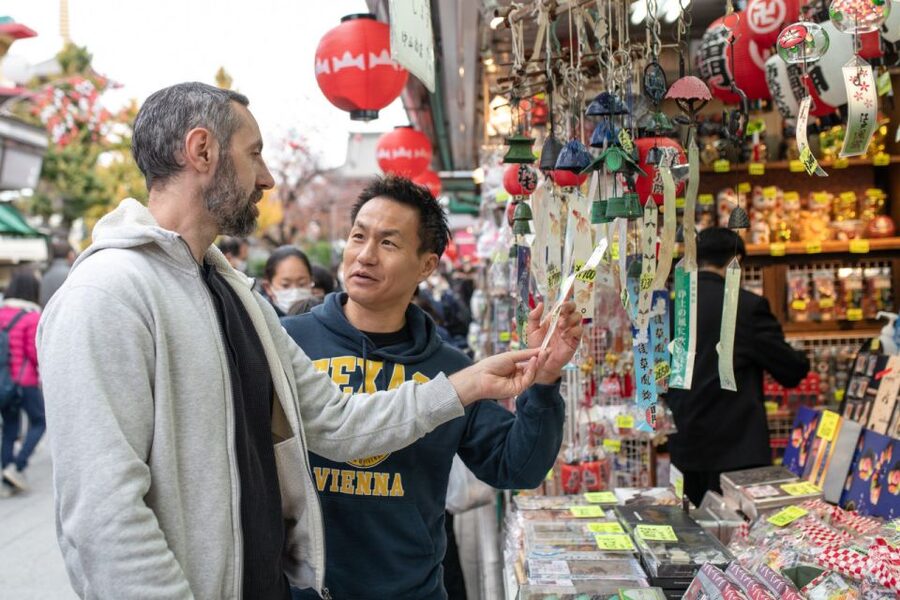
Tokyo is too large for one tidy sightseeing loop. Senso-ji sits in Asakusa, Harajuku and Meiji Shrine occupy another part of town, and Akihabara pulls you toward a very different side of the city. A fixed tour often forces you to follow the guide’s priorities. This experience gives you more control.
Before the tour, you receive a questionnaire about your interests and personality. Your answers help assign a host and give that person a starting point for planning. You then communicate directly about what you would like to see, what you have already visited, and how much walking feels comfortable.
That planning stage matters. A family with children may want shrines, snacks, and easy stops. A couple may prefer old Tokyo, food, and small shops. A fan of anime and games may want Akihabara, while another visitor may care more about gardens, temples, or traditional customs.
I especially like that the plan can change during the day. You can linger at a shrine, stop for food, or make an unplanned detour. The tradeoff is that this is not a tightly scripted sightseeing package. If you want guaranteed entry to a specific attraction or a strict checklist, confirm that with your host in advance.
A few more options to weigh up in Tokyo
- Tokyo Disney Resort – Tokyo Disneyland & Tokyo DisneySea Park Tickets
★ 4.8 · 99,488 reviews - SHIBUYA SKY Ticket
★ 4.7 · 46,509 reviews - JR Whole Japan Rail Pass
★ 4.8 · 29,150 reviews
Starting in Asakusa at Senso-ji
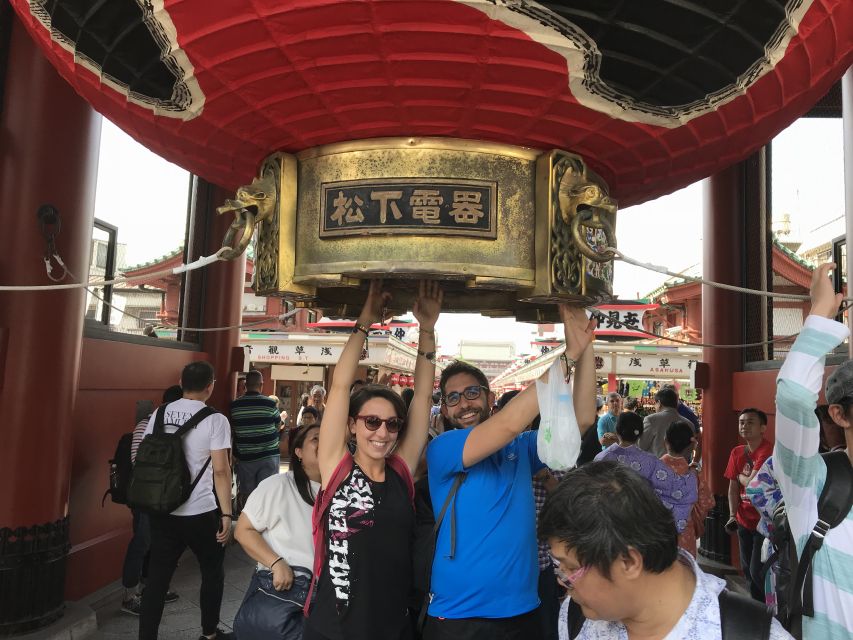
Asakusa is one of the clearest places to begin understanding Tokyo. Senso-ji gives you a major Buddhist temple, traditional streets, incense, and a strong sense of ceremony in one compact area.
A host can explain how to approach the temple respectfully and what you are seeing, rather than leaving you to decode every gate, offering box, and ritual on your own. One guest described a short first-day visit to Senso-ji and its surrounding streets as a useful introduction to Tokyo, including help with the subway afterward.
The area also works well for food and small purchases. Your host may point out snacks or side streets that fit your tastes. It can be crowded, especially around the main approach, so the guide’s value is not simply taking you to the temple. It is helping you understand the place and then steering you away from the most obvious path when you want a quieter look.
If this is your first morning in Tokyo, I would strongly consider starting here. You can ask practical questions while the city is still new, and you may finish with a better sense of how temples, trains, food stops, and street etiquette fit together.
Ameya-Yokocho and the feel of old Tokyo
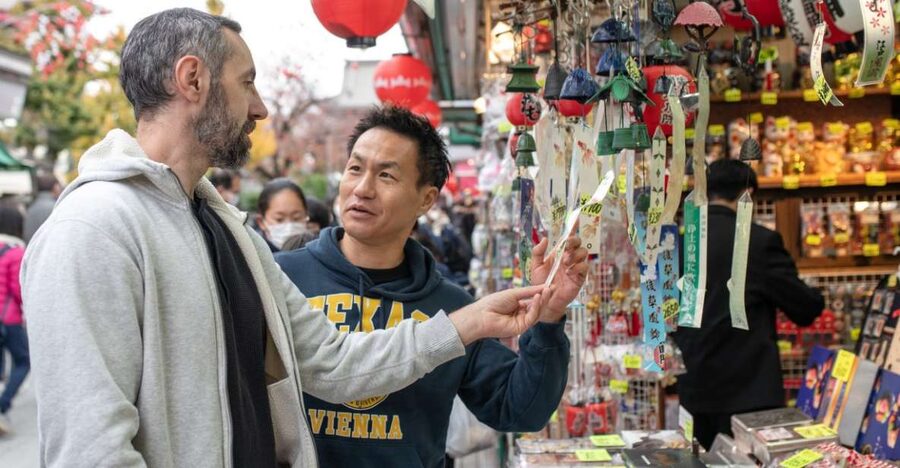
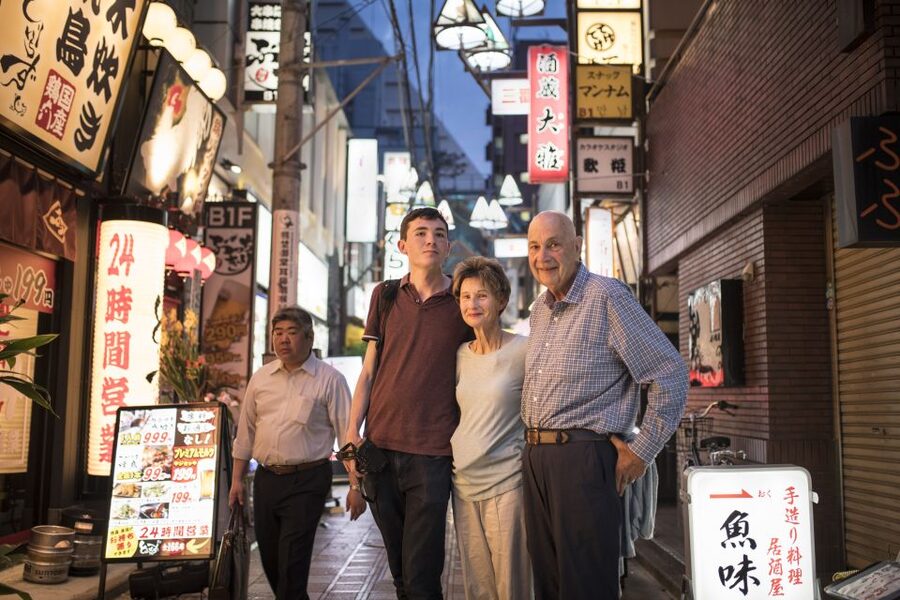
Ameya-Yokocho Market offers a different kind of introduction. It is a lively street market with a nostalgic feel, food stalls, shops, and plenty to look at without needing a formal attraction ticket.
This is a good stop if you like ordinary city life more than polished department stores. Your host can help you choose a snack, explain what you are looking at, or guide you through the narrow lanes without wasting time on shops that do not interest you.
The market also shows why a private tour can be more useful than a large group outing. You can stop for a taste of street food or move on quickly if shopping is not your thing. Ask your host to include time for eating, because food is not automatically included in the $95 price.
Several accounts describe guides taking people through older parts of Tokyo, local food areas, and small restaurants. The point is not just to collect locations. It is to connect the street, the food, and the customs in a way that helps you make sense of the city.
Akihabara for games, anime, and bright city energy
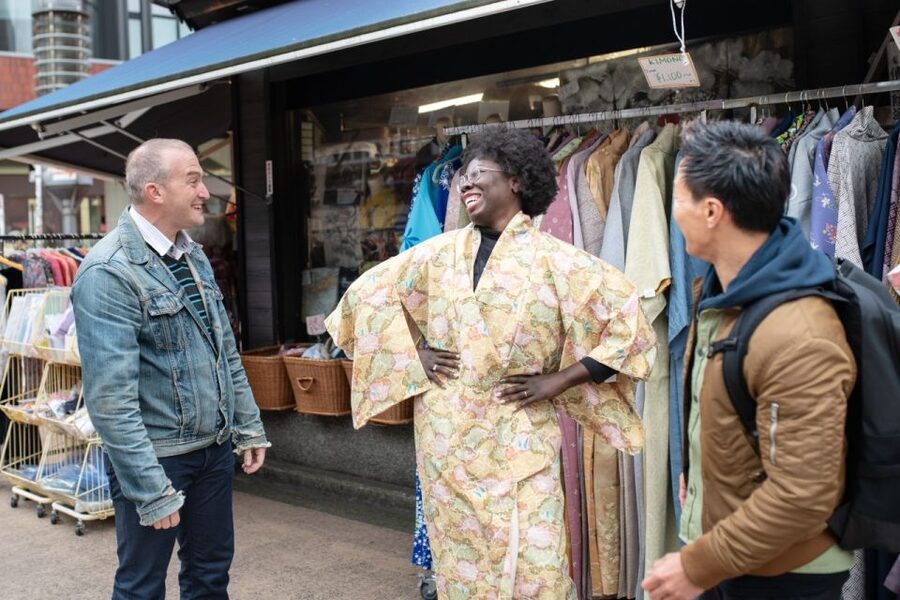
Akihabara is the obvious choice if you care about anime, gaming, electronics, or Japanese pop culture. Its neon signs and specialist shops create a sharp contrast with Asakusa’s temple streets.
A private host can make this stop more focused. Akihabara can feel like a wall of signs and stores, especially if you do not already know what you are seeking. Tell your host which part interests you: games, anime, collectibles, electronics, or simply the atmosphere.
The limitation is time. Akihabara is not a quick photo stop if you want to browse properly. A three-hour tour may not allow much time here along with Asakusa and another distant district. If Akihabara is your main goal, make it the center of the day instead of adding it as one more item on a long list.
A completely different kind of day out:
- Mt Fuji and Hakone 1-Day Bus Tour Return by Bullet Train
★ 5.0 · 26,383 reviews - TOKYO SKYTREE® Ticket
★ 4.7 · 25,136 reviews - teamLab Borderless Tickets: MORI Building DIGITAL ART MUSEUM
★ 4.7 · 24,126 reviews - teamLab Planets TOKYO Ticket
★ 4.7 · 21,663 reviews
Harajuku, Meiji Shrine, and Tokyo’s style-conscious side
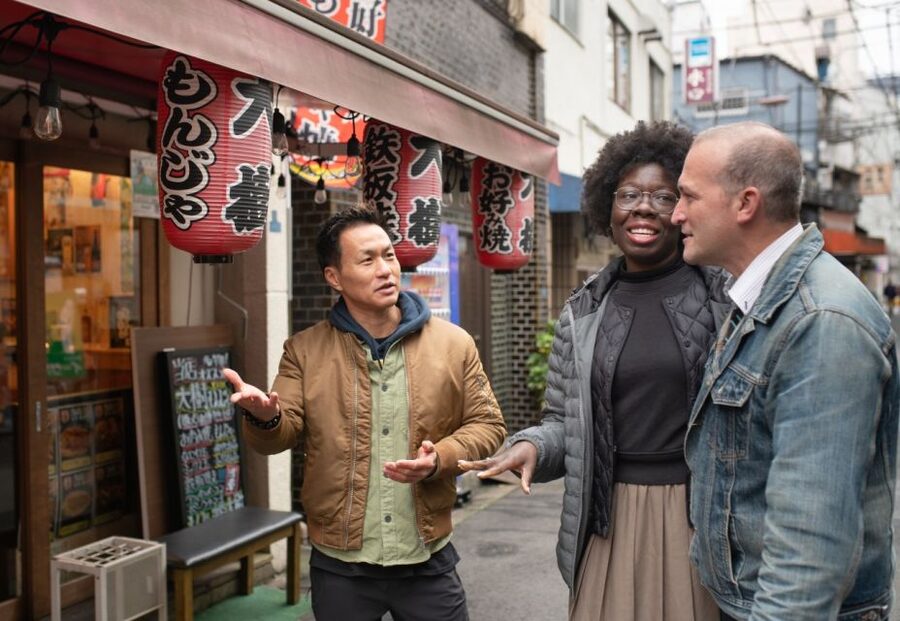
Harajuku gives you fashion, youth culture, and backstreet shopping. The tour description points to its side streets rather than only the best-known avenue, which is useful if you want more than a quick look at the main retail strip.
Meiji Shrine provides a calmer contrast nearby. A host can explain the customs and meaning behind the visit, including respectful behavior at the shrine. One family with children appreciated having a guide adjust the route around the needs of both kids and older relatives, while another family used the day to see a shrine, shop, and visit Harajuku.
This pairing works well because it shows two sides of the same area: Tokyo’s creative street culture and a quiet religious setting. You can move from fashion and sweets to trees, gates, and ceremony without spending the whole day on one narrow theme.
If you are traveling with children, mention their ages in the questionnaire. A host may be able to build in snack stops and shorter walking stretches. If you have limited stamina, say so clearly. This remains a walking tour, and Tokyo stations can involve long corridors and stairs even when the map distance looks modest.
Fish markets, Ginza, and a carefully chosen lunch
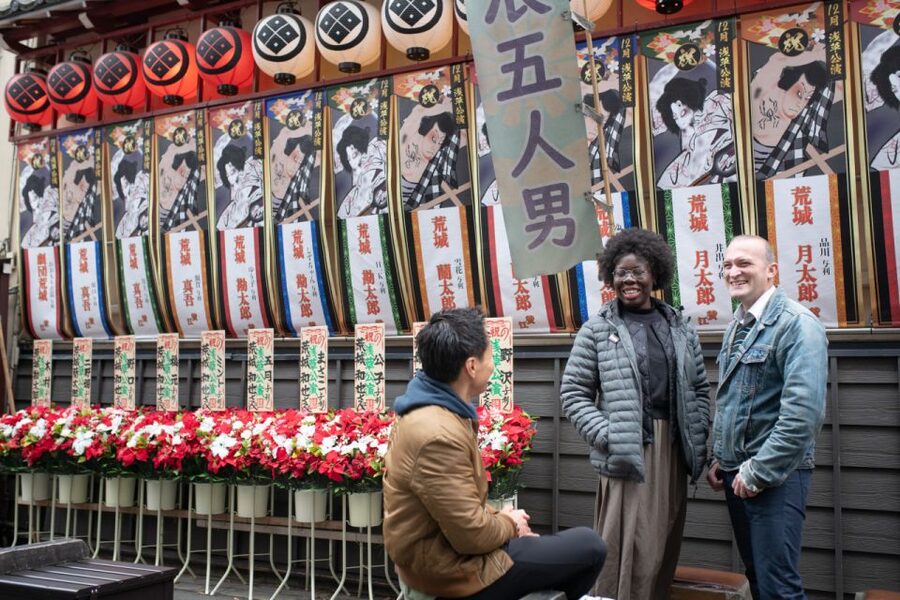
Food-focused visitors can request a fish market, sushi, yakitori, mochi, or another local specialty. The experience does not include extra food or drinks, but a host can help you choose where to eat and explain what you are ordering.
That guidance can be worth more than a list of restaurants. Tokyo has plenty of places that look appealing from the outside, yet a short conversation with a local can help match the meal to your budget and interests. One guide arranged an unexpectedly excellent lunch in a place the couple would not have found alone. Another host took a group to food spots around a fish market.
Ginza offers a more polished side of Tokyo, with department stores, shops, and broad streets. Combined with a market, it gives you a useful contrast between formal retail and everyday food culture.
Remember that lunch is your expense. Ask your host about the expected price range before sitting down, particularly if you are traveling with a family or have dietary limits. Also ask how much time the food stop will take. A relaxed meal can be a highlight, but it can also reduce the number of neighborhoods you see.
Quiet corners, artisan shops, and unplanned stops
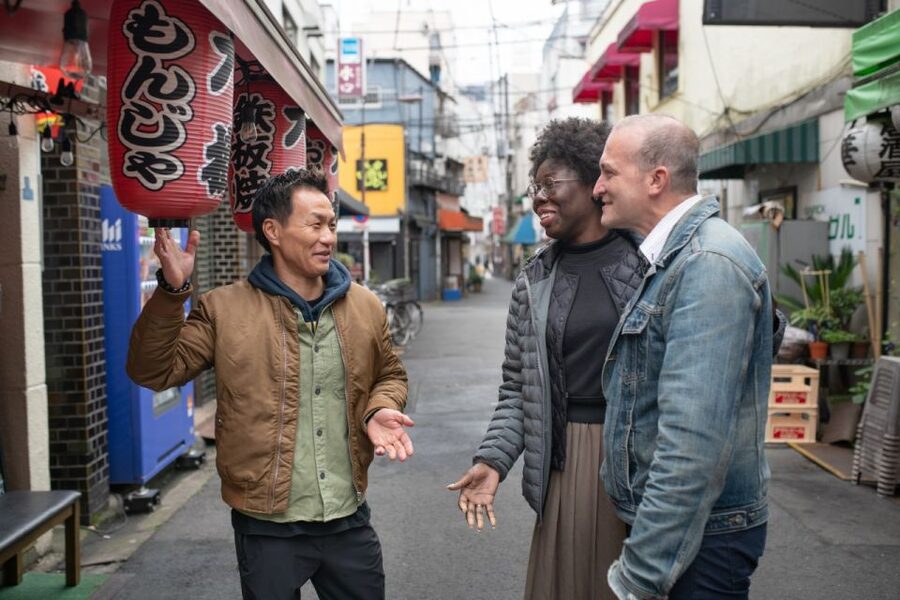
The most appealing promise here is not a secret address. It is the chance to follow a good local lead when something catches your eye.
Your host might take you to a small teahouse, an artisan shop, a quiet garden, or a rooftop view. The exact stops depend on your interests and the host assigned to you, so you should treat these as possible experiences rather than guaranteed inclusions.
This is where the personal format can work better than a standard route. If you collect crafts, ask for artisan shops. If you want a peaceful break, request a garden or quieter alley. If you care about photographs, ask about views and the best time of day. If you want old Tokyo, say that plainly. One guest who asked for historic Tokyo with an artistic angle received a route built around that preference.
The day also gives you room to linger. You do not need to leave a temple after ten minutes because a bus group is waiting. The drawback is that your enjoyment depends partly on the match with your host, so the questionnaire and pre-tour conversation deserve real attention.
The practical value of a host who teaches you the trains
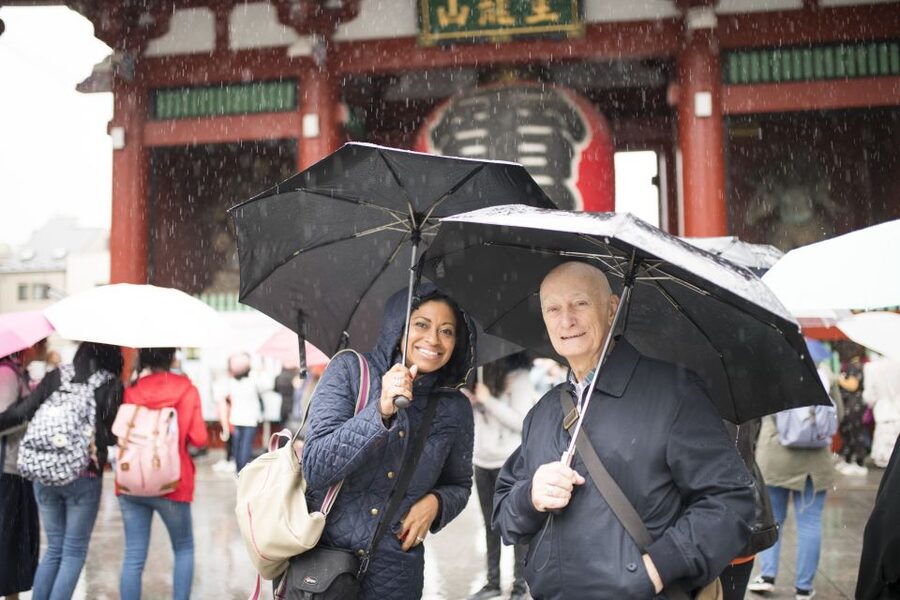
For many first-time visitors, Tokyo’s rail system is the biggest source of stress. It is safe and efficient, but the station size, multiple operators, signs, transfers, and rush-hour crowds can feel like a lot at first.
Several people used the tour to learn the basics. Guides helped with train navigation, explained subway routes, and in one case assisted with obtaining a Suica card. That kind of lesson can pay off for the rest of your trip.
Transport between areas is not included. The host may use public transportation or a local taxi with you, and the exact cost can be discussed after booking. Since this is a walking experience, you should budget for those fares in addition to the tour price.
I would also ask about the meeting point. Hotel pickup can be arranged from any central Tokyo hotel. Otherwise, the listed meeting point is Shibu Hachi Box near Shibuya Crossing. If your chosen route begins in Asakusa or another distant district, confirm how you will get there and who pays for the transfer.
How much walking and time you should plan
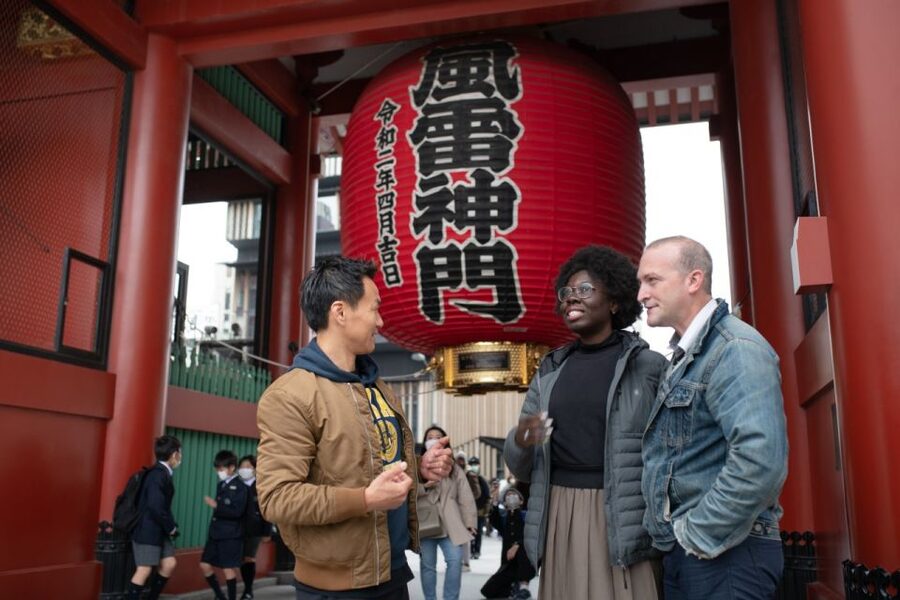
The available durations range from three to eight hours. Three hours is enough for a focused introduction, one neighborhood, or a short route built around a single interest. It is not enough for a relaxed tour of far-apart districts.
Four hours is a sensible middle choice for a first visit. You can combine a temple or shrine with a market, food stop, or practical train lesson without rushing every few minutes. One guest specifically felt four hours gave the day enough room.
Six to eight hours makes sense if you want several districts, a proper meal, shopping, and time for questions. It also gives your host more freedom to slow down. Still, a long walking day can be tiring, especially in hot, cold, or wet weather. One group completed six hours on a cold public holiday and appreciated that the guide kept them moving, but conditions can affect your comfort.
Wear shoes you trust. That is basic Tokyo advice, but this format can cover a lot of pavement, stations, market lanes, and shrine approaches. Tell the host if you need regular breaks or a route suited to a wheelchair or stroller. A past guide helped a wheelchair user manage train travel and continued assisting beyond the scheduled time, but the tour does not include a private vehicle.
What the guides do best
The strongest quality across the experience is personal attention. Hosts such as Tomo, Megumi, Ayaka, Michael, Mani, Shuto, Izumi, and others are praised for adjusting plans, explaining local customs, and making the day feel friendly rather than formal.
That friendliness matters when you are asking basic questions. You can learn how to bow, use a shrine, order food, navigate a station, or ask for translation without feeling foolish. One host even helped a visitor shop for souvenirs and use the post office to send them home.
English and Japanese are available. Individual language ability can vary by host, so share your language needs when communicating before the tour. One guide was also able to provide English and Spanish support, but Spanish should not be treated as a standard feature unless confirmed.
The best host is not necessarily the person with the longest list of facts. It is someone who listens, notices your pace, and knows when to add context or let you enjoy a place. The high score of 4.8 from 213 ratings suggests this personal approach works well overall, though no host match can be guaranteed in advance.
Who should book this Tokyo experience?
I think this tour is particularly useful for:
- First-time visitors who want help getting oriented quickly
- Families needing a flexible pace and child-friendly stops
- Couples who want food, neighborhoods, and local customs rather than a standard checklist
- Solo visitors who prefer company while learning the city
- People with a clear interest in anime, games, fashion, temples, markets, or old Tokyo
- Visitors who want help using trains or understanding Japanese etiquette
- Anyone who has only one free day and wants the route built around personal priorities
It is less suitable if you prefer to explore alone, want guaranteed admission to named attractions, or dislike changing trains and walking. It may also be poor value for a group that already knows Tokyo well and only wants transportation.
Is $95 per person good value?
The price is fair if you use the private format well. You are paying for planning, a dedicated host, local advice, translation help, route changes, and the chance to ask questions all day. For a first day in Tokyo, learning how to navigate the trains and choose food can save time and reduce stress later.
The value drops if you arrive without answering the questionnaire carefully, ask for too many distant districts, or expect meals and tickets to be covered. You also need to add transport and personal spending.
For the best return, send your host a short priority list: three must-see interests, one food request, your walking pace, and anything you have already done. Then ask the host to build a route that leaves some breathing room.
Final verdict: book it for a personal first look at Tokyo
I would book this tour for a first or second day in Tokyo, especially if you feel unsure about trains, etiquette, food choices, or which neighborhoods fit your interests. The most useful part is not simply seeing Senso-ji, Harajuku, a market, or Akihabara. It is learning how to read the city and continue exploring after your host leaves.
Choose three to four hours for a focused introduction. Choose six or more if food, shopping, several districts, and long conversations matter to you. Skip it if you want a fixed sightseeing bus, included admissions, or a low-cost group tour.
The smart move is to request the host and route that match your actual interests. Do that, and $95 can buy a very useful first day in a city that is much easier to enjoy once its rhythms begin to make sense.
FAQ
How long does the private Tokyo tour last?
You can choose a duration from three to eight hours, depending on availability and your preferred plan.
What languages are available?
The experience is offered with live guides in English or Japanese.
Is this a private group tour?
Yes. The experience is arranged for a private group rather than a shared group.
Can the tour be customized?
Yes. You receive a pre-tour questionnaire about your personality and interests, then communicate directly with your host to plan the route.
Can I choose the start time?
Start times are flexible, but you need to check availability for the date and duration you want.
Is hotel pickup available?
Hotel pickup can be arranged from any central Tokyo hotel. The alternative meeting point is Shibu Hachi Box at 2 Chome-1-1 Dogenzaka, Shibuya City, Tokyo 150-0043.
Is transportation included?
No. This is a walking experience. You may use public transportation or local taxis between areas, with those costs paid separately.
Are food, drinks, and attraction tickets included?
No. Additional food, drinks, and attraction tickets are not included unless specifically covered as part of the experience.
Can I cancel for a full refund?
Yes. You can cancel up to 24 hours in advance for a full refund. You can also reserve now and pay later.
Just added in Tokyo
- A One-of-a-Kind Sushi Experience in a Special Place of Japan★ 5.0 · 15 reviews
- Tokyo Cute Bento Cooking Class – Make a Kawaii Character Lunchbox★ 5.0 · 126 reviews
- Japanese Home Cooking Class & Walk in Todoroki Temple Tokyo★ 5.0 · 88 reviews
- Japan Tokyo Tower Observatory Deck E-Ticket★ 4.0 · 34 reviews
- Catch a Baseball Game in Tokyo with a Local – Tickets Included★ 5.0 · 24 reviews
- JDM Experience with Fast&Furious RX-7 (English speaking Driver)★ 5.0 · 57 reviews
- Tokyo Private Day Tour by Car with English speaking Driver Guide★ 4.0 · 29 reviews
- Japan Classic 10 Day – One Life Adventures★ 5.0 · 129 reviews
Tokyo Tours, compared.

Tokyo Disney Resort – Tokyo Disneyland & Tokyo DisneySea Park Tickets
Read our review →
Mt Fuji and Hakone 1-Day Bus Tour Return by Bullet Train
Read our review →

teamLab Borderless Tickets: MORI Building DIGITAL ART MUSEUM
Read our review →