Reviewed · TOKYO TOURS
Tokyo Professional Sushi Chef Experience
Sushi rewards careful hands. I like the chance to learn from a 30-year Itamae and the fact that the class takes place in a real Tokyo sushi restaurant, not a generic cooking studio. I also like the small group, limited to eight, which gives you a better shot at personal guidance while you prepare rice, slice fish, and shape nigiri.
The main consideration is the price: $161 per person for two hours is not a casual budget activity. Still, the tuition covers food, tools, equipment, a special wakame udon, and a complimentary drink, so the value improves if you want a meal, a lesson, and a lasting skill in one sitting. The program also requires at least two participants and does not suit children under 10.
In This Review
- Key Points Before You Book
- Arriving at a Working Tokyo Sushi Restaurant
- Fresh Wasabi: A Small Lesson in Japanese Flavor
- Preparing Shari, the Rice at Sushi’s Center
- From Premium Nori to Hand-Rolled Sushi
- Practicing Nigiri With Six Seafood Styles
- A Meal With Wakame Udon and a Drink
- What the Chef’s Teaching Style Adds
- Is $161 a Fair Price?
- Who Will Enjoy This Most?
- Practical Details That Matter
- Should You Book the Tokyo Sushi Chef Experience?
- FAQ
- How long does the Tokyo sushi chef experience last?
- How much does the experience cost?
- Where does the sushi class take place?
- Is the class taught in English?
- How many people can join the class?
- Is there a minimum number of participants?
- Can children take part?
- Are vegetarian and allergy-friendly options available?
- What food and drinks are included?
- Can I cancel for a full refund?
Key Points Before You Book
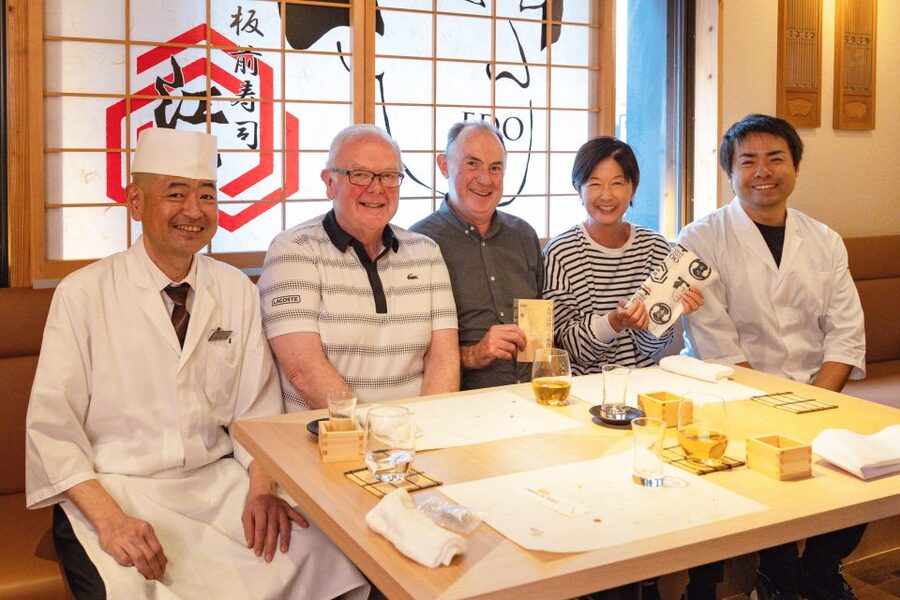
- Learn from a veteran Itamae: The chef brings 30 years of sushi-making experience and demonstrates professional preparation methods.
- Work with real ingredients: You grate fresh wasabi and prepare sushi using fish such as uni, negitoro, hirame, kuruma-ebi, chutoro, and akami.
- Practice the details behind good sushi: You learn how to prepare shari, the seasoned sushi rice, and form hand-rolled sushi with premium nori.
- Eat more than sushi: The experience includes special wakame udon and a complimentary drink, with beer, sake, cola, or green tea listed as choices.
- Keep the group small: No more than eight people take part, and interpretation support is available in English.
- Families and dietary needs are considered: Vegetarian and allergy-friendly options are available, but children must be at least 10 years old.
Arriving at a Working Tokyo Sushi Restaurant
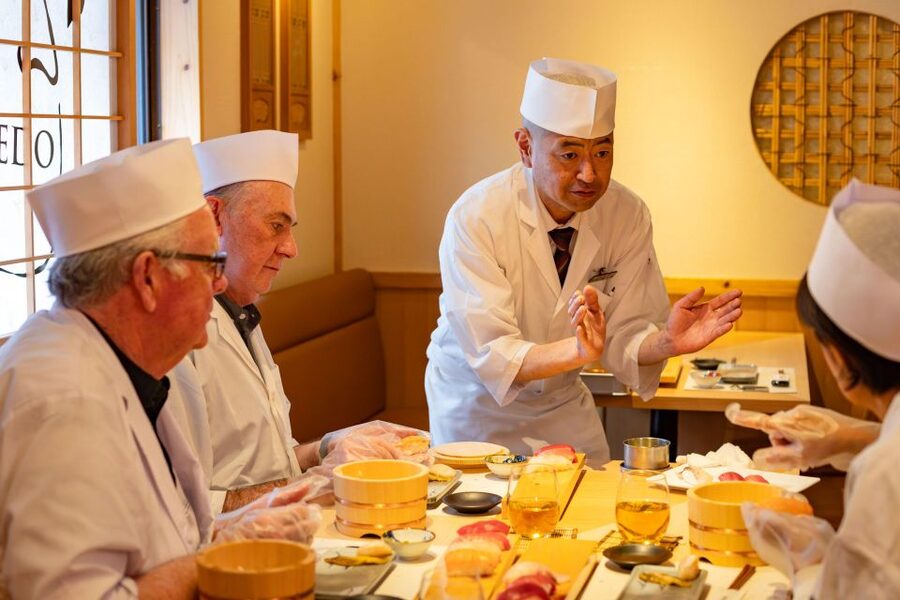
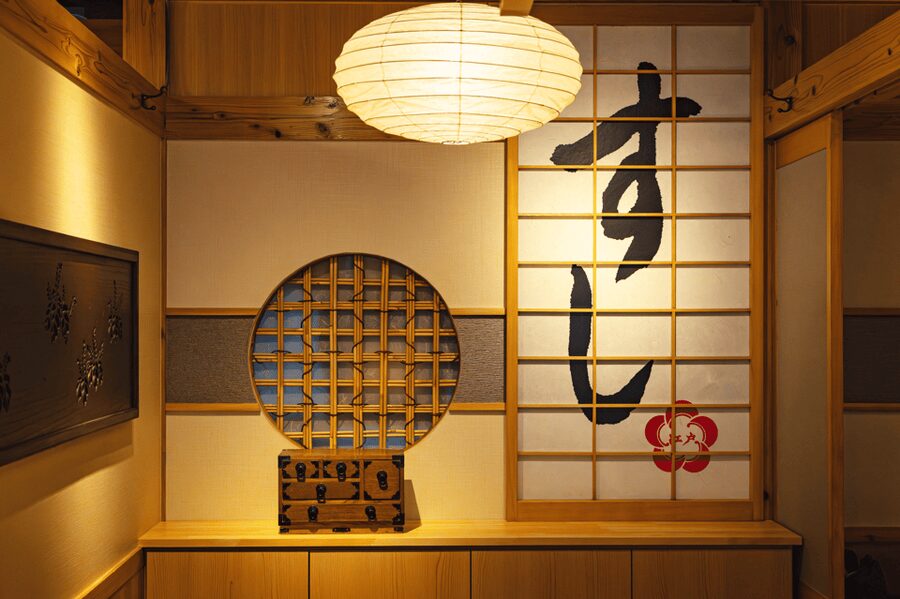
The setting matters here. You are not simply following a recipe in a rented classroom. You are learning inside a functioning Tokyo sushi restaurant, where the tools, ingredients, and habits reflect the trade itself.
That gives the two-hour class more character. You can see how much care goes into small actions that are easy to overlook when sushi arrives already arranged on a plate. Rice temperature, knife work, the amount of fish, and the pressure used to shape nigiri all affect the final result.
The exact meeting point can change with the option you book, so check the confirmed details carefully before setting out. Since this is in Tokyo and the meeting point may vary, I would avoid planning a tightly timed activity immediately afterward.
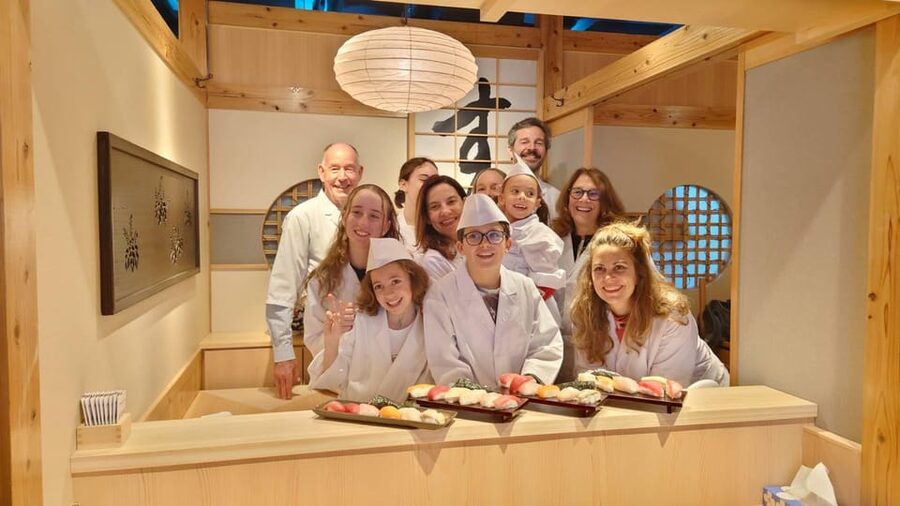
The group limit of eight is a useful middle ground. You get the social feel of a shared class without the crowd of a large food demonstration. The chef and team can explain techniques, watch your hands, and help correct mistakes before they become habits.
English instruction and interpretation support are available. That is especially helpful when the class moves from simple preparation to sushi terms and hand movements that are difficult to explain with gestures alone.
A few more options to weigh up in Tokyo
- Tokyo Disney Resort – Tokyo Disneyland & Tokyo DisneySea Park Tickets
★ 4.8 · 99,488 reviews - SHIBUYA SKY Ticket
★ 4.7 · 46,509 reviews - JR Whole Japan Rail Pass
★ 4.8 · 29,150 reviews
Fresh Wasabi: A Small Lesson in Japanese Flavor
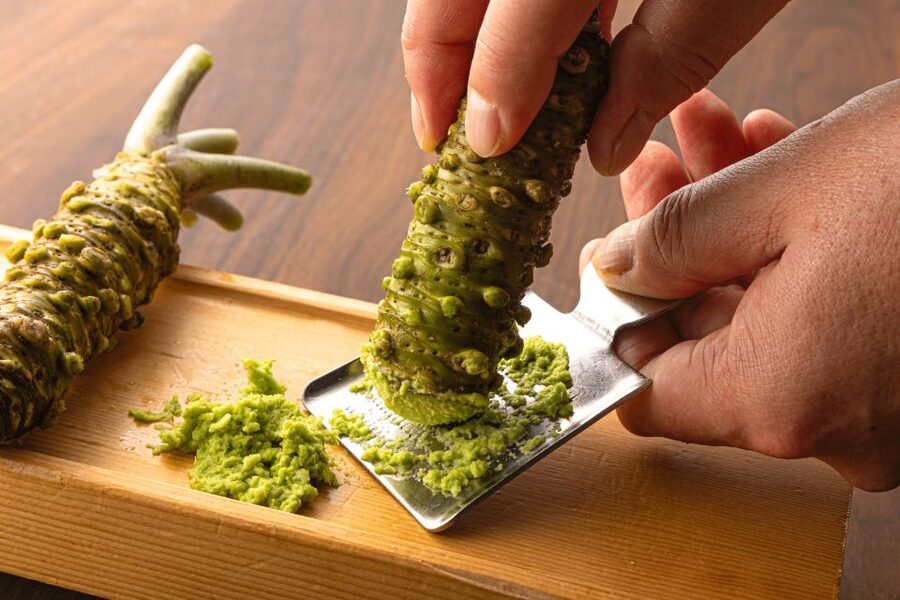
One of the most memorable parts is grating real wasabi. This is a better introduction to the ingredient than simply receiving a small green mound beside your sushi.
Freshly grated wasabi has a different character from the common prepared paste many people know. The lesson lets you experience its flavor at the point when it is prepared, then consider how it works with fish and rice.
The task also sets the tone for the class. Sushi is not only about buying excellent seafood. It is about handling each ingredient properly and respecting its texture, temperature, and balance. Even a short wasabi exercise makes that point clear.
I would pay close attention here, since this is the kind of detail you can repeat at home. It does not require a professional kitchen, but it changes how you think about the condiment and how much of it you need.
Preparing Shari, the Rice at Sushi’s Center
Good sushi depends on more than fish. The rice, called shari, provides the base, and the class explains the secrets of preparing it properly.
You will work through the preparation rather than simply watching a finished bowl arrive. That is useful because sushi rice can look simple while requiring careful control. The right balance allows the rice to hold together without becoming heavy or mushy.
The chef explains the process in a practical way, connecting preparation to the sushi you later make. This is one of the most valuable parts for anyone who wants to continue making sushi at home. Fish may be difficult to source, but rice is the part you can practice again and again.
The class also gives you a chance to understand why restaurant sushi feels different from a quick homemade version. The difference is not always an exotic ingredient. Often it comes from preparation, proportion, and touch.
From Premium Nori to Hand-Rolled Sushi
Next comes hand-rolled sushi using premium nori. This is a friendly entry point because the rolling process gives you a clear task and an immediate result.
You learn how to combine rice, fillings, and seaweed without overloading the roll. That sounds easy until the nori softens and the filling shifts. The chef’s demonstration helps you see the order of each step before you try it yourself.
Hand-rolled sushi is also a good choice for families and first-time cooks. You can make a piece, taste it, and adjust your technique during the same session. The class is not built around a single perfect attempt. It is built around understanding what your hands should do.
Vegetarian options are available, and allergy-friendly arrangements can be made. You should communicate your needs when booking or as early as possible, since the exact ingredients and preparation may depend on the option selected.
A completely different kind of day out:
- Mt Fuji and Hakone 1-Day Bus Tour Return by Bullet Train
★ 5.0 · 26,383 reviews - TOKYO SKYTREE® Ticket
★ 4.7 · 25,136 reviews - teamLab Borderless Tickets: MORI Building DIGITAL ART MUSEUM
★ 4.7 · 24,126 reviews - teamLab Planets TOKYO Ticket
★ 4.7 · 21,663 reviews
Practicing Nigiri With Six Seafood Styles
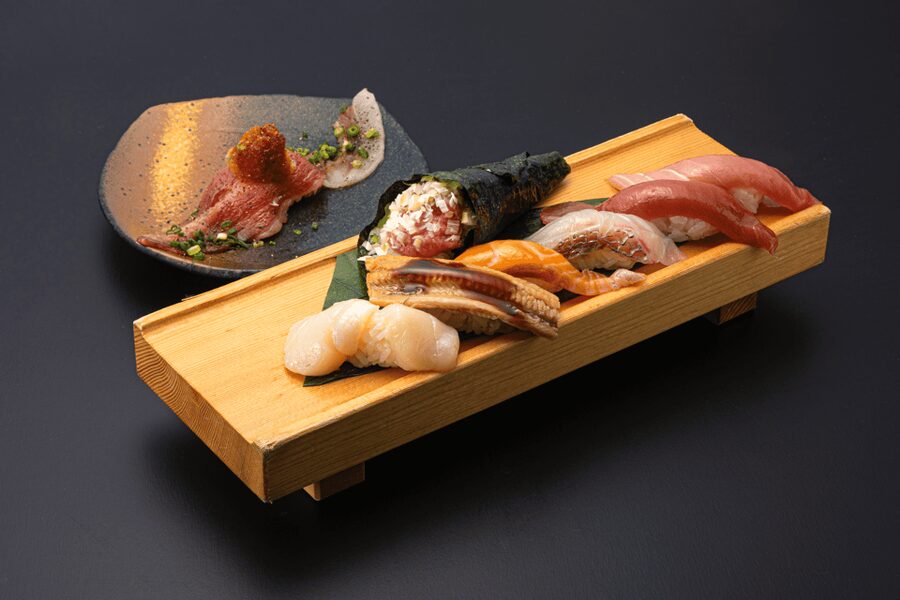
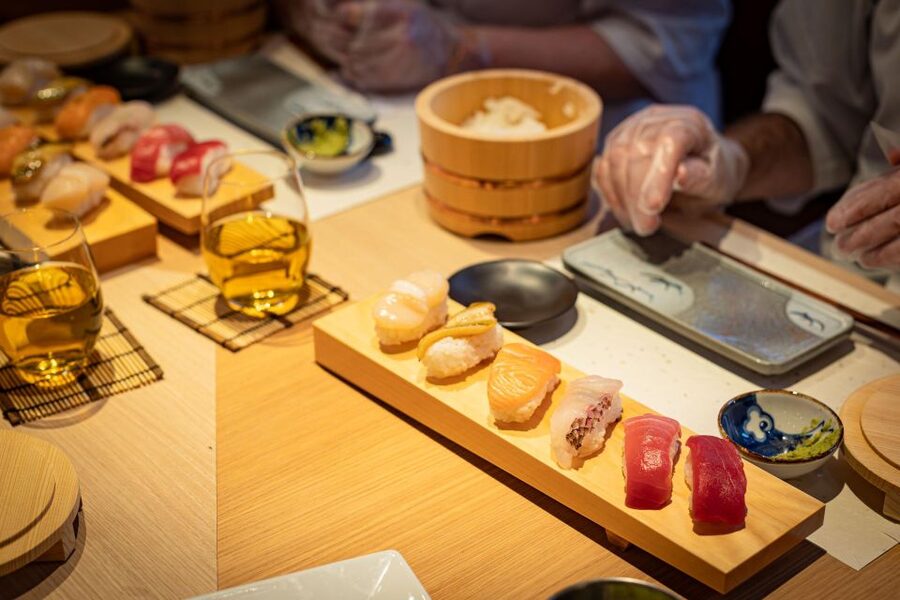
The seafood portion gives the class its strongest connection to professional sushi. You try making and tasting several styles, including uni, negitoro, hirame, kuruma-ebi, chutoro, and akami.
Each name points to a different texture or flavor. Uni brings a soft, ocean-focused character. Negitoro offers a finely chopped tuna preparation, while hirame is a flatfish. Kuruma-ebi is Japanese tiger prawn, and the tuna choices of chutoro and akami let you compare a fattier cut with a leaner one.
The point is not merely to sample a long list. It is to see how different ingredients behave when placed on rice and shaped into sushi. A delicate fish may need a lighter touch. A richer topping changes how much rice or seasoning feels right.
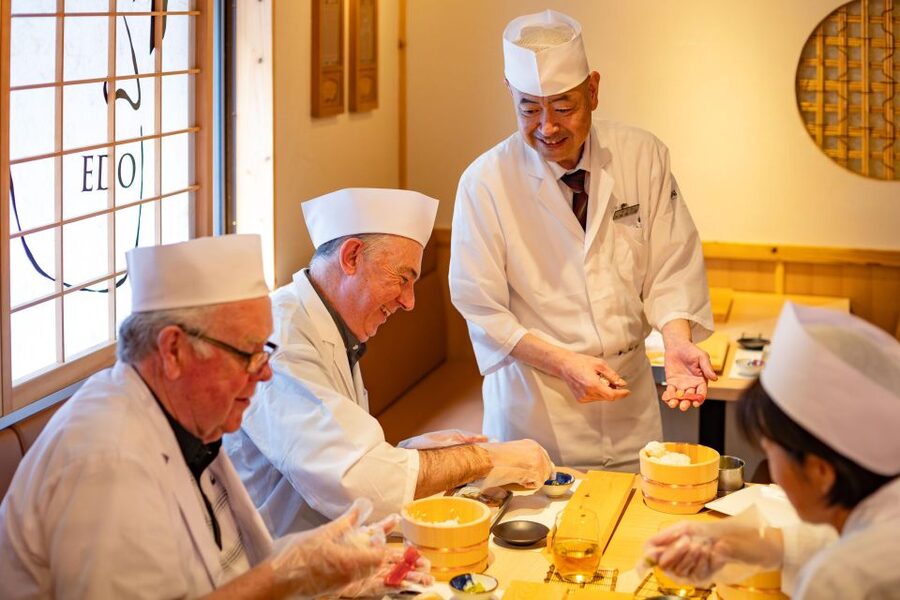
You will also watch professional demonstrations of fish preparation and sushi techniques. This is where the chef’s long experience becomes especially useful. A demonstration can show the angle of a knife, the rhythm of a cut, and the gentle pressure needed to form a piece far more clearly than a written recipe.
Be aware that the seafood selection is a major part of the price. If you already eat sushi and want to compare several traditional preparations, that adds real value. If you do not eat raw fish, ask about the available alternatives before booking.
A Meal With Wakame Udon and a Drink
The class ends with more than the pieces you make. You also enjoy special wakame udon, adding a warm, comforting dish to the meal.
That matters because two hours of food preparation can otherwise feel like a tasting session rather than a full lunch or dinner. The udon gives you something substantial and shows another side of Japanese cooking, built around noodles and seaweed rather than sushi rice.
A complimentary drink is also included in the stated program. Choices listed include beer, sake, cola, or green tea. At the same time, a separate drink menu is available, so I would treat the included drink as one designated serving and expect any additional beverages to cost extra.
The drink choice lets you set the mood. Beer or sake fits the sushi meal, while green tea or cola works better if you want to keep things nonalcoholic. You do not need to drink alcohol to enjoy the food lesson.
What the Chef’s Teaching Style Adds
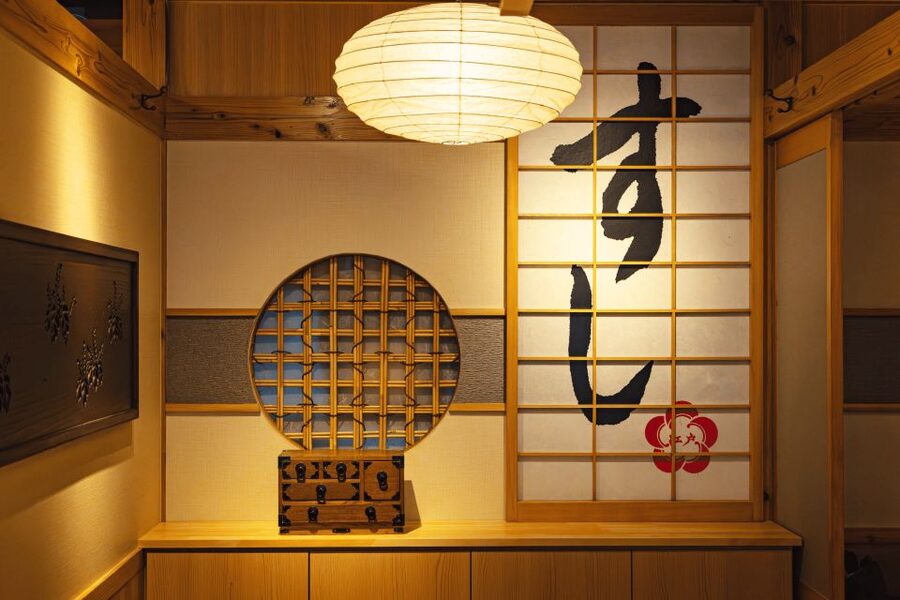
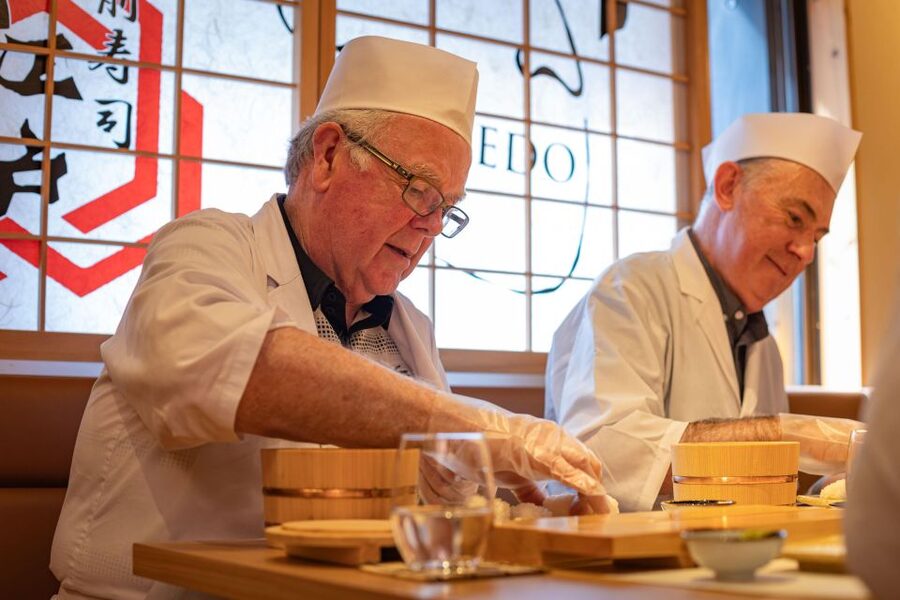
The chef is an Itamae with 30 years of experience, and the class places that expertise directly in front of you. You are not only copying movements. You are learning why the movements matter.
The teaching also includes small practical touches. One participant specifically noted learning how to tie a chef’s apron, grate fresh wasabi, slice fish, and form nigiri. That sequence gives you a sense of the full restaurant routine, from getting ready at the counter to handling the finished sushi.
The atmosphere is described as warm, welcoming, amusing, clean, and well organized. Another participant praised the patient explanations and the comfortable cooking school setting. Those details are important for beginners, since sushi can feel intimidating when the chef’s hands move quickly.
You should still expect to pay attention. This is a hands-on lesson, not a show where you sit back and receive a plate. The chef demonstrates, then you work through the technique yourself. If you want a relaxed food activity with a little concentration, that balance should suit you well.
Is $161 a Fair Price?
At $161, this is a premium food activity. You can find cheaper meals in Tokyo, and a basic sushi lunch will not cost anything close to this. The price makes sense only if you value the instruction and the setting as much as the meal.
I see three parts of the value:
- You receive two hours of tuition from an experienced Itamae.
- Food, tools, equipment, sushi ingredients, udon, and a complimentary drink are included.
- You leave with techniques you can use again, especially rice preparation, wasabi handling, rolling, and nigiri formation.
The seafood selection strengthens the case for the price. Uni, chutoro, akami, kuruma-ebi, hirame, and negitoro offer more variety than a simple beginner class. You are also learning in a restaurant setting, which gives the activity a stronger sense of place than a standard cooking lesson.
Still, the value depends on your interests. If you want the lowest-cost way to eat sushi in Tokyo, choose a restaurant meal. If you want a polished cooking activity and a memorable food lesson, the cost is easier to justify.
Who Will Enjoy This Most?
I would recommend this for food lovers who want to understand what they are eating, not just photograph it. The class gives you a better sense of the work behind sushi and lets you test the techniques yourself.
It also suits families with children aged 10 and above. Younger children cannot take part, and the activity requires enough attention to follow demonstrations and handle ingredients properly.
Couples and small groups should appreciate the eight-person limit. The minimum booking requirement is two participants, so this is not designed for a solo booking unless you can join another eligible participant through the available option.
The class is also a good choice for anyone who wants an indoor activity in Tokyo. You are not dependent on weather, and the two-hour length fits neatly into a day of sightseeing, provided you allow enough time to reach the meeting point.
Vegetarians and people with allergies may be able to join because suitable options are available. I would not leave this request until the last moment. Confirm the dietary arrangement before you pay so the kitchen can prepare appropriately.
Practical Details That Matter
The experience lasts two hours, with starting times based on availability. That is long enough to learn several techniques without taking over an entire day.
English is the listed language, with interpretation support. The small group makes it easier to ask questions, but you should still speak up if a knife movement, rice step, or shaping method is unclear.
Smoking indoors and strong fragrances are not allowed. Avoid heavy perfume or cologne, since scent can interfere with the food and may bother other people at the counter.
Free cancellation is available up to three days in advance for a full refund. After that point, the stated terms may not offer the same flexibility, so check the booking conditions before making other fixed plans.
The experience provider is H.I.S. Co Ltd, TIC. The overall rating is 5 out of 5 from 17 verified bookings, with praise focused on friendly staff, patient instruction, cleanliness, organization, and the quality of the lesson.
Should You Book the Tokyo Sushi Chef Experience?
I would book this if you want more than a meal and you are comfortable paying for instruction, premium ingredients, and a real restaurant setting. The chef’s 30 years of experience, the small group, and the chance to prepare everything from wasabi to nigiri give the class genuine substance.
I would skip it if you are looking for a cheap introduction to Japanese food, dislike raw seafood, or cannot commit to a two-person minimum. I would also confirm the meeting point and dietary arrangements before booking.
For the right person, this is a strong Tokyo food activity. You eat well, learn a skill, and leave with a better understanding of why excellent sushi depends on details that are easy to miss from the dining side of the counter.
FAQ
How long does the Tokyo sushi chef experience last?
The experience lasts two hours.
How much does the experience cost?
The stated price is $161 per person.
Where does the sushi class take place?
It takes place in a real sushi restaurant in Tokyo, but the exact meeting point may vary depending on the option booked.
Is the class taught in English?
Yes. English is listed as the instruction language, and interpretation support is available.
How many people can join the class?
The group is limited to eight participants.
Is there a minimum number of participants?
Yes. At least two participants are required.
Can children take part?
Children from elementary school age and up can attend, but the activity is not suitable for children under 10.
Are vegetarian and allergy-friendly options available?
Yes. Vegetarian and allergy-friendly options are available.
What food and drinks are included?
Tuition, food, tools, equipment, and necessary items are included. The program also includes special wakame udon and a complimentary drink, with beer, sake, cola, or green tea listed as choices. Additional beverages may be available separately from the drink menu.
Can I cancel for a full refund?
You can cancel up to three days in advance for a full refund.
Just added in Tokyo
- Manga Lesson with a Professional Japanese Manga Artist in Nakano★ 5.0 · 77 reviews
- Making a bento box with cute character look in Japan★ 5.0 · 15 reviews
- Tokyo/Ikebukuro Manga drawing workshop by pro-Manga artists★ 5.0 · 65 reviews
- Tokyo Ueno Food & Nature & Localtown Tour: 10Dishes+ Drinks★ 5.0 · 34 reviews
- Make Your Own Bonsai with a Professional Bonsai Artist in Tokyo★ 4.5 · 18 reviews
- Luxury Tokyo Sake, Cocktail, Whisky and Pairing Tour★ 5.0 · 18 reviews
- Make Traditional Nerikiri Sweets & Matcha experience in Shibuya★ 5.0 · 130 reviews
- Daikoku Parking Tokyo Drift & APIT Car Meet JDM Culture Tour★ 5.0 · 79 reviews
Tokyo Tours, compared.

Tokyo Disney Resort – Tokyo Disneyland & Tokyo DisneySea Park Tickets
Read our review →


Mt Fuji and Hakone 1-Day Bus Tour Return by Bullet Train
Read our review →

teamLab Borderless Tickets: MORI Building DIGITAL ART MUSEUM
Read our review →