Reviewed · TOKYO TOURS
Tokyo Shinjuku Food & Backstreet Culture Tour: 15 Dishes+3 Drinks
Shinjuku serves its best stories after dark. This three-hour evening walk mixes 15 Japanese dishes with backstreet culture, from nostalgic Omoide Yokocho to the tiny bars of Golden Gai. I like the way the tour combines food with useful lessons on Japanese manners, ordering, and local life. I also like that an English-speaking guide leads you into places you might skip on your own. The main consideration is that this is a cultural night out with food, not a sit-down feast at many different restaurants.
The strongest part of the experience is the human touch. Guides such as Sakura, Kyle, Seiya, Taka, and Kei have been praised for warm conversation, clear English, and the ability to get a group talking. Still, food portions and stops can vary, and one account described only two restaurant visits with mediocre food, so you should book this for the full Shinjuku experience rather than a guaranteed gourmet meal.
In This Review
- Key points to know before you book
- Why Shinjuku works so well for a food walk
- Meeting the guide beneath the giant cat
- Omoide Yokocho, where old Tokyo still feels close
- Godzilla Road and the playful side of Shinjuku
- Kabukicho after dark, with context instead of guesswork
- Golden Gai, tiny bars and a preserved postwar feel
- What the food is really like
- The guides make or break the evening
- Price, value, and what is included
- Who should book this Shinjuku food tour?
- Final call: book it for culture, company, and variety
- FAQ
- How long does the Tokyo Shinjuku food tour last?
- How many dishes are included?
- How many drinks are included?
- Can people under 20 join?
- Where does the tour begin?
- Where does the tour finish?
- Are dietary restrictions and allergies accommodated?
- How many people can join the tour?
Key points to know before you book
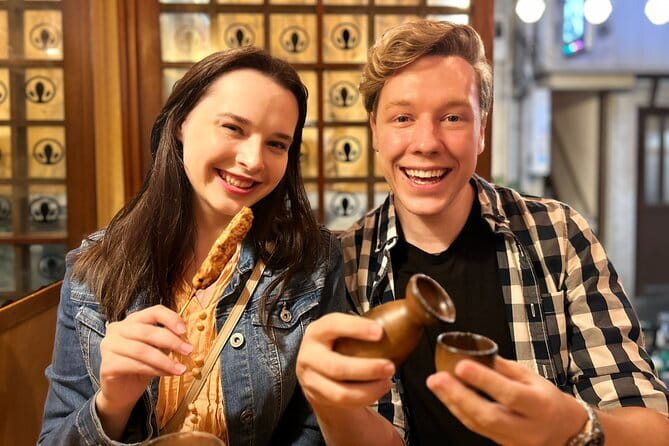
- Fifteen dishes form the center of the evening: Seasonal Japanese foods may include dumplings, yakitori, stews, grilled items, snacks, and sweets.
- Omoide Yokocho and Golden Gai show two sides of old Shinjuku: One is a food alley, the other a maze of tiny bars and preserved postwar buildings.
- The guide matters here: Sakura, Kyle, Seiya, Taka, and Kei have all been praised for friendly conversation, strong English, and helpful cultural explanations.
- The listed drink details need checking: The tour title says three drinks, while the inclusions specify two drinks, alcoholic or non-alcoholic.
- The group is capped at 15 people: That keeps the evening manageable, though a larger group can still feel crowded in tiny bars.
- Dietary restrictions are a real limitation: Meals are prepared outside the operator’s kitchen, and substitutions cannot always be promised.
Why Shinjuku works so well for a food walk
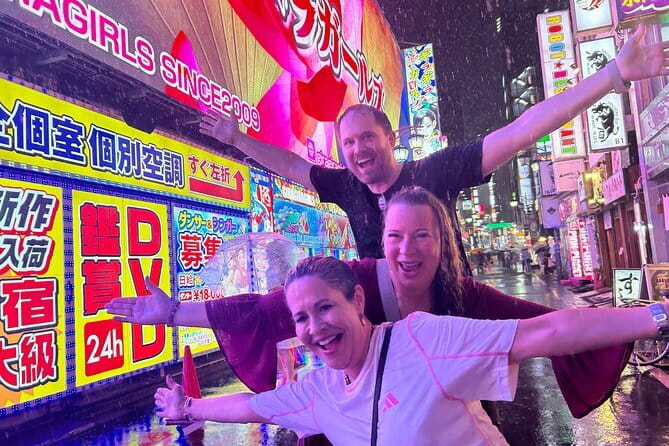
Shinjuku can feel like several cities packed into one district. Giant screens and bright signs fill the main streets, while narrow lanes nearby lead to old eateries, small drinking spots, arcades, entertainment venues, and places that are easy to miss when you are focused on reaching the station.
That contrast gives this tour its purpose. You are not simply walking from one restaurant to another. You are learning how the district changes block by block, and how Japanese nightlife works in places where menus, customs, and ordering routines may not be obvious to an English-speaking visitor.
The guide also explains dining and drinking etiquette. That is useful in Japan, where small habits matter: how to handle shared food, how to order in a cramped izakaya, and how to behave respectfully around staff and other customers. You will not need to treat the evening like a formal class. The best feedback describes it as a relaxed night out with a friend, with culture worked into the conversation.
The tour is limited to 15 people, which is a sensible maximum for narrow lanes and compact restaurants. Even so, you should expect some standing and walking, and the pace may feel quicker if the group is full.
A few more options to weigh up in Tokyo
- Tokyo Disney Resort – Tokyo Disneyland & Tokyo DisneySea Park Tickets
★ 4.8 · 99,488 reviews - SHIBUYA SKY Ticket
★ 4.7 · 46,509 reviews - JR Whole Japan Rail Pass
★ 4.8 · 29,150 reviews
Meeting the guide beneath the giant cat
The evening begins near the GUCCI Shinjuku M Square Store at 3-24-1 Shinjuku, on the first floor of the Newno GS Shinjuku building. This places you close to the major Shinjuku Station area and the famous giant 3D cat display.
The cat is not just a meeting-area landmark. It is an entertaining first photo stop, with a moving, meowing cat appearing on a large digital billboard. The stop lasts about five minutes and costs nothing to enter. It gives the group time to gather before the food portion begins.
This opening is brief, so do not expect a major attraction visit. Think of it as a quick orientation to modern Shinjuku, followed by a turn toward older streets and local eating places.
The tour provider uses WhatsApp for communication on the day, so download it before you arrive. You will also receive confirmation when booking, and the mobile ticket makes it easy to keep the reservation on your phone.
Omoide Yokocho, where old Tokyo still feels close
The first substantial stop is Omoide Yokocho, a narrow, nostalgic alley lined with small bars and eateries. You have about 50 minutes here, with food and drinks included as part of the tour.
Omoide Yokocho is valuable because it feels far removed from the wide roads and enormous signs of central Shinjuku. The spaces are small, the atmosphere is informal, and the alley gives you a sense of how compact Japanese drinking districts can be. A guide helps you understand what you are seeing instead of leaving you to guess which door to enter.
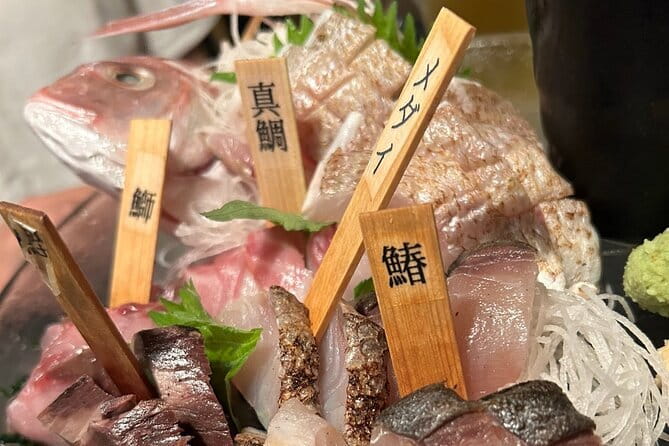
The menu changes with the season, so no fixed list of 15 dishes is promised. The food may include familiar Japanese favorites and less familiar items. From the food examples associated with this experience, you might encounter yakitori, potato salad, beef offal stew, grilled dumplings, soup dumplings, salted squid guts, fried horse meat, century egg, or whole shrimp with eggs.
That variety is part of the fun, but it also explains why the meal may not suit every taste. Some dishes are gentle introductions, while others are more adventurous. I would approach this stop with curiosity rather than a narrow idea of what Japanese food should be.
One practical point matters here: the 15 dishes are carefully selected, but the number and choice may differ for solo participants. Additional food and drink can be ordered, but you pay for those extras on the spot.
Godzilla Road and the playful side of Shinjuku

After Omoide Yokocho, the walk heads toward Godzilla Road and the famous Godzilla Head. This stop takes about five minutes and is free.
The Godzilla figure is a quick photo opportunity, but it also helps show another side of Shinjuku. The district is not only about old bars and serious food traditions. It also enjoys spectacle, pop culture, giant signs, and a little controlled silliness.
Do not plan on a long museum-style visit here. The value is in seeing the landmark as part of the surrounding entertainment district, then continuing on foot with the guide’s explanation of the area.
A completely different kind of day out:
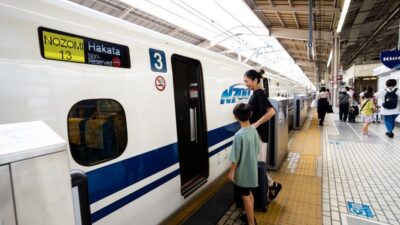
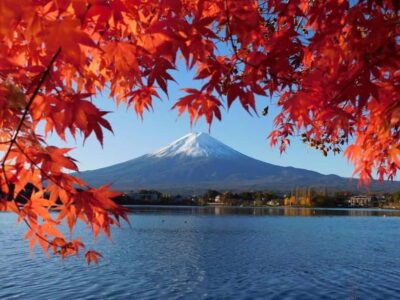
- Mt Fuji and Hakone 1-Day Bus Tour Return by Bullet Train
★ 5.0 · 26,383 reviews - TOKYO SKYTREE® Ticket
★ 4.7 · 25,136 reviews - teamLab Borderless Tickets: MORI Building DIGITAL ART MUSEUM
★ 4.7 · 24,126 reviews - teamLab Planets TOKYO Ticket
★ 4.7 · 21,663 reviews
Kabukicho after dark, with context instead of guesswork
The longest part of the evening is in Kabukicho, where you spend about one hour and 40 minutes. This is Tokyo’s best-known entertainment district, and it can be confusing if you do not know what you are looking at.
A former local worker leads this portion, sharing stories about the area and its changing character. That background can make a big difference. You are not simply looking at neon signs and narrow entrances. You are hearing how the district functions and seeing the difference between the public face of Shinjuku nightlife and the smaller places tucked behind it.
Food is also sampled along the way. The tour may move between different local stops, but the exact restaurants and dishes are not fixed in the information provided. That flexibility can help the guide adjust to the group and the season, but it means you should not expect a guaranteed restaurant lineup.
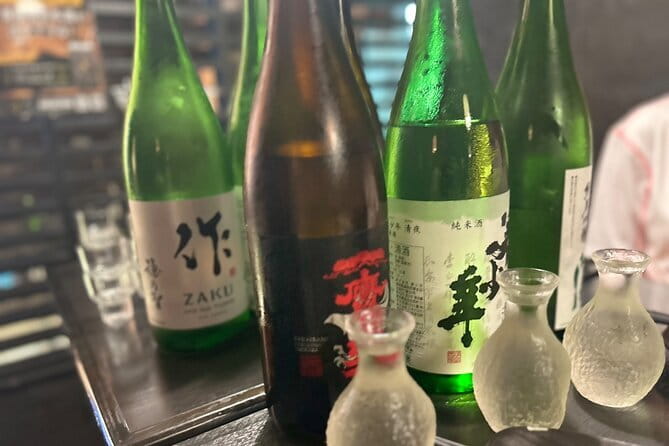
The drink selection may include draft beer, lemon sours, whiskey highballs, tea mixed with shochu, or non-alcoholic options. The published details list two included drinks, although the title refers to three. I would confirm this point before booking if the number of drinks matters to your budget.
Anyone under 20 receives soft drinks, as Japanese law prohibits alcohol for people under that age. Children must be accompanied by an adult.
Golden Gai, tiny bars and a preserved postwar feel
Golden Gai is one of the most memorable areas connected with this walk. More than 200 tiny bars sit along narrow alleys, and the buildings preserve a small-scale postwar look that has largely disappeared from newer parts of Tokyo.
This is where the tour can feel most different from an ordinary city walk. The lanes are tight, the bars are intimate, and the architecture makes you aware of how much Tokyo has changed. A guide gives you a way to read the place without wandering in uncertainly or choosing a bar at random.
The setting also creates limits. Tiny bars do not handle large groups in the same way as a spacious restaurant. You may spend time moving through the alleys or visiting only selected stops. Some people will love the close quarters and old-fashioned character. Others may prefer a larger dining room and more personal space.
The evening ends in front of Shinjuku Station. If you want to remain at the last bar, you can do so, but the group will disperse there. This is a useful arrangement if you want to continue your night, though you will be responsible for any additional orders.
What the food is really like

The promise of 15 dishes sounds substantial, but you should understand how a tasting tour works. The food is likely to arrive as shared samples or small portions rather than 15 full meals. That lets you try a wide range without filling up on the first plate.
Past food examples show a broad approach. You might move from familiar dumplings or yakitori to dishes such as offal stew, squid guts, horse meat, or century egg. Dessert may be taiyaki, a filled fish-shaped cake. One person found the food average and felt that visiting only two restaurants weakened the experience, so expectations matter.
The strongest food praise has focused on taste and discovery, especially dumplings. Some people have described the meal as delicious and appreciated being taken to places they would not have tried alone. I would rate the food as an important part of the evening, but not the only reason to go.
The bigger benefit is range. You can ask what you are eating, learn how it is served, and hear why a dish fits the setting. That context often turns a strange-looking plate into something you are willing to try.
The guides make or break the evening
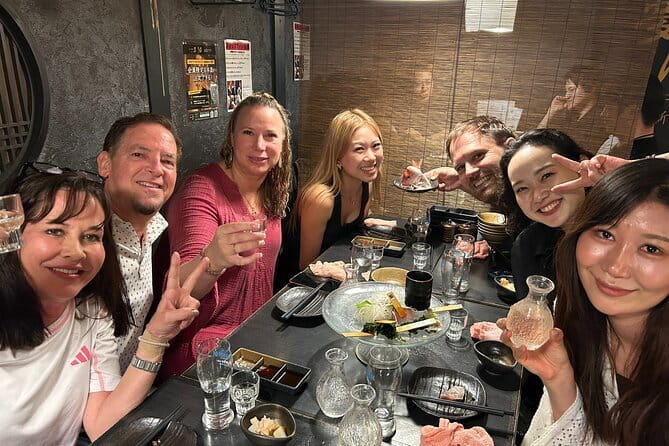
This experience depends heavily on the guide. The food stops are useful, but the guide is the person who explains the etiquette, keeps the group moving, handles menu questions, and makes unfamiliar places feel comfortable.
Sakura receives especially warm praise for her energy, English, cultural explanations, and ability to make the evening feel personal. Kyle is described as friendly, funny, considerate, and able to keep a group together, even in bad weather. Seiya has been praised for fluent English and a warm manner, while Taka and Kei have also helped create relaxed evenings in Shinjuku.
The tone seems social rather than stiff. You may learn about language, history, customs, changing social rules, and daily life in Japan while sharing food with other people. Solo visitors may find this particularly useful, since the tour gives structure to an evening that can otherwise be easy to postpone after a long day of sightseeing.
The group experience is not guaranteed to feel intimate if all 15 places are filled. Still, the small venues make a guide especially valuable, and the limit is more reasonable than a large coach-style group.
Price, value, and what is included
At $100 per person, the cost is not cheap for a three-hour walk, but it includes 15 selected dishes, two listed drinks, an English-speaking local guide, photos taken during the tour, and explanations of food customs and local culture.
I think the price makes sense if you value access and confidence. You are paying to avoid the uncertainty of choosing a crowded alley restaurant, misunderstanding a menu, or missing the meaning of the district. The included food and drinks also remove the need to stop and pay at every tasting point.
The value drops if your main goal is to eat a large dinner or visit many separate restaurants. One account found only two food venues and felt the meal was mediocre. You should also allow extra money for personal purchases and optional orders, since those are not covered.
The free cancellation policy helps reduce the risk. You can cancel at least 24 hours before the local start time for a full refund. Inside that window, the payment is not refunded and changes are not accepted.
Who should book this Shinjuku food tour?
I would recommend it to first-time Tokyo visitors who want an easy introduction to Shinjuku nightlife without handling every detail alone. It also suits solo visitors, couples, and food lovers who enjoy trying dishes outside their usual comfort zone.
You will get the most from it if you enjoy conversation, walking, small bars, and cultural explanation. It is a good first or second night activity because the guide can point out places and foods to try during the rest of your stay.
I would be more cautious if you have serious allergies or strict dietary rules. The provider cannot guarantee allergy-free food, and substitutions may not be available at every stop. The team will try to compensate at other points, but you should not book this expecting full menu control.
It may also disappoint you if you want a quiet, formal dinner, fixed dishes, or a long stay at each restaurant. The tour moves through nightlife areas, and the food is part of a larger evening walk.
Final call: book it for culture, company, and variety
I would book the Tokyo Shinjuku Food and Backstreet Culture Tour if I wanted a friendly, guided introduction to the district’s food and nightlife. The best features are the guide-led access to Omoide Yokocho and Golden Gai, the useful etiquette lessons, and the chance to try dishes you might not order alone.
I would not choose it solely for the promise of 15 full dishes or three drinks, since the details list 15 tasting portions and two included drinks, with some variation. Confirm the drink count, tell the operator about dietary needs, and arrive ready for an informal night rather than a polished restaurant crawl.
For most curious eaters, the combination of food, stories, and Shinjuku’s narrow backstreets makes the $100 worthwhile. You are buying a better way to understand the district, not just a plate-by-plate meal.
FAQ
How long does the Tokyo Shinjuku food tour last?
The experience lasts approximately three hours.
How many dishes are included?
The tour includes 15 carefully selected Japanese dishes. The selection varies by season, and the number offered to solo participants may differ.
How many drinks are included?
The inclusions specify two drinks, either alcoholic or non-alcoholic. The tour title refers to three drinks, so confirm the current allowance before booking.
Can people under 20 join?
Yes, children can participate when accompanied by an adult. Alcohol is prohibited in Japan for anyone under 20, so underage participants receive soft drinks.
Where does the tour begin?
It begins at the GUCCI Shinjuku M Square Store, located at 3-24-1 Shinjuku, Shinjuku City, Tokyo, on the first floor of the Newno GS Shinjuku building.
Where does the tour finish?
The group disbands in front of Shinjuku Station. If you want to stay at the last bar, you may remain there and pay for any further orders yourself.
Are dietary restrictions and allergies accommodated?
The operator cannot guarantee allergy-free meals or accommodate every dietary restriction. Substitutions may not be available at all stops, though the guide will try to offer compensation at other stops.
How many people can join the tour?
The maximum group size is 15 people. Additional food and drink orders are available, but you pay for those directly at the venue.
Just added in Tokyo
- Japanese Home Cooking Class & Walk in Todoroki Temple Tokyo★ 5.0 · 88 reviews
- A One-of-a-Kind Sushi Experience in a Special Place of Japan★ 5.0 · 15 reviews
- Tokyo Cute Bento Cooking Class – Make a Kawaii Character Lunchbox★ 5.0 · 126 reviews
- Japan Tokyo Tower Observatory Deck E-Ticket★ 4.0 · 34 reviews
- Catch a Baseball Game in Tokyo with a Local – Tickets Included★ 5.0 · 24 reviews
- JDM Experience with Fast&Furious RX-7 (English speaking Driver)★ 5.0 · 57 reviews
- Tokyo Private Day Tour by Car with English speaking Driver Guide★ 4.0 · 29 reviews
- Japan Classic 10 Day – One Life Adventures★ 5.0 · 129 reviews
Tokyo Tours, compared.

Tokyo Disney Resort – Tokyo Disneyland & Tokyo DisneySea Park Tickets
Read our review →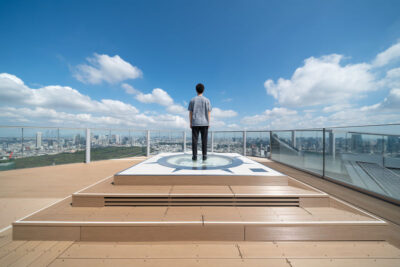
Mt Fuji and Hakone 1-Day Bus Tour Return by Bullet Train
Read our review →

teamLab Borderless Tickets: MORI Building DIGITAL ART MUSEUM
Read our review →