Reviewed · TOKYO TOURS
Tokyo Time Machine: Exploring Old School Monzen-Nakacho
Tokyo keeps its best stories off the main road. Tokyo Time Machine leads you through Monzen-Nakacho, an old neighborhood of temples, family food shops, sake specialists, and tiny bars that most first-time visitors miss. I like the small group size, capped at six, and the way food, drink, religion, and local history are tied together.
I also like that the tastings, dinner, snacks, alcoholic drinks, and tea or coffee are included in the $195 price. The main consideration is time: at five to six hours, this is a long afternoon and evening, and the alcohol-focused stops may not suit every eater or drinker.
In This Review
- Key points to know before booking
- Why Monzen-Nakacho makes a good food walk
- Starting with sushi and fukagawa meshi
- Fukagawa Fudo-do and the Buddhist fire ceremony
- Sake, oysters, and the neighborhood’s small bars
- What the guides add to the experience
- How the $195 price measures up
- Who will enjoy this most
- Practical details for a smooth afternoon
- My call: book it for the neighborhood access
- FAQ
- Where does the Tokyo Time Machine tour begin?
- What time does the tour start?
- Where does the experience end?
- How long does the tour last?
- How many people can join the tour?
- Is there a minimum age?
- Are food and drinks included?
- Is private transportation included?
- Can I cancel for a full refund?
Key points to know before booking
- Fukagawa meshi starts the food story: Try Monzen-Nakacho’s local clam-and-rice specialty in a traditional neighborhood setting.
- Fukagawa Fudo-do adds a religious side: The temple visit may include a powerful Buddhist fire ceremony, not just a quick look at the grounds.
- Six people is the maximum: A tiny group makes it easier to enter cramped pubs and ask questions without losing the guide.
- Sake has cultural meaning here: Tastings are connected to Japanese customs and religion, not treated as a simple drinking session.
- The route favors local businesses: Expect hidden izakayas, a standing bar, an oyster stop, and small food shops rather than famous Tokyo attractions.
- Plan on a 1 p.m. start and a same-place finish: The tour begins at Monzen-Nakacho Station and ends back at the meeting point.
Why Monzen-Nakacho makes a good food walk
Monzen-Nakacho sits in Koto City, away from the Tokyo sights that fill most first-time itineraries. That is the point. You are not spending the afternoon moving between major landmarks. You are learning how one neighborhood eats, drinks, prays, and keeps its small businesses going.
The area’s character comes from the mixture of ordinary daily life and old religious institutions. A short walk can take you from a family-run food shop to a temple entrance, then into a narrow pub where the kitchen is barely bigger than a closet. This kind of route rewards curiosity more than landmark collecting.
I especially like the tour’s local focus. You get recommendations for food, sake, beer, and bars that are useful after the walk ends. You also avoid the awkwardness of choosing an unfamiliar Japanese pub alone, where the menu may be hard to read and the entrance may look too private to enter.
The maximum group size of six matters here. Monzen-Nakacho’s best drinking spots are described as tiny, and a large group would change the experience completely. A small party can squeeze into a standing bar, hear the guide, and keep the conversation moving.
A few more options to weigh up in Tokyo
- Tokyo Disney Resort – Tokyo Disneyland & Tokyo DisneySea Park Tickets
★ 4.8 · 99,488 reviews - SHIBUYA SKY Ticket
★ 4.7 · 46,509 reviews - JR Whole Japan Rail Pass
★ 4.8 · 29,150 reviews
Starting with sushi and fukagawa meshi
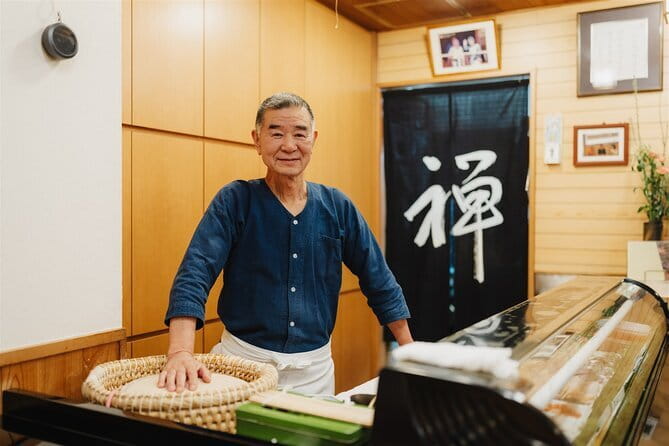
The first food stop includes sushi and fukagawa meshi, a local dish of clams served over rice. The dish has a direct connection to the waterfront life and working food traditions of the area. It is not flashy. That is part of its appeal.
For me, this is the right way to begin. You get a proper introduction to a neighborhood specialty before the route moves into drinks and smaller bites. The clam dish also gives your guide a natural opening to explain how local ingredients connect with the district’s past.
The first section lasts about three hours according to the planned schedule, although the exact order and timing can vary. The food is not presented as a rushed sample grabbed between attractions. The pace is intended to let you eat, listen, and notice the streets around you.
The tour also includes sushi, so this is not only a one-dish lesson. You might find the opening meal especially useful if you want a sense of Japanese food beyond the familiar hits of ramen, tempura, and convenience-store snacks.
One practical point: the food is part of a long afternoon. Arriving very hungry may work well, but you should also pace yourself. The route continues through several drink and snack stops, and the final amount of food can feel substantial when combined with alcohol.
Fukagawa Fudo-do and the Buddhist fire ceremony
Fukagawa Fudo-do is the tour’s strongest cultural stop. You are taken beyond the food trail and into the spiritual life of Monzen-Nakacho. The visit includes paying respects at the temple and taking in a multisensory ceremony.
Several descriptions of the experience point to a Buddhist fire ritual as a memorable part of the afternoon. The ceremony gives the tour a sense of place that a standard pub crawl cannot provide. You are not simply hearing that religion matters in Japan. You are seeing a ritual in an active temple setting.
The fire ceremony may be intense for the senses, with sound, movement, and heat forming part of the experience. Your guide helps explain what you are seeing and how it connects with local religious practice. That guidance is important, since a visitor could easily watch the ceremony without understanding its purpose.
I appreciate the respectful balance here. The temple is not used as decoration between meals. It changes the way you think about the sake stops that follow, especially when the guide explains the spiritual place of sake in Japanese culture and religion.
Keep in mind that this is a working religious site, not a private performance arranged only for the group. The precise ceremony experience may depend on what is taking place during your visit. You should follow the guide’s instructions and treat the temple as a place of worship.
Sake, oysters, and the neighborhood’s small bars
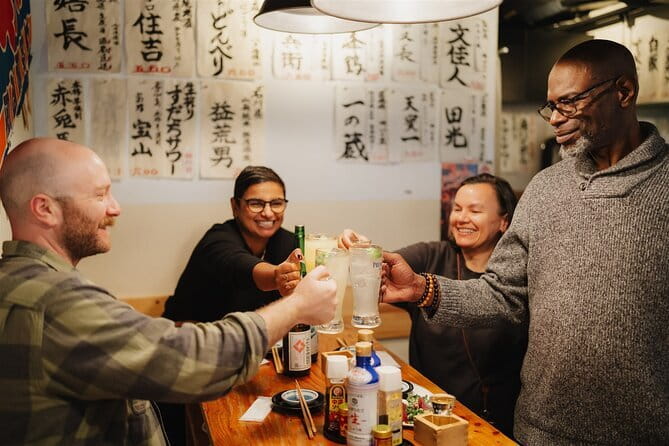
After the temple, the route turns toward the local watering holes. The drinks come with carefully prepared bites, so you are not simply drinking on an empty stomach. Included tastings can feature sake, local beer, and other drinks, with the exact selection depending on the stops.
A sake specialist is part of the afternoon. This gives you a chance to taste different expressions of Japan’s traditional drink while learning how sake connects with food and custom. If you normally find sake menus confusing, having the guide explain what you are trying makes the stop much more useful.
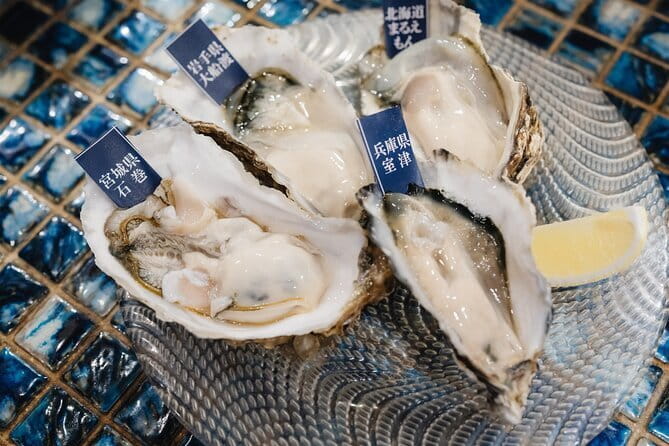
The oyster stop adds a different story. You visit an oyster shucker who supports fishermen by buying oysters directly from them, including producers still dealing with the effects of the 2011 tsunami. This makes the tasting more than a seafood snack. It connects a small Tokyo business with the wider recovery of fishing communities.
The route then squeezes into a tachinomi, or standing bar. The name tells you what to expect: little or no sitting, limited space, and a quick local rhythm. The tiny kitchen is said to produce impressive bites despite its size. This may be one of the most memorable stops for anyone who enjoys watching a neighborhood operate at close range.
The word tiny is important. If you need a chair at every stop, or if you dislike close quarters, this part may feel tiring. On the other hand, standing at a local bar gives you a more honest look at casual Japanese drinking culture than a polished tourist restaurant does.
The afternoon can also include barbecue, local beers, and several additional food and drink stops. The route is not limited to one cuisine or one style of establishment. You move from traditional dishes to seafood, grilled food, sake, beer, and bar snacks.
A completely different kind of day out:
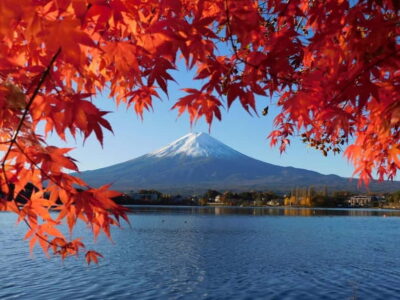
- Mt Fuji and Hakone 1-Day Bus Tour Return by Bullet Train
★ 5.0 · 26,383 reviews - TOKYO SKYTREE® Ticket
★ 4.7 · 25,136 reviews - teamLab Borderless Tickets: MORI Building DIGITAL ART MUSEUM
★ 4.7 · 24,126 reviews - teamLab Planets TOKYO Ticket
★ 4.7 · 21,663 reviews
What the guides add to the experience
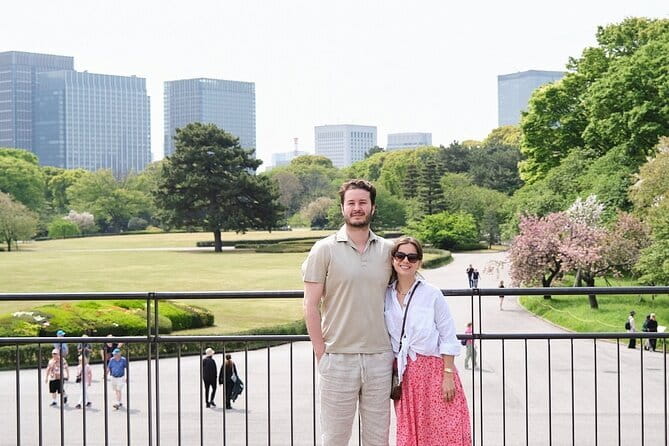
The guide is central to this tour. Without one, some of these places would be difficult to enter or understand. A local guide can explain ordering customs, point out neighborhood details, and keep the group moving without turning the afternoon into a lecture.
Michelle is a Canadian who has lived in Japan for 20 years. Her long connection with Tokyo and relationships with local food businesses are a major advantage. She has been described as warm, easy to talk to, and good at explaining both food and everyday customs.
Elly has also guided the route. Her strengths include knowledge of Monzen-Nakacho’s food and past, along with strong relationships at the restaurants visited. Mairi brings a long personal connection to Tokyo and the small businesses along the route.
The fact that more than one guide leads the experience means your exact style may vary. That is not a weakness. Michelle, Elly, and Mairi appear to bring the same broad purpose to the walk while giving it their own personality.
The best guides on a food walk do more than name dishes. They explain why a shop matters, how a custom fits into daily life, and what you should order next time. This experience is designed around that kind of personal explanation.
How the $195 price measures up
At $195 per person, this is not a cheap way to grab lunch in Tokyo. You are paying for access, explanation, and a long series of included food and drink stops. Dinner, snacks, alcoholic beverages, and coffee or tea are covered, so the final cost is less open-ended than it might first appear.
The group limit also supports the price. A private guide for up to six people would cost far more, while a large group would be less useful in the narrow pubs and shops. Here, your money goes toward a small-group format and introductions that you might not manage independently.
The tour lasts roughly five to six hours and begins at 1 p.m. It is effectively your main afternoon and evening activity. If you compare it with a short tasting session, the price will seem high. If you compare it with dinner, drinks, a cultural visit, and a guided neighborhood orientation, the value is easier to see.
You should also consider what is not included. Private transportation is not provided. The tour starts at Monzen-Nakacho Station, and the activity ends at that same meeting point. You need to make your own way there and back using Tokyo’s public transportation system.
The experience is booked, on average, 93 days ahead. That does not guarantee every date sells out, but it is a useful warning for a small group tour with only six places. I would reserve well before your trip, especially if your Tokyo schedule is tight.
Who will enjoy this most
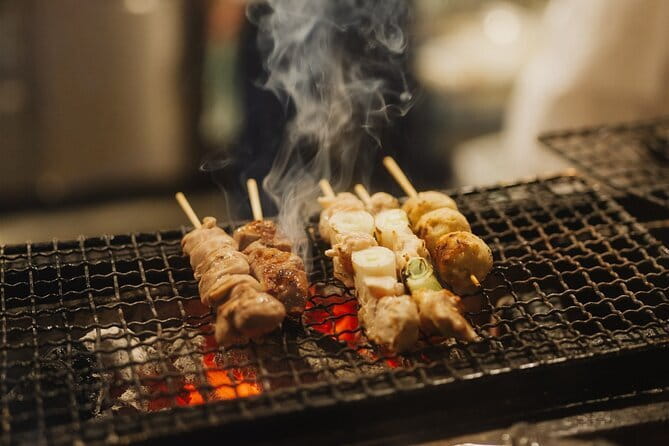
I would choose this tour if you want Tokyo through local food and ordinary neighborhood life. It suits people who enjoy trying unfamiliar dishes, listening to cultural explanations, and entering places they would probably overlook alone.
It is also a strong choice if you have already seen the major Tokyo sights. Monzen-Nakacho gives you a different side of the city, and the guide’s bar and restaurant suggestions can help shape the rest of your stay.
The tour may suit you especially well if you are gluten-free or have celiac disease, but you should communicate your needs when booking and confirm what can be served at each stop. One experience with this route was specifically praised as working well for celiac and gluten-free dining, but the provided details do not promise a fixed gluten-free menu.
You must be at least 18 because alcoholic beverages are included. If you do not drink, the food and temple elements still have appeal, but you should ask the provider how non-drinking participation is handled before booking.
This is less suitable for someone who wants a quick, polished sightseeing circuit. It is also not ideal if you prefer to choose every dish yourself, avoid standing bars, or need a tightly fixed schedule. The charm comes from the neighborhood pace and the small local stops.
Practical details for a smooth afternoon
Meet at Monzen-Nakacho Station, at 2 Chome-4 Monzennakacho, Koto City, Tokyo 135-0048. The start time is 1 p.m., and the activity returns to the meeting point.
Wear comfortable shoes. The route is a walking tour through backstreets, temple grounds, food shops, and bars, and the length can reach six hours. The supplied information says it is near public transportation and that most people can participate.
Your booking confirmation arrives at the time of booking. You can cancel for a full refund up to 24 hours before the local start time. Changes or cancellations inside that 24-hour window are not accepted, so keep your Tokyo plans firm once the cutoff approaches.
Because food and alcohol are included, tell the provider about dietary needs in advance. The available information confirms food variety, including clams, sushi, oysters, barbecue, snacks, and drinks, but it does not provide a full ingredient list for every stop.
My call: book it for the neighborhood access
I would book Tokyo Time Machine if I wanted an afternoon built around local food, sake, and culture rather than famous Tokyo sights. The Buddhist fire ceremony, fukagawa meshi, oyster stop, and standing bar give the experience more range than a standard food walk.
The strongest reason to choose it is the combination of access and explanation. You get into small places, meet the food businesses indirectly through the guide, and learn why the neighborhood’s eating and drinking customs matter.
The main cautions are the price, the long duration, the alcohol, and the possibility of standing in cramped bars. If those sound like drawbacks, choose a shorter tasting activity. If they sound like part of the fun, this is one of the better ways to spend an afternoon in old-school Monzen-Nakacho.
FAQ
Where does the Tokyo Time Machine tour begin?
It begins at Monzen-Nakacho Station, at 2 Chome-4 Monzennakacho, Koto City, Tokyo 135-0048, Japan.
What time does the tour start?
The tour starts at 1 p.m.
Where does the experience end?
It ends back at the meeting point near Monzen-Nakacho Station.
How long does the tour last?
The experience lasts approximately five to six hours.
How many people can join the tour?
The maximum group size is six people.
Is there a minimum age?
Yes. Participants must be at least 18 years old.
Are food and drinks included?
Yes. Alcoholic beverages, dinner, snacks, and coffee or tea are included.
Is private transportation included?
No. Private transportation is not included. The meeting point is near public transportation.
Can I cancel for a full refund?
Yes. You can cancel at least 24 hours before the local start time for a full refund. Cancellations or changes made less than 24 hours before the start time are not accepted.
Just added in Tokyo
- Very popular in Harajuku♡Animal petting zoo★ 4.6 · 39 reviews
- Yokohama Port: Private Customizable Tour with Transfer★ 5.0 · 19 reviews
- Wagyu & Sake 8 Course Tasting Dinner in Shinjuku★ 4.9 · 20 reviews
- Warner Bros. Studio Tour Tokyo – The Making of Harry Potter★ 4.8 · 181 reviews
- Yanaka District: Historical Walking Tour in Tokyo’s Old Town★ 4.8 · 117 reviews
- Tokyo: Classic Tsukiji Food Tour★ 4.9 · 78 reviews
- Tokyo: Tsukiji Fish Market Tour with 6 Stops & Seafood Lunch★ 4.5 · 165 reviews
- Tokyo Wagyu & Sake Pairing Tasting Experience with Local Flavors★ 5.0 · 108 reviews
Tokyo Tours, compared.
Tokyo Disney Resort – Tokyo Disneyland & Tokyo DisneySea Park Tickets
Read our review →
Mt Fuji and Hakone 1-Day Bus Tour Return by Bullet Train
Read our review →

teamLab Borderless Tickets: MORI Building DIGITAL ART MUSEUM
Read our review →