Reviewed · TOKYO TOURS
Tokyo Time Machine Exploring Old School Monzen Nakacho
Old Tokyo still has stories to tell. This six-hour Monzen-Nakacho food and culture tour leaves the famous districts behind for red torii, temple rituals, old food shops, and tiny Showa-era bars. I like the mix of cultural stops and generous food tastings, and I like having a guide translate the small conversations that make local places come alive. The main consideration is the price, $195 per person, especially if you are not keen on alcohol or expect a conventional sightseeing tour.
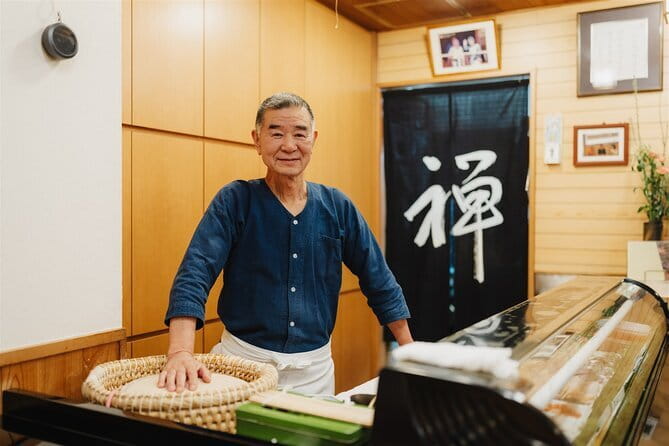
The group is capped at six, which gives the experience a friendly, personal feel. Guides such as Diana, Michelle, Nicole, Chika, and Mairi have been praised for their warmth, stories, and care with guests. Still, the afternoon includes a clear sake and alcohol component, so this is a better match for curious eaters and drinkers than for anyone wanting a food-only outing.
In This Review
- Key points to know before you go
- Why Monzen-Nakacho makes a good change of pace
- Starting at Monzen-Nakacho Station at 1:00 pm
- Tsurugaoka Hachimangu Shrine and Tokyo’s sumo connection
- Fukagawa Fudodo and the sound of a Goma fire ritual
- Tatsumi Shindo, tiny bars, and old-school Tokyo
- What the small group adds to the experience
- Is $195 a fair price for six hours?
- Who will enjoy this Monzen-Nakacho afternoon?
- Booking, cancellation, and practical details
- FAQ
- Where does the tour start?
- What time does the tour begin?
- Where does the tour end?
- How many people can join the tour?
- What is included in the price?
- Can I cancel for a full refund?
- Should you book Tokyo Time Machine?
Key points to know before you go
- Monzen-Nakacho offers a quieter side of Tokyo: You explore an area many first-time visitors skip, with local bars, shrines, temples, and old neighborhood businesses.
- The six-person limit matters: A small group makes translation easier and gives you more time to ask questions.
- Food and drinks are included: Expect snacks, dinner, coffee or tea, and alcoholic beverages during the afternoon.
- The cultural stops are part of the meal: You visit Tsurugaoka Hachimangu Shrine and Fukagawa Fudodo before spending about two hours around Tatsumi Shindo.
- The tour begins at 1:00 pm: Meet at Monzen-Nakacho Station and return there at the end.
- Book early if your dates are fixed: This experience is booked an average of 84 days ahead.
Why Monzen-Nakacho makes a good change of pace
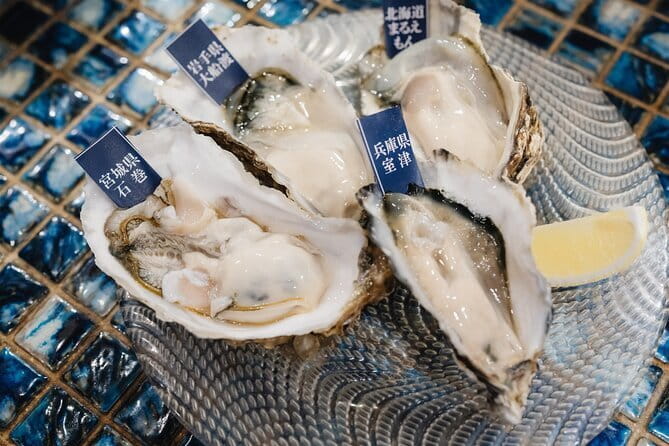
Tokyo can easily become a parade of major sights: Shibuya Crossing, Senso-ji, Meiji Shrine, and the bright signs of Shinjuku. Monzen-Nakacho gives you a different kind of afternoon. It is less about checking off famous landmarks and more about seeing how an older neighborhood functions through food, faith, and evening drinking customs.
I like this choice for a second or third day in Tokyo, after you have seen some of the city’s headline attractions. The tour gives you a reason to wander beyond the usual routes, while the guide handles the difficult parts of ordering and conversation.
That language help is important. Tiny bars and family-run food shops are not always built for casual English-language visits. A guide can explain what you are eating, translate questions, and help you understand the setting without turning the experience into a performance for tourists.
The six-person maximum also has real value. In a large food tour, you can end up standing at the edge of a counter while the guide speaks over a crowd. Here, you have a better chance of hearing the stories, seeing the food being served, and asking about ingredients or customs.
A few more options to weigh up in Tokyo
- Tokyo Disney Resort – Tokyo Disneyland & Tokyo DisneySea Park Tickets
★ 4.8 · 99,488 reviews - SHIBUYA SKY Ticket
★ 4.7 · 46,509 reviews - JR Whole Japan Rail Pass
★ 4.8 · 29,150 reviews
Starting at Monzen-Nakacho Station at 1:00 pm
The meeting point is Monzen-Nakacho Station at 2 Chome-4 Monzennakacho, in Koto City. The tour starts at 1:00 pm and ends back at the same meeting point, so you do not need to arrange a pickup or figure out a different return route.
The six-hour timing gives the afternoon room to breathe. You are not simply rushing between three addresses. The schedule allows about one hour at each of the first two religious sites, followed by roughly two hours around Tatsumi Shindo and its small bars.
Private transportation is not included. That is not a major issue here because the experience is built around walking and public transportation access, but you should arrive ready for time on foot. Wear comfortable shoes and keep your schedule open after the tour if you think you may linger over dinner or drinks.
Because the tour ends around the meeting point, it is easy to continue exploring Monzen-Nakacho afterward. The exact final timing may vary with the group and the stops, so I would avoid booking a tight evening reservation across town.
Tsurugaoka Hachimangu Shrine and Tokyo’s sumo connection
The first stop is Tsurugaoka Hachimangu Shrine, described as Tokyo’s largest Hachiman shrine and founded in 1627. The striking red torii give you an immediate visual shift from the station area into a more ceremonial setting.
This shrine also has a connection to sumo history, marked by a yokozuna stele. That detail gives the visit more texture than a quick look at a pretty gate. Your guide can help place the shrine within the neighborhood and explain why sumo, Shinto practice, and community life appear together here.
Monthly markets take place on the first, 15th, and 28th of the month. If your tour falls on one of those dates, you might find a more festive atmosphere around the shrine. The market schedule is a useful detail to check before booking, though the tour itself does not promise that your date will match one of those market days.
Admission is free, so there is no extra entrance charge at this stop. I appreciate that the shrine visit is not treated as a rushed photo stop. The listed timing allows about an hour, enough for the guide to explain what you are seeing before the tour moves toward food and drink.
One thing to keep in mind: visitors looking for a major, monumental Tokyo landmark may find this stop modest in scale. Its appeal is the neighborhood setting and the connection to local customs, not a long list of famous buildings.
Fukagawa Fudodo and the sound of a Goma fire ritual
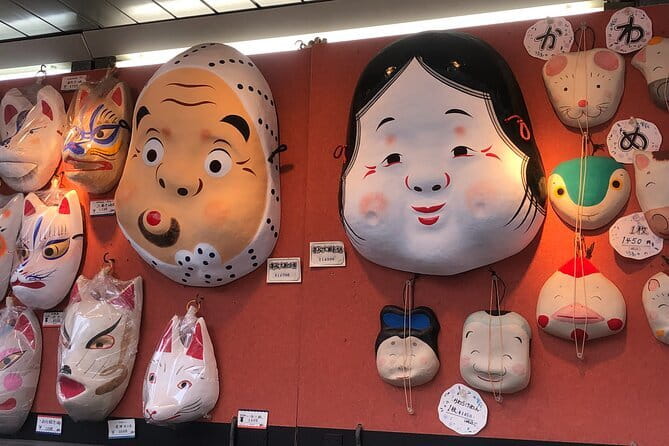
Next comes Fukagawa Fudodo, a temple known for Goma fire rituals and large wooden statues. The stop offers a strong contrast with the shrine. You move from Shinto surroundings into a Buddhist temple setting, giving the afternoon a useful cultural range.
The temple is also approached by small fox Inari shrines. These details reward a slower walk, especially if your guide points out how the smaller shrines fit into the larger religious setting. You are not only looking at buildings. You are getting a glimpse of how several forms of worship share space in the city.
The Goma fire ritual is one of the most memorable elements associated with this temple. A ceremonial fire and chanting monks can create a far more intense experience than a silent temple visit. The tour information describes the ritual as part of the experience, but the exact timing or form of any ceremony can depend on the day. Do not assume you will see every ritual in the same way on every departure.
Fukagawa Fudodo also helps explain why the tour costs more than a simple neighborhood walk. You are paying for access and interpretation across several types of places, not only for a series of tastings. If religious history interests you, this stop adds substance. If your only goal is dinner, the hour here may feel long.
A completely different kind of day out:
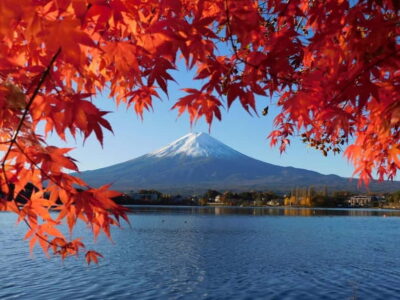
- Mt Fuji and Hakone 1-Day Bus Tour Return by Bullet Train
★ 5.0 · 26,383 reviews - TOKYO SKYTREE® Ticket
★ 4.7 · 25,136 reviews - teamLab Borderless Tickets: MORI Building DIGITAL ART MUSEUM
★ 4.7 · 24,126 reviews - teamLab Planets TOKYO Ticket
★ 4.7 · 21,663 reviews
Tatsumi Shindo, tiny bars, and old-school Tokyo
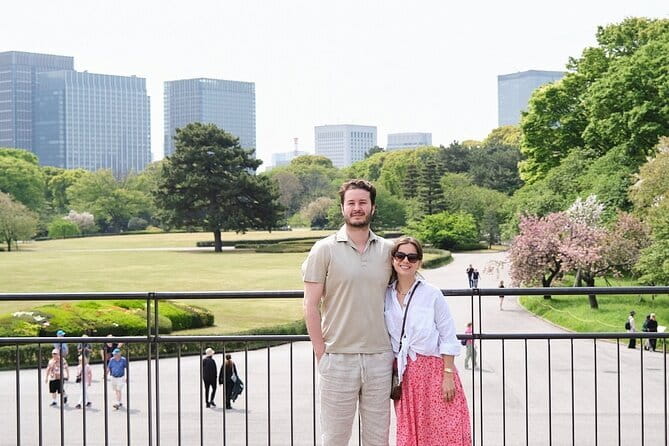
The longest part of the afternoon takes place around Tatsumi Shindo, an alley lined with about 30 small bars. This is where the tour’s old Tokyo character becomes most obvious.
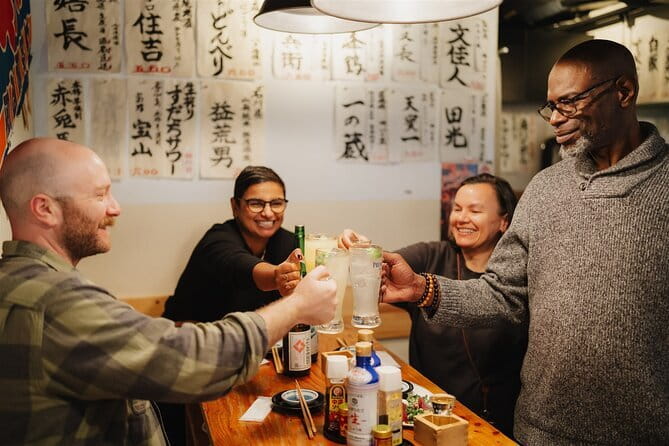
The alley preserves a Showa-era mood, with compact drinking places, karaoke, yakitori, and motsu-nikomi. These are the kinds of businesses that can be intimidating to enter without Japanese language help. A guide makes the setting easier to read and helps you take part without guessing at every social rule.
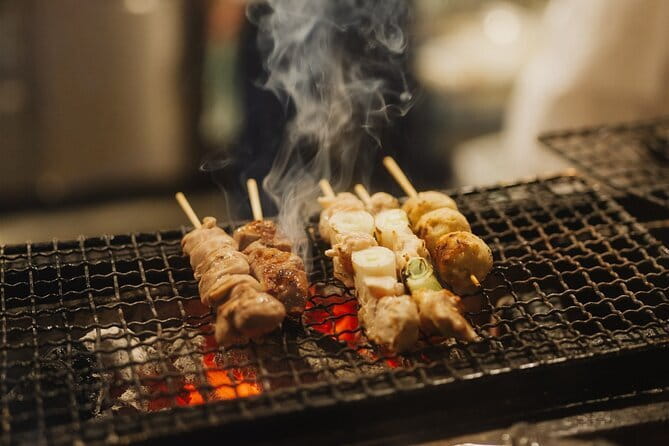
I especially like the range of food and drink described across the experience. You might encounter heritage dishes, warming fisherman’s clam broth with rice stew, mochi, plum wine, sake, gin, and other local specialties. The exact stops can vary, but the point is variety rather than one large restaurant meal.
The food is not presented as a formal tasting menu. Instead, the experience moves through the neighborhood, using small portions and local stops to build a picture of how people eat and drink. That format is more revealing than sitting in one restaurant, though it also means you should expect changing locations, different seating arrangements, and the informal pace of small establishments.
The alcohol focus deserves honest attention. Alcoholic beverages are included, and sake appears to be an important part of the afternoon. Some people will enjoy that social side of Japanese food culture. If you do not like sake, or you prefer a nonalcoholic food tour, the experience may not feel like good value despite the quality of the other stops.
The tour also includes coffee or tea, snacks, and dinner, so you should not need to plan a separate evening meal. Still, the word dinner can mean a sequence of dishes rather than a single full-service dinner. If you have a large appetite, it is sensible to view the tour as a substantial tasting walk, not a guarantee of one giant meal.
What the small group adds to the experience
A maximum of six people is one of the strongest features here. Small bars have limited room, and a compact group is much less awkward than a large crowd trying to squeeze around a counter.
It also helps with translation. You can ask why a dish is served a certain way, what a temple ritual means, or how a particular drink is made. The guide can translate your question and the local answer, rather than giving you only a prepared speech.
The personal approach has been especially important for people who enjoy stories. Guides have been praised for explaining Japanese food, history, and culture while introducing visitors to shopkeepers and bar staff. Past guide names associated with the experience include Diana, Michelle, Nicole, Chika, and Mairi.
Guide quality can shape the afternoon, so this is worth considering. A strong guide turns a tasting route into a conversation about the neighborhood. If the guide is less engaging, the same stops may feel like a series of snacks and buildings. The available praise for these guides is a good sign, but individual guide assignments can change.
The small group can also make the tour more flexible within reason. One guide accommodated a member of a party with limited mobility, which suggests a thoughtful approach. The official information says most people can participate, but it does not promise that every route or bar will suit every mobility need. Contact the provider before booking if you require specific arrangements.
Is $195 a fair price for six hours?
At $195 per person, this is not a bargain food walk. It can still be fair value if you make full use of what is included.
The price covers about six hours, a professional guide, translation, snacks, dinner, coffee or tea, and alcoholic drinks. It also covers the practical benefit of entering small local places with someone who understands the language and neighborhood customs.
You are paying for more than the food itself. The shrine, temple, fire ritual, neighborhood history, and bar visits give the afternoon several layers. Reproducing that route alone would mean finding the places, deciding what to order, handling language barriers, and guessing which small bars welcome newcomers.
I would book it for the access and context, not simply for the amount of food. A person who measures value by the number of dishes may prefer a cheaper food crawl. A person who wants local introductions and cultural explanation will likely find the price easier to justify.
The inclusion of alcohol is both a benefit and a limitation. If you enjoy sake, plum wine, or other drinks, the package becomes more attractive. If you avoid alcohol, ask what alternatives are available before booking, since the supplied information does not promise a specific nonalcoholic replacement.
Who will enjoy this Monzen-Nakacho afternoon?
I think this tour suits you best if you:
- Want to see a less-visited Tokyo neighborhood
- Enjoy small portions and trying unfamiliar foods
- Like combining temples and shrines with local eating
- Feel uneasy entering tiny Japanese bars alone
- Value a guide who can translate conversations
- Prefer a small group over a large coach-style tour
- Enjoy alcoholic drinks as part of a meal
It may not suit you if you want a major sightseeing checklist, dislike walking between stops, or want a strictly nonalcoholic food experience. It is also not the best pick for a very tight schedule because the tour occupies most of the afternoon and early evening.
I would place it early in your Tokyo stay if you want neighborhood food suggestions for later. The guides have offered recommendations for the rest of a visit, and that kind of local advice can help you make better choices after the tour.
Booking, cancellation, and practical details
Confirmation is provided when you book, and the experience uses a mobile ticket. It is near public transportation, with both the start and finish at Monzen-Nakacho Station.
Free cancellation is available until 24 hours before the 1:00 pm start time for a full refund. Cancellations or changes made inside that 24-hour window are not accepted for a refund, and the cut-off follows local Tokyo time.
The tour is recommended by all listed participants and has a five-star rating based on 26 reviews. That is a strong record, but I would still read the experience description carefully if you are sensitive to alcohol, need a particular level of accessibility, or prefer a fixed meal rather than changing food stops.
FAQ
Where does the tour start?
It starts at Monzen-Nakacho Station, at 2 Chome-4 Monzennakacho, Koto City, Tokyo 135-0048, Japan.
What time does the tour begin?
The tour starts at 1:00 pm and lasts approximately six hours.
Where does the tour end?
The experience ends back at the meeting point at Monzen-Nakacho Station.
How many people can join the tour?
The group has a maximum of six participants.
What is included in the price?
Coffee or tea, snacks, dinner, and alcoholic beverages are included. Private transportation is not included.
Can I cancel for a full refund?
Yes. You can cancel at least 24 hours before the local start time for a full refund. Changes or cancellations made less than 24 hours before the start time are not accepted for a refund.
Should you book Tokyo Time Machine?
I would book this tour if you want Tokyo beyond the postcard sights. The best parts are the small group, the translation, the mix of shrine and temple visits, and the chance to enter tiny neighborhood bars without having to work out the language and etiquette alone.
The decision comes down to your relationship with alcohol and price. At $195, this is a serious splurge, and sake or other drinks form a meaningful part of the afternoon. If you enjoy food, local stories, and a slower look at old-school Monzen-Nakacho, the experience offers access you would struggle to arrange independently. If you want a low-cost meal or a purely culinary tour, spend your budget elsewhere.
Just added in Tokyo
- Very popular in Harajuku♡Animal petting zoo★ 4.6 · 39 reviews
- Yokohama Port: Private Customizable Tour with Transfer★ 5.0 · 19 reviews
- Wagyu & Sake 8 Course Tasting Dinner in Shinjuku★ 4.9 · 20 reviews
- Warner Bros. Studio Tour Tokyo – The Making of Harry Potter★ 4.8 · 181 reviews
- Yanaka District: Historical Walking Tour in Tokyo’s Old Town★ 4.8 · 117 reviews
- Tokyo: Classic Tsukiji Food Tour★ 4.9 · 78 reviews
- Tokyo: Tsukiji Fish Market Tour with 6 Stops & Seafood Lunch★ 4.5 · 165 reviews
- TOKYO Ultimate Samurai Armor Photo Experience!★ 5.0 · 16 reviews
Tokyo Tours, compared.
Tokyo Disney Resort – Tokyo Disneyland & Tokyo DisneySea Park Tickets
Read our review →
Mt Fuji and Hakone 1-Day Bus Tour Return by Bullet Train
Read our review →

teamLab Borderless Tickets: MORI Building DIGITAL ART MUSEUM
Read our review →