Reviewed · TOKYO TOURS
Tokyo: Wagyu and Sushi Gastronomic Journey
Shinjuku tastes better after dark. This three-hour food and walking tour brings together Wagyu beef and sushi with a guided look at Kabukicho, Hanazono Shrine, Omoide Yokocho, and Golden Gai. I like the pairing of serious food and street-level Tokyo culture, and I like the small group limit of 10, which should make it easier to ask questions and follow your guide through narrow lanes. The main drawback is the $154 price, especially since local transportation costs extra and the tour visits only two food venues.
You should also know that the route covers a lot in a short time. The food gets the highest praise, while the neighborhood walks add context and atmosphere rather than major sightseeing monuments. If you want a relaxed, restaurant-focused meal, this may feel brisk. If you want dinner with a strong sense of place, it offers good value.
In This Review
- Key points to know before booking
- Why the Wagyu and sushi pairing works
- Meeting the guide near Nishishinjuku
- Kabukicho after dark, with Godzilla overhead
- Omoide Yokocho and the small-scale side of dinner
- Hanazono Shrine, a quiet pause in Shinjuku
- Golden Gai, where every alley feels different
- What $154 buys you in Tokyo
- Who will enjoy this three-hour evening
- Should you book the Wagyu and sushi tour?
- FAQ
- How long does the Tokyo Wagyu and sushi tour last?
- What is included in the price?
- Where does the tour begin?
- Where does the tour finish?
- Is transportation included?
- Is the tour conducted in English?
- How large is the group?
Key points to know before booking
- Wagyu and sushi share the spotlight: You get two major Japanese food traditions in one evening, with explanations of flavor, preparation, and seasonal ingredients.
- Kabukicho takes about 90 minutes: Expect neon-lit streets, nightlife, the Godzilla Head, and a look at one of Tokyo’s best-known entertainment districts.
- Golden Gai is more than a bar stop: Its maze of tiny drinking rooms gives you a close look at post-war Shinjuku culture.
- The group is limited to 10 people: That is a useful size for moving through narrow alleys and speaking with an English-speaking guide.
- Dinner and alcoholic drinks are included: Alcohol is available only to participants aged 20 and above.
- The meeting point is specific: Start in front of the 3rd Burger at 7-chōme-10-5 Nishishinjuku and finish in Shinjuku Golden Gai.
Why the Wagyu and sushi pairing works
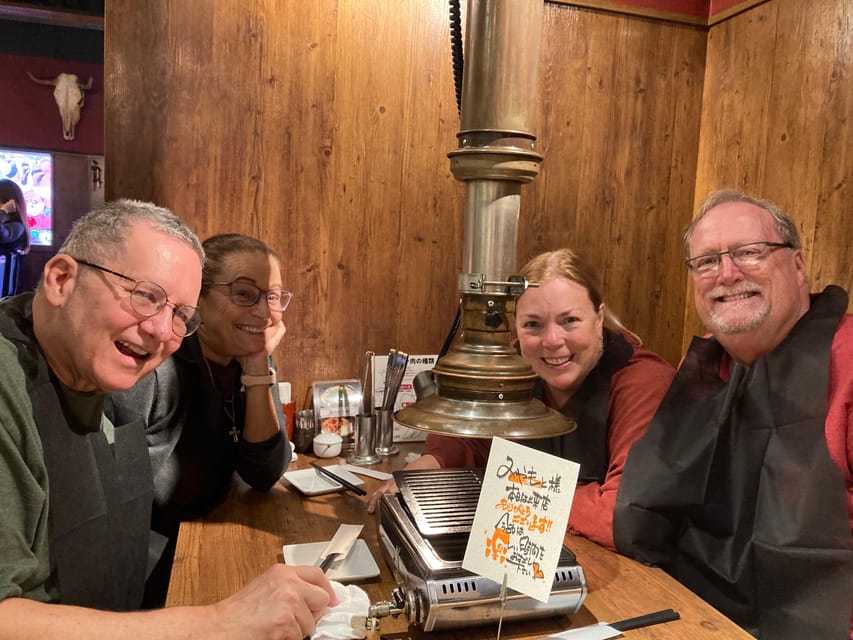
Tokyo has no shortage of food tours. The useful thing here is the contrast between two very different kinds of Japanese dining.
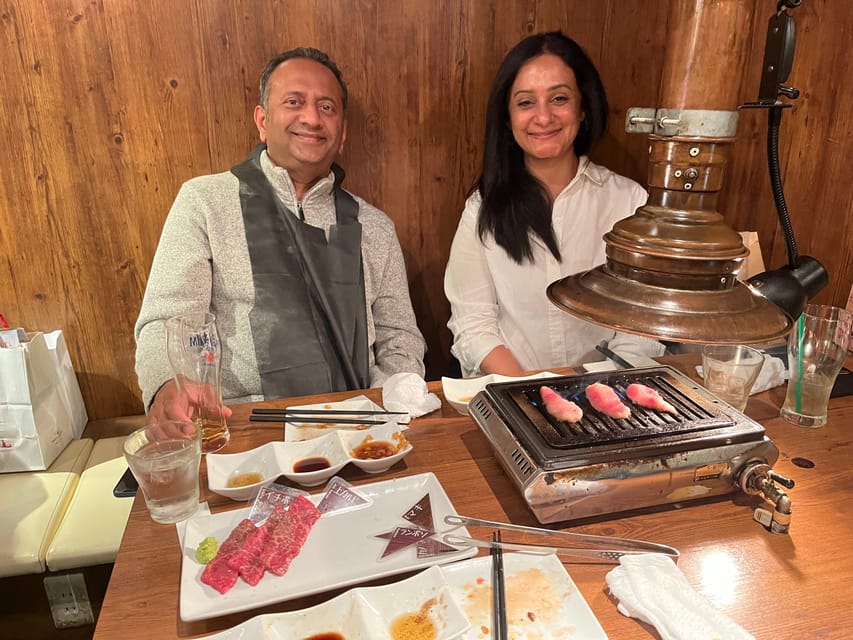
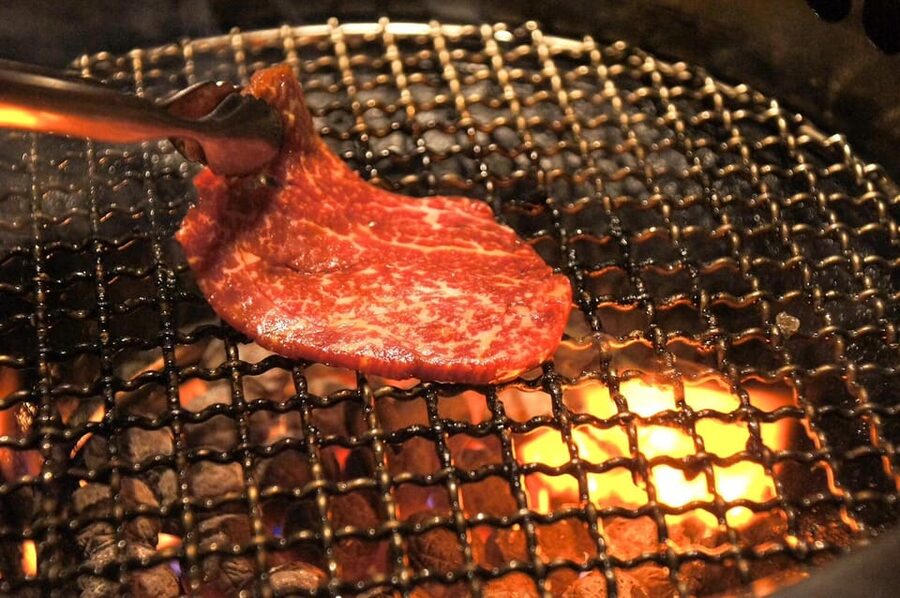
Wagyu gives you a lesson in fat, texture, and careful cooking. You learn about the beef’s background, regional differences, and the qualities that make it prized. The experience is not just about eating a tender piece of meat. It helps you understand why Japanese beef is discussed by region and grade, much as wine is discussed by vineyard and vintage.
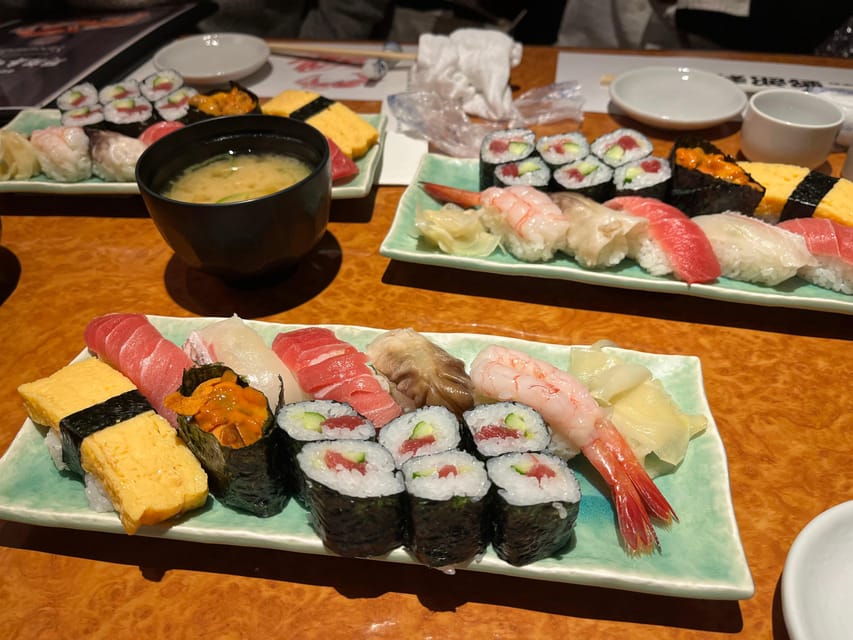
The sushi portion shifts your attention from marbling to precision. You can watch chefs shape each piece and work with seasonal ingredients. That close look at technique matters because sushi can appear simple on the plate, yet small choices in preparation affect texture, balance, and flavor.
I especially like this combination for first-time visitors to Japan. You get one meal based on cooked beef and another built around raw or lightly prepared seafood, while your guide explains how each fits into Japanese food culture. It is more useful than visiting two restaurants alone and guessing what you should order.
The food is also the strongest part of the experience according to the supplied ratings and comments. The tour holds a 4.3 rating from 24 reviews, with repeated praise for tender Wagyu, fresh sushi, and guides who explain the dishes in a friendly way. Several comments describe the meal as the highlight of a Tokyo visit. That praise is unusually consistent, though the short format means you should not expect a full tasting menu or a whole evening spent at one restaurant.
A few more options to weigh up in Tokyo
- Tokyo Disney Resort – Tokyo Disneyland & Tokyo DisneySea Park Tickets
★ 4.8 · 99,488 reviews - SHIBUYA SKY Ticket
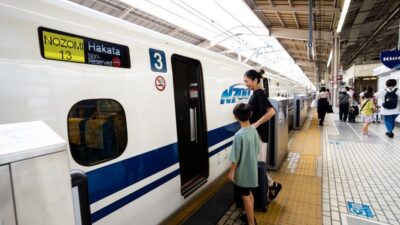
★ 4.7 · 46,509 reviews - JR Whole Japan Rail Pass
★ 4.8 · 29,150 reviews
Meeting the guide near Nishishinjuku
The tour begins at 7-chōme-10-5 Nishishinjuku, directly in front of the 3rd Burger. Use the exact meeting point rather than relying on a general Shinjuku station address. Shinjuku is large, crowded, and full of exits, so arriving with time to spare will save you a stressful opening act.
The tour is conducted in English and uses a small group of no more than 10 people. That number matters here. Kabukicho has busy streets, while Golden Gai has narrow passageways and tiny entrances. A group of 20 or 30 would make the walk feel clumsy. A smaller group gives you a better chance to hear explanations and speak with the guide.
Guides can vary, but Emma received particular praise for her warm manner, food knowledge, and personal stories about dining in Tokyo and her time in the United States. Other comments also describe guides as friendly, enthusiastic, and helpful with recommendations. That suggests the guiding style is a key part of the evening, not just a way to lead you from one restaurant to the next.
The stated duration is three hours, though the practical estimate is three to three and a half hours. Keep the rest of your evening flexible. The activity requires contact with the operator, and if there is no contact from you by the tour date, it may be canceled with a full refund.
Kabukicho after dark, with Godzilla overhead
The Kabukicho portion lasts about 90 minutes. This is the part of Shinjuku where bright signs, entertainment venues, restaurants, and nightlife fill the streets. It is famous, busy, and a little theatrical. You are not coming here for quiet lanes or old Tokyo charm. You are coming to see modern city life turned up several notches.
Your guide helps give the area shape. Instead of simply walking through neon streets, you learn how Kabukicho fits into Shinjuku’s wider identity. The neighborhood is known for nightlife, so the atmosphere changes as the evening progresses. The tour provides a safer and more meaningful way to look around than wandering without context.
One easy landmark is the Godzilla Head on top of the Shinjuku Toho Building. It is a playful symbol of Tokyo pop culture and a good reminder that the city’s identity includes giant movie monsters as well as shrines and sushi counters. You will not spend the whole tour on formal sightseeing, but landmarks such as this help break up the food stops and keep the walk visually interesting.
There is a practical limitation. Kabukicho is not presented as a museum tour, and the description does not promise entry to nightlife venues. You will see the district and hear about it, but the focus remains food and walking. If you want a dedicated look at Tokyo’s entertainment industry, you would need more time elsewhere.
Omoide Yokocho and the small-scale side of dinner
Omoide Yokocho is known for its narrow alleyways, tiny bars, and small eateries serving yakitori and other comfort foods. It offers a sharp contrast to the larger streets of Kabukicho. Here, the appeal comes from scale. The passages are tight, the restaurants are compact, and the cooking feels close to the street.
Even if your included dinner centers on Wagyu and sushi, this stop adds useful food context. Yakitori and other casual dishes show a different side of Japanese eating, one based on informal places, quick meals, and close seating. You get a sense of how much of Tokyo’s food culture takes place in small rooms rather than grand dining halls.
I would not expect a long meal at every location. The tour includes dinner and a visit to two distinct food venues, so the evening has a set structure. Omoide Yokocho may be more about seeing the alley, understanding its role, and getting a taste of Shinjuku’s casual dining culture than ordering a full meal there.
That distinction helps set expectations. If you want to stop at every interesting stall, this tour will feel too short. If you want a guided introduction before returning on your own, the stop works well.
A completely different kind of day out:
- Mt Fuji and Hakone 1-Day Bus Tour Return by Bullet Train
★ 5.0 · 26,383 reviews - TOKYO SKYTREE® Ticket
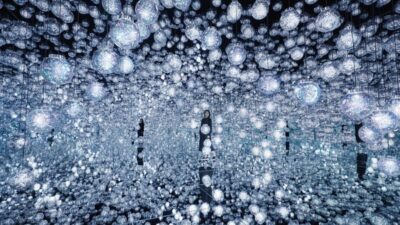
★ 4.7 · 25,136 reviews - teamLab Borderless Tickets: MORI Building DIGITAL ART MUSEUM
★ 4.7 · 24,126 reviews - teamLab Planets TOKYO Ticket
★ 4.7 · 21,663 reviews
Hanazono Shrine, a quiet pause in Shinjuku
Hanazono Shrine provides the evening’s change of pace. After the signs, traffic, and nightlife of Kabukicho, the shrine offers a calmer setting and a chance to learn about traditional Japanese religious practice.
The value of this stop is not based on a long list of monuments. It is the contrast. You move from modern entertainment streets to a place of worship that has a quieter rhythm. That shift helps you understand Shinjuku as more than a commercial center. The district contains old customs and daily religious life alongside bright signs and late-night restaurants.
Your guide can provide context as you walk through the shrine grounds. Since the full route gives 90 minutes to Kabukicho and 90 minutes to Golden Gai, Hanazono Shrine is best understood as one part of the walking route rather than a long formal visit. You should enjoy the pause, take in the change in mood, and avoid expecting a lengthy temple-style tour.
This is one of the tour’s more thoughtful choices. Food tours can become a string of restaurants with no sense of place. A shrine stop gives the night some balance.
Golden Gai, where every alley feels different
The tour finishes in Shinjuku Golden Gai. The area contains more than 200 small bars, many with distinct themes and personalities. The lanes are maze-like, and the bars are famously intimate. Even from the outside, you get a strong sense of how different Golden Gai is from the broad avenues around Shinjuku Station.
The route allows about 90 minutes for Golden Gai. That is enough time to explore with a guide, learn about the area’s post-war culture, and understand why these tiny bars remain such a distinctive part of Tokyo nightlife. The visit is less about checking off one bar and more about seeing how a neighborhood can preserve a very small-scale drinking culture in the middle of a major city.
Alcoholic beverages are included for participants aged 20 and above. The supplied information does not specify the exact number or type of drinks, so I would treat the alcohol inclusion as a useful addition rather than the main reason to book. You can still appreciate Golden Gai’s atmosphere even if you do not drink, but the tour is clearly designed with an evening food and drink mood.
Golden Gai can also be a challenging place for visitors who dislike tight spaces or crowded nightlife areas. The bars are small by design. You may find the close quarters charming, or you may prefer to observe from the lanes rather than settle into a tiny room.
What $154 buys you in Tokyo
At $154 per person, this is not a budget dinner. The value depends on how much you want guidance and how highly you rate the food.
The price includes a local English-speaking guide, dinner, alcoholic beverages for those aged 20 and above, and visits to two different food venues. It also pays for the neighborhood walk, the guide’s explanations, and the convenience of combining food with several major Shinjuku areas in one evening.
I see the strongest value in the interpretation. Wagyu and sushi are easy to order in Tokyo, but it is harder to know what to notice, how regional differences matter, or why one preparation is prized. A good guide turns dinner into a lesson without making it feel like a classroom.
The price looks less attractive if you are already comfortable ordering Japanese food, speak Japanese, and plan to spend the evening in Shinjuku on your own. You could certainly eat for less by visiting casual restaurants independently. The tour makes more sense for someone who wants a planned night, English guidance, and a small group rather than the lowest possible meal cost.
Transportation is not included. Local transport may cost between 200 and 800 yen, depending on what you need. Hotel pickup and drop-off are also not provided, so allow time to reach Nishishinjuku and arrange your own way back after finishing in Golden Gai.
Who will enjoy this three-hour evening
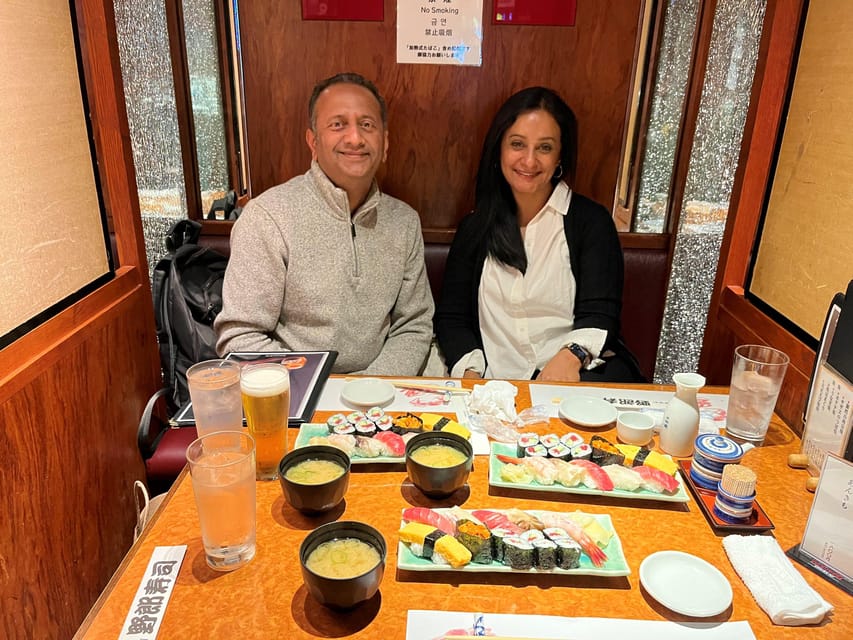
I would recommend this tour most strongly to:
- First-time Tokyo visitors who want a clear introduction to Shinjuku
- Food lovers interested in both Wagyu and sushi
- Solo visitors who prefer a small group for dinner and nightlife
- Couples who want food plus a guided evening walk
- People who enjoy local context but do not want a full-day tour
- Visitors who want to sample alcohol in a social setting and are aged 20 or above
The tour may be less suitable if you want an in-depth sushi course, a long Wagyu meal, or a quiet restaurant setting. It may also feel rushed if you want to linger at every alley, shrine, or bar.
I would wear comfortable shoes and arrive early at the 3rd Burger. Keep your phone charged for navigation, and do not schedule a distant evening show immediately afterward. A little spare time matters in Shinjuku.
Should you book the Wagyu and sushi tour?
Book it if you want high-quality food paired with a guided look at Shinjuku’s nighttime districts. The repeated praise for the Wagyu, sushi, and warm guiding style gives the food side a strong case. Emma’s personable approach is a nice example of the kind of guide you may get, though guide assignments can change.
Skip it if $154 feels too high for dinner, or if you would rather choose restaurants at your own pace. The tour is not designed as a cheap food crawl. It is a compact evening that combines two prized foods, two food venues, and a walk through Kabukicho, Hanazono Shrine, Omoide Yokocho, and Golden Gai.
For many first-time visitors, that combination is the point. You eat well, learn what is on your plate, and finish among the tiny bars of one of Tokyo’s most unusual neighborhoods.
FAQ
How long does the Tokyo Wagyu and sushi tour last?
The tour lasts about three hours, with the practical duration listed as three to three and a half hours.
What is included in the price?
The $154 price includes a local English-speaking guide, dinner, alcoholic beverages for participants aged 20 and above, and visits to two distinct food venues.
Where does the tour begin?
It begins at 7-chōme-10-5 Nishishinjuku, directly in front of the 3rd Burger.
Where does the tour finish?
The tour finishes in Shinjuku Golden Gai.
Is transportation included?
No. Local transportation is not included and may cost between 200 and 800 yen. Hotel pickup and drop-off are also not provided.
Is the tour conducted in English?
Yes. The tour has a live English-speaking guide.
How large is the group?
The tour is limited to 10 participants, making it a small-group activity.
Just added in Tokyo
- Manga Lesson with a Professional Japanese Manga Artist in Nakano★ 5.0 · 77 reviews
- Making a bento box with cute character look in Japan★ 5.0 · 15 reviews
- Tokyo/Ikebukuro Manga drawing workshop by pro-Manga artists★ 5.0 · 65 reviews
- Luxury Tokyo Sake, Cocktail, Whisky and Pairing Tour★ 5.0 · 18 reviews
- Tokyo Ueno Food & Nature & Localtown Tour: 10Dishes+ Drinks★ 5.0 · 34 reviews
- Make Your Own Bonsai with a Professional Bonsai Artist in Tokyo★ 4.5 · 18 reviews
- Make Traditional Nerikiri Sweets & Matcha experience in Shibuya★ 5.0 · 130 reviews
- Daikoku Parking Tokyo Drift & APIT Car Meet JDM Culture Tour★ 5.0 · 79 reviews
Tokyo Tours, compared.
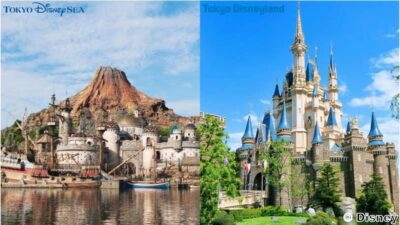
Tokyo Disney Resort – Tokyo Disneyland & Tokyo DisneySea Park Tickets
Read our review →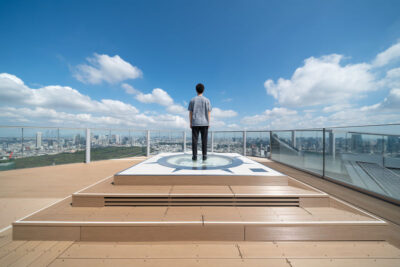
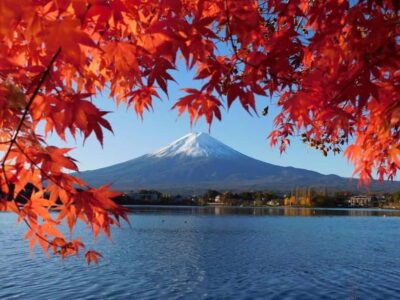
Mt Fuji and Hakone 1-Day Bus Tour Return by Bullet Train
Read our review →
teamLab Borderless Tickets: MORI Building DIGITAL ART MUSEUM
Read our review →