Reviewed · TOKYO TOURS
Tokyo:Celebrate Unique Japanese New Year Tradition Festivity
Foxes light the way into Tokyo’s midnight.
This unusual Oji experience brings an old Japanese legend to life as more than 200 people in fox masks and traditional dress carry glowing lanterns toward Oji Inari Shrine. I like the reserved viewing area, which should give you a clear look at the procession without fighting through the New Year’s Eve crowd. I also like the chance to visit local shrines and share snacks with a drink at an izakaya before midnight. The main concern is the guiding: some recent participants found the transfers and explanations poorly organized, so the price depends heavily on how much cultural commentary you receive.
The procession is based on a famous ukiyo-e woodblock print showing foxes from across the Kanto region gathering at Oji Inari Shrine. That gives the night a strong sense of place. You are not simply watching fireworks or joining a city countdown. You are seeing a local legend acted out with lanterns, masks, and shrine rituals.
The tour lasts about two or three hours, depending on the option you choose. It begins at the north entrance of JR Oji Station and moves through a local bar, Otonashi Water Park, Oji Shrine, and a reserved viewing point. The longer version includes snacks and one drink. The shorter version focuses on the shrine visit and parade.
In This Review
- Key points before you book
- Why Oji is the right place for this New Year’s Eve
- Meeting at JR Oji Station
- The one-hour izakaya stop
- Otonashi Water Park and the walk toward the shrines
- Oji Shrine and the New Year setting
- The reserved viewing point at midnight
- What the English and Chinese guiding adds
- Two packages and the question of value
- Who will enjoy this experience most
- Practical tips for a better night
- Should you book the Oji Fox Parade?
- FAQ
- Where does the tour meet?
- Can I reach the meeting point by Tokyo Metro?
- How long does the experience last?
- What does the shorter option include?
- What does the longer option include?
- What kind of drink is included?
- What is the fox procession?
- Is there a reserved viewing area?
- Which languages are available?
- What should I bring?
- Who should not join this activity?
- Can I cancel the booking?
Key points before you book
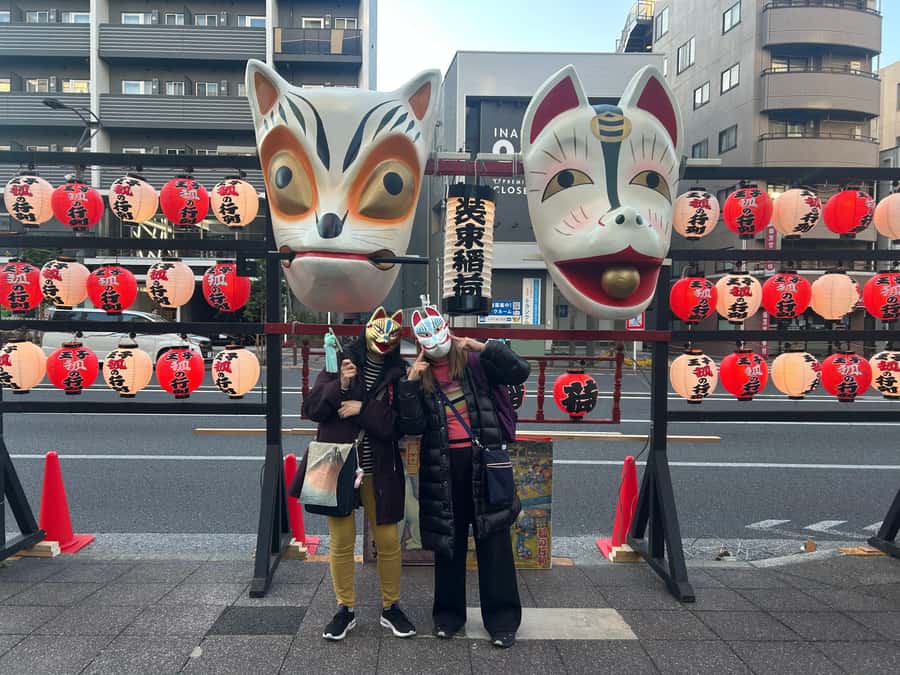
- The fox procession is a once-a-year New Year’s Eve event, with more than 200 participants in fox masks and traditional clothing.
- A permitted reserved viewing zone gives you a better chance of seeing the parade clearly without standing in the thickest part of the crowd.
- Oji’s shrines and water park add local context, so the night is more than a single photo stop.
- The three-hour option includes a local bar visit, snacks, and one drink, with beer, wine, or a local beverage available.
- The shorter two-hour option is the better value for parade-first visitors, while the longer choice suits anyone who wants a social evening before midnight.
- Warm clothes and comfortable shoes matter, since you will spend time outside waiting for the procession.
Why Oji is the right place for this New Year’s Eve

Oji is in Tokyo, but this experience feels far removed from the huge countdown scenes around central Tokyo. The setting is tied to Oji Inari Shrine and to a traditional fox legend that has been represented in Japanese art.
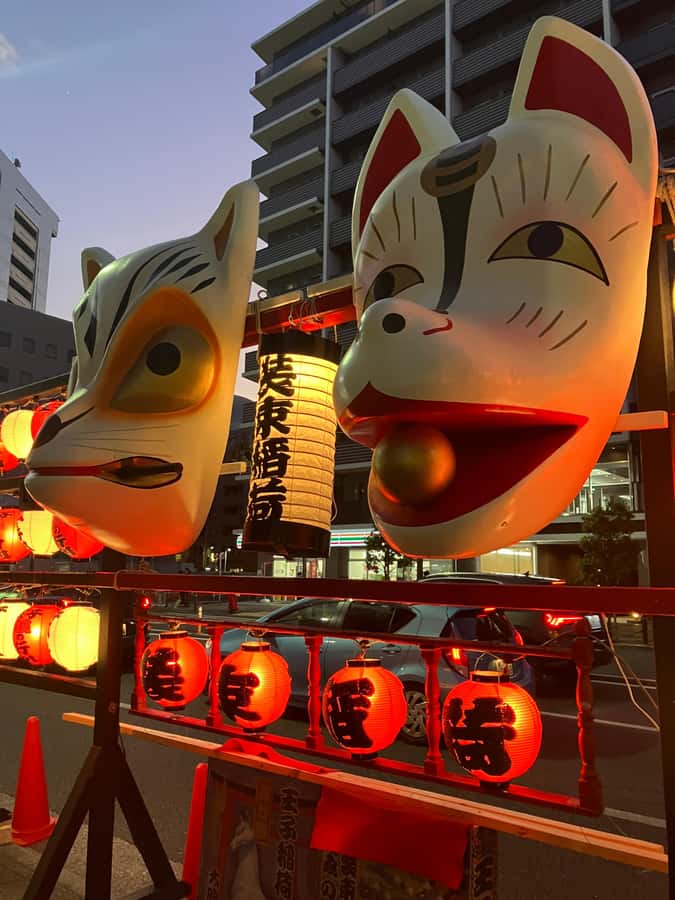
The story says that foxes from around the Kanto region gather at the shrine on New Year’s Eve. The modern parade turns that tale into a nighttime procession. Lanterns create the effect known as kitsunebi, or foxfire. The image is easy to understand even if you know little about Japanese folklore: a line of warm lights, fox masks, shrine grounds, and a crowd waiting for the new year.
I find the cultural idea more appealing than a standard countdown because the event has a clear connection to its neighborhood. The parade is not a generic performance designed only for visitors. It is linked to Oji’s shrines, local beliefs, and a famous Japanese print.
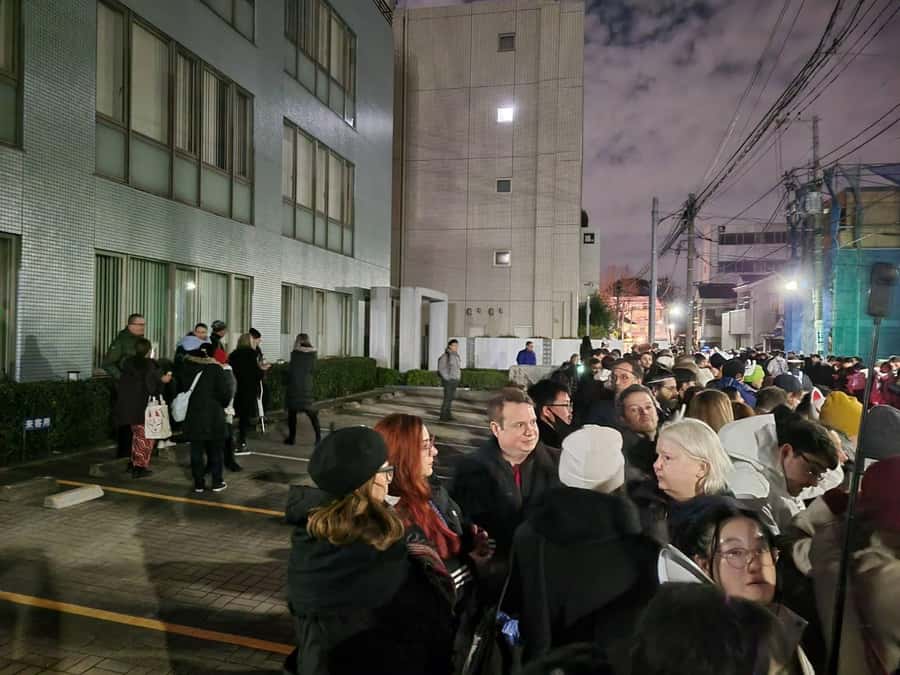
Still, keep your expectations realistic. This is a public New Year’s Eve celebration, not a quiet private ceremony. There will be waiting, people moving around, and some uncertainty as midnight approaches. The reserved zone solves the biggest viewing problem, but it does not turn the night into a fully controlled show.
A few more options to weigh up in Tokyo
- Tokyo Disney Resort – Tokyo Disneyland & Tokyo DisneySea Park Tickets
★ 4.8 · 99,488 reviews - SHIBUYA SKY Ticket
★ 4.7 · 46,509 reviews - JR Whole Japan Rail Pass
★ 4.8 · 29,150 reviews
Meeting at JR Oji Station
The meeting point is the north entrance of JR Oji Station on the Keihin Tohoku Line. You can also reach Oji by the Tokyo Metro Namboku Line. From the metro station, use Exit 3 and walk to the ground-level north entrance of JR Oji Station.
The guide identifies the group with a fox mask. That is a useful detail in a busy station, especially on New Year’s Eve when large numbers of people may be moving through the area. Give yourself enough time to find the correct entrance rather than arriving at the last minute.
The exact starting time can vary, so check the available departure time when booking. The parade takes place on New Year’s Eve and the tour is built around the midnight countdown. This is not a flexible daytime activity that you can fit in whenever you like.
One practical point deserves attention: the experience has received mixed feedback about the welcome and group instructions. Some participants were checked in at the station and then led to the restaurant with little explanation. If you join, ask the guide early about the full schedule, the planned meeting points, and when the group will move toward the viewing area.
The one-hour izakaya stop
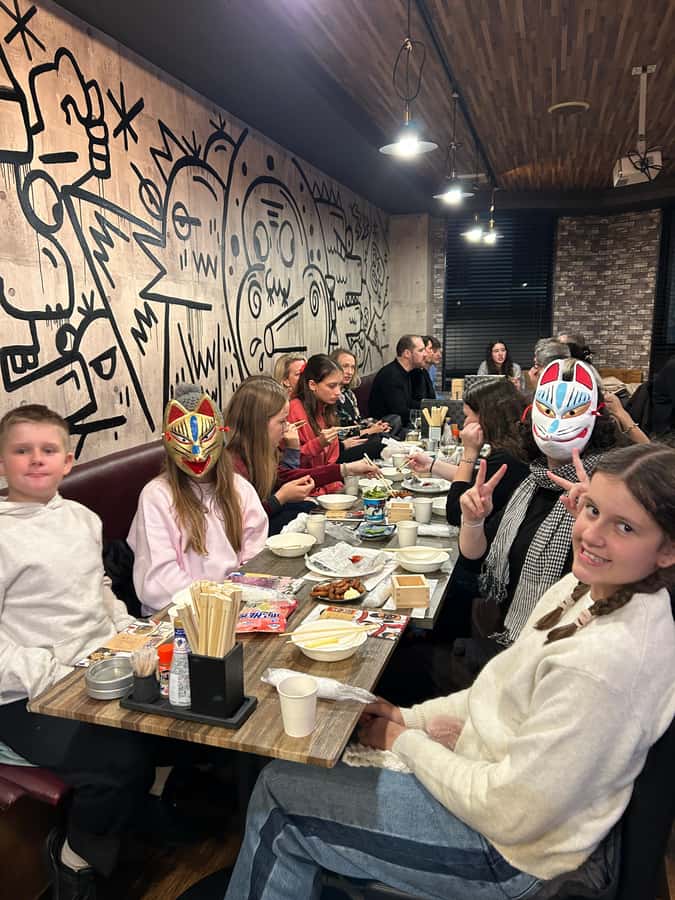
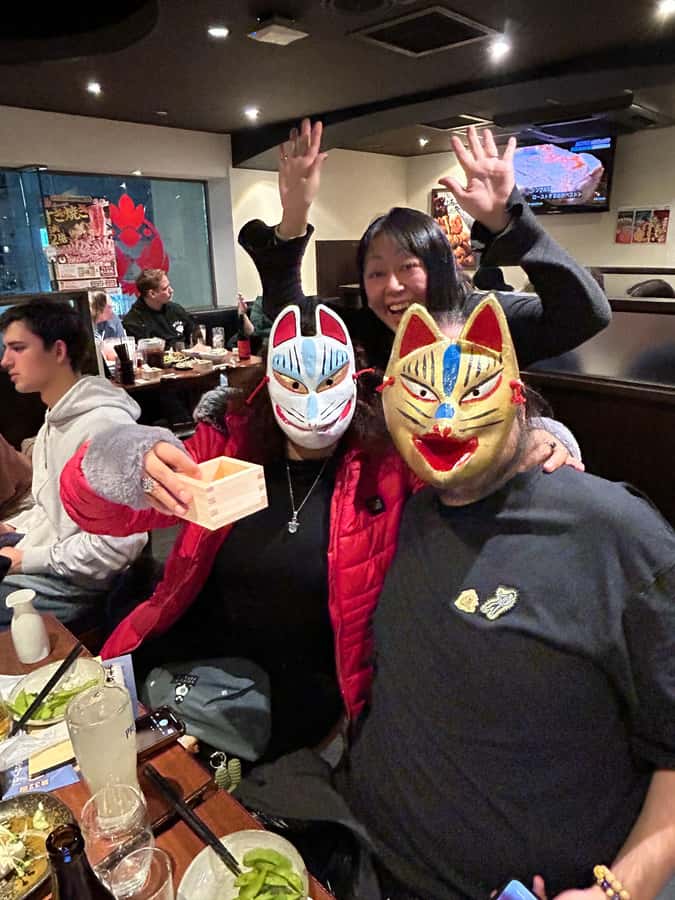
The longer option starts with about an hour at a local bar or izakaya. Beer, wine, local snacks, and one drink are included in the 15,000 yen package.
This is a pleasant way to begin a winter night. You can warm up indoors, eat something before the outdoor portion, and get a taste of the casual Japanese bar setting that is easy to miss on a standard sightseeing route. The food is described as plentiful, and the hosts at the bar have been praised for being friendly.
The weakness is that food may arrive without much explanation. If you want to know what you are eating, ask. The tour information promises local snacks, but it does not provide a fixed menu or detailed description of each dish.
The drink choice also needs a little care. The longer package includes one drink, but the itinerary lists beer, wine, and local drinks rather than promising a specific beverage. Alcohol is allowed at the bar, but alcoholic drinks are not allowed in the vehicle. Since this experience appears to be based around walking and public areas, that vehicle rule may have limited effect, but you should still follow the guide’s instructions.
I would choose the longer option if you value the social side of the night. You get time to sit, eat, and meet the group before heading outside. If your only goal is to see the fox procession, the extra 5,000 yen may not feel necessary.
Otonashi Water Park and the walk toward the shrines
After the bar, the route includes about 15 minutes at Otonashi Water Park. This is a short stop, so think of it as a brief place-based visit rather than a major attraction.
The park helps connect the evening to Oji’s local setting. You are moving through the neighborhood where the shrine tradition belongs, rather than being dropped directly at a parade platform. Your guide may explain the local background here, although the quality of that explanation can vary.
Do not expect a long walk with extensive sightseeing. The schedule is tight, and the evening has to reach the viewing point before the procession and countdown. Wear shoes that are comfortable for standing and walking on winter streets.
A completely different kind of day out:
- Mt Fuji and Hakone 1-Day Bus Tour Return by Bullet Train
★ 5.0 · 26,383 reviews - TOKYO SKYTREE® Ticket
★ 4.7 · 25,136 reviews - teamLab Borderless Tickets: MORI Building DIGITAL ART MUSEUM
★ 4.7 · 24,126 reviews - teamLab Planets TOKYO Ticket
★ 4.7 · 21,663 reviews
Oji Shrine and the New Year setting
The shrine visit lasts about 45 minutes. Oji Shrine is an important part of the experience because the fox procession is not an isolated street parade. Its story leads back to Oji Inari Shrine and the area’s longstanding fox associations.
A shrine visit on New Year’s Eve gives you a chance to see Japanese religious customs in their seasonal setting. The atmosphere changes as midnight approaches, and the shrine becomes part of the night’s transition from one year to the next.
Your guide is expected to explain the shrine’s role and Japanese New Year customs in English or Chinese. This is where the tour can earn its price. A clear explanation of shrine etiquette, fox symbolism, and the link to the woodblock print adds meaning to what you are seeing.
However, do not assume that every guide will provide a full lecture. Some participants found the explanations brief or absent. That is the clearest weakness in the experience. If the guide is quiet, ask direct questions about the shrine, the fox legend, and the parade’s connection to the ukiyo-e print. You may get more from the evening by being proactive.
The reserved viewing point at midnight
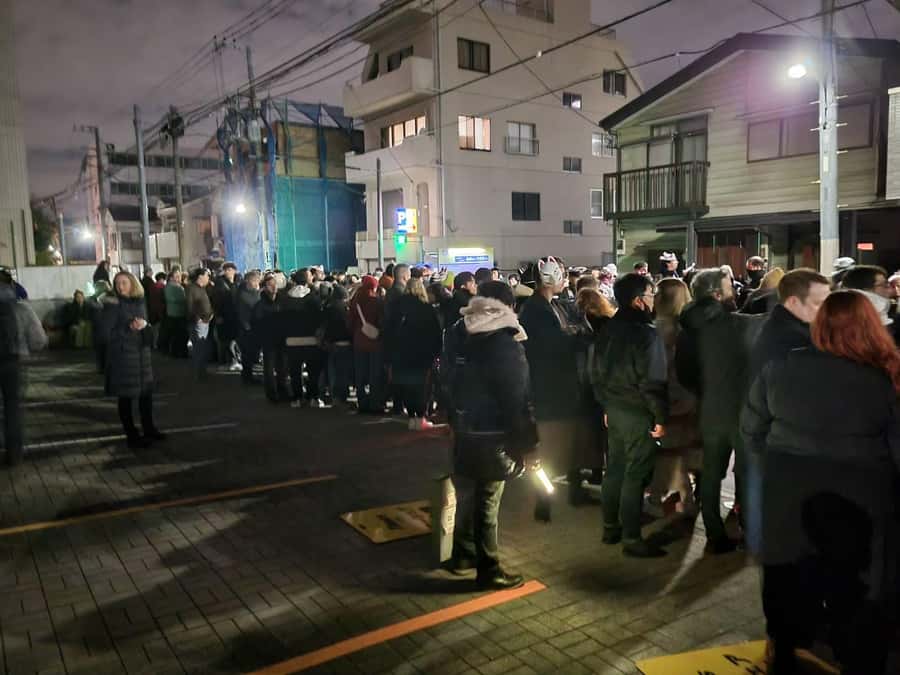
The most valuable part of the booking is the reserved viewing area. The operator says it is a government-permitted special viewing zone, positioned for a clear, front-row look at the procession.
This matters. New Year’s Eve crowds can make a public parade hard to see, especially when the main action lasts only a short time. A reserved area removes much of the uncertainty. You do not have to spend the entire evening searching for a good position, and you have a better chance of seeing the lanterns, masks, and costumes rather than the backs of other people.
The schedule allows about 30 minutes at the viewpoint. You may wait there for the countdown before the parade arrives. That waiting period is one of the less polished parts of the experience. Some participants found the pause improvised and said they were not told clearly what would happen next.
Bring warm clothing. You will be outside in the middle of winter, and standing still feels colder than walking. A coat, gloves, scarf, and comfortable shoes are sensible. Bring a camera, but do not use flash photography. Flash can distract participants and spoil the low-light effect of the lanterns.
The procession itself is the visual reward. More than 200 participants in fox masks and traditional dress carry glowing lanterns, creating the kitsunebi effect. The combination of fire-like light, winter darkness, and shrine surroundings gives the parade its strange charm.
It is also worth remembering that this is a living public event, not a staged theater performance. The pace, crowd movement, and visibility may not be perfect. The reserved area improves your position, but it cannot guarantee that every moment will be still or easy to photograph.
What the English and Chinese guiding adds
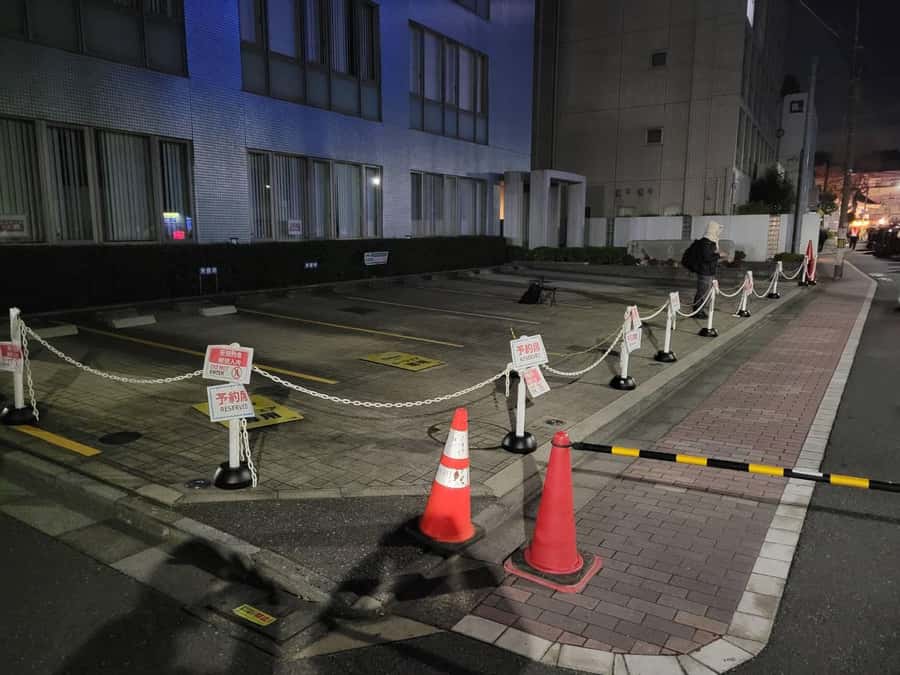
The tour offers live guiding in English and Chinese. In theory, that is a strong reason to choose an organized experience instead of finding the parade on your own.
The best version of this tour would explain several layers at once: the fox legend, the famous woodblock print, Oji’s shrine traditions, the meaning of foxfire, and the customs of New Year in Japan. That information helps you see why the procession matters rather than treating it as a colorful photo opportunity.
The actual experience may be less consistent. Feedback points to a problem with communication between the guides and the group. Some people were taken from the station to the restaurant, then from the restaurant to the waiting area, without much notice about the schedule or the sites.
This is a serious consideration at 10,000 or 15,000 yen. A guide who only leads you from one place to another provides less value than a guide who gives context and answers questions. I would approach the tour with a few questions ready. Ask what you are seeing, why the shrine matters, and what to expect at the viewing point.
The cultural content is the reason to pay for this experience. The reserved place is the practical benefit. If you receive both, the booking makes more sense. If you receive only crowd control and directions, the value is weaker.
Two packages and the question of value
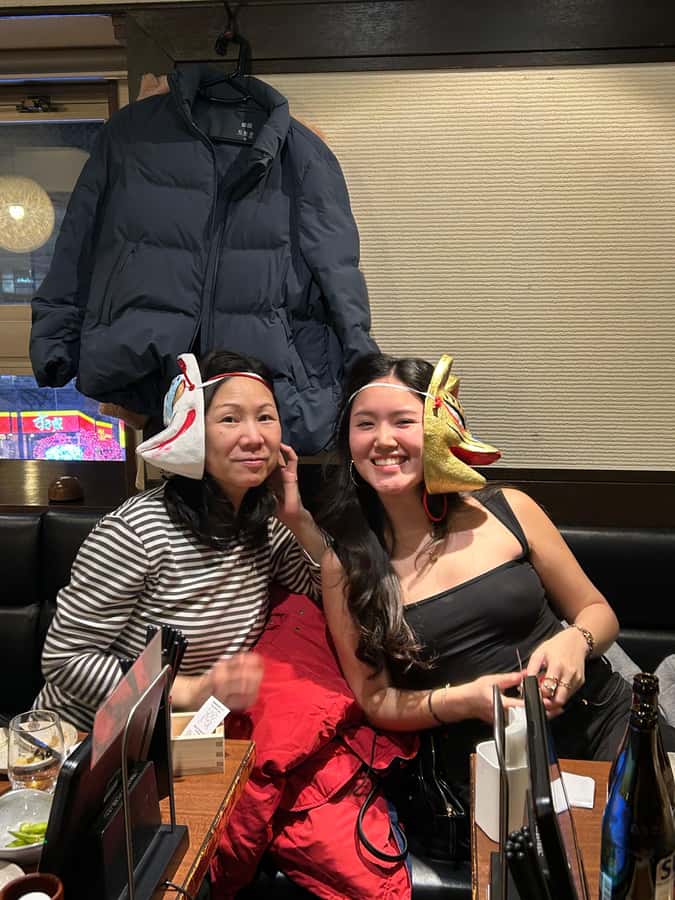
The shorter option costs 10,000 yen and lasts about two hours. It includes the fox procession viewing and shrine visit.
The longer option costs 15,000 yen and lasts about three hours. It adds the local bar stop, snacks, and one drink. The supplied price is also shown as about $64 per person, but the yen prices are the more useful guide because exchange rates change.
Here is how I would decide:
- Choose the 10,000 yen option if the parade and shrine are your priorities.
- Choose the 15,000 yen option if you want a drink, food, indoor time, and a more social evening.
- Skip the longer package if you do not drink or do not care about an izakaya visit.
- Consider the full price carefully if your main reason for booking is expert commentary, since the guiding may be uneven.
The food is said to be sufficient, and one drink is included. That gives the longer tour some practical value on a cold night. Still, 5,000 yen is a meaningful extra charge for a one-hour stop, particularly if the meal comes with little explanation.
The reserved viewing area is included in both options, which makes the shorter package attractive. You do not need to pay for the longer version just to obtain the best parade position.
Who will enjoy this experience most
I would recommend the Oji Fox Parade experience to adults and older teenagers who enjoy folklore, shrine traditions, Japanese art, and unusual seasonal events. The minimum age is 12, so it is not designed for young children.
It also suits you if you dislike fighting for space at a major public celebration. The reserved zone is the strongest practical feature, and it can make the difference between watching the parade and hearing about it afterward.
The experience is less suitable if you need a perfectly timed, heavily scripted tour. The route involves waiting outdoors, and communication may be limited. You should also avoid it if you have serious heart problems, back problems, or other medical conditions listed in the safety information. It is not suitable for wheelchair users or pregnant visitors, and comfortable shoes are required.
This is not a good choice for someone looking for a quiet shrine visit. New Year’s Eve brings crowds and activity. It is also not ideal for anyone who wants an elaborate meal with detailed food commentary.
Practical tips for a better night
Arrive at the north entrance of JR Oji Station with time to spare. Look for the guide’s fox mask, and confirm that you are at the JR entrance rather than simply outside the metro station.
Ask for the complete schedule at the start. Find out how long you will stay at the bar, when you will leave for Oji Shrine, and where the group will wait for the countdown.
Dress for standing outdoors. Warm clothing is more important than stylish clothing here. Wear shoes that can handle walking and waiting.
Bring a camera, but turn off the flash. The lantern glow is part of the event’s appeal, and flash photography is not allowed.
If you choose the longer option, ask what the included drink is and what snacks will be served. The bar is friendly and the portions are considered generous, but the dishes may not be explained unless you ask.
Finally, keep your expectations focused. You are paying for access to a special viewing position and a guided route through Oji, not for a luxury dinner or a private cultural lecture.
Should you book the Oji Fox Parade?
Book it if you want a rare New Year’s Eve event with a strong connection to Japanese folklore, and if a reserved place to watch the lantern procession matters to you. The fox masks, glowing lights, shrine setting, and ukiyo-e connection make this far more distinctive than a standard countdown.
I would choose the 10,000 yen option for the clearest value. It includes the essential shrine visit and parade viewing, including the reserved area. Choose the 15,000 yen version only if the izakaya stop, snacks, and one drink appeal to you.
The decision comes down to your tolerance for imperfect organization. The parade itself is the clear highlight, while the guiding and schedule management may not match the price every time. Go for the tradition and viewing access, ask questions along the way, and treat the bar stop as a bonus rather than the main reason to book.
FAQ
Where does the tour meet?
Meet at the north entrance of JR Oji Station on the Keihin Tohoku Line. The guide will show a fox mask.
Can I reach the meeting point by Tokyo Metro?
Yes. Use Oji Station on the Tokyo Metro Namboku Line, take Exit 3, and walk to the ground-level north entrance of JR Oji Station.
How long does the experience last?
There are two options. The shorter version lasts about two hours, and the longer version lasts about three hours.
What does the shorter option include?
The 10,000 yen option includes fox procession viewing and a shrine visit.
What does the longer option include?
The 15,000 yen option includes fox procession viewing, a shrine visit, snacks, and one drink at a local bar.
What kind of drink is included?
The bar stop lists beer, wine, and local drinks. One drink is included with the longer option.
What is the fox procession?
It is a New Year’s Eve reenactment of a legend in which foxes from across the Kanto region gather at Oji Inari Shrine. More than 200 participants wear traditional clothing and fox masks while carrying glowing lanterns.
Is there a reserved viewing area?
Yes. The experience includes access to a permitted reserved viewing zone intended to provide a clear view of the procession.
Which languages are available?
Live guiding is available in English and Chinese.
What should I bring?
Bring comfortable shoes, warm clothing, and a camera. Flash photography is not allowed.
Who should not join this activity?
It is not suitable for children under 12, wheelchair users, or people with back problems. It is also not recommended for pregnant visitors or people with heart problems or other serious medical conditions.
Can I cancel the booking?
You can cancel up to 24 hours in advance for a full refund. The reserve-now, pay-later option is also available.
Just added in Tokyo
- Manga Lesson with a Professional Japanese Manga Artist in Nakano★ 5.0 · 77 reviews
- Making a bento box with cute character look in Japan★ 5.0 · 15 reviews
- Tokyo/Ikebukuro Manga drawing workshop by pro-Manga artists★ 5.0 · 65 reviews
- Luxury Tokyo Sake, Cocktail, Whisky and Pairing Tour★ 5.0 · 18 reviews
- Tokyo Ueno Food & Nature & Localtown Tour: 10Dishes+ Drinks★ 5.0 · 34 reviews
- Make Your Own Bonsai with a Professional Bonsai Artist in Tokyo★ 4.5 · 18 reviews
- Make Traditional Nerikiri Sweets & Matcha experience in Shibuya★ 5.0 · 130 reviews
- Daikoku Parking Tokyo Drift & APIT Car Meet JDM Culture Tour★ 5.0 · 79 reviews
Tokyo Tours, compared.

Tokyo Disney Resort – Tokyo Disneyland & Tokyo DisneySea Park Tickets
Read our review →
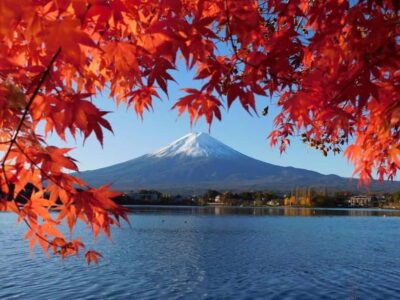
Mt Fuji and Hakone 1-Day Bus Tour Return by Bullet Train
Read our review →

teamLab Borderless Tickets: MORI Building DIGITAL ART MUSEUM
Read our review →