
Reviewed · TAKAYAMA TOURS
1-Day Takayama Tour: Explore Scenic Takayama and Shirakawago
Two classic towns, one busy day.
This 9-hour tour gives you an efficient way to see Takayama and Shirakawa-go without arranging a rental car or piecing together regional transport. I especially like the English-speaking guide, who adds context to Takayama Jinya, the old town, and the World Heritage village. I also like the local food focus at Miyagawa Morning Market, where you can sample regional treats rather than simply walk past stalls. The main tradeoff is time: fitting both places into one day means the schedule can feel tight, especially if you want long shopping stops or quiet wandering.
The tour starts at Takayama Station at 9:00 a.m. and includes transport between the main stops. Guides such as Yoshi, Hemi, Himmie, Yoneya, and Yassi have received especially warm praise for their history knowledge, food advice, patience, and friendly English. Still, the quality of the day can depend on your guide, group size, traffic, and how much free time remains at each stop.
In This Review
- Key things to know before booking
- Why this pairing works in one day
- Starting at Takayama Jinya
- Walking Sanmachi Suji and central Takayama
- Tasting the Miyagawa Morning Market
- The drive to Shirakawa-go
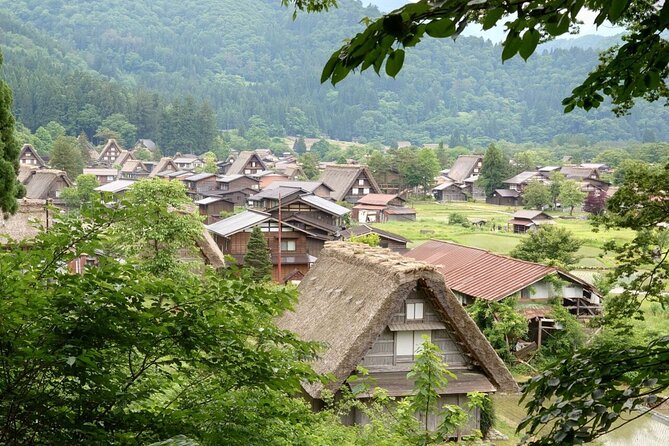
- Five hours in Shirakawa-go
- The guide can make or break the experience
- Timing, group size, and the cost of $177.06
- Who should book this day tour?
- Should you book it?
- FAQ
- Where does the tour start?
- How long does the tour last?
- Does the tour include transportation?
- Is Takayama Jinya admission included?
- Is lunch included?
- Does the tour include a guide?
- How much free time is available in Shirakawa-go?
- What places are visited in Takayama?
- How large can the group be?
- Can I cancel for a full refund?
Key things to know before booking
- Takayama Jinya gives the day a strong historical start: You enter the former government outpost and see how Shogun representatives worked and lived.
- Miyagawa Morning Market is more than a photo stop: You can try local and seasonal foods, including snacks and regional specialties.
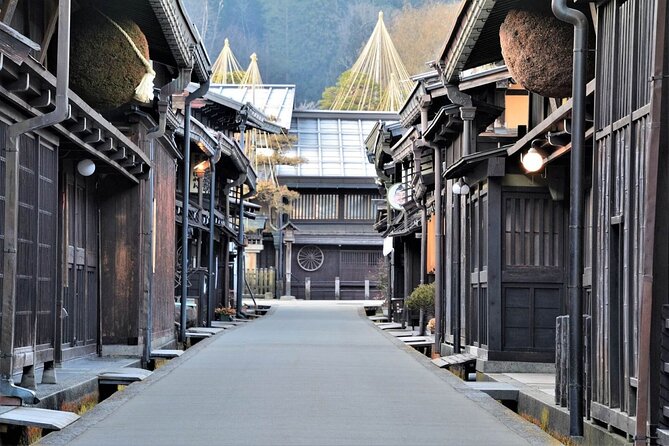
- Sanmachi Suji is best explored on foot: The traditional district brings you close to Takayama’s wooden buildings, crafts, food shops, and narrow streets.
- Shirakawa-go gets about five hours: That is enough for a guided introduction plus free time, though some people may still want longer.
- Private group transport removes a major headache: The tour handles movement between Takayama and Shirakawa-go, with a maximum of 20 people.
- The guide is a major part of the value: Strong guides explain customs, history, food, and practical details that signs alone cannot provide.
Why this pairing works in one day
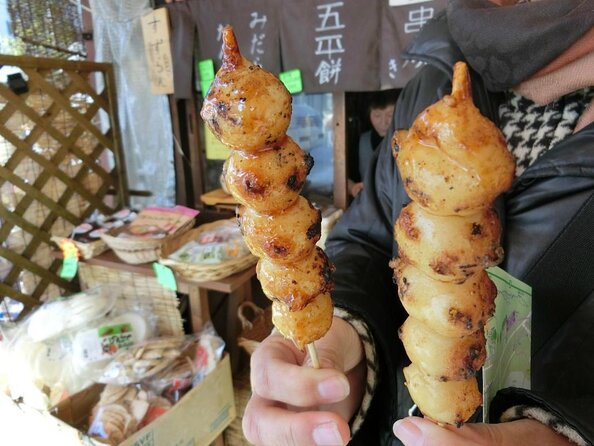
Takayama and Shirakawa-go are close enough to combine, but they are different kinds of places. Takayama is a historic mountain town with a preserved central district, old government buildings, markets, local food, and traditional woodwork. Shirakawa-go is a rural village area famous for its steeply pitched thatched farmhouses and mountain setting.
I like the contrast. You begin with town life and local administration, then move into rural architecture and village traditions. In your own car, you would still need to plan parking, roads, timing, and the return journey. Here, the transport is arranged, and the guide helps turn a sequence of stops into a connected story.
The day is not designed for slow travel. You will see the main sights, hear explanations, and have some time to explore alone. If your ideal day means lingering over coffee, browsing every craft shop, or taking long photographs, you may find the pace too brisk. If your time in central Japan is limited, the concentration of sights is a real advantage.
A few more options to weigh up in Takayama
- Kanazawa: World Heritage Shirakawa-go Morning Guided Tour
★ 4.9 · 988 reviews - Kanazawa: World Heritage Shirakawa-go & Two Local Experience
★ 4.9 · 274 reviews - Kanazawa/Takayama: Shirakawago & Takayama Private Day Tour
★ 4.8 · 172 reviews
Starting at Takayama Jinya
The first major stop is Takayama Jinya, where you spend about an hour with admission included. This centuries-old government outpost was connected to the Shogun’s representatives, giving you a direct look at how authority reached a relatively remote part of Japan.
Inside, the value comes from seeing rooms and spaces rather than reading a short plaque from the outside. A good guide can explain the role of the building, the structure of local government, and the industries that shaped Takayama. Yoshi has been praised for giving a detailed explanation of the building and its past, while Hemi is noted for making the history informative without turning it into a long classroom lecture.
I would pay attention to the physical layout. Government buildings become easier to understand when you see where people waited, worked, met, and lived. The visit also gives you useful background for the rest of Takayama, especially the old streets and traditional crafts.
The timing here deserves attention. The planned stop is one hour, but one account described nearly two hours at Takayama Jinya as more than necessary. That suggests the schedule may vary. If the visit runs long, later free time can feel reduced. You should ask your guide about the remaining schedule if you prefer shopping or independent exploring.
Walking Sanmachi Suji and central Takayama
After Takayama Jinya, you walk through Sanmachi Suji, the traditional district in the center of town. The streets are known for preserved wooden buildings and the woodwork associated with the region. This is the part of the day where Takayama feels most inviting on foot.
A guided walk helps you notice details you could easily miss. The buildings, shop fronts, food stalls, and old streets make more sense when someone explains how the town developed. Yassi, for example, has guided people through the old town, connected the area to the Edo period, and pointed out details about local families and businesses.
You also get a chance to taste street food and local products. One family specifically appreciated help finding gluten-free options, including Hida beef skewers. Guides have also suggested restaurants for dinner and pointed people toward foods they might not have found alone. That kind of practical advice can be as useful as the historical commentary.
The limitation is that the included time covers a lot. The listed portion for Sanmachi Suji is about 90 minutes, combined with the morning market portion of the day. You may have enough time for a guided walk and a few tastes, but not enough to inspect every shop. Bring a small amount of flexibility into your expectations. This is an introduction to Takayama, not a full shopping afternoon.
Tasting the Miyagawa Morning Market
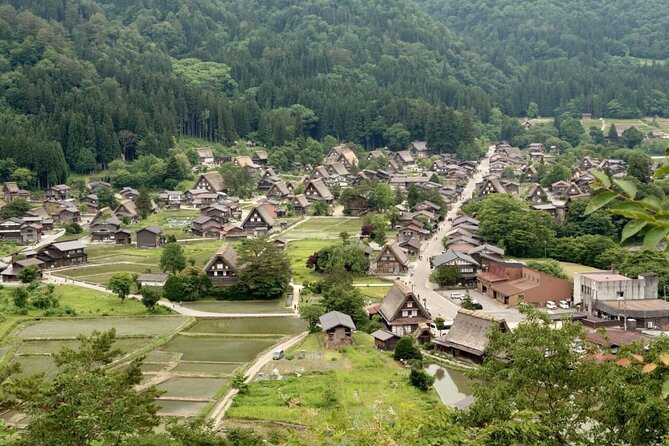
The Miyagawa Morning Market adds a welcome food stop. The idea is simple: walk through the market, try local delicacies, and use food to understand the town. The planned time is about 90 minutes, although the exact division between the market and the old-town walk may depend on the group and guide.
I like this part because markets make a place feel immediate. You are not only looking at old buildings. You are seeing what people sell, eat, and recommend now. Seasonal fruit, snacks, and local specialties can give you a quick sense of Takayama’s regional character.
Several guides have been praised for food recommendations. Yoshi helped one couple try foods they had not considered after they had already spent several days in Takayama. Hemi was also praised for suggesting places to eat and helping with dietary needs. If food matters to you, tell the guide early in the day what you can eat and what you want to try.
The market is called a morning market, but this tour begins at 9:00 a.m. and then moves through several stops. You should not assume that every stall or product will be available for the entire visit. The useful approach is to treat this as a guided tasting and orientation, then return to anything you want to explore later if your schedule allows.
Lunch is not included. That matters because the day moves from Takayama toward Shirakawa-go, and your meal timing may be shaped by the group schedule. The tour includes food samples and recommendations, but you should budget separately for lunch and any snacks or souvenirs.
A completely different kind of day out:
- Departing from Takayama [Regular sightseeing bus] World Heritage Sites Shirakawago and Gokayama Ainokura
★ 4.5 · 137 reviews - From Takayama: Guided Day Trip to Takayama and Shirakawa-go
★ 4.9 · 113 reviews - Private Afternoon Cycling Tour in Hida-Furukawa
★ 5.0 · 109 reviews - Private-group Morning Cycling Tour in Hida-Furukawa
★ 5.0 · 105 reviews
The drive to Shirakawa-go
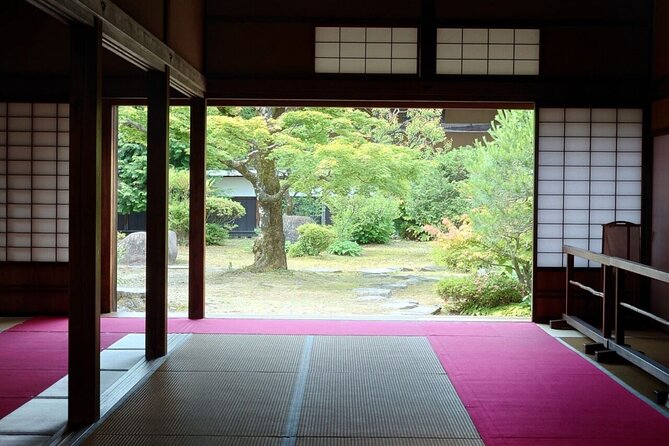
Transport between destinations is included, which is one of the strongest practical reasons to choose this tour. The trip to Shirakawa-go is described in one account as about an hour by van, though road conditions and traffic can affect the actual timing.
A smaller vehicle can make the transfer more comfortable than trying to coordinate public transport on your own. One group described private van transport with only seven people, while the official maximum is 20. Your group may be smaller, but you should not count on a private tour unless the booking specifically confirms it.
The journey also creates a useful pause between the two parts of the day. Takayama is compact and urban by local standards. Shirakawa-go feels more rural and open, with houses built for heavy winter conditions and a village layout shaped by farming life.
Because this is a long day, use the transfer to rest. The tour is active enough that comfortable shoes matter. You will walk in both destinations, and the Shirakawa-go portion includes a short uphill walk to a lookout according to one detailed account.
Five hours in Shirakawa-go
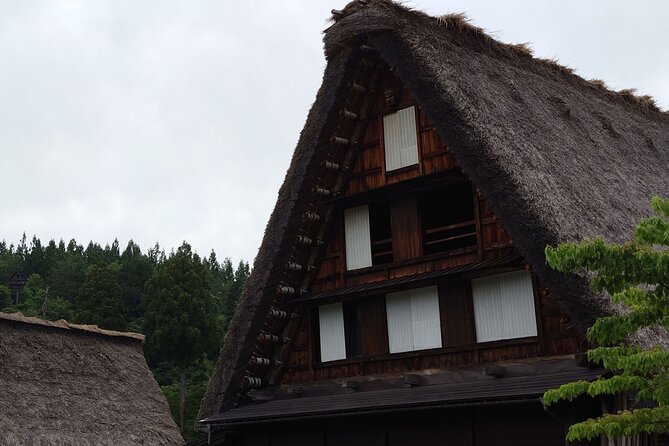
The longest stop is Shirakawa-mura, with about five hours planned. This includes a guided introduction and free time for you to explore independently. The village is part of the UNESCO World Heritage-listed Historic Villages of Shirakawa-go, and its steeply roofed traditional houses are the main attraction.
The guide can help you understand why the village looks different from Takayama. Yassi explained the families and businesses connected with the houses, then took the group to a local shrine and into a historic home. Another detailed account included a short walk to a lookout, time in the village, and a visit to a traditional house.
That combination is important. You get an overview first, then time to choose your own pace. You might walk through the village, visit a house, seek out a viewpoint, photograph the roofs, or simply enjoy the setting. The exact attractions available during your free time can depend on opening conditions and the day’s schedule, so the tour provider notes that parts of an itinerary may sometimes need adjustment.
Five hours is a sensible amount of time for a first visit, but some people still want more. One person specifically wished for additional time in Shirakawa-go. If this village is your main reason for coming to the region, consider staying overnight or arranging a separate visit instead of treating this tour as your only chance.
The village can also become the most memorable part of the day. Several guides have been praised for giving enough free time to walk independently, rather than keeping the entire group together. That balance works well for you if you want both explanation and personal space.
The guide can make or break the experience
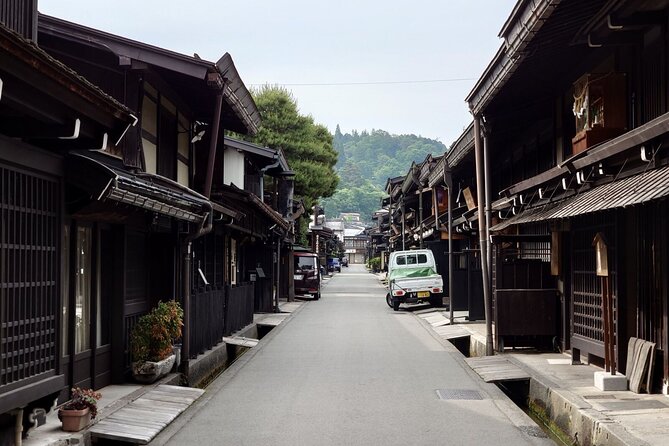
The strongest part of this tour is not simply the route. It is the person leading it. Yoshi, also referred to as Yoneya in one account, has been praised for his command of English, local knowledge, food suggestions, and easy conversation. Hemi and Himmie have also been described as friendly, informative, patient with children, and good at answering questions.
This matters because Takayama Jinya and Shirakawa-go are places where context improves what you see. A building can look attractive without explanation, but a guide can tell you why it was built, how people used it, and what changed over time. The best guides on this tour appear to explain without making the day feel like a lecture.
Guide quality may not be identical on every departure. One French-language account found the guide’s English difficult to follow and felt the content was limited. Most of the available feedback praises the guides, but you should still understand that the experience is partly dependent on the person assigned to your group.
A useful tip is to prepare a few questions. Ask about local foods, dinner options, family-friendly stops, or places to visit later in Japan. Guides have provided recommendations beyond the scheduled route, including restaurant suggestions and help with dietary restrictions.
Timing, group size, and the cost of $177.06
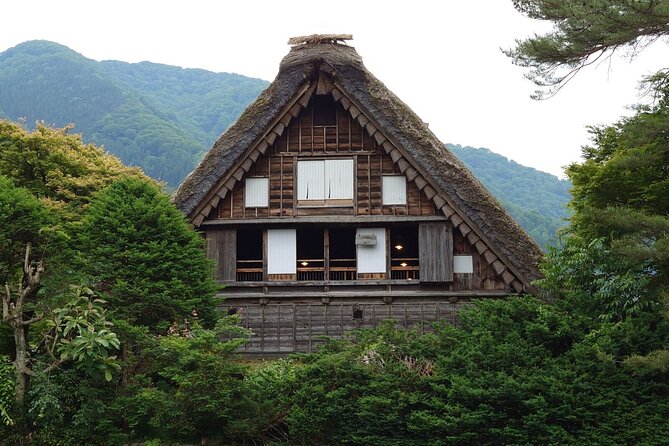
At $177.06 per person, this is not a budget walking tour. The price makes more sense if you value transport, admission to Takayama Jinya, guided walks, and local explanations in English. You are paying to reduce planning work and to connect two destinations that are less convenient to combine independently.
The maximum group size is 20. That is small enough for a personal feel in the best case, though a full group will naturally feel less flexible than a couple or a small private party. Some departures have had only one or two participants, while others have included seven people.
The stated duration is approximately nine hours, beginning at 9:00 a.m. The tour ends in a different location from the start, and the exact end details should be checked when you book. One account described returning to a hotel around 5:30 p.m., while another found waiting for a public bus at the end frustrating. That means you should avoid scheduling a tight evening reservation immediately afterward.
The day can feel rushed for people who want leisurely shopping. A separate concern is that time at one stop may run longer than expected, leaving less time elsewhere. The best fit is someone who prefers a clear route and guided introduction over a flexible, unplanned day.
Free cancellation is available up to 24 hours before the 9:00 a.m. start for a full refund. Changes or cancellations made less than 24 hours before the start are not accepted for a refund.
Who should book this day tour?
I would recommend it most strongly if you are staying in Takayama briefly, do not want to rent a car, or want an English-speaking guide to explain the region. It also suits families, since guides have been patient with children, and people who want help with food choices or restaurant suggestions.
It is a good match for first-time visitors who want to see the essential parts of both destinations. The included transport saves effort, and the guided walks help you get your bearings quickly.
I would be more cautious if you have already spent several days in Takayama and want slow, independent time. You may prefer a separate Shirakawa-go visit, especially if photography, shopping, or village walks are your main goals. I would also think twice if you dislike fixed schedules or long days on the road.
Should you book it?
Book this tour if you want efficient sightseeing with useful local explanation. The combination of Takayama Jinya, Sanmachi Suji, Miyagawa Morning Market, and Shirakawa-go covers a lot of ground in one day, and strong guides such as Yoshi or Hemi can add far more than printed signs.
Skip it if you want to linger. Shirakawa-go deserves more than a quick glance, and Takayama’s old streets reward wandering without a clock. For most first-time visitors with limited time, though, the included transport and guide make the $177.06 cost reasonable, provided you accept a full and sometimes tightly timed day.
FAQ
Where does the tour start?
The tour starts at Takayama Station in Takayama, Gifu Prefecture, at 9:00 a.m.
How long does the tour last?
The experience lasts approximately nine hours.
Does the tour include transportation?
Yes. Transportation between all listed destinations is included.
Is Takayama Jinya admission included?
Yes. Entrance to Takayama Jinya is included in the price.
Is lunch included?
No. Lunch is not included, so you should plan to pay separately for your meal.
Does the tour include a guide?
Yes. An English-speaking guide leads the walks in Takayama and Shirakawa-go.
How much free time is available in Shirakawa-go?
The Shirakawa-go portion is planned for about five hours, including guided time and free time for independent exploration.
What places are visited in Takayama?
The tour visits Takayama Jinya, Sanmachi Suji, and the Hida-Takayama Miyagawa Morning Market.
How large can the group be?
The maximum group size is 20 people.
Can I cancel for a full refund?
Yes. You can cancel at least 24 hours before the experience start time for a full refund. Cancellations or changes made less than 24 hours before the start are not accepted for a refund.
Just added in Takayama
- Ninja experience in Takayama – Special Course★ 5.0 · 20 reviews
- Departing from Takayama [Regular sightseeing bus] World Heritage Sites Shirakawago and Gokayama Ainokura★ 4.5 · 137 reviews
- Ninja Experience in Takayama – Trial Course★ 5.0 · 20 reviews
- Japanese Cooking Class with Local Family in Takayama Old Town★ 5.0 · 40 reviews
- From Takayama: Alpine Splendor – Shinhotaka Ropeway and Kamikochi★ 5.0 · 91 reviews
- Private group Local Food Tour in Takayama★ 5.0 · 59 reviews
- 1-Day Tour from Takayama: Hida Folk Village, Caves & Ropeway★ 5.0 · 24 reviews
- Private Afternoon Cycling Tour in Hida-Furukawa★ 5.0 · 109 reviews
Takayama Tours, compared.
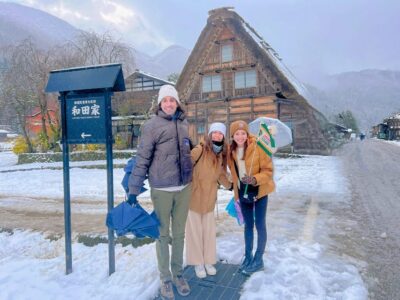
World Heritage Shirakawa-go Morning Guided Tour
Read our review →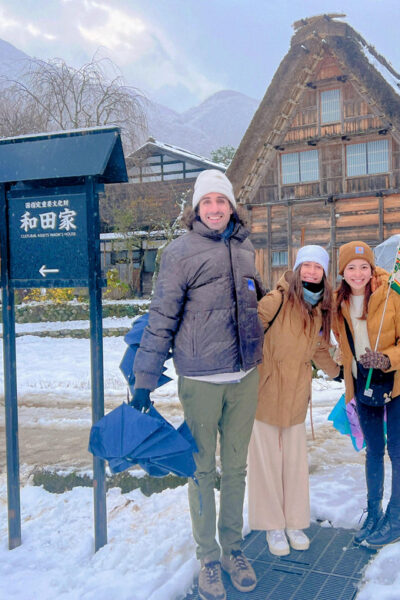
World Heritage Shirakawa-go & Two Local Experience
Read our review →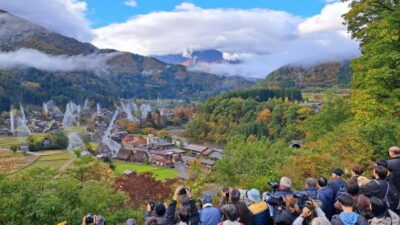
Kanazawa/Takayama: Shirakawago & Takayama Private Day Tour
Read our review →![Departing from Takayama [Regular sightseeing bus] World Heritage Sites Shirakawago and Gokayama Ainokura](https://media.japanvisits.com/wp-content/uploads/departing-from-takayama-regular-sightseeing-bus-world-heritage-sites-shirakawago-and-gokayama-ainokura-400x267.jpg)
Departing from Takayama [Regular sightseeing bus] World Heritage Sites Shirakawago and Gokayama Ainokura
Read our review →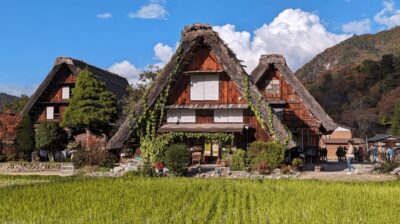
From Takayama: Guided Day Trip to Takayama and Shirakawa-go
Read our review →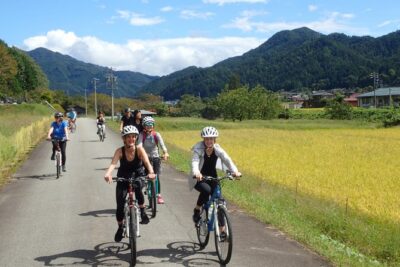
Private Afternoon Cycling Tour in Hida-Furukawa
Read our review →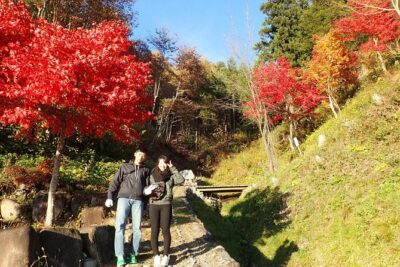
Private-group Morning Cycling Tour in Hida-Furukawa
Read our review →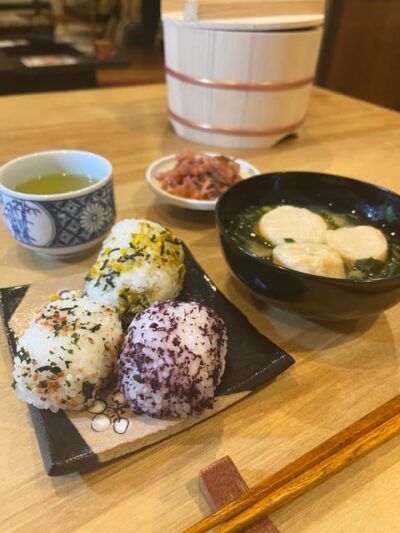
Takayama: Onigiri and miso soup making at a buddhist temple
Read our review →Browse the lists this tour appears in