
Reviewed · TAKAYAMA TOURS
Departing from Takayama [Regular sightseeing bus] World Heritage Sites Shirakawago and Gokayama Ainokura
Old Japan is waiting in the mountains. This 7-hour-20-minute bus trip from Takayama takes you to Ainokura and Shirakawa-go, two World Heritage villages known for their steep, thatched gassho-zukuri roofs. I like the easy transport and the contrast between quiet Ainokura and busier Shirakawa-go. The main tradeoff is time: Shirakawa-go offers plenty to see, but some visitors find the schedule too tight for every museum, meal, and viewpoint.
The Nohi Bus guide gives practical information on village layouts, food, local words, and seasonal conditions before you arrive. I also like that the bus handles roads that are awkward to manage independently. Still, this is mainly a transport-and-orientation tour, not a walking tour with a guide beside you at every stop.
In This Review
- Key points to know before you book
- Why Ainokura and Shirakawa-go make a good pair
- The 8:30 am departure from Takayama
- What the guide adds on the road
- Ainokura after 50 minutes
- Two hours in Shirakawa-go’s historic village
- The Gassho-zukuri Minkaen open-air museum
- The Tenshukakau Observatory viewpoint
- What the $64.80 price really buys you
- Who should choose this bus trip?
- Should you book the Ainokura and Shirakawa-go bus tour?
- FAQ
- Where does the tour depart and return?
- What time does the tour start?
- Is lunch included?
- Is the tour private?
- Is admission to the open-air museum included?
- What happens if bad weather cancels the tour?
Key points to know before you book
![Departing from Takayama [Regular sightseeing bus] World Heritage Sites Shirakawago and Gokayama Ainokura - Key points to know before you book](https://media.japanvisits.com/wp-content/uploads/departing-from-takayama-regular-sightseeing-bus-world-heritage-sites-shirakawago-and-gokayama-ainokura-1.jpg)
- Two very different gassho villages: Ainokura is small and quiet, while Shirakawa-go is larger, busier, and packed with more places to explore.
- A comfortable mountain transfer: The air-conditioned medium or large bus saves you from arranging several rural connections.
- Useful guidance before free time: The guide explains what to see, where to eat, and how to make the most of each stop.
- A memorable winter option: Snow can turn both villages into storybook scenes, but weather can affect operations.
- Museum entry is included: The Shirakawago Gassho-zukuri Minkaen gives you another look at traditional buildings and village life.
- Allow time at the bus station: You may need to exchange your voucher for bus tickets before departure.
Why Ainokura and Shirakawa-go make a good pair
The two villages are connected by their traditional gassho-zukuri houses, but they do not feel the same. That contrast is one of the strongest reasons to choose this outing instead of visiting only Shirakawa-go.
Gokayama Ainokura has about 20 surviving gassho-zukuri houses. It is compact enough to cross on foot without much effort, and the surrounding mountains make the village feel closely tied to its setting. You get 50 minutes here, which is enough for a first look, photographs, and a short walk through the lanes.
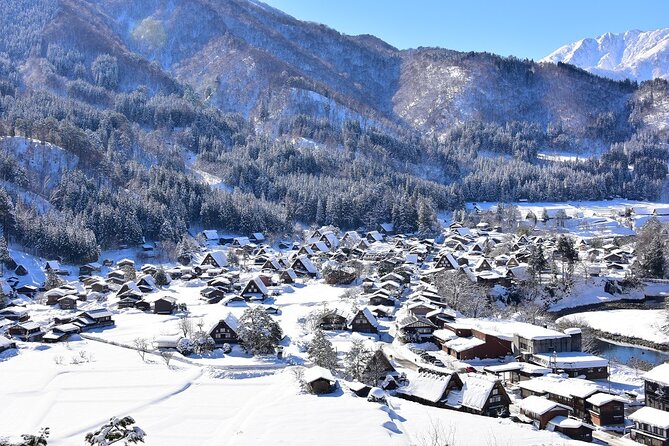
Shirakawa-go has about 114 thatched houses in the historic village area. It is the larger stop, with restaurants, shops, viewpoints, museums, and more people. You get about two hours in the village itself, plus separate time for the open-air museum and observation point.
I like the order. Ainokura lets you begin with a quieter example of rural life before you face Shirakawa-go’s larger crowds and wider choice of sights. If you visited Shirakawa-go first, the smaller village might feel like an afterthought. Here, it works as a calm introduction.
A few more options to weigh up in Takayama
- Kanazawa: World Heritage Shirakawa-go Morning Guided Tour
★ 4.9 · 988 reviews - Kanazawa: World Heritage Shirakawa-go & Two Local Experience
★ 4.9 · 274 reviews - Kanazawa/Takayama: Shirakawago & Takayama Private Day Tour
★ 4.8 · 172 reviews
The 8:30 am departure from Takayama
![Departing from Takayama [Regular sightseeing bus] World Heritage Sites Shirakawago and Gokayama Ainokura - The 8:30 am departure from Takayama](https://media.japanvisits.com/wp-content/uploads/departing-from-takayama-regular-sightseeing-bus-world-heritage-sites-shirakawago-and-gokayama-ainokura-2.jpg)
The meeting point is at 6-chōme-125 Hanasatomachi, Takayama, Gifu, and the tour begins at 8:30 am. The activity returns to the same meeting point after the day’s visits.
Give yourself extra time at the Nohi Bus station. The voucher may need to be exchanged for actual tickets, and this step has caused confusion for some people who arrived expecting to board immediately. It is a small task, but you do not want to begin a full-day mountain trip in a rush.
The bus is air-conditioned and described as a medium or large vehicle. That matters on a long outing with several hours of road travel. You can sit back and watch the Japanese Alps and Hida countryside instead of worrying about directions, winter driving, parking, or rural bus connections.
The tour is shared with other passengers. The application form allows a maximum of four people in one booking, but this does not mean you get a private vehicle. The actual bus can carry a larger group.
What the guide adds on the road
The guide speaks in Japanese and English when needed, and the strongest part of the commentary comes before you arrive. You receive information about village layouts, suggested walking routes, places to eat, local food, seasonal conditions, and some Hida dialect.
That approach suits you if you want a clear introduction, then prefer to explore independently. The guide does not normally walk through every lane with you or provide a continuous private tour. Once you step off the bus, you use the maps and advice to set your own pace.
Several guides have received special praise, including Yamashia and Ikuichinami. The guide’s job is also practical: explaining where the bus will wait, how to return, what to prioritize, and how to avoid wasting your limited time.
I would not book this expecting an academic lecture at every building. I would book it for calm, useful orientation. The best guides keep the information focused, then let you enjoy the villages without someone talking beside you all afternoon.
Ainokura after 50 minutes
![Departing from Takayama [Regular sightseeing bus] World Heritage Sites Shirakawago and Gokayama Ainokura - Ainokura after 50 minutes](https://media.japanvisits.com/wp-content/uploads/departing-from-takayama-regular-sightseeing-bus-world-heritage-sites-shirakawago-and-gokayama-ainokura-4.jpg)
Ainokura Gassho Community is the first major stop. Its roughly 20 traditional houses form a much smaller settlement than Shirakawa-go, so you can cover a good part of it during the 50-minute visit.
The steep triangular roofs are the defining feature. They were built for areas with heavy snow, and their shape gives the village its instantly recognizable appearance. The houses do not feel like isolated museum pieces. They are part of a real mountain settlement, with the slopes and forested hills close around them.
Your short visit is best used for a walk and a first look at the architecture. You might find enough time to pause at a prayer house or inspect details along the village lanes, but this is not the place for a long meal or a slow museum visit.
Ainokura’s quiet mood is its main appeal. It gives you room to notice the relationship between the houses and the mountains. If you want an unhurried, solitary village experience, 50 minutes may feel brief. If your goal is to see a second World Heritage settlement without giving up most of the day in Shirakawa-go, the timing is sensible.
A completely different kind of day out:
- 1-Day Takayama Tour: Explore Scenic Takayama and Shirakawago
★ 5.0 · 113 reviews - From Takayama: Guided Day Trip to Takayama and Shirakawa-go
★ 4.9 · 113 reviews - Private Afternoon Cycling Tour in Hida-Furukawa
★ 5.0 · 109 reviews - Private-group Morning Cycling Tour in Hida-Furukawa
★ 5.0 · 105 reviews
Two hours in Shirakawa-go’s historic village
The main Shirakawa-go stop gives you about two hours. This is where you will find the broadest choice of things to do, but it is also the part of the day where your watch matters most.
Start with a walk through the gassho-zukuri houses and village streets. The guide’s map and suggested route can help you avoid wandering too far at the beginning. You will want time for photographs, small shops, food, and the general atmosphere, not just a race between official sights.
Lunch is not included, so plan to buy your meal in Shirakawa-go or bring food with you. Restaurants can have queues, and waiting for lunch may reduce the time available for the viewpoint or museums. One useful option is to carry your own lunch and eat near the river, if permitted in the area where you choose to stop.
This is the tour’s biggest scheduling issue. Two hours can work if you choose one or two priorities. It becomes tight if you want a full meal, several museums, shopping, and the observation point.
The village is especially attractive after fresh snow, when the roofs and paths take on a storybook look. Autumn also brings a lovely setting, according to the seasonal experiences shared by passengers. Weather can change road conditions, though, so build your expectations around a flexible day rather than a perfect photograph.
The Gassho-zukuri Minkaen open-air museum
The itinerary allows 30 minutes at Shirakawago Gassho-zukuri Minkaen, with admission included. This open-air museum adds useful context because you can enter traditional houses rather than only viewing their exteriors.
It is a good choice if you want to understand how these buildings functioned. You can look at the construction and interior spaces, then compare them with the homes you saw in Ainokura and the main Shirakawa-go village.
Thirty minutes is enough for a purposeful visit, but not a leisurely one. Some people prefer spending that time wandering the main village instead, especially if they are more interested in street scenes, food, and photographs. I would choose the museum if you care about traditional houses and village life. If you already visited similar buildings elsewhere in Japan, use your free time for the parts of Shirakawa-go that interest you most.
The park closes on Thursdays from December through March. If it is closed, the tour provides an original mascot instead of the included visit. That is a clear seasonal limitation, so check the date before booking if the museum matters to you.
The Tenshukakau Observatory viewpoint
The final listed stop is the Tenshukakau Observatory, located on a hill northwest of Shirakawa-go. From here, you can look over the Ogimachi gassho village, the broad view often used in posters and travel photographs.
You get about 20 minutes at the observation point. That is enough to take in the view and get photographs, but the walk and timing can matter. Some people have found that reaching the viewpoint takes a significant part of their available Shirakawa-go time, especially when combined with lunch and museum visits.
The view is likely to be most valuable if this is your first visit and you want the classic overall image of the village. If you care more about walking among the houses, you may prefer to remain below. The guide can help you decide based on the day’s timing.
This is a good example of the tour’s built-in compromise. You are shown the major sights, but you cannot linger everywhere. Pick your priorities before you arrive.
What the $64.80 price really buys you
![Departing from Takayama [Regular sightseeing bus] World Heritage Sites Shirakawago and Gokayama Ainokura - What the $64.80 price really buys you](https://media.japanvisits.com/wp-content/uploads/departing-from-takayama-regular-sightseeing-bus-world-heritage-sites-shirakawago-and-gokayama-ainokura-5.jpg)
At $64.80 per person, the value comes mainly from transport, planning, and access to two difficult-to-reach mountain villages. You also receive air-conditioned bus travel, a guide, and admission to the Minkaen open-air museum.
Lunch is extra. Any optional purchases, food, and shopping also come out of your pocket. The direct Nohi Bus operation may sometimes be available locally for around 8,000 yen, based on booking information associated with the experience, so you should compare the current direct fare with the online price before paying.
Online booking still has value if you want to reserve ahead, especially on popular dates or during snowy periods. You are paying for a clear plan and a seat, not a private guide. If you are comfortable arranging regional buses yourself, the direct option may cost less. If you want to avoid rural transport research and driving, this price is easier to justify.
The 4.7 rating from 137 reviews and 92 percent recommendation point to a reliable experience overall, but the less favorable comments explain the limits. A few people found the tour mainly a bus ride, while others felt Shirakawa-go needed another hour. Those are fair concerns, not deal breakers.
Who should choose this bus trip?
I would choose it if you are based in Takayama and want to see both villages in one day without renting a car. It is also a strong fit if you want an English-language introduction, clear instructions, and free time rather than a tightly controlled walking group.
Snow-season visitors may find the bus especially useful. Driving mountain roads in winter is not for everyone, and the bus lets you enjoy the scenery without handling the conditions yourself. The same logic applies if you are unfamiliar with Japan’s regional bus system.
This tour also suits first-time visitors who want a broad introduction to gassho-zukuri villages. The guide’s practical suggestions help you decide what to do when the clock is running.
You may want another plan if you dislike fixed schedules or want deep exploration of one village. Photographers, museum enthusiasts, and slow walkers could find the stop lengths restrictive. Independent visitors should compare the price with the current Nohi Bus fare and decide if advance booking is worth the extra cost.
Most people can participate, and the tour operates in a shared bus. The experience requires good weather, and poor conditions can lead to a different date or a full refund. Free cancellation is available up to 24 hours before the start time, while later cancellations and changes are not accepted.
Should you book the Ainokura and Shirakawa-go bus tour?
Book it if you want a comfortable, well-organized day from Takayama, with two World Heritage villages, useful guidance, and no driving duties. The strongest combination is the peaceful first stop at Ainokura, the larger choice of sights in Shirakawa-go, and the freedom to explore on your own.
Before you go, exchange your voucher at the bus station, decide if lunch will be bought or carried, and choose your top priority in Shirakawa-go. If that priority is the observatory, allow time for it. If it is the village streets and food, do not let a long restaurant queue consume the whole stop.
I recommend this tour for convenience and coverage, not for an intimate private experience. You will see a remarkable corner of rural Japan in one day, and the bus removes much of the work. Just accept that the clock is part of the tour.
FAQ
Where does the tour depart and return?
The tour departs from and returns to 6-chōme-125 Hanasatomachi, Takayama, Gifu 506-0026, Japan.
What time does the tour start?
The scheduled start time is 8:30 am, and the full experience lasts about 7 hours and 20 minutes.
Is lunch included?
No. Lunch is not included, so you need to buy food in Shirakawa-go or bring your own.
Is the tour private?
No. It is a shared sightseeing bus tour operated with a medium or large bus. The booking form allows a maximum of four people per application.
Is admission to the open-air museum included?
Yes. Admission to Shirakawago Gassho-zukuri Minkaen is included when the park is open. The park is closed on Thursdays from December through March. If it is closed, an original mascot is provided instead.
What happens if bad weather cancels the tour?
If poor weather causes a cancellation, you can choose a different date or receive a full refund. You can also cancel for a full refund up to 24 hours before the experience begins.
Just added in Takayama
- Ninja experience in Takayama – Special Course★ 5.0 · 20 reviews
- Ninja Experience in Takayama – Trial Course★ 5.0 · 20 reviews
- Japanese Cooking Class with Local Family in Takayama Old Town★ 5.0 · 40 reviews
- From Takayama: Alpine Splendor – Shinhotaka Ropeway and Kamikochi★ 5.0 · 91 reviews
- Private group Local Food Tour in Takayama★ 5.0 · 59 reviews
- 1-Day Tour from Takayama: Hida Folk Village, Caves & Ropeway★ 5.0 · 24 reviews
- 1-Day Takayama Tour: Explore Scenic Takayama and Shirakawago★ 5.0 · 113 reviews
- Private Afternoon Cycling Tour in Hida-Furukawa★ 5.0 · 109 reviews
Takayama Tours, compared.
World Heritage Shirakawa-go Morning Guided Tour
Read our review →
World Heritage Shirakawa-go & Two Local Experience
Read our review →
Kanazawa/Takayama: Shirakawago & Takayama Private Day Tour
Read our review →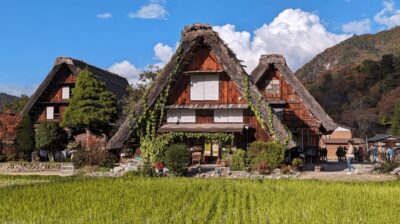
From Takayama: Guided Day Trip to Takayama and Shirakawa-go
Read our review →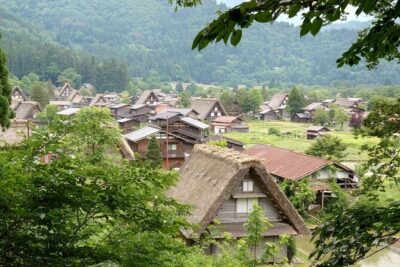
1-Day Takayama Tour: Explore Scenic Takayama and Shirakawago
Read our review →
Private Afternoon Cycling Tour in Hida-Furukawa
Read our review →
Private-group Morning Cycling Tour in Hida-Furukawa
Read our review →
Takayama: Onigiri and miso soup making at a buddhist temple
Read our review →Browse the lists this tour appears in