
Reviewed · TAKAYAMA TOURS
Kanazawa: World Heritage Shirakawa-go & Two Local Experience
Two sides of rural Japan, one long day. This tour pairs the storybook gassho-zukuri houses of Shirakawa-go with Kanazawa’s garden, geisha quarter, and traditional crafts. I like that it gives you both a major UNESCO site and a closer look at local culture, rather than stopping at scenic viewpoints alone. The other strong point is the guides. Yasushi and Aiko are often singled out for their warmth, clear English, humor, and practical help.
The main drawback is the pace. You get roughly two and a half hours in Shirakawa-go, one hour in Kenrokuen Garden, and short craft and neighborhood visits in the afternoon. That is enough for a satisfying first look, but not enough for slow wandering or a full museum visit. The early start and fixed schedule also mean you trade freedom for convenience.
In This Review
- The day in six useful points
- Why this combination works
- Meeting the bus at Kanazawa Station
- Shirakawa-go: thatched roofs and mountain scenery
- Returning to Kanazawa and entering Kenrokuen
- Wagashi or Daruma painting: a small craft with a big payoff
- Higashi Chaya District and Kanazawa’s gold leaf
- Guides, language help, and the group experience
- Is $116 good value?
- Who should book this day tour?
- Should you book it?
- FAQ
- Where does the tour start?
- What time should I arrive?
- How long is the tour?
- Is hotel pickup included?
- What languages are available?
- How long do you spend in Shirakawa-go?
- Is lunch included?
- Which craft activity will I do?
- What happens if the itinerary changes?
The day in six useful points
- Early access to Shirakawa-go: The bus leaves Kanazawa at 8:00 AM, helping you reach the famous village before the heaviest crowds.
- Two very different Japanese settings: You see snow country and old farmhouses in the morning, then Kanazawa’s refined garden and geisha district later.
- Guides who add real personality: Yasushi is known for energetic explanations, photos, quizzes, and easy-to-follow English. Aiko is praised for her warmth and detailed local commentary.
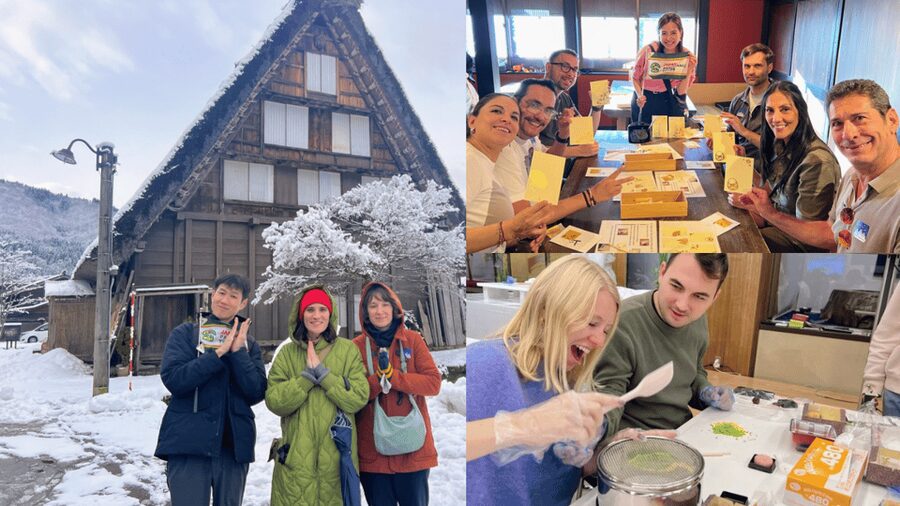
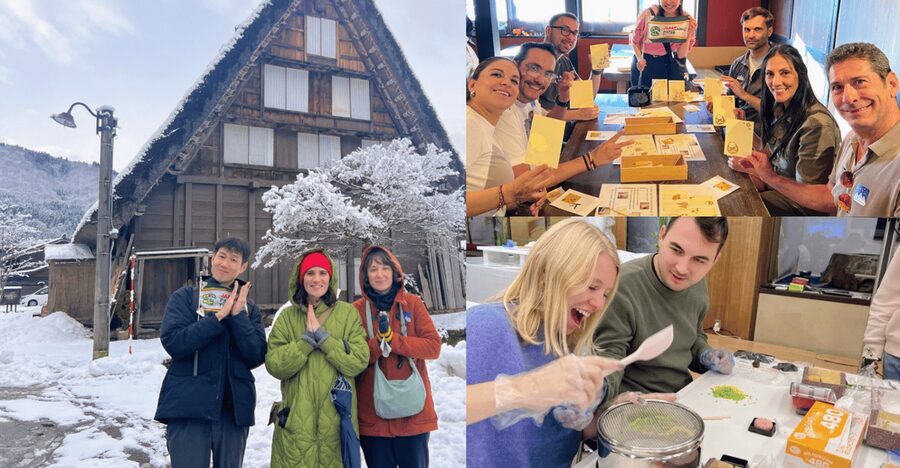
- Hands-on Kanazawa traditions: Depending on the artisan’s schedule, you make wagashi sweets or paint a Daruma doll, then create a gold leaf postcard.
- Comfortable transport: The air-conditioned coach has free Wi-Fi, regular ventilation, and an antibacterial coating.
- A good value at $116: Garden entry, transport, guide service, sweets or Daruma activity, and gold leaf craft are included. Lunch and snacks are not.
Why this combination works
Kanazawa is one of Japan’s best places for a day that mixes beauty, history, and skilled handwork. Shirakawa-go adds something quite different: a mountain village where steep thatched roofs were designed to cope with heavy snow.
You could visit both places independently, but the transport takes planning. Shirakawa-go is not a quick local train ride from Kanazawa, and bus connections can limit your time. On this tour, you board once at Kanazawa Station, ride directly to the village, return to the city, and finish back at the same station.
I especially like the contrast. In Shirakawa-go, you look at buildings shaped by climate and farming life. In Kanazawa, you see a garden built around careful composition, a former entertainment quarter, and crafts based on gold leaf. The day gives you a broad introduction to the area without asking you to organize several separate tickets and transfers.
That convenience comes with a group timetable. If you like to linger at one viewpoint, browse every shop, or stop for a long lunch, this will feel brisk. If you have only one day in Kanazawa and want to cover the region’s main sights, the structure works well.
A few more options to weigh up in Takayama
- Kanazawa: World Heritage Shirakawa-go Morning Guided Tour
★ 4.9 · 988 reviews - Kanazawa/Takayama: Shirakawago & Takayama Private Day Tour
★ 4.8 · 172 reviews - Departing from Takayama [Regular sightseeing bus] World Heritage Sites Shirakawago and Gokayama Ainokura
★ 4.5 · 137 reviews
Meeting the bus at Kanazawa Station
The meeting point is the Kanazawa Station West Plaza short-term car park at 1-chōme-6-802 Hirooka. Check-in begins at 7:50 AM, with departure at 8:00 AM. Look for the green and white Japan Panoramic Tours flag.
This is an early start, so I would locate the meeting point the evening before. The tour does not offer hotel pickup, and latecomers and no-shows are not eligible for a refund or schedule change. That rule matters here because the coach leaves on time.
The bus ride to Shirakawa-go takes about 80 minutes. You get an air-conditioned seat, free Wi-Fi, and commentary from the English-speaking guide. The multilingual audio system offers English, French, Italian, Spanish, German, Portuguese, and Ukrainian. The live guide speaks Japanese and English, while the headsets help if you prefer a slower or more language-specific explanation.
The journey is not wasted time. Guides such as Yasushi often use the ride to explain Japanese customs, regional food, local history, and what to look for in the village. His use of photographs and a scrapbook has been particularly useful for helping people understand the day before they arrive.
Shirakawa-go: thatched roofs and mountain scenery
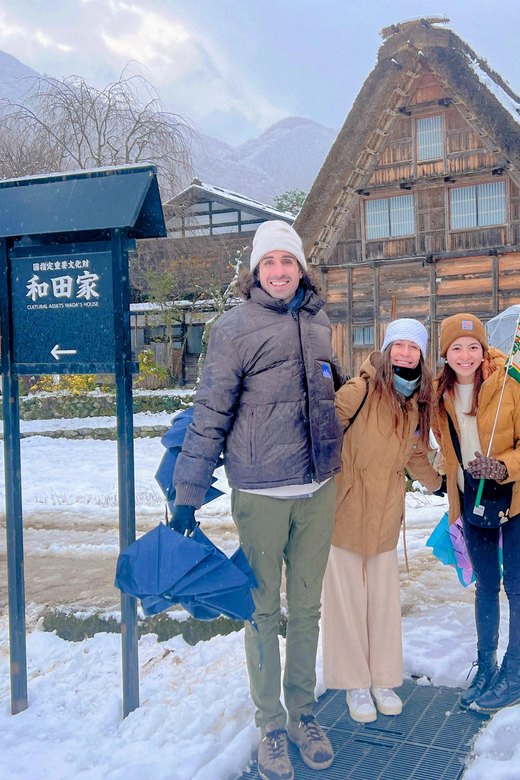
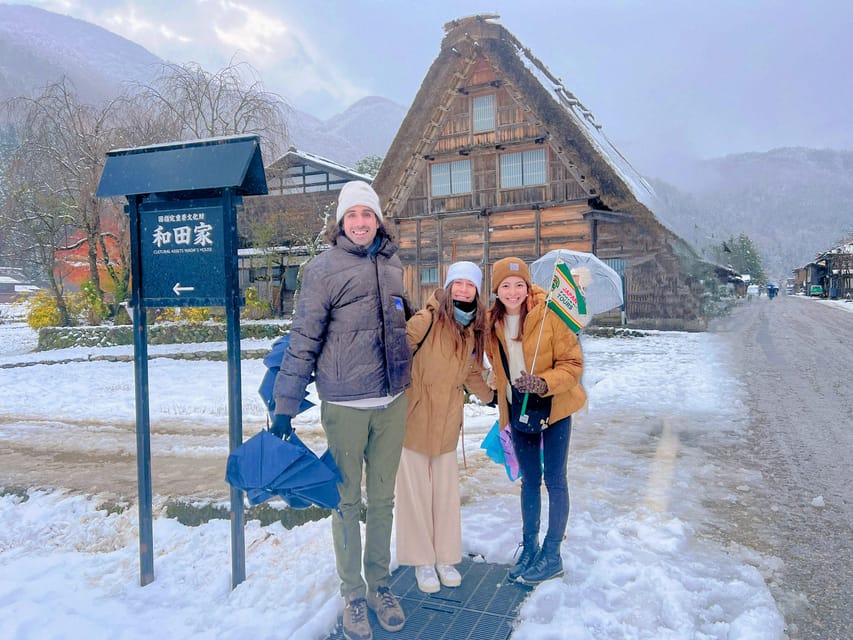
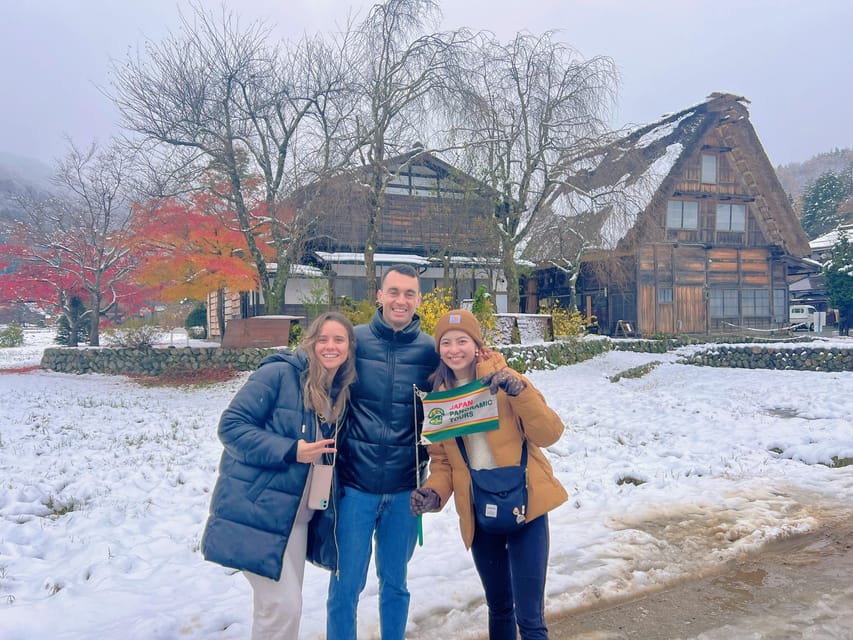
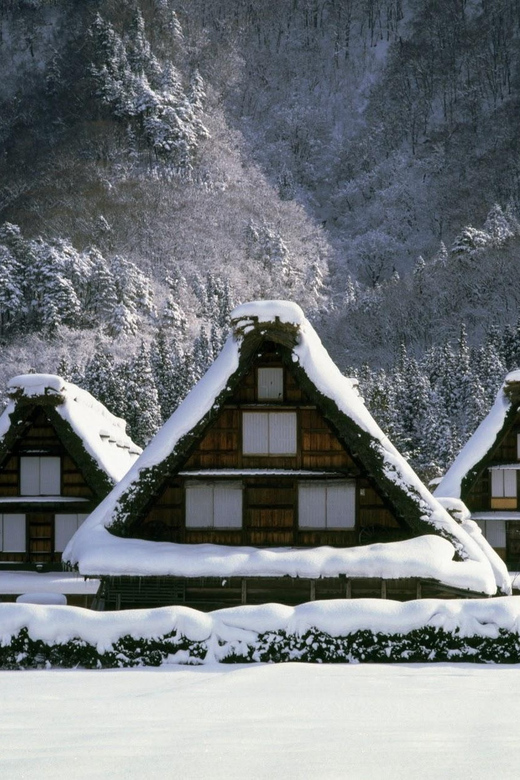
Shirakawa-go is the morning centerpiece. The village was added to the UNESCO World Heritage list in 1995, mainly because of its distinctive gassho-zukuri houses and the way traditional village life has been preserved.
The name refers to the steep, prayer-hand shape of the roofs. Their design is practical rather than decorative. Heavy snow is common in this part of the mountains, so the sharply pitched roofs help it slide away. The village feels most striking when viewed from above or from one of its broader paths, but the exact photo stops depend on the guide, weather, and local conditions.
You have about 2 hours and 20 minutes to 2 hours and 30 minutes here. The guide walks with the group and explains the architecture, customs, and daily life connected with the houses. After that, you have time to explore at your own pace.
That balance is one of the tour’s better features. You get context first, then freedom to take photographs, browse, and sample local food. Hida beef and Doburoku ice cream are among the regional specialties mentioned for the area. Lunch is on your own, so you should budget both time and money for it.
The season can change the mood completely. In winter, snow can make the village look almost unreal, but paths may be slippery and cold. One January visit was especially memorable because the coach stayed warm and the garden later appeared under snow. In autumn, clear sunshine and colorful trees can make the walk especially pleasant. Summer and spring bring a different view of the houses and surrounding mountains.
The limitation is time. One person wished for another hour in the village, and I understand why. Shirakawa-go rewards wandering, but this stop is designed as an introduction rather than a full village stay. Wear comfortable shoes, and in snowy or wet conditions choose footwear with a firm sole.
Returning to Kanazawa and entering Kenrokuen
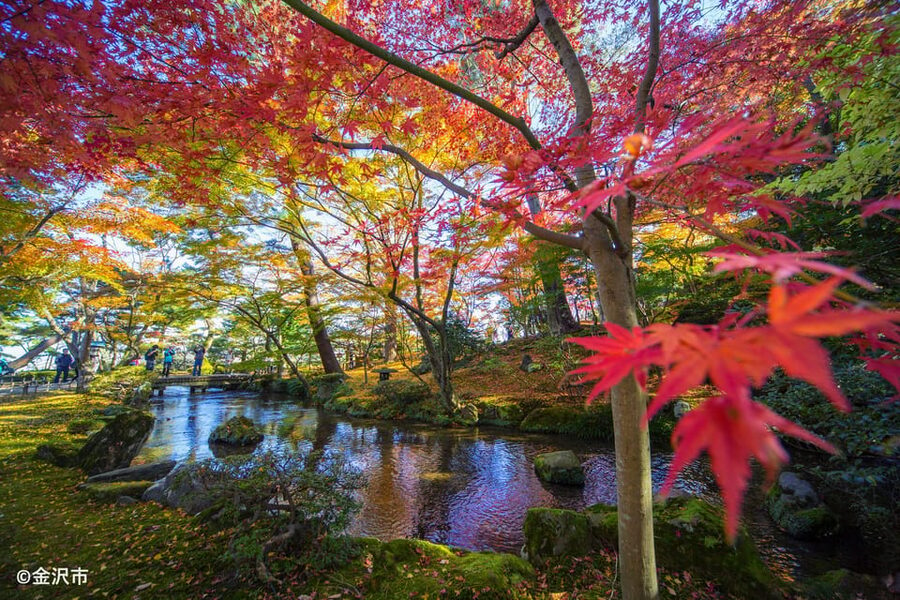
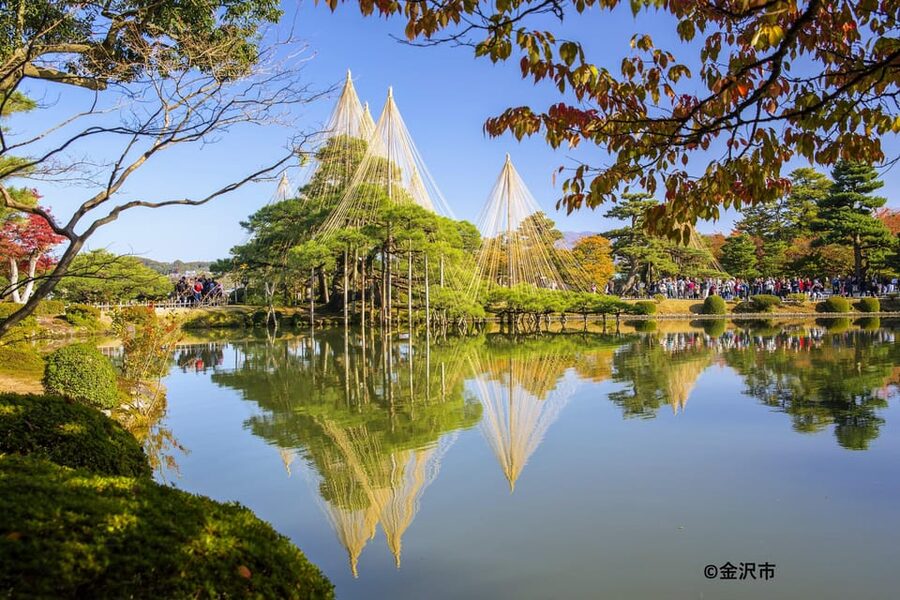
After Shirakawa-go, the coach returns to Kanazawa for the afternoon program. The first major stop is Kenrokuen Garden, one of Japan’s three most celebrated gardens.
A guided visit makes a difference here because Kenrokuen is not simply a collection of attractive plants. Its appeal comes from the way water, trees, flowers, stones, bridges, tea houses, and tucked-away viewpoints are arranged. The garden is built to offer many kinds of scenery as you move through it.
The hour-long visit is short but useful. A local guide can point out design choices you might otherwise pass without noticing, including how views open and close as paths turn. The garden changes with the seasons, so winter snow, spring flowers, summer greenery, and autumn color each give it a different character.
One practical point: Kenrokuen involves walking on garden paths, and the tour continues afterward. Comfortable shoes are not just a suggestion. If rain or snow is forecast, bring suitable clothing because the garden visit is outdoors.
The tour also includes a walk near Kanazawa Castle. The schedule lists the castle as a walking stop rather than a separate extended admission visit, so you should think of this as part of the city introduction, not a full castle tour. The afternoon moves quickly, but the mix keeps the day from becoming one long sequence of viewpoints.
A completely different kind of day out:
- 1-Day Takayama Tour: Explore Scenic Takayama and Shirakawago
★ 5.0 · 113 reviews - From Takayama: Guided Day Trip to Takayama and Shirakawa-go
★ 4.9 · 113 reviews - Private Afternoon Cycling Tour in Hida-Furukawa
★ 5.0 · 109 reviews - Private-group Morning Cycling Tour in Hida-Furukawa
★ 5.0 · 105 reviews
Wagashi or Daruma painting: a small craft with a big payoff
The first hands-on activity is either Japanese sweets making or traditional craft work, depending on the artisan’s schedule. The most common alternative described is painting a Daruma doll.
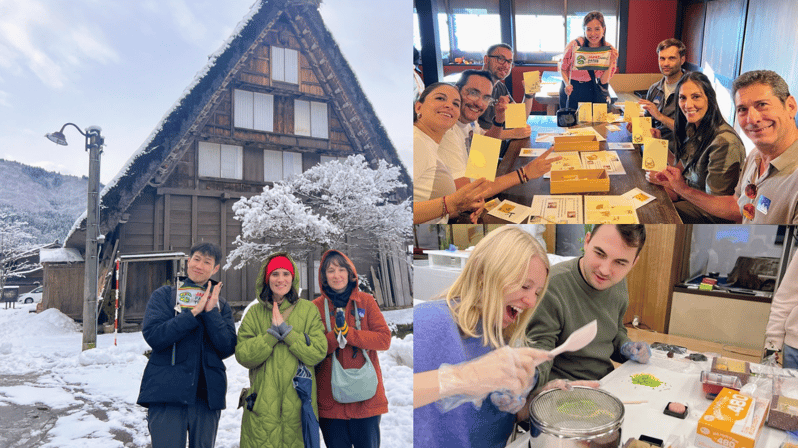
Wagashi are Japanese sweets made to look as good as they taste. Making them gives you a direct connection with the precision and seasonal awareness often associated with Japanese confectionery. You create the sweets with an artisan and can take them home as a souvenir.
The activity is short, but it changes the rhythm of the day. Instead of only looking at Japanese culture, you use your hands and make something yourself. You do not need to be artistic. Several people found the craft fun even when they did not consider themselves good at this sort of thing.
If the schedule changes to Daruma painting, you get a more visual souvenir. Daruma dolls are strongly associated with determination and completed goals, and painting one lets you create something personal rather than buying a finished item. One useful caution is that not everyone will find this activity equally interesting. If you prefer watching an expert work and explaining the technique, rather than making a craft yourself, this portion may feel less essential.
The exact activity is not guaranteed, so check the current arrangement when booking if one option matters a great deal to you.
Higashi Chaya District and Kanazawa’s gold leaf
Higashi Chaya District is one of Kanazawa’s best-known historic neighborhoods. It was once an entertainment area where geisha performed music and other traditional arts. The old wooden buildings and narrow streets give the visit a distinct sense of place.
The tour allows about 30 minutes to walk through the district, followed by another workshop of roughly 30 minutes. That is enough to see the main atmosphere and browse a few shops, but too little for a long cafe stop or detailed shopping tour.
Kanazawa produces about 99 percent of Japan’s gold leaf, so gold leaf is not just a shiny tourist prop here. It is one of the city’s signature crafts. During the activity, you make a postcard by applying gold leaf, giving you a light and portable souvenir.
You may also see part of the gold leaf production process. That extra glimpse helps explain why the craft requires such care. The day may finish with gold leaf ice cream, a playful local specialty that looks extravagant but is mostly a memorable photo and tasting experience.
I like this section because it puts Kanazawa’s reputation for fine craft into your hands. You are not only walking through a historic quarter and buying a finished object. You see how the city turns a traditional material into food presentation and decorative work.
The short visit also means you should be selective. If you want to shop for gold leaf products, choose that over a leisurely snack. You will not have time to explore every side street.
Guides, language help, and the group experience
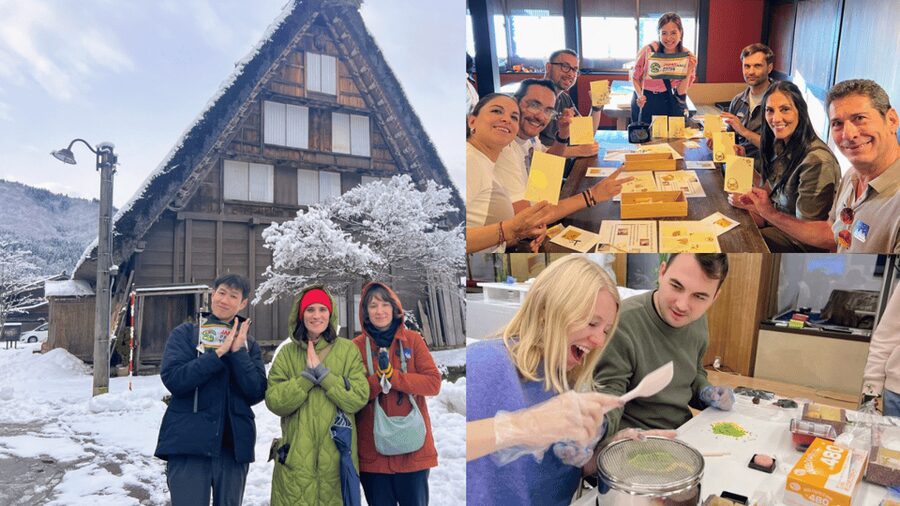
The guide can make or break a tightly scheduled day, and this tour’s strongest asset is the human side. Yasushi is repeatedly praised for his lively manner, clear English, cultural explanations, and willingness to take photographs. Aiko is known for keeping groups involved with questions and small quizzes while still allowing time to walk independently.
That style suits people who want information without a lecture. The guides explain why a garden feature matters, what to notice in Shirakawa-go, and how Kanazawa’s crafts fit into the city’s identity. They also answer general questions about Japan and suggest regional foods.
The audio headsets provide support in six additional languages beyond the live English and Japanese guiding: French, Italian, Spanish, German, Portuguese, and Ukrainian. The information provided lists English among the audio options as well, so you can use the system if you prefer it to live commentary.
The coach is another plus. An 80-minute road journey can feel tiring after a long day of walking, but air conditioning, Wi-Fi, and a warm interior in winter make the transfers easier. The bus is regularly ventilated and treated with an antibacterial coating.
Group size is not specified, so you should expect a standard coach excursion rather than a private tour. That means meeting times matter. The tradeoff is clear: you sacrifice some flexibility, but you gain direct transport and a guide at each major stop.
Is $116 good value?
At $116 per person, the price is reasonable for a nine-hour outing that includes transportation between Kanazawa and Shirakawa-go, an English-speaking guide, Kenrokuen admission, one craft activity, and the gold leaf workshop.
The price becomes especially attractive if you are traveling alone or do not want to manage regional buses. Shirakawa-go can be awkward to fit into a short Kanazawa stay, and a direct coach removes much of that planning burden. The guide also adds value at Kenrokuen, where the garden’s design is easier to appreciate with explanation.
You still need to pay for lunch, drinks, and extra food. Shirakawa-go offers local specialties, but those purchases are separate. The itinerary also does not include hotel transfers, so you must reach Kanazawa Station independently.
Free cancellation is available up to 24 hours before departure, and you can reserve now and pay later. Those terms are useful if your Japan schedule is still shifting, but they do not protect late arrival on the morning itself.
Who should book this day tour?
I would recommend it to you if:
- You have one free day in Kanazawa and want to see Shirakawa-go.
- You prefer organized transport to separate bus planning.
- You enjoy a guide who explains culture in plain English.
- You like adding a craft activity to sightseeing.
- You are comfortable with a full schedule and moderate walking.
- You want a broad introduction rather than a slow, specialized visit.
I would think twice if you want several hours in Shirakawa-go, a long lunch, or a private pace. Independent visitors may prefer to spend a full day in one place. Families and solo visitors, on the other hand, may appreciate the easy transport and the friendly group atmosphere.
Should you book it?
If Shirakawa-go is high on your list and you are based in Kanazawa, I would book this tour. The combination is unusually efficient: a World Heritage mountain village in the morning, then Kenrokuen, Kanazawa Castle, wagashi or Daruma painting, Higashi Chaya, and gold leaf work in the afternoon.
The key is to accept the pace. You are buying access, context, and convenience, not unlimited free time. Arrive early, wear good shoes, bring weather protection, and keep lunch flexible. For $116, this is a strong choice for seeing the region’s headline sights while also doing something with your hands.
FAQ
Where does the tour start?
It starts at the Kanazawa Station West Plaza short-term car park, at 1-chōme-6-802 Hirooka, Kanazawa. Look for the green and white Japan Panoramic Tours flag.
What time should I arrive?
Check-in is at 7:50 AM, and the coach departs at 8:00 AM. Latecomers and no-shows do not receive refunds or schedule changes.
How long is the tour?
The experience lasts about nine hours. The listed schedule begins in the morning at Kanazawa Station and returns to the same bus parking area in the afternoon or evening.
Is hotel pickup included?
No. Hotel pickup and drop-off are not included, so you need to reach the Kanazawa Station meeting point yourself.
What languages are available?
The live guide speaks Japanese and English. Audio guidance is available in English, French, Italian, Spanish, German, Portuguese, and Ukrainian.
How long do you spend in Shirakawa-go?
The schedule allows about 2 hours and 20 minutes to 2 hours and 30 minutes in Shirakawa-go, including a guided walk and free time.
Is lunch included?
No. Lunch is not included, and you pay separately for food, drinks, and additional snacks.
Which craft activity will I do?
You will make Japanese sweets with an artisan or paint a Daruma doll, depending on the craftsman’s schedule. The tour also includes a gold leaf craft, such as making a gold leaf postcard.
What happens if the itinerary changes?
The order may change because of traffic, weather, or operational reasons. If a listed place is closed, an alternative location will be visited.
Just added in Takayama
- Takayama Old Town Walking Tour with Local Guide★ 4.5 · 50 reviews
- Takayama Local Cuisine, Food & Sake Cultural Tour with Government-Licensed Guide★ 5.0 · 17 reviews
- Private Transfer from Takayama to Kanazawa Including Shirakawago★ 5.0 · 17 reviews
- Takayama Rice Ball and Miso Soup Making at a buddhist temple★ 5.0 · 13 reviews
- Takayama Half Day Tour (Private Guide)★ 5.0 · 15 reviews
- Takayama: Authentic Sake Tasting at a Historic Brewery★ 5.0 · 65 reviews
- Takayama Full-Day Private Tour with Government Licensed Guide★ 4.5 · 13 reviews
- Shuriken Experience in Takayama★ 5.0 · 46 reviews
Takayama Tours, compared.
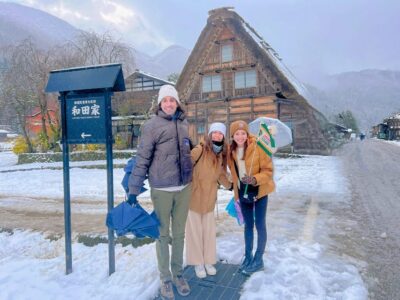
World Heritage Shirakawa-go Morning Guided Tour
Read our review →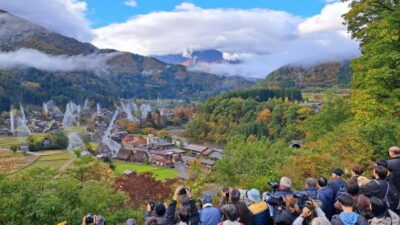
Kanazawa/Takayama: Shirakawago & Takayama Private Day Tour
Read our review →![Departing from Takayama [Regular sightseeing bus] World Heritage Sites Shirakawago and Gokayama Ainokura](https://media.japanvisits.com/wp-content/uploads/departing-from-takayama-regular-sightseeing-bus-world-heritage-sites-shirakawago-and-gokayama-ainokura-400x267.jpg)
Departing from Takayama [Regular sightseeing bus] World Heritage Sites Shirakawago and Gokayama Ainokura
Read our review →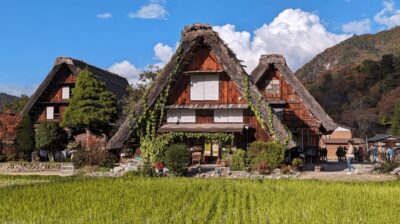
From Takayama: Guided Day Trip to Takayama and Shirakawa-go
Read our review →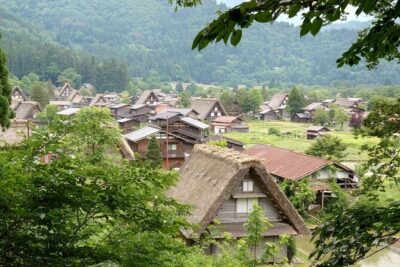
1-Day Takayama Tour: Explore Scenic Takayama and Shirakawago
Read our review →
Private Afternoon Cycling Tour in Hida-Furukawa
Read our review →
Private-group Morning Cycling Tour in Hida-Furukawa
Read our review →
Takayama: Onigiri and miso soup making at a buddhist temple
Read our review →Browse the lists this tour appears in