
Reviewed · TEMPLES AND SHRINES
Takayama Rice Ball and Miso Soup Making at a buddhist temple
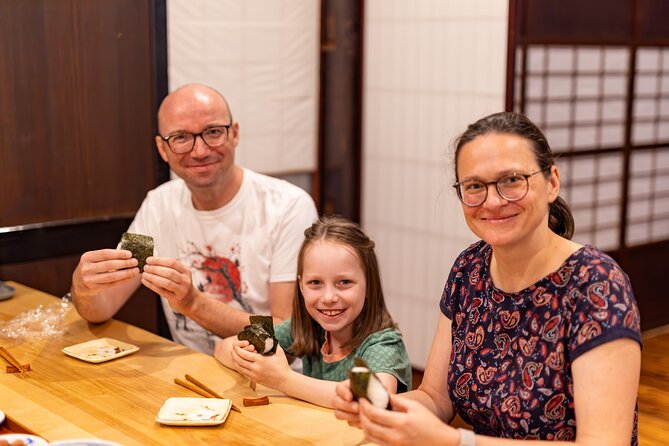
Slow food, quiet temple. This one-hour class at Takayama Zenkoji combines hands-on cooking with a calm Buddhist setting, making it a pleasant break from shrine visits and sightseeing. I like the chance to shape your own onigiri with different fillings, and I like that the miso soup uses locally renowned Hida miso. The main consideration is that the class is short, so you get a taste of Japanese food culture rather than a full cooking course.
The setting gives the activity more character than a standard kitchen lesson. You work in the temple’s kuri, or kitchen space, learn about seasonal ingredients, and sit down to eat what you make. It is also vegan-friendly, a useful detail for anyone who needs plant-based food. One small caution: although the teaching is praised for being friendly and clear, one translated review found the instructor a little tense. That sounds like an exception, but group mood can vary.
In This Review
- What makes this temple cooking class special
- Arriving at Takayama Zenkoji
- The kuri kitchen and the first steps
- Making onigiri with your own fillings
- Preparing miso soup with Hida miso
- Food, culture, and a quiet change of pace
- Teaching style and group size
- Is $26.13 good value in Takayama?
- Who should book this experience?
- Practical details before you reserve
- Should you book the Takayama temple cooking class?
- FAQ
- How long does the Takayama rice ball and miso soup class last?
- Where does the experience begin?
- Where does the activity end?
- What food will I make?
- Is food included in the price?
- Is the cooking experience vegan-friendly?
- Is transportation included?
- How many people can join the class?
- Can I cancel for a full refund?
What makes this temple cooking class special
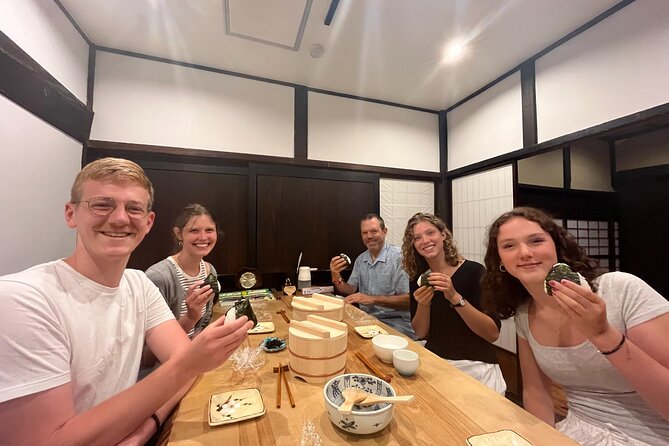
- A Buddhist temple kitchen: Make lunch or brunch inside Takayama Zenkoji rather than in a commercial cooking studio.
- Hida miso in the soup: Learn how to prepare miso soup with a regional ingredient closely tied to Takayama and the Hida area.
- Personalized onigiri: Choose fillings and flavors, then shape your own rice balls and arrange your plate.
- English-friendly instruction: Tama and other instructors have been praised for clear explanations and excellent English.
- A compact one-hour format: The class fits neatly after a morning of sightseeing, with little physical effort required.
- A small group setting: The maximum is 10 people, which should allow room for questions and hands-on help.
Arriving at Takayama Zenkoji
The class starts at Temple Hotel Takayama Zenkoji, at 4-chome-3 Tenmanmachi in Takayama, Gifu. The activity ends at the same place, so you do not need to arrange a separate return transfer.
That simple start and finish matter. Takayama is easy to explore on foot, and this activity can fit into a day built around the old town, morning markets, or nearby shrines. Public transportation is close to the meeting point, and the booking comes with a mobile ticket. You will not need private transportation, since none is included or required for the activity itself.
Give yourself enough time to locate the temple before the start time. A temple kitchen is not always as obvious as a shopfront cooking studio, and arriving rushed would work against the quiet mood this class is trying to create.
The temple atmosphere is part of the lesson. You are not simply preparing rice and soup in a rented room. The surroundings encourage you to slow down and pay attention to the food in front of you. The class also includes Buddhist ideas about mindfulness and gratitude, so the cultural side is woven into the meal rather than tacked on at the end.
More Temples and Shrines in Takayama:
- Takayama: Onigiri and miso soup making at a buddhist temple
★ 4.9 · 93 reviews - [Kyoto & Nara Day Tour] Sagano Scenic Railway & Nara Park & Fushimi Inari Taisha Thousand Torii Gates & Togetsukyo Bridge & Bamboo Grove & Kimono Forest (Departing from Osaka)
★ 4.9 · 10,942 reviews - Mount Fuji & Hakone – Lake Ashi Torii Gate, Hakone Shrine, Hakone Pirate Ship, Hakone Ropeway, Owakudani, Lake Yamanaka & Oshino Hakkai Day Trip: Sea, Land, and Air Panoramic Tour from Tokyo
★ 4.8 · 7,989 reviews
The kuri kitchen and the first steps
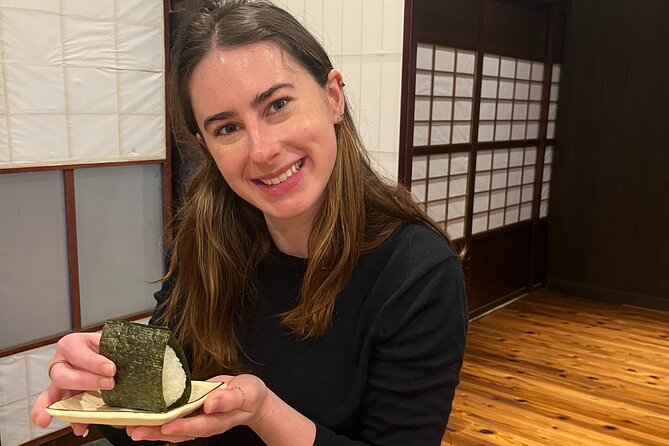
The class takes place in the kuri, the temple kitchen area. The exact order of every activity can vary, but the central rhythm is clear: your guide introduces the ingredients and preparation, shows you how the dishes are made, and then helps you prepare your own food.
This is a useful format for first-time cooks. You are not expected to arrive with special skills, and the activity is described as suitable for most people. One review specifically noted that the class was not heavy lifting, which makes it a comfortable choice after a full morning of walking.
The teaching includes more than instructions about mixing and shaping. You learn how the ingredients are prepared and gain some context about Japanese customs around food. That extra explanation gives the class more value than simply following a recipe on a printed card.
You will want to arrive hungry. The meal is presented as brunch, and the food you prepare is included. At roughly $26.13 per person, the price is reasonable if you view the activity as both a meal and a cultural lesson. It is less compelling if you only want to eat a bowl of soup and a few rice balls, since the real point is taking part in the preparation.
Making onigiri with your own fillings
Onigiri are Japanese rice balls, but the simple name hides a lot of variety. Their appeal comes from the balance of warm rice, a chosen filling, and the hands-on act of shaping the food. Here, you can personalize your own onigiri plate by experimenting with different fillings and flavors.
The activity does not list every filling, so you should not book it expecting a specific ingredient. What you can count on is the chance to make your own selection from the ingredients provided and shape the rice balls yourself.
For many people, this will be the most playful part of the class. Onigiri can look easy until you try to form a neat shape without pressing the rice too hard. The instructor demonstrates the process, then helps you get the texture and form right.
That practical correction is important. A written recipe cannot tell you as much about how firmly to handle the rice or how to keep the filling in place. The teacher’s guidance turns a familiar Japanese food into a small craft lesson.
The class is also suitable for families. Children aged 9 and 12 enjoyed the activity in one account, even though the adult accompanying them felt the instructor was slightly unhappy during the lesson. That mixed note is worth keeping in mind, but the children’s enjoyment suggests the cooking itself is approachable and engaging for younger participants.
Preparing miso soup with Hida miso
The soup portion adds a stronger local link. You learn to make miso soup from scratch using Hida miso, a regional product associated with the area around Takayama.
Miso soup is often treated as a side dish, but making it yourself helps you notice the elements that create its flavor. The instructor explains the preparation and the customs connected with the dish. Tama was singled out for giving especially clear details about making a good miso soup.
You should not expect an advanced lesson in fermentation or a long culinary lecture. The class lasts about an hour, so the focus is practical: understand the basic method, use the local miso, and enjoy the finished soup with your onigiri.
That short format works well for a day in Takayama. You can learn enough to recognize the process without giving up half a day of sightseeing. I would treat the session as a focused introduction, not as professional chef training.
The vegan-friendly format is another strong point. The activity is presented as entirely vegan-friendly, which makes it useful for plant-based diners who often need to ask careful questions about soup stock and hidden animal products. Still, if you have a serious allergy, confirm the ingredients directly before booking, since the supplied information does not provide an allergy policy.
A few more options to weigh up in Takayama
- Kanazawa: World Heritage Shirakawa-go Morning Guided Tour
★ 4.9 · 988 reviews - Kanazawa: World Heritage Shirakawa-go & Two Local Experience
★ 4.9 · 274 reviews - Kanazawa/Takayama: Shirakawago & Takayama Private Day Tour
★ 4.8 · 172 reviews - Departing from Takayama [Regular sightseeing bus] World Heritage Sites Shirakawago and Gokayama Ainokura
★ 4.5 · 137 reviews
Food, culture, and a quiet change of pace
The best reason to book this class is the change in pace. Takayama sightseeing can involve a steady run of temples, shrines, streets, and historic buildings. Those places matter, but looking at one more structure from the outside does not always give you a deeper sense of daily life.
Here, food becomes the entry point. You learn how Japanese people relate to a simple meal and hear Buddhist ideas about gratitude and attention. The temple setting gives those ideas a natural home.
I also like that the activity does not pretend cooking must be elaborate to be meaningful. Rice balls and miso soup are modest foods. Their value comes from ingredients, technique, and the care given to preparing and eating them.
The atmosphere may be especially welcome in the middle of a busy itinerary. One participant planned to use the session as lunch after a morning of touring and found the hour a good, low-effort pause. That is exactly how I would schedule it: late morning or around midday, when you want food and a seat but are not ready to spend several hours in a formal class.
The temple setting is the cherry on top, but it is not the whole meal. If you dislike group activities or want a highly technical cooking lesson, the surroundings will not make the class a perfect fit. If you want a gentle cultural activity with something to eat, the combination makes good sense.
Teaching style and group size
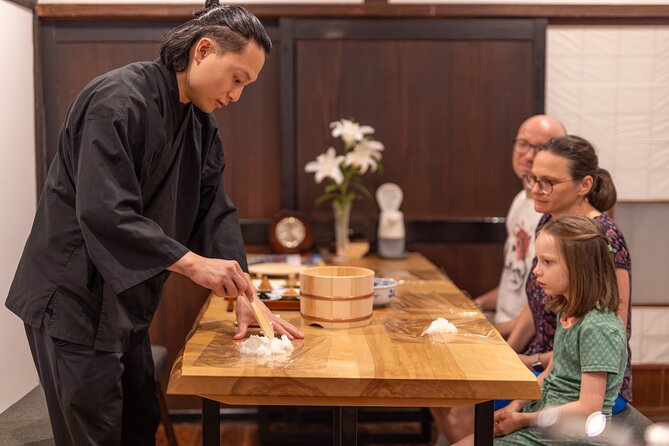
The maximum group size is 10 people. That is small enough to keep the activity personal, though the actual number in your session may be lower or close to the limit.
A small group also matters when making onigiri. You may need help with shaping, fillings, or the soup preparation, and the instructor needs to be able to see what everyone is doing. The available comments praise the teachers for being friendly, patient, and clear.
Tama is specifically praised for explaining the details of miso soup and onigiri. Another instructor was described as young, approachable, and easy to spend time with. English ability was also praised, including one comment that the instructor spoke perfect English.
That makes this a good choice if you want cultural explanations without worrying about a language barrier. You can ask about ingredients, customs, and technique rather than merely copying hand movements.
The feedback is not perfectly uniform. One person felt the instructor seemed a little angry, even though the lesson itself was good and the children enjoyed it. I would not treat that single comment as a major warning, especially alongside the many positive descriptions of the teaching, but it is fair to say that personal chemistry can affect a short group class.
Is $26.13 good value in Takayama?
At $26.13 per person, the cost covers the guide, instruction, the onigiri and miso soup brunch, and the cultural setting. It does not include transportation, but the class begins and ends at the temple, and the location is near public transportation.
I see the price as fair because you are paying for three things at once:
- A meal
- A practical cooking lesson
- Time inside a Buddhist temple with cultural explanation
The value is strongest if you already planned to eat lunch and want an activity that gives the meal some meaning. It is also useful for families, couples, and solo visitors who want an easy way to meet a local instructor and learn something practical.
The value is weaker if your main goal is a long, detailed cooking course with many dishes. One hour leaves little room for a broad menu or extended practice. You will learn the basic process for two foods, not master a large collection of recipes.
The average booking time is 23 days ahead, which suggests that planning early is sensible, especially if your Takayama dates are fixed. The group limit is only 10, and popular time slots may fill before your arrival.
Who should book this experience?
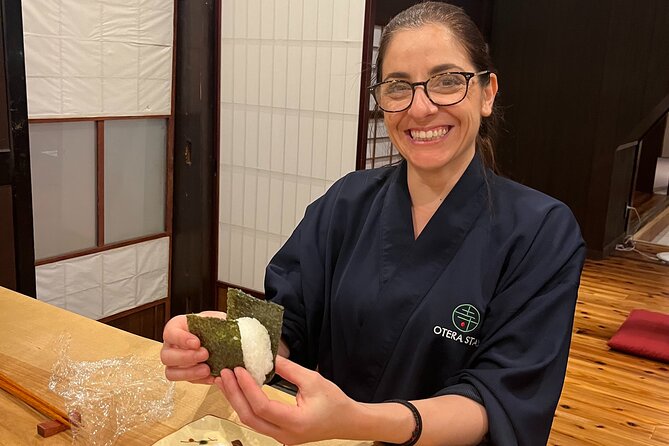
I would recommend the class to you if you want a short, calm cultural activity that fits into a packed Takayama schedule. It works particularly well after a morning of walking, since the cooking is hands-on without being strenuous.
It is a strong choice for:
- First-time visitors to Japan
- People interested in everyday Japanese food
- Families with children
- Plant-based diners
- Visitors who enjoy small-group activities
- Anyone who wants a break from looking at temples and shrines
It may not suit you if you want a private class, a long menu, or a serious technical cooking course. The experience has a maximum of 10 participants, and no private transportation is included.
You should also consider your interest in rice and miso-based food. The menu is focused, not varied. If onigiri and miso soup sound like a satisfying lunch, the simplicity is a strength. If you need a large meal or many different dishes, you may leave wanting more.
Practical details before you reserve
Confirmation is provided when you book, and the mobile ticket makes it easy to keep the entry details on your phone. The meeting point is Temple Hotel Takayama Zenkoji, and the activity returns there at the end.
Most people can participate, but the supplied information does not give detailed accessibility specifications. If you need particular seating, kitchen access, or other arrangements, contact the provider before reserving.
The cancellation terms are straightforward. You can cancel at least 24 hours before the local start time for a full refund. Cancellations or changes made less than 24 hours before the start time are not accepted for a refund.
Because the class is short, punctuality matters. Arrive ready to begin, rather than treating the start time as a loose suggestion. You will get more from the experience if you have enough time to settle into the temple before cooking starts.
Should you book the Takayama temple cooking class?
Yes, if you want an affordable and gentle way to connect food with Japanese culture. The strongest points are the peaceful temple kitchen, the use of Hida miso, the chance to personalize your onigiri, and the friendly English-speaking instruction associated with Tama and the other teachers.
Book it as a lunch-centered cultural stop, not as a full culinary school. At about one hour, it will not transform you into an onigiri expert, but it can give your Takayama day a welcome pause and help you understand two everyday Japanese foods from the inside out.
The decision is simple: if making vegan-friendly rice balls and miso soup in a Buddhist temple sounds more appealing than another hour of sightseeing, reserve ahead. The small group limit and typical advance booking time make early planning wise.
FAQ
How long does the Takayama rice ball and miso soup class last?
The activity lasts approximately one hour.
Where does the experience begin?
It begins at Temple Hotel Takayama Zenkoji, located at 4-chome-3 Tenmanmachi, Takayama, Gifu 506-0025, Japan.
Where does the activity end?
The experience ends back at the meeting point at Takayama Zenkoji.
What food will I make?
You will learn to make onigiri, Japanese rice balls, and miso soup.
Is food included in the price?
Yes. The included brunch consists of the onigiri and miso soup you learn to prepare.
Is the cooking experience vegan-friendly?
Yes. The experience is described as entirely vegan-friendly.
Is transportation included?
No. Private transportation is not included, though the meeting point is near public transportation.
How many people can join the class?
The activity has a maximum of 10 participants.
Can I cancel for a full refund?
Yes. You can cancel for a full refund if you do so at least 24 hours before the experience start time. Changes or cancellations made less than 24 hours before the start time are not accepted for a refund.
Just added in Takayama
- Takayama Old Town Walking Tour with Local Guide★ 4.5 · 50 reviews
- Takayama Local Cuisine, Food & Sake Cultural Tour with Government-Licensed Guide★ 5.0 · 17 reviews
- Takayama Half Day Tour (Private Guide)★ 5.0 · 15 reviews
- Private Transfer from Takayama to Kanazawa Including Shirakawago★ 5.0 · 17 reviews
- Takayama: Authentic Sake Tasting at a Historic Brewery★ 5.0 · 65 reviews
- Takayama Full-Day Private Tour with Government Licensed Guide★ 4.5 · 13 reviews
- Shuriken Experience in Takayama★ 5.0 · 46 reviews
- Sawanobori River Trekking Tour★ 5.0 · 30 reviews
Temples and Shrines, compared.
![[Kyoto & Nara Day Tour] Sagano Scenic Railway & Nara Park & Fushimi Inari Taisha Thousand Torii Gates & Togetsukyo Bridge & Bamboo Grove & Kimono Forest (Departing from Osaka)](https://media.japanvisits.com/wp-content/uploads/kyoto-nara-day-tour-sagano-scenic-railway-nara-park-fushimi-inari-taisha-thousand-torii-gates-togetsukyo-bridge-bamboo-grove-kimono-forest-departing-from-osaka-k110001-400x257.jpg)
Kyushu One-Day Tour: Yufuin no Mori Train & Yufuin Town & Nyoirin-ji Temple & Dazaifu & Hell Hot Springs (Departing from Fukuoka)
Read our review →
Fushimi Inari, Kinkakuji, Bamboo Grove 1 Day Bus Tour
Read our review →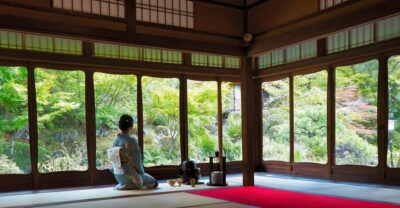
Tea Ceremony in a Traditional Tea House in Kiyomizu
Read our review →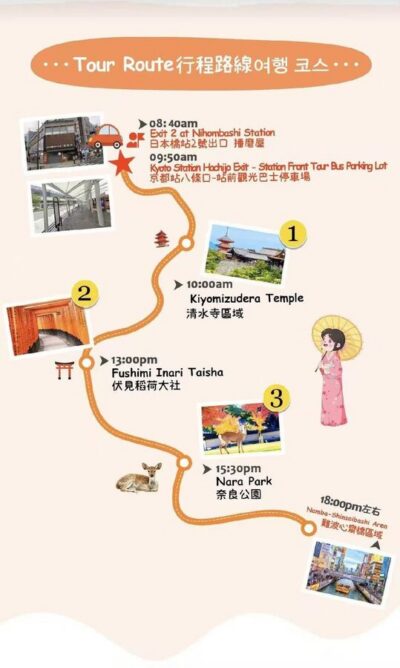
Kyoto Nara Day Trip │ Kiyomizu-dera Temple + Fushimi Inari-taisha Shrine + Nara Park (Departing from Osaka/Kyoto)
Read our review →
Browse the lists this tour appears in