
Reviewed · PRIVATE DRIVERS
14 Days Japan Exploration Tour (Private Guide & Driver) – Umetravel Review
Two weeks on this route gives you a satisfying cross-section of Japan: Tokyo’s temples and market streets, Mt. Fuji’s lakeside views, old merchant towns, Kyoto shrines, and the sobering Peace Memorial sites in Hiroshima. The trip ends with Miyajima’s famous torii gate, then returns you to Osaka for a final free day.
I like two things in particular: the variety is excellent, moving from city neighborhoods to mountain villages and island shrines, and having hotels, trains and guides arranged takes much of the guesswork out of a complicated first visit. The schedule also leaves you a full day in Osaka to slow down or follow your own interests.
The trade-off is the pace. You change hotels often, and some days combine long drives or rail journeys with several major sights. I’d also ask Umetravel to confirm one apparent itinerary mismatch: Day 7 lists a train to Kyoto, but then schedules Kanazawa’s Omicho Market and Kenrokuen Garden.
In This Review
- At a glance
- The value is in the planning, not just the stops
- Tokyo starts with old streets and a fish-market breakfast
- Mt. Fuji comes with lake views and spring water
- Castles, macaques and Takayama’s wooden streets
- Shirakawa-go and Kanazawa’s old districts
- Confirm the Kanazawa-to-Kyoto day before booking
- Kyoto’s temples, Gion and a traditional performance
- Fushimi Inari, Nara’s deer and Osaka’s food scene
- Hiroshima and Miyajima add a more reflective finish
- Who should book this tour?
- FAQ
- Where does the tour start and finish?
- Are international flights included?
- Is this a private tour?
- What meals are included?
- What hotels are included?
- Does the tour include a Mt. Fuji climb?
- Is the tour suitable for children?
- Are dietary requirements accommodated?
- When can I take the tour?
At a glance
- Tokyo to Osaka in 14 days: The route also covers Mt. Fuji, Nagano, Takayama, Kanazawa, Kyoto, Nara, Hiroshima and Miyajima.
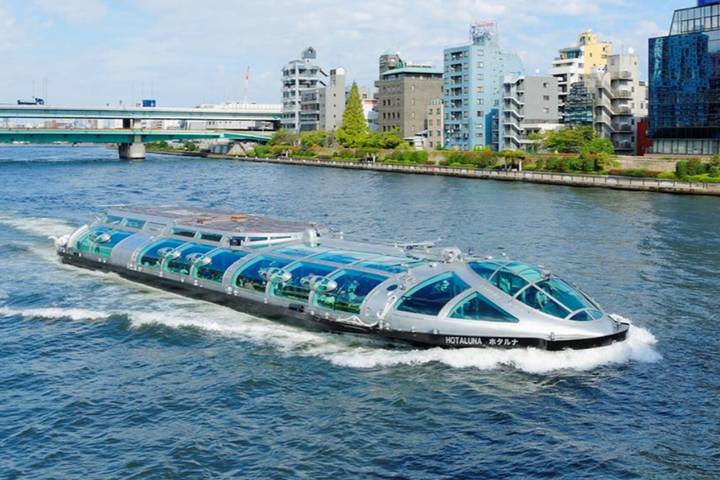
- Senso-ji, a water bus and Tsukiji: Tokyo’s first full day mixes temple history, a cruise along the city’s waterways, garden paths and market tastings.
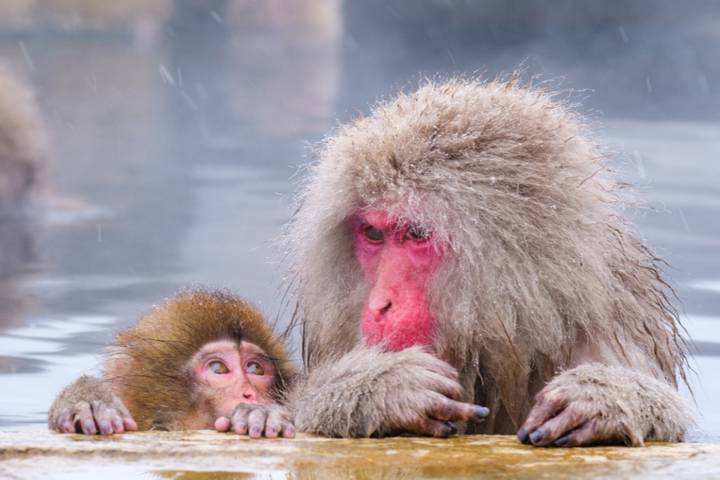
- A strong central Japan stretch: Matsumoto Castle, Jigokudani’s macaques, Takayama’s old streets and Shirakawa-go bring welcome variety between the big cities.
- Two nights in Kyoto: Visit temples and shrines, walk Gion in the evening, and attend a one-hour traditional performing-arts program.
- Hiroshima and Miyajima: The tour gives time to visit the Peace Memorial Park and Museum, then see Itsukushima Shrine and its famous torii gate.
- Four five-star category scores: The tour’s category ratings are 5.0 for itinerary, transport, guide and accommodation, and 4.5 for food. The written comments also praise the planning and guiding, while one asks for clearer travel-time estimates and more tailored suggestions.
The value is in the planning, not just the stops
The starting price is $6,590, with international flights excluded. Accommodation is based on two people sharing a room; a single supplement applies if you want a room to yourself. That is a substantial outlay, but the package includes 13 breakfasts, hotels, internal trains and cruises, transport, a guide and basic insurance.
For a first trip to Japan, that coordination has real value. You move through several regions, including places where train connections and local transport can take time to sort out. A guide who accompanies you on the route can help keep the day moving and explain what you’re seeing, rather than leaving you to solve every transfer yourself.
Still, check exactly which parts are by private vehicle and which use trains or public transport. The tour includes a private, air-conditioned vehicle, but the itinerary specifically describes rail and public transport for several journeys. The operator should clarify where a private car and driver are used, and what luggage handling looks like on train days.
The accommodations are described as carefully selected, well located and convenient for restaurants and transport. Named hotels include Hotel East 21 Tokyo, Dormy Inn Nagano Zenkounoyu Natural Hot Spring, Hotel Wing International Hida Takayama, Hotel Intergate Kanazawa, Hotel Elcient Kyoto Hachijoguchi, Osaka Hinode Hotel Nipponbashi and RIHGA Royal Hotel Hiroshima. Most listed stays are three- or four-star properties. Confirm the final hotel list, since room availability and the published itinerary details may change.
More Private Tours in Tokyo
- Tokyo 6hr Private Tour with Government-Licensed Guide
★ 5.0 · 3,902 reviews - Private Tour to Mt. Fuji and Hakone (Fully Licenced Operator)
★ 5.0 · 1,910 reviews - Tokyo Customized Private Tour (Must See Places in 1 Day)
★ 5.0 · 1,499 reviews
Tokyo starts with old streets and a fish-market breakfast
Your driver meets you at Tokyo airport and transfers you to Hotel East 21 Tokyo. Day 1 is deliberately light: settle in, rest and get oriented. After an international flight, that breathing room is more useful than another scheduled attraction.
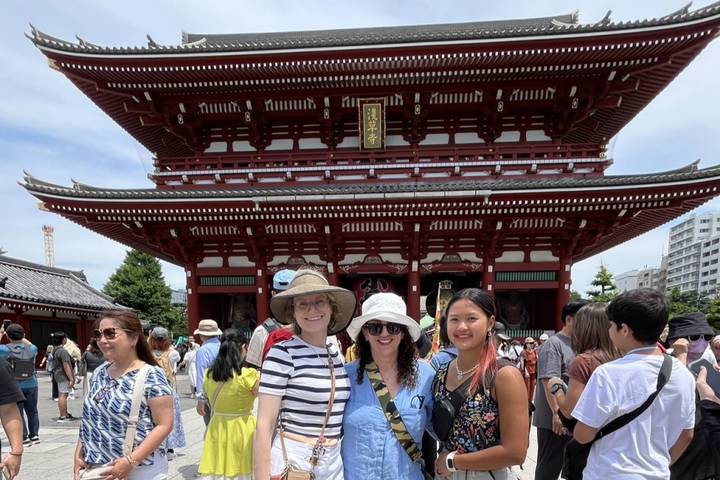
The next morning begins at Senso-ji, Tokyo’s oldest and best-known temple. The visit gives you a clear first look at Asakusa’s religious and neighborhood life, before the water bus offers a different view of the city. The Tokyo Mizube Line connects Odaiba and Asakusa, and the boat ride provides a pleasant pause between walking stops.
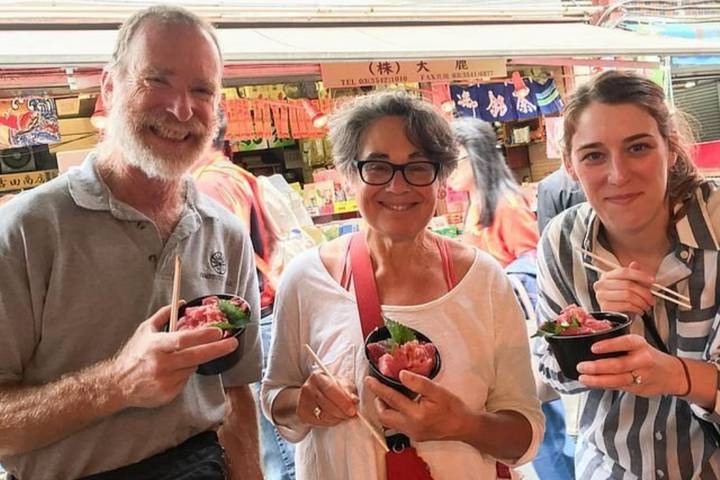
Hama Rikyu Garden makes an appealing contrast to the surrounding modern buildings. Its seawater ponds change with the tides, and there is a teahouse on an island where you can stop and take in the grounds. Then a guide leads you through Tsukiji’s outer market, with tastings that may include sushi, Japanese omelet, fried fish cakes, sake and tea. This is one of the few meals beyond breakfast specifically included in the tour.
Ginza closes the day with department stores, boutiques, restaurants and cafes. It’s an upscale district, so consider it a good place to browse rather than an essential shopping stop if you’re watching your budget. The day covers several parts of Tokyo, but expect a fair amount of walking and little time for lingering at any one stop.
Mt. Fuji comes with lake views and spring water
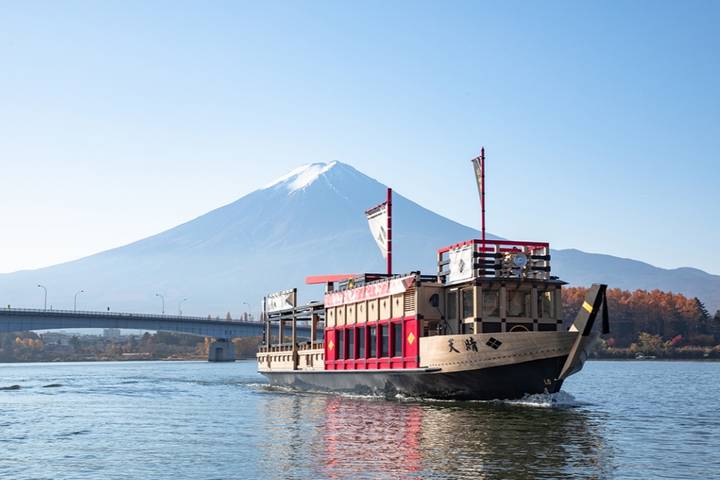
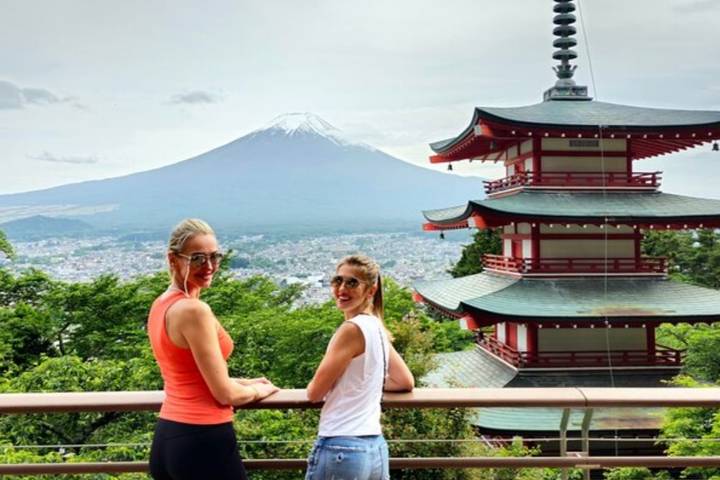
On Day 3, you head to Fujikawaguchiko and Lake Kawaguchi, one of the area’s main viewpoints for Mt. Fuji. The Panoramic Ropeway climbs to Kawaguchiko Tenjozan Park, where observation decks look over the lake and, when visibility cooperates, toward the mountain. Fuji views depend on weather, so treat them as a possibility rather than a guarantee.
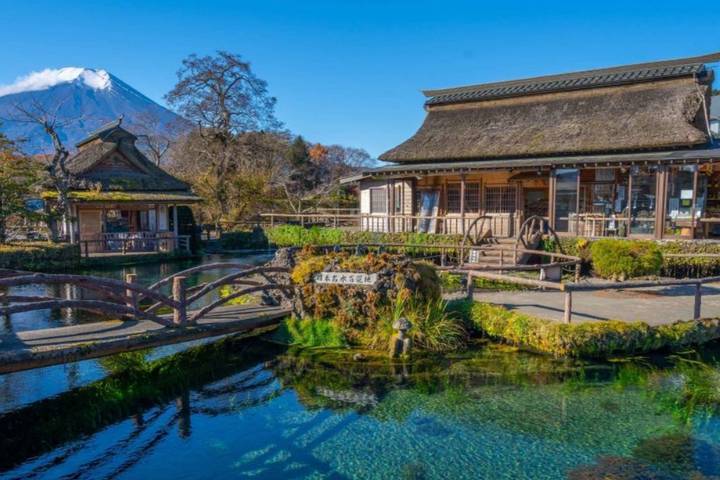
Oshino Hakkai adds a quieter, village-scale stop. Its eight springs are fed by water that has filtered through volcanic rock, and the clear pools are a striking change from Tokyo’s dense streets. An excursion boat on Lake Kawaguchi is listed as optional, so check whether it fits the day and whether it costs extra.
You stay at HOTEL MYSTAYS Fuji Onsen Resort. The one-night stop means you won’t have much time to explore the wider area, but it breaks up the journey north and gives the trip a welcome dose of open air.
Castles, macaques and Takayama’s wooden streets
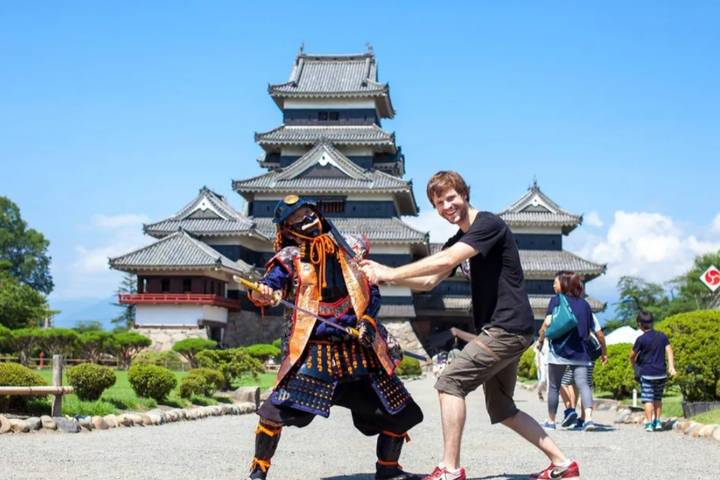
Day 4 brings Matsumoto Castle and Jigokudani Monkey Park. Matsumoto is one of Japan’s original castles, with dark exterior walls and a distinctive keep. Its appearance and history offer a useful counterpoint to the temple visits elsewhere on the route.
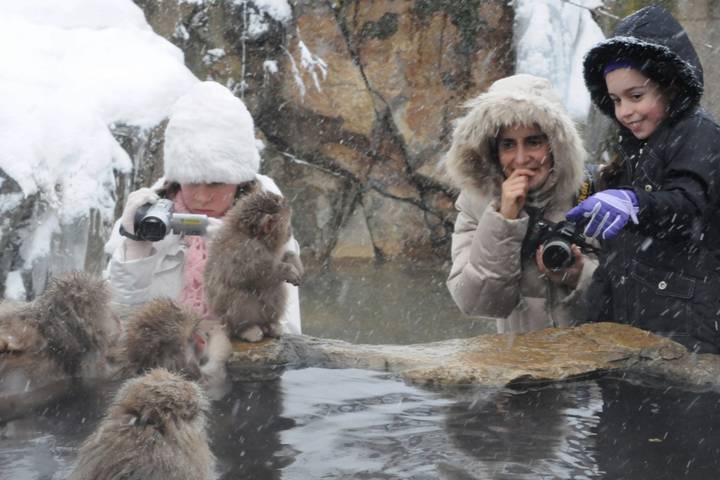
At Jigokudani, Japanese macaques live in forested mountain country and are known for bathing in natural hot springs. Seeing them in their own habitat is a memorable wildlife stop, though the park’s forest setting means walking is involved. The tour is rated low intensity, but that does not mean every day is effortless; comfortable shoes and an honest sense of your own stamina matter.
The following day starts at Zenko-ji in Nagano, a major temple around which the city developed. You then travel to Takayama, where Takayama Jinya preserves the former local government offices, tatami rooms and a large rice storehouse. The historic building makes civic life tangible in a way that a temple visit cannot.
Sanmachi Suji is Takayama’s old-town heart, lined with traditional wooden buildings, shops, cafes and sake breweries. It is a fine place to wander at your own pace, though a tightly scheduled day may limit how long you can browse. You stay at Hotel Wing International Hida Takayama.
A completely different kind of day out:
- Tokyo Disney Resort – Tokyo Disneyland & Tokyo DisneySea Park Tickets
★ 4.8 · 99,488 reviews - SHIBUYA SKY Ticket
★ 4.7 · 46,509 reviews - JR Whole Japan Rail Pass
★ 4.8 · 29,150 reviews - Mt Fuji and Hakone 1-Day Bus Tour Return by Bullet Train
★ 5.0 · 26,383 reviews
Shirakawa-go and Kanazawa’s old districts
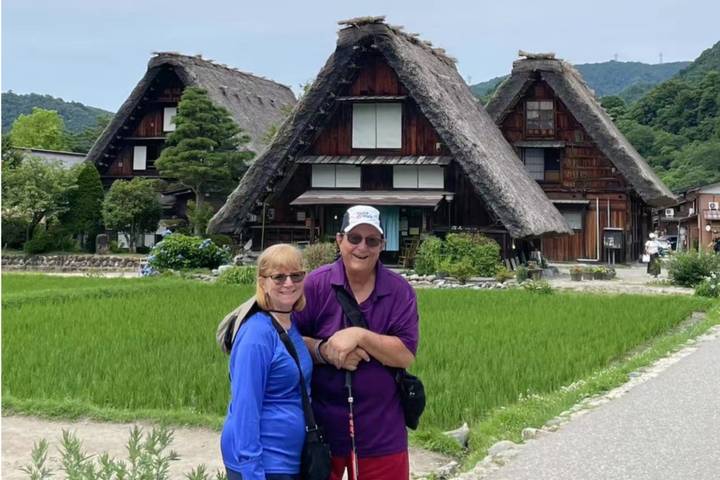
On Day 6, the route takes you to Shirakawa-go, a UNESCO-listed mountain village known for steep-roofed gassho-zukuri farmhouses. Some of these buildings are more than 250 years old. The village’s setting and distinctive construction give you a look at rural life quite unlike the cities on either end of the trip.
In Kanazawa, Higashi Chaya preserves the architecture of a former geisha entertainment district. A gold-leaf workshop lets you decorate a small souvenir, a hands-on break from sightseeing. Later, Nagamachi’s narrow lanes, earthen walls, canals and samurai residences evoke the district where samurai families once lived.
You’ll want to ask how much time is set aside for Shirakawa-go and the Kanazawa stops. Several substantial visits are packed into one day, and it would be a shame to rush the village or the gold-leaf activity simply to reach every stop on schedule. Hotel Intergate Kanazawa is the listed stay.
Confirm the Kanazawa-to-Kyoto day before booking
The published plan describes a journey from Kanazawa to Tsuruga by train, followed by another train to Kyoto. The stated travel times are about 45 minutes and 52 minutes, with a transfer in Tsuruga. But the same day also lists Omicho Market and Kenrokuen Garden, both in Kanazawa.
That is a practical detail worth resolving before you pay. Ask Umetravel whether the Kanazawa visits happen before departure, whether the schedule has been updated, or whether those attractions are listed on the wrong day. Omicho is a covered market with about 200 shops and stalls, known especially for seafood and local produce. Kenrokuen, once part of Kanazawa Castle’s outer grounds, is celebrated for its seasonal gardens. Both deserve time, but not as casual stops after arriving in Kyoto.
The Kyoto hotel is Hotel Elcient Kyoto Hachijoguchi. The route and hotel change make sense, but a clear day plan will help you know whether you’re getting a proper visit to both Kanazawa sights.
Kyoto’s temples, Gion and a traditional performance
Day 8 focuses on eastern Kyoto. Kodaiji Temple dates to 1606 and was established in memory of Toyotomi Hideyoshi by his wife, Nene. Its gardens and richly decorated interiors provide a quieter start before a walk along Nene no Michi, a street that retains a traditional feel.
Yasaka Shrine is closely associated with the Gion Matsuri, one of Japan’s best-known festivals. In the evening, you walk through Hanamikoji, in Gion, where you may see geisha in traditional dress. Treat that as a chance sighting, not a scheduled performance in the street.
The evening’s one-hour program at Garden Gion Kobu Kaburenjo theater is a useful introduction to traditional arts. It presents short selections that can include kyomai dance, kyogen, tea ceremony, flower arranging, koto music and bunraku, with a digital tablet offering information and translations. This gives you a window into performances that can otherwise be hard to understand without context.
Fushimi Inari, Nara’s deer and Osaka’s food scene
The next day starts at Fushimi Inari, where thousands of red torii gates line trails on Mount Inari. You can walk part of the route or continue farther into the wooded shrine grounds, depending on the time and your energy. The tour then heads to Nara, where deer roam freely in Nara Park.
Todaiji’s Great Buddha Hall is the major stop in Nara, followed by Kasuga Taisha, known for its red structures and long association with the city. Deer crackers are available for purchase, but the deer can be assertive around food. Keep your snacks put away and don’t tease them with crackers.
Osaka begins with Kuromon Ichiba, a covered market where seafood and local produce take center stage. It’s a convenient place to sample a few things, though food purchases beyond the tour’s included breakfasts and Tokyo tastings should be budgeted separately. Osaka Castle, the Osaka Museum of History and the Umeda Sky Building’s observation deck round out the day with three very different views of the city: its past, its regional history and its modern skyline.
You stay at Osaka Hinode Hotel Nipponbashi for four nights in total, including the final two nights. The longer stay gives you a more stable base after a run of one-night stops.
Hiroshima and Miyajima add a more reflective finish
A bullet train takes you from Osaka to Hiroshima, where a guide accompanies you by train and public transport. The Atomic Bomb Dome and Peace Memorial Park are powerful places for reflection. The Peace Memorial Museum presents the human consequences of the bombing and also addresses Japan’s wartime actions in Asia.
Allow yourself time to take in the museum at your own pace. This is a serious visit, not a quick photo stop, and the shift in tone from markets and temples is part of what makes this route more than a checklist of famous sights. You spend the night at RIHGA Royal Hotel Hiroshima.
The next day takes you to Miyajima and Itsukushima Shrine, then back to Osaka. The island’s deer are used to people, but unlike Nara’s deer, they must not be fed. The shrine’s torii gate is famous for appearing to float in the water, though the view changes with the tide. The tour describes the journey using trains and public transport, so confirm the exact connections and timing with your guide.
It is a full day of travel and sightseeing before returning to Osaka. Day 13 is left open, giving you time to shop, eat, rest or revisit a place that caught your interest. A private transfer takes you to Kansai International Airport on Day 14.
Who should book this tour?
This is a good fit if you want to see several sides of Japan in one trip and prefer having hotels, transport and a guide arranged. It should suit families and first-time visitors who value support with the logistics, and its private format means you travel with your own party rather than joining a shared group. The tour welcomes all ages and is rated low intensity, though multiple hotel changes, walking and long sightseeing days still call for some stamina.
The tour’s scores are uniformly strong for itinerary, transport, guiding and accommodation, with food rated slightly lower at 4.5. The written feedback also points to well-organized transfers, a friendly guide and a schedule that worked for a family with children. One useful request was for clearer estimates of travel time and more personal suggestions for meals and alternative activities.
That’s advice I would act on. Before booking, ask for realistic door-to-door timing, confirm what meals are included beyond breakfast and Tsukiji tastings, and resolve the Kanazawa-to-Kyoto discrepancy. If you want a flexible, slow-paced holiday with long stays in each city, this route may feel too packed. If you want a guided introduction to Japan’s major regions and don’t mind moving often, the $6,590 starting price may be worthwhile for the coordination and range of stops.
FAQ
Where does the tour start and finish?
It starts in Tokyo and ends in Osaka. A private transfer is included from your Osaka hotel to Kansai International Airport.
Are international flights included?
No. International flights are not included in the tour price.
Is this a private tour?
Yes. The tour is described as private, for you and your own party, with an English-speaking guide.
What meals are included?
The package includes 13 breakfasts. A Tsukiji Fish Market visit also includes samples such as sushi, Japanese-style omelet, fried fish cakes, sake and tea. Most other meals are not listed as included.
What hotels are included?
Named properties include Hotel East 21 Tokyo, Dormy Inn Nagano Zenkounoyu Natural Hot Spring, Hotel Wing International Hida Takayama, Hotel Intergate Kanazawa, Hotel Elcient Kyoto Hachijoguchi, Osaka Hinode Hotel Nipponbashi and RIHGA Royal Hotel Hiroshima. Confirm the final hotel plan before departure.
Does the tour include a Mt. Fuji climb?
The Mt. Fuji day visits Lake Kawaguchi, the Panoramic Ropeway and Kawaguchiko Tenjozan Park, as well as Oshino Hakkai. A summit climb is not listed.
Is the tour suitable for children?
All ages are welcome, and one family account described the schedule as workable for children. The tour is rated low intensity, but it includes walking, hotel changes and full sightseeing days.
Are dietary requirements accommodated?
The operator says it will try to accommodate dietary needs, but options can be limited in Japan, especially for vegans. If you have strict requirements, contact Umetravel before booking.
When can I take the tour?
Departures are offered year-round. The listed seasonal guidance gives approximate blossom and autumn-leaf periods by region, but the timing varies across Japan.
More Private Drivers in Tokyo
- Mt Fuji Private Tour with English Speaking Driver
★ 5.0 · 861 reviews - Mt. Fuji & Hakone Private Day Tour with English-Speaking Driver
★ 4.5 · 824 reviews - Haneda Airport (HND) Private Transfer to Central Tokyo
★ 4.5 · 636 reviews - Mt. Fuji, Hakone Full-Day Private Tour with English Driver Guide
★ 4.5 · 458 reviews
Just added in Tokyo
- Wonders Of Japan 10-Day Tour by Travel Talk★ 4.5 · 14 reviews
- Wonders of Japan end Tokyo GO 15-Day Tour by Europamundo★ 4.2 · 10 reviews
- Wonders of Japan end Tokyo 15-Day Tour by Europamundo★ 4.2 · 10 reviews
- Wonders of Japan End Osaka by Europamundo – 12-Day Tour★ 4.2 · 58 reviews
- Wonders of Japan End Osaka (including Fukuyama) 12-Day Tour by Europamundo★ 4.2 · 58 reviews
- Wonders of Japan End Osaka GO by Europamundo – 12-Day Tour★ 4.2 · 58 reviews
- Walk Japan – Kumano Kodo Trail 12-Day Tour by Explore!★ 4.7 · 20 reviews
- Visions of Japan with Hiroshima & Osaka 15-Day Tour by Globus★ 5.0 · 75 reviews
Private Drivers, compared.
Mt Fuji Private Tour with English Speaking Driver
Read our review →
Mt. Fuji & Hakone Private Day Tour with English-Speaking Driver
Read our review →
Mount Fuji Full-Day Small Group driver-guide tour (with Pick-up option)
Read our review →
Haneda Airport (HND) Private Transfer to Central Tokyo
Read our review →
Mt. Fuji, Hakone Full-Day Private Tour with English Driver Guide
Read our review →
Mt. Fuji Day Trip from Tokyo with English Speaking Driver Guide
Read our review →Mt. Fuji Private Tour with English Speaking Driver
Read our review →
Mt. Fuji & Hakone Private Custom Tour English Driver
Read our review →Browse the lists this tour appears in