
Reviewed · PRIVATE DRIVERS
7 Day Essential Japan (Private Guide and Driver) – Umetravel – Reviews & Prices
Japan’s headline sights come in quick succession here: a cruise on Lake Ashi, a volcanic valley at Owakudani, Kyoto temples, Hiroshima’s Peace Memorial Park, and Miyajima’s famous torii gate. I like the contrast between Tokyo’s city neighborhoods and Kyoto’s older streets, and I like that the bullet train connects the major stops without asking you to arrange every long-distance journey yourself.
The trade-off is the pace. Seven days is enough for a rewarding first look, not a slow study of Japan, and the Hakone day followed by a train to Kyoto is especially full. The tour is also partially guided, so you’ll need to make your own plans on free days and handle some hotel transfers independently.
In This Review
- At a glance
- What the seven days really offer
- Day 1: A private airport transfer, then a gentle landing
- Day 2: Tokyo on your own terms
- Day 3: Hakone’s lake, volcano, bridge, and bullet train
- Day 4: Kyoto’s temples and traditional streets
- Day 5: Hiroshima’s memorials and a difficult history
- Day 6: Miyajima’s shrine, then onward to Osaka
- Day 7: Osaka, with the rest of the day in your hands
- Hotels, meals, and the practical details
- The strengths and the compromises
- Should you book this Japan route?
- FAQ
- Are international flights included?
- How many nights are included, and where do you stay?
- Which meals are included?
- Is the tour guided every day?
- Which train journeys are included?
- Can the tour accommodate dietary requirements?
At a glance
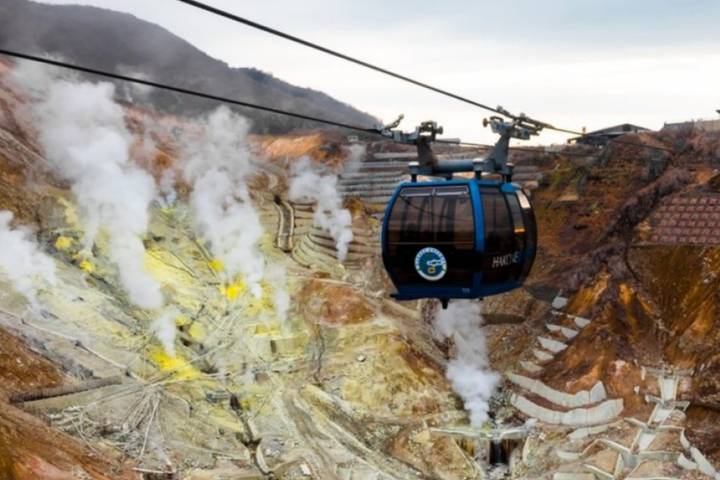
- Lake Ashi and Owakudani: Cruise across the lake, take the Hakone Ropeway, and see steam rising from a volcanic area.
- A long day on the move: Hakone sightseeing includes Mishima Skywalk before the bullet train to Kyoto.
- Two independent city days: Tokyo and Kyoto are yours to explore without a scheduled tour.
- A guided look at Hiroshima: Visit the Atomic Bomb Dome, Peace Memorial Park, and Peace Memorial Museum.
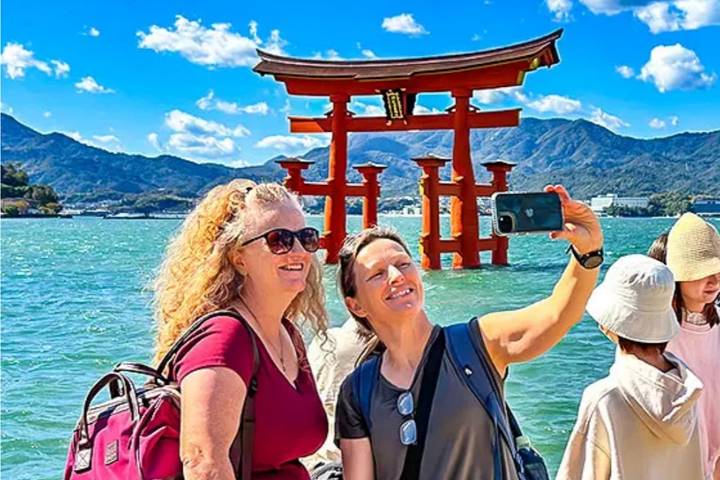
- Miyajima before Osaka: See Itsukushima Shrine and its well-known torii gate, then continue by train.
- A practical package: Six nights in three-star hotels, six breakfasts, selected transport, and guided excursions are included. International flights are not.
What the seven days really offer
This is best understood as a fast, organized introduction rather than a fully escorted tour from breakfast to bedtime. You begin in Tokyo and finish in Osaka, with two nights each in Tokyo and Kyoto and one night each in Hiroshima and Osaka. Some days have a guide; others are free time. That combination gives you a useful framework while leaving room to set your own pace in two of Japan’s most compelling cities.
The advertised starting price is $2,295, based on the cheapest room option. The package covers hotels, breakfast, an airport transfer, specified trains and cruises, and guided visits. For a first trip, those logistics have real value: Japan’s rail system is efficient, but changing cities, finding the right station exits, and coordinating several tickets can eat into a short holiday.
Still, the price needs context. International flights, lunches, dinners, and anything you add on your free days are not included. Room pricing assumes two people share; a solo traveler pays a single supplement. Compare the final price for your dates with the cost of arranging similar hotels and transport yourself, and check exactly which guided services are included.
More Private Tours in Tokyo
- Tokyo 6hr Private Tour with Government-Licensed Guide
★ 5.0 · 3,902 reviews - Private Tour to Mt. Fuji and Hakone (Fully Licenced Operator)
★ 5.0 · 1,910 reviews - Tokyo Customized Private Tour (Must See Places in 1 Day)
★ 5.0 · 1,499 reviews
Day 1: A private airport transfer, then a gentle landing
A driver meets you at Tokyo airport and takes you to your hotel by private car. After a long flight, that straightforward start can be worth more than another scheduled activity. You can get settled rather than working out a train route with luggage and jet lag.
You stay at Dormy Inn Akihabara Hot Spring, a three-star hotel, for the first two nights. Breakfast is included. There is no planned sightseeing on arrival day, so don’t expect a guided introduction to Tokyo; the point is to arrive, check in, and recover enough to enjoy the next day.
Day 2: Tokyo on your own terms
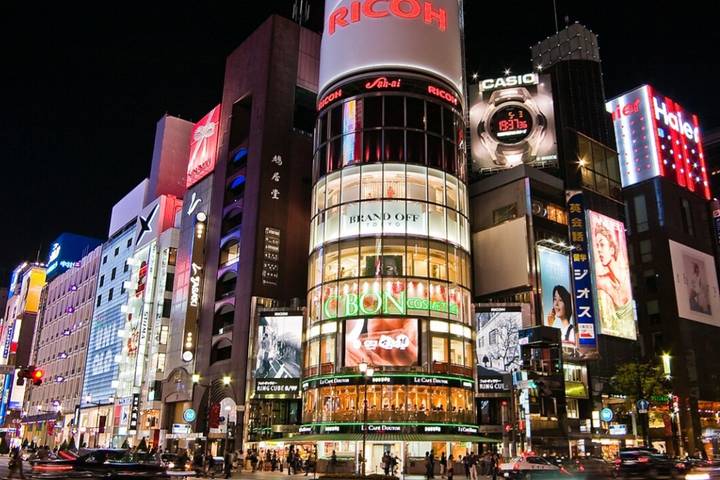
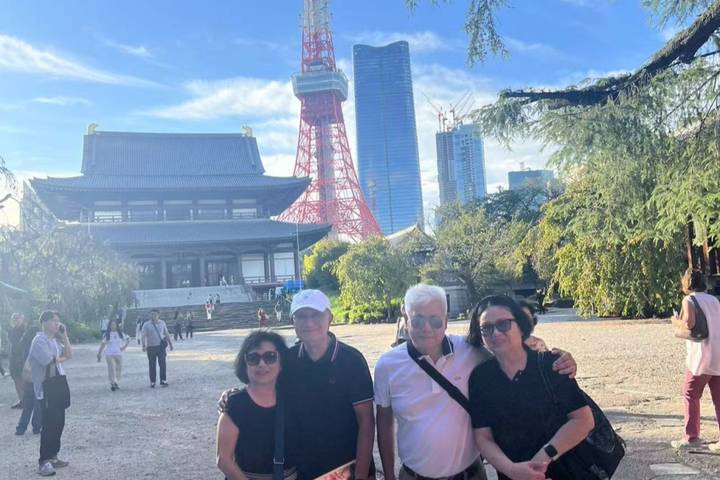
The second day is free for neighborhoods and sights such as Shinjuku, Shibuya, Akihabara, and Tokyo Tower. That freedom is welcome in a city where a single district can fill several hours. You can choose a busy shopping area, look for electronics and pop culture in Akihabara, or make a tower visit the day’s anchor.
The catch is that the itinerary does not provide a guide for this day. Tokyo’s public transport is described as convenient, but you’ll still need to choose your route and keep an eye on travel time. Pick two or three priorities rather than trying to cross the whole city between breakfast and dinner. You’ll enjoy the day more if you allow time to wander instead of treating each stop like a box to tick.
Day 3: Hakone’s lake, volcano, bridge, and bullet train
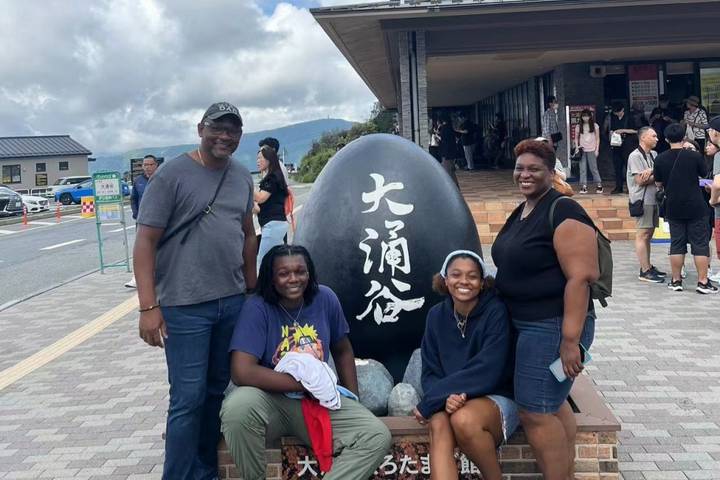
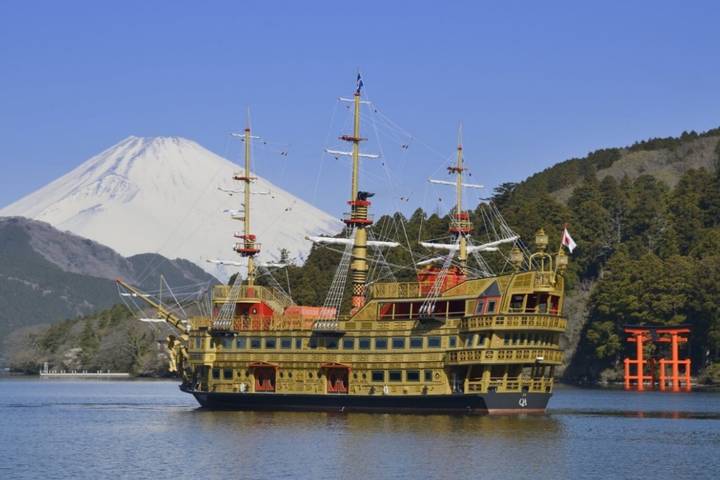
The route’s biggest change of scenery comes on the journey from Tokyo toward Kyoto. In Hakone, you take the Hakone Pirate Ship across Lake Ashi, with views of Mount Fuji possible when conditions cooperate. A mountain view is never guaranteed, so treat it as a bonus rather than the sole reason to go.
Next comes the Hakone Ropeway to Owakudani, a volcanic area formed by an eruption thousands of years ago. You may see steam and smell sulfur near the crater. Black eggs are sold here, with a local legend that eating one adds seven years to your life. It is a memorable snack story, not a medical plan.
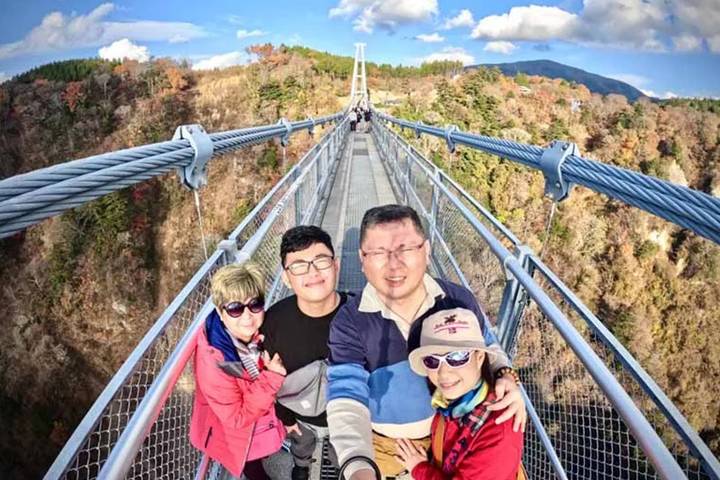
Mishima Skywalk adds another viewpoint: the 400-meter suspension bridge looks toward Mount Fuji and Suruga Bay. It’s a very different stop from the lake and volcanic valley, but it also adds to a full day. After sightseeing, you take the Shinkansen from Odawara to Kyoto. Your hotel is near the station, but you make your own way there after arrival.
This is the day I’d watch most closely when deciding if the itinerary suits you. The package arranges several appealing stops, yet the schedule combines sightseeing, transfers, and a long rail journey. One traveler reported that traffic and queues made it hard to reach everything listed on a day’s plan. Build in flexibility, and understand that a crowded day may require prioritizing rather than lingering at every stop.
A completely different kind of day out:
- Tokyo Disney Resort – Tokyo Disneyland & Tokyo DisneySea Park Tickets
★ 4.8 · 99,488 reviews - SHIBUYA SKY Ticket
★ 4.7 · 46,509 reviews - JR Whole Japan Rail Pass
★ 4.8 · 29,150 reviews - Mt Fuji and Hakone 1-Day Bus Tour Return by Bullet Train
★ 5.0 · 26,383 reviews
Day 4: Kyoto’s temples and traditional streets
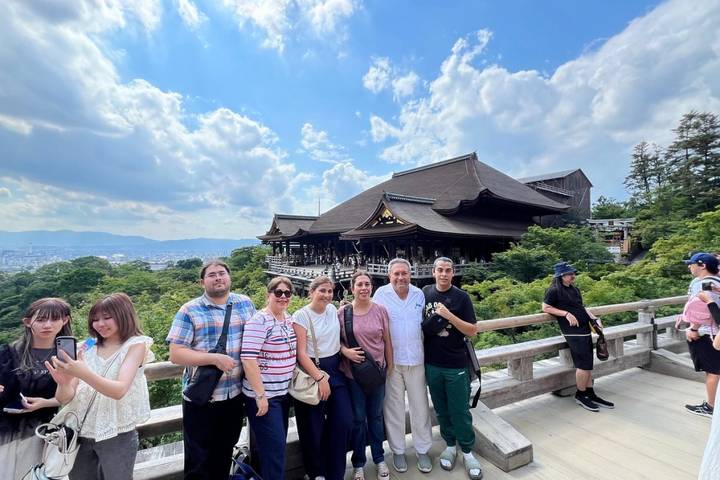
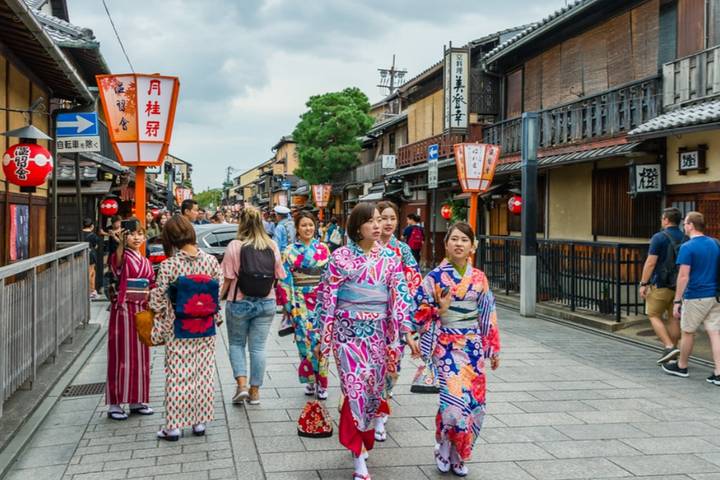
You have a full free day in Kyoto, staying at Hotel Elcient Kyoto Hachijoguchi for a second night. Suggested places include Kiyomizu-dera, Yasaka Shrine, and Hanamikoji Dori. Kiyomizu-dera is known for its broad view over the city; the shrine and nearby street offer a chance to see a different side of Kyoto’s historic center.
Because there is no scheduled guide today, you can choose what matters most to you. Public transport and taxis are options, but you’ll need to plan the order of visits and allow time between them. If you want a calmer day, select a small area and explore it well. If you want several sights, check opening details and route distances before setting out.
Kyoto’s old capital status gives these places a particular context: they are not just scenic stops, but part of a city that shaped Japanese politics and culture for more than a thousand years. A little reading before you go can make a free day feel more rewarding, especially when no guide is there to explain what you’re seeing.
Day 5: Hiroshima’s memorials and a difficult history
A guide accompanies you from Kyoto to Hiroshima by bullet train and local transport. The visit includes the Atomic Bomb Dome, Peace Memorial Park, and Peace Memorial Museum. The park covers more than 120,000 square meters, with trees, lawns, and paths that create a stark contrast with the surrounding city.
The museum uses photographs, models, recovered objects, and explanatory displays to show the impact of the atomic bombing. Its coverage also addresses Japan’s wartime actions in Asia. Set aside the time and attention this visit deserves; it is not simply a quick landmark stop. The memorials ask you to consider both the human consequences of nuclear war and the broader history behind it.
You stay at HOTEL MYSTAYS Hiroshima Peace Park. Having a guide for this portion can help with the rail and local transport connections, while also giving structure to a day centered on complex history. The guide’s name is not specified, so you cannot request a particular person based on the information available.
Day 6: Miyajima’s shrine, then onward to Osaka
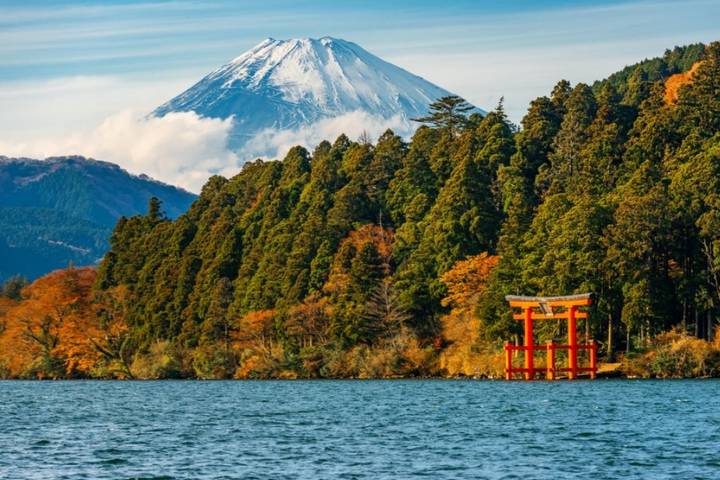
The guided visit to Miyajima is the trip’s final major excursion. The island is known for Itsukushima Shrine and its striking torii gate, which appears to float at high tide. The island is also home to free-roaming deer. They have become accustomed to people, but unlike Nara’s deer, they must not be fed.
A ferry is part of the route to the island. Once you’ve explored, you continue by bullet train and public transport to Osaka. This makes for another travel-heavy day, so it’s wise to keep your Osaka evening plans flexible. The hotel is Best Western Plus Hotel Fino Osaka Kitahama, where you spend the final night.
The transition from a shrine island to a large city is a fitting change of pace, but there is little time built in for Osaka sightseeing. The tour’s included visit is Miyajima; the city itself is left for your own time after arrival and on the final day.
Day 7: Osaka, with the rest of the day in your hands
Breakfast is included, then the organized portion of the trip ends. You are on your own for the rest of the day. That gives you some freedom, but it is not a guided Osaka tour, and no departure transfer is specified.
If Osaka is a priority, plan ahead for how you want to use the day. The tour highlights the city’s nightlife and street food, but those are possibilities for independent exploration, not scheduled activities. If you are flying home that day, check your flight timing and arrange your own transport to the airport.
Hotels, meals, and the practical details
The tour uses three-star hotels in central, transport-friendly locations, with breakfast each morning. The named properties are Dormy Inn Akihabara Hot Spring in Tokyo, Hotel Elcient Kyoto Hachijoguchi in Kyoto, HOTEL MYSTAYS Hiroshima Peace Park, and Best Western Plus Hotel Fino Osaka Kitahama. The itinerary describes the hotels as well located, with restaurants and convenient transport nearby, but exact room features can vary.
Six breakfasts are included. Lunch and dinner are not listed as included, leaving you free to choose where and what to eat. If you have strict dietary needs, especially vegan requirements, contact the operator before booking. The tour information cautions that dietary options can be limited in Japan and that some travelers may need to make their own arrangements.
The trip is rated low intensity, but that does not mean there is no walking or standing. Hakone involves several transport changes and sightseeing stops; Hiroshima and Miyajima also require time on foot. The supplied information does not give step counts or detailed accessibility information, so ask the operator about your specific needs before you commit.
The tour runs year-round and welcomes all ages. Seasonal timing can shape the experience: the supplied guidance places cherry blossoms in the Kanto and Kansai regions mainly from late March into mid-April, while autumn leaves are generally expected from mid-October into November. These are broad windows, not promises; weather and local conditions affect what you see.
The strengths and the compromises
The strongest feature is the careful mix of major sights and personal time. Tokyo and Kyoto each get a free day, while the more complicated excursions to Hakone, Hiroshima, and Miyajima have organized elements. That balance suits people who want help with long-distance logistics but do not want a guide beside them every hour.
The route also has a clear arc. You move from Tokyo’s modern districts to Kyoto’s temples, then to Hiroshima’s memorials and Miyajima’s shrine, before ending in Osaka. The contrast is a useful first lesson in how varied Japan can feel from one region to another.
The biggest compromise is the amount packed into the travel days. Hakone includes a ship, ropeway, volcanic area, bridge, and train to Kyoto. Hiroshima and Miyajima also combine sightseeing with rail travel. One account of the trip raised concerns about traffic and lines cutting into the planned schedule, so don’t assume every stop will get unlimited time.
Accommodation received the weakest category rating, at 3.0 out of 5, compared with 4.0 for itinerary, transport, guide, and food. That is worth considering if hotel quality is central to your decision. These are three-star properties, and the stated appeal is their location and convenience rather than luxury. The operator’s rating is 4.8 out of 5, with a stated response time of four hours and a 100 percent response rate.
Should you book this Japan route?
Book it if you want a well-organized first visit that links Tokyo, Hakone, Kyoto, Hiroshima, Miyajima, and Osaka in one week. The included rail journeys, airport pickup, breakfasts, hotels, and selected guides take care of many practical details, while free days leave you room to shape Tokyo and Kyoto for yourself.
Think twice if you prefer unhurried travel, want guided sightseeing every day, or need extensive time in Osaka. The schedule is compact, and several days combine multiple sights with long transfers. Before paying, confirm the exact guided services, the single supplement if you’ll have a room alone, and what support is available on independent days. If the pace feels right, this is a useful framework for seeing Japan’s major contrasts without planning every train and hotel yourself.
FAQ
Are international flights included?
No. International flights are not included. The tour begins in Tokyo with an airport pickup and ends in Osaka.
How many nights are included, and where do you stay?
There are six nights: two in Tokyo, two in Kyoto, one in Hiroshima, and one in Osaka. The hotels are three-star properties.
Which meals are included?
Six breakfasts are included. Lunches and dinners are not listed as included.
Is the tour guided every day?
No. It is partially guided. The itinerary includes guided excursions in Hiroshima and Miyajima, while Tokyo and Kyoto each have a free day. The Hakone day tour is included, but the supplied details do not name a guide.
Which train journeys are included?
The tour includes the Shinkansen from Odawara to Kyoto and one-way bullet train travel from Kyoto to Hiroshima and Hiroshima to Osaka. Specified internal transport and cruises are included.
Can the tour accommodate dietary requirements?
The operator says it makes efforts to accommodate dietary requirements but notes that options, particularly for vegans, can be limited in Japan. If you have strict needs, contact the operator before booking; you may need to arrange some meals yourself.
More Private Drivers in Tokyo
- Mt Fuji Private Tour with English Speaking Driver
★ 5.0 · 861 reviews - Mt. Fuji & Hakone Private Day Tour with English-Speaking Driver
★ 4.5 · 824 reviews - Haneda Airport (HND) Private Transfer to Central Tokyo
★ 4.5 · 636 reviews - Mt. Fuji, Hakone Full-Day Private Tour with English Driver Guide
★ 4.5 · 458 reviews
Just added in Tokyo
- Wonders Of Japan 10-Day Tour by Travel Talk★ 4.5 · 14 reviews
- Wonders of Japan end Tokyo GO 15-Day Tour by Europamundo★ 4.2 · 10 reviews
- Wonders of Japan end Tokyo 15-Day Tour by Europamundo★ 4.2 · 10 reviews
- Wonders of Japan End Osaka by Europamundo – 12-Day Tour★ 4.2 · 58 reviews
- Wonders of Japan End Osaka (including Fukuyama) 12-Day Tour by Europamundo★ 4.2 · 58 reviews
- Wonders of Japan End Osaka GO by Europamundo – 12-Day Tour★ 4.2 · 58 reviews
- Walk Japan – Kumano Kodo Trail 12-Day Tour by Explore!★ 4.7 · 20 reviews
- Visions of Japan with Hiroshima & Osaka 15-Day Tour by Globus★ 5.0 · 75 reviews
Private Drivers, compared.
Mt Fuji Private Tour with English Speaking Driver
Read our review →
Mt. Fuji & Hakone Private Day Tour with English-Speaking Driver
Read our review →
Mount Fuji Full-Day Small Group driver-guide tour (with Pick-up option)
Read our review →
Haneda Airport (HND) Private Transfer to Central Tokyo
Read our review →
Mt. Fuji, Hakone Full-Day Private Tour with English Driver Guide
Read our review →
Mt. Fuji Day Trip from Tokyo with English Speaking Driver Guide
Read our review →Mt. Fuji Private Tour with English Speaking Driver
Read our review →
Mt. Fuji & Hakone Private Custom Tour English Driver
Read our review →Browse the lists this tour appears in