
Reviewed · NARITA TOURS
Classic Japan 11-Day Tour by Trafalgar – Reviews & Prices
Tokyo’s old temple lanes, Mount Fuji’s high lookout, Kyoto’s bamboo paths and Hiroshima’s Peace Memorial all fit into one 11-day journey. The appeal is the range: you move from modern city streets to former capitals and rural tea country, with a Travel Director and professional driver handling much of the day-to-day coordination.
I like two things in particular: the hands-on local moments, from Taiko drumming to making maple-leaf buns, and the chance to eat in a farmer’s home rather than only in restaurants. The bullet trains also make the long jump between cities far easier than arranging each leg yourself.
The trade-off is the pace. This is a dynamic tour, with early starts, several miles of walking on some days, and limited time to linger at major sites. The published hotel plan and route also leave the exact night-three location unclear, so confirm that detail before booking.
In This Review
- At a glance: what this Japan tour offers
- A fast route through Japan’s big contrasts
- Tokyo: Taiko rhythms, Sensoji and a river view
- Mount Fuji and Lake Kawaguchi: views depend on the sky
- Kyoto: temples, bamboo and time to wander
- Nara and Sumiyama: craft and lunch with a local family
- Hiroshima and Miyajima: food, a shrine and a day of reflection
- Osaka: big-city views and a final meal
- What the $7,065 starting price covers
- Who will get the most from this tour
- Should you book Classic Japan?
- FAQ
- How long is Classic Japan by Trafalgar?
- Which cities and destinations are included?
- How much walking should I expect?
- What meals are included?
- Are international flights included?
- What hotels are listed for the tour?
- Is Mount Fuji guaranteed to be visible?
- Are April 2027 departure dates available?
At a glance: what this Japan tour offers
- A sweeping first trip: Tokyo, Mount Fuji, Kyoto, Nara, Hiroshima, Miyajima Island and Osaka, with two former capitals in the mix.
- Local skills, not just sightseeing: Try Taiko drumming, learn about Kiyomizu pottery, make Momiji Manjyu and share lunch with a tea-growing family.
- A serious walking pace: Plan for up to 3 to 6 miles of walking on some days, with stairs, hills and uneven surfaces possible.
- Transport largely arranged: The tour uses a coach, bullet trains, ferries and an airport shuttle, with a professional driver and English-speaking Travel Director.
- A useful but not all-inclusive price: The starting price is $7,065, with four-star hotels and many meals included, but not international flights, insurance or every meal.
- A compact introduction: You’ll see a lot in 11 days, but this works best as a sampler rather than a slow, in-depth stay in each city.
A fast route through Japan’s big contrasts
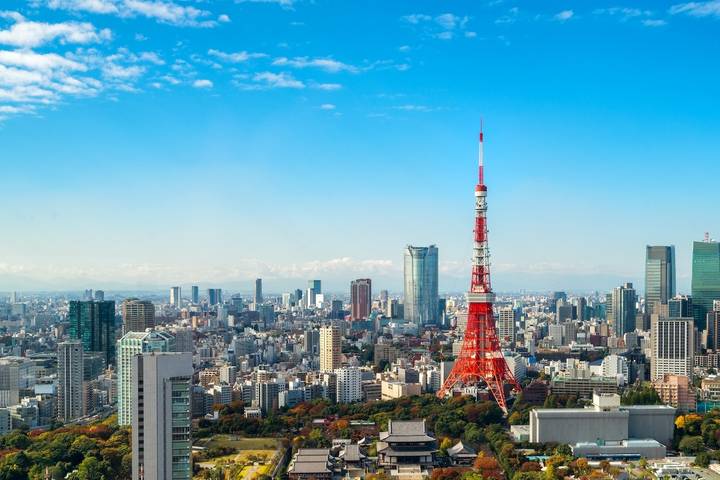
Classic Japan covers a lot of ground in less than two weeks. You begin in the Tokyo area and finish in Osaka, travelling through the country by coach, bullet train and ferry. Along the way, you get a taste of city life, religious sites, food traditions, craft work and Japan’s difficult modern history.
The route is especially useful if this is your first visit and you want help with the logistics. A group of 20 to 28 is large enough to make a guided tour feel social, but it still allows for shared meals and local activities that can be harder to arrange independently.
This is not a leisurely country-house holiday. The activity level is listed as dynamic: regular early starts, daily standing of roughly 1 to 5 hours, and walking that may reach 3 to 6 miles in a day. You’ll need to get on and off the coach without help, and at times carry your own luggage on trains or ferries.
A few more options to weigh up in Narita
- Narita Airport (NRT) Private Transfer to Central Tokyo
★ 4.5 · 300 reviews - Private arrival Transfer from Narita Airport(NRT) to central Tokyo city
★ 4.5 · 128 reviews - 14 Days Japan Panoramic (Private 3 Star Hotels) by Stunning Tours
★ 4.7 · 64 reviews
Tokyo: Taiko rhythms, Sensoji and a river view
Your first evening is a welcome gathering with the Travel Director and group. The tour begins in Tokyo, with arrival transfers listed from either Narita or Haneda airport. That is convenient, but check the arrival instructions for your chosen flight and hotel before departure.
The first full day opens with a Taiko drumming session led by a local specialist. It’s an active introduction to a tradition associated with temples and battlefields, and a welcome change from simply looking at objects behind glass. Lunch at a Sumo-themed izakaya adds another bit of themed Tokyo fun.
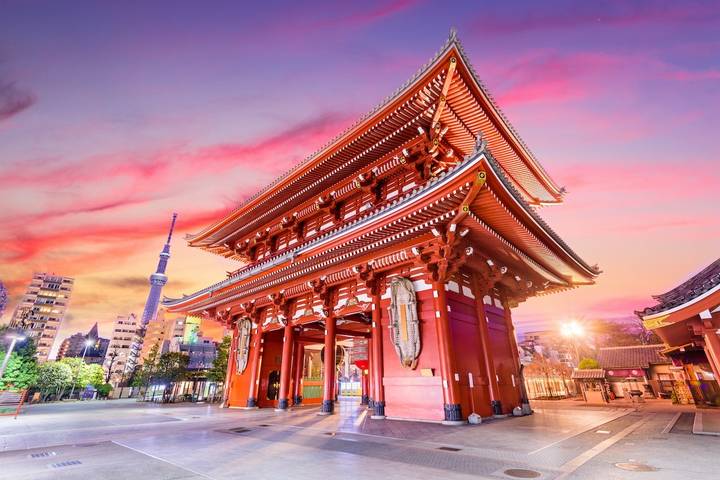
In Asakusa, you visit Sensoji, Tokyo’s oldest temple site, then walk Nakamise shopping street. The approach is lined with stalls selling traditional snacks and crafts, so allow yourself time to look around rather than treating it as a corridor to the main hall. The Sumida River cruise offers a different view of the city, mixing modern buildings with older neighborhoods and Hama-rikyu Garden.
There is some free time back at the hotel, which matters after a full day on your feet. Ameyoko Street Market is also named among the tour’s included Tokyo sights, though it is not clearly placed in the day-by-day schedule. Ask whether it is part of your departure’s exact program.
Mount Fuji and Lake Kawaguchi: views depend on the sky
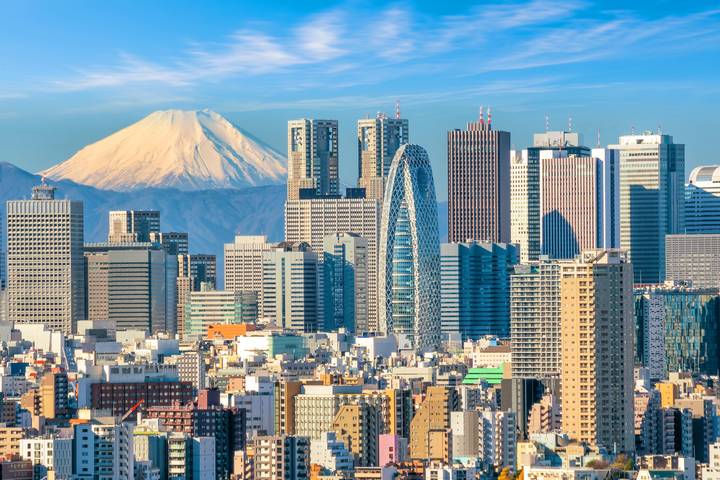
The tour heads toward Mount Fuji and its fifth station, at about 2,300 metres. From there, you may see the mountain’s slopes and surrounding countryside, but the view is weather-dependent. Clouds can hide Fuji even when everything else goes to plan, so think of the stop as a chance, not a guarantee, to get the classic photograph.
After lunch at a local restaurant, you visit Lake Kawaguchi. On a clear, calm day, Fuji may reflect in the water. This is one of the route’s strongest changes of pace: after Tokyo’s density, the day shifts to open country and a more scenic setting.
There is a practical wrinkle to clarify. The route describes moving from the Fuji area to Kyoto on Day 4, while the hotel schedule lists the New Otani Garden Tower for the first three nights. Since those details do not clearly establish where you sleep after the Fuji excursion, ask Trafalgar to confirm the night-three hotel and transport sequence for your departure.
Kyoto: temples, bamboo and time to wander
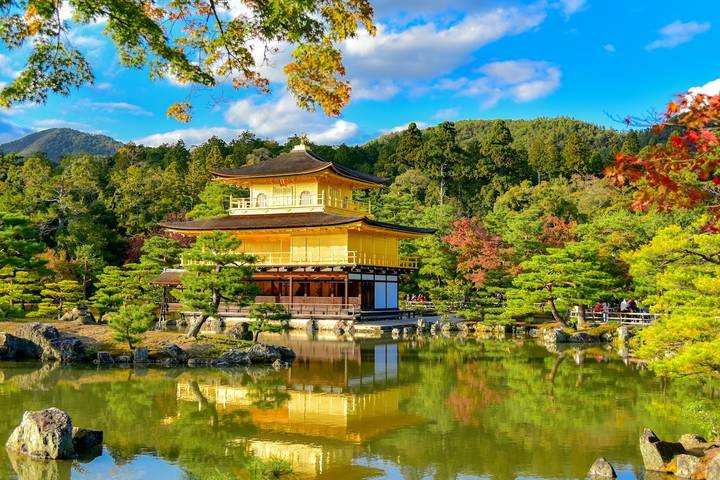
Kyoto gets several days, a welcome amount for a city with more temples and neighborhoods than anyone can sensibly fit into a short visit. On arrival, you walk through Gion and Kawaramachi, then see Kinkakuji, the Golden Pavilion. Its bright exterior makes a strong first impression, though the organized visit is more about seeing the landmark than spending a quiet afternoon there.
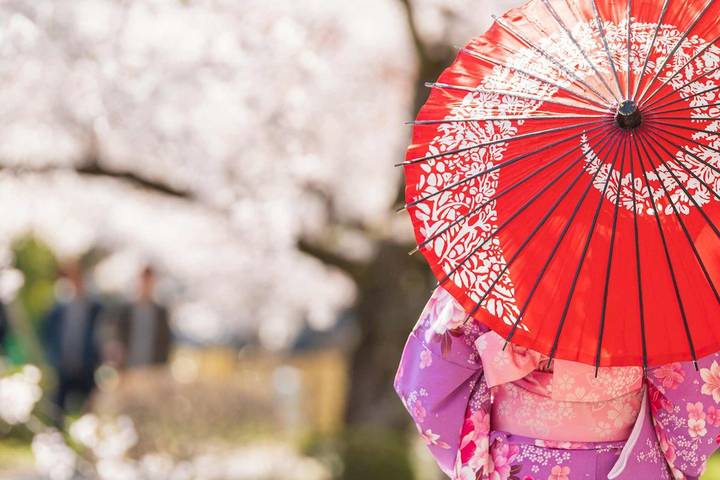
Arashiyama brings a different mood. The route includes the bamboo grove, Togetsukyo Bridge and the Zen gardens of Tenryuji Temple. Bamboo paths can be busy, and the area’s appeal changes with the season. Cherry blossoms are a spring possibility, not a year-round feature.
You also get free time at Nishiki Market, often called Kyoto’s Pantry. This is a good chance to sample food, browse stalls and explore at your own speed. A Japanese tea ceremony is offered as an optional activity, so it is not part of the core price.
The listed Kyoto hotel is the Rihga Royal Hotel Kyoto for three nights. That gives you a consistent base for the Kyoto and Nara excursions, though the schedule remains full. If you want long, unstructured hours at temples or time to revisit a neighborhood, you may find the guided format restrictive.
A completely different kind of day out:
- Narita Airport(NRT): Private Transfer to Tokyo/Yokohama 1-9pax
★ 5.0 · 47 reviews - From Narita Airport: Private Layover or Transit Guided Tour
★ 4.8 · 29 reviews - Airport transfer: Narita, Haneda (Tokyo), HND-NRT Airport shuttle
★ 4.5 · 26 reviews - For Narita Airport Users: Layover or Transit Guided Private Tour
★ 5.0 · 22 reviews
Nara and Sumiyama: craft and lunch with a local family
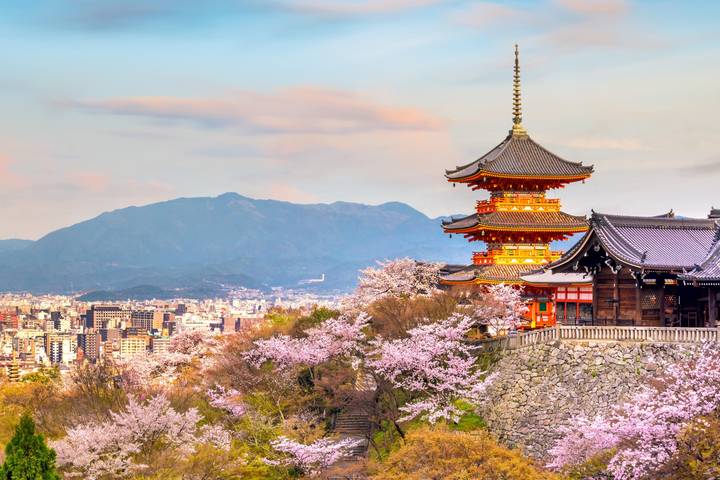
The day outside Kyoto starts in Sumiyama Village, where you learn about Kiyomizu pottery, a craft with a history of about 500 years. The workshop visit also supports local artisans, and offers a welcome look at work beyond the temples and shopping streets.
The most personal meal of the tour is lunch at a local farmer’s home. You’ll share home-cooked food and fresh tea with the family, then visit their tea plantation. This kind of hosted meal gives the day a human scale: instead of hearing only broad facts about Japanese customs, you get time in a working home and an opportunity to hear about daily life.
In Nara, Todaiji Temple is the main stop, known for its large bronze Buddha. Nearby Nara Park is home to free-roaming deer. They are a memorable sight, but remember they are animals, not props; follow local guidance and keep food and belongings secure.
The group returns to Kyoto for the night. This makes Nara a day trip rather than an overnight stay, efficient for your hotel arrangements but less suited to anyone who wants to explore the city after the organized visit.
Hiroshima and Miyajima: food, a shrine and a day of reflection
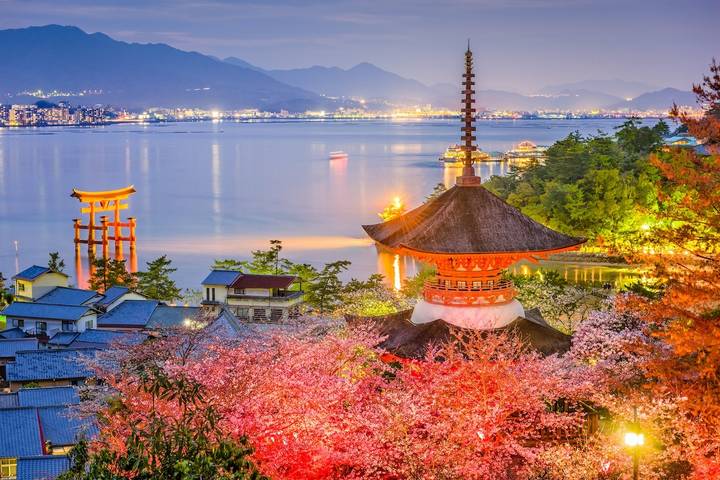
A bullet train carries you from Kyoto to Hiroshima. Lunch is okonomiyaki at a local restaurant, followed by a ferry to Miyajima Island. There, you visit Itsukushima Shrine and its famous torii gate, which appears to rise from the water. The view depends on conditions and tide, so the setting may look different from one visit to another.
A local specialist teaches you to shape Momiji Manjyu, the maple-leaf buns filled with sweet red bean paste. It is a small activity, but a useful one: you get to make a regional treat and taste the result rather than just seeing it in a shop window. The ferry returns you to Hiroshima.
The following morning is devoted to Peace Memorial Park and Museum, including the Peace Memorial, the structure left standing after the atomic bombing in 1945. Allow yourself emotional room for this visit. It is a sobering place, and the free afternoon afterward gives you time to reflect or choose an optional activity.
The two Hiroshima nights are listed at the Rihga Royal. The schedule makes room for both Miyajima and the Peace Memorial, but it does so in a compact window. If you want an extended museum visit or a slower look at the city, use the free afternoon carefully.
Osaka: big-city views and a final meal
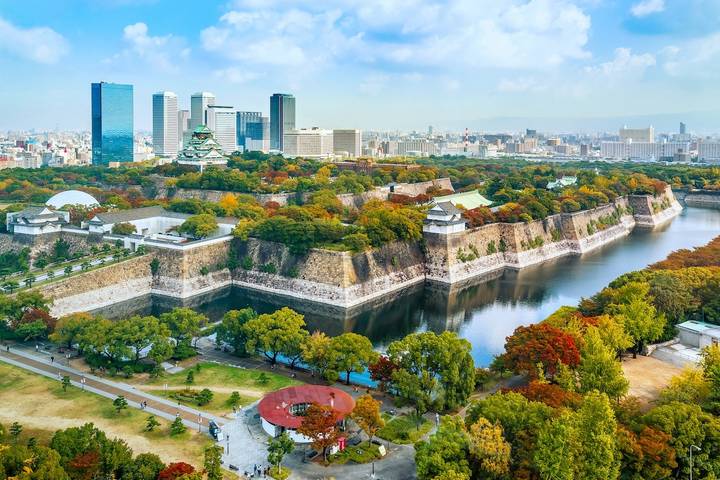
The bullet train takes you to Osaka, where the Umeda Sky Building’s Floating Garden Observatory offers a high, open-air view across the city. It’s a good orientation point after several days of temples and historic sites.
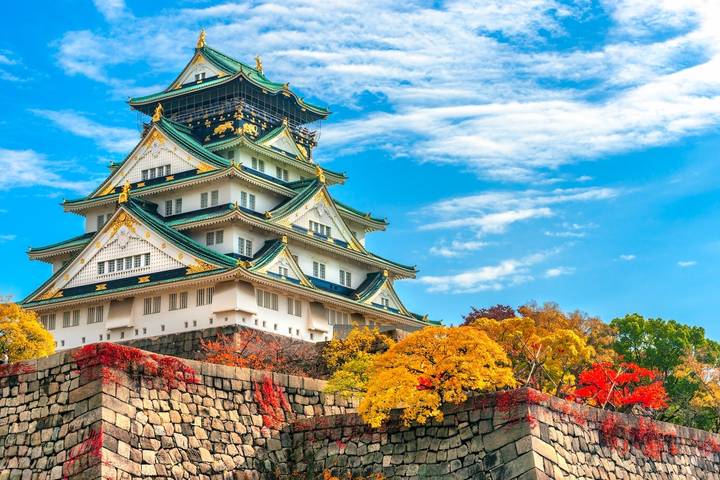
The next day includes Osaka Castle for photos and a short introduction to its place in the city’s story. In Dotonbori, you’ll walk by canalside restaurants and bright signs before turning into Hozenji Yokocho, a narrow lane with traditional eateries, lanterns and a small temple. Free time lets you shop or try takoyaki, Osaka’s well-known octopus snack.
A final group dinner closes the tour. It is a pleasant bookend to the welcome gathering, and a chance to share impressions before the airport transfer. The listed Osaka hotel is Sheraton Miyako for two nights.
One detail is worth checking: the inclusions mention a cruise along Osaka’s Okawa River, but the daily schedule does not show when it happens. Confirm whether that cruise is included on your departure. The list also names Tsuyunoten Shrine, without a clear day-by-day placement.
What the $7,065 starting price covers
The starting price is $7,065, based on the cheapest room option. In return, the package includes 10 breakfasts, five lunches and one dinner, four-star hotel stays, porterage and hotel charges, guided sightseeing, selected gratuities, and coach and train travel. Airport shuttle transfers are listed at the start and end of the trip.
That is meaningful value if you want the main logistics coordinated. Bullet train tickets, transfers between cities, the Miyajima ferry and several meals are included, alongside a Travel Director and professional driver. The hosted farmer lunch, craft visit and hands-on food sessions add experiences that would take time and planning to arrange yourself.
Still, the price is not the whole holiday cost. International flights and insurance are excluded, as are optional activities and most meals beyond those listed. You’ll also want spending money for snacks, market browsing and independent meals. Compare the price against a self-planned trip only after accounting for hotels, train fares, guided visits and the value you place on having someone coordinate the route.
Who will get the most from this tour
This tour fits first-time visitors who want to see Japan’s major cultural stops without building every connection themselves. It also suits people who like a social group, enjoy structured days and value practical help from a guide. All ages are welcome, but the walking and luggage demands are more important than the age label.
It is less suited to anyone with mobility limits, a strong preference for late mornings, or a desire to spend several days in one city. The itinerary covers many highlights, but you’ll often move on just as a place begins to feel familiar.
Departures are offered from February through November. Seasonal conditions matter: Mount Fuji views depend on weather, and cherry blossoms in Arashiyama appear only in season. Hotel substitutions of similar standard and location may occur, and the listed hotels should be confirmed for your chosen date.
Should you book Classic Japan?
Book it if you want a well-organized first look at Tokyo, Kyoto, Nara, Hiroshima and Osaka, and you’re comfortable with early starts and plenty of walking. Its best ingredients are the local encounters, the contrast between city and countryside, and the convenient rail connections.
Look elsewhere if you want a slow trip, extensive free time or a guaranteed view of Mount Fuji. Before paying, confirm the night-three hotel sequence, the Osaka river cruise, and which additional sights are actually scheduled on your departure. Those answers will help you judge whether this brisk introduction is the right fit.
FAQ
How long is Classic Japan by Trafalgar?
The tour lasts 11 days. It starts in the Narita area and ends in Osaka.
Which cities and destinations are included?
The route includes Tokyo, Mount Fuji, Lake Kawaguchi, Kyoto, Arashiyama, Nara, Hiroshima, Miyajima Island and Osaka.
How much walking should I expect?
The activity level is dynamic. Some days may involve 3 to 6 miles of walking, with daily standing of about 1 to 5 hours. Surfaces can include stairs, hills and uneven ground.
What meals are included?
The tour includes 10 breakfasts, five lunches and one dinner. These include a Sumo-themed izakaya lunch, a farmer-hosted meal and okonomiyaki in Hiroshima.
Are international flights included?
No. International flights and insurance are not included in the tour price.
What hotels are listed for the tour?
The listed hotels are New Otani Garden Tower in Tokyo, Rihga Royal Hotel Kyoto in Kyoto, Rihga Royal in Hiroshima and Sheraton Miyako in Osaka. Hotels of similar standard and location may be used instead.
Is Mount Fuji guaranteed to be visible?
No. The visit to the fifth station and the possible reflection at Lake Kawaguchi depend on weather and visibility.
Are April 2027 departure dates available?
April 2027 dates are not yet available in the information provided. Future dates should be checked with the booking provider.
Just added in Narita
- Tokyo to Takayama – 13 days by On The Go Tours★ 4.4 · 5 reviews
- Splendours of Japan (Takayama, Takayama Festival) 9-Day Tour by Trafalgar★ 4.1 · 14 reviews
- 9 Days Japan Golden Tour Package WITH OISHI PARK by Delightful Travel★ 4.7 · 3 reviews
- Discover Japan on a Budget: 8-Day Ultimate Starter by Vio Travel★ 2.5 · 2 reviews
- Best of Japan – 8 days by On The Go Tours★ 3.8 · 3 reviews
- 14 Days Japan Panoramic (Private 3 Star Hotels) by Stunning Tours★ 4.7 · 64 reviews
- 12 Days Summer Tokyo and Hokkaido Tour by UME Travel★ 5.0 · 2 reviews
- Japan Unlimited WiFi Router – Narita Airport Pickup★ 3.5 · 15 reviews
Narita Tours, compared.

Narita Airport (NRT) Private Transfer to Central Tokyo
Read our review →
Private arrival Transfer from Narita Airport(NRT) to central Tokyo city
Read our review →
14 Days Japan Panoramic (Private 3 Star Hotels) by Stunning Tours
Read our review →
Narita Airport(NRT): Private Transfer to Tokyo/Yokohama 1-9pax
Read our review →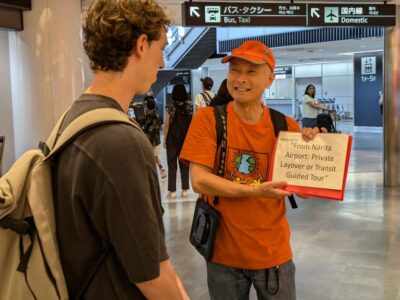
From Narita Airport: Private Layover or Transit Guided Tour
Read our review →
Airport transfer: Narita, Haneda (Tokyo), HND-NRT Airport shuttle
Read our review →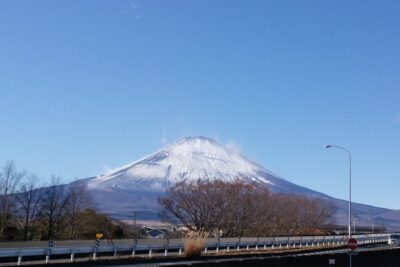
3 Day Japan Highlights Tour: Tokyo, Mt.Fuji, Nara, Kyoto, Osaka
Read our review →
For Narita Airport Users: Layover or Transit Guided Private Tour
Read our review →Browse the lists this tour appears in