
Reviewed · NARITA TOURS
12 Days Summer Tokyo and Hokkaido Tour by UME Travel – Reviews & Prices
Tokyo’s crowded crossings give way to Hokkaido’s open flower fields and volcanic lakes on this 12-day trip. You get two very different sides of Japan, with the main transfers, hotels and many sightseeing outings arranged for you.
I like the mix of famous sights and quieter stops: Meiji Shrine and Senso-ji in Tokyo, then hot-spring country, Fuji Five Lakes and Hokkaido’s rural north. I also like the small group size, capped at 10, and the use of private vehicles for many journeys.
The trade-off is distance. Several days pack in far-flung stops, and the trip includes flights and long road transfers, so it is not a slow-paced stay in any one place. The advertised price starts at $6,480, and international flights are extra.
In This Review
- The trip in five useful points
- Tokyo to Hokkaido, with a lot between
- Days 1 to 4: Tokyo, from seafood stalls to shrine paths
- Days 5 and 6: Hakone, Fuji views and cave country
- Days 7 and 8: A flight north, then Sapporo and Otaru
- Days 9 and 10: Biei flowers, Furano lavender and Asahiyama Zoo
- Day 11: Volcanic Lake Toya and clear Lake Shikotsu
- What the price includes, and what it does not
- Who should book this Japan tour?
- FAQ
- Where does the tour start and end?
- How long is the tour?
- What is the group size?
- Is the tour guided in English?
- Are international flights included?
- What meals are included?
- What hotels are included?
- Is this tour physically demanding?
- What is the starting price, and how is payment arranged?
The trip in five useful points
- Tokyo gives you a strong first look: Tsukiji, Odaiba and Shibuya on day two, followed by Meiji Shrine, the Imperial East Gardens and Senso-ji.
- Hakone combines lake and volcano: Take the pirate ship across Lake Ashi, then ride the ropeway to the steaming volcanic ground at Owakudani.
- Fuji views depend on the weather: The itinerary visits several good viewpoints, including Oishi Park and Arakurayama Sengen Park, but Mount Fuji can be hidden by cloud.
- Hokkaido is a road-trip portion: Otaru, Biei, Furano, Asahiyama Zoo, Lake Toya and Lake Shikotsu are spread across the island, making the private transport especially useful.
- The tour is small and guided: English-language guiding is included, with groups of 2 to 10. Recent departures have included guides David and Yenwei, though staffing may vary.
Tokyo to Hokkaido, with a lot between
This tour is best understood as two trips joined together. The first half takes in Tokyo, Hakone and the Fuji Five Lakes area. The second heads north to Hokkaido for flower gardens, port-town architecture, wildlife and big views.
That range is the main appeal. You will see famous city sights, but the trip also makes room for places that are harder to link by public transport on a short visit. In exchange, you give up some free time and spend several days moving between regions.
The schedule is described as low intensity, but that refers to physical effort, not necessarily a leisurely pace. Most stops involve light walking, yet days with several destinations can feel full. If you like having the transport and route handled for you, the structure is a real help.
A few more options to weigh up in Narita
- Narita Airport (NRT) Private Transfer to Central Tokyo
★ 4.5 · 300 reviews - Private arrival Transfer from Narita Airport(NRT) to central Tokyo city
★ 4.5 · 128 reviews - 14 Days Japan Panoramic (Private 3 Star Hotels) by Stunning Tours
★ 4.7 · 64 reviews
Days 1 to 4: Tokyo, from seafood stalls to shrine paths
On arrival, a private transfer takes you from Narita or Haneda airport to the Mitsui Garden Hotel Shiodome Italia-gai. That is a welcome convenience after a long flight, when figuring out the right train and station exit may be the last thing you want to do. The first day is otherwise open, giving you time to rest or get acquainted with the area near the hotel.
Day two starts at Tsukiji, where seafood is the draw, but the market also sells fruit, vegetables and other foods. It is a useful place to see how much of Tokyo’s food culture is tied to fresh ingredients. You can have sushi for breakfast or lunch, though meals beyond the breakfasts listed in the itinerary are not specified as included.
Odaiba Seaside Park trades market lanes for open views across Tokyo Bay. The Rainbow Bridge and the Statue of Liberty replica make for easy photo stops, then Shibuya Sky shifts the view upward to the city’s dense roofs and towers. The day ends near the Hachiko statue, a famous meeting point outside Shibuya Station. Expect crowds in this part of town, especially around the station.
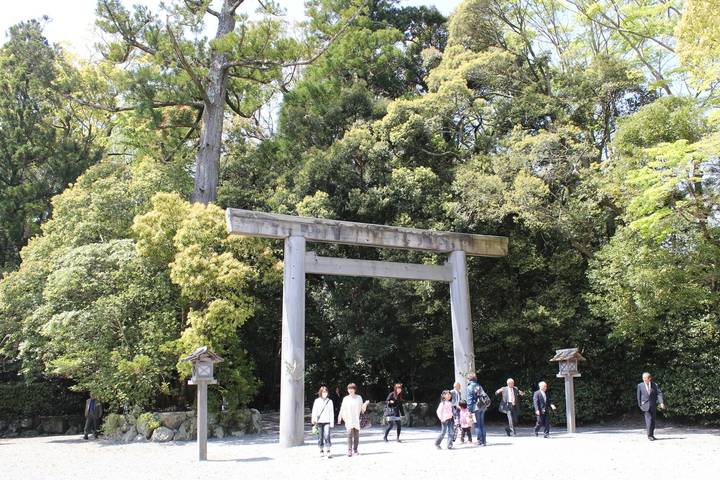
Day three brings a private-guided walking tour, using local transport such as the metro or bus. Meiji Jingu offers a calmer walk beneath trees near Harajuku, while the Imperial Palace’s East Gardens provide a change of pace from Tokyo’s commercial districts. Access to the palace’s inner grounds is limited, so think of the gardens, not a full palace tour, as the reliable visit.
Senso-ji in Asakusa is the day’s most imposing stop. Its long history and busy temple approach give you a glimpse of a more traditional side of the city, though the area can be crowded, particularly later in the day. Day four is free. Use it to rest, revisit a favorite neighborhood or add your own Tokyo plans; no scheduled activities are listed.
Days 5 and 6: Hakone, Fuji views and cave country
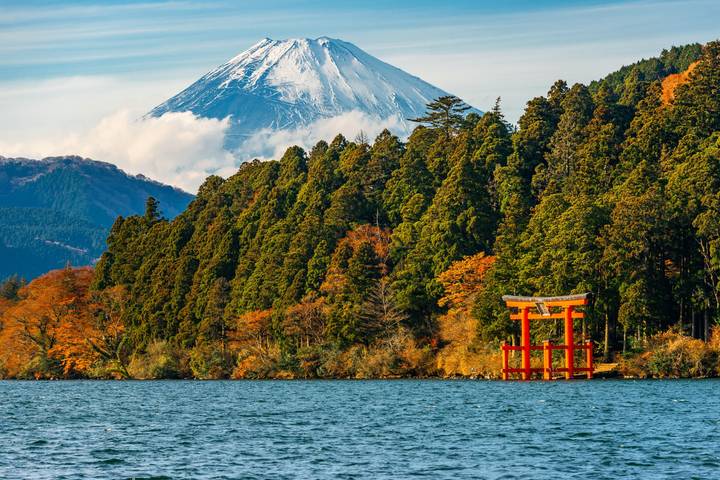
The tour leaves Tokyo for Hakone, staying at Laforet Club Hakone Gora Yunosumika. On Lake Ashi, the Hakone Pirate Ship offers views across the water, including Mount Fuji when the weather cooperates. It is a scenic ride, not a quiet wilderness cruise: the lake is a popular sightseeing area.
From there, the Hakone Ropeway climbs to Owakudani, a volcanic zone with white steam and a noticeable sulfur smell. The contrast between the lake and the volcanic ground is what makes the day interesting. You can buy the local black jade, said to add seven years to your life. Treat that as folklore and a souvenir, not a health promise.
Day six ranges through the Fuji Five Lakes area before returning to the Tokyo hotel. West Lake Village is known for its thatched-roof cottages, a more intimate stop than the large city sights. Oishi Park sits beside Lake Kawaguchiko, where seasonal flowers frame views of Fuji. The mountain is weather-dependent, so the number of viewpoints helps, but it cannot guarantee a clear view.
At Oshino Hakkai, the focus is eight springs fed by water filtering through Mount Fuji’s lava. Narusawa Hyoketsu Ice Cave adds a different kind of scenery: a two-tunnel cave formed by lava flow more than a thousand years ago. Paths and cave terrain mean this is a day for comfortable shoes, even though the overall tour is classed as low intensity.
Arakurayama Sengen Park closes the route with a view over Fujiyoshida and Mount Fuji. Its shrine and pagoda make the view especially recognizable, but reaching the main outlook involves walking. With several stops and a transfer back to Tokyo, this is one of the fuller days.
Days 7 and 8: A flight north, then Sapporo and Otaru
A private vehicle takes you to the airport for the flight from Tokyo to Sapporo. Once in Hokkaido, you check in at HOTEL MYSTAYS Premier Sapporo Park. The flight is included in the tour, but international airfare is not.
The next day combines Sapporo and Otaru. Hokkaido Shrine offers a wooded setting and is known for cherry blossoms in spring, although this is a summer-focused itinerary and the tour runs year-round. Shiroi Koibito Park is built around Hokkaido’s well-known biscuit, with exhibits and a production-line tour. It is a light, confectionery-themed stop rather than a deep look at local history.
Otaru Canal gives you old warehouses and brick buildings from the port city’s trading past. The itinerary also includes Cape Kamui, whose coastal path leads toward broad Sea of Japan views. That is a substantial addition to an already busy day. Confirm how the day is arranged when booking, since the route covers considerable ground and the cape walk takes time.
A completely different kind of day out:
- Narita Airport(NRT): Private Transfer to Tokyo/Yokohama 1-9pax
★ 5.0 · 47 reviews - From Narita Airport: Private Layover or Transit Guided Tour
★ 4.8 · 29 reviews - Airport transfer: Narita, Haneda (Tokyo), HND-NRT Airport shuttle
★ 4.5 · 26 reviews - For Narita Airport Users: Layover or Transit Guided Private Tour
★ 5.0 · 22 reviews
Days 9 and 10: Biei flowers, Furano lavender and Asahiyama Zoo
Day nine shifts to the countryside around Biei and Furano, with a night at Furano Natulux Hotel. Patchwork Road is a scenic route through fields and distinctive trees. The description allows for cycling or driving, but transport is listed for the day, so ask whether cycling is planned or simply an alternative.
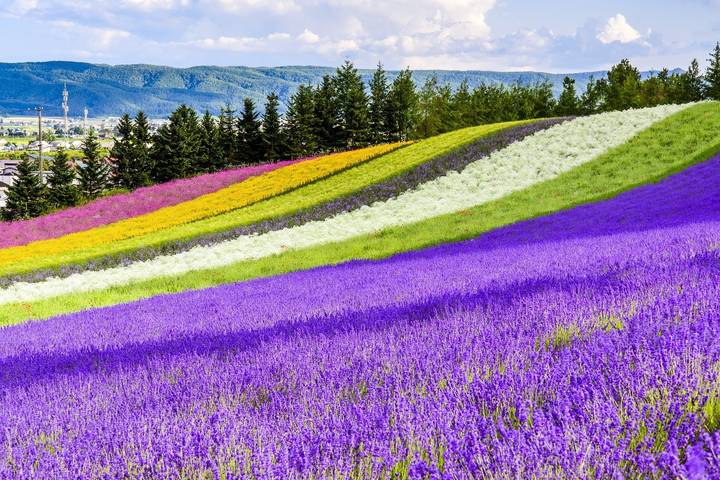
Hokusei-no-oka Observatory Park gives you an elevated view toward the Taisetsu mountain range. Shikisai-no-oka covers 15 hectares and grows more than 30 kinds of flowers, while Farm Tomita is the best-known lavender stop on the route, with about 100 flower species. Flower displays change with the season, so the exact colors depend on when you go. Summer is the natural choice if lavender is high on your list.
Ningle Terrace is a forest setting with 17 small craft shops selling handmade goods such as paper, wood and glass items. It is scheduled for evening, when the lights make the wooden buildings more atmospheric. This is a good place to browse, but the shops are a commercial attraction, not a village of working craftspeople.
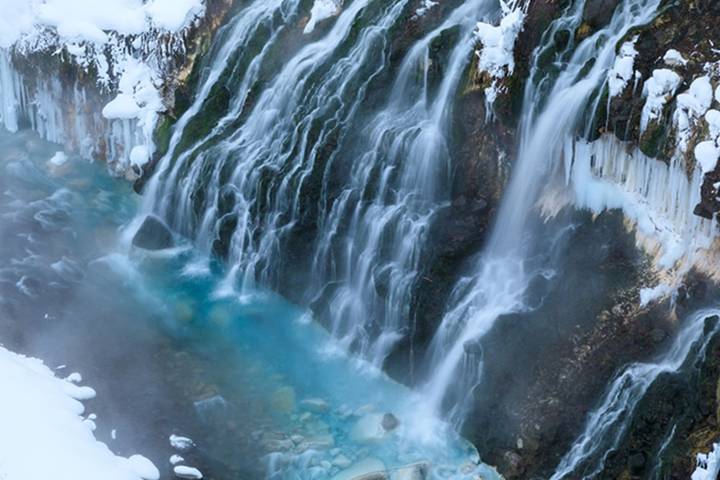
Day ten pairs Asahiyama Zoo with the Blue Pond and Shirahige Falls. The zoo’s glass tunnel lets you watch penguins underwater, and its other animals include polar bears, wolves, big cats and apes. At Shirogane Blue Pond, the water’s unusual color is the main attraction, with nearby Shirahige Falls adding a short nature stop. The day transfers from Furano back to Sapporo, so expect more road time alongside the visits.
Day 11: Volcanic Lake Toya and clear Lake Shikotsu
The final full sightseeing day is a long outing to Hokkaido’s southern lakes and coast. Cape Chikyu is known for its sea views. At Showa Shinzan, you can see a young volcanic mountain formed during the eruption of Mount Usu, with volcanic smoke and red slopes above Lake Toya.
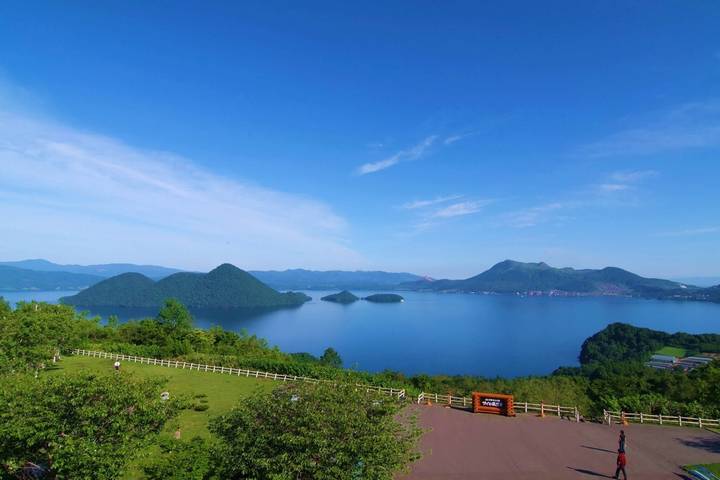
The Sairo Observation Deck looks over Lake Toya and Nakajima, the island at the lake’s center. The lake is known for remaining ice-free in winter, a detail that helps explain its appeal beyond the summer season. The deck also has a souvenir corner selling Hokkaido sweets.
Lake Shikotsu closes the day with clear water and mountain scenery inside a national park. It is described as Japan’s northernmost ice-free lake. Cape Chikyu, Lake Toya and Lake Shikotsu are far apart, so this day depends on road transport and can feel more like a scenic circuit than a relaxed lakeside visit.
What the price includes, and what it does not
At $6,480 per person from the cheapest room category, the tour is a sizeable purchase. Its value rests on the amount of coordination included: hotels with breakfast, domestic flight and other listed transport, private air-conditioned vehicles, an English-speaking guide, and many of the named outings. The small group limit also means you are not joining a large coach party.
The hotels are described as carefully selected and well located, with room sharing based on two people. A single supplement applies if you do not share. Accommodation includes five Tokyo nights, one in Hakone, several in Sapporo and one in Furano, giving the trip a solid base in each area rather than requiring a new hotel every night.
Do not mistake the price for an all-inclusive package. International flights are excluded, and the meals specifically listed are breakfasts. Optional extras cost more, and you should allow for lunches, dinners, personal spending and any activities not covered by the tour price.
UME Travel has operated since 1998 and lists a 4.8 out of 5 operator rating. Communication and coordination have been described as easy, and recent customers specifically praised guides David and Yenwei and drivers Lina and Mr Lee. Those names show the kind of service reported on particular departures, not a promise that the same team will lead yours.
The payment plan starts with a $75 deposit, with the balance due 60 days before departure. Interest-free installments every two weeks are available. These are practical details, but the bigger budget question is whether you value having transport, hotels and a complex route arranged more than you value building the trip yourself.
Who should book this Japan tour?
I would consider this trip if you want to see Tokyo and Hokkaido in one visit, prefer a guide and private road transport, and are comfortable with a schedule that covers ground. It suits first-time visitors who want key city sights alongside rural scenery, and families may appreciate the small group and all-ages format.
It is less suited to anyone who wants long stretches of free time, wants to focus only on Tokyo, or dislikes lengthy drives. The strongest reason to book is the contrast: Tokyo’s temples and city views, Fuji’s volcanic terrain, then Hokkaido’s flowers, wildlife and lakes. Before paying, check the expected timing for the longer days, especially Cape Kamui and the Lake Toya and Lake Shikotsu circuit.
FAQ
Where does the tour start and end?
The tour starts in Narita and ends at Chitose Airport, also called CTS. Arrival transfers are available from Narita or Haneda airport.
How long is the tour?
The trip lasts 12 days, with the final day set aside for transfer to the airport.
What is the group size?
The group size is listed as 2 to 10 people.
Is the tour guided in English?
Yes. An English-speaking local guide is included.
Are international flights included?
No. The tour includes the internal flight from Tokyo to Sapporo, but international flights are not included.
What meals are included?
Breakfast is listed each day where meals are specified. Other meals are not listed as included. Vegetarian, vegan and halal food options can be requested.
What hotels are included?
The listed hotels are Mitsui Garden Hotel Shiodome Italia-gai in Tokyo, Laforet Club Hakone Gora Yunosumika in Hakone, HOTEL MYSTAYS Premier Sapporo Park in Sapporo, and Furano Natulux Hotel in Furano.
Is this tour physically demanding?
It is rated low intensity, with light physical activity. Some days include several sightseeing stops, walking routes or a cave visit.
What is the starting price, and how is payment arranged?
The price starts at $6,480, based on the cheapest room category. A $75 deposit is due at booking, the balance is due 60 days before departure, and interest-free payments every two weeks are offered.
Just added in Narita
- Tokyo to Takayama – 13 days by On The Go Tours★ 4.4 · 5 reviews
- Splendours of Japan (Takayama, Takayama Festival) 9-Day Tour by Trafalgar★ 4.1 · 14 reviews
- 9 Days Japan Golden Tour Package WITH OISHI PARK by Delightful Travel★ 4.7 · 3 reviews
- Discover Japan on a Budget: 8-Day Ultimate Starter by Vio Travel★ 2.5 · 2 reviews
- Classic Japan 11-Day Tour by Trafalgar★ 4.0 · 1 review
- Best of Japan – 8 days by On The Go Tours★ 3.8 · 3 reviews
- 14 Days Japan Panoramic (Private 3 Star Hotels) by Stunning Tours★ 4.7 · 64 reviews
- Japan Unlimited WiFi Router – Narita Airport Pickup★ 3.5 · 15 reviews
Narita Tours, compared.

Narita Airport (NRT) Private Transfer to Central Tokyo
Read our review →
Private arrival Transfer from Narita Airport(NRT) to central Tokyo city
Read our review →
14 Days Japan Panoramic (Private 3 Star Hotels) by Stunning Tours
Read our review →
Narita Airport(NRT): Private Transfer to Tokyo/Yokohama 1-9pax
Read our review →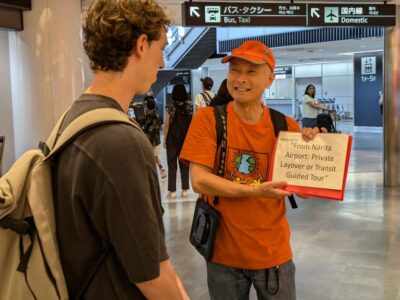
From Narita Airport: Private Layover or Transit Guided Tour
Read our review →
Airport transfer: Narita, Haneda (Tokyo), HND-NRT Airport shuttle
Read our review →
3 Day Japan Highlights Tour: Tokyo, Mt.Fuji, Nara, Kyoto, Osaka
Read our review →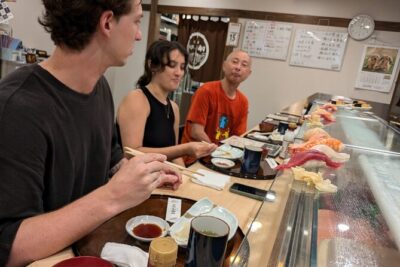
For Narita Airport Users: Layover or Transit Guided Private Tour
Read our review →Browse the lists this tour appears in