
Reviewed · NARITA TOURS
9 Days Japan Golden Tour Package WITH OISHI PARK by Delightful Travel Review
Oishi Park gives this tour one of its best chances for a classic Mount Fuji view, with seasonal flowers framing the mountain across Lake Kawaguchi. The route then moves through Tokyo, Nagoya, Kyoto, Nara, and Osaka, so you get a generous sampler of Japan’s best-known sights without arranging every transfer yourself.
I like two things in particular: the hot spring hotel near Fuji, which gives the trip a welcome change of pace after Tokyo sightseeing, and the two free days in Osaka, which leave room for food, shopping, or a slower day. Past guides Scott, Jay, and Kit have been praised for adding historical context and helping with dietary needs, though guides may vary by departure.
The main caution is that the package details conflict on a big practical point: one section says return economy airfare is included, while another says flights are not included. The meal count also differs between sections. Confirm exactly what your price covers before you book, and remember that a Fuji view depends on the weather.
In This Review
- At a glance: Fuji views, classic cities, and free Osaka time
- From Narita to Osaka, with the big sights in between
- Day one in Tokyo: an easy arrival, with a late check-in
- Day two: Imperial Palace, Asakusa, and Oishi Park
- Day three: Fuji foothills, Oshino Hakkai, and Nagoya
- Day four: Nagoya Castle and Kyoto’s temple lanes
- Day five: Fushimi Inari, Nara deer, and Osaka shopping
- Day six: Shinsekai, Shinto, and Osaka food
- Days seven and eight: make Osaka your own
- What the price does, and does not, tell you
- Who will get the most from this route
- Should you book this Japan tour?
- FAQ
- Does the tour include flights?
- Where does the tour start and end?
- Are vegetarian meals available?
- Is there a single supplement?
- Can I add extra hotel nights?
- Is a tour guide with the group every day?
At a glance: Fuji views, classic cities, and free Osaka time
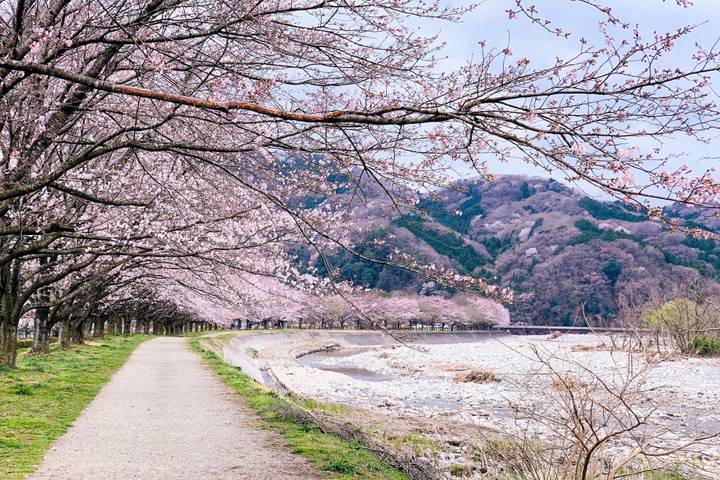
- Oishi Park frames Mount Fuji: Seasonal flowers and a Lake Kawaguchi viewpoint give this stop strong photo appeal, weather permitting.
- The route covers seven destinations: You travel from Narita through Tokyo, Mount Fuji, Nagoya, Kyoto, and Nara to Osaka.
- A hot spring stay breaks up the bus touring: Day two ends at a Fuji-area hotel with Japanese-style hot springs and dinner.
- Kyoto and Nara bring different kinds of tradition: Expect temple visits and old lanes in Kyoto, then deer and shrine grounds in Nara.
- Osaka includes guided time and room to roam: A half-day outing takes in Shinsekai and the Tsutenkaku Tower area, followed by two free days.
- Some package details need checking: Airfare, lunch totals, hotel names, and the exact extent of guiding are not consistent across the tour information.
From Narita to Osaka, with the big sights in between
This is a group tour for people who want Japan’s main route handled for them but do not need a guide every minute. It lasts nine days, begins at Narita International Airport, and ends in Osaka, with hotels, breakfasts, selected meals, coach sightseeing, and city-to-city transport described as part of the package.
The group size can range from 4 to 54. That is a wide range: a smaller group may feel nimble, while a full coach means more people getting on and off at each stop. The activity level is rated low, but you should still expect regular walking around temple grounds, shopping streets, and parks.
Guiding is described as partial, not full-time. English-speaking staff lead selected outings, while some meals and free periods are yours to plan. Guides named in past accounts include Scott, Jay, and Kit, but you should not assume you will have a particular guide on your departure.
A few more options to weigh up in Narita
- Narita Airport (NRT) Private Transfer to Central Tokyo
★ 4.5 · 300 reviews - Private arrival Transfer from Narita Airport(NRT) to central Tokyo city
★ 4.5 · 128 reviews - 14 Days Japan Panoramic (Private 3 Star Hotels) by Stunning Tours
★ 4.7 · 64 reviews
Day one in Tokyo: an easy arrival, with a late check-in
A representative meets you at Narita Airport and arranges a transfer to your Tokyo hotel by bus or public transport. The listed hotel is Shinjuku Granbell Hotel or similar, and check-in begins after 3 pm, so plan for a wait if your flight arrives early.
The first day is intentionally light. Use it to rest, get oriented, and sort out essentials before the sightseeing begins. Since your arrival transfer depends on your flight details, provide those details in time for the operator to arrange pickup.
Day two: Imperial Palace, Asakusa, and Oishi Park
The sightseeing day starts with the Imperial Palace Outer Gardens and a view of Nijubashi Bridge. It is a brief introduction to central Tokyo’s imperial past, rather than a palace interior visit, so set expectations accordingly.
At Senso-ji in Asakusa, you get a more everyday-feeling approach to a major Buddhist temple. Nakamise-Dori, the traditional shop-lined street leading toward the temple, is a good place to browse snacks and souvenirs. Tokyo Skytree is viewed from afar, not visited as an observation deck.
The tour then heads to Oishi Park, one of the route’s most appealing additions. Its views across Lake Kawaguchi toward Mount Fuji are especially striking when seasonal flowers are in bloom, but clouds can hide the mountain. The schedule lists extra Tokyo gardens for certain spring and autumn departure dates, so check whether your dates qualify.
The night is at a hot spring hotel near Mount Fuji, with Japanese-style bathing and a traditional dinner. That overnight is a useful change from city hotels, though the exact property may vary. Follow the hotel’s bathing instructions, and ask about any questions you have before entering the hot spring.
Day three: Fuji foothills, Oshino Hakkai, and Nagoya
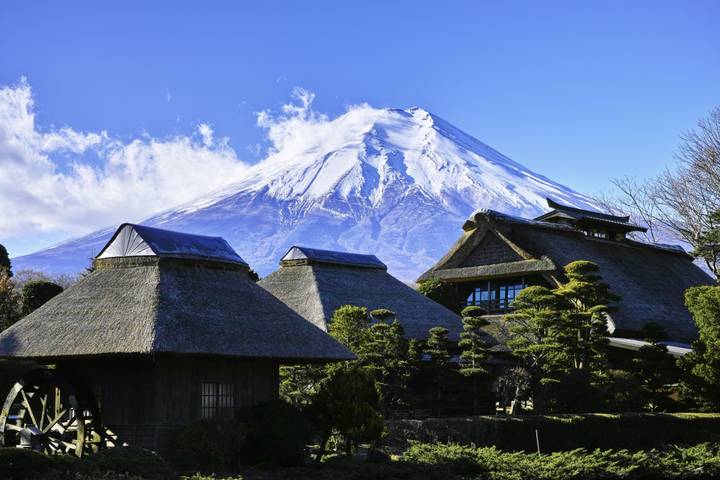
The morning takes you toward the mountain’s foothills and Mt. Fuji 5th Station, weather permitting. If conditions are poor, the planned alternative is the Mount Fuji World Heritage Center. That backup gives the day a worthwhile option, but it is not the same experience as standing on the mountain.
Oshino Hakkai brings a quieter stop: eight historic ponds associated with water from Mount Fuji. You also visit Bussharito Heiwa Park before continuing to Nagoya. These stops add variety to a long transfer day, though the schedule involves a good deal of coach time.
In Nagoya, you have a stroll through Osu Shopping District. Dinner is on your own, a useful chance to choose what suits your appetite and budget. The listed hotel is Keihan Nagoya or similar.
A completely different kind of day out:
- Narita Airport(NRT): Private Transfer to Tokyo/Yokohama 1-9pax
★ 5.0 · 47 reviews - From Narita Airport: Private Layover or Transit Guided Tour
★ 4.8 · 29 reviews - Airport transfer: Narita, Haneda (Tokyo), HND-NRT Airport shuttle
★ 4.5 · 26 reviews - For Narita Airport Users: Layover or Transit Guided Private Tour
★ 5.0 · 22 reviews
Day four: Nagoya Castle and Kyoto’s temple lanes
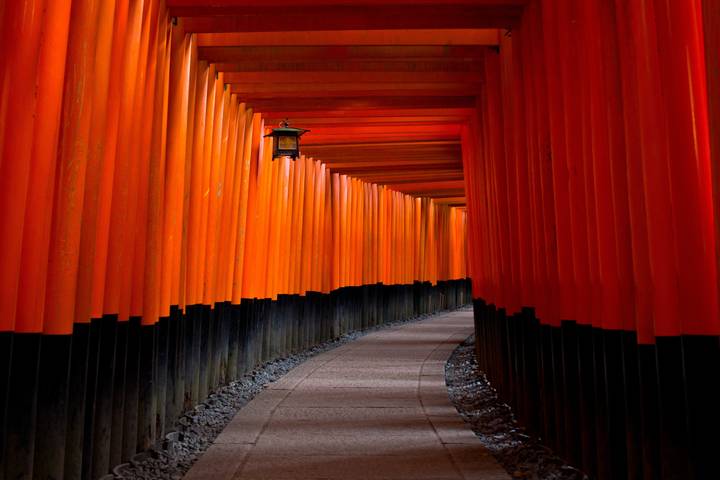
Nagoya Castle starts the day with a look at one of the city’s central historic sites. The route then continues to Kyoto, where Kiyomizu-dera offers a very different setting: a major Buddhist temple founded in 778, with the old lanes of Ninenzaka and Sannezaka nearby.
These streets are atmospheric and popular, with shops and places to pause, but they can feel crowded. Keep a little patience in reserve and wear shoes that are comfortable on slopes and uneven paving.
The afternoon includes Gion, Yasaka Shrine, and Hanamachi Street. Gion’s reputation as a geisha district can make it tempting to treat the area as a photo backdrop. I prefer to approach it as a living neighborhood, keeping a respectful distance from residents and anyone going about their work.
Dinner is independent, which gives you a chance to choose from Kyoto’s many options. Depending on the season and departure date, the tour may add the Philosopher’s Path in spring or Arashiyama and Togetsukyo Bridge in autumn. Confirm the seasonal routing before booking if one of these places is a priority.
Day five: Fushimi Inari, Nara deer, and Osaka shopping
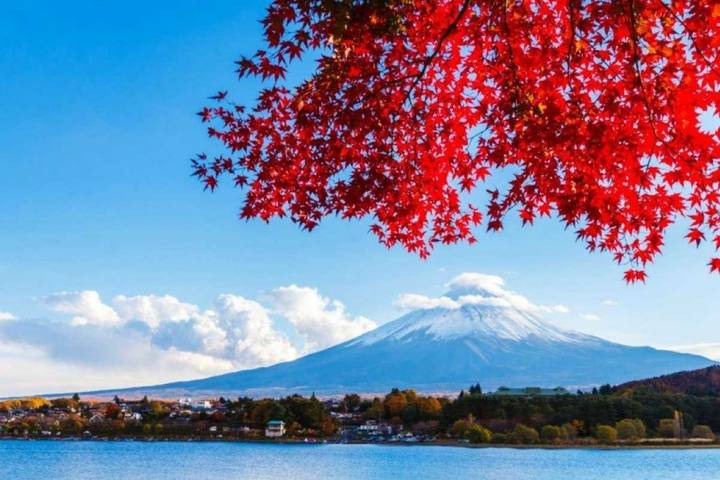
Fushimi-Inari Taisha brings a major Shinto shrine into the day’s schedule. The visit is followed by Nara Deer Park, where you can see and interact with the deer, then Kasuga Taisha Shrine. Keep food and belongings secure around the animals, and follow local instructions when approaching them.
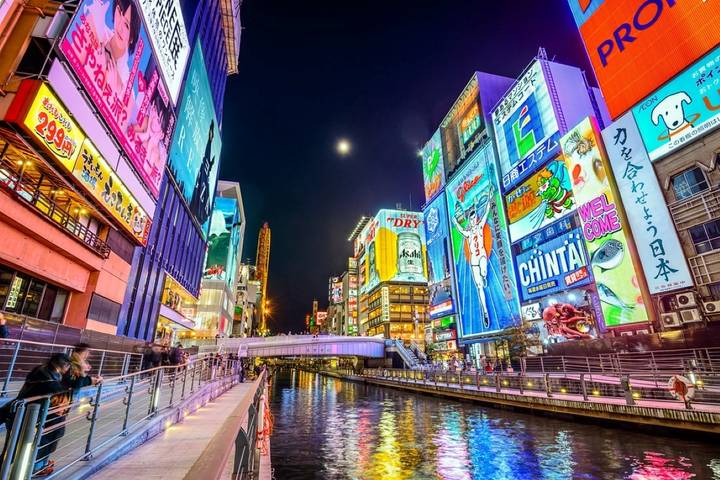
The combination makes for a full day before the group reaches Osaka. Shinsaibashi is the planned shopping stop, with Dotonbori nearby for restaurants and evening wandering. The two areas suit different moods: Shinsaibashi for shops, Dotonbori for food and the glow of the city after dark.
Your Osaka hotel is listed as Sheraton Miyako Hotel Osaka or similar for this night. As with the other stays, the final hotel should be confirmed for your date.
Day six: Shinsekai, Shinto, and Osaka food
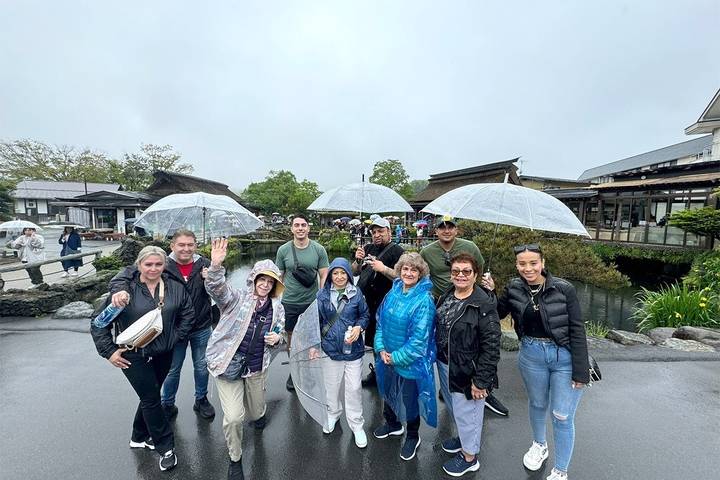
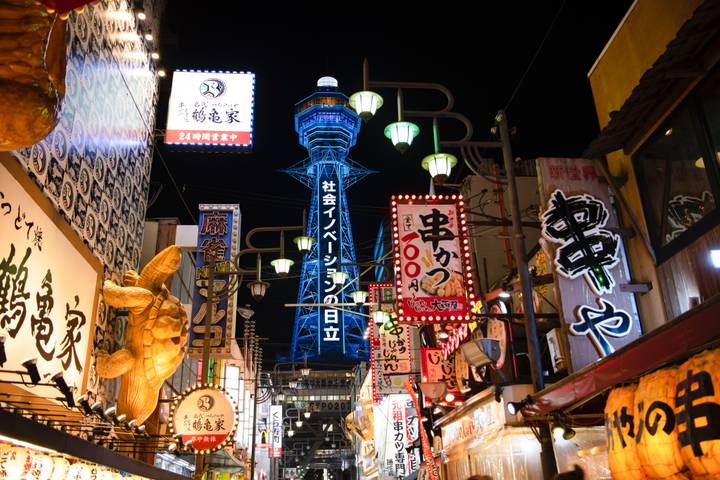
The morning is free around Shinsaibashi, giving you time to shop or take a slower start. In the afternoon, a representative leads an outing that explains Shinto’s place in daily life and visits the Shinsekai district around Tsutenkaku Tower.
Shinsekai has an older commercial character, and the tower is a familiar local landmark. The outing also points you toward kushikatsu, a local specialty of skewered, breaded, fried food. The wording suggests a chance to try it, but the listed meal plan does not clearly say that food is included, so budget for your own order unless the operator confirms otherwise.
This is the last scheduled guided outing before two open days. The hotel listed for the remaining Osaka nights is Holiday Inn Express Osaka City Centre – Midosuji or similar.
Days seven and eight: make Osaka your own
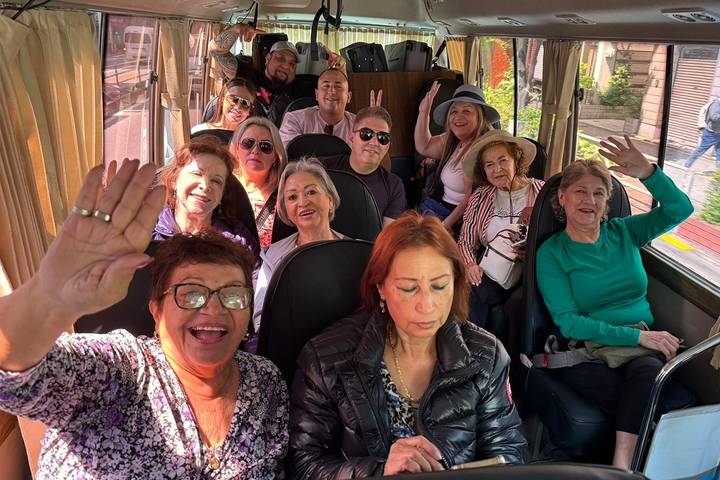
Two full free days are a real advantage if you prefer not to race through a city. You can revisit an area, explore attractions beyond the group route, or take your time over meals and shopping. The tour does not specify a set program for these days, so local transport and admission costs for your plans are generally something to check and budget for.
Osaka is also a practical place to slow the pace after several days of moving between cities. If you want another guided outing or a specific attraction, arrange it independently and check opening details before you go. The tour provides the hotel base, not a scheduled activity on these days.
Departure is after breakfast on day nine, with transfer to Kansai International Airport or Itami Airport depending on your flight. Confirm which airport transfer applies to your booking, especially if you are choosing your own flights.
What the price does, and does not, tell you
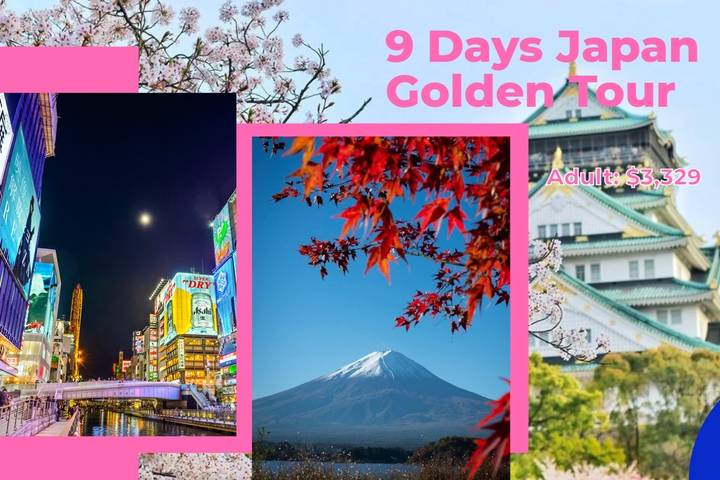
The advertised starting price is $2,790, but the currency is not specified in the supplied details, and the price is based on the cheapest room. Treat it as a starting point, not a final quote for every departure or room arrangement.
The value comes from covering eight hotel nights, breakfasts, selected lunches and dinner, sightseeing transport, some guided outings, and a route with several long transfers. For a first visit, that can save planning effort and make a multi-city trip more manageable. The two free Osaka days also mean you are not paying for a fixed excursion every day.
There are important uncertainties to settle before paying. The overview says return economy airfare is included, but the detailed inclusions say flights before and after the tour are not included. Ask for written confirmation of whether international or domestic flights are included in your actual offer. The meal information also conflicts: one section lists four lunches, while another lists five; the day-by-day plan appears to include lunch on days two through five only.
Eight hotel nights are included, but a solo room carries a supplement. Vegetarian meals can be requested, and an account of a past trip describes guide Jay arranging suitable restaurants for vegetarian participants. Still, tell the operator about dietary needs in advance and ask which included meals can be adjusted.
A sponsor letter for a Japanese tourist visa application is listed as included. That letter is supporting paperwork, not a visa approval, so check the application requirements that apply to you.
Who will get the most from this route
I would consider this tour if you want a first look at Japan’s main cities and cultural sites without organizing all the ground transport yourself. It is also a practical fit for families and mixed-age groups, since all ages are welcome and the physical rating is low, though daily walking still calls for comfortable shoes.
It is less suited to someone who wants long, unstructured stays in Tokyo or Kyoto, or who prefers to choose every stop. The route moves quickly, and some temple and city visits are short by necessity. Its partial-guided format works best if you are comfortable managing your own meals and free time.
Past comments give particular credit to the guides’ storytelling and help with local food. Jay, Scott, and Kit are names to know, but guide assignments can change. The operator is based in Australia and lists a 4.5 out of 5 rating across 86 reviews, with an 88 percent response rate and replies typically within a day.
Should you book this Japan tour?
Book it if you value an organized Tokyo-to-Osaka route, a Fuji-area hot spring night, key Kyoto and Nara stops, and genuine free time in Osaka. The strongest reasons to go are the broad coverage and the mix of guided sightseeing with room to explore independently.
Before committing, get the airfare and meal inclusions clarified in writing, check the exact hotels and departure date, and ask whether seasonal additions apply. If those details line up with your plans, this is a convenient introduction to Japan; if you want a slower, more flexible trip, consider arranging fewer cities on your own.
FAQ
Does the tour include flights?
The details conflict. One section says return economy airfare is included, while another says flights before and after the tour are not included. Confirm what applies to your specific booking before you pay.
Where does the tour start and end?
It starts at Narita International Airport and ends in Osaka. The departure transfer may be to Kansai International Airport or Itami Airport, depending on your flight details.
Are vegetarian meals available?
Yes. Vegetarian meals can be requested. The operator recommends advising them in advance.
Is there a single supplement?
Yes. A single supplement applies if you want your own room.
Can I add extra hotel nights?
Yes. Additional hotel nights can be arranged in advance. The listed approximate rate for extra nights in Tokyo is 240 CAD per room per night, depending on room type.
Is a tour guide with the group every day?
No. The tour is partially guided, with an English-speaking guide for selected outings and independent time on other parts of the trip.
Just added in Narita
- Tokyo to Takayama – 13 days by On The Go Tours★ 4.4 · 5 reviews
- Splendours of Japan (Takayama, Takayama Festival) 9-Day Tour by Trafalgar★ 4.1 · 14 reviews
- Discover Japan on a Budget: 8-Day Ultimate Starter by Vio Travel★ 2.5 · 2 reviews
- Classic Japan 11-Day Tour by Trafalgar★ 4.0 · 1 review
- Best of Japan – 8 days by On The Go Tours★ 3.8 · 3 reviews
- 14 Days Japan Panoramic (Private 3 Star Hotels) by Stunning Tours★ 4.7 · 64 reviews
- 12 Days Summer Tokyo and Hokkaido Tour by UME Travel★ 5.0 · 2 reviews
- Japan Unlimited WiFi Router – Narita Airport Pickup★ 3.5 · 15 reviews
Narita Tours, compared.

Narita Airport (NRT) Private Transfer to Central Tokyo
Read our review →
Private arrival Transfer from Narita Airport(NRT) to central Tokyo city
Read our review →
14 Days Japan Panoramic (Private 3 Star Hotels) by Stunning Tours
Read our review →
Narita Airport(NRT): Private Transfer to Tokyo/Yokohama 1-9pax
Read our review →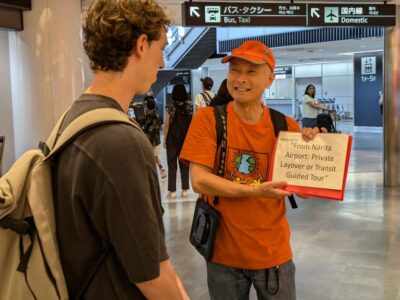
From Narita Airport: Private Layover or Transit Guided Tour
Read our review →
Airport transfer: Narita, Haneda (Tokyo), HND-NRT Airport shuttle
Read our review →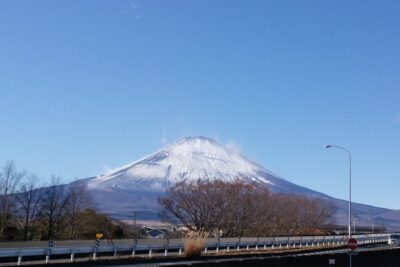
3 Day Japan Highlights Tour: Tokyo, Mt.Fuji, Nara, Kyoto, Osaka
Read our review →
For Narita Airport Users: Layover or Transit Guided Private Tour
Read our review →Browse the lists this tour appears in