
Reviewed · 7-DAY EXPERIENCES
7-Day Japan Delight: Tokyo, Mt. Fuji, Kyoto by Intertrips: Itinerary & Reviews
Japan’s fast trains, temple lanes and mountain views all feature in this seven-day trip, but the Mount Fuji moment comes from the water, not a climb. You ride the Komagatake Ropeway above Hakone, then cruise Lake Ashi, where Fuji may appear in the distance if conditions cooperate.
I like the contrast between guided sightseeing and independent time: you can add structured visits in Tokyo, Kyoto, Nara and Osaka, while still having days to explore at your own pace. I also like that the route includes a classic Japanese transport choice, the Shinkansen, though it costs extra. One thing to weigh carefully is the long coach ride from Kyoto to Tokyo if you skip that upgrade.
In This Review
- Key points before you book
- A first look at the tour’s pace
- Day 1: Arriving in Tokyo, with a transfer to sort out
- Day 2: Tokyo at your own speed, or with a paid guide
- Day 3: Hakone’s ropeway and Lake Ashi
- Day 4: Kyoto, with temples available as an extra
- Day 5: Kyoto time, or a full day in Nara and Osaka
- Day 6: A long road trip, or an extra-cost Shinkansen ride
- Day 7: Departure and the airport fare
- What the price buys, and what it does not
- Hotels, guides and the details to check
- Who should book this Japan sampler?
- FAQ
- Does the tour include flights?
- Are airport transfers included?
- Is Mount Fuji climbed on this tour?
- What meals are included?
- How much do the optional tours cost?
- How long is the coach ride from Kyoto to Tokyo?
- What is the group size, and what language is the tour guided in?
Key points before you book
- Mount Fuji is a view, not a climb: the included ropeway and Lake Ashi cruise take you through the Hakone area.
- Optional outings add up: the four listed extras total $498 per person if you buy all of them.
- The Tokyo hotel may be outside the center: the listed Makuhari hotel is not a central Tokyo base.
- Six hotel breakfasts are included: other meals are generally at your own expense.
- Airport transfers are not included: budget for your own ride to and from the airport.
- The tour is partly guided: free time is part of the plan, and optional excursions need at least 10 participants to run.
A first look at the tour’s pace
This is a practical sampler of Japan’s main sights, not a slow, in-depth stay in any one place. You spend three nights in the Tokyo area, one around Hamamatsu in the Mount Fuji region, and two in Kyoto. The route also reaches Nara and Osaka if you pay for the full-day outing.
The group size is listed as 15 to 32, and the activity level is low, with light walking rather than strenuous hikes. An English-speaking guide accompanies the group, but this is not a guide-led tour every hour of every day. You’ll need to be comfortable making your own plans during free time.
A few more options to weigh up in Tokyo
- Tokyo Disney Resort – Tokyo Disneyland & Tokyo DisneySea Park Tickets
★ 4.8 · 99,488 reviews - SHIBUYA SKY Ticket
★ 4.7 · 46,509 reviews - JR Whole Japan Rail Pass
★ 4.8 · 29,150 reviews
Day 1: Arriving in Tokyo, with a transfer to sort out
Your first day is deliberately light. After arriving, you check in and have the rest of the day to recover from your flight. That breathing room matters on a long-haul trip, especially if you want to start sightseeing with a clear head.
The hotel location depends on arrangements for your departure. It may be in Narita or near Tokyo Bay, with APA Hotel & Resort Tokyo Bay Makuhari or a similar property listed for the Tokyo nights. The Makuhari location can mean a longer trip into central Tokyo, so don’t assume that your hotel door is a short walk from major sights.
Arrival transport is at your own expense unless a free hotel shuttle is available for your accommodation. If you stay in Narita, the hotel may offer that shuttle; otherwise, the tour information suggests buying an Airport Limousine Bus ticket. Confirm your hotel and the best transfer option before you fly.
Day 2: Tokyo at your own speed, or with a paid guide
You can use the whole day to explore on your own or pay $99 for the Tokyo Discovery Tour. The optional outing links several very different corners of the city: Tsukiji’s food stalls and shops, Odaiba’s waterfront views, Asakusa’s Sensoji Temple and Kabukicho in Shinjuku.
At Tsukiji, the wholesale fish market has moved, but the surrounding businesses and eateries remain a draw. Odaiba gives you a view back toward the city skyline, with the Rainbow Bridge and Tokyo Tower in the distance. The stop also includes a miniature Statue of Liberty replica and a full-size Gundam robot, a pleasingly odd mix of Tokyo symbols.
Sensoji offers a more traditional setting, with a long approach lined by shops before you reach the temple grounds. Kabukicho gives you a glimpse of Shinjuku’s entertainment district. The tour requires at least 10 participants, so it may not operate on every departure.
If you’re confident using public transport, a free day can be good value. If you’d rather have someone connect the stops and handle the movement between them, the extra fee may be worthwhile. Don’t expect the optional outing to be included in the starting price.
Day 3: Hakone’s ropeway and Lake Ashi
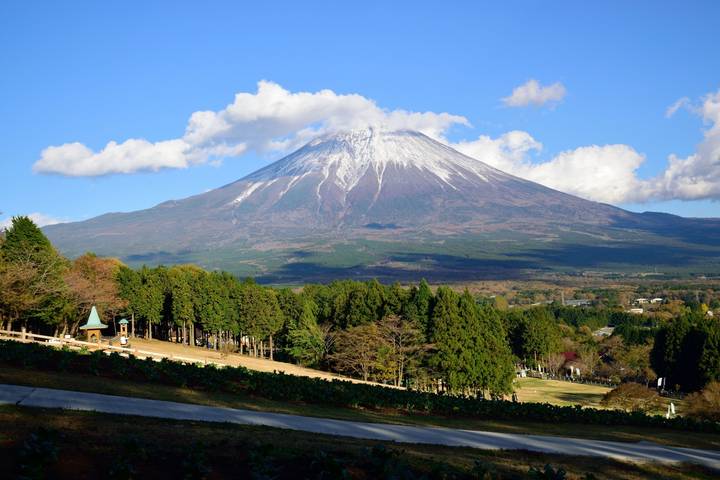
After breakfast, you leave the Tokyo area by coach and head toward Hakone. Lunch is not included; you stop at a highway service area, where you can buy Japanese or Western food and snacks. These stops are part of the day’s travel, not a restaurant meal arranged by the tour.
The Komagatake Ropeway takes you above the Hakone area, with views toward Lake Ashi. You then board a lake cruise, a chance to see Mount Fuji across the water. The mountain is a possible sight, not a sure thing, so treat the cruise as a scenic outing in its own right rather than a guaranteed Fuji photograph.
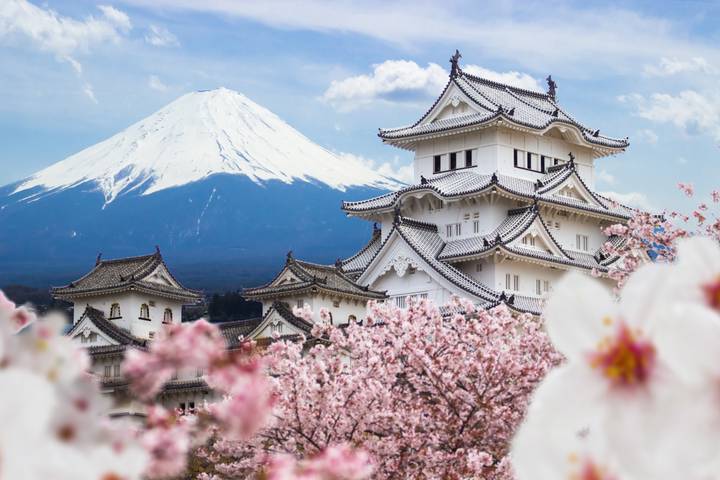
This is the tour’s main Mount Fuji experience. You do not climb the mountain, and the schedule does not include a stop at the summit or a dedicated Fuji hiking day. The overnight stay is around Shizuoka, often in Hamamatsu, though the exact location can depend on local conditions. The area is associated with tea production, but the listed program does not include a tea farm visit.
A completely different kind of day out:
- Mt Fuji and Hakone 1-Day Bus Tour Return by Bullet Train
★ 5.0 · 26,383 reviews - TOKYO SKYTREE® Ticket
★ 4.7 · 25,136 reviews - teamLab Borderless Tickets: MORI Building DIGITAL ART MUSEUM
★ 4.7 · 24,126 reviews - teamLab Planets TOKYO Ticket
★ 4.7 · 21,663 reviews
Day 4: Kyoto, with temples available as an extra
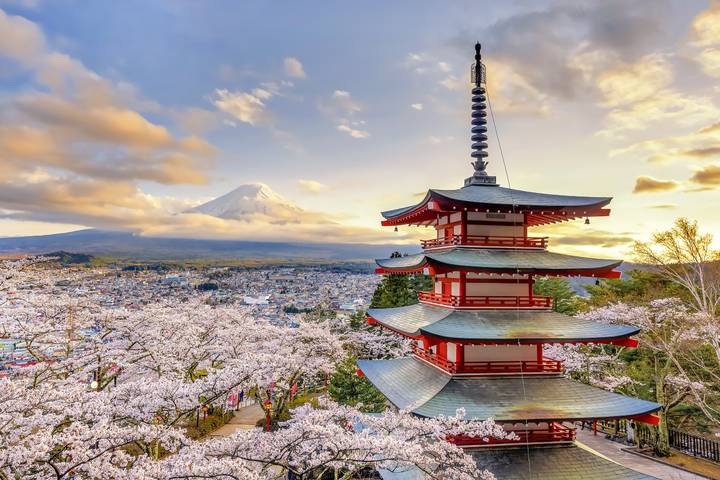
After breakfast, you travel by coach to Kyoto, Japan’s former capital and a major center for temples, shrines, palaces and gardens. You’ll have a short introduction to the city, then free time, or you can pay $89 for the Kyoto Discovery Tour.
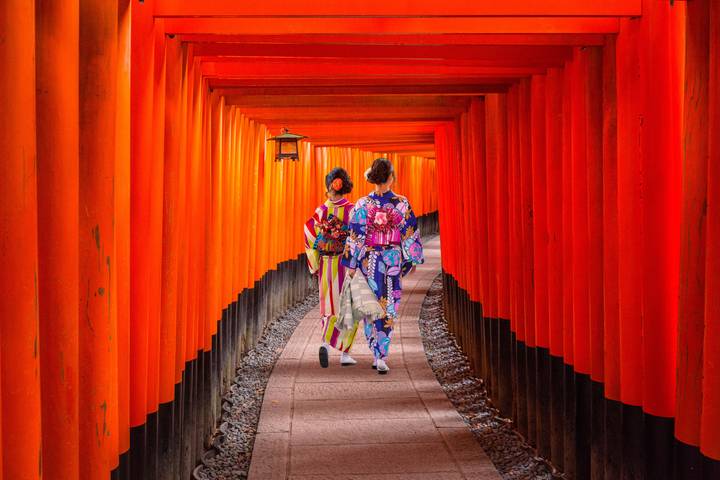
That optional trip visits Kinkakuji, the Golden Pavilion, whose upper floors are covered in gold leaf, and Fushimi Inari Shrine, known for its thousands of vermilion torii gates. Both are famous for good reason, but they draw large crowds. The guided outing helps you reach them efficiently, though the group schedule gives you less freedom to linger.
The tour requires at least 10 participants. If it doesn’t run, the listed inclusions remain intact, but you’ll need to plan your own Kyoto sightseeing. Kyoto is rewarding on foot and by public transport, but two nights pass quickly, so consider which sights matter most to you.
Day 5: Kyoto time, or a full day in Nara and Osaka
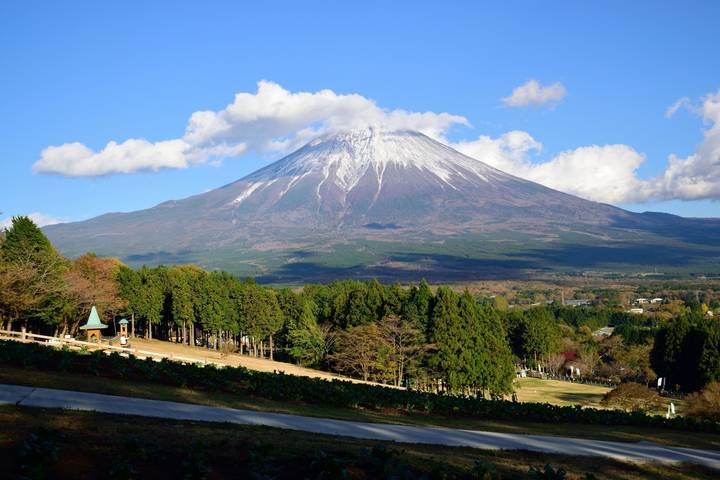
You can spend the day in Kyoto or pay $130 for a full-day excursion to Nara and Osaka, with lunch included. This is a long, varied day, trading a second unstructured Kyoto day for a quick look at two more cities.
In Nara, the outing visits Kasuga Taisha Shrine and Nara Park, where deer roam. You can buy shika senbei, special crackers, to feed them. Keep your food tucked away until you’re ready: the deer are part of the experience, but they are not shy about asking for snacks.
The Osaka portion includes Osaka Castle Park, followed by Dotonbori and Shinsaibashi. Dotonbori is known for its oversized signs and dense cluster of restaurants, while Shinsaibashi is a major shopping area. You’ll have a taste of Osaka street food and city life, but not the time for a slow, detailed visit to each stop.
This excursion also needs at least 10 participants. If you choose to remain in Kyoto, use the day for a neighborhood or temple visit you missed earlier. You’ll have to make that plan yourself.
Day 6: A long road trip, or an extra-cost Shinkansen ride
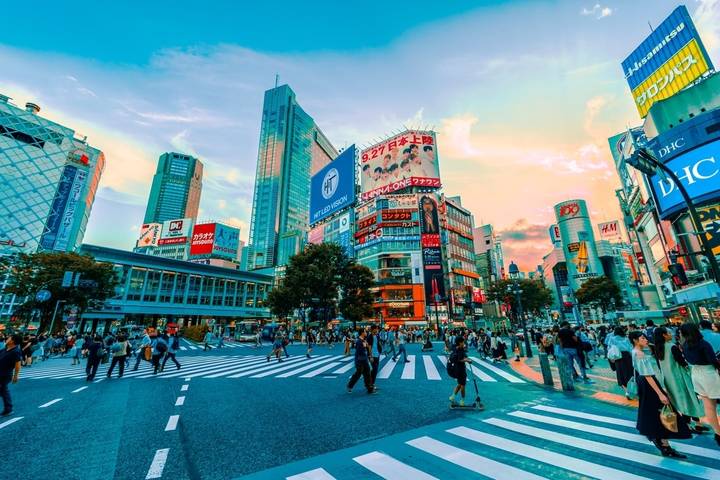
The standard return to Tokyo is by coach along the Tomei Expressway. The drive takes about seven to eight hours, including a stop where you buy lunch. That is a substantial day of sitting, and traffic can affect the timing.
For $180, you can take the Shinkansen, cutting the journey to about two and a half hours. This is a meaningful upgrade, not just a novelty: it can leave you with more time in Kyoto or Tokyo and offers a chance to ride Japan’s famous high-speed train. The listed top speed is up to 189 mph.
Check the details of the train arrangement before booking, including where and when you meet the group. Luggage has been delivered separately to the Tokyo hotel on some departures, but that service is not specified as a standard inclusion. Confirm it rather than assuming you can travel without your bags.
Day 7: Departure and the airport fare
Check out before noon and make your own way to the airport. The Airport Limousine Bus is suggested, but the ticket is not included. Allow time to confirm the departure point and buy your ticket; the return journey can take longer than expected, especially if your hotel is away from central Tokyo.
The final day is simple, but the lack of a transfer is worth building into your budget and planning. The tour does not include flights, arrival transfers, departure transfers, travel insurance or pre- and post-tour hotel nights.
What the price buys, and what it does not
The starting price is $1,499, based on the cheapest room option. It covers six hotel breakfasts, hotel stays, an air-conditioned coach, the Komagatake Ropeway, the Lake Ashi cruise and an English-speaking guide. Hotels are described as 3.5- to 4-star depending on the property and section of the trip, and exact accommodation can change until several weeks before departure.
The optional outings cost extra: $99 in Tokyo, $89 in Kyoto, $130 for Nara and Osaka, and $180 for the Shinkansen. Buying all four adds $498, bringing the starting-price total to $1,997 before flights, most lunches and dinners, airport transport, insurance and personal spending. Your final price can differ by date and room type.
That can still be a useful package if you value having hotels, intercity coach travel and selected sightseeing arranged. It is less compelling if you expect a guide with you throughout, included airport transfers, or a packed schedule of group activities at no extra cost. The starting price is a starting point, not the cost of every convenient extra.
Hotels, guides and the details to check
The hotels offer a practical base, but don’t book expecting every property to feel like a central city hotel. The Tokyo-area stay may be far from the main sights, and accommodation is subject to change. One past departure had hotels that felt dated and a noisy room near train tracks, while another found the Tokyo property’s breakfast and facilities useful. Treat those as signs to confirm the final hotel details, not as a guarantee of what your room will be like.
Guide experiences have also varied. Past departures have named Mary and Sumi as helpful guides; feedback about English clarity has not been uniformly positive, and some groups have found organization uneven. Guide assignments change, so a particular name or style cannot be promised.
Intertrips has a 4.1 out of 5 operator rating across 73 reviews, while this trip has a 3.7 rating across 10. The strongest recurring positives in the supplied feedback are helpful guides, smooth organization on some departures and support with logistics. The clearest concerns are hotel quality, communication and the cost of extras. These mixed signals make it sensible to get the final hotel list and a written breakdown of included transport before you commit.
Who should book this Japan sampler?
I’d consider this tour if you want a broad first visit with hotels and the main intercity route arranged, and you’re happy to pay separately for the sights you most want to see. It can also suit families and mixed-age groups: all ages are welcome, and the physical rating is low.
I’d look elsewhere if you want a guide beside you throughout the week, airport transfers included, or several full days in Kyoto. Independent travelers who are comfortable using public transport may prefer to arrange the Tokyo and Kyoto days themselves and spend the savings on meals or extra nights.
Before booking, ask which hotels are confirmed, how airport transfers work for your arrival airport, whether the Shinkansen luggage arrangement applies, and which optional excursions are expected to run. If those answers fit your plans and you’re comfortable with a long coach day, this is a convenient way to connect Tokyo, Hakone and Kyoto without having to organize every hotel and intercity ride yourself.
FAQ
Does the tour include flights?
No. This is a land-only package, so you arrange and pay for flights separately.
Are airport transfers included?
No. Arrival and departure transfers are not included. A free hotel shuttle may be available if you stay in Narita; otherwise, the Airport Limousine Bus is one suggested option at your own expense.
Is Mount Fuji climbed on this tour?
No. The Mount Fuji-area day includes a Komagatake Ropeway ride and a Lake Ashi cruise, where you may see Fuji in the distance.
What meals are included?
The tour includes six hotel buffet breakfasts. The Nara and Osaka optional tour includes lunch; other lunches and dinners are generally at your own expense.
How much do the optional tours cost?
The listed prices are $99 for Tokyo, $89 for Kyoto, $130 for Nara and Osaka with lunch, and $180 for the Shinkansen ride.
How long is the coach ride from Kyoto to Tokyo?
The coach journey takes about seven to eight hours, with a service-area stop for lunch. The optional Shinkansen ride takes about two and a half hours.
What is the group size, and what language is the tour guided in?
The group size is 15 to 32 people, and the tour is guided in English. It is partially guided, with free time and optional excursions.
Just added in Tokyo
- Wonders Of Japan 10-Day Tour by Travel Talk★ 4.5 · 14 reviews
- Wonders of Japan end Tokyo GO 15-Day Tour by Europamundo★ 4.2 · 10 reviews
- Wonders of Japan end Tokyo 15-Day Tour by Europamundo★ 4.2 · 10 reviews
- Wonders of Japan End Osaka by Europamundo – 12-Day Tour★ 4.2 · 58 reviews
- Wonders of Japan End Osaka (including Fukuyama) 12-Day Tour by Europamundo★ 4.2 · 58 reviews
- Wonders of Japan End Osaka GO by Europamundo – 12-Day Tour★ 4.2 · 58 reviews
- Walk Japan – Kumano Kodo Trail 12-Day Tour by Explore!★ 4.7 · 20 reviews
- Visions of Japan with Hiroshima & Osaka 15-Day Tour by Globus★ 5.0 · 75 reviews
7-Day Experiences, compared.


Essential Japan GO by Europamundo – 7-Day Tokyo to Osaka Tour
Read our review →
Tokyo, Kyoto and Hiroshima end Tokyo by Europamundo – 7-Day Tour
Read our review →
Tokyo, Kyoto and Hiroshima end Tokyo GO 7-Day Tour by Europamundo
Read our review →
Tokyo, Kyoto and Hiroshima 7-Day Tour by Europamundo
Read our review →
Tokyo, Kyoto and Hiroshima GO by Europamundo – 7-Day Tour
Read our review →
7-Day Best Japan Mini Group Tour with 3/4 Stars Hotels by Agate Travel
Read our review →
Browse the lists this tour appears in