
Reviewed · NARITA TOURS
Splendours of Japan (Takayama, Takayama Festival) 9-Day Tour by Trafalgar: Itinerary & Reviews
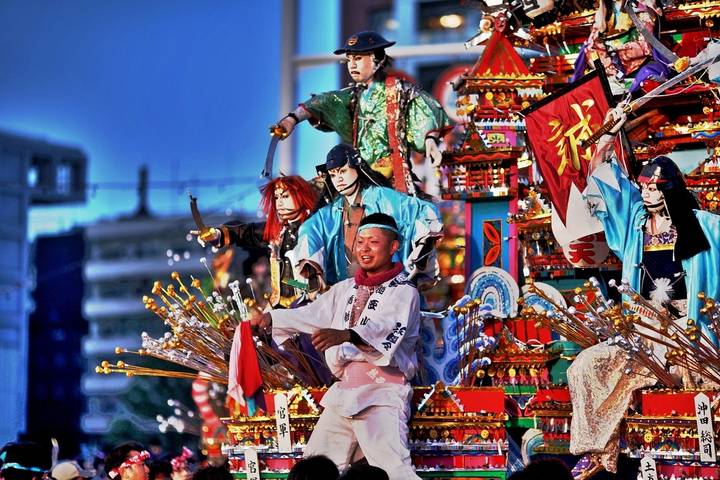
Takayama’s carved festival floats, with their small mechanical puppets, give this tour its memorable center. From Tokyo’s old temple lanes to Kyoto’s vermilion shrine gates, the route pairs Japan’s major sights with hands-on stops in sushi making, washi paper and gold leaf.
I like the contrast between city and mountain Japan: you get Tokyo’s scale, a road journey through the Alps, and time in Takayama and Gokayama’s traditional settings. I also like that the schedule makes room for local crafts and a meal with hosts, not just temples and photo stops.
The main trade-off is pace. This is a nine-day escorted trip with long coach journeys and some days involving more than four miles of walking, including hills. And because the tour runs in April and October, check the exact departure dates if seeing Takayama’s live festival parade is your priority.
In This Review
- Five details that make this route distinctive
- Tokyo begins with temples, crafts and a high view
- Mount Fuji and the long road to Takayama
- Takayama’s old streets and festival craftsmanship
- Gokayama’s steep roofs, then Kanazawa’s garden paths
- Kyoto’s Golden Pavilion and a meal with local hosts
- What the price covers, and what it does not
- Walking, timing and who will enjoy this trip
- Should you book this Japan tour?
- FAQ
- Where does the tour start and end?
- How long is the tour?
- What months does the tour operate?
- How large is the group?
- What language is the tour guided in?
- How much walking should I expect?
- Which hotels are included?
- What meals are included?
- Are international flights included?
- What optional activities can I book?
Five details that make this route distinctive
- Takayama’s festival floats: See 17th-century yatai floats and their mechanical marionettes in the town that gives the trip its special focus.
- A sushi lesson in Tokyo: Prepare sushi with a chef, then eat the lunch you helped make.
- A working craft stop in Gokayama: Watch washi paper being made and try the process yourself.
- An Alps crossing by coach: Travel from the Fuji Five Lakes area to Takayama through mountain scenery.
- A practical guided format: An English-speaking Travel Director, coach and train travel, selected meals and hotel stays are included.
Tokyo begins with temples, crafts and a high view
Your trip starts with a transfer from Narita or Haneda Airport to the New Otani Garden Tower, a centrally located Tokyo hotel. After settling in, you meet the Travel Director and group over a welcome drink and local appetizers. The listed group size is 20 to 32, large enough for a social trip but small enough to move as a guided party.
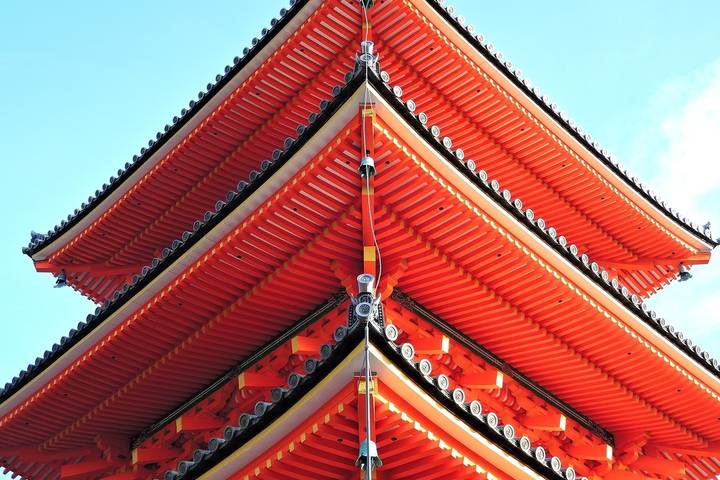
Day two opens in Asakusa, an older part of Tokyo that feels far removed from the city’s glass towers. Sensoji, founded in 628 and rebuilt over the centuries, is Tokyo’s oldest temple site. The approach along Nakamise Street is part of the visit: traditional sweets and crafts sit among the shops, and the walk gives you a first look at the Shitamachi, or downtown, character of the area.
Tokyo Skytree then shifts the view from street level to the skyline. On a clear day, you may see as far as Mount Fuji and Tokyo Bay, but the main value is perspective: Tokyo’s immense scale makes more sense from above. Afterward, there is free time around Ginza, or you can pay extra for a Shinjuku night outing or a kimono dressing experience. The kimono option costs ¥4,500, with an expert dresser helping you get ready for a stroll.
Day three adds a more historic and hands-on mix. You see the Imperial Palace Plaza and its two bridges, then walk through the East Gardens, once part of Edo Castle. The Tokyo National Museum offers a chance to see Japanese art and archaeological objects, though the visit is a browse rather than a long museum study. A sushi lesson with a chef makes the day more participatory, and lunch is the sushi you prepare.
The coach then heads to the Fuji Five Lakes District. At Oshino Hakkai, eight spring-fed ponds are linked to Mount Fuji’s snowmelt and included within the mountain’s UNESCO World Heritage site. It is a quieter counterpoint to Tokyo, though the day covers a lot of ground. You overnight at Fuji Marriott Yamanakako.
A few more options to weigh up in Narita
- Narita Airport (NRT) Private Transfer to Central Tokyo
★ 4.5 · 300 reviews - Private arrival Transfer from Narita Airport(NRT) to central Tokyo city
★ 4.5 · 128 reviews - 14 Days Japan Panoramic (Private 3 Star Hotels) by Stunning Tours
★ 4.7 · 64 reviews
Mount Fuji and the long road to Takayama
On day four, the coach climbs to Mount Fuji’s 5th Station, at about 2,300 metres. The viewpoint looks over Lake Kawaguchiko and surrounding peaks, weather permitting. Mountain conditions can affect visibility and access, so treat the stop as a chance to see Fuji up close rather than a guaranteed clear-sky panorama.
From there, the route crosses the Japanese Alps to Takayama. This is one of the tour’s longer travel days, but it also gives you a sense of how Japan’s terrain changes beyond the major cities. The evening meal is included at the hotel, Associa Takayama Resort, a useful comfort after hours on the road.
Takayama’s old streets and festival craftsmanship
Day five is the trip’s signature day. You walk through Takayama’s Edo-style Old Town, then have lunch featuring Hida-gyu, beef from a Japanese cattle breed known for its quality. The main event is the town’s yatai festival floats, intricately carved works dating in some cases to the 17th century. Their karakuri ningyo, or mechanical puppets, are controlled by skilled puppeteers and turn a display of woodwork into a performance.
The tour name puts the Takayama Festival front and center, but the exact departure date matters. April and October are the listed departure months, and a festival parade is seasonal. Confirm that your chosen date coincides with the live event if the parade is a must-see. The itinerary also includes viewing the floats, which is valuable even if the timing does not deliver the full street procession.
In the evening, you go to Gokayama for a washi paper workshop. You can watch local artisans at work and try making paper yourself, an appealing change from looking at things behind a rope. The activity supports a small local business and is part of Trafalgar’s MAKE TRAVEL MATTER program. You return to Takayama for the night, so expect another coach ride after a full day.
Gokayama’s steep roofs, then Kanazawa’s garden paths
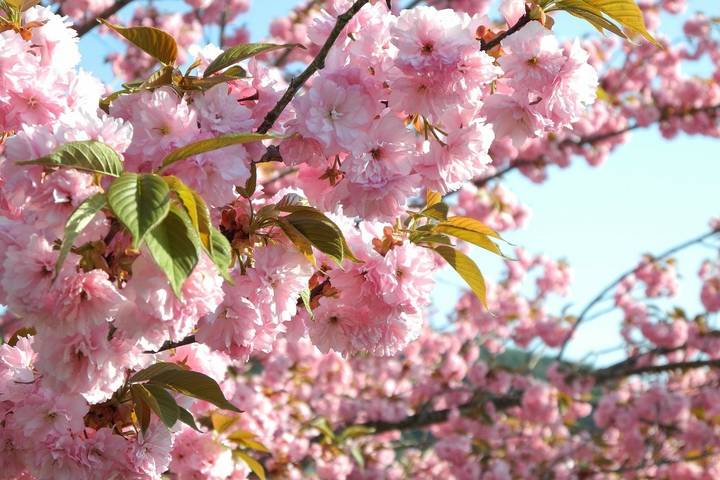
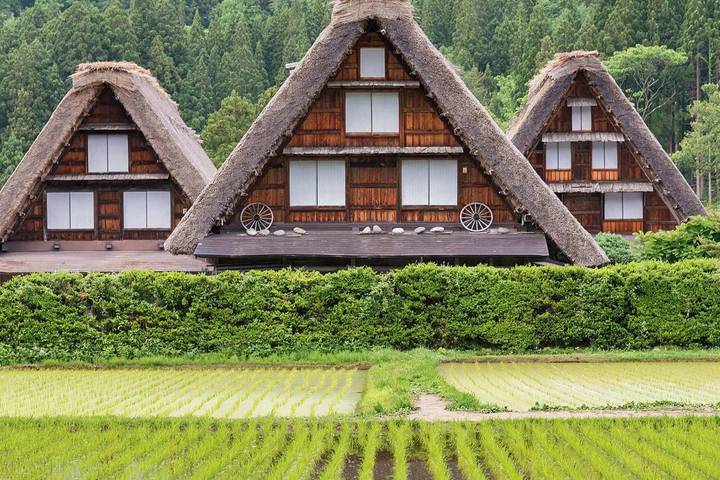
The following morning brings more time in Gokayama, where the steep thatched roofs of the gassho-zukuri houses are designed to shed heavy snow. The timber homes are built without nails, an impressive construction detail that makes the village worth more than a quick photo stop. It is a rural setting, and the visit offers a different pace from the city days.
In Kanazawa, you take a short walk through Omicho Market, where the focus is everyday local life and food. Kenroku-en, one of Japan’s best-known gardens, gives you time among carefully shaped paths and plantings. A local specialist then introduces gold leaf painting, a craft associated with the city. The combination works well: market, garden and a small-scale art lesson provide three distinct views of Kanazawa.
The Kanazawa Tokyu is your hotel for the night. An optional izakaya meal is available for ¥4,500. These informal Japanese pubs serve shared dishes, with the listed menu including items such as sashimi, grilled prawns, yakisoba, tofu, yakitori and gyoza, plus a drink allowance and dessert. Vegetarian choices are available. It is a useful add-on if you want a social dinner and a broader taste of casual Japanese food.
One detail to check when comparing versions of the trip: the supplied tour information also lists a visit to Nomura Samurai House, but it is not included in the day-by-day schedule. Ask whether it is part of your departure before counting on it.
A completely different kind of day out:
- Narita Airport(NRT): Private Transfer to Tokyo/Yokohama 1-9pax
★ 5.0 · 47 reviews - From Narita Airport: Private Layover or Transit Guided Tour
★ 4.8 · 29 reviews - Airport transfer: Narita, Haneda (Tokyo), HND-NRT Airport shuttle
★ 4.5 · 26 reviews - For Narita Airport Users: Layover or Transit Guided Private Tour
★ 5.0 · 22 reviews
Kyoto’s Golden Pavilion and a meal with local hosts
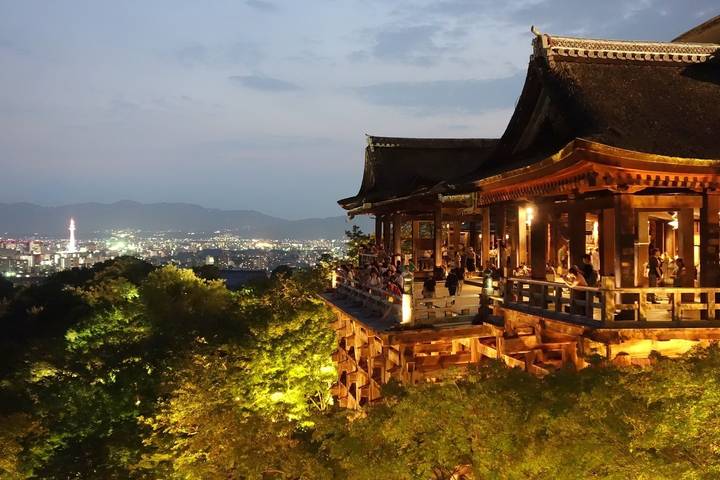
Day seven takes you from Kanazawa to Kyoto by express train. Kinkakuji, the Golden Pavilion, is the day’s major sight. Originally a 14th-century villa, it is now a Zen temple, known for its gold-covered exterior reflected in the pond. The setting is striking, but it is also a popular stop, so the visit is more about taking in the pavilion and its garden than finding a quiet corner alone.
The evening’s Be My Guest meal adds a welcome human element. You share food with local hosts at a traditional restaurant and hear about everyday life and regional customs. It gives the tour a point of contact beyond formal monuments, and dinner is included. The rest of the evening is free, with Gion Corner available as a paid option at ¥3,900. Its program features seven traditional arts, including Kyo-Mai dance, koto music, Bunraku puppetry and a tea ceremony.
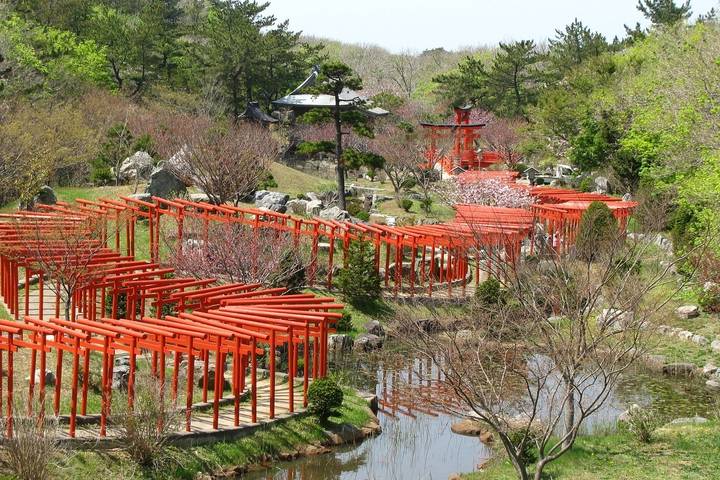
Day eight begins at Fushimi Inari Shrine, famous for its rows of orange torii gates climbing into the hills. You can walk through the gates toward the mountain shrine, but the route can be steep and the walking adds up. You do not need to complete the full climb to experience the distinctive approach.
At Sanjusangen-do Hall, the focus shifts indoors to 1,001 statues of the thousand-handed goddesses of mercy. The scale and detail make this one of Kyoto’s more memorable temple visits. A walking tour through Gion follows, past traditional wooden machiya houses and the district’s geisha culture. In the evening, dinner with the Travel Director and group is included. A separate tea ceremony can be added for ¥3,500, with a tea master demonstrating matcha preparation and giving you a chance to make your own.
What the price covers, and what it does not
The tour starts at $5,126, based on the cheapest room category. That is a substantial outlay, but the price includes eight breakfasts, selected lunches and dinners, five hotel stays, airport transfers at the beginning and end, an expert Travel Director, a professional driver, coach and train travel, and the listed sightseeing. The itinerary also includes hotel and restaurant gratuities, porterage, local taxes and audio headsets.
For nine days across several regions, the value is in having transport, hotels and a guide arranged for you. You do not need to work out the rail connection from Kanazawa to Kyoto or plan how to reach the mountain villages. You also get several experiences that are more involved than a standard sightseeing stop, including sushi preparation, washi paper making and gold leaf painting.
The trade-off is less freedom to linger. Tokyo and Kyoto each receive only a few days, and some travel days involve long drives. International flights and insurance are not included, and optional experiences cost extra. Compare the total with an independent trip that covers the same route, but account for the time and effort of booking intercity transport and rural visits yourself.
The hotels are listed as four-star stays: New Otani Garden Tower in Tokyo, Fuji Marriott Yamanakako, Associa Takayama Resort, Kanazawa Tokyu and Kyoto Tokyu. Accommodation scores are strong, as are ratings for the guide and transport. Actual Travel Directors vary by departure. Past tour directors have included Yama, Mike, Keiko and Kaito, but those names are examples, not a promise about who will lead your trip.
Walking, timing and who will enjoy this trip
The activity level is Dynamic. Some days involve more than four miles of walking and may include steep hills. Day five, with its Old Town walk and festival activities, is identified as the heaviest walking day. Fushimi Inari also involves an uphill route, though you can choose how far to walk. If you need frequent rests or have a recent injury, ask Trafalgar directly about the pace and options for sitting out parts of a walk before booking.
The tour is aimed at a wide age range and is fully guided in English. It suits first-time visitors who want a broad introduction to Japan without managing every connection, as well as people drawn to traditional crafts, gardens and temples. It may be less suitable if you want long, unstructured stays in each city, dislike coach travel, or need a slow pace throughout.
The strongest parts of the route are its contrasts: Tokyo’s old temple quarter and Skytree, the mountain crossing, Takayama’s historic streets and festival craft, and Kyoto’s major religious sites. The guide-led structure and good hotel standard help make a packed itinerary manageable. Still, nine days cannot give every place room to breathe, and the festival’s exact timing is a key booking detail.
Should you book this Japan tour?
Book it if you want a guided introduction that links Tokyo, Mount Fuji, Takayama, Gokayama, Kanazawa and Kyoto, with hotels and transport handled for you. Its best value lies in the regional route and the hands-on cultural stops, not in extensive free time. Before paying, check your departure date against Takayama’s live festival schedule, confirm which optional activities interest you, and be honest with yourself about the walking. If those points fit, this is a practical way to see both Japan’s major sights and some of its quieter mountain towns.
FAQ
Where does the tour start and end?
It starts in Narita and ends in Kyoto. The arrival transfer is listed from Narita or Haneda Airport, and the departure transfer goes to Kansai International Airport or Osaka Itami Airport.
How long is the tour?
The tour lasts nine days, from arrival in Tokyo to departure from Kyoto.
What months does the tour operate?
The listed departure months are April and October.
How large is the group?
The stated group size is 20 to 32 people.
What language is the tour guided in?
The tour is guided in English by an expert Travel Director, with a professional driver.
How much walking should I expect?
The activity level is Dynamic. Some days involve more than four miles of walking and may include steep hills. Day five is identified as the heaviest walking day.
Which hotels are included?
The listed hotels are New Otani Garden Tower, Fuji Marriott Yamanakako, Associa Takayama Resort, Kanazawa Tokyu and Kyoto Tokyu. Hotels of similar standard and location may sometimes be used.
What meals are included?
The inclusions list eight breakfasts, three lunches and four dinners. The daily schedule specifically describes a sushi lunch, a Hida-gyu lunch and selected dinners.
Are international flights included?
No. International flights and insurance are not included.
What optional activities can I book?
The listed options are a kimono dressing experience in Tokyo for ¥4,500, an izakaya dinner in Kanazawa for ¥4,500, Gion Corner in Kyoto for ¥3,900 and a tea ceremony in Kyoto for ¥3,500. Prices are in Japanese yen and may change.
Just added in Narita
- Tokyo to Takayama – 13 days by On The Go Tours★ 4.4 · 5 reviews
- 9 Days Japan Golden Tour Package WITH OISHI PARK by Delightful Travel★ 4.7 · 3 reviews
- Discover Japan on a Budget: 8-Day Ultimate Starter by Vio Travel★ 2.5 · 2 reviews
- Classic Japan 11-Day Tour by Trafalgar★ 4.0 · 1 review
- Best of Japan – 8 days by On The Go Tours★ 3.8 · 3 reviews
- 14 Days Japan Panoramic (Private 3 Star Hotels) by Stunning Tours★ 4.7 · 64 reviews
- 12 Days Summer Tokyo and Hokkaido Tour by UME Travel★ 5.0 · 2 reviews
- Japan Unlimited WiFi Router – Narita Airport Pickup★ 3.5 · 15 reviews
Narita Tours, compared.

Narita Airport (NRT) Private Transfer to Central Tokyo
Read our review →
Private arrival Transfer from Narita Airport(NRT) to central Tokyo city
Read our review →
14 Days Japan Panoramic (Private 3 Star Hotels) by Stunning Tours
Read our review →
Narita Airport(NRT): Private Transfer to Tokyo/Yokohama 1-9pax
Read our review →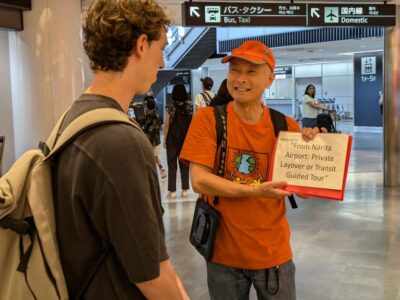
From Narita Airport: Private Layover or Transit Guided Tour
Read our review →
Airport transfer: Narita, Haneda (Tokyo), HND-NRT Airport shuttle
Read our review →
3 Day Japan Highlights Tour: Tokyo, Mt.Fuji, Nara, Kyoto, Osaka
Read our review →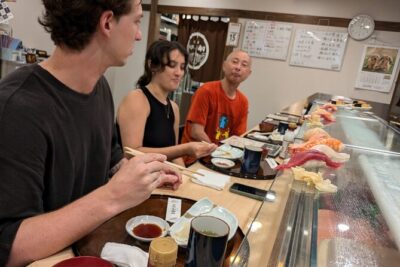
For Narita Airport Users: Layover or Transit Guided Private Tour
Read our review →Browse the lists this tour appears in