
Reviewed · NARITA TOURS
Tokyo to Takayama – 13 days by On The Go Tours Review
Japan’s contrasts come quickly on this 13-day trip: one day you’re crossing Tokyo’s famous Shibuya scramble, and a few days later you’re sleeping on a futon at a hot-spring inn near Mount Fuji. The route links big-name sights with smaller, more traditional stops, including Kamakura, Takayama and Shirakawa-go.
I like the ryokan night, where dinner and a natural hot spring bath are part of the stay, and the practical mix of guided visits and free time. You’ll also ride bullet trains without having to plan each connection yourself.
The main consideration is pace. You cover a lot of ground, change hotels several times and walk around 5 kilometres on many days. Some meals, entrance fees and one luggage-forwarding service are extra, so the starting price is not the whole budget.
- One night at Lake Kawaguchi: Sleep on tatami and a futon, eat dinner at the ryokan and use its natural hot spring baths.
- Bullet trains included: The route uses trains, buses and a Suica card, with transport arranged for you.
- Tokyo and Kyoto have breathing room: Guided visits are balanced with free time to explore on your own.
- Miyajima’s Mount Misen views: A cable car ride is included, along with the ferry to the island.
- Plan for extra costs: Budget for some meals, around USD $50 to $60 per person in entrance fees, and guide tips if you choose to give them.
In This Review
- From Tokyo’s neon streets to a mountain inn
- Tokyo: temples, museums and a little free time
- Lake Kawaguchi: Mount Fuji and ryokan customs
- Kyoto: temples, Gion and time to explore
- Himeji and Hiroshima: castle splendour, then hard history
- Takayama and Shirakawa-go: old streets and thatched roofs
- Guides, transport and what the price leaves out
- Who will get the most from this route?
- Should you book the Tokyo to Takayama tour?
- FAQ
- Does the tour include a Japan Rail Pass?
- Is breakfast included every day?
- Is a mobile data plan or eSIM included?
- Do I need hiking boots for the Higashiyama walk?
- Can I have a private room for all 12 nights?
- What extra costs should I budget for?
From Tokyo’s neon streets to a mountain inn
On The Go Tours’ Tokyo to Takayama tour starts at Narita or Haneda Airport and ends in Tokyo. Over 13 days, you visit Tokyo, Kamakura, Lake Kawaguchi, Kyoto, Himeji, Hiroshima, Miyajima Island, Takayama and Shirakawa-go. The route has the right ingredients for a first visit: major temples and castles, a moving history lesson, mountain scenery and a taste of Japanese inn life.
You travel with an English-speaking Japanese guide and a group. The company describes groups of 4 to 24, while its tour details also state a maximum of 18. If group size matters to you, check the number for your departure before booking.
The tour is priced from $4,460, based on the cheapest room. That buys 12 nights of three-star accommodation, most transport, guided sightseeing, the ryokan dinner and several key activities. It’s a substantial fare, but it also removes much of the work of connecting distant cities by rail and bus. You are paying for a structured route and a guide, not an all-inclusive holiday.
Tokyo: temples, museums and a little free time
On arrival day, a guide meets you at the airport and takes you by train into central Tokyo. The afternoon is free, followed by a welcome meeting at 6pm. Arriving before 3pm is recommended, so allow for the possibility of a long flight, immigration and the airport transfer before that first group gathering.
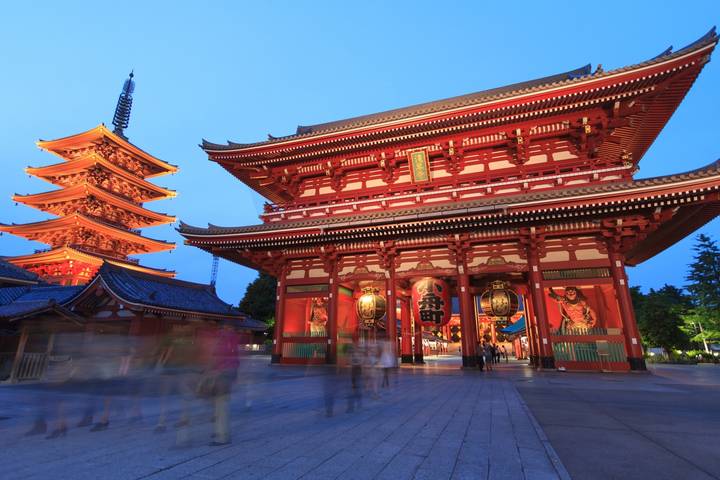
Day two begins in Asakusa at Sensoji, a busy Buddhist temple with craft and souvenir stalls nearby. The guided visit to the Tokyo National Museum in Ueno Park adds context through its exhibitions and Japanese archaeology. You then have free time, which is useful in a city where one guided stop can easily inspire three more.
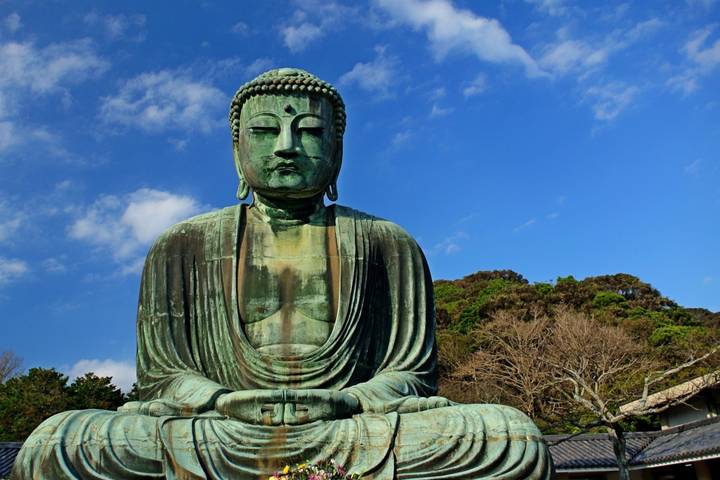
On day three, you take the train to Kamakura, about an hour away. The bronze Great Buddha is the headline sight, but Hokokuji’s bamboo garden offers a quieter change of pace, including tea at the temple. The cobbled pedestrian lanes give you time to browse local crafts before returning to Tokyo.
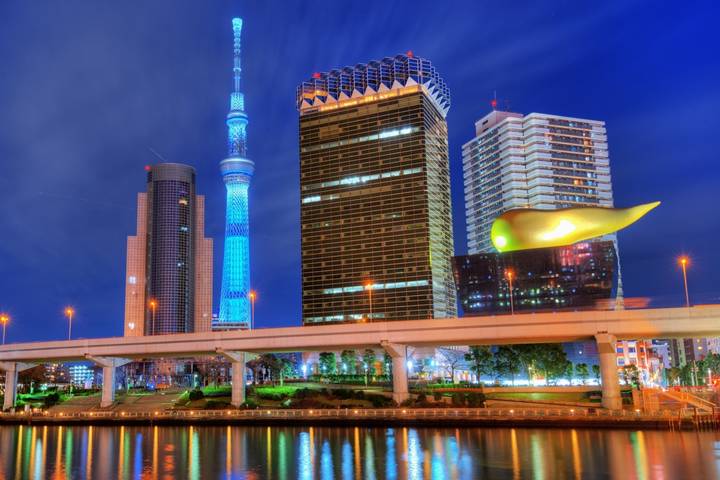
Day four brings a shift in mood. Harajuku’s Takeshita Street is known for fashionable shops and cafés, while Meiji Shrine offers a calmer, wooded setting. At Shibuya Crossing, you can watch the crowd from above over coffee. The rest of the day is yours. If you travel in May or September and want to see a sumo tournament, advance booking is required.
A few more options to weigh up in Narita
- Narita Airport (NRT) Private Transfer to Central Tokyo
★ 4.5 · 300 reviews - Private arrival Transfer from Narita Airport(NRT) to central Tokyo city
★ 4.5 · 128 reviews - 14 Days Japan Panoramic (Private 3 Star Hotels) by Stunning Tours
★ 4.7 · 64 reviews
Lake Kawaguchi: Mount Fuji and ryokan customs
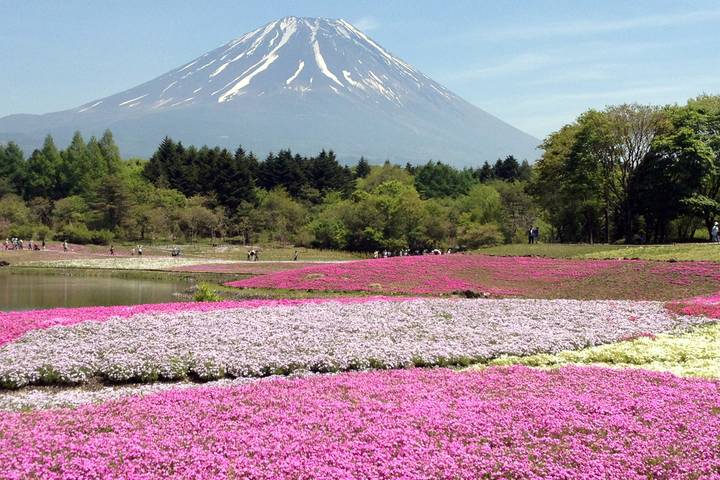
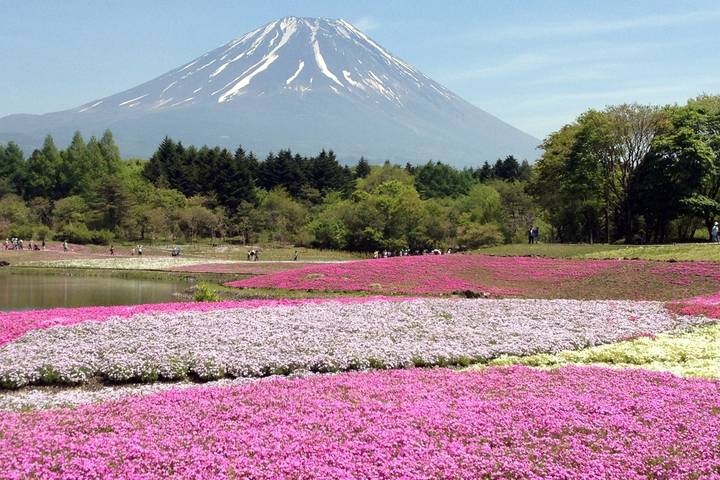
A highway bus takes you from Tokyo to Lake Kawaguchi, at the foot of Mount Fuji. The Mount Fuji Panoramic Ropeway leads to an observatory, where clear weather can bring wide views of the mountain. Fuji is famously shy behind clouds, so treat a clear view as a bonus rather than a promise.
From April 15 to May 20, subject to opening dates, the tour may visit the Fuji Shibazakura Festival near Motosu Lake. Pink moss phlox and Mount Fuji make for a striking seasonal scene. Outside that period, the ropeway and lake setting remain the day’s main attractions.
The ryokan stay is one of the trip’s most distinctive moments. Rooms have tatami mats and futons, and you can wear a samue, a traditional work outfit, before heading to the natural hot spring baths. Dinner is included, served buffet-style with Japanese and Western options. If you’re travelling alone and pay the single supplement, note that a single room is not available on this night. You’ll be paired with a same-gender tour member.
Kyoto: temples, Gion and time to explore
Day six combines a bus ride to Mishima with a bullet train to Kyoto. After the journey, you visit Sanjusangen-do, whose thousand gold-leafed Kannon statues stand in long rows inside the temple hall. It’s a memorable stop, but there is a lot to take in, so your guide’s explanations help make the visit more than a quick look.
Later, a walking tour takes you through Gion, Kyoto’s well-known geisha district. You may see a geisha or maiko on the way to an engagement, but this is not a scheduled meeting. A cultural performance at Gion Corner is an optional extra if you want a more reliable chance to see traditional arts and a maiko performance.
The next day brings Nijo Castle, built in 1603, followed by Kinkakuji, the gold-covered Golden Pavilion reflected in a pond. These are popular sights and can feel crowded, but the mix of castle architecture and temple grounds makes for a useful introduction to Kyoto’s past.
Your afternoon is free. Fushimi Inari’s thousands of red torii gates are an obvious choice, and the shrine is free to visit and open around the clock. You could also rent a kimono or take a cooking lesson. These options are not included, so choose based on your energy and budget.
Himeji and Hiroshima: castle splendour, then hard history
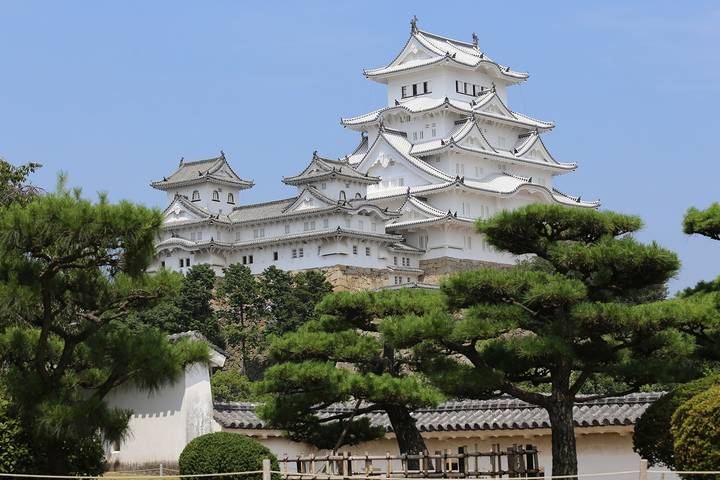
A bullet train takes you from Kyoto to Himeji, where the white walls of Himeji Castle rise above the city. Known as the White Egret, the castle has maze-like defences and a six-storey watchtower with broad views. You then continue by bullet train to Hiroshima.
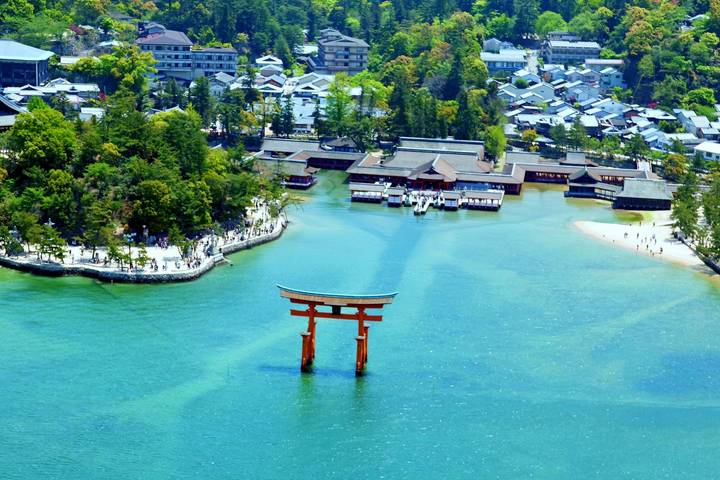
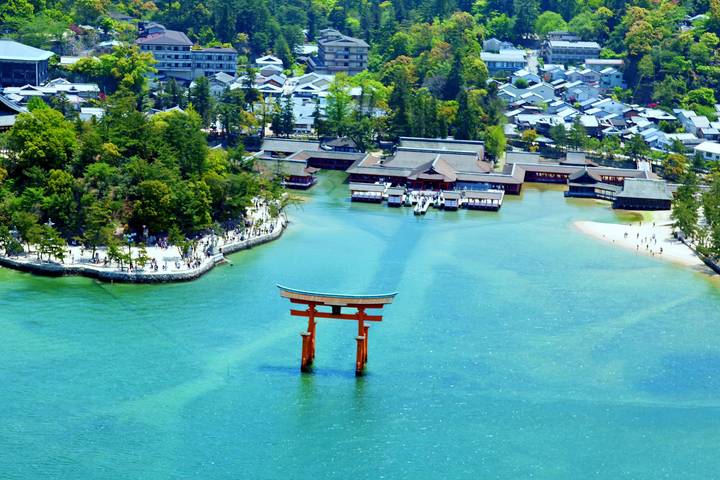
On day nine, a local train and ferry carry you to Miyajima Island. The Itsukushima Shrine torii gate appears to float at high tide, while at low tide you can walk out to it. Check the tide conditions if seeing the gate from close range matters to you. The island also has shrines, pagodas, pavilions, forest and tame deer.
The included cable car takes you toward Mount Misen’s summit for views across the Seto Inland Sea. You’ll return to Hiroshima for an included dinner of okonomiyaki, a local savoury pancake-style dish. If baseball is your thing, the Hiroshima Carp play at home between May and October, but tickets are an optional extra.
The following morning is devoted to Hiroshima Peace Park, the Peace Memorial Museum, the A-Bomb Dome and the Children’s Peace Monument. These sites are essential but emotionally demanding. Leave room to pause rather than treating the visit as another item to tick off.
That afternoon, you travel by bullet train to Nagoya, then continue by scenic train to Takayama. The long transfer is a trade-off for reaching the Japanese Alps without arranging the connections yourself. You can try Hida beef at your own expense after arrival.
A completely different kind of day out:
- Narita Airport(NRT): Private Transfer to Tokyo/Yokohama 1-9pax
★ 5.0 · 47 reviews - From Narita Airport: Private Layover or Transit Guided Tour
★ 4.8 · 29 reviews - Airport transfer: Narita, Haneda (Tokyo), HND-NRT Airport shuttle
★ 4.5 · 26 reviews - For Narita Airport Users: Layover or Transit Guided Private Tour
★ 5.0 · 22 reviews
Takayama and Shirakawa-go: old streets and thatched roofs
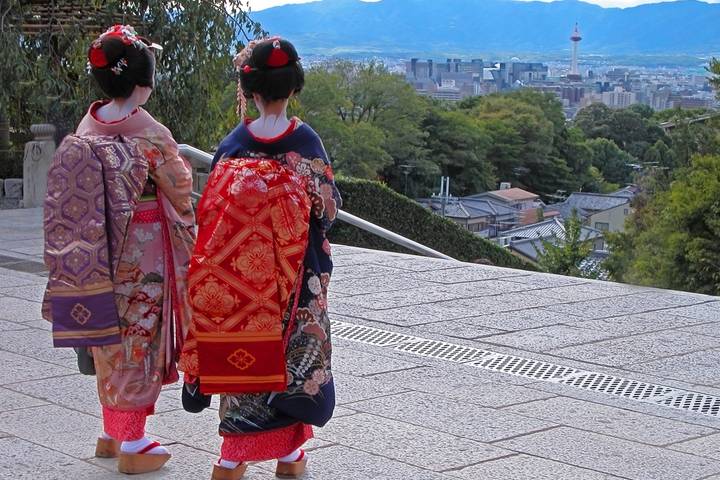
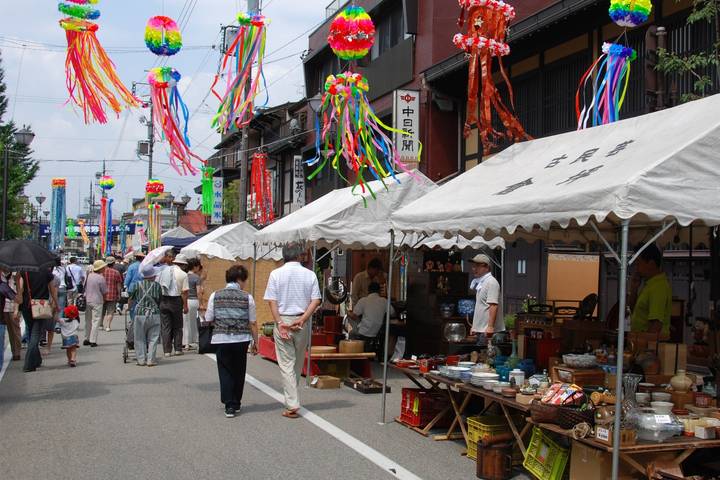
Takayama’s Edo-style wooden buildings give its old quarter a very different feel from Tokyo’s towers. You’ll walk past shops and a market selling produce, pickles, crafts, ceramics and tools, then visit a sake distillery for a sample. This is a good place to browse at an unhurried pace and see how a smaller mountain town differs from Kyoto.
A bus takes you to Shirakawa-go, a UNESCO-listed village known for its steep, thatched gassho-zukuri houses. The mountain setting and distinctive roofs make it a rewarding contrast to Japan’s cities. The visit is a day trip, not an overnight stay, so you return to Takayama.
On day twelve, the Higashiyama walk passes temples on the hillside and offers views over town. It is described as a gentle walk, not a technical hike. Comfortable shoes with good support should be enough; specialist hiking gear is not needed. Then you take the train to Nagoya and a bullet train back to Tokyo.
Guides, transport and what the price leaves out
The guide is a key part of a trip with so many stops. Past departures have included a guide named Yumi, praised for her care and explanations, while another departure had a less organized guide later in the tour. Guide assignments vary, so no particular name or style is guaranteed. The overall guide rating is 4.5 out of 5, a strong sign, but a reminder that the person leading your group can shape the experience.
Transport is arranged and included: buses, local trains, bullet trains, the Miyajima ferry and a Suica swipe card for local travel. This is not described as a Japan Rail Pass. An eSIM or mobile data plan is not included, so arrange mobile access separately if you want it.
One bag per person is forwarded from Tokyo to Kyoto. After Kyoto, luggage forwarding to Takayama is available at extra cost. Otherwise, you carry your bags through the Himeji stop and onward to Hiroshima. Pack so you can manage your luggage at stations and during hotel changes.
There are 12 nights of three-star accommodation, including the ryokan. Named hotels used on the tour have included Yaesu Terminal Hotel in Tokyo, Yamagishi Ryokan at Lake Kawaguchi, and hotels in Kyoto, Hiroshima and Takayama. The operator may substitute similar-standard properties, so treat those names as examples rather than guarantees.
Only seven breakfasts and one dinner are included. Breakfast is not provided at the Tokyo hotel, so you’ll need to buy it there; ask your guide for local suggestions. Other meals are generally at your own expense. The tour can accommodate Jain, vegetarian, vegan, Halal and kosher food options on request, but tell the operator your preference in advance.
Budget an additional USD $50 to $60 per person for entrance fees, paid locally in yen. Guide tips are optional; the suggested amount is USD $3 to $5 per person per day. The tour’s starting price also excludes international flights and visas.
Who will get the most from this route?
This trip suits first-time visitors who want to see Japan’s major sights without planning every train connection. You get a guide for context, transport between cities, and some free afternoons for your own choices. It also works well if you want both city time and a few nights in smaller places.
The pace is moderate, but not leisurely. Most days involve around 5 kilometres of walking, and some days can reach 9 kilometres. Expect temple paths, station transfers and plenty of standing. Children are welcome, though the operator does not generally recommend these tours for children under 15 because of the walking.
If you prefer long stays in each city, independent travel or a trip with every meal included, this may not be the best fit. The tour moves on often, and its value depends on how much you appreciate a guide and prearranged transport. For a first Japan visit that spans Tokyo to the mountains, that structure can be worth the cost.
Should you book the Tokyo to Takayama tour?
Book it if you want a broad first look at Japan, value guided context and like the idea of riding bullet trains without managing each connection. The ryokan, Hiroshima and Miyajima, and Takayama with Shirakawa-go give the route character beyond its major-city stops.
Think twice if you want a slower pace, full meal coverage or complete control over daily plans. Before you commit, check the departure’s group size, room arrangements and current hotel details, then add meals, entrance fees and optional activities to your budget. If those trade-offs work for you, this is a well-rounded way to connect Japan’s cities, sacred sites and mountain towns.
FAQ
Does the tour include a Japan Rail Pass?
No Japan Rail Pass is specified. The tour includes and arranges its transport by train, bullet train, bus and Suica swipe card.
Is breakfast included every day?
No. Seven breakfasts are included, along with one ryokan dinner. Breakfast is not included at the Tokyo hotel, and other meals are generally at your own expense.
Is a mobile data plan or eSIM included?
No. You’ll need to arrange an eSIM or other mobile data plan independently, either before departure or after arriving in Japan.
Do I need hiking boots for the Higashiyama walk?
No specialist hiking equipment is needed. The walk is gentle, and comfortable shoes or trainers with good support are recommended.
Can I have a private room for all 12 nights?
A single supplement provides a single room on the tour except for the Lake Kawaguchi ryokan night. There, you’ll be paired with a same-gender tour member.
What extra costs should I budget for?
Allow around USD $50 to $60 per person for entrance fees, paid locally. Meals not specified as included, optional activities, guide tips and Kyoto-to-Takayama luggage forwarding can also add to your total.
Just added in Narita
- Splendours of Japan (Takayama, Takayama Festival) 9-Day Tour by Trafalgar★ 4.1 · 14 reviews
- 9 Days Japan Golden Tour Package WITH OISHI PARK by Delightful Travel★ 4.7 · 3 reviews
- Discover Japan on a Budget: 8-Day Ultimate Starter by Vio Travel★ 2.5 · 2 reviews
- Classic Japan 11-Day Tour by Trafalgar★ 4.0 · 1 review
- Best of Japan – 8 days by On The Go Tours★ 3.8 · 3 reviews
- 14 Days Japan Panoramic (Private 3 Star Hotels) by Stunning Tours★ 4.7 · 64 reviews
- 12 Days Summer Tokyo and Hokkaido Tour by UME Travel★ 5.0 · 2 reviews
- Japan Unlimited WiFi Router – Narita Airport Pickup★ 3.5 · 15 reviews
Narita Tours, compared.

Narita Airport (NRT) Private Transfer to Central Tokyo
Read our review →
Private arrival Transfer from Narita Airport(NRT) to central Tokyo city
Read our review →
14 Days Japan Panoramic (Private 3 Star Hotels) by Stunning Tours
Read our review →
Narita Airport(NRT): Private Transfer to Tokyo/Yokohama 1-9pax
Read our review →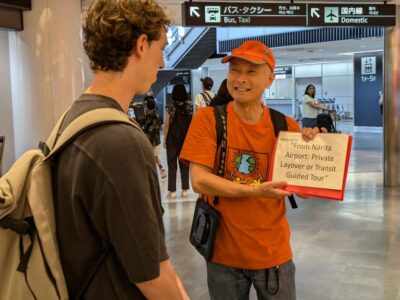
From Narita Airport: Private Layover or Transit Guided Tour
Read our review →
Airport transfer: Narita, Haneda (Tokyo), HND-NRT Airport shuttle
Read our review →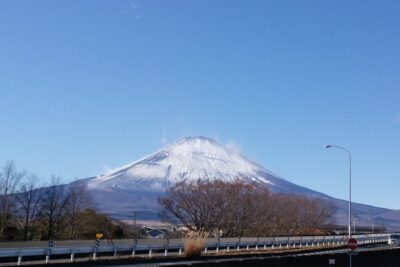
3 Day Japan Highlights Tour: Tokyo, Mt.Fuji, Nara, Kyoto, Osaka
Read our review →
For Narita Airport Users: Layover or Transit Guided Private Tour
Read our review →Browse the lists this tour appears in