
Reviewed · MULTI-DAY TOURS THAT VISIT TAKAYAMA
Colors of Japan and Hiroshima by Europamundo – 12-Day Tour Review
Tokyo’s Shibuya Crossing, Hiroshima’s Peace Memorial Park and a night in a Buddhist monastery give this route its unusual range. In 12 days, you move from major cities to island ferries, sacred sites and mountain villages, with a guide handling the long transfers and many admissions.
I like the contrast between the famous stops and the quieter places: the Golden Pavilion one day, traditional farmhouses in Shirakawa-go the next. I also like that the Mount Koya stay includes a vegetarian meal and a monk-led Ajikan meditation, rather than just a quick visit to a temple.
The trade-off is pace. You cover a lot of ground, and a “low intensity” rating does not mean little walking: Kotohira’s shrine climb alone involves 785 steps. Hotel assignments and the order of visits can change, too, so this suits you best if you value broad coverage over lingering in one place.
- Tokyo’s icons come with a city-wide sampler: Zojoji Temple, Meiji Shrine, Skytree, Asakusa, Shibuya and Shinjuku appear in a single day.
- Hiroshima and Miyajima share the same day: Expect a sobering museum visit followed by a ferry to the island and Itsukushima Shrine.
- Mount Koya is more than a sightseeing stop: You stay at a Buddhist monastery, eat a vegetarian dinner and are scheduled for Ajikan meditation.
- The route reaches beyond the usual city circuit: Matsuyama, Naruto, Katsuyama, Hida Furukawa and mountain villages broaden the picture of Japan.
- The pace rewards walkers: There are several long touring days, stairs, temple grounds and village strolls, with coach and rail transfers in between.
- The listed price is not the whole trip budget: From $4,009, it includes accommodation and many admissions, but international flights are separate.
In This Review
- A 12-day route with real range
- Tokyo: temples, towers and a quick city lesson
- Hiroshima and Miyajima: remembrance and a sea shrine
- Shikoku: castles, pilgrimage steps and sea bridges
- Mount Koya: the tour’s most distinctive overnight
- Kyoto: major sights, with a taste of Gion
- Eihei-ji and Katsuyama: Zen practice meets dinosaur fossils
- Kanazawa: samurai lanes and Kenrokuen Garden
- Gokayama, Shirakawa-go and Takayama: old houses in the mountains
- Hida Furukawa, Matsumoto and the return to Tokyo
- What the price covers, and what to weigh
- Who should book this tour?
- FAQ
- Are international flights included?
- Where does the tour start and end?
- Is the Tokyo to Hiroshima journey by bullet train?
- Which meals are included?
- What should I expect at the Mount Koya monastery?
- How much walking is involved?
- Is the tour guided in English?
A 12-day route with real range
This is a fast-moving sampler, not a slow stay in one region. Starting in Tokyo, the route heads west to Hiroshima and Miyajima, crosses to Shikoku, turns through Kobe and Mount Koya, then continues to Kyoto, Kanazawa, Takayama and Matsumoto before returning to Tokyo.
That breadth is the tour’s main value. You see major landmarks, but also smaller places and regional details that can be tricky to connect independently in a short trip. The cost is time: most days are planned, several involve substantial road travel, and free time is limited to specific afternoons and meal breaks.
The group can range from 2 to 72 people. That is a wide possible range, so the feel of the trip may depend on the departure. English guiding is specified in Tokyo, Kyoto and Kanazawa; guides may change during the tour, and some departures may use bilingual English and Spanish explanations.
Tokyo: temples, towers and a quick city lesson
Day 1 is deliberately light. After customs, a shared shuttle takes you to your hotel, and the rest of the day is free. Use it to settle in and rest; the tour’s first full day is long.
Day 2 packs in Tokyo’s contrasts. At Zojoji Temple, you get a view of Tokyo Tower and see rows of Jizo statues dressed in knitted hats and bibs. Shibuya Crossing is viewed from the bus, so you get the famous scene without a long stop to explore the surrounding streets.
Meiji Shrine brings a quieter stretch through its forested grounds. Then you ride up Tokyo Skytree to the Tembo Deck at 350 metres, weather and operating conditions permitting. The day continues through Nakamise Street in Asakusa, with its traditional shops, while Akihabara and Ginza are passed on the return route.
The evening adds a guided subway ride and walk through Shinjuku, followed by an included dinner at a local restaurant. It is a useful introduction to the city’s scale and transit system, though you should not expect a deep visit to every neighborhood. If the Skytree view is important to you, keep in mind that poor weather or other exceptional conditions may lead to a different viewpoint.
A few more options to weigh up in Tokyo
- Tokyo Disney Resort – Tokyo Disneyland & Tokyo DisneySea Park Tickets
★ 4.8 · 99,488 reviews - SHIBUYA SKY Ticket
★ 4.7 · 46,509 reviews - JR Whole Japan Rail Pass
★ 4.8 · 29,150 reviews
Hiroshima and Miyajima: remembrance and a sea shrine
A bullet train carries you from Tokyo to Hiroshima, a journey of about four hours over roughly 800 kilometres. The speed makes this long leap possible without spending the day on the road.
In Hiroshima, Peace Memorial Park, the Atomic Bomb Dome and the Peace Memorial Museum give the day serious weight. Allow yourself time to take in the museum’s exhibits; this is not just another box to tick between photo stops. The order of visits may change, but the listed sites are part of the plan.
A ferry then takes you to Miyajima, where Itsukushima Shrine is partly built over the water. You have time to visit the shrine, explore the island center and have lunch before returning to Hiroshima for dinner. It is a satisfying pairing, but it is also a full day, so the emotional shift from the museum to the island’s scenic setting can feel abrupt.
Shikoku: castles, pilgrimage steps and sea bridges
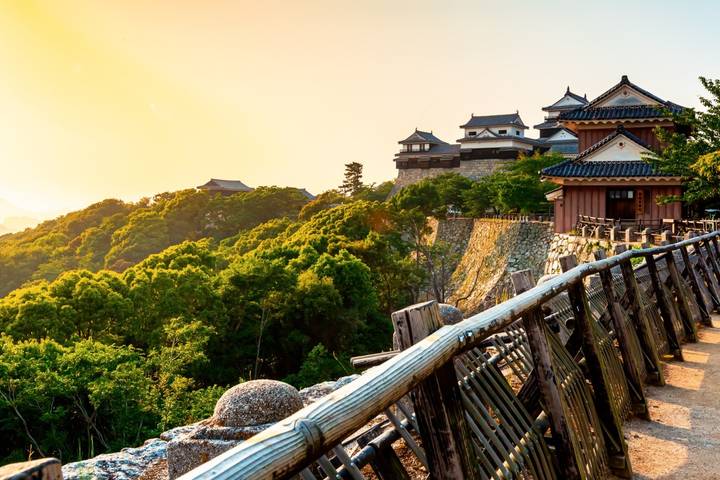
The ferry from Hiroshima to Matsuyama takes about two and a half hours and gives you a sense of how much Japan’s island geography shapes travel. In Matsuyama, a cable car helps with the ascent to the castle, followed by a visit to Ishiteji, a Buddhist temple and pilgrimage site.
Lunch is included at a local restaurant. Later, the tour includes admission to Dogo Onsen, a 19th-century bathhouse. The itinerary promises access, but gives no further detail about bathing arrangements, so check what is included if a soak is a priority for you.
The next day links Kotohira, Takamatsu, Naruto and Kobe. At Kotohira, the shrine dedicated to sailors sits up Mount Zosu, reached by climbing 785 steps. That is the day’s clearest physical challenge, and it may be tiring in heat or for anyone who finds stairs difficult.
Ritsurin Garden in Takamatsu offers a gentler counterpoint, with time to appreciate one of Japan’s notable gardens. Lunch is included before the group continues to Naruto Bridge, where you walk on a glass floor 45 metres above the sea and look down toward powerful whirlpools. The drive then crosses bridges connecting islands on the way to Kobe. This is a scenic day with several distinct stops, but expect considerable time in the vehicle.
Mount Koya: the tour’s most distinctive overnight
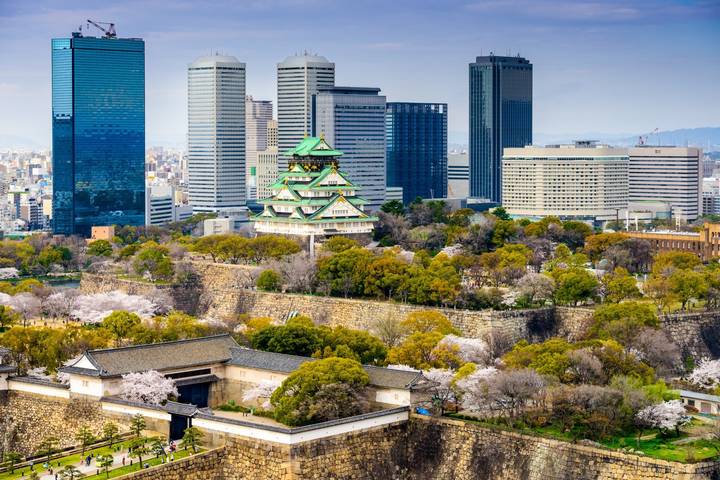
In Kobe, the Earthquake Memorial Museum explains the 1995 disaster and the city’s rebuilding. On some dates, this visit may be replaced by a Sake Museum visit or a trip up Kobe Tower, so the exact Kobe stop is not guaranteed.
From there, the route continues to Mount Koya, a major center of Shingon Buddhism with 120 temples and monasteries. You visit Okuno Mausoleum, set within a cemetery containing more than 200,000 graves, and Kongobuji Temple, originally built in 1593.
The overnight is the trip’s most unusual accommodation experience. The monastery stay is traditional and simple, with tatami rooms and shared bathrooms rather than private facilities. A vegetarian dinner is included, as is a monk-led Ajikan meditation session on the schedule. The meditation cannot be guaranteed on peak dates, and limited temple capacity can mean a nearby hotel instead. You can also attend a religious ceremony before breakfast if you wish.
If you are drawn to Japanese religious practice, this is a strong reason to choose the tour. If a private bathroom and hotel-style comforts matter more, treat the monastery night as a clear compromise, not a luxury stay.
A completely different kind of day out:
- Mt Fuji and Hakone 1-Day Bus Tour Return by Bullet Train
★ 5.0 · 26,383 reviews - TOKYO SKYTREE® Ticket
★ 4.7 · 25,136 reviews - teamLab Borderless Tickets: MORI Building DIGITAL ART MUSEUM
★ 4.7 · 24,126 reviews - teamLab Planets TOKYO Ticket
★ 4.7 · 21,663 reviews
Kyoto: major sights, with a taste of Gion
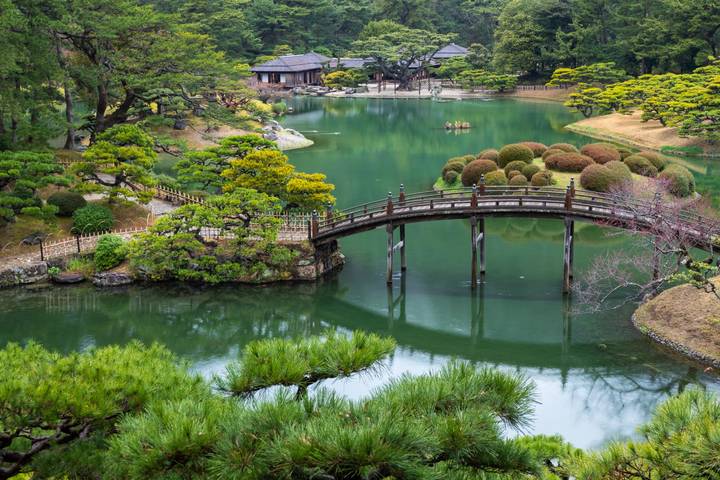
After a traditional Japanese breakfast at the temple, you travel to Kyoto. The day includes Fushimi Inari Shrine, the Imperial Palace and Kinkaku-ji, the Golden Pavilion, with its gardens. You also get free time before a visit to Gion, where another stretch of free time lets you walk through the traditional district associated with geisha culture.
The selection is a good first look at Kyoto’s variety: shrine paths, imperial history, a famous temple and a historic neighborhood. But the schedule does not leave much room to explore each site at your own pace. If Kyoto is your chief reason for visiting Japan, consider adding days before or after the tour.
Eihei-ji and Katsuyama: Zen practice meets dinosaur fossils
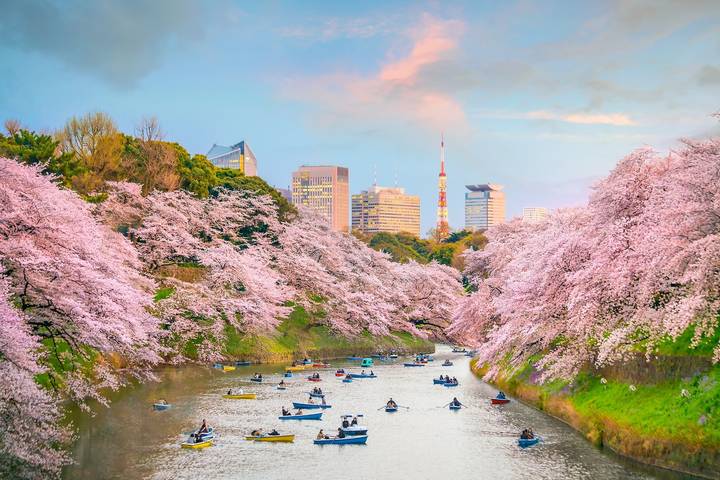
The route leaves Kyoto and stops at Shirahige Ginra Shrine beside a large lake before reaching Eihei-ji. Founded in 1244, this temple-monastery remains a major Zen training center. Its setting and disciplined monastic life offer a different perspective from the grand, highly visited temples in Kyoto.
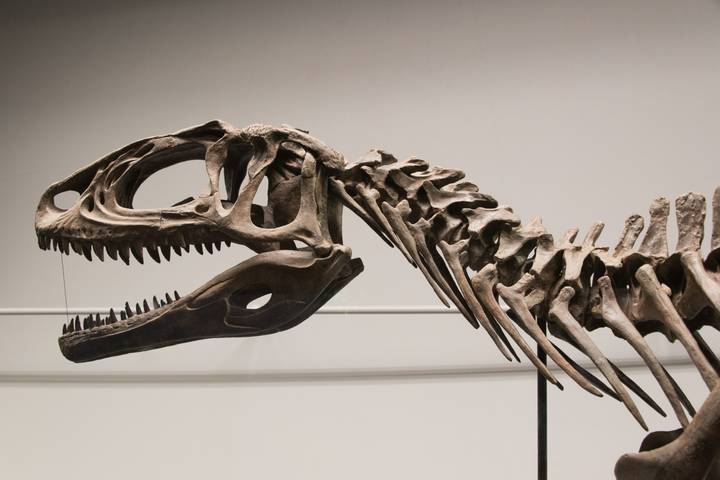
In Katsuyama, the itinerary takes a playful turn at Japan’s largest dinosaur fossil site. The Dinosaur Museum displays more than 40 dinosaur skeletons, with free time for lunch and exhibits. The day also includes the Great Buddha of Echizen and a five-story pagoda that you can climb for views.
This mix is a practical strength of the route: not every stop is a shrine or castle, and the museum makes the day appealing to families and anyone ready for a break from temple visits. Still, you are covering several sites before arriving in Kanazawa by evening.
Kanazawa: samurai lanes and Kenrokuen Garden
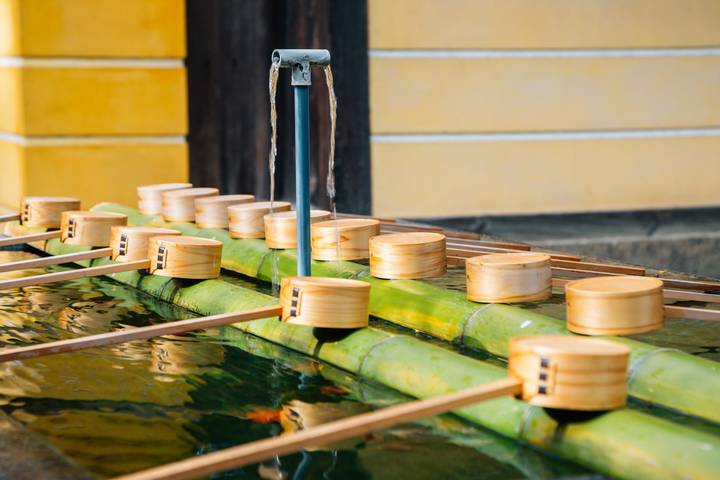
A guided morning in Kanazawa covers the castle area, the former samurai neighborhood of Nagamachi, Kenrokuen Garden and Omicho Market. Nagamachi’s narrow lanes, earthen walls, gates and water canals make it one of the route’s best places to picture how a historic city worked at street level.
Kenrokuen is one of Japan’s three celebrated gardens, and admission is included. The tour finishes at Omicho Market, where you can choose lunch, then leaves the afternoon free. That balance works well: you get an organized introduction and a chance to follow your own interests afterward.
Kanazawa also gives you a useful pause after several busy touring days, since you stay for two nights. Use the free afternoon to revisit an area or take a slower walk rather than trying to add too much.
Gokayama, Shirakawa-go and Takayama: old houses in the mountains
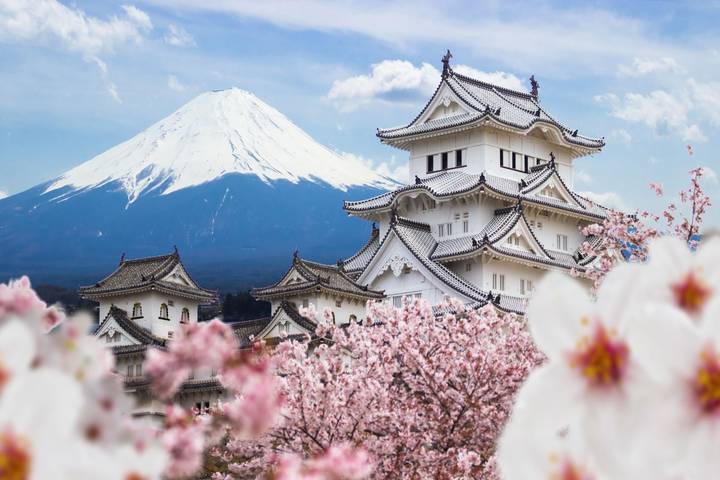
The route through Ainokura and Shirakawa-go takes you into mountain villages known for steep-roofed farmhouses designed to handle heavy winter snow. The roof shape resembles joined hands, which explains the familiar description of the houses as “praying hands.” You have time to stroll in Ainokura and the larger village of Shirakawa-go Ogimachi, as well as time for lunch.
The villages are designated UNESCO World Heritage areas, but their appeal is not only their age. The buildings show how people adapted homes to local weather and ways of life. Shirakawa-go is the more popular stop; Ainokura is smaller, giving the day a welcome change in scale.
In Takayama, the Hida Folk Village Museum gathers more than 30 traditional houses from the Edo period, relocated there in 1971. Tools and household items show how people lived, and free time afterward lets you explore Takayama’s old town, with its wooden buildings and traditional shops. It is a full day, yet the village visit and open-air museum make the long drive worthwhile.
Hida Furukawa, Matsumoto and the return to Tokyo
The final touring day begins in Hida Furukawa, where you walk through the old town and visit a museum dedicated to its festival. The festival’s floats, costumes and drums are displayed there; the festival itself is recognized as UNESCO Intangible Cultural Heritage.
Next comes the journey across the Japanese Alps to Matsumoto. The town’s 16th-century black castle is known as Crow Castle, and you have free time for lunch and a look around. Then it is back to Tokyo, arriving in the evening. It is a long finish, so avoid making tight plans for the night.
Day 12 ends after breakfast. The tour includes the arrival shuttle in Tokyo, but international flights at either end are not included.
What the price covers, and what to weigh
The starting price is $4,009 for the cheapest room basis. For that, you get 11 nights of accommodation, the listed rail and ferry transport, a broad set of admissions, an arrival transfer, basic travel insurance, and selected meals: two lunches and three dinners. The Tokyo-Shinjuku evening subway trip is included, as are several major transport experiences such as the Tokyo-Hiroshima bullet train and Hiroshima-Matsuyama ferry.
The hotels are described as four-star, with private bathrooms and televisions, but the operator notes that they are selected for quality, price and location rather than luxury. Many are outside the city center, though public transport is nearby. Room sizes, bed sizes and facilities can vary. The Mount Koya monastery is the notable exception to standard hotel expectations, with traditional rooms and shared bathrooms.
The value is strongest if you want a planned route with transport, admission and logistics taken care of. It is weaker if you prefer to choose every meal, spend several days in one city or travel at a slower pace. The tour’s low physical rating should also be read alongside the real walking: the May 2025 experience was described as involving a lot of it. Bring comfortable shoes and be ready for stairs, temple grounds and village paths.
Who should book this tour?
I’d choose this trip if you have 12 days, want to see several regions, and value a guide and arranged transport more than unscheduled time. It is especially appealing if the monastery night, Hiroshima’s memorial sites, gardens and rural villages all belong on your Japan wish list.
Think twice if you want a relaxed holiday, need to avoid substantial walking, or expect luxury accommodation throughout. Also allow room for changes: Europamundo may alter the order or sites because of weather, traffic, events or other exceptional conditions. If a broad first visit sounds worth the brisk pace, this route offers an unusually varied introduction to Japan.
FAQ
Are international flights included?
No. Flights before and after the tour are not included in the price.
Where does the tour start and end?
It starts in Tokyo, where an arrival shuttle takes you to the hotel. The tour ends in Tokyo after breakfast on Day 12.
Is the Tokyo to Hiroshima journey by bullet train?
Yes. The journey takes about four hours and covers roughly 800 kilometres.
Which meals are included?
The tour lists two lunches, in Matsuyama and Takamatsu, and three dinners, in Tokyo, Hiroshima and Mount Koya. A traditional Japanese breakfast is included at the Mount Koya temple; other breakfasts are listed on specific days.
What should I expect at the Mount Koya monastery?
Rooms are traditional and simple, with tatami mats and shared bathrooms. A vegetarian dinner is included, and a monk-led Ajikan meditation is scheduled, though it may not be available on peak dates. A nearby hotel may be used if temple space is limited.
How much walking is involved?
The tour is rated low intensity, but it includes substantial walking at city sights, temples and villages. The climb to the Kotohira shrine involves 785 steps.
Is the tour guided in English?
English-speaking guiding is specified for Tokyo, Kyoto and Kanazawa. Guides may change during the trip, and some departures may use bilingual English and Spanish explanations.
Just added in Tokyo
- Wonders Of Japan 10-Day Tour by Travel Talk★ 4.5 · 14 reviews
- Wonders of Japan end Tokyo GO 15-Day Tour by Europamundo★ 4.2 · 10 reviews
- Wonders of Japan end Tokyo 15-Day Tour by Europamundo★ 4.2 · 10 reviews
- Wonders of Japan End Osaka by Europamundo – 12-Day Tour★ 4.2 · 58 reviews
- Wonders of Japan End Osaka (including Fukuyama) 12-Day Tour by Europamundo★ 4.2 · 58 reviews
- Wonders of Japan End Osaka GO by Europamundo – 12-Day Tour★ 4.2 · 58 reviews
- Walk Japan – Kumano Kodo Trail 12-Day Tour by Explore!★ 4.7 · 20 reviews
- Visions of Japan with Hiroshima & Osaka 15-Day Tour by Globus★ 5.0 · 75 reviews
Multi-Day Tours That Visit Takayama, compared.



Tokyo to Osaka by Rail – Private Tour (14 Days) with Explore!
Read our review →
Japan: Land of the Rising Sun 12-Day Tour by Intrepid Travel
Read our review →
Stunning Japan with Shirakawa-go by Stunning Tours – 8-Day Osaka to Tokyo Tour
Read our review →
Visions of Japan with Hiroshima & Osaka 15-Day Tour by Globus
Read our review →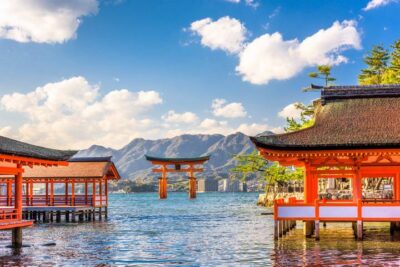
Best of Japan by Contiki – 13-Day Tokyo to Osaka Tour
Read our review →
14 Days Japan Panoramic (Private 3 Star Hotels) by Stunning Tours
Read our review →Browse the lists this tour appears in