
Reviewed · TEMPLES AND SHRINES
Environmental Conservation Volunteering, Cultural Immersion and Temple Stay on Sado Island by World Unite Japan: Itinerary & Reviews
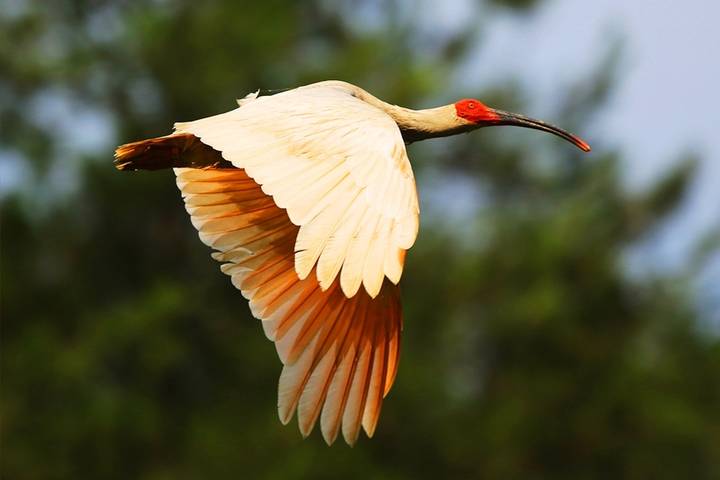
Sado Island’s conservation work is tied to everyday local life: rice fields are maintained as habitat for the threatened Crested Ibis, and you may work alongside farmers on old irrigation channels. At night, you return to a temple garden and a furnished tent. This is a practical way to see rural Japan beyond the usual city itinerary.
I like two things in particular: the program links hands-on work to real local concerns, and it brings you into contact with residents, schoolchildren, farmers, and Japanese volunteers. The temple visit and the Crested Ibis program give the week welcome depth beyond the work itself.
One consideration: this is a volunteer camp, not a polished hotel stay. The tent setup, insects, summer heat, and variable activity schedule may not suit everyone. Past participants also raised concerns about cleanliness and allergy care, so ask the operator specific questions before booking.
In This Review
- At a glance
- A Temple Garden Base for a Working Week
- Bamboo Crafts and a First Look at Sado
- Rice Fields, Biotopes, and the Crested Ibis
- Temple History, Beach Cleanup, and Farm Lessons
- Wild Herbs and a Take-Home Blend
- The $670 Fee: What It Covers and What It Does Not
- Who Should Book This Sado Island Program?
- Should You Book?
- FAQ
- What does the $670 starting price include?
- Where will I sleep?
- How many days a week are activities scheduled?
- When does the program operate?
- Is this program suitable for vegetarians?
- How do I get to Sado Island?
- Can I stay longer than one week?
- What kind of physical work should I expect?
At a glance
- Sleep in a temple garden: Accommodation is described as a furnished tent at Chokokuji Temple, with communal showers and toilets.
- Work with the Crested Ibis in mind: Help maintain biotopes, rice terraces, and irrigation systems that support the bird’s habitat.
- Meet Sado residents through shared projects: Activities can include bamboo workshops with local schoolchildren and farm work with local growers.
- Expect seasonal variety: Bamboo-shoot harvesting, rice planting and harvest, and beach pizza are tied to the time of year.
- Plan for a working week: Activities usually run Monday to Friday, with weekends generally free. July and August may have activities seven days a week.
- Budget for more than the program fee: The first week starts at $670, but your trip to and from Sado Island, insurance, and personal expenses are not included.
A Temple Garden Base for a Working Week
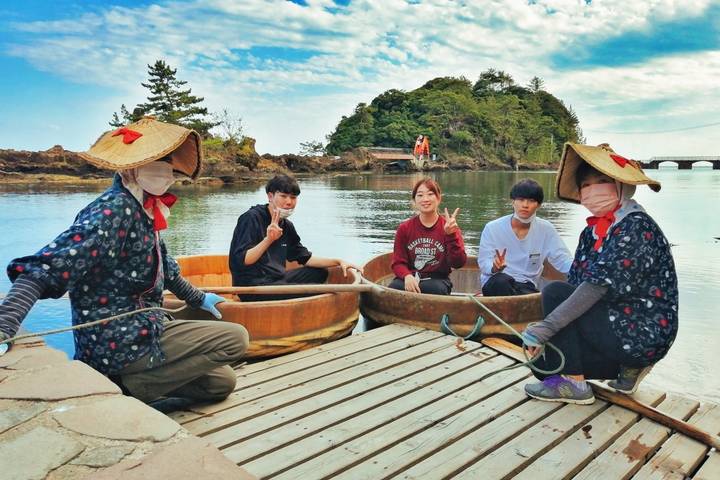
Sado Island sits off the coast of central Japan, and its mix of steep hills, rocky shoreline, rice fields, and small communities feels a long way from the country’s big-city routine. The island’s history adds another layer. Its Edo-period gold and silver mines drew people from across Japan, helping shape a local culture known for traditional drumming, theater, crafts, and food.
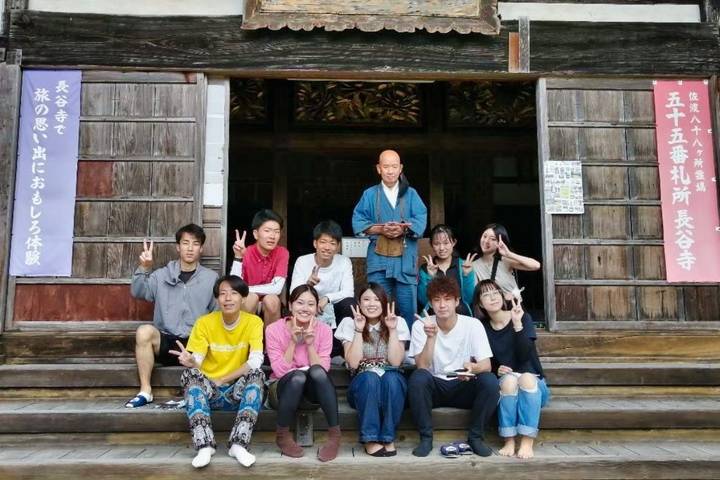
Your base is Chokokuji Temple, a major temple complex said to date to 807. The temple remains in use, and its grounds include old cedar trees, flowering gardens, and cultural treasures. A monk leads a tour and talks about Buddhist teachings and the temple’s past. The temple itself is not just a place to sleep between activities. It is part of the program.
The accommodation is a large furnished tent in the temple garden, with single, twin, and four-share options. Sleeping bags, rechargeable lights, and umbrellas are provided. Volunteers have access to two hot-and-cold showers, toilets, and indoor and outdoor shared areas for meals and downtime. The arrangement is simple and communal, so pack for camping rather than expecting a private hotel room.
There is some uncertainty in the accommodation details. The program description centers on Chokokuji and tents, while one past participant described staying in a tatami room at Koninji. Confirm which accommodation applies to your dates, and ask about tent condition, food storage, cleaning, and allergy procedures. One July 2024 participant reported serious problems with bugs, leaks, and cleanliness. That is not a reason to assume every stay will be the same, but it is a good reason to get clear answers before paying.
More Temples and Shrines in Japan:
- [Kyoto & Nara Day Tour] Sagano Scenic Railway & Nara Park & Fushimi Inari Taisha Thousand Torii Gates & Togetsukyo Bridge & Bamboo Grove & Kimono Forest (Departing from Osaka)
★ 4.9 · 10,942 reviews - Mount Fuji & Hakone – Lake Ashi Torii Gate, Hakone Shrine, Hakone Pirate Ship, Hakone Ropeway, Owakudani, Lake Yamanaka & Oshino Hakkai Day Trip: Sea, Land, and Air Panoramic Tour from Tokyo
★ 4.8 · 7,989 reviews - Kyushu One-Day Tour: Yufuin no Mori Train & Yufuin Town & Nyoirin-ji Temple & Dazaifu & Hell Hot Springs (Departing from Fukuoka)
★ 4.9 · 4,474 reviews
Bamboo Crafts and a First Look at Sado
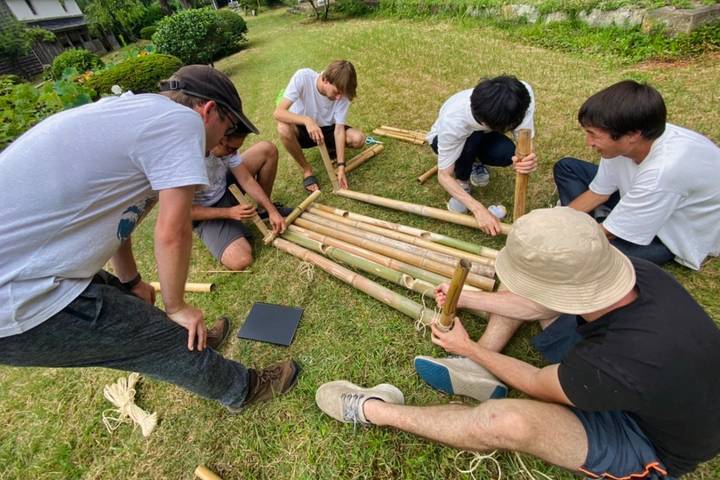
Your first full day begins with orientation: the project’s purpose, local life, and practical details. Then you may help prepare a bamboo workshop for local children. A carpenter and artist shows you how to make items such as toys, utensils, and musical instruments, and you may help teach the craft to Japanese schoolchildren.
This is a useful opening activity because it is social and hands-on without demanding prior skills. It also puts bamboo in a practical context: it grows quickly and can replace some less sustainable materials. From April through June, the work may include gathering bamboo shoots for school meals. The exact task depends on the season and local needs, so treat the weekly schedule as a sample rather than a promise.
Japanese volunteers are part of the program, which creates a natural setting for cultural and language exchange. Past participants have particularly valued the friendships across nationalities and ages, as well as the effort of the staff. Summer and Hitoki led a group in 2024 and were praised for creating a welcoming atmosphere, but you should confirm who will be leading your dates.
Rice Fields, Biotopes, and the Crested Ibis
The conservation work becomes especially clear at Iwakubi’s rice fields. There, a biotope provides habitat for amphibians, fish, and other small creatures that feed Crested Ibises. You may cut back grass and shrubs to give birds access to water, and help monitor local plants and animals. It is field work, not a wildlife-watching tour, but it shows how habitat depends on steady maintenance.
You may also help older farmers maintain historic irrigation systems. That practical task connects conservation to farming infrastructure: water levels and channels affect both crops and the small ecosystems around them. Lunch is an obento eaten at the work site, and the day typically ends back at the temple for dinner.
Another day takes you to the Crested Ibis Rehabilitation Center. The bird, once found across parts of East Asia, became extinct in the wild in Japan in 2003. Japan and China began a breeding and reintroduction effort on Sado, with birds released from 2008 and wild hatchings recorded in 2012. The program information gives a current island population of around 440 ibises. The visit helps explain why rice farming methods and habitat restoration matter to conservation.
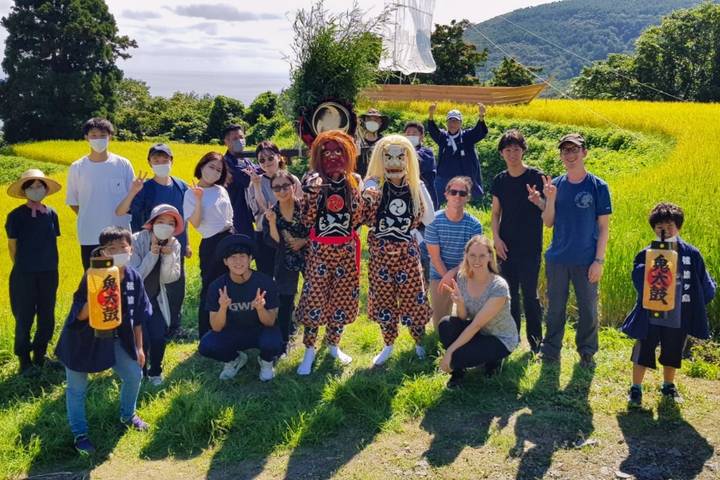
From there, you may work with the farming community in Ogura, where steep terraced fields date to the 17th century. These plots are difficult to farm commercially, but their upkeep helps preserve habitat and reduce the risk of landslides. Depending on the season, your work could involve checking irrigation channels or reinforcing field edges. Planting is in April and harvest is in October; other months bring maintenance tasks.
Temple History, Beach Cleanup, and Farm Lessons
At Chokokuji, volunteer work may involve light gardening, maintenance, or setting up activities for school groups. The monk’s tour gives context to the place: the temple is known for important Buddhist statues, including eleven-headed Kannon figures shown publicly only once every 33 years. The next scheduled viewing is in 2034. The grounds also hold enormous old cedars and a Japanese umbrella pine, and a large stone Rabbit Kannon statue is lit at night.
The work is described as light, which makes this day a change of pace from field tasks. It is also a chance to ask questions about Buddhist practice and local religious life, rather than simply passing through a temple as a sightseeing stop.
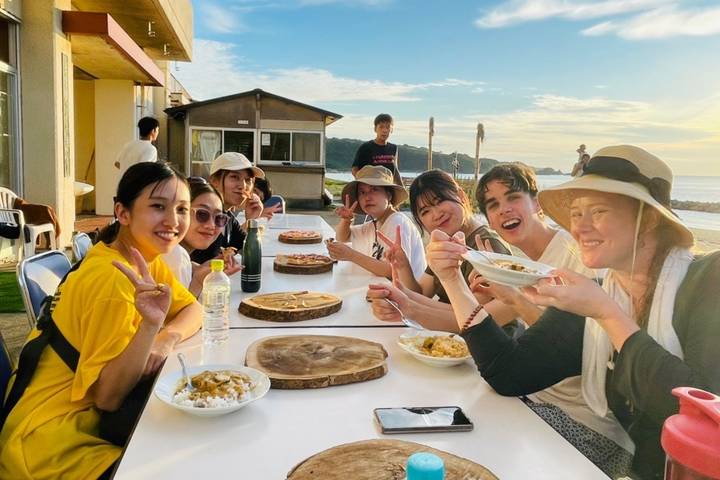
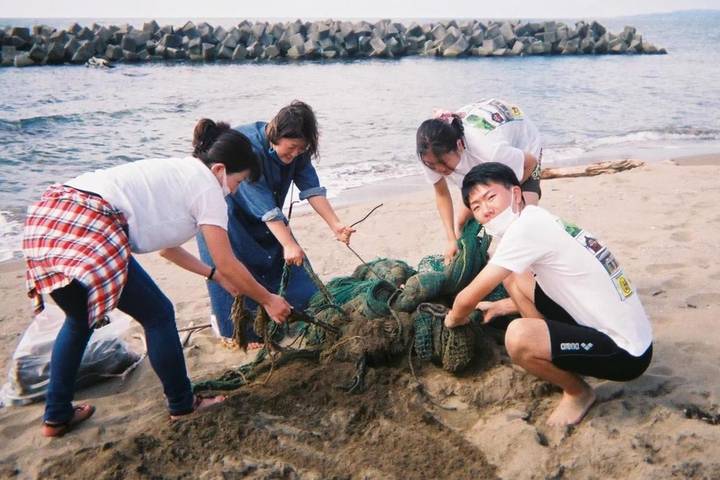
Sobama Beach brings a different kind of conservation activity. In small teams, you collect plastic rubbish and abandoned fishing gear from the beach and breakwater. The friendly competition and small prize add a playful note, while the accompanying discussion explains coastal pollution. Local children from a nearby campsite sometimes join in. In summer, the group may bake pizza in a stone oven and watch the sunset.
You may also visit Shukunegi, a historic fishing village that has remained largely unchanged since the Edo period. It offers a glimpse of island life beyond the temple and project sites, though the visit depends on the schedule. A separate farm day combines a short lesson on agriculture and biodiversity with work at a farm that uses both industrial and organic methods. You can hear directly from the farmer and compare the approaches. Other sessions may cover climate change, coastal pollution, or overfishing, sometimes followed by a practical or research task.
A completely different kind of day out:
- Tokyo Disney Resort – Tokyo Disneyland & Tokyo DisneySea Park Tickets
★ 4.8 · 99,488 reviews - Universal Studios Japan Studio Pass
★ 4.8 · 89,883 reviews - Universal Studios Japan Express Pass
★ 4.7 · 53,138 reviews - SHIBUYA SKY Ticket
★ 4.7 · 46,509 reviews
Wild Herbs and a Take-Home Blend
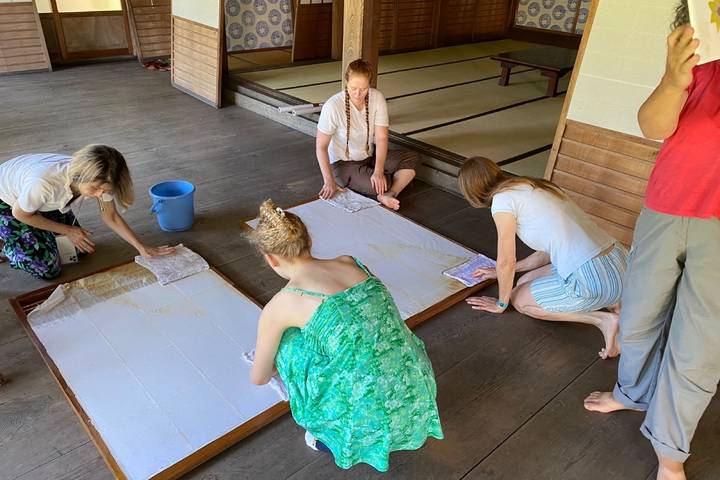
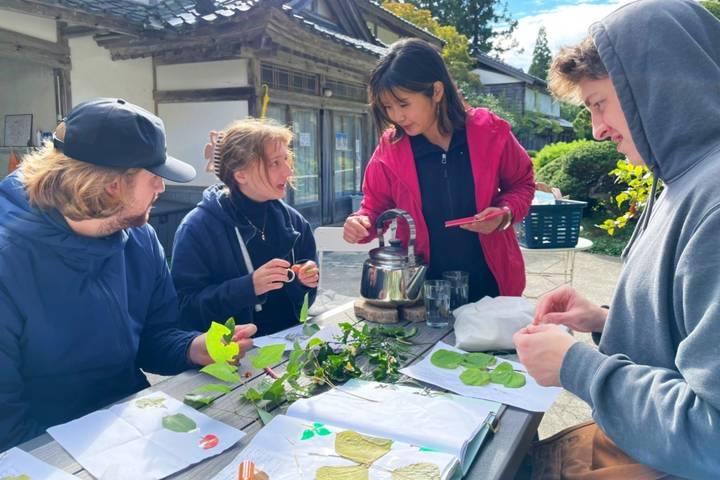
The final day may begin with local herbal specialists leading a forest walk to collect wild plants and tree leaves. They explain what you are gathering, then you help clean, dry, and grind the material at a local company. The group makes herbal tea blends, and you can take your own blend home.
It is a small-scale activity, but it rounds out the week nicely. You have spent earlier days working with fields, water, and coastlines; this brings attention to the plants people gather and use. If you stay longer than one week, the program continues with other activities rather than ending at the herb workshop.
The $670 Fee: What It Covers and What It Does Not
The first week starts at $670 for four-share accommodation. The fee includes full board, program activities, local activity transfers, and pickup and drop-off at Sado’s Ryotsu ferry terminal. Meals are served buffet-style at the temple or at activity sites; vegetarian food is available on request. Water, coffee, and tea are included.
An additional week costs $360 at the stated rate. Upgrading from four-share to twin is listed at an extra $70 per week, and single occupancy at $110 per week. Confirm current prices and room availability directly, since separate booking information gives slightly different twin-upgrade figures.
For a week with lodging, meals, transport on the island, guided activities, and staff support, the price can represent reasonable value. But it is not an all-in Japan holiday. Your travel to Sado, flights, insurance, weekend activities, bicycle rental, and personal expenses are extra. You also need to account for the ferry journey and plan to reach the departure port by early afternoon to catch the scheduled ferry.
The program runs annually from the first Monday of April to the third Monday of October, though listed departure months run April through September. Confirm October dates if you are considering a late-season visit. Activities usually take place on weekdays, with weekends off; July and August may have a seven-day schedule. Summer offers the possibility of beach pizza and sunsets, but heat and insects are real considerations. One August participant recommended bringing plenty of insect repellent and noted the weather can be steamy.
Who Should Book This Sado Island Program?
I’d consider this a good fit if you want a structured way to meet local people and are comfortable pitching in on farm, garden, and cleanup tasks. It also suits you if you value learning how conservation works on the ground more than ticking off famous sights. The group can range from one to 52 people, and the minimum age is 14. The activity level is rated medium, so you should be comfortable with somewhat demanding outdoor work.
A week gives you a solid introduction, but two weeks may offer more time to see the island on your free days and adapt if weather changes the schedule. The extra week is substantially cheaper than the first, though you will need to arrange it with the operator. A past participant also found that a second week helped when weather disrupted an activity.
This is not the right choice if you need private, hotel-style accommodation, carefully controlled conditions, or a fixed daily itinerary. The work is seasonal and changes with local needs. It may also be frustrating if you expect every task to produce an obvious result that you can measure by the end of the day. Conservation often means maintenance: cutting vegetation, repairing channels, and keeping fields usable.
Should You Book?
Book if you are ready for communal living and want a close-up look at rural Sado through conservation, farming, temple life, and local exchange. The strongest reasons to go are the staff-led activities, contact with Japanese volunteers and communities, and the link between traditional rice farming and Crested Ibis habitat.
Before you commit, ask World Unite Japan to confirm your exact sleeping arrangement, tent condition, food and allergy procedures, group size, and the schedule for your dates. If those answers suit you, this is a distinctive week on an island that most Japan itineraries leave off the map. If comfort and certainty matter more than participation, choose a conventional stay and visit Sado independently instead.
FAQ
What does the $670 starting price include?
The first-week price includes four-share accommodation, full board, program activities, and pickup and drop-off at Ryotsu ferry terminal. Travel to Sado, flights, insurance, personal expenses, and weekend leisure activities are not included.
Where will I sleep?
The accommodation is described as a fully furnished tent in the garden of Chokokuji Temple. Single, twin, and four-share options are offered, with upgrades costing extra. Confirm the exact accommodation for your dates, as past stays have also involved tatami rooms at Koninji.
How many days a week are activities scheduled?
Activities usually take place Monday to Friday, with weekends free. During July and August, activities may run seven days a week. Meals are provided seven days a week.
When does the program operate?
It operates annually from the first Monday of April to the third Monday of October. Listed departure months are April through September, so confirm availability if you want to join in October.
Is this program suitable for vegetarians?
Yes. Vegetarian food is available on request. Tell World Unite Japan which food option you prefer.
How do I get to Sado Island?
Travel to Sado is not included, but the operator can provide travel information and support with the journey from Tokyo. The program includes transfers to and from Ryotsu ferry terminal on arrival and departure.
Can I stay longer than one week?
Yes. The program can be extended, subject to your visa and the season. The stated price is $360 for each additional week, and you should contact the operator to arrange a longer stay.
What kind of physical work should I expect?
The program is rated medium intensity. Activities may include cutting grasses and shrubs, helping maintain rice fields and irrigation channels, farm work, temple gardening, and beach cleanup. The exact tasks depend on season and local needs.
Just added in Japan
- A One-of-a-Kind Sushi Experience in a Special Place of Japan★ 5.0 · 15 reviews
- Tokyo Cute Bento Cooking Class – Make a Kawaii Character Lunchbox★ 5.0 · 126 reviews
- Japanese Home Cooking Class & Walk in Todoroki Temple Tokyo★ 5.0 · 88 reviews
- Japan Tokyo Tower Observatory Deck E-Ticket★ 4.0 · 34 reviews
- Catch a Baseball Game in Tokyo with a Local – Tickets Included★ 5.0 · 24 reviews
- JDM Experience with Fast&Furious RX-7 (English speaking Driver)★ 5.0 · 57 reviews
- Tokyo Private Day Tour by Car with English speaking Driver Guide★ 4.0 · 29 reviews
- Japan Classic 10 Day – One Life Adventures★ 5.0 · 129 reviews
Temples and Shrines, compared.
Kyushu One-Day Tour: Yufuin no Mori Train & Yufuin Town & Nyoirin-ji Temple & Dazaifu & Hell Hot Springs (Departing from Fukuoka)
Read our review →
Fushimi Inari, Kinkakuji, Bamboo Grove 1 Day Bus Tour
Read our review →
Tea Ceremony in a Traditional Tea House in Kiyomizu
Read our review →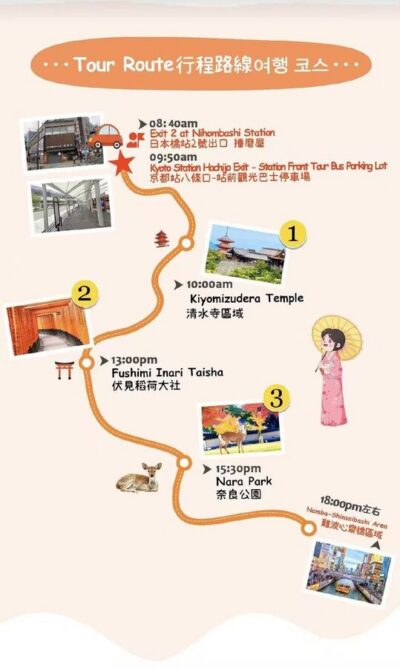
Kyoto Nara Day Trip │ Kiyomizu-dera Temple + Fushimi Inari-taisha Shrine + Nara Park (Departing from Osaka/Kyoto)
Read our review →
Browse the lists this tour appears in