Reviewed · MULTI-DAY TOURS THAT VISIT OSHINO
Essence of Japan 8 Days 7 Nights by UTOvacation: Itinerary & Reviews
The appeal here is the sweep: in eight days you go from Osaka’s castle grounds and Nara’s free-roaming deer to Kyoto’s torii gates, Mount Fuji’s lakeside scenery and Tokyo’s old-town streets. I like that the route includes three nights in Tokyo and leaves two days mostly open, so you get time to explore beyond the scheduled stops.
I also like the contrast between the cities and the Fuji Five Lakes area, especially the clear spring-fed pools at Oshino Hakkai and the Lake Yamanakako cruise. But there’s a key correction to the grand promise: this is a Mount Fuji sightseeing tour, not a climb. And the low ratings for the tour and operator make reliability a real concern, not a footnote.
In This Review
- Key points before you book
- Osaka starts with an airport transfer and a free evening
- Osaka Castle, Nara’s deer and Kyoto’s red gates
- Kyoto’s free day: choose a focused plan
- Oshino Hakkai and Lake Yamanakako, with Fuji in view
- Tokyo’s palace grounds, Sensoji and Nakamise
- Two Tokyo days, with optional guided help
- What the price includes, and what it does not
- Who should consider this tour?
- Should you book it?
- FAQ
- Does the tour climb Mount Fuji?
- Where does the tour start and end?
- How many hotel nights are included?
- Are meals included?
- How much do the optional city tours cost?
- What is the group size?
- Are flights included?
Key points before you book
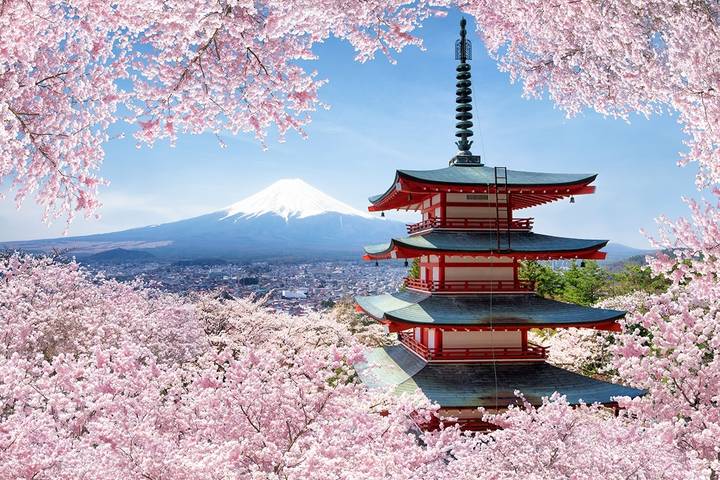
- Fuji views, not a summit ascent: The scheduled visit covers Oshino Hakkai and Lake Yamanakako. No climb is described.
- A fast introduction to four major stops: Osaka, Nara, Kyoto and Tokyo are joined by coach, with just one night in the Fuji Five Lakes area.
- Two useful free days: Kyoto and Tokyo each have an unscheduled day, with optional guided city tours for an extra fee.
- Breakfast and hotels are included: The package specifies hand-picked four-star hotels, but the named hotels are examples or similar properties, not guaranteed choices.
- Reliability deserves scrutiny: The tour is rated 1.5 out of 5 across 17 ratings, while UTOvacation is rated 2.2 out of 5 across 58. Transport and guide scores are especially low.
- Budget for extras: Lunches, flights, travel insurance, tips and optional tours are not included.
Osaka starts with an airport transfer and a free evening
Day one is deliberately light. A pickup from Kansai International Airport is offered between 8 a.m. and 9 p.m., followed by transfer to your hotel near the airport. The listed possibilities include Washington Hotel Kansai Airport, Karaksa Spring Hotel Kansai Air Gate and Izumisano Center Hotel Kansai International Airport, or similar.
That location matters. This is a practical arrival night, not a central Osaka base for a full city stay. Check-in is generally no earlier than 3 p.m.; baggage storage can be arranged at the hotel. If you arrive early, plan for a wait before you can settle into your room.
The tour suggests using the rest of the day to rest or sample Osaka’s food scene. Osaka is known for its local cuisine, but no meal beyond hotel breakfast is included. Treat dinner as your first independent choice, and allow for the possibility that you will be tired after a long flight.
The airport transfer requires your full name, flight number and pickup time, with flight details due 30 days before departure. This is more than routine paperwork in light of the reported transfer problems associated with UTOvacation. Get written confirmation of the arrangement, keep the emergency contact details handy, and have a backup plan for reaching the hotel.
A few more options to weigh up in Japan
- Universal Studios Japan Studio Pass
★ 4.8 · 89,883 reviews - Universal Studios Japan Express Pass
★ 4.7 · 53,138 reviews - Osaka Amazing Pass
★ 4.7 · 21,697 reviews
Osaka Castle, Nara’s deer and Kyoto’s red gates
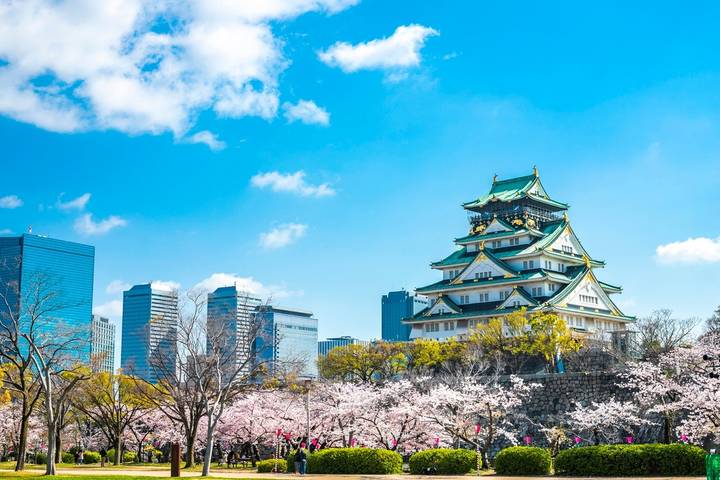
Day two packs three distinct stops into one coach day. At Osaka Castle Garden, you can see the castle tower, moat and stone walls from the surrounding green space. The castle is tied to Japan’s sixteenth-century unification, so even a short visit gives the city’s past some shape. The tour specifies the garden; do not assume that admission to the castle interior is included.
Shinsaibashi gives you a short break for shopping in Osaka’s main commercial area. It is a useful chance to browse or grab a snack, though free time here is not the same as an extended neighborhood visit.
In the afternoon, the coach continues to Nara Deer Park. Around 1,200 deer roam the park, and in Shinto tradition they are regarded as messengers of the gods. It is an unusual sight, but it can also be a busy one. Give yourself time to watch the animals rather than treating the stop as a quick photo opportunity.
The day ends at Fushimi Inari Shrine in Kyoto. Its famous vermilion torii gates climb the wooded slopes of Mount Inari, linking the main shrine at the base with smaller shrines higher up. You can enjoy the first section without a long hike, or walk farther if the group’s schedule allows. Ask your guide how much time is set aside before heading uphill.
This is a satisfying introduction to western Japan, but it is a lot of movement in a single day. The experience depends on how much time is allowed at each stop, and the published plan does not give exact visit durations.
Kyoto’s free day: choose a focused plan
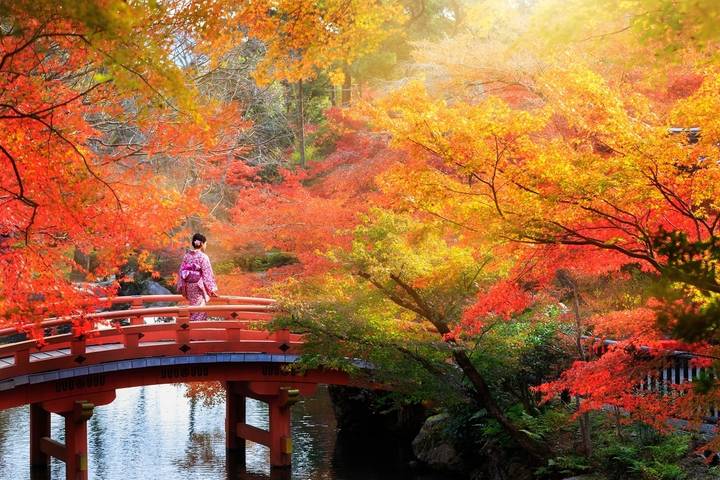
Day three is open, with an optional full-day Kyoto tour priced at US$79 per person. It visits Kinkaku-ji, the Golden Pavilion; Kiyomizu-dera, a temple with more than 1,200 years of history; Nijo Castle; and Gion, where you may see maiko. The price can make sense if you want transport and a planned route between several widely spaced sights.
The trade-off is flexibility. If you prefer a slower day, choose one or two places and spend time in the surrounding streets rather than racing through four headline stops. The optional tour requires a minimum number of participants, and it may be canceled or incur a FIT surcharge if the minimum is not met.
Kyoto’s assigned hotel is one of three listed possibilities, including S Peria Hotel Kyoto, Hotel MyStays Kyoto-Shijo and Kyoto Yamashina Hotel Sanraku, or similar. These names are not a promise of a particular property. Confirm the final hotel and its location before planning independent sightseeing or dinner.
Oshino Hakkai and Lake Yamanakako, with Fuji in view
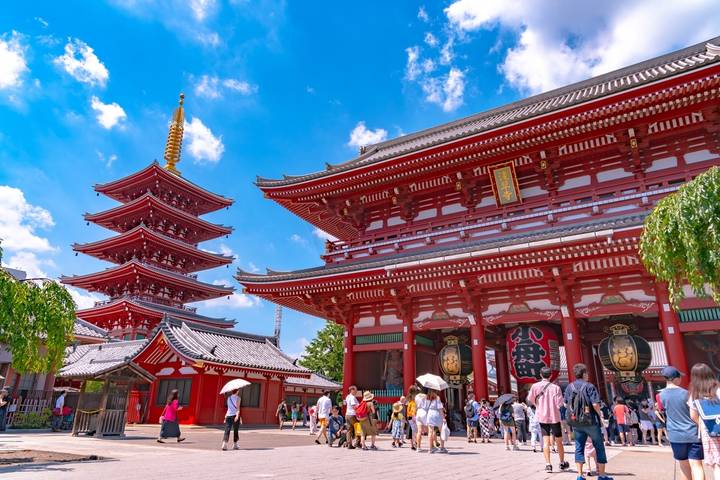
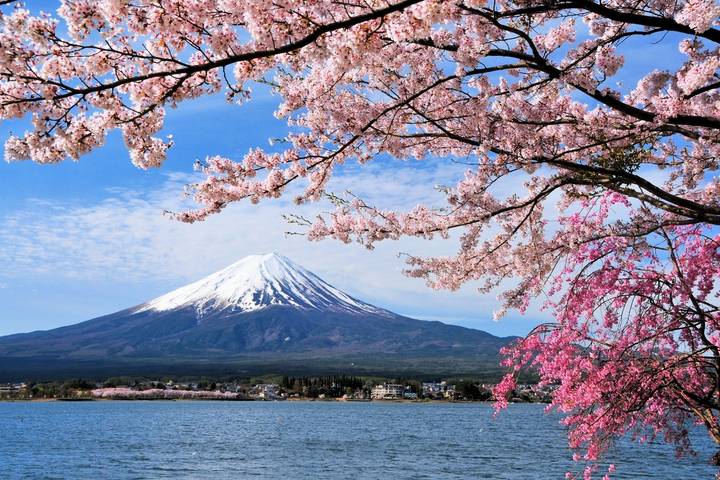
Day four is the route’s main nature day, traveling by coach from Kyoto to the Fuji Five Lakes area. Oshino Hakkai’s eight ponds are fed by snowmelt from Mount Fuji. The water filters through volcanic rock for decades before reaching the pools, which explains their clarity and local importance.
The stop offers a gentler view of Fuji-country life than a mountain hike would. You can walk among the ponds and village scenery, then continue to Lake Yamanakako for a cruise with views toward Mount Fuji. The mountain’s appearance depends on weather and visibility, so no tour can promise a clear view.
Lunch is at your own expense during a stop along the route. Since this is a full day of sightseeing and coach travel, bring money for food and keep any personal purchases separate from the tour budget. You spend the night in the Fuji Five Lakes area, a welcome change from the city hotels.
One piece of wording needs care: the tour overview says to climb Mount Fuji, but the detailed schedule describes sightseeing, ponds and a lake cruise, not a summit hike. If reaching the summit is your goal, this package does not provide that experience.
A completely different kind of day out:
- Tokyo Disney Resort – Tokyo Disneyland & Tokyo DisneySea Park Tickets
★ 4.8 · 99,488 reviews - SHIBUYA SKY Ticket
★ 4.7 · 46,509 reviews - Mt. Fuji Instagram-Worthy Spots Day Tour: Ladder Town, Oshino Hakkai, Lake Kawaguchi, Lawson Convenience Store (Departing from Tokyo Station or Shinjuku Station)
★ 4.8 · 35,467 reviews - JR Whole Japan Rail Pass
★ 4.8 · 29,150 reviews
Tokyo’s palace grounds, Sensoji and Nakamise
On day five, the coach leaves the Fuji area for Tokyo. The scheduled city stops begin with the Imperial Palace and its grounds. The palace occupies the site of Edo Castle, built in 1457, and the surrounding moats, trees and open spaces offer a quieter contrast to the city streets.
Next comes Asakusa Kannon Temple, also called Sensoji, which dates to the seventh century and is described as Japan’s oldest temple. The visit continues along Nakamise shopping street, where stalls sell traditional snacks, souvenirs and small gifts. It is a convenient place to pick up a keepsake, though it is also a popular shopping stretch, so expect a commercial feel alongside the temple atmosphere.
The route description labels this day Hakone/Kanagawa to Tokyo, but no specific Hakone attraction is listed. Do not book the tour expecting a Hakone sightseeing stop based on that heading alone.
You stay in Tokyo’s Shinjuku area for three nights, with Shinjuku Washington Hotel or a similar property listed. That gives you a useful base for the free days, though you should verify the exact hotel and location before making plans.
Two Tokyo days, with optional guided help
Day six is free unless you add the US$99 Tokyo City Highlight Tour. Its stops include Odaiba Seaside Park, Tsukiji Market, Meiji Jingu Shrine, Shibuya Crossing and Kabukicho in Shinjuku. It covers a broad spread of the capital, from a bayfront park to a shrine, a market and famous city streets.
The appeal is convenience: a guide and transport can help you fit several far-apart areas into one day. The risk is a hurried pace. A reported concern about this tour is that some guided stops can be brief, around 20 to 30 minutes. If you want time to browse a market, linger at a shrine or explore a neighborhood, ask how long the group will spend at each place before paying.
Day seven is another open day. That flexibility is valuable after several coach transfers, and it gives you room to follow your own interests rather than repeat a set route. The tour does not specify extra activities for this day, so plan independently or make arrangements for any museums, meals or other visits you want.
Both Tokyo options, like the Kyoto tour, depend on minimum participation. The stated prices are extra, and the schedule may change if there are not enough participants.
What the price includes, and what it does not
The package includes seven nights of accommodation: one near Osaka airport, two in Kyoto, one in the Fuji Five Lakes area and three in Tokyo. It also includes ground transport between cities by bus, the scheduled sightseeing admissions, airport pickup and drop-off, taxes and fuel surcharges. An English-speaking local tour expert is included, and the group size is listed as 10 to 40.
Hotel breakfast is included on the daily schedule, but lunch and dinner are not. Flights are not included unless you arrange the separate UFlyMe option. Travel insurance, personal expenses, tips and optional city tours are also extra. No total tour price is provided here, so compare the quote you receive against these additions rather than judging value from the headline price alone.
There is a significant reliability concern to weigh against the included transport and hotel arrangements. The tour’s 1.5 out of 5 rating from 17 ratings and the operator’s 2.2 out of 5 from 58 ratings are low. The weakest category scores for this tour are transport at 1.5 and guide at 1.6, followed by accommodation at 1.8 and food at 1.8. The itinerary scores 2.1 and the operator 2.2.
Specific complaints associated with UTOvacation include missed prepaid airport transfers, hotel or meal arrangements that did not match expectations, changes to scheduled services, communication difficulties and disputes over refunds or travel credits. These accounts do not prove that every departure will have the same problems, but the pattern is serious enough to affect a booking decision. Confirm each hotel, transfer and included activity in writing, and use a payment method with useful dispute protections.
A few positive ratings describe memorable cultural sights and enjoyable food experiences in Japan. That fits the route’s strengths: the temples, market street, deer park and Fuji-area scenery can make for a rewarding first visit. But praise for Japan itself is not the same as evidence that this operator will deliver every service as promised. Keep those two questions separate.
Who should consider this tour?
This route suits you if you want a structured first look at Japan, prefer coach transport between cities and value having hotels and core sightseeing arranged. It can also work for families or mixed-age groups, as all ages are welcome, provided everyone is comfortable with medium-intensity activity and several full travel days.
It is less suitable if you want long, unhurried visits, a Fuji summit climb, a guaranteed specific hotel or a tour operator with a stronger service record. Independent planners may prefer to arrange the same cities themselves, especially if they want more control over Kyoto and Tokyo.
Should you book it?
The route is appealing on paper: it links memorable cultural sites with a night near Fuji and gives you two open days in Tokyo. The main caution is not the sightseeing plan; it is whether the operator reliably delivers the transfers, hotels, guiding and included services.
I would book only after getting clear written confirmation of the exact hotels, airport pickup and drop-off, included admissions, meal arrangements and what happens if an optional tour does not run. If those answers are vague, or if dependable customer support matters more to you than an escorted package, choose another way to make this trip.
FAQ
Does the tour climb Mount Fuji?
No climb is described in the scheduled activities. The Fuji-area day includes sightseeing, Oshino Hakkai and a Lake Yamanakako cruise, with views of Mount Fuji.
Where does the tour start and end?
It starts in Osaka and ends in Tokyo. Airport pickup in Osaka and drop-off in Tokyo are included, with flight details required 30 days before departure.
How many hotel nights are included?
The tour includes seven nights: one near Osaka airport, two in Kyoto, one in the Fuji Five Lakes area and three in Tokyo.
Are meals included?
Hotel breakfasts are included. Lunches and dinners are not listed as included, and lunch on the Kyoto-to-Fuji sightseeing day is at your own expense.
How much do the optional city tours cost?
The optional full-day Kyoto tour costs US$79 per person. The optional Tokyo highlights tour costs US$99 per person.
What is the group size?
The listed group size is 10 to 40 people. The optional tours also require a minimum number of participants.
Are flights included?
Flights are not included in the standard package. UTOvacation offers a separate UFlyMe flight option.
Just added in Japan
- Mt. Fuji & Hakone Cherry Blossom private One Day Tour★ 4.5 · 35 reviews
- Fish Market & Tokyo Skyline Private Walking Tour★ 5.0 · 14 reviews
- 25-Min Downtown Helicopter Tour : Tokyo Skytree and Tokyo Tower★ 5.0 · 19 reviews
- Private Tour with a Local Guide – Learn about daily life in Japan★ 5.0 · 22 reviews
- Tokyo: 3-Hour Bike/E-Bike Tour of the City’s Highlights★ 5.0 · 209 reviews
- Official Japan Go-Kart Through Tokyo Bay / Ginza (IDP Required)★ 4.5 · 71 reviews
- 30-Min Tokyo Central Private Heli Tour– Asakusa, Skytree, Shibuya★ 5.0 · 13 reviews
- Tokyo 2-Hour Genuine Samurai Experience: Kendo in Japan★ 5.0 · 112 reviews
Multi-Day Tours That Visit Oshino, compared.
13-Day Japan Tour: Tokyo, Mount Fuji, Kyoto, Nara, Osaka & Beyond by The Dragon Trip
Read our review →
Best of Japan: Tokyo to Osaka by Odynovo – 9-Day Tour
Read our review →
10 Days Japan Delight with Hiroshima (Private Guide No Group) by UME Travel
Read our review →
Splendours of Japan (Hiroshima, Takayama Festival) by Trafalgar – 13-Day Tour
Read our review →
Splendours of Japan by Trafalgar – 9-Day Tokyo to Kyoto Tour
Read our review →
10-Day Private Japan Family Tour with Kids by UME Travel – Tokyo to Osaka
Read our review →
9 Days All Inclusive Japan Classics (Private Guide and Driver) by UME Travel
Read our review →