
Reviewed · MULTI-DAY TOURS THAT VISIT TAKAYAMA
Splendours of Japan (Hiroshima, Takayama Festival) by Trafalgar – 13-Day Tour Review
Takayama’s festival floats, with carved figures that move like puppets, give this 13-day Japan tour a memorable centerpiece. I like that it pairs that spectacle with a sushi-making class in Tokyo and a small washi-paper workshop in Gokayama, where you try the craft yourself. You also get the broad sweep of Japan, from Mount Fuji to Hiroshima, without having to plan every transfer.
The trade-off is the pace: some days involve long coach rides, and the activity level is Dynamic, with more than four miles of walking on some days and possible steep hills. You’ll see a lot, but this is not a slow, stay-put holiday.
In This Review
- What to know before you book
- Thirteen days from Tokyo to Osaka
- Days 1 to 3: Tokyo’s temples, museums and sushi
- Days 4 to 6: Fuji, Takayama and Gokayama
- Days 7 and 8: Kyoto’s temples and traditions
- Days 9 and 10: Awaji Island, Kotohira and the Seto Inland Sea
- Days 11 to 13: Miyajima, Hiroshima and Osaka
- What the price covers, and what it doesn’t
- Pace, group style and best fit
- Should you book this Japan tour?
- FAQ
- Where does the tour start and end?
- Are international flights included?
- How large is the group?
- How active is the tour?
- Which meals are included?
- What makes the Takayama Festival visit special?
What to know before you book
- Takayama’s festival floats are the tour’s seasonal highlight, with intricate carvings and mechanical marionettes.
- The route covers several sides of Japan, linking major cities with mountain villages, gardens, islands and historic sites.
- Hands-on moments break up the sightseeing: you make sushi in Tokyo and washi paper in Gokayama.
- A traditional ryokan stay in Kotohira adds a different feel from the city hotels, with an onsen bath available at the hotel.
- The tour includes substantial transport and guiding, but not international flights, travel insurance or every meal.
- Plan for active days and a group setting: the group size is 20 to 32, and the tour is fully guided in English.
Thirteen days from Tokyo to Osaka
This is an escorted group tour with an expert Travel Director and a separate driver. You travel by deluxe coach for much of the route, with train journeys between Kanazawa and Kyoto and Hiroshima and Osaka, plus ferries to Miyajima. The group size is 20 to 32, so you get help with logistics and sightseeing, but you won’t have the freedom or flexibility of an independent trip.
The itinerary moves quickly, yet it offers a useful variety of settings. Tokyo and Kyoto provide the major city sights; Takayama and Gokayama bring in traditional mountain towns; and the Seto Inland Sea route gives the final stretch a distinctive island character. It’s a good first overview if you want to connect well-known landmarks with a few craft and food experiences.
A few more options to weigh up in Tokyo
- Tokyo Disney Resort – Tokyo Disneyland & Tokyo DisneySea Park Tickets
★ 4.8 · 99,488 reviews - SHIBUYA SKY Ticket
★ 4.7 · 46,509 reviews - JR Whole Japan Rail Pass
★ 4.8 · 29,150 reviews
Days 1 to 3: Tokyo’s temples, museums and sushi
You arrive at Narita or Haneda and take a shuttle to the New Otani Garden Tower, where you meet your Travel Director and fellow group members over a welcome drink and local appetisers. The arrival transfer is helpful after a long flight, though you should check that your flight timing works with the scheduled shuttle.
Day 2 starts in Asakusa at Sensoji, Tokyo’s oldest temple site, founded in 628. Nakamise Street, the approach to the temple, is lined with traditional sweets and crafts. It can be crowded, but the mix of everyday shopping and temple rituals makes it a lively introduction to the city’s older downtown. Tokyo Skytree brings a sharp change of scale: from its observation deck, you look over a vast modern city. Later, you can explore Ginza on your own or choose the optional evening visit to Shinjuku.
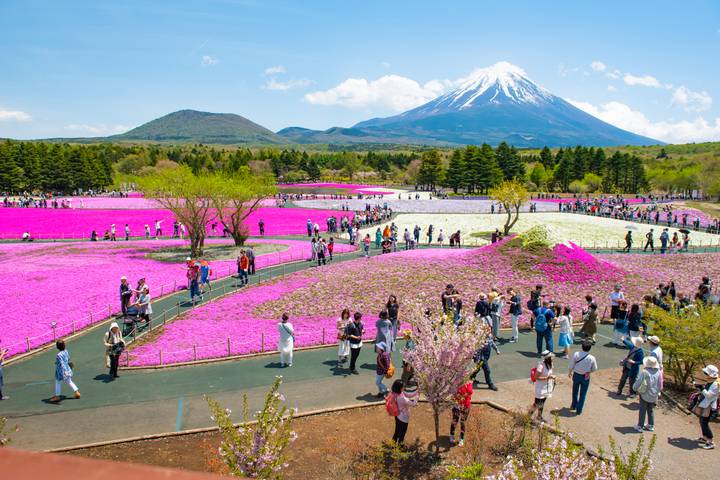
On Day 3, the Imperial Palace Plaza and East Gardens offer a quieter look at the former grounds of Edo Castle. The Tokyo National Museum adds useful context through Japanese art and archaeological objects, though the visit is necessarily a sampling rather than a full museum day. The sushi class is a welcome hands-on change: you prepare lunch with a chef, then head toward the Fuji Five Lakes District. At Oshino Hakkai, eight clear spring-fed ponds are linked to Mount Fuji’s snowmelt. The stop connects the mountain to the rural life around it, rather than treating Fuji as scenery alone.
Days 4 to 6: Fuji, Takayama and Gokayama
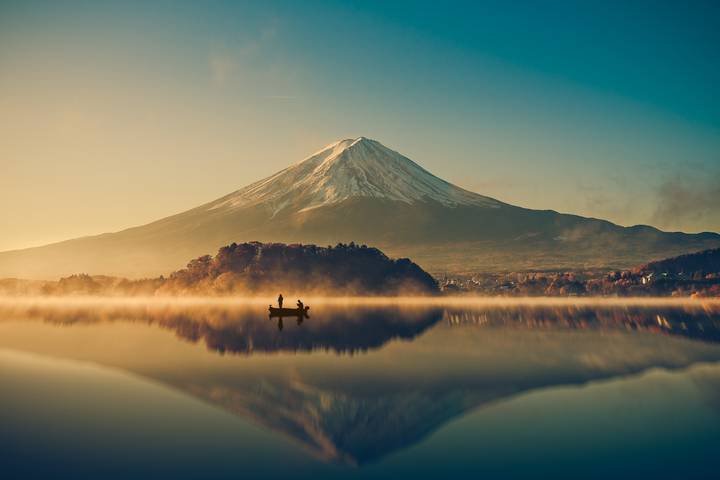
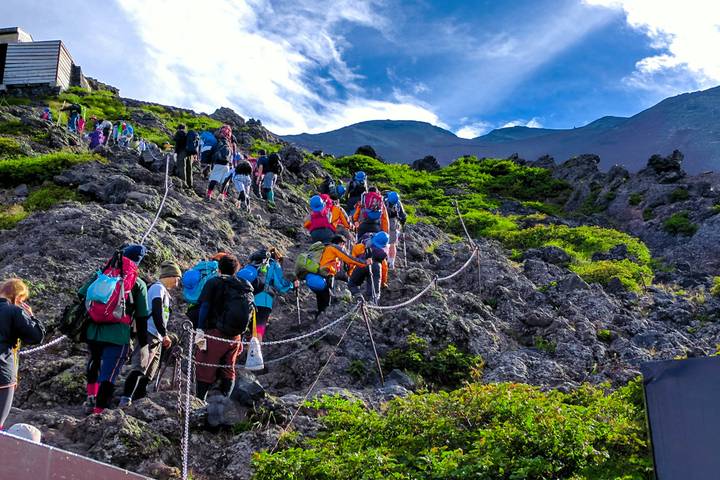
Day 4 takes you by road to Mount Fuji’s 5th Station at 2,300 metres. The viewpoint is weather-dependent, so clouds can limit the views. From there, the coach crosses the Japanese Alps toward Takayama. The long drive is part of the day, but it also gives you a sense of Japan’s varied terrain. Dinner is included at the Associa Takayama Resort.
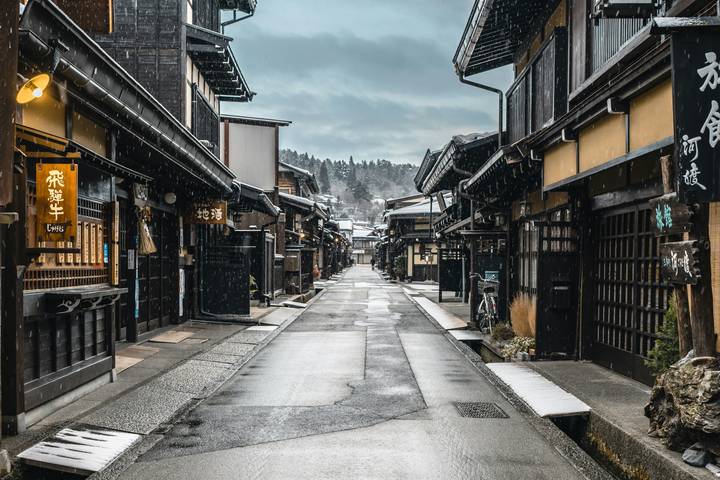
Takayama’s Old Town is a fine place to walk among Edo-style streets, and the Hida-gyu beef lunch gives you a local specialty to try. The festival display features yatai floats, some dating to the 17th century, with karakuri ningyo, or mechanical marionettes, operated by skilled puppeteers. The tour runs in April and October, but the exact festival dates matter if seeing the live parade is your main reason for booking. Confirm your departure’s schedule before paying; a display of floats and the full street festival are not the same thing.
Later, the group visits Gokayama for a washi-paper demonstration and a chance to make paper yourself. That workshop supports a small local business and gives you more than a quick photo stop. The following morning includes more time around Gokayama’s Gassho-zukuri houses, with steep thatched roofs designed to shed snow. The village is a highlight for traditional architecture, though the back-and-forth timing in this part of the route makes it worth checking the day’s schedule. Then it’s on to Kanazawa, where you walk through Omicho Market, visit Kenroku-en garden and learn about gold leaf painting from a Local Specialist.
Days 7 and 8: Kyoto’s temples and traditions
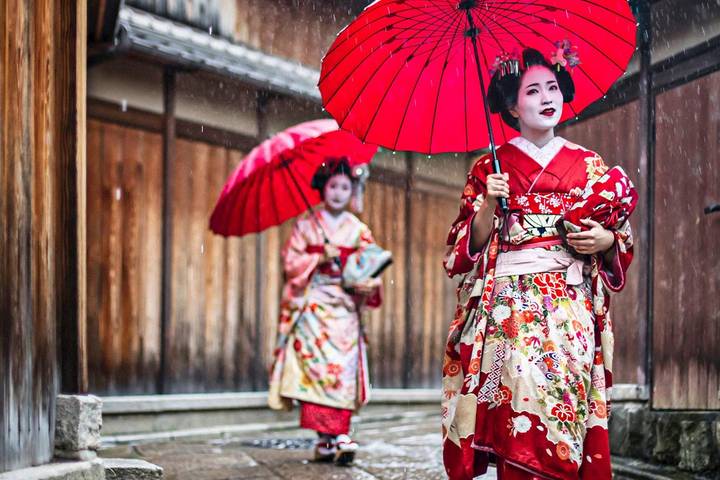
An express train takes you from Kanazawa to Kyoto. The walking tour through Gion introduces its wooden machiya houses and geisha traditions. Kinkakuji, the Golden Pavilion, is one of Kyoto’s most recognizable sights, set beside a pond in landscaped grounds. It is popular, so expect other people in the view, but the building’s gold exterior and careful setting are worth seeing.
The next day brings Fushimi Inari, where orange torii gates lead through the forest toward the mountain. The full route is a substantial walk, so you can choose how far to go within the time available. At Sanjusangen-do Hall, the 1,001 statues of the thousand-handed goddess of mercy offer a striking contrast to the open paths at Fushimi Inari.
Lunch is a kaiseki meal with the Nakamura family, part of the Be My Guest program. This shared meal offers a chance to learn about customs from local hosts, and it’s one of the tour’s more personal encounters. Dinner with the Travel Director and group is also included that evening.
A completely different kind of day out:
- Mt Fuji and Hakone 1-Day Bus Tour Return by Bullet Train
★ 5.0 · 26,383 reviews - TOKYO SKYTREE® Ticket
★ 4.7 · 25,136 reviews - teamLab Borderless Tickets: MORI Building DIGITAL ART MUSEUM
★ 4.7 · 24,126 reviews - teamLab Planets TOKYO Ticket
★ 4.7 · 21,663 reviews
Days 9 and 10: Awaji Island, Kotohira and the Seto Inland Sea
The route leaves Honshu across the world’s largest suspension bridge over the Seto Inland Sea. On Awaji Island, Yumebutai’s 100 Stepped Garden arranges flowerbeds across a hillside in a geometric pattern. The Water Temple offers a different kind of visit: you descend beneath a still pool to the temple below. These designed spaces make a change from the temples and historic streets earlier in the tour.
That night, you stay at Kotohira Grand Sakuranosho, a traditional ryokan. You can soak in the hotel’s onsen, and Kotohira-gu Shrine is close by, reached by a long flight of steps with countryside views. The shrine visit and onsen are appealing, but the stairs call for steady legs and comfortable shoes.
Day 10 begins at Zentsuji Temple, associated with Kobo Daishi and the Shikoku Pilgrimage. After lunch on Oshima Island, you cross the Setouchi Shimanami Kaido, a 60-kilometre highway with nine bridges linking islands in the Seto Inland Sea. The views are a reward for another long coach day. You reach Hiroshima in time to settle in at the Rihga Royal.
Days 11 to 13: Miyajima, Hiroshima and Osaka
A ferry carries you to Miyajima Island and Itsukushima Shrine, known for its torii gate standing in the sea. You’ll have free time for lunch and to explore the island. The tide affects how the gate appears, so the view can differ depending on when you visit.
Back in Hiroshima, the Peace Memorial Park and Museum focus the day on the 1945 atomic bombing and its lasting impact. Give the museum the attention it deserves; it can be emotionally demanding. Dinner is Hiroshima-style okonomiyaki, a layered savory pancake with egg, cabbage, soba noodles and meat or seafood cooked on a hot plate.
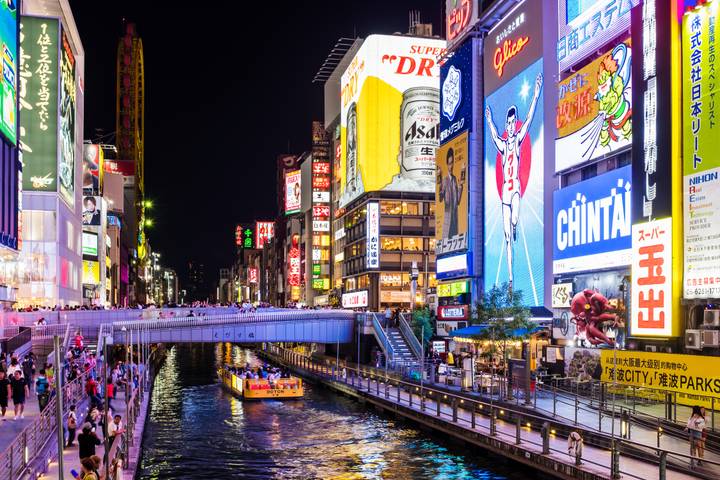
On Day 12, the bullet train takes you to Osaka. You have free time around Dotonbori for lunch and shopping before visiting Osaka Castle, an important site in Japan’s 16th-century unification. The main strip is known for food and entertainment; Hozenji Yokocho and its stone-paved alley are also listed as optional stops. A final group dinner with the Travel Director closes the tour.
On Day 13, a shuttle takes you to Kansai International Airport or Osaka Itami Airport. International flights are not included, so arrange your departure separately.
What the price covers, and what it doesn’t
The starting price is $8,150 for the cheapest room basis. That is about $627 per tour day, before international airfare, insurance and optional activities. The cost includes 12 breakfasts, four lunches and seven dinners, named hotel stays, a Travel Director and separate driver, coach and rail transport, and the listed sightseeing. It also covers porterage, restaurant gratuities, hotel tips, charges and local taxes.
That makes the fare easier to assess than a bare hotel-and-transport price: several meals, transfers and guided visits are already built in. You also avoid arranging a chain of long-distance transport and hotel changes yourself. Still, not every meal is covered, and free time may lead to extra spending. Compare the inclusions with a self-planned trip, but also weigh the value of having a guide and driver manage the complicated route.
The listed hotels include New Otani Garden Tower in Tokyo, Fuji Marriott Yamanakako, Associa Takayama Resort, Kanazawa Tokyu, Rihga Royal Hotel Kyoto, Kotohira Grand Sakuranosho Ryokan, Rihga Royal in Hiroshima and Sheraton Miyako in Osaka. Hotels of similar standard and location may sometimes be used. Several past tour directors have been named Yama, Mike, Kaito, Keiko and Naggi, but your director depends on your departure. The tour’s guide rating is its strongest category, and good guiding matters here: a capable director can make long travel days feel more coherent and help a varied group stay on track.
Pace, group style and best fit
The activity level is Dynamic. Expect more than four miles of walking on some days, along with temple approaches, garden paths and possible steep hills. The schedule includes long coach transfers, and a prior departure experienced heat and felt the sightseeing time was too short. That is a useful reminder to consider the month, your tolerance for full days and the fact that weather can affect outdoor stops such as Mount Fuji.
This tour suits you if you want a structured introduction to Japan, enjoy moving between regions and value a guide handling the logistics. It can also work for families and a wide age range, though all ages being welcome does not mean every day is easy. If you prefer long, unhurried visits, lots of open time or the freedom to change plans, an independent trip or a slower itinerary may fit better.
Should you book this Japan tour?
Book it if you want a broad, guided route with major temples, mountain scenery, a festival focus, a ryokan night and Hiroshima’s memorial sites all in one trip. The strong points are the variety, the included transport and meals, the local craft activities, and the potential for an excellent Travel Director.
Think twice if you dislike coach travel or want a deep stay in Tokyo and Kyoto rather than a quick survey. Before choosing a departure, confirm how the Takayama Festival visit lines up with the live festivities, and make sure the walking level suits you. If those details work, this is a practical way to see a wide range of Japan without building the route yourself.
FAQ
Where does the tour start and end?
It starts in Tokyo and ends in Osaka. Airport shuttle transfers are provided from Narita or Haneda on arrival and to Kansai International or Osaka Itami on departure.
Are international flights included?
No. International flights and travel insurance are not included in the tour price.
How large is the group?
The group size is 20 to 32 people. The tour is fully guided in English.
How active is the tour?
It is rated Dynamic. Some days involve more than four miles of walking and may include steep hills.
Which meals are included?
The tour includes 12 breakfasts, four lunches and seven dinners. Other meals are not included.
What makes the Takayama Festival visit special?
You visit Takayama’s Old Town and see the carved festival floats, some dating to the 17th century, with mechanical marionettes. The tour departs in April and October; check the specific departure dates if you want to see the live festival itself.
Just added in Tokyo
- Wonders Of Japan 10-Day Tour by Travel Talk★ 4.5 · 14 reviews
- Wonders of Japan end Tokyo GO 15-Day Tour by Europamundo★ 4.2 · 10 reviews
- Wonders of Japan end Tokyo 15-Day Tour by Europamundo★ 4.2 · 10 reviews
- Wonders of Japan End Osaka by Europamundo – 12-Day Tour★ 4.2 · 58 reviews
- Wonders of Japan End Osaka (including Fukuyama) 12-Day Tour by Europamundo★ 4.2 · 58 reviews
- Wonders of Japan End Osaka GO by Europamundo – 12-Day Tour★ 4.2 · 58 reviews
- Walk Japan – Kumano Kodo Trail 12-Day Tour by Explore!★ 4.7 · 20 reviews
- Visions of Japan with Hiroshima & Osaka 15-Day Tour by Globus★ 5.0 · 75 reviews
Multi-Day Tours That Visit Takayama, compared.



Tokyo to Osaka by Rail – Private Tour (14 Days) with Explore!
Read our review →
Japan: Land of the Rising Sun 12-Day Tour by Intrepid Travel
Read our review →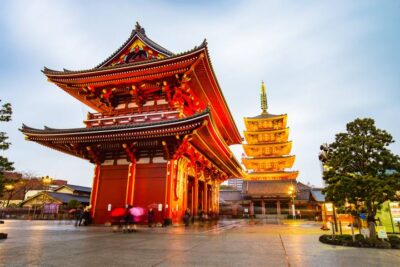
Stunning Japan with Shirakawa-go by Stunning Tours – 8-Day Osaka to Tokyo Tour
Read our review →
Visions of Japan with Hiroshima & Osaka 15-Day Tour by Globus
Read our review →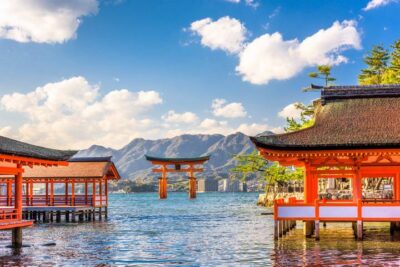
Best of Japan by Contiki – 13-Day Tokyo to Osaka Tour
Read our review →
14 Days Japan Panoramic (Private 3 Star Hotels) by Stunning Tours
Read our review →Browse the lists this tour appears in