
Reviewed · FOOD TOURS
Flavors of Japan Food Tour in Tokyo
Tokyo tastes better one small bite at a time. The Flavors of Japan Food Tour turns the Nihonbashi district into a three-hour introduction to Japanese food, with tastings, neighborhood shops, green tea, and a full washoku lunch. You visit about nine food stops, learn how regional ingredients shape Japanese cooking, and finish near an underground department-store market.
I like the way this tour connects food with place, especially through the 300-year-old knife shop, historic fruit shop, tea store, and local shrines. I also like the generous spread of tastings, from dashi and tamagoyaki to Kagoshima fish cakes, eel sushi, wagashi sweets, and regional snacks. The main consideration is the price: at $209 per person, you are paying for guidance, interpretation, and many tastings, not simply lunch.
The small group, capped at 10 people, keeps the walk manageable and gives you a better chance to ask questions. One especially useful result is confidence with Japanese menus. The experience has been praised for helping people feel more comfortable ordering food after learning what common ingredients and dishes mean.
In This Review
- Key things to know before booking
- Starting at Nihombashi Suruga Building
- Seven food stops that explain Japanese flavor
- Wagashi, green tea, and the sweet side of Japan
- The 300-year-old knife shop and food tools
- Lunch choices at the end of the walk
- Nihonbashi Bridge, shrines, and the final depachika stop
- How the pace and group size affect the experience
- Vegetarian, vegan, and pescetarian planning
- Is $209 a fair price?
- Who should book this Tokyo food tour?
- Should you book the Flavors of Japan Food Tour?
- FAQ
- Where does the Flavors of Japan Food Tour start?
- What time does the tour begin?
- How long does the tour last?
- Where does the tour end?
- Is lunch included?
- Can vegetarian or vegan guests join?
- What happens if I need to cancel?
Key things to know before booking
- Nine stops in about three hours: You move through Nihonbashi and nearby shopping areas at a steady pace, with food and cultural stops along the way.
- Lunch is a full Japanese meal: Choose from options such as soba, tempura, sashimi, grilled fish, chicken, or sukiyaki when you book.
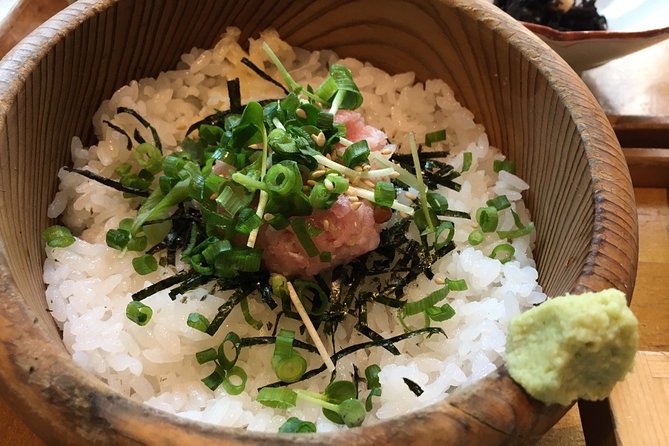
- The food is regional, not just Tokyo-style: Samples include Kagoshima fish cakes, fried sweet potato, pickled vegetables, dashi, eel sushi, and wagashi.
- A local English-speaking guide leads the walk: The guide explains how ingredients are used and why Japanese cuisine developed in different regional styles.
- The tour ends near Nihonbashi: After lunch, you visit a depachika, or underground food market, then continue exploring independently.
- Dietary choices are supported: Pescetarian, vegetarian, and vegan options are available, but you should provide your choice at booking.
Starting at Nihombashi Suruga Building
The meeting point is the Starbucks on the first floor of the Nihombashi Suruga Building, near Coredo Muromachi. The supplied details show both a 10 a.m. meeting time and a 10:30 a.m. start, so I would confirm the exact time after booking. In Tokyo, a small timing mistake can become a long search through station passages.
Nihonbashi is a useful setting for a food tour. It is not simply a restaurant street. The area combines shopping centers, old businesses, shrines, bridges, and food retailers, giving your guide room to explain how Japanese food fits into daily life.
You do not need to arrange hotel pickup. Transportation costs are also not included, so plan to reach the meeting point on your own. The area is near public transportation, which makes it practical if you are staying elsewhere in central Tokyo.
The group maximum is 10 people. That is a strong size for this kind of walk. Food stops can be cramped, and a smaller group makes it easier to hear explanations and keep track of samples.
More Food Tours in Tokyo
- Tokyo: Shinjuku Food Tour (13 Dishes at 4 Local Eateries)
★ 5.0 · 6,603 reviews - Tokyo: Shinjuku Food Tour (15 Dishes and 4 Eateries)
★ 4.9 · 2,033 reviews - Best of Shinjuku: Izakaya Food Tour (4 Stops, 14+ Tastings)
★ 5.0 · 1,863 reviews
Seven food stops that explain Japanese flavor
The walk focuses on the building blocks of Japanese cooking rather than only famous dishes. That is the right approach for a first food tour because it gives you words and flavors you can recognize later.
Dashi is one of the early lessons. This soup stock often provides the quiet savory base for Japanese dishes. Tasting it on its own helps you understand why soups, sauces, noodles, and simmered foods can taste full without being heavy.
You also sample tsukemono, or pickled vegetables. These bring salt, sourness, crunch, and contrast to a meal. They are easy to overlook when served beside rice or fish, but the guide can show you why they matter.
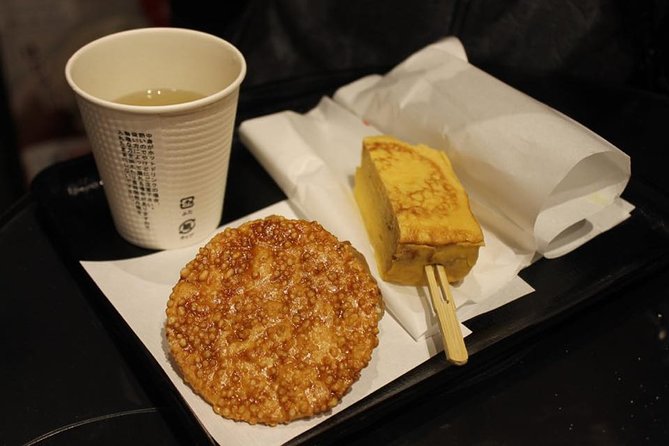
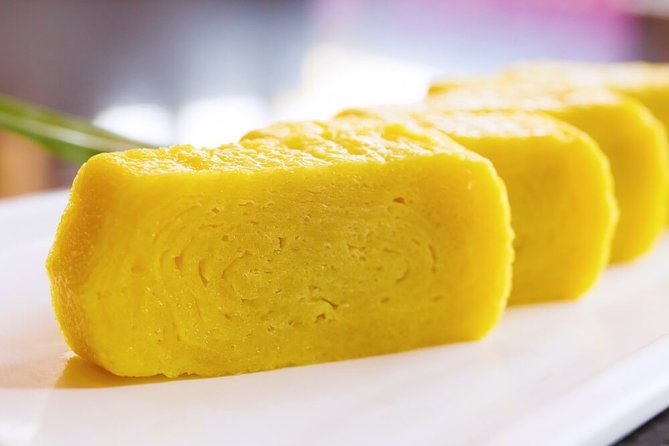
Tamagoyaki, the rolled egg dish, is another useful stop. It looks simple, yet its sweet-savory balance and layered texture make it a good example of how Japanese cooking handles a familiar ingredient with care.
Regional snacks add variety. Satsuma imo, or fried sweet potatoes, and fish cakes from Kagoshima show that Japanese food is not one fixed national style. The regional focus is one of the tour’s best features because it keeps the experience from becoming a standard sushi-and-ramen outing.
You also taste eel sushi and artistic wagashi desserts. Eel brings a richer, grilled flavor, while wagashi offers a different kind of food craft, with careful shapes, colors, and seasonal presentation.
The exact shops or samples can change because of restaurant schedules, public holidays, weather, and other conditions. That flexibility is sensible, but it means you should treat the food list as a guide rather than a guarantee of every single item.
Wagashi, green tea, and the sweet side of Japan
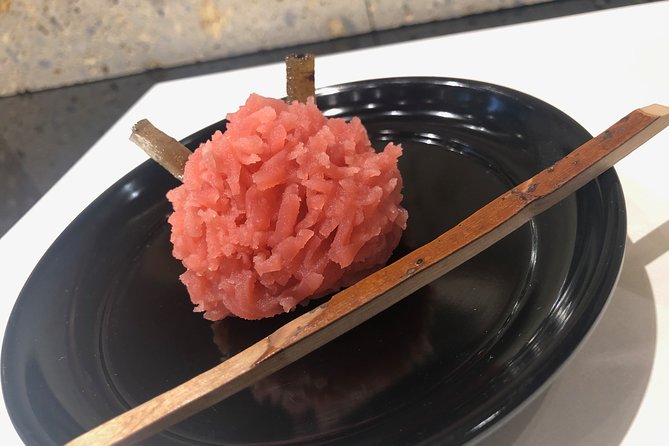
Wagashi is more than a dessert course. These traditional Japanese sweets are often made with ingredients such as beans, rice, and sugar, then shaped with an artistic eye. On this tour, you see how wagashi is made and taste the result.
That stop gives the tour a welcome change of pace. After savory stock, pickles, fish, and egg, the sweets show another side of Japanese food culture. They are often small, so do not expect a large dessert. Their value is in the texture, appearance, and connection to tea.
The tea shop adds another layer. Green tea is served as part of the tasting program, and the guide explains how tea fits with Japanese food. If you already enjoy tea, this may be a highlight. If you usually add milk or sugar, it is still a useful chance to compare styles and learn what makes Japanese green tea distinctive.
I appreciate that the tour does not treat tea as a quick drink between attractions. It is included as part of the larger lesson about flavor, balance, and food customs.
The 300-year-old knife shop and food tools
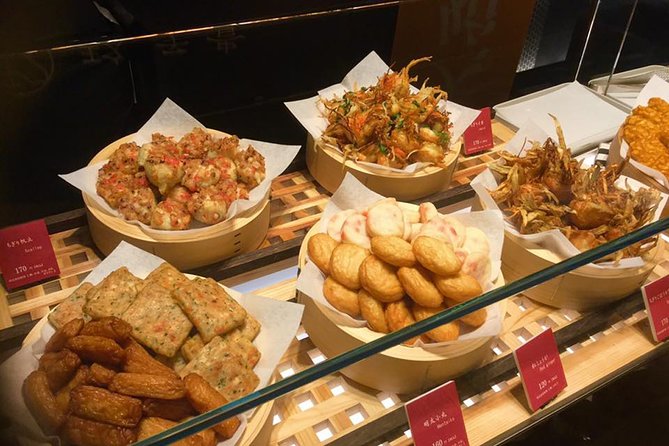
A visit to the 300-year-old knife shop helps explain the practical side of Japanese cooking. Knives are not merely souvenirs or display pieces. They are central to how cooks cut fish, vegetables, and other ingredients, and cutting affects texture and presentation.
You may find this stop most interesting if you cook at home or want a useful Japanese purchase. Even if you do not plan to buy anything, the shop gives context to the precision seen in sushi, sashimi, tamagoyaki, and wagashi.
The tour also visits Japan’s oldest fruit shop, according to the experience details. That stop adds a look at presentation and produce, two parts of Japanese food culture that can be missed when you focus only on cooked dishes.
Because the walk includes commercial shops, not every stop will feel like a historic attraction. That is part of the tradeoff. You are seeing places connected to food retail and local life, not visiting a museum with a fixed exhibit.
A completely different kind of day out:
- Tokyo Disney Resort – Tokyo Disneyland & Tokyo DisneySea Park Tickets
★ 4.8 · 99,488 reviews - SHIBUYA SKY Ticket
★ 4.7 · 46,509 reviews - JR Whole Japan Rail Pass
★ 4.8 · 29,150 reviews - Mt Fuji and Hakone 1-Day Bus Tour Return by Bullet Train
★ 5.0 · 26,383 reviews
Lunch choices at the end of the walk
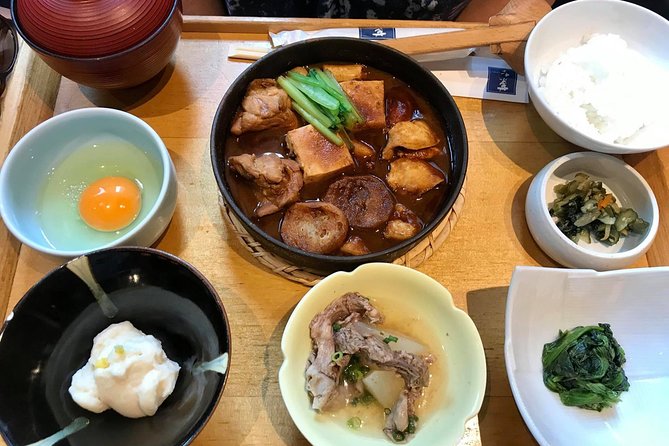
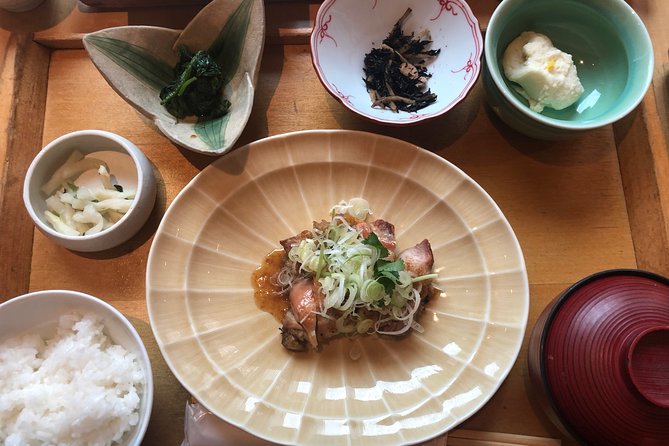
The final tasting is a full washoku lunch with the guide and group. This is important because the earlier samples are small. Lunch gives you time to sit down, eat a complete meal, and connect the individual flavors you tasted during the walk.
Your choice may include a soba set, tempura and sashimi, grilled fish, chicken, or sukiyaki. Select your lunch preference when booking. This is not the place to wait until the morning of the tour if you have a specific dietary need or strong preference.
The range of choices makes the experience suitable for different appetites. Soba can be a lighter option, while sukiyaki offers a warmer and more substantial meal. Tempura and sashimi provide a familiar introduction to two well-known Japanese food styles.
Lunch also acts as a review session. You can discuss dashi, regional dishes, green tea, and the cooking ideas behind the tastings. One of the most useful outcomes is that you leave with more confidence reading a Japanese menu. That can save you from ordering by guesswork later in your trip.
The included lunch helps support the $209 price, though value depends on how much you would normally spend on food tours and meals. If you only want a large lunch, this is not the most economical way to eat. If you want interpretation, access to several specialty shops, and a guided introduction to Japanese food, the price is easier to justify.
Nihonbashi Bridge, shrines, and the final depachika stop
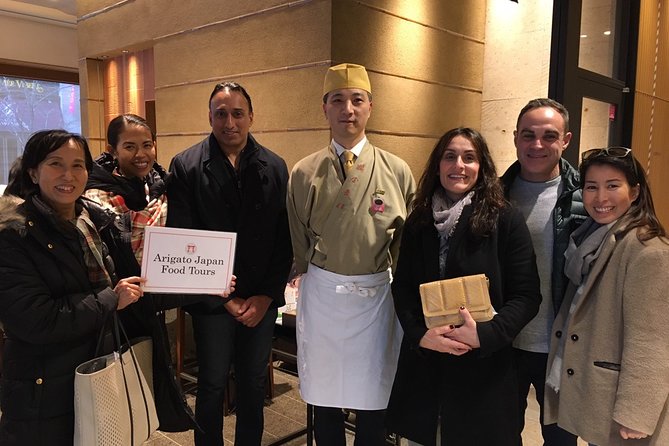
Food is the main subject, but the route includes several cultural points around Nihonbashi. Listed stops include Fukutoku Shrine, Suitengu Shrine, Nihonbashi Bridge, Coredo Muromachi, and Nihonbashi Takashimaya.
These places keep the walk from feeling like a string of shops. Your guide can connect the food stops to the surrounding district, local customs, and the role of shopping areas in Tokyo life. The shrines also offer short pauses from the food sampling.
The final stop is a depachika, an underground food market usually found beneath a department store. Your guide points you toward good after-lunch snacks, and then you are free to continue on your own.
This is a smart ending for an edible tour. You can buy sweets, prepared food, or regional specialties for later, though additional food and drinks are not included. It also means the formal tour does not end at a hotel or station with a long transfer. You finish in the Nihonbashi area and can keep exploring.
How the pace and group size affect the experience
Three hours is long enough to cover a lot, but not long enough for an unhurried visit at every shop. You should expect a walking tour with repeated short stops, explanations, and tastings. Wear comfortable shoes and arrive ready to keep moving.
The tour is family-friendly, and children must be accompanied by an adult. Passport information is required for children age 10 and older. Most people can participate, and the tour is near public transportation.
The experience is listed as good for rainy days, but the cancellation terms also say the tour requires good weather. That sounds contradictory, so I would check the status if poor weather is forecast. If conditions force a cancellation, you are offered another date or a full refund.
The minimum drinking age is 21, although the experience includes one drink rather than a focus on alcohol. Additional drinks and food cost extra.
Vegetarian, vegan, and pescetarian planning
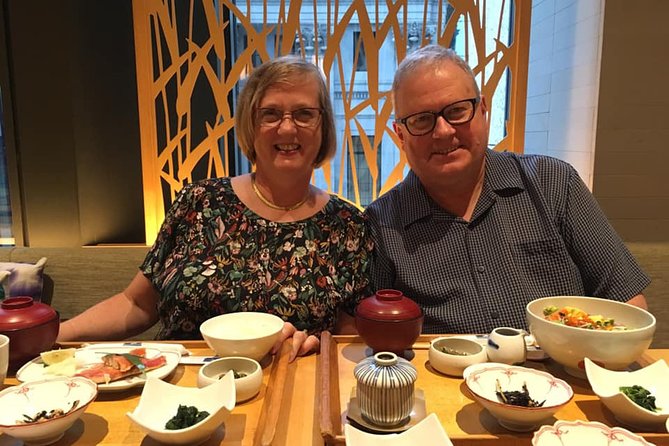
The tour welcomes pescetarian, vegetarian, and vegan participants. You should choose your lunch at booking and make your dietary needs clear in advance.
Still, Japanese food can contain hidden fish ingredients, especially dashi. A vegetarian or vegan guest should confirm how the stock and sauces are prepared rather than relying on a dish name alone. The guide and food stops can make substitutions when needed, but changes may depend on the day’s restaurants.
Pescetarians should have a particularly comfortable range of choices, given the fish, eel, sashimi, and seafood-related tastings. Anyone with a serious allergy should ask for confirmation before booking, since the provided information does not specify allergy controls.
Is $209 a fair price?
At $209 per person, this is a premium food walk. The fee includes a local guide, regional tastings at seven food stops, one drink, and a Japanese lunch. It also covers the structure of the experience, which takes you from ingredients and snacks to a complete meal and a food market.
I would compare it with the cost of arranging several specialty-shop visits and a substantial lunch on your own. You might spend less independently, but you would miss the explanations about regional foods, dashi, wagashi, tea, and menu customs.
The strongest value comes from the range. You are not paying for one famous dish. You are sampling many small items that would be difficult to identify or order without help.
The rating is 4.8 from 39 ratings, with 92 percent recommending it. The most praised feature is the combination of food and guidance. The experience has also been praised for the friendly help of two women guides who made the route feel like a welcoming food world and left people ready to handle Japanese menus with more confidence.
Who should book this Tokyo food tour?
I would recommend it to first-time visitors who want a useful food orientation early in their trip. It suits people who like tasting several things rather than sitting through one long meal, and it is a good match for anyone curious about regional Japanese cooking.
It also works well for couples, families with older children, and small groups who want a guided experience without a large crowd. The maximum of 10 people keeps the format personal.
You may want to skip it if you dislike walking, prefer to choose every dish yourself, or mainly want an inexpensive lunch. It is also less suitable if you need a guaranteed fixed route or exact food list, since shops and tastings can change.
Free cancellation is available up to 24 hours before the start time. Changes made inside that window are not accepted, so keep the deadline in mind when weather or illness may affect your plans.
Should you book the Flavors of Japan Food Tour?
Book this tour if you want a practical introduction to Japanese food, not just a meal with a few sightseeing stops. The mix of dashi, wagashi, tea, regional snacks, food shops, shrines, and a full lunch gives you useful background for the rest of your time in Tokyo.
I especially like it for visitors who feel unsure about menus. By the end, you should recognize more ingredients, understand several regional flavors, and know what to look for in the depachika and Japanese restaurants.
At $209, it is not a bargain outing. But for a small group, a local English-speaking guide, many tastings, and lunch in central Tokyo, it offers solid value to curious eaters who want context with their food.
FAQ
Where does the Flavors of Japan Food Tour start?
It starts at the Starbucks Coffee in the Nihombashi Suruga Building, located at 1-7-1 Nihonbashimuromachi, Chuo City, Tokyo, on the first floor.
What time does the tour begin?
The supplied details show a 10 a.m. meeting time and a 10:30 a.m. start time. Confirm the exact time received with your booking.
How long does the tour last?
The experience lasts approximately three hours.
Where does the tour end?
The tour ends in the Nihonbashi area, near the final depachika stop. You are free to continue exploring after the guided portion.
Is lunch included?
Yes. A local Japanese lunch is included, with choices such as soba, tempura, sashimi, grilled fish, chicken, or sukiyaki. Your lunch choice is made at booking.
Can vegetarian or vegan guests join?
Yes. The tour is listed as suitable for pescetarian, vegetarian, and vegan participants. Share your dietary choice when booking.
What happens if I need to cancel?
You can receive a full refund if you cancel at least 24 hours before the experience start time. Cancellations or changes made less than 24 hours in advance are not accepted.
Just added in Tokyo
- Mount Fuji Full Day Sightseeing Tour from Tokyo★ 4.5 · 101 reviews
- Mt Fuji Customizable Private Tour English Speaking Driver Pick-up★ 5.0 · 69 reviews
- From Tokyo Kamakura, Hachimangu Shrine and Enoshima Full Day Tour★ 4.5 · 36 reviews
- Tokyo: Harajuku Meiji Shrine to Shibuya Crossing Guided Tour★ 5.0 · 27 reviews
- Discover the Art of Ikebana in Tokyo’s Historic Yanaka District★ 5.0 · 60 reviews
- Shinjuku Food and Drink Walking Tour★ 5.0 · 13 reviews
- Freely set up plans Guided Private Tours in Tokyo★ 4.5 · 130 reviews
- Ebisu Local Food Tour: Shibuya’s Most Popular Neighborhood★ 5.0 · 20 reviews
Food Tours, compared.
Shinjuku Food Tour (13 Dishes at 4 Local Eateries)
Read our review →
Shinsekai Food Tour with 13-15 Dishes at 5 Eateries
Read our review →
Osaka Food Tour: 13 Dishes at 5 Local Eateries
Read our review →
Shinjuku Food Tour (15 Dishes and 4 Eateries)
Read our review →
Best of Shinjuku: Izakaya Food Tour (4 Stops, 14+ Tastings)
Read our review →
Kyoto Night Foodie Tour in Gion (9+ dishes + 6 Sake tastings)
Read our review →
Hungry Osaka Street Food Tour:15 Tastings & 3 Drinks with a Local
Read our review →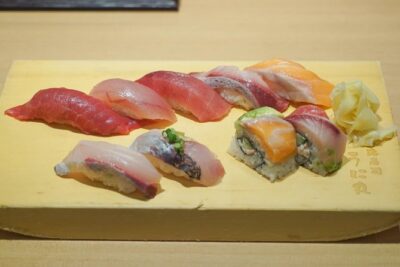
Tokyo Night Foodie Tour in Shinjuku – Seasonal Sushi, Wagyu Beef
Read our review →Browse the lists this tour appears in