

Reviewed · HIROSHIMA TOURS
From Hiroshima: Rabbit Island and Takehara Town Tour
Rabbits are only the beginning. This full-day outing links Takehara’s preserved streets with Okunoshima, the famous Rabbit Island, giving you a rare mix of old-town culture, wartime history, ferry travel, and easy island time. I like the way the tour moves beyond cute animal photos, and I especially like the small group limit of 15, which makes a long day easier to manage.
The guides are a major strength. Isabella is praised for her humor, energy, and clear explanations, while Shoh assisted during one outing and helped keep the day moving. The main consideration is the length: at 570 minutes, with public transport, walking, ferries, and outdoor time, this is a full day in every sense. Hot summer weather can make it tiring, and the itinerary is not suitable for wheelchair users, pregnant women, or people with animal allergies.
In This Review
- Key points to know before you book
- Why this day trip works so well
- Meeting your guide at Hiroshima Station
- Takehara’s old streets and merchant houses
- The small statue with a weighty promise
- Ferrying from Tadanoumi to Okunoshima
- Okunoshima’s ruins and difficult wartime story
- Free time with rabbits, bicycles, hot springs, and views
- How the small group and guides shape the day
- Walking, heat, food, and what to pack
- Who should book this Hiroshima day trip?
- Should you book the Rabbit Island and Takehara tour?
- FAQ
- How long does the tour last?
- Where is the meeting point?
- What transport is included?
- Is lunch included?
- Is rabbit food provided?
- Is the tour conducted in English?
- How much free time do I have on Rabbit Island?
- What can I do during free time on Okunoshima?
- Is the tour accessible to wheelchair users?
Key points to know before you book
- Takehara adds real historical depth: Walk through an old merchant district, enter the Matsusaka family residence, and learn about sake and salt production.
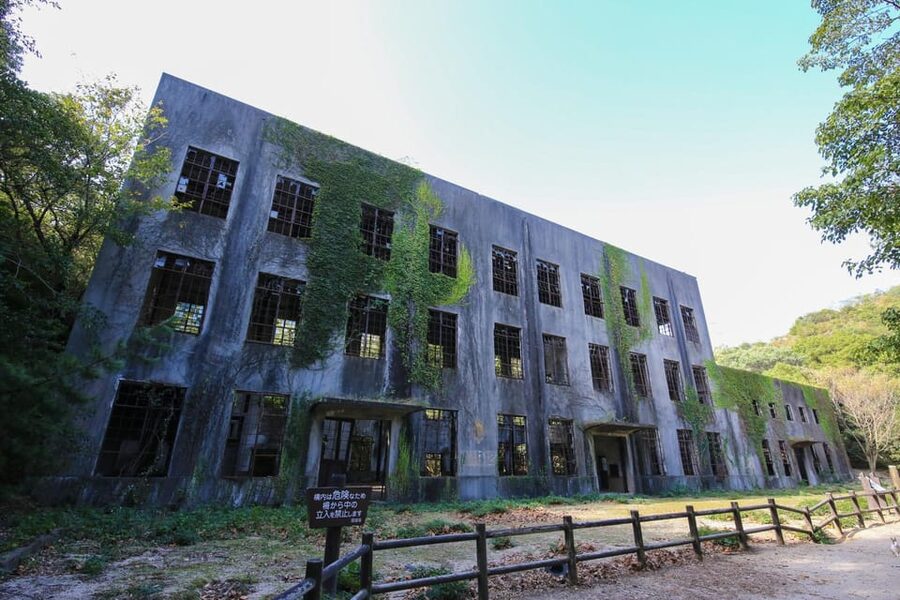
- Okunoshima has a serious past: The island’s ruins and poison gas history give the rabbit encounters a much darker setting.
- You get free island time: Feed rabbits, visit the lighthouse, hike to an observation desk, rent a bicycle, use the hotel’s hot springs, or eat at the restaurant.
- The day begins and ends at Hiroshima Station: Meet under the Tourist Information sign outside the Shinkansen gates and return near the Shinkansen gates.
- The $170 price covers the moving parts: Your fee includes an English-speaking guide, entry fees, rabbit food, public transport, and ferry tickets, but not lunch.
- Small groups improve the experience: With no more than 15 people, you have a better chance to hear explanations and stay together through the train, bus, and ferry connections.
Why this day trip works so well
Many day trips from Hiroshima focus on one major sight. This one gives you two very different places and a useful contrast. Takehara is quiet, historic, and tied to merchant life, sake, and salt. Okunoshima is easygoing on the surface, with rabbits wandering around the paths, yet its wartime remains tell a troubling story.
I like that the tour does not treat Rabbit Island as just a photo stop. The guided walk introduces the ruins and the island’s dark past before you have free time. That order matters. You can enjoy the rabbits, but you also understand that this is a place with painful history.
The structure also suits you if you prefer some guidance and some freedom. Your guide handles the transport, admissions, and historical explanation. Once the formal island walk is finished, you choose how to spend your time. You can keep feeding rabbits, find a quiet path, use the hot springs, or seek out the island’s higher viewpoints.
At $170 per person, this is not a cheap local outing. Still, the cost includes several ferry and public transport connections, entry fees, rabbit food, and a full day with an English-speaking guide. I see the value in that package if you want the day organized for you. The price is harder to justify if you are comfortable arranging trains, ferries, and island visits on your own.
A few more options to weigh up in Hiroshima
- Peaceful Hiroshima & Miyajima UNESCO 1 Day Bus Tour
★ 5.0 · 5,309 reviews - Hiroshima Peace Memorial Museum Ticket
★ 4.8 · 2,727 reviews - Hiroshima: Hiroshima and Miyajima UNESCO Sites 1-Day Tour
★ 4.9 · 2,330 reviews
Meeting your guide at Hiroshima Station
The meeting point is under the Tourist Information sign outside the Shinkansen gates. If you arrive by Shinkansen, it should be directly to your left after you exit the gates. Look for a guide holding a SNOW MONKEY RESORTS tour sign.
This station has several levels and entrances, so allow time to find the correct spot. If you arrive on a regular JR line, follow the signs toward the Shinkansen gates. From outside the station, use the underground passage and follow the signs to Hiroshima Station, then continue toward the Shinkansen gates.
A taxi driver can take you to the Shinkansen Entrance, also called the North Entrance. From there, follow the signs. This clear meeting arrangement is useful, but the station can still feel confusing if you arrive at the last minute. I would get there early enough to locate the sign without rushing.
Takehara’s old streets and merchant houses
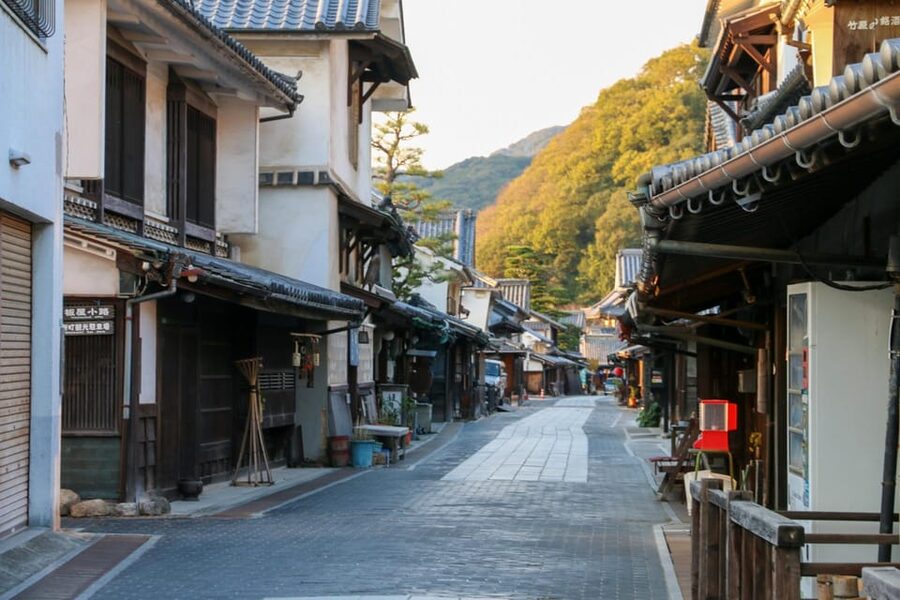
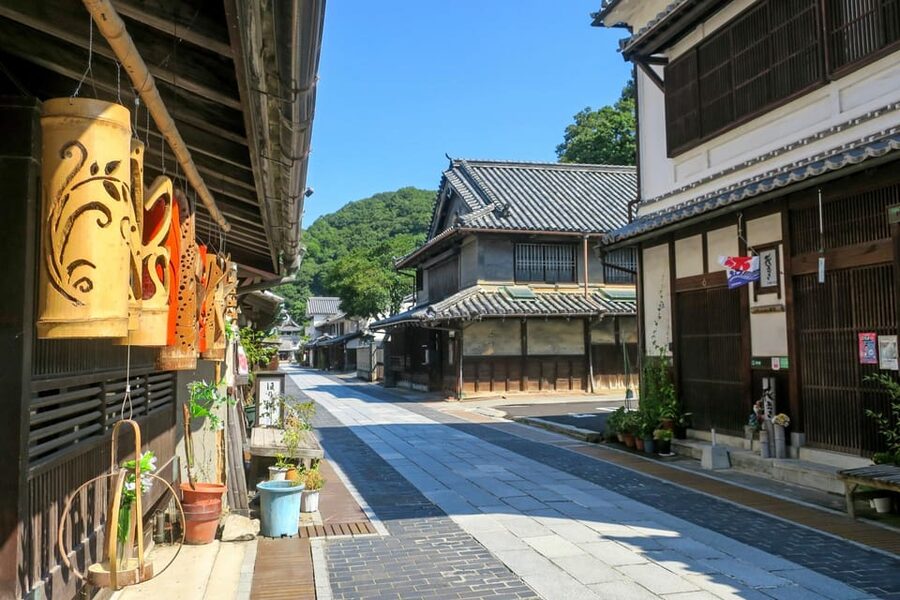
The first major stop is the Takehara Townscape Conservation Area. Here, you walk through an old district with traditional buildings and a slower pace than central Hiroshima. The setting gives you a look at how a prosperous local town once functioned, rather than presenting history as a single famous monument.
Your guide explains Takehara’s past and its connection to sake production. The area also has ties to salt making, and one July outing included learning about both sake and salt. Those details help you see why this town developed as it did. The visit is not just about pretty wooden facades. It is about trade, food production, local wealth, and daily life.
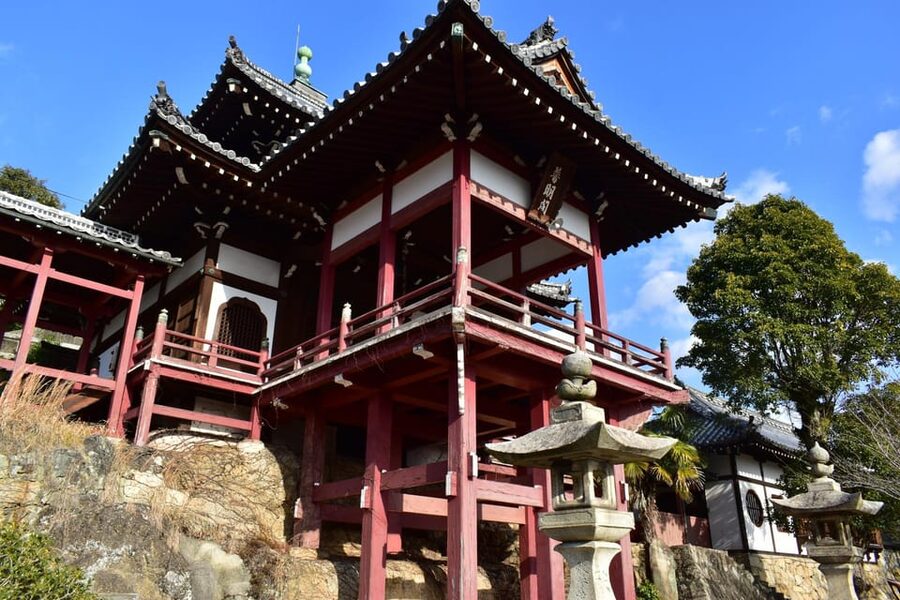
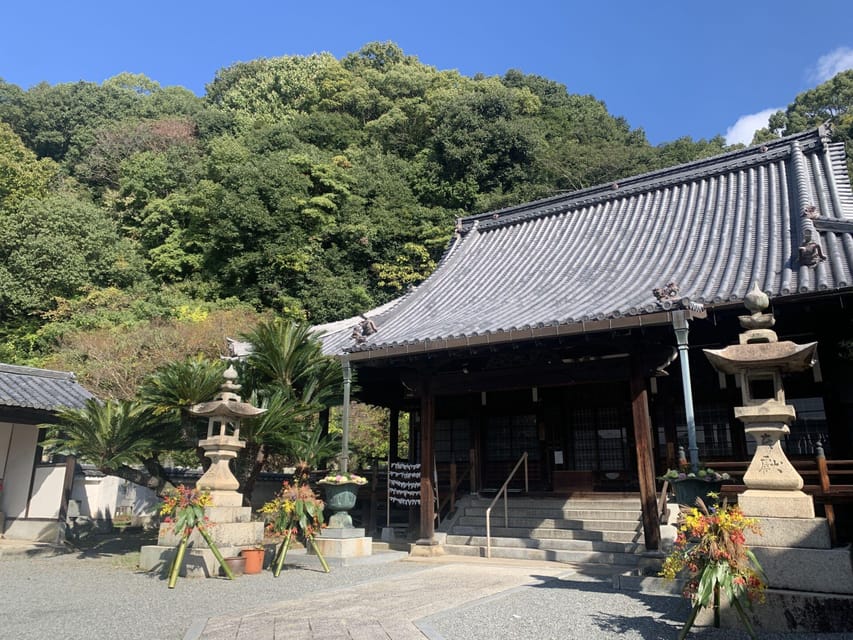
The walking portion includes Saihoji, a Zen Buddhist temple with architecture dating from the mid-Edo period. You should expect a calm, compact visit rather than a huge temple complex. Its value comes from the details of the structure and the explanation from the guide.
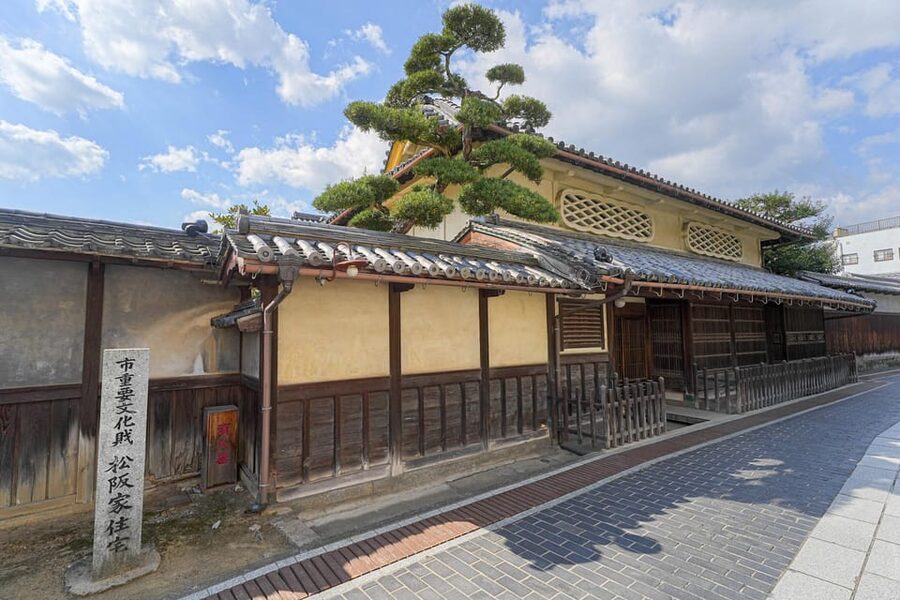
You also enter the former Matsusaka family residence. This is one of the most useful stops for understanding the district. The house represents the architecture of Takehara and the home of a wealthy Edo-period merchant. Inside, household artifacts connected to former residents help show how people lived and worked.
I like this stop because it puts ordinary life beside the grander story of Japan’s past. You can look at the rooms and objects while your guide explains what they reveal about a merchant family. The visit may feel less dramatic than Okunoshima, but it gives the day a firm cultural base.
The small statue with a weighty promise
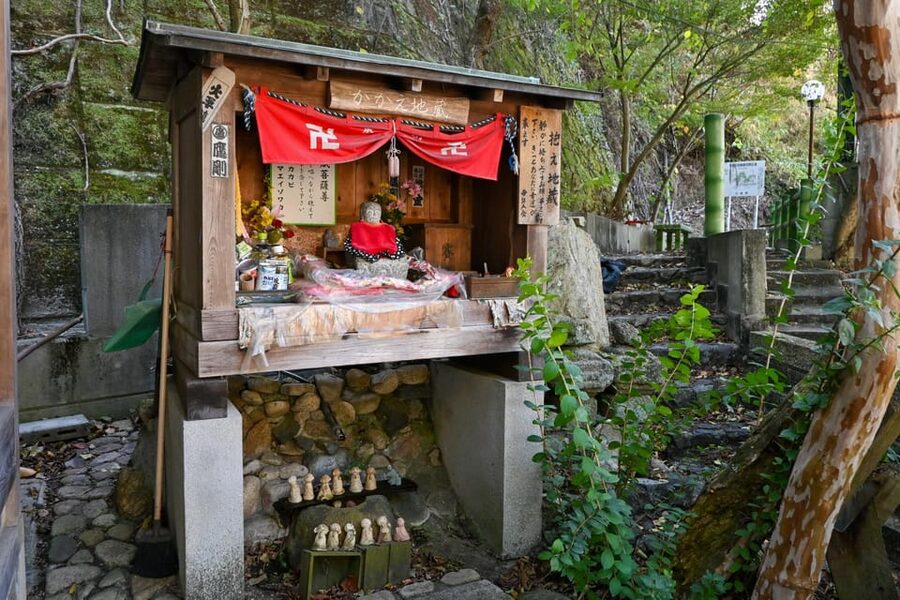
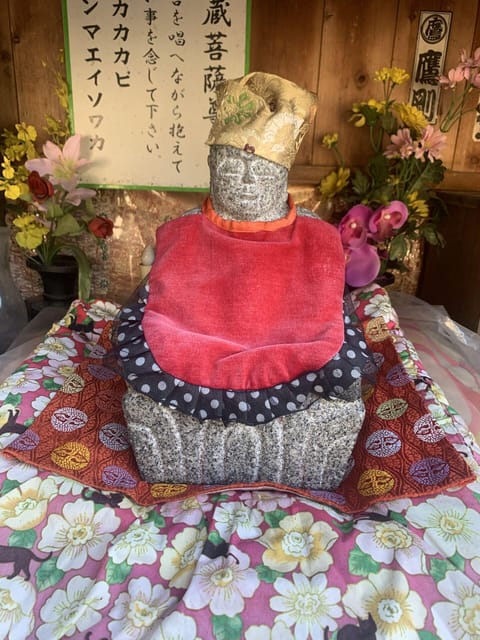
Near the old streets, the tour stops at the Okakae Jizo Statue in a small hut. Jizo statues are associated with protecting children and travelers. This particular statue is linked to a local belief involving its weight.
You pick up the statue, make a wish, and judge how heavy it feels. Local tradition says that if it feels lighter than expected, your wish will come true. It is a brief stop, but it gives the walking tour a touch of local folklore and invites you to take part rather than only look.
Do not expect a grand shrine visit. The charm lies in the modest setting and the story attached to the statue. It is the kind of small cultural detail that can disappear if you explore Takehara without a guide.
A completely different kind of day out:
- Hiroshima Peace Memorial Museum Admission
★ 4.6 · 1,308 reviews - Hiroshima / Miyajima Full-day Private Tour with Government Licensed Guide
★ 5.0 · 1,298 reviews - Hiroshima Historical Walking Tour – Why A-Bomb was Dropped
★ 4.8 · 893 reviews - Hiroshima Peace (Heiwa) Walking Tour at World Heritage Sites
★ 5.0 · 872 reviews
Ferrying from Tadanoumi to Okunoshima
After Takehara, you continue to Tadanoumi Port and board the ferry to Okunoshima. Ferry travel adds time and coordination to the day, but it also gives the outing a clear change of mood. You leave the old streets behind and head toward an island with a very different identity.
Your transportation between activities uses public transport, and the ferry tickets are included. That saves you from sorting out each fare and connection yourself. It also means you should stay aware of the group and follow your guide’s timing. A missed ferry or delayed departure could affect the rest of the day.
The ferry crossing is part of the experience, not just a transfer. You are moving from mainland history into an island setting where the cute reputation can hide a much more disturbing past.
Okunoshima’s ruins and difficult wartime story
On arrival, the guide leads a short walk along the coast and stops at different ruins. You learn about the island’s dark past, including its connection with poison gas production. One outing also included the poison gas museum film, which was described as informative.
This is the section that gives the day its emotional weight. The rabbits are friendly and photogenic, but the abandoned remains remind you that Okunoshima was not always a playful destination. I appreciate that the tour places the history in front of you instead of allowing the animal encounters to become the whole story.
The guided ruins walk is brief enough to leave room for your own plans, but it may feel sobering. If you want a lighthearted animal outing only, this tour could be more serious than expected. If you value context and want to understand the island, the guided explanation is essential.
Bring a camera if you want photos, but also take time to look at the structures and listen. The strongest part of the island visit is the contrast between the present-day rabbits and the evidence of what happened here.
Free time with rabbits, bicycles, hot springs, and views
After the guided section, you have free time on Okunoshima. Rabbit food is provided, and many people will spend much of the break feeding the animals and taking photos. The rabbits are described as very friendly, and one outing even found rabbits in unusual colors.
You should handle this part at your own pace. Some rabbits may approach quickly, while others may be less interested. Food is also available for purchase on the island, along with drinks, so you do not have to rely entirely on what you bring.
The island offers more than rabbit feeding:
- Soak in the hot springs at the Kyukamura Okunoshima hotel.
- Rent a bicycle and ride around the island.
- Hike to the observation desk.
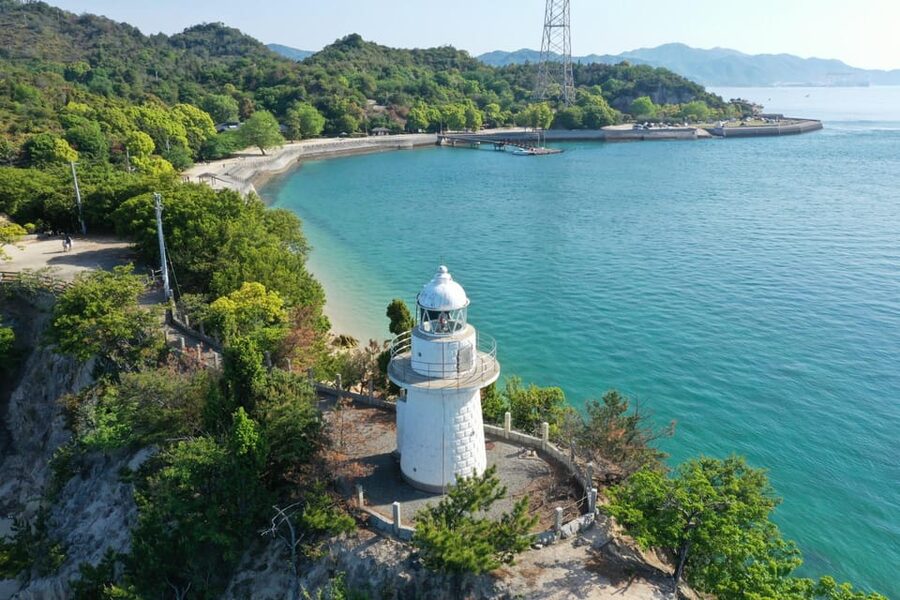
- Visit the lighthouse.
- Eat at the hotel restaurant.
- Walk along the coast and look for additional ruins.
This flexibility is one of the best parts of the tour. You can make the break active or quiet. A bicycle suits you if you want to cover more ground. The observation desk and lighthouse add purpose to your walk. The hotel provides a practical place for food or a hot spring visit.
The drawback is that you must choose carefully. Free time can disappear quickly if you want to feed rabbits, visit the museum, ride a bicycle, hike, and eat a full meal. I would pick one main activity beyond the rabbits, then leave enough time to return to the meeting point.
How the small group and guides shape the day
A maximum of 15 people is a useful size for this itinerary. The group must move through stations, buses, ferries, historic buildings, and an island, so a smaller number makes instructions easier to hear and keeps the pace more personal.
Isabella receives especially strong praise for being funny, professional, energetic, and clear. She also helped explain the area’s history in a way that made the subject easy to follow. David described the guide as engaging and well informed, while other comments praised the organization and steady timing.
Shoh assisted Isabella on one outing as a student guide. The pair handled special needs with patience and professionalism, even during very hot weather. That detail matters because the day includes outdoor walking and several changes of transport.
Guide quality is important here. Takehara’s houses, sake traditions, local beliefs, and Okunoshima’s wartime history all benefit from explanation. Without a guide, you could still see the buildings and rabbits, but you would miss much of the connection between the places.
Walking, heat, food, and what to pack
Wear comfortable walking shoes. You will walk through the preserved town, along parts of Okunoshima, and potentially to the observation desk or lighthouse. If you choose a bicycle or additional island walking, the day becomes more active.
Sun protection is wise. Hats and sunscreen are recommended, and a July outing remained enjoyable despite extremely hot weather, though heat is still a genuine consideration. Carrying water is sensible, while food and drinks can also be purchased on Rabbit Island.
Lunch is not included, so plan to buy a meal at the hotel restaurant or bring something suitable. The schedule includes transport and free time, not a formal group lunch. Your eating choice may affect how much time remains for exploring.
Pets and smoking are not allowed. The tour is not suitable for wheelchair users, pregnant women, or people with animal allergies. The rabbits are central to the experience, so an allergy is not a minor concern.
Who should book this Hiroshima day trip?
I would recommend this tour if you want a full day that combines local culture, difficult history, and animal encounters. It works especially well for first-time visitors to the area who would rather have transport and explanations handled in English.
Families and curious adults may enjoy the variety, though parents should consider the walking, heat, and the serious poison gas history. It also suits photographers and anyone who likes choosing their own pace during free time.
I would think twice if you dislike long public transport days, need a fully accessible route, or want a simple half-day outing. The itinerary is long, and the final ferry and bus ride back to Hiroshima mean you should expect to be away for most of the day.
Should you book the Rabbit Island and Takehara tour?
Book it if you want more than a cute rabbit photo. The best value comes from the combination of Takehara’s merchant streets, Saihoji, the Matsusaka residence, local sake and salt stories, and the guided look at Okunoshima’s wartime ruins.
The $170 fee makes sense for you if you value a small English-speaking group, included transport, ferry tickets, entry fees, rabbit food, and a guide who keeps the day on schedule. Isabella’s warm, energetic approach is an added benefit based on the strong feedback about her guiding.
Skip it if your priority is a short, independent visit to Rabbit Island or if the walking and outdoor exposure will be difficult. For everyone else, this is a thoughtful and unusually varied day from Hiroshima, with enough free time to keep it from feeling like a nonstop march.
FAQ
How long does the tour last?
The tour lasts 570 minutes, which is about nine and a half hours.
Where is the meeting point?
Meet under the Tourist Information sign outside the Shinkansen gates at Hiroshima Station. The guide will hold a SNOW MONKEY RESORTS tour sign.
What transport is included?
Transportation between activities by public transport and the ferry tickets are included.
Is lunch included?
No. Lunch is not included, but food and drinks can be purchased on Rabbit Island. The Kyukamura Okunoshima hotel also has a restaurant.
Is rabbit food provided?
Yes. Rabbit food is included in the tour price.
Is the tour conducted in English?
Yes. The tour has a live English-speaking guide.
How much free time do I have on Rabbit Island?
The tour includes plenty of free time after the guided coastal walk and ruins visit. The exact amount depends on the day’s schedule and transport timing.
What can I do during free time on Okunoshima?
You can feed rabbits, soak in the hot springs at Kyukamura Okunoshima, rent a bicycle, hike to the observation desk, visit the lighthouse, or eat at the hotel restaurant.
Is the tour accessible to wheelchair users?
No. The tour is listed as unsuitable for wheelchair users. It is also not suitable for pregnant women or people with animal allergies.
Just added in Hiroshima
- Hiroshima Peace Memorial Museum Ticket★ 4.8 · 2,727 reviews
- Hiroshima Peace Memorial Museum Admission★ 4.6 · 1,308 reviews
- Private Full Day Hiroshima Tour★ 4.5 · 29 reviews
- The Peace Memorial to Miyajima : Icons of Peace and Beauty★ 4.5 · 31 reviews
- Shore Excursion from Hiroshima Port : Private Tour in Hiroshima★ 5.0 · 17 reviews
- Hiroshima & Miyajima All-Inclusive Tour w/Licensed guide Pancho★ 5.0 · 54 reviews
- Hiroshima Country Cycling: Explore Rural Life 1 HR from City★ 5.0 · 22 reviews
- Hiroshima Saijo Sake Tasting Tour with visit to 7 Breweries★ 5.0 · 104 reviews
Hiroshima Tours, compared.
Peaceful Hiroshima & Miyajima UNESCO 1 Day Bus Tour
Read our review →
Hiroshima and Miyajima UNESCO Sites 1-Day Tour
Read our review →

Hiroshima / Miyajima Full-day Private Tour with Government Licensed Guide
Read our review →
Hiroshima Historical Walking Tour – Why A-Bomb was Dropped
Read our review →
Hiroshima Peace (Heiwa) Walking Tour at World Heritage Sites
Read our review →
Hiroshima in a Nutshell: Morning Bike Adventure
Read our review →Browse the lists this tour appears in