
Reviewed · PRIVATE TOURS IN FUKUOKA
Fukuoka Full-Day Private Tour with Government Licensed Guide
Fukuoka rewards a well-made plan. This private six-hour tour gives you a licensed English-speaking guide and the freedom to choose three or four places instead of following a fixed route. I like the personal attention, especially for questions about Japanese religion, food, and daily life. I also like the flexibility, which helped guides such as Chizuko, Yoko, Erica, Peko, and Sasuke shape days around individual interests.
The main caution is simple: transportation and admission fees cost extra, and six hours is not enough to see every place on the long list. This works best as a focused introduction, not a race through all 20 stops.
In This Review
- Key points to know before booking
- Why a private guide helps in Fukuoka
- Start with the route, not the checklist
- Fukuoka Castle ruins and Ohori Park
- Sumiyoshi Shrine, Kushida Shrine, and Hakozaki Shrine
- Tochoji and Shofukuji, two very different temples
- Dazaifu Temmangu and the Kyushu National Museum
- Nanzoin Temple and the reclining Buddha
- Old Hakata: food, markets, and local life
- Fukuoka Tower and the bay
- Nokonoshima and Uminonakamichi
- What the guides do best
- Walking, transport, and timing
- Is $155.22 per person good value?
- Who should book this Fukuoka tour?
- Should you book it?
- FAQ
- How long is the Fukuoka private tour?
- How many sites can I choose?
- Is transportation included?
- Are entrance fees included?
- Is this a group tour?
- Can I cancel for a full refund?
Key points to know before booking
- Nanzoin’s enormous reclining Buddha is the strongest choice if you want one memorable sight outside central Fukuoka.
- Dazaifu and the Kyushu National Museum make an excellent cultural pairing, especially for first-time visitors.
- Kushida Shrine, Tochoji Temple, and Hakata Machiya Hometown Museum fit well together in the old Hakata area.
- The guide plans around your interests, with past tours tailored to food, temples, markets, history, gardens, and cruise-ship schedules.
- You walk and use public transportation, since a private vehicle is not included.
- The tour earns a 4.9 rating from 55 reviews, with 96 percent recommending it, though delays and tight port schedules can affect the day.
Why a private guide helps in Fukuoka
Fukuoka is easy enough to visit independently, but its sights are spread across several areas. A shrine in central Hakata, a museum in Dazaifu, a hillside temple east of the city, and a seaside park do not naturally form one simple walking route.
That is where a private guide earns the fee. You can ask why a shrine has a certain gate, how Buddhist and Shinto customs differ, or which local foods are worth trying. Guides have also helped with transit cards, restaurant suggestions, dinner bookings, and later independent trips around the city.
The strongest part of the experience is the ability to adjust. If you care more about culture than shopping, you can spend the day at shrines, temples, and museums. If you want local food, your guide can point you toward ramen, yakitori, yatai food stands, or Yanagibashi Rengo Market. If you are arriving by cruise ship, the guide can build the route around your limited time.
The advertised price is $155.22 per person. That is not a bargain for one person, but the value improves for a small private group, particularly when you consider planning help and the guide’s full attention. You still pay for trains, buses, taxis, ferries, meals, and some entrance tickets, so budget for those separately.
More Private Tours in Fukuoka
- Fukuoka Your Way: 100% Customisable Private Tour with Local Guide
★ 5.0 · 83 reviews - Fukuoka: Customized Private Tour
★ 5.0 · 26 reviews - Fukuoka: Private Walking Tour with Local Guide
★ 4.8 · 22 reviews
Start with the route, not the checklist
You are asked to choose about three or four sites from the suggested stops. That number matters. The list includes central sights, distant suburbs, an island, a coastal peninsula, and two major temple areas. Trying to squeeze in everything would leave you with little more than photographs from the entrance.
I would choose sites by district:
- Central Hakata: Kushida Shrine, Tochoji Temple, Shofukuji, Canal City, Yanagibashi Market, Rakusuien, and the Hakata Machiya museum.
- Dazaifu area: Dazaifu Temmangu and Kyushu National Museum.
- Western Fukuoka: Fukuoka Castle, Ohori Park, Atago Shrine, Momochi Seaside Park, and Fukuoka Tower.
- Outside the city: Nanzoin Temple, Uminonakamichi Seaside Park, or Nokonoshima Island.
Your guide can help judge what fits. A 15-minute listing for a shrine or museum is best understood as a short planned stop, not a full visit. The actual time may depend on transport, queues, walking pace, weather, and your interest in the site.
Fukuoka Castle ruins and Ohori Park
Fukuoka Castle once served as a major seat during the Edo period. Today, you see stone walls, gates, a moat, and the remains of the former grounds rather than a restored palace.
The reward is the view from Fukusaki Hill. It gives you a useful sense of how central Fukuoka is arranged, and the open setting offers a break from urban streets. I would pair the castle remains with Ohori Park, which lies nearby.
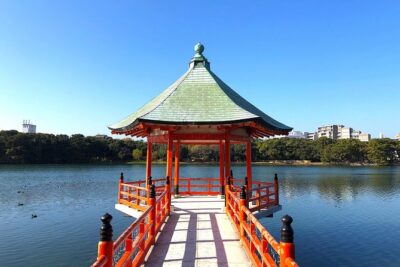
Ohori Park wraps around a large pond with a walking path a little over two kilometers long. You will not have time to walk every part of it during a fast six-hour tour, but even a short visit gives you a calmer side of the city. This pairing suits you if you want open air, city views, and a little local history without leaving central Fukuoka.
Sumiyoshi Shrine, Kushida Shrine, and Hakozaki Shrine
Fukuoka’s shrines are not interchangeable, and a guide can explain the differences better than a quick visit alone.
Sumiyoshi Shrine is one of Kyushu’s oldest shrines. Like the better-known Sumiyoshi shrine in Osaka, it is linked to protective sea deities and the long tradition of maritime travel. Its meaning connects neatly with Fukuoka’s position on Hakata Bay.
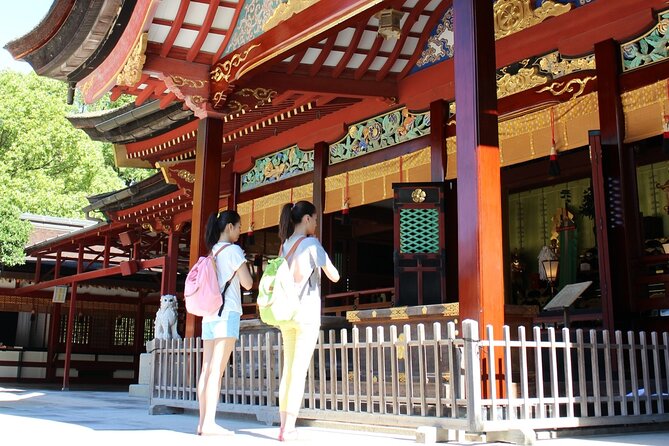
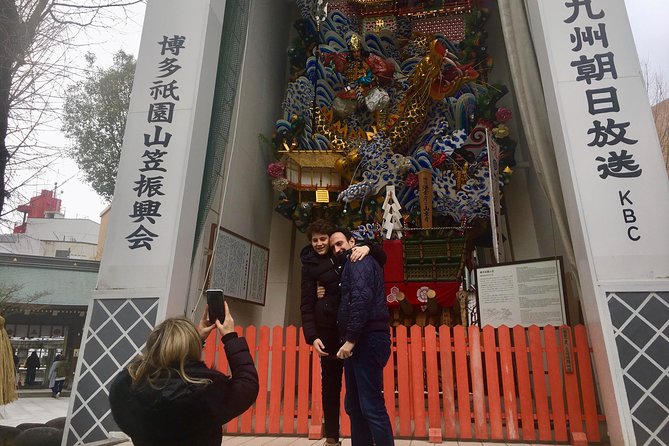
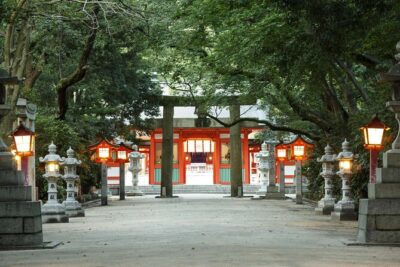
Kushida Shrine is one of the city’s essential stops. Founded in AD 757, it is Fukuoka’s oldest major Shinto shrine and includes detailed carvings tied to the Chinese zodiac. A large gingko tree adds another memorable feature. The shrine is also associated with local festivals, so ask your guide about the Hakata Gion Yamakasa if that interests you.
Hakozaki Shrine carries a more dramatic story. Its original buildings were destroyed during the Mongol invasion of Fukuoka in 1274 and later rebuilt. It is one of the most important shrines in this part of Japan, but it sits outside the easiest central route. Choose it when shrine history matters more to you than shopping or the waterfront.
A completely different kind of day out:
- Kyushu: Mount Aso, Kusasenri & Takachiho Gorge Day Tour (Optional Takachiho Boat Ride Experience)
★ 4.9 · 4,957 reviews - Kyushu One-Day Tour: Yufuin no Mori Train & Yufuin Town & Nyoirin-ji Temple & Dazaifu & Hell Hot Springs (Departing from Fukuoka)
★ 4.9 · 4,474 reviews - teamLab Forest Fukuoka Ticket
★ 4.7 · 1,925 reviews - Shiraito Falls & Forest Cafe & Handmade Flower Salt Pudding & Grilled Seafood & Totoro Forest & Sakurai Futamigaura & Angel’s Wings & Coconut Tree Swing Day Tour (Departing from Hakata Station, with Mandarin, English, and Cantonese speaking guide)
★ 4.9 · 1,840 reviews
Tochoji and Shofukuji, two very different temples
Tochoji Temple is the head temple of the Kyushu branch of Shingon Buddhism and is connected with the monk Kobo-Daishi, also known as Kukai. It is a strong stop for understanding Japanese Buddhist practice, but its most famous feature is the immense wooden Buddha.
Some tours also include the temple’s unsettling passage often described as a journey from hell to heaven. The combination of art, belief, and atmosphere makes Tochoji a good choice even if you are not a religious history enthusiast.
Shofukuji has a special place in Japanese Zen history. Founded in 1195 by Eisai, it is recognized as the first Zen temple built in Japan. The temple introduced the Rinzai tradition from China into Japan.
I would not treat both temples as mandatory if your time is short. Tochoji gives you a powerful visual highlight, while Shofukuji offers a quieter historical connection. Your choice depends on whether you prefer a famous object or the story of Zen’s early development in Japan.
Dazaifu Temmangu and the Kyushu National Museum
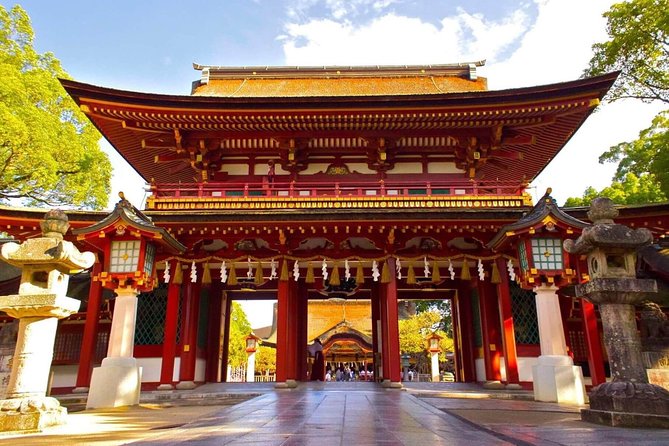
Dazaifu was once a regional government center, and the area still carries that older political importance. Dazaifu Temmangu is the best-known stop here, while the nearby government remains help place the area in its historical setting.
The Kyushu National Museum opened in 2005 and gained attention for its modern architecture. It was also Japan’s first new national museum in more than a century. Its focus makes sense in Fukuoka, a region with long connections to China, Korea, and the wider Asian world.
Dazaifu and the museum are one of the most sensible combinations on the entire list. I would choose them if you want a day built around history, art, and Japan’s ties with neighboring countries. The museum has an admission charge, and you should allow more than 15 minutes if you want to see its exhibitions properly.
A previous customized day paired Dazaifu with the Kyushu National Museum and then continued to Kamado Shrine, where the grounds and views made a strong impression. Kamado Shrine is not listed among the standard stops, so do not assume it is included, but the example shows how a private guide may adapt the plan.
Nanzoin Temple and the reclining Buddha
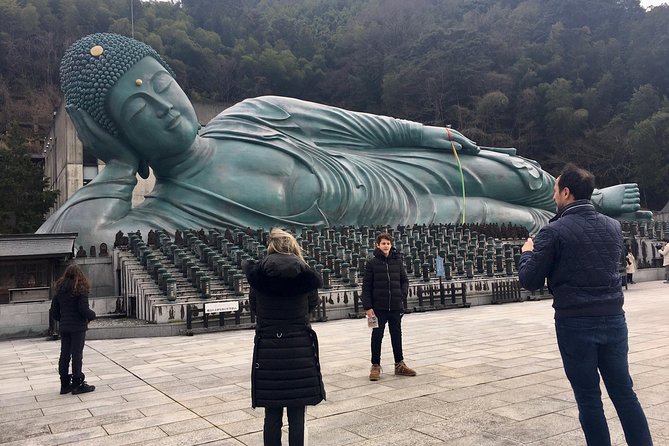
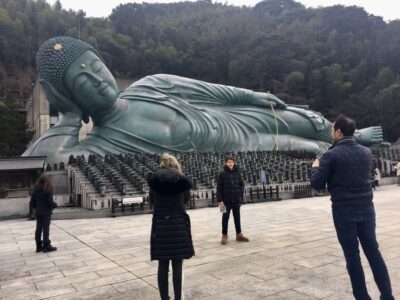
Nanzoin is about 15 kilometers east of Fukuoka and is one of the area’s most visited Buddhist sites. Its giant reclining Buddha is the reason many people choose this tour.
The scale is difficult to grasp from a description. The statue gives the visit a clear centerpiece, while the temple setting adds a peaceful, spiritual quality. Guides Erica, Peko, Yoko, and Sasuke have all led highly praised visits here, with careful explanations of the temple’s Buddhist stories and customs.
This is not the easiest stop to combine with several central sights. You need public transportation or a taxi, and the route includes walking and, in some accounts, steps. One visitor specifically remembered the guide climbing the steps alongside them. If you have limited mobility, tell the operator and guide before the tour so the route can be discussed.
Nanzoin is especially useful for cruise-ship passengers. One carefully planned day began at the port, continued by taxi and train to the temple, returned to Hakata for lunch, and still reached several central sights before returning to the ship with time to spare. That kind of timing is exactly where local help matters.
Old Hakata: food, markets, and local life
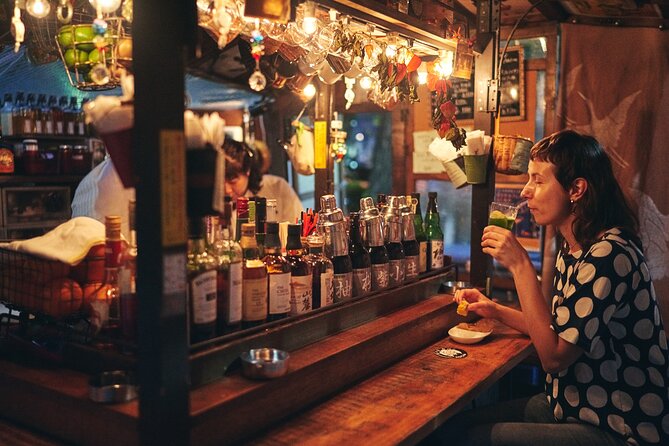
For a taste of everyday Fukuoka, choose at least one central food or neighborhood stop.
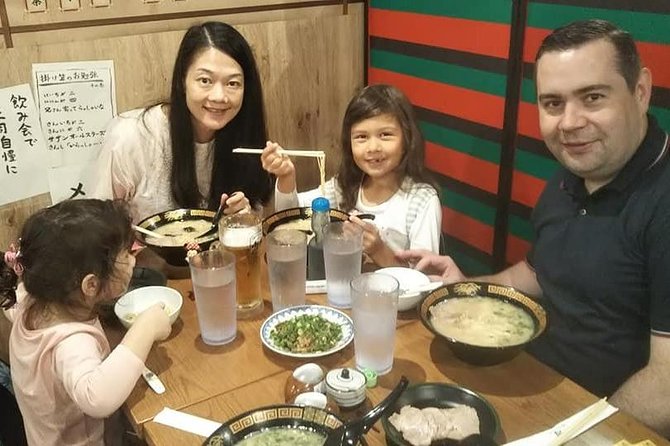
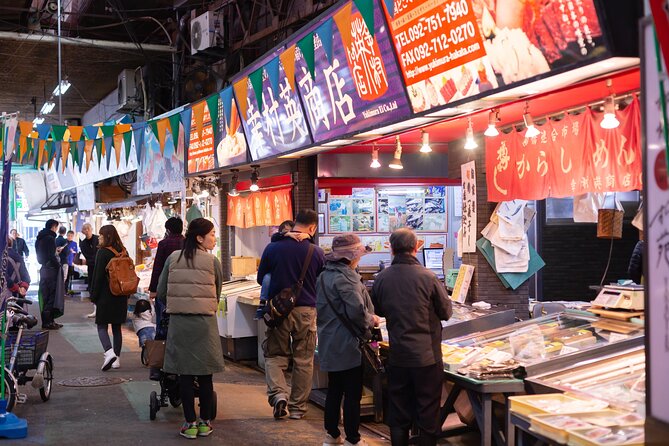
Yanagibashi Rengo Market is known as Hakata’s kitchen. More than 40 greengrocers and fish sellers offer fresh products, with additional shops selling fruit, tofu, baked goods, and café items. It is a better fit for you if you want to see the city’s food culture rather than simply eat at a famous restaurant.
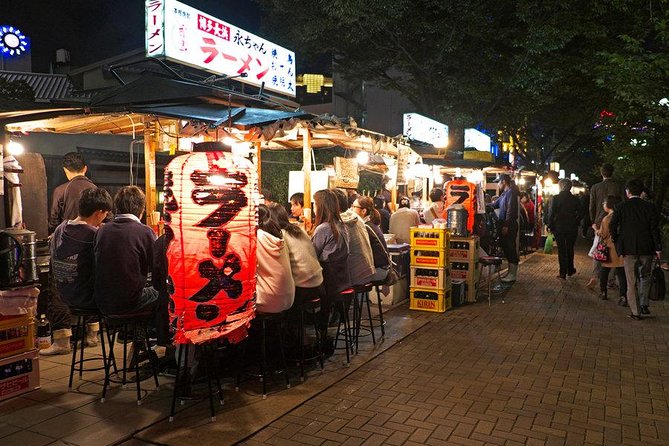
Fukuoka’s yatai are open-air food stands that usually seat only seven or eight people. Their small size creates a social, informal setting, but they are not a guaranteed fit for a large group or a strict schedule. Your guide can explain how the stands work and suggest local dishes, but food costs are your responsibility.
The Hakata Machiya Hometown Museum presents traditional local life and the history of the Hakata district. You can learn about the Hakata Gion Yamakasa festival and see crafts connected with the area. The listed visit is brief, so I would pair it with Kushida Shrine and Tochoji rather than travel across town just for the museum.
Rakusuien is a small Japanese-style garden and tea house. Matcha and sweets cost 500 yen, while admission is 100 yen. The visit may be short, but it offers a quiet pause between larger sights and a simple way to try a traditional tea setting.
Canal City Hakata is the practical contrast to the temples and markets. This large entertainment and shopping complex contains about 250 shops, restaurants, cafés, a theater, and a game center. I would choose it for shopping, rain protection, or a meal, not as the cultural centerpiece of your day.
Fukuoka Tower and the bay
Fukuoka Tower rises about 234 meters and offers broad views over the city and bay. It is a good pick if you want a clear sense of Fukuoka’s size and location.
Momochi Seaside Park occupies reclaimed land along Hakata Bay. The area was developed for the 1989 Asia Pacific Expo and represents modern Fukuoka rather than old Hakata. Pairing the tower with the seaside park gives you a useful city contrast: one stop for height and views, one for the waterfront.
These sites are less rewarding if your main goal is temples and history. They work well for a first day when you want a general picture of the city, or when the weather makes outdoor views especially appealing. Tower admission is extra.
Nokonoshima and Uminonakamichi
Nokonoshima Island requires a ferry ride, which gives the excursion a pleasant change of pace from streets and railway stations. The tour information allows about 30 minutes here, so you should ask exactly what can be covered in that time before choosing it.
Uminonakamichi Seaside Park occupies a narrow peninsula across the bay from central Fukuoka. It is a large, family-oriented public park, better suited to you if you want open space and a slower outdoor stop.
Both destinations require more planning than a central shrine. Ferry or other transport costs are not included, and weather can affect the experience. I would select one only if you are comfortable giving up several central sights.
What the guides do best
The guides are not interchangeable in personality, but the strongest pattern is careful preparation and personal adjustment.
Chizuko contacted guests early, built a plan around their preferences, suggested a transit card for faster movement, and even helped with dinner reservations and an omakase sushi restaurant. Yoko created a route around Nanzoin, Kushida Shrine, the Hakata Machiya museum, and Tochoji, while adding advice about food, festivals, shops, and yatai.
Erica received praise for making good use of limited time and explaining small details of ordinary Japanese life. Peko was praised for helping cruise passengers manage taxis, trains, lunch, a tea stop, temples, and the return to port. Sasuke made temple visits approachable and helped families and couples enjoy the day at a comfortable pace.
That personal connection is the tour’s main product. You are not simply paying for entry into sights. You are paying for judgment, translation, route planning, and the chance to ask questions without holding up a larger group.
There is one important qualification. English ability and communication style can vary by guide. One lower-rated experience described a friendly guide who was difficult to understand, while another day suffered from train and shuttle delays. Set clear expectations before the start, especially about pace, mobility, lunch, and your top two priorities.
Walking, transport, and timing
This is described as a walking tour, with pickup on foot within a designated area of Fukuoka. There is no private vehicle. You should expect trains, buses, taxis, ferries, and walking between stations and sights.
The best guides explain the transit system and may help you obtain a convenient transport card. Still, fares are not included, and taxis can add up if you choose Nanzoin, Dazaifu, or distant coastal stops.
Six hours can feel generous in central Hakata. It feels much tighter once you add a long train ride, a ferry, or a cruise-ship schedule. If you are arriving late, tell the operator your firm departure time. Weather, traffic, and public transport delays can force changes, even with good planning.
Wear comfortable shoes and keep your route realistic. A day with Nanzoin, Dazaifu, and several central temples is likely to feel rushed. A day with Kushida Shrine, Tochoji, the museum, and a market gives you more time to look around and stop for lunch.
Is $155.22 per person good value?
I see the price as reasonable for a private guide if you are a small group with limited time or strong interests. A guide can save hours of research and prevent wrong turns, and the private format lets you skip places that do not appeal to you.
The value is weaker if you already know Fukuoka well, speak Japanese comfortably, and are happy planning rail routes yourself. You also need to add entrance fees, transport, lunch, tea, and personal purchases. Group discounts may improve the cost per person, but the supplied information does not specify the discount amount.
The tour earns a 4.9 rating from 55 reviews and a 96 percent recommendation rate. I would treat those numbers as a useful sign of consistency, not a guarantee of a perfect day. The result depends heavily on the guide assigned, your planning before arrival, and the number of distant stops you select.
Who should book this Fukuoka tour?
I would choose this tour if you:
- Have only one day in Fukuoka
- Are visiting from a cruise ship
- Want a guide to explain Japanese culture and religion
- Prefer temples, shrines, markets, and local food over a fixed sightseeing bus
- Feel unsure about using Japanese public transportation
- Want a day shaped around photography, history, food, or shopping
- Are traveling with family members who need a flexible pace
I would think twice if you want a completely relaxed day, a private car, or the freedom to visit every listed attraction. The tour does not include a private vehicle, and the six-hour schedule works best with a short, sensible route.
Should you book it?
Book it if you want a personal introduction to Fukuoka and can choose your priorities before arrival. I would ask for a guide experienced with your interests, confirm the meeting area, and name your top three sites in advance.
For culture, choose Dazaifu with the Kyushu National Museum, or Kushida Shrine, Tochoji, and the Hakata Machiya museum. For a memorable single destination, choose Nanzoin. For food and daily life, combine Yanagibashi Market or yatai with the old Hakata sights.
I would not book this expecting a private sightseeing car or a full city sweep. Book it for the guide’s time, local explanations, and practical help. Used that way, it can turn a scattered city into a day that makes sense.
FAQ
How long is the Fukuoka private tour?
The tour lasts approximately six hours.
How many sites can I choose?
The experience includes a customizable itinerary covering three or four sites from the suggested list.
Is transportation included?
No. Transportation fees are not included, and the tour does not provide a private vehicle. The meeting and pickup arrangement is on foot within a designated area of Fukuoka.
Are entrance fees included?
Some listed sights are free, while entrance fees for places such as the Kyushu National Museum, Tochoji Temple, Fukuoka Tower, Hakozaki Shrine, Nanzoin Temple, Rakusuien, and the Hakata Machiya Hometown Museum are not included. Guide entry fees are covered only for sights listed under the tour details.
Is this a group tour?
No. It is a private activity for your group only, and separate tour groups cannot be combined.
Can I cancel for a full refund?
Yes. You can cancel at least 24 hours before the experience start time for a full refund. Cancellations or changes made less than 24 hours before the start time are not accepted for a refund.
Just added in Fukuoka
- Treasures of Kyushu 7-Day Tour by Europamundo★ 5.0 · 1 review
- Kyushsu Half Island Express Tour (8 Days) by MW Tours★ 5.0 · 1 review
- teamLab Forest Fukuoka Ticket★ 4.7 · 1,925 reviews
- Fukuoka Nakasu River Cruise Ticket★ 4.6 · 164 reviews
- Shiraito Falls & Forest Cafe & Handmade Flower Salt Pudding & Grilled Seafood & Totoro Forest & Sakurai Futamigaura & Angel’s Wings & Coconut Tree Swing Day Tour (Departing from Hakata Station, with Mandarin, English, and Cantonese speaking guide)★ 4.9 · 1,840 reviews
- Uminonakamichi Marine World Admission Ticket in Fukuoka★ 4.8 · 1,298 reviews
- Fukuoka Tower Admission Ticket★ 4.8 · 1,804 reviews
- Kyushu One-Day Tour: Yufuin no Mori Train & Yufuin Town & Nyoirin-ji Temple & Dazaifu & Hell Hot Springs (Departing from Fukuoka)★ 4.9 · 4,474 reviews
Private Tours in Fukuoka, compared.
Fukuoka Your Way: 100% Customisable Private Tour with Local Guide
Read our review →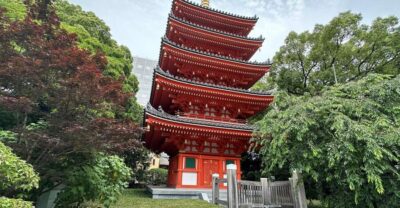
Fukuoka Private Tour: Heart and Tradition of Hakata
Read our review →
Fukuoka Group/Private Tour by Local Professionals!
Read our review →
Dazaifu and Yanagawa Canal Cruise Private Guide Day Tour by Train
Read our review →Browse the lists this tour appears in