
Reviewed · HIROSHIMA TOURS
Full Day Hiroshima and Miyajima Bus Tour from Hiroshima
History comes alive beside the sea. This well-organized day joins Miyajima’s Itsukushima Shrine with Hiroshima’s Peace Memorial Park, giving you Japan’s sacred island scenery and its most sobering historical site in one outing. I especially like that ferry travel, entrance fees, transport, and a licensed English-speaking guide are covered. I also like the thoughtful guides, including Masako, Tomoko, Hikari, Kyoko, and Taeko, who have been praised for clear explanations, personal stories, and patient help.
The main drawback is the size of the group, which can reach 40 people. A soft-spoken guide or a crowded outdoor stop may make it hard to hear. You also buy lunch on your own, and the schedule gives you only a limited chance to attempt Miyajima’s ropeway or mountain walks.
In This Review
- Key points to know before booking
- Why this Hiroshima day trip works
- Crossing to Miyajima by ferry
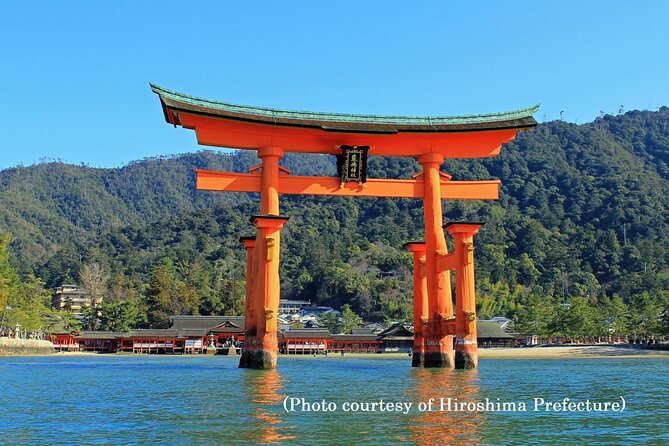
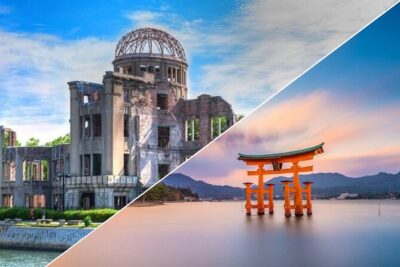
- Itsukushima Shrine and the floating torii gate
- Your lunch hour on Miyajima
- Hiroshima Peace Memorial Park after lunch
- The Atomic Bomb Dome
- Inside the Hiroshima Peace Memorial Museum
- What the guides add to the day
- Timing, transport, and the end of the day
- Who should book this tour?
- Should you book it?
- FAQ
- Where does the tour start?
- What time does the tour start?
- Where does the tour end?
- Is lunch included?
- Are admission fees and ferry transport included?
- Is the Hiroshima Peace Memorial Museum included?
- Can children join the tour?
Key points to know before booking
- Two World Heritage sites in one day: See Itsukushima Shrine and the Hiroshima Peace Memorial Park without arranging separate transport.
- The ferry ride is included: Reach Miyajima by boat, with the island’s famous floating torii gate ahead.
- Lunch is not included: You have time to choose oysters, conger eel rice, Hiroshima-style okonomiyaki, or another meal on the island.
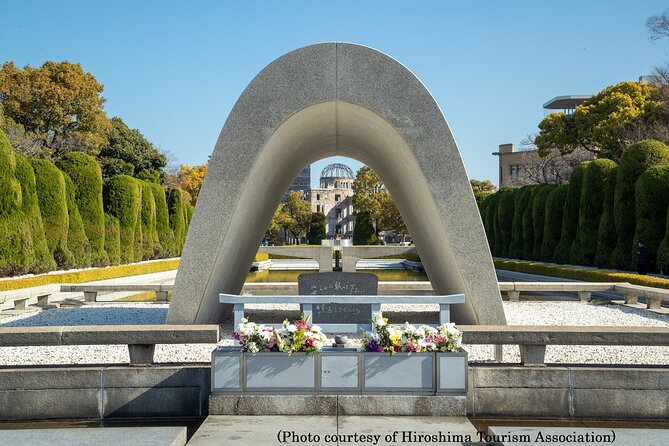
- The Peace Park visit is emotional: Expect time at the Atomic Bomb Dome, Memorial Cenotaph, and Peace Memorial Museum.
- Guiding quality matters: Many guides receive warm praise, but several people found it hard to hear guides in a full coach.
- The day ends at Hiroshima Station: The meeting point is Hotel Granvia Hiroshima at 10:10 a.m., with the finish around 6:00 to 6:30 p.m.
Why this Hiroshima day trip works
Hiroshima and Miyajima are close enough to combine, but visiting both independently takes planning. You need to manage the bus or train, ferry, shrine admission, Peace Park, museum timing, and return trip. This tour removes much of that puzzle.
You meet in the lobby of Hotel Granvia Hiroshima, beside Hiroshima Station, at 10:10 a.m. From there, an air-conditioned vehicle takes you toward Miyajima. The exact order can change with road conditions and congestion, so treat the schedule as a guide rather than a promise carved in stone.
For you, the chief benefit is efficiency. In about eight hours and 20 minutes, you see two places that represent very different sides of Hiroshima. Miyajima offers sacred architecture, deer, shops, and sea views. The Peace Park asks you to slow down and think about the cost of war.
The tour price is listed at $152.54 per person. That is not a bargain if you are comfortable arranging every part yourself. But it includes transport, the ferry, Miyajima’s visitor tax, listed admission fees, and a national government licensed English guide. If you value simple connections and historical explanation, the price is easier to justify.
A few more options to weigh up in Hiroshima
- Peaceful Hiroshima & Miyajima UNESCO 1 Day Bus Tour
★ 5.0 · 5,309 reviews - Hiroshima Peace Memorial Museum Ticket
★ 4.8 · 2,727 reviews - Hiroshima: Hiroshima and Miyajima UNESCO Sites 1-Day Tour
★ 4.9 · 2,330 reviews
Crossing to Miyajima by ferry
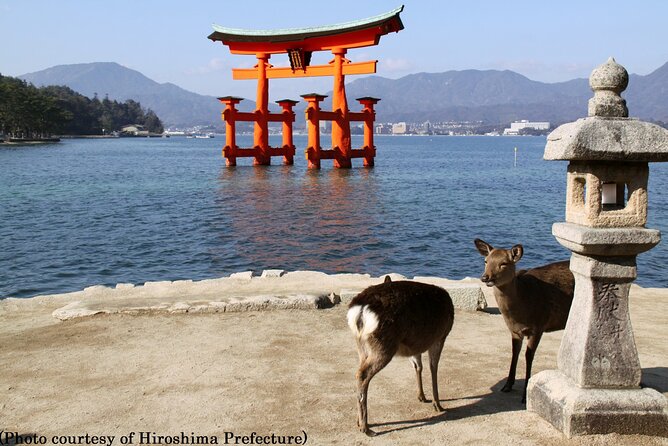
Miyajima means shrine island, and the approach by ferry helps explain the name. The island’s best-known sight is Itsukushima Shrine, famous for its large red torii gate that appears to rise from the sea at high tide.
The ferry is not merely a transfer. It gives you a short change of pace between Hiroshima’s city streets and Miyajima’s wooded island setting. Keep your camera ready, but do not expect the guide to control the water, weather, or tide. The gate’s appearance changes with the water level, so the view is different from one visit to the next.
The island is also known for wild deer and playful monkeys. The deer are a familiar part of the visit, but you should keep food and paper items away from them. The tour information highlights both animals, though the exact sightings are never guaranteed.
Itsukushima Shrine and the floating torii gate
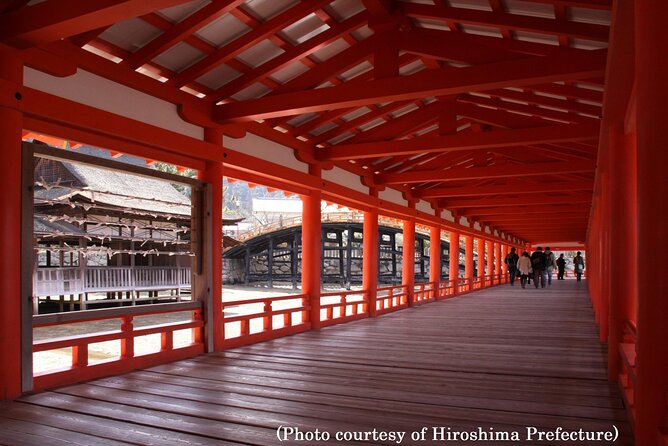
Itsukushima Shrine is the heart of the Miyajima portion. Founded in the sixth century, it is known for its Shinden-zukuri design, an architectural style associated with the residences of Japan’s nobility. Its buildings, walkways, and red painted details create a striking contrast with the water and wooded hills.
You receive about an hour at the shrine, with admission included. Your guide explains the site’s customs and history, which is useful because the shrine can otherwise feel like a quick photo stop. Several guides have been praised for explaining Japanese manners and traditions, not just pointing out buildings.
This is also the part of the day most affected by crowds. Public holidays and holiday weekends can make Miyajima very busy. With a large group, your guide may need to pause often, gather everyone, and speak outdoors where voices carry poorly.
Some guides help with photographs, a small but valuable service at a crowded place. Azusa, for example, was praised for finding angles that made the group look nearly alone at the shrine. That kind of help can save time and give you a better record of the visit.
Do not expect a long, open-ended exploration of the island. The group has to keep moving to meet the ferry and the bus. You may have enough free time for food, shops, and a walk around the shrine area, but a full mountain outing is unlikely.
Your lunch hour on Miyajima
Lunch is at your own expense, with about an hour assigned for the island. This gives you freedom, but it also means you need to make quick choices.
Miyajima is associated with several local foods:
- Oysters
- Hiroshima-style okonomiyaki
- Conger eel rice bowls
You may find these at restaurants and food shops around the island. Since the schedule is tight, avoid wandering too far from the agreed meeting point. The guide will provide instructions, but you are responsible for returning on time.
The lunch arrangement works best if you enjoy choosing your own food. It works less well if you prefer a set meal or want a relaxed restaurant experience. One tour experience included a seafood set menu, but the standard details clearly say that lunch charges are not included, so you should budget separately.
Bring a small snack as well. Several people describe the day as long, hot, or tiring, especially in muggy weather. A water bottle, fan, and umbrella are sensible additions. One driver was praised for handing out water bottles on a humid day, but you should not rely on that being standard every time.
A completely different kind of day out:
- Hiroshima Peace Memorial Museum Admission
★ 4.6 · 1,308 reviews - Hiroshima / Miyajima Full-day Private Tour with Government Licensed Guide
★ 5.0 · 1,298 reviews - Hiroshima Historical Walking Tour – Why A-Bomb was Dropped
★ 4.8 · 893 reviews - Hiroshima Peace (Heiwa) Walking Tour at World Heritage Sites
★ 5.0 · 872 reviews
Hiroshima Peace Memorial Park after lunch
The second half of the tour shifts tone sharply. Hiroshima Peace Memorial Park was created after the Pacific War and now serves as a place of remembrance and a call for peace. The park contains monuments to those killed by the atomic bombing in 1945.
This is not a quick sightseeing stop. Give yourself emotional space. The park’s broad paths and open areas make it possible to move between monuments, but the subject matter is painful. You will see memorials for Japanese victims and a cenotaph for Korean victims, among other sites.
The Memorial Cenotaph for Atomic Bomb Victims contains the names of those lost in the bombing. Standing before it can be one of the most affecting moments of the day. The tour gives you time to reflect, but the group schedule means you may not have complete control over how long you remain.
Guides with a personal connection to Hiroshima can add special meaning here. One guide shared family stories connected to the city during the bombing, while another guide from Hiroshima explained the event with particular feeling. Those personal details can make the history less abstract.
At the same time, the large-group format can weaken the experience. One guide began speaking before the entire group had gathered, and another spoke so quietly that people at the back missed much of the explanation. Stay near the guide during walking portions and ask for a repeat if you cannot hear. That is not rude. It is the only way to get the value you paid for.
The Atomic Bomb Dome
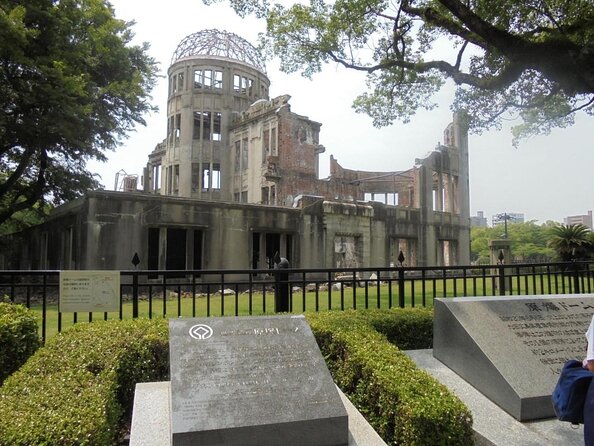
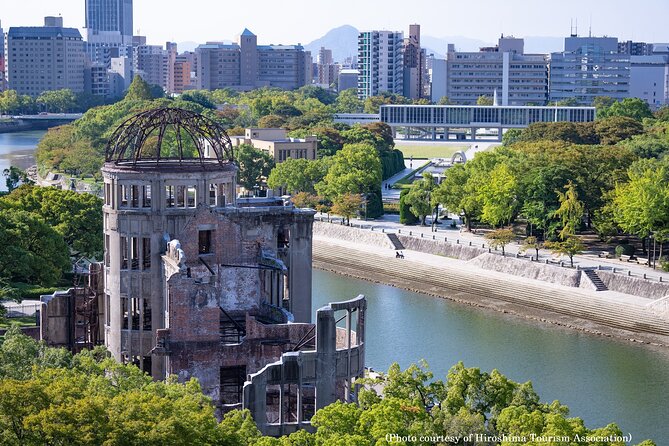
The Atomic Bomb Dome is one of Hiroshima’s clearest symbols. The building’s skeletal remains survived the blast and have been preserved as a reminder of the bombing and a plea for the elimination of nuclear weapons.
The stop lasts about 40 minutes and admission is free. You view the structure from the surrounding area rather than treating it like a normal building you enter. Its damaged walls and exposed frame are powerful precisely because they have not been repaired into something comfortable.
Your guide can provide context, but the site also rewards quiet observation. Look at the Dome from more than one angle. The river, nearby paths, and open space around it help you understand how the preserved ruins fit into modern Hiroshima.
Because this is an outdoor stop, weather and crowd noise matter. On a rainy day, an umbrella helps. On a hot day, shade and water matter. The tour continues at a steady pace, so wear shoes suitable for walking.
Inside the Hiroshima Peace Memorial Museum
The Peace Memorial Museum is included, with about an hour allotted. It contains exhibits about the bombing, its victims, and the effects that followed. The museum is serious and often distressing, so plan on needing a quiet pause afterward.
An hour gives you a meaningful introduction, but not enough time to examine every display. You will need to decide what matters most to you. If you want to read every panel carefully, the group schedule may feel rushed. If you want a guided orientation to the key places and then a museum visit on your own, the arrangement works better.
The museum portion is largely self-guided. That is useful because you can move at your own pace, but it also means the guide may not accompany you through each exhibit. Some people prefer this freedom. Others expect more commentary inside the museum.
The subject deserves respectful attention. This is not a standard attraction to rush through for photographs. Allow time afterward to process what you have seen, especially if you are visiting Hiroshima early in your trip.
What the guides add to the day
The strongest part of this experience is often the guide. The best guides combine clear English, historical care, local knowledge, and practical group management.
Masako was praised for patience and kindness, even helping with photographs and accompanying a participant to the train station afterward. Tomoko used visual reminders for meeting points and was described as enthusiastic. Hikari received high marks for explanations at both Miyajima and the Atomic Bomb Dome.
Other praised guides include Azusa, Kyoko, Mitsui, Minnie, Nob, Nikki, Takeshi, Akko Watanabe, and Taeko. Their strengths vary, but the recurring pattern is clear: a good guide can make the day more personal, easier to follow, and more respectful.
You cannot select a particular guide when booking, so guide quality remains a variable. A few people found a guide’s voice too soft or presentation too passive. The risk increases when the coach is full, since outdoor explanations can become difficult to hear.
The group limit is 40 people, though some departures may be smaller. One group had about 20 people and found the size comfortable. If you want a private conversation at every stop, this is not the right format. If you want a licensed guide and shared transport without paying private-tour prices, it is a sensible middle ground.
Timing, transport, and the end of the day
The start point is convenient if you are staying near Hiroshima Station or arriving by train. If you are coming from Kyoto or Shin-Osaka with a Japan Rail Pass, take an early enough Shinkansen to reach the Hotel Granvia Hiroshima lobby before 10:10 a.m. Missing the meeting time means you cannot join.
The tour finishes at Hiroshima Station around 6:00 to 6:30 p.m. You then continue to your next destination independently. This is useful if you are staying in Hiroshima, catching an evening train, or using the station for dinner.
Some people have used the tour as a long day trip from Kyoto, meeting the group in Hiroshima and returning later in the evening. That can work, but it creates a very long day. I would prefer to stay overnight in Hiroshima if possible, especially after the museum and Peace Park.
The vehicle is air-conditioned, which matters in Japan’s humid summer. Seats may not be assigned, so arrive on time and follow the guide’s instructions. The vehicle, ferry, and walking sections create a varied day, but you should still expect a fair amount of time on your feet.
Children up to age five may join free without a bus seat. If you need a seat, book the child rate. Anyone under 18 needs written parental permission, and anyone under 15 or not yet enrolled in middle school must be accompanied by a parent or guardian.
Who should book this tour?
I would choose this tour if you have only one day for Hiroshima and want help connecting Miyajima with the Peace Park. It suits first-time visitors, history-minded people, and anyone who prefers a clear schedule over independent transport planning.
It is also a good fit if you want an English-speaking guide to explain Japanese shrine customs and the history of Hiroshima. The best guides add local detail that you may miss on your own.
I would hesitate if you want long free time on Miyajima, plan to ride the ropeway, or want to hike. The island portion is structured around the shrine, lunch, and the return ferry. I would also hesitate if you dislike group tours or need every explanation to be delivered slowly and privately.
For the strongest experience, stay close to the guide, bring water, wear comfortable shoes, and keep lunch simple. If you are sensitive to the Peace Memorial Museum’s subject matter, remind yourself that you can move through the exhibits at your own pace.
Should you book it?
Book this tour if efficiency, transport, and historical guidance matter more to you than total freedom. It covers the two essential Hiroshima area sights in one day and handles the ferry and admissions, which removes several small but important planning tasks.
Skip it if you are comfortable arranging Miyajima and the Peace Park yourself, want more time on the island, or expect a private-level guide experience. At $152.54, the value comes from convenience and explanation, not from cheap admission.
For most first-time visitors with a tight schedule, I think it is a worthwhile choice. Just understand the trade: you get a moving, well-packed day, but not an unhurried one.
FAQ
Where does the tour start?
The tour starts in the lobby of Hotel Granvia Hiroshima, located at 1-5 Matsubaracho, Minami Ward, Hiroshima, beside Hiroshima Station.
What time does the tour start?
The scheduled start time is 10:10 a.m. You must arrive on time, since participants who miss the meeting time cannot join the tour.
Where does the tour end?
The tour ends at Hiroshima Station, usually around 6:00 to 6:30 p.m. You make your own arrangements for your next destination from the station.
Is lunch included?
No. Lunch is not included in the tour price. You have time to eat on Miyajima and can choose local foods such as oysters, Hiroshima-style okonomiyaki, or conger eel rice.
Are admission fees and ferry transport included?
Yes. The listed admission fees, Miyajima visitor tax, ferry transportation, and other stated transportation costs are included.
Is the Hiroshima Peace Memorial Museum included?
Yes. Admission to the Hiroshima Peace Memorial Museum is included, with about one hour scheduled for the visit.
Can children join the tour?
Children up to five years old may join free of charge, but they do not receive a bus seat unless you book the child rate. Participants under 18 need written parental permission, and anyone under 15 or not yet enrolled in middle school must be accompanied by a parent or guardian.
Just added in Hiroshima
- Hiroshima Peace Memorial Museum Ticket★ 4.8 · 2,727 reviews
- Hiroshima Peace Memorial Museum Admission★ 4.6 · 1,308 reviews
- Private Full Day Hiroshima Tour★ 4.5 · 29 reviews
- The Peace Memorial to Miyajima : Icons of Peace and Beauty★ 4.5 · 31 reviews
- Hiroshima & Miyajima All-Inclusive Tour w/Licensed guide Pancho★ 5.0 · 54 reviews
- Shore Excursion from Hiroshima Port : Private Tour in Hiroshima★ 5.0 · 17 reviews
- Hiroshima Country Cycling: Explore Rural Life 1 HR from City★ 5.0 · 22 reviews
- Hiroshima Saijo Sake Tasting Tour with visit to 7 Breweries★ 5.0 · 104 reviews
Hiroshima Tours, compared.
Peaceful Hiroshima & Miyajima UNESCO 1 Day Bus Tour
Read our review →
Hiroshima and Miyajima UNESCO Sites 1-Day Tour
Read our review →
Hiroshima / Miyajima Full-day Private Tour with Government Licensed Guide
Read our review →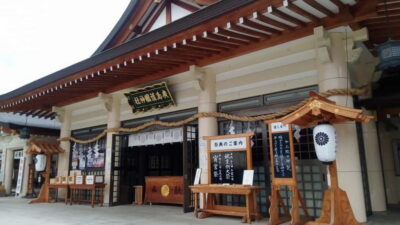
Hiroshima Historical Walking Tour – Why A-Bomb was Dropped
Read our review →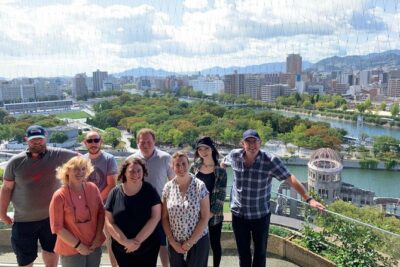
Hiroshima Peace (Heiwa) Walking Tour at World Heritage Sites
Read our review →
Hiroshima in a Nutshell: Morning Bike Adventure
Read our review →Browse the lists this tour appears in