
Reviewed · HIROSHIMA TOURS
Hiroshima and Miyajima by Bike and Boat
Make one day count in Hiroshima. This full-day outing links the city’s rivers, Peace Memorial Park, Hiroshima Castle, and Miyajima using bicycles, trains, and the JR ferry. I like the small group of up to eight and the way cycling lets you cover more ground than walking without turning the day into a bus tour. I also like the included local lunch and the chance to see Hiroshima’s modern tragedy alongside its older feudal story. The main drawback is the packed schedule: on a hot day, or if you want a long museum visit, the day can feel rushed.
This is an active sightseeing day, not a gentle ride with endless free time. You cycle around Hiroshima, walk around Miyajima, take the train and ferry, then return to the starting point. Guides such as Aimee, Alex, Ihsan, Sage, James, and Melissa have been praised for clear explanations, flexible pacing, and thoughtful handling of difficult wartime subjects. Still, guide style can vary, and the tour does not include the Peace Memorial Museum.
In This Review
- Key points to know before booking
- Starting at Cycle Hiroshima at 9:30 a.m.
- Cycling beside Hiroshima’s rivers and neighborhoods
- Hiroshima Peace Memorial Park and the Cenotaph
- Hiroshima Castle and the city’s earlier past
- Taking the train and JR Miyajima Ferry
- Walking through Miyajima’s streets
- Itsukushima Shrine and the included lunch
- Returning by ferry, train, and bicycle
- Guide quality makes a real difference
- Is the $142.05 price good value?
- Who should book this experience?
- FAQ
- Where does the Hiroshima and Miyajima bike tour begin?
- Where does the tour finish?
- How long does the experience last?
- Is the JR Miyajima Ferry included?
- Is lunch included?
- Does the tour visit the Peace Memorial Museum?
- What happens if bad weather cancels the tour?
- Should you book it?
Key points to know before booking
- The day covers two major destinations: Hiroshima city and Miyajima, with transport between them included.
- Cycling is mainly in Hiroshima: Much of Miyajima is explored on foot, so expect a mixed bike-and-walking day.
- The group is capped at eight: That makes it easier to ask questions and adjust the pace than on a large group outing.
- Lunch is included: You can expect local Hiroshima dishes, with vegetarian choices available.
- The Peace Memorial Museum is not part of the route: Plan extra time afterward if you want to visit.
- Hot weather matters: Several itineraries needed extra breaks and water, and one version changed from cycling to walking because of heavy rain.
Starting at Cycle Hiroshima at 9:30 a.m.
You meet at Cycle Hiroshima, 4-chōme-5-4 Ōtemachi, in Hiroshima’s Naka Ward, at 9:30 a.m. The tour ends back at the same meeting point, which is useful if you have luggage stored there or need help planning your next stop.
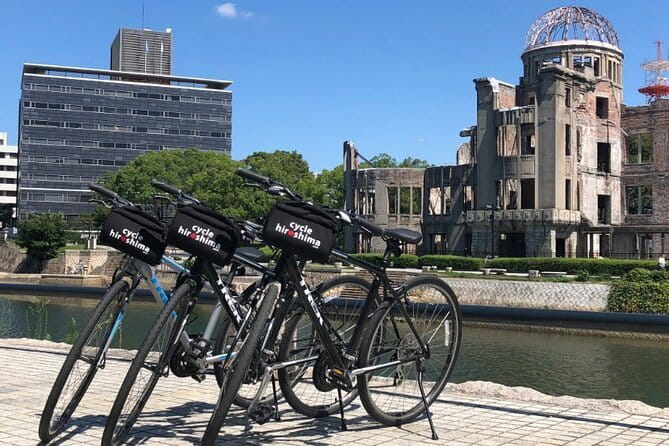
The bicycle setup is one of the practical strengths of this experience. Guides have taken care to match riders with suitable Trek bikes and different sizes. One review specifically noted that a rider who is 159 centimeters tall received a comfortable bike, so you should not assume this is a one-size-fits-all setup.
The outing is designed for most people who can participate in a full day of light cycling and walking. You do not need to be a serious cyclist, but you should be comfortable riding in a city and spending several hours on your feet. Tell the operator about dietary restrictions before the tour. Vegetarian food is available, but other needs should be discussed in advance.
A few more options to weigh up in Hiroshima
- Peaceful Hiroshima & Miyajima UNESCO 1 Day Bus Tour
★ 5.0 · 5,309 reviews - Hiroshima Peace Memorial Museum Ticket
★ 4.8 · 2,727 reviews - Hiroshima: Hiroshima and Miyajima UNESCO Sites 1-Day Tour
★ 4.9 · 2,330 reviews
Cycling beside Hiroshima’s rivers and neighborhoods
The first riding section takes you along rivers, through parks, and into city neighborhoods. This is a good way to get your bearings. On foot, Hiroshima’s wide streets and spread-out sights can make the city feel larger than expected. A bike lets you move between areas at a useful pace while still seeing ordinary streets and local scenery.
The cycling also gives the day a change of rhythm. You are not standing at one monument after another. You ride, pause, listen, and move on. That variety helps during a long day, especially when the weather is warm.
The route is not presented as a race. Guides such as Sage and Aimee have been praised for keeping a pace the whole group could manage, taking breaks, and watching hydration during humid weather. If you visit in summer, bring water, sun protection, and clothing suited to heat. The tour can be enjoyable in warm weather, but the active format makes conditions more noticeable.
Hiroshima Peace Memorial Park and the Cenotaph
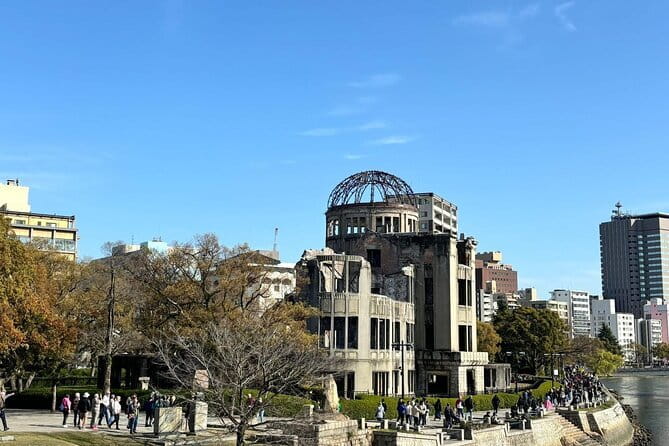
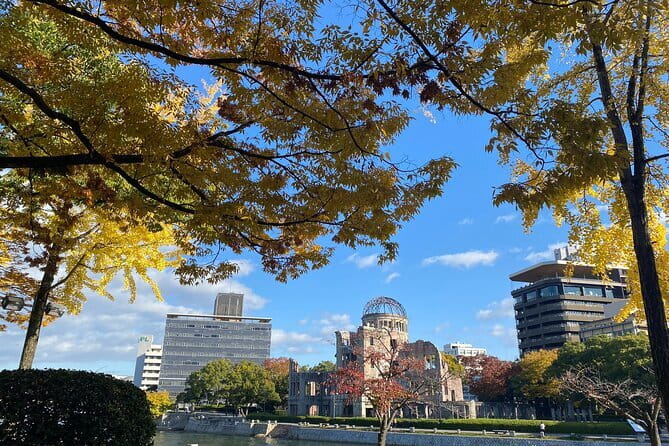
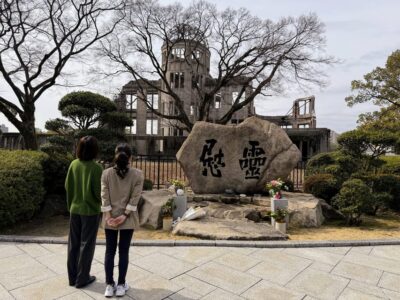
The Peace Memorial Park is the emotional center of the Hiroshima portion. You spend about an hour in the park, with your guide explaining the sites and their meaning. The tour then pauses for around 15 minutes at the Cenotaph for the Atomic Bomb Victims.
This part requires a guide who can explain difficult material with care. The strongest guide feedback centers on balanced, clear presentations about the events before the atomic bombing, the bombing itself, and its aftermath. Aimee has been singled out for finding a respectful balance between serious reflection and a human, approachable manner. James has also received praise for explaining the subject with unusual detail and sensitivity.
The benefit of visiting with a guide is that you notice more than the largest monuments. Several guides have pointed out statues, memorials, and smaller sites that are easy to pass without context. Some tours have included making paper cranes for the Children’s Peace Monument, adding a small hands-on moment to an otherwise solemn visit.
The limitation is important: the Peace Memorial Museum is not included. The park and Cenotaph offer a meaningful introduction, but they cannot replace the museum’s exhibits. If the museum is a priority, plan to return after the tour or arrange tickets and time separately. One participant found that the city sites received less attention when the schedule ran late, so ask your guide early how much time may be available for the museum later in the day.
Hiroshima Castle and the city’s earlier past
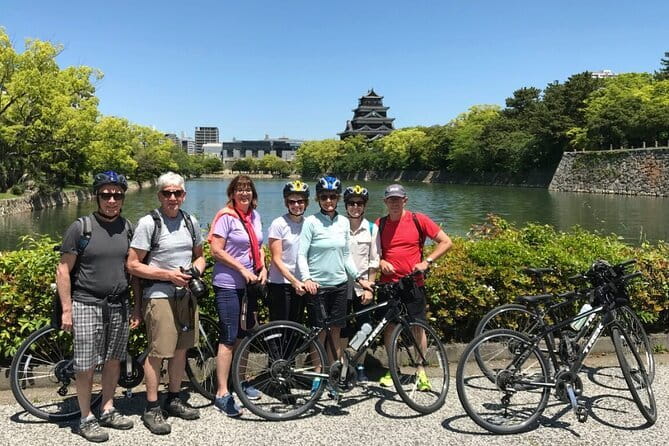
After the Peace Park, the tour turns to Hiroshima Castle. The restored castle, its moat, grounds, and main tower provide a sharp contrast with the memorial sites. Here, the subject shifts from twentieth-century war to feudal Japan and the role of the castle in the city’s earlier development.
The scheduled visit lasts about 30 minutes. That is enough for a look at the grounds, photographs, and a short explanation, but not a slow museum-style visit. If you want to study every display inside the main tower, you may need more time than the group schedule allows.
I like this stop because it prevents the day from presenting Hiroshima through only one chapter of its past. The city has a story before 1945, and the castle makes that clear. The contrast also keeps the itinerary from becoming emotionally heavy from start to finish.
A completely different kind of day out:
- Hiroshima Peace Memorial Museum Admission
★ 4.6 · 1,308 reviews - Hiroshima / Miyajima Full-day Private Tour with Government Licensed Guide
★ 5.0 · 1,298 reviews - Hiroshima Historical Walking Tour – Why A-Bomb was Dropped
★ 4.8 · 893 reviews - Hiroshima Peace (Heiwa) Walking Tour at World Heritage Sites
★ 5.0 · 872 reviews
Taking the train and JR Miyajima Ferry
The move to Miyajima uses both train and ferry. The JR Miyajima Ferry fare is included, and the crossing takes about 30 minutes. This is not just a practical transfer. It gives you a break from riding and opens up views as you approach the island.
The transport mix is one of the cleverest features of the day. You cycle through the city, use public transport to reach the island, then walk through Miyajima before retracing the route. You experience Hiroshima as a connected place rather than seeing each attraction in isolation.
Your guide handles the transitions, which matters when a day includes bikes, a train, and a ferry. Several strong accounts praise guides for navigating those changes smoothly. The return follows the same general pattern, with the group taking the ferry and train back before cycling to the base.
Walking through Miyajima’s streets
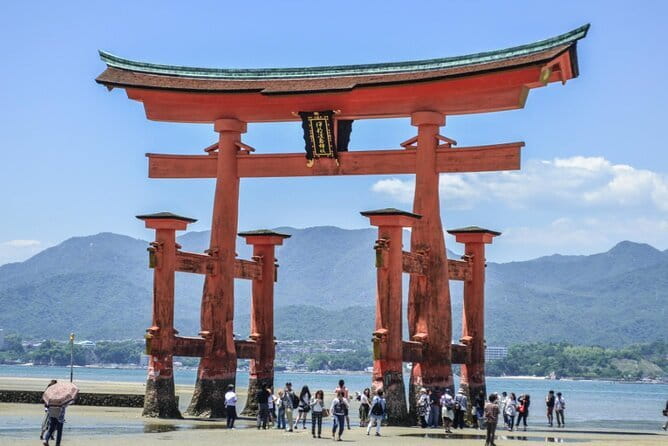
Miyajima receives about an hour and a half of guided exploration. Expect to walk through streets lined with orange buildings, see lush surroundings, and learn about the island’s traditions and legends. Local deer are part of the experience, and you will have opportunities for photographs.
A useful point to understand before booking: this is not a second major cycling section. Much of Miyajima is explored on foot. One unhappy itinerary became too long because the group spent more time walking on the island than expected, leaving little daylight for Hiroshima’s main sites. If Miyajima is your main priority, that may sound fine. If the Peace Park matters most, you will want to keep an eye on the timing.
Miyajima is beautiful and atmospheric, but it can easily absorb a full day on its own. This tour gives you a well-planned taste of the island while also fitting in Hiroshima. The tradeoff is depth. You see a broad selection of places, but you may not have much independent time to wander, shop, or seek out quieter corners.
Itsukushima Shrine and the included lunch
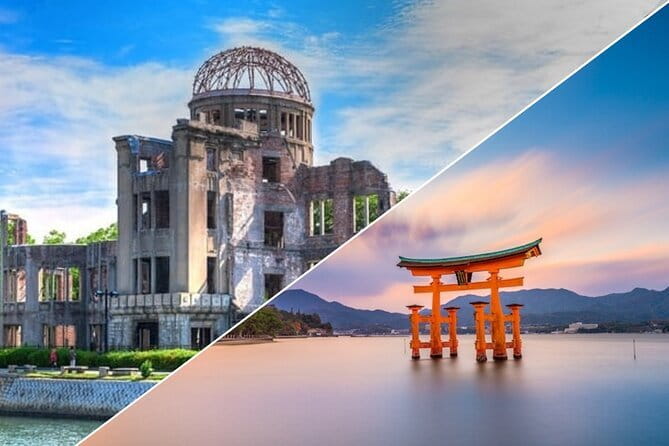
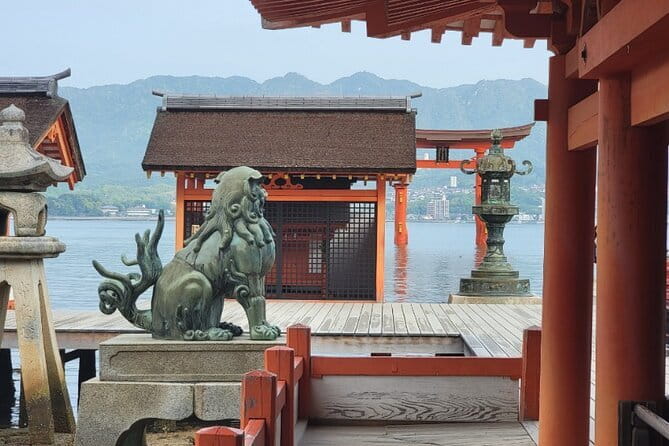
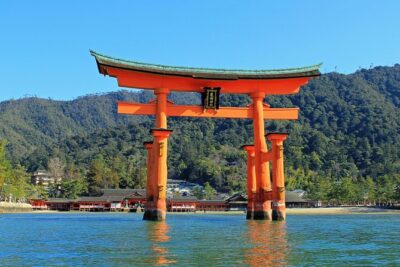
The Itsukushima Shrine area is the island’s signature stop. The orange buildings, surrounding greenery, and famous shrine setting provide some of the day’s most memorable photographs. Your guide explains the monuments and landmarks around the shrine and helps you understand how the island’s religious and cultural identity developed.
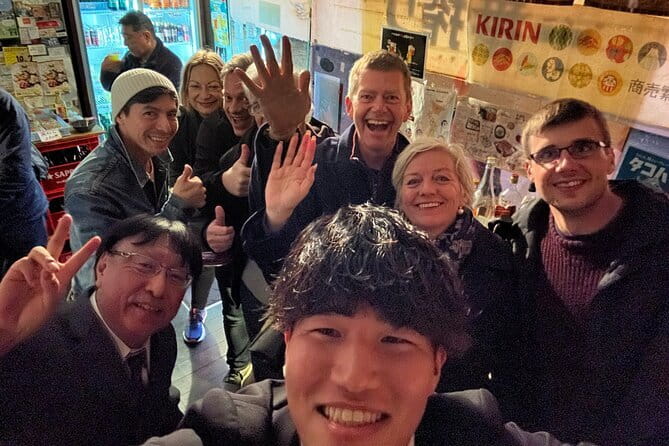
The schedule allows about an hour and a half here, including a sit-down lunch nearby. The meal features local Hiroshima dishes, and several accounts praise the food. Hiroshima-style okonomiyaki is specifically noted as a highlight, while another outing included Hiroshima ramen. The exact dish can vary, but the goal is to give you a regional meal rather than a generic restaurant stop.
Lunch is more than a convenience on a long active day. It gives you time to sit with the group, ask questions, and recover before continuing. Still, lunch can run long. If you prefer fast sightseeing and plenty of free time, the meal may feel like it takes too much of the afternoon. If you enjoy local food and a shared table, it is one of the better parts of the schedule.
Returning by ferry, train, and bicycle
The final cycling section lasts about 20 minutes. After returning from Miyajima by ferry and train, you ride back to the base, collect any stored luggage, and receive advice about what to do next in Hiroshima.
This ending is practical rather than dramatic. You finish where you began, without needing to figure out another route across the city. A good guide may also suggest places for an evening meal, further sightseeing, or the Peace Memorial Museum.
The advertised duration is about seven to eight hours, but you should allow flexibility. One outing lasted around 10 hours after delays and extended stops. Weather, group pace, lunch, and the amount of time spent on Miyajima can all affect the finish. If you have a train reservation or evening booking, leave a generous cushion.
Guide quality makes a real difference
The strongest part of this experience is the guide. Aimee is repeatedly praised for warm conversation, strong English, flexibility, and thoughtful pacing. She has adjusted routes for rain, helped with bike fitting, encouraged breaks in hot weather, and added small activities such as paper cranes.
Alex is praised for local insight and for adapting the route to the group’s interests. Ihsan receives strong marks for explaining the wartime period from several viewpoints while keeping the day friendly. James has been described as professional, personable, and especially strong with Japanese language and historical explanation. Melissa is praised for clear English, humor, and a careful tone when discussing painful subjects.
That said, a small-group tour depends heavily on who leads it. One less successful day felt too long and too light on Hiroshima’s wartime story. The guide was kind, but the language used for the subject did not suit every adult audience. I would treat that as a reminder to ask direct questions and explain what you want from the day. Say clearly if you want more time at the Peace Park, more context about the bombing, or more freedom on Miyajima.
Is the $142.05 price good value?
At $142.05 per person, the price is not cheap, but it covers a great deal. You receive the bicycle, guide, lunch, train and ferry rides, and all listed fees. You are also paying for route planning across two destinations and for a guide who can explain places that are easy to miss on your own.
The value is strongest if you have only one day for Hiroshima and Miyajima. Buying transport, arranging a bike, choosing a restaurant, and working out the route independently would take time. The tour also removes much of the uncertainty from a busy day.
The value is weaker if you want a museum-focused visit, long periods alone, or a relaxed pace. You will need to add the Peace Memorial Museum separately, and you may have limited time for browsing Miyajima’s shops or visiting additional sites. This is best understood as a broad introduction, not an exhaustive study of either destination.
Who should book this experience?
I would choose this tour if you want to be active, like mixing transport styles, and want both Hiroshima and Miyajima in one day. It suits first-time visitors who want context as well as photographs, and it works well for people who enjoy asking questions in a small group.
It is also a good fit if you are unsure how to handle Hiroshima’s difficult subject matter alone. A sensitive guide can give structure to the Peace Park and help you place the memorials within the wider story of the city.
I would think twice if you dislike cycling, struggle with heat, need a fixed end time, or want several hours inside the museum. You might prefer separate days for Hiroshima and Miyajima, with more control over each stop. In rainy weather, the cycling portion may be changed to walking, as happened on one outing, so the activity level can vary.
Free cancellation is available up to 24 hours before the 9:30 a.m. start. The tour depends on good weather and a minimum number of participants. If the operator cancels for either reason, you can choose another date or receive a full refund.
FAQ
Where does the Hiroshima and Miyajima bike tour begin?
It begins at Cycle Hiroshima, 4-chōme-5-4 Ōtemachi, Naka Ward, Hiroshima, at 9:30 a.m.
Where does the tour finish?
The tour ends back at the Cycle Hiroshima meeting point.
How long does the experience last?
The expected duration is approximately seven to eight hours. The actual day can run longer depending on weather, group pace, lunch, and time spent on Miyajima.
Is the JR Miyajima Ferry included?
Yes. The JR Miyajima Ferry fare is included, along with the train ride, bicycle use, and all listed fees and taxes.
Is lunch included?
Yes. Lunch featuring local Hiroshima dishes is included. Vegetarian options are available, but you should contact the operator before booking about other dietary restrictions.
Does the tour visit the Peace Memorial Museum?
No. The itinerary includes Peace Memorial Park and the Cenotaph for the Atomic Bomb Victims, but not the museum. You will need to arrange a separate visit.
What happens if bad weather cancels the tour?
If poor weather causes cancellation, you will be offered a different date or a full refund. A walking version may also be possible when conditions make cycling unsuitable, depending on the day and guide.
Should you book it?
Book it if you want a full, active introduction to Hiroshima and Miyajima, with local food and transport handled for you. The small group, strong guide reports, and mixture of cycling, ferry travel, memorial sites, castle grounds, and island culture give the day real range.
Just set the right expectations. You will not have a long museum visit, Miyajima is largely explored on foot, and the schedule can stretch in heat or rain. If you accept those limits and leave your evening open, this is a useful and memorable way to see two of western Japan’s most important places in one well-filled day.
Just added in Hiroshima
- Hiroshima Peace Memorial Museum Ticket★ 4.8 · 2,727 reviews
- Hiroshima Peace Memorial Museum Admission★ 4.6 · 1,308 reviews
- Private Full Day Hiroshima Tour★ 4.5 · 29 reviews
- The Peace Memorial to Miyajima : Icons of Peace and Beauty★ 4.5 · 31 reviews
- Shore Excursion from Hiroshima Port : Private Tour in Hiroshima★ 5.0 · 17 reviews
- Hiroshima & Miyajima All-Inclusive Tour w/Licensed guide Pancho★ 5.0 · 54 reviews
- Okunoshima Rabbit Island Cycling Tour with Local Guide★ 4.5 · 17 reviews
- Hiroshima Country Cycling: Explore Rural Life 1 HR from City★ 5.0 · 22 reviews
Hiroshima Tours, compared.
Peaceful Hiroshima & Miyajima UNESCO 1 Day Bus Tour
Read our review →
Hiroshima and Miyajima UNESCO Sites 1-Day Tour
Read our review →
Hiroshima / Miyajima Full-day Private Tour with Government Licensed Guide
Read our review →
Hiroshima Historical Walking Tour – Why A-Bomb was Dropped
Read our review →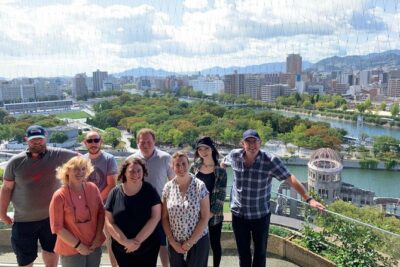
Hiroshima Peace (Heiwa) Walking Tour at World Heritage Sites
Read our review →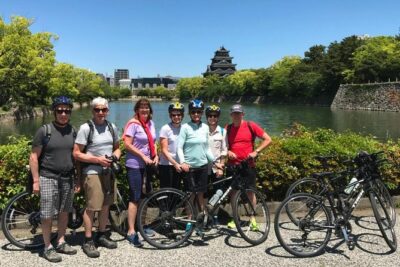
Hiroshima in a Nutshell: Morning Bike Adventure
Read our review →Browse the lists this tour appears in