
Reviewed · HIROSHIMA TOURS
Hiroshima: History and Hidden Gems Tour
Hiroshima rewards a slower look. This three-hour walking tour connects the city’s best-known memorials with lesser-noticed corners, giving you useful context instead of a quick list of photo stops. I like the thoughtful route and the clear English guidance from Awais, whose calm explanations bring difficult history into focus.
I also like the tour’s flexibility. Awais has adjusted the route for rain, tired feet, shorter schedules, and places guests had already visited. The main consideration is the pace: you will walk a lot, and the tour can run longer than three hours if your group asks questions or spends extra time at the museum and garden.
In This Review
- Key points to know before booking
- Starting at the Peace Memorial Museum
- Walking through Peace Memorial Park
- Aioi Bridge and the Atomic Bomb Dome
- The Korean Victims Cenotaph and overlooked memorials
- Hiroshima Castle and the city beyond the park
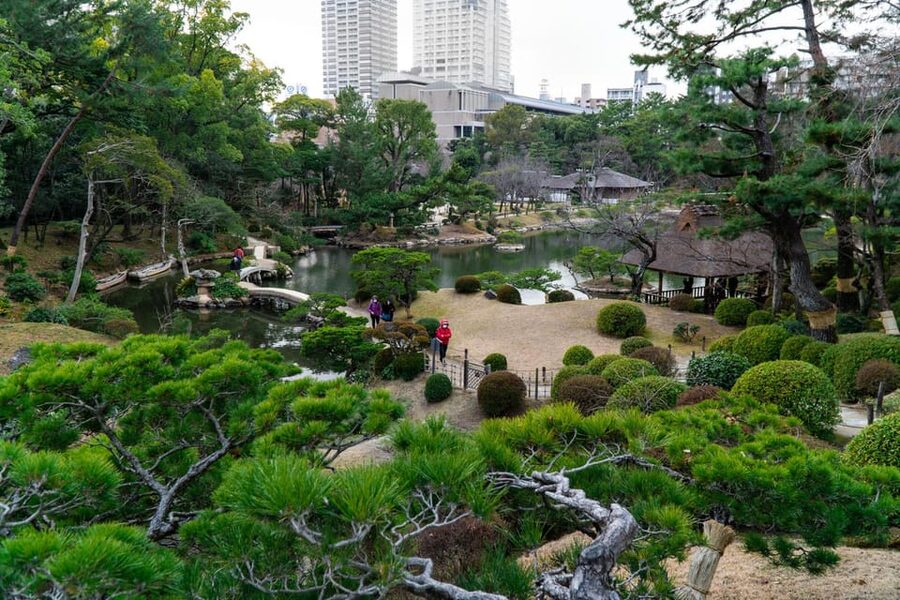
- Shukkeien Garden, a quieter final stop
- How much walking and time to allow
- The value of $57 per person
- Who will get the most from this Hiroshima walk
- Practical tips for a smoother visit
- Should you book the Hiroshima History and Hidden Gems Tour?
- FAQ
- Where does the tour begin?
- How long does the tour last?
- What language is the tour offered in?
- Is the tour wheelchair accessible?
- Does the tour visit the Peace Memorial Park?
- Does the tour include Hiroshima Castle and Shukkeien Garden?
- Can I cancel or pay later?
Key points to know before booking
- Awais leads with clear, compassionate explanations: His strongest subject is Hiroshima’s wartime history and the human cost of the atomic bombing.
- The route links major sights in a sensible order: You move from the museum and Peace Memorial Park toward the Atomic Bomb Dome, then on to Hiroshima Castle and Shukkeien Garden.
- You see more than the standard memorial views: The walk includes the Children’s Peace Monument, Korean Atomic Bomb Victims Cenotaph, Aioi Bridge, and the Atomic Bomb Memorial Burial Mound.
- The tour can be adapted: Rain, walking ability, previous visits, and personal interests can shape the route.
- The $57 price buys useful guidance: The value is strongest if you want explanations, questions answered, and help fitting several central sights into one morning or afternoon.
Starting at the Peace Memorial Museum
The tour begins at the Hiroshima Peace Memorial Museum, the right place for a serious introduction to the city. The museum is not simply a collection of wartime objects. It presents personal belongings, survivor accounts, and the effects of the atomic bombing on ordinary people.
That material can be upsetting. You should allow yourself some quiet time and avoid treating the museum as a box to tick before lunch. A guide can help you understand the setting and the sequence of events, but you still need room to process what you see.
The activity description lists a guided museum visit and skip-the-line access. The published inclusions name the historical tour and English-speaking guide, but do not clearly list admission tickets. I would confirm exactly what is covered when booking, especially if the museum entrance matters to your budget.
Awais has earned repeated praise for explaining painful material in a balanced and compassionate way. He is also willing to shorten the museum portion if you have already visited or prefer to spend more time outdoors. That flexibility is useful, but you should tell him early what kind of experience you want.
A few more options to weigh up in Hiroshima
- Peaceful Hiroshima & Miyajima UNESCO 1 Day Bus Tour
★ 5.0 · 5,309 reviews - Hiroshima Peace Memorial Museum Ticket
★ 4.8 · 2,727 reviews - Hiroshima: Hiroshima and Miyajima UNESCO Sites 1-Day Tour
★ 4.9 · 2,330 reviews
Walking through Peace Memorial Park
From the museum, the route moves into Hiroshima Peace Memorial Park. The open park gives the museum’s stories a physical setting, with memorials spread among paths, water, trees, and broad views toward the city.
The park is a place for reflection, but it is also a place where a guide adds real value. Without help, you can easily pass several important monuments without understanding whom they honor or why they were built.
The Hiroshima National Peace Memorial is one of the stops. The Children’s Peace Monument is another, tied to the memory of young victims and to the paper-crane tradition associated with peace. Awais can explain the meaning behind each site rather than leaving you to read short plaques and move on.
You also visit the Atomic Bomb Memorial Burial Mound. It is easy to miss beside more famous structures, yet it points toward the scale of the tragedy and the many people who could not be identified or given individual graves.
The Korean Atomic Bomb Victims Cenotaph adds another important perspective. It recognizes Korean victims of the bombing, a part of Hiroshima’s story that can receive less attention in a quick self-guided visit. This is one reason the tour works best for people who want the historical picture to be broader than the most familiar symbols.
Aioi Bridge and the Atomic Bomb Dome
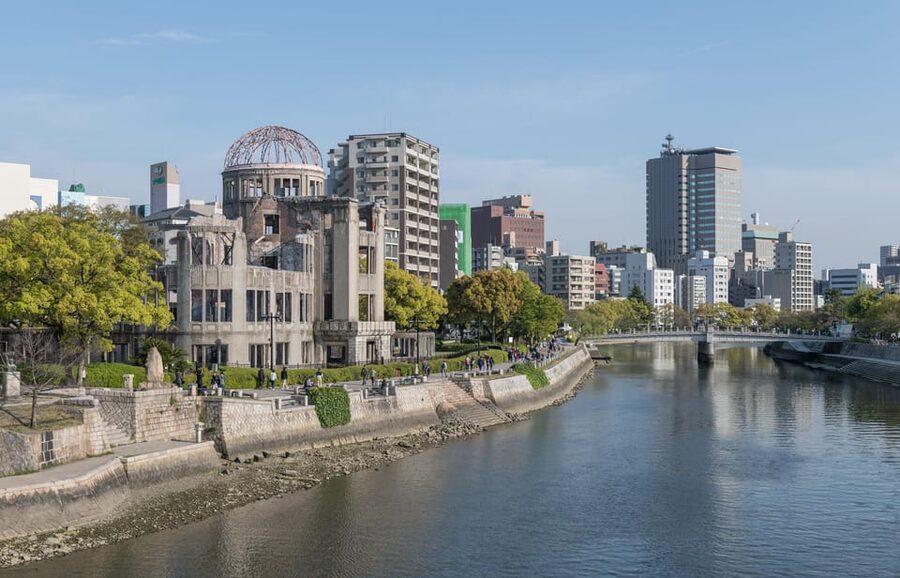
The route includes Aioi Bridge and the Atomic Bomb Dome, two places often linked in explanations of the bombing. The bridge is especially important because of its distinctive shape and its place in the targeting story.
The Atomic Bomb Dome is Hiroshima’s most recognizable surviving structure. Its damaged frame is powerful, but a photograph alone cannot tell you what happened around it, how it survived, or how it became a symbol of peace.
Awais guides you through this part of the park while connecting the buildings, bridges, memorials, and personal stories. The route is designed to feel connected, not like a string of unrelated stops. That matters in Hiroshima, where the meaning of one monument often becomes clearer after you have seen another.
Plan for outdoor exposure here. The park has little protection from poor weather in some areas, and one particularly wet outing required the guide to keep the group sheltered when possible. Bring a hat, sunscreen, weather-appropriate clothing, and comfortable shoes. An umbrella or rain layer is a sensible addition even though it is not listed among the required items.
The Korean Victims Cenotaph and overlooked memorials
The tour’s title promises lesser-known places, and this is where that promise has the most substance. The Korean Atomic Bomb Victims Cenotaph and the burial mound are not optional filler. They widen your understanding of who lived in Hiroshima, who suffered, and how commemoration works.
You may also pass smaller sites that would be easy to overlook without a local guide. The supplied route includes several unnamed guided stops, so the exact order can vary. That is a benefit if you prefer a responsive walk, though it also means you should not expect a fixed script with every minute predetermined.
The guide’s role is especially helpful between the formal monuments. You can ask about present-day Hiroshima, Japanese culture, and the way the city remembers the bombing. Several outings included recommendations for the rest of the day, which can make this a useful first activity in the city.
A completely different kind of day out:
- Hiroshima Peace Memorial Museum Admission
★ 4.6 · 1,308 reviews - Hiroshima / Miyajima Full-day Private Tour with Government Licensed Guide
★ 5.0 · 1,298 reviews - Hiroshima Historical Walking Tour – Why A-Bomb was Dropped
★ 4.8 · 893 reviews - Hiroshima Peace (Heiwa) Walking Tour at World Heritage Sites
★ 5.0 · 872 reviews
Hiroshima Castle and the city beyond the park
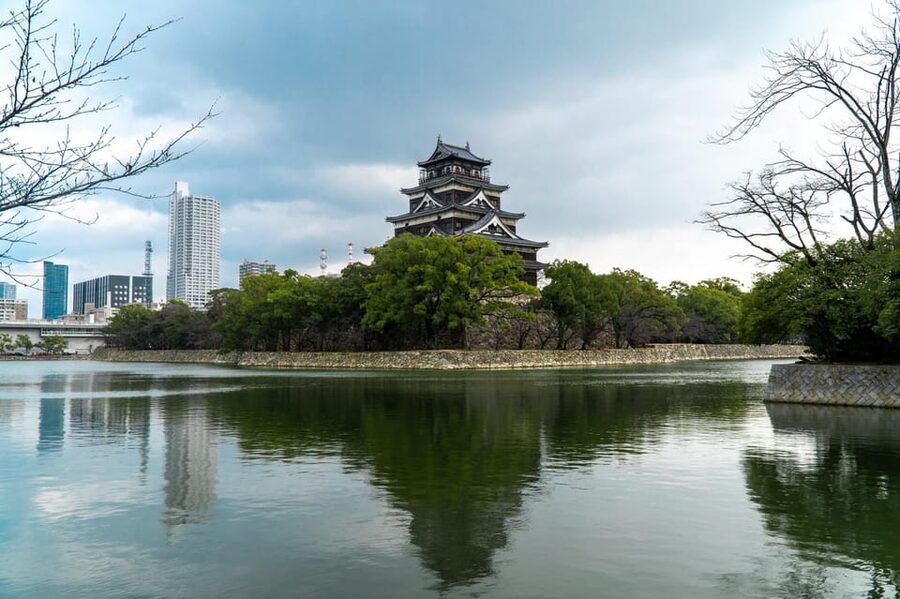
The itinerary points toward Hiroshima Castle, one of the city’s best-known historic buildings. This shift in mood is important. Hiroshima is not only a memorial destination, and seeing a prewar historical site helps you picture the city beyond August 1945.
The castle offers a different view of Hiroshima’s architecture and past. The tour information says you can go inside to view the exhibits rather than simply waiting outside. Since admission details are not fully clear in the published inclusions, confirm whether any interior ticket is covered or needs to be paid separately.
The castle portion may be shortened if your group spends extra time at the museum or memorials. That is not necessarily a flaw. The Peace Memorial Museum and park carry more emotional weight, so a good guide should adjust the balance to suit your priorities.
If you have already visited the castle, tell Awais. You can use that time for additional memorial sites, questions, or the garden instead. The guide has altered routes for people who had already seen particular attractions, which makes this a better fit than a rigid group excursion.
Shukkeien Garden, a quieter final stop
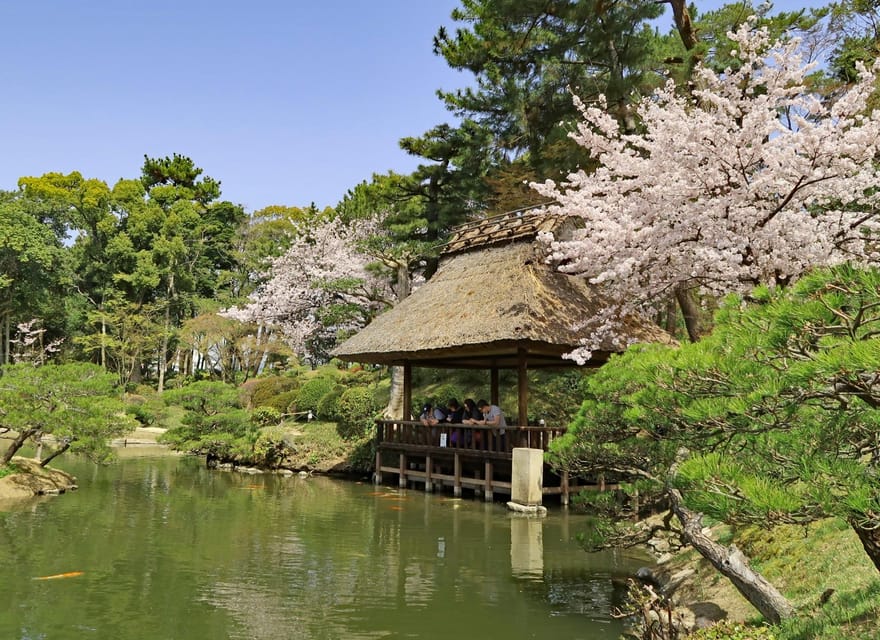
The tour finishes at Shukkeien Garden or returns to the Peace Memorial Museum, depending on the arrangement. Shukkeien is described as a sixteenth-century garden and offers a welcome change after the memorial sites.
Its paths, carefully arranged views, and traditional design give you a glimpse of another side of Hiroshima. The garden helps place the city in a longer cultural timeline, before and after the atomic bombing. It also gives the tour a gentler closing note.
For some people, Shukkeien will be the day’s highlight. One outing included extra time there, and another ended with a courtesy coffee at a small local place after rain affected the walk. Those details cannot be guaranteed, but they show how the experience can become more personal when timing allows.
You should not assume the garden receives a long visit within the advertised three hours. The museum, park, castle, and garden cover a lot of ground. Some groups have finished later than planned, especially when they stopped for questions or spent additional time taking photographs.
How much walking and time to allow
Three hours is the advertised duration, but I would keep part of the surrounding schedule open. The route includes a museum, a large memorial park, several monuments, the Atomic Bomb Dome, and the option of reaching Hiroshima Castle and Shukkeien Garden.
The walking pace has been described as comfortable, and Awais has offered breaks or taxi options when needed. Still, this is a walking tour, not a vehicle tour. Comfortable shoes are essential, and you should tell the guide if stairs, heat, rain, or long periods on your feet could be a problem.
The experience is listed as wheelchair accessible. Ask about the exact route and any changes between stops before you arrive, since the activity covers both indoor and outdoor locations.
Small groups can make the tour feel close to private. Several bookings involved only two people, which allowed the guide to answer questions and adapt the plan. The listing does not promise a particular group size, so treat that as a possible advantage rather than a guarantee.
The value of $57 per person
At $57 per person, this is not the cheapest way to walk through Hiroshima. You can see much of Peace Memorial Park on your own for little or no cost. The real purchase here is interpretation, planning, and conversation.
I think the price makes sense if you want to understand what you are seeing rather than simply photograph it. Awais has a strong command of Hiroshima’s wartime history, the atomic bombing, local culture, and present-day issues. His fluent English also matters when the subject is complex and emotionally difficult.
The price is less compelling if you are already well read on Hiroshima, prefer a silent self-guided visit, or want to spend most of the day inside the museum. It also deserves a careful check on entrance fees, since the included items are stated as the tour and guide, while the activity page also mentions skip-the-line access.
The flexibility improves the value. Awais has worked around heavy rain, shorter schedules, previous visits, and tired feet. He has also offered city recommendations at the end, which can help you use the rest of your time well.
Who will get the most from this Hiroshima walk
I would recommend this experience to a first-time visitor who wants a clear introduction to Hiroshima in one compact outing. It suits history-minded adults, families with older children, and couples who prefer conversation to reading every plaque alone.
It is also a good choice if you have only a short stay. The route covers the principal memorial sights and adds the castle and garden, giving you a useful first map of central Hiroshima.
Families should prepare younger children for serious subject matter. The museum and memorials address death, injury, loss, and the long effects of the bombing. Awais appears comfortable answering questions, but parents should decide how much detail is suitable for their children.
This tour may not suit you if you dislike walking, need a tightly timed departure immediately afterward, or want a purely architectural tour. The emotional focus is Hiroshima’s destruction and remembrance, with the castle and garden providing historical and cultural balance.
Practical tips for a smoother visit
- Wear supportive shoes. The route covers several outdoor sites and plenty of pavement.
- Bring sunscreen, a hat, and clothing suited to the forecast. Rain can change the route and walking comfort.
- Ask about the meeting point in advance if you want to start somewhere other than the Peace Memorial Museum. One booking found that weather-related changes were easier when the meeting details were clear beforehand.
- Tell Awais what you have already seen. He can shorten or rearrange sections.
- Keep extra time after the three-hour estimate if you want a relaxed museum visit, extended garden time, or detailed questions.
- Confirm admission arrangements for the museum, castle, and garden before paying, since the published details do not spell out every entry fee.
- Consider booking early in your Hiroshima stay. The guide’s recommendations can help shape your food, sightseeing, and day-trip plans.
Should you book the Hiroshima History and Hidden Gems Tour?
Book it if you want Hiroshima explained with care, not just photographed. The strongest reasons are Awais’s clear English, his thoughtful treatment of difficult history, and his willingness to adjust the walk to your needs.
The main cautions are the amount of walking, the possibility of running beyond three hours, and the need to confirm which entrance fees are included. If those points work for your schedule, $57 is a fair price for a personal introduction to Hiroshima’s memorial park, major landmarks, and quieter corners.
FAQ
Where does the tour begin?
The standard starting location is the Hiroshima Peace Memorial Museum. You can ask to choose another meeting point.
How long does the tour last?
The advertised duration is three hours. It may take longer if you spend extra time at the museum, ask many questions, or extend the visit to the castle and Shukkeien Garden.
What language is the tour offered in?
The tour is offered in English with a live English-speaking guide.
Is the tour wheelchair accessible?
Yes, the activity is listed as wheelchair accessible. Ask about the exact route when arranging your meeting point.
Does the tour visit the Peace Memorial Park?
Yes. The route includes Peace Memorial Park, the Hiroshima National Peace Memorial, the Children’s Peace Monument, the Atomic Bomb Memorial Burial Mound, Aioi Bridge, the Korean Atomic Bomb Victims Cenotaph, and the Atomic Bomb Dome.
Does the tour include Hiroshima Castle and Shukkeien Garden?
The route includes Hiroshima Castle and Shukkeien Garden, with drop-off options at Shukkeien Garden or the Peace Memorial Museum. Confirm the timing and any admission arrangements before booking.
Can I cancel or pay later?
You can cancel up to 24 hours in advance for a full refund. A reserve-now, pay-later option is also available.
Just added in Hiroshima
- Hiroshima Peace Memorial Museum Ticket★ 4.8 · 2,727 reviews
- Hiroshima Peace Memorial Museum Admission★ 4.6 · 1,308 reviews
- Private Full Day Hiroshima Tour★ 4.5 · 29 reviews
- The Peace Memorial to Miyajima : Icons of Peace and Beauty★ 4.5 · 31 reviews
- Shore Excursion from Hiroshima Port : Private Tour in Hiroshima★ 5.0 · 17 reviews
- Hiroshima & Miyajima All-Inclusive Tour w/Licensed guide Pancho★ 5.0 · 54 reviews
- Hiroshima Country Cycling: Explore Rural Life 1 HR from City★ 5.0 · 22 reviews
- Hiroshima Saijo Sake Tasting Tour with visit to 7 Breweries★ 5.0 · 104 reviews
Hiroshima Tours, compared.
Peaceful Hiroshima & Miyajima UNESCO 1 Day Bus Tour
Read our review →
Hiroshima and Miyajima UNESCO Sites 1-Day Tour
Read our review →

Hiroshima / Miyajima Full-day Private Tour with Government Licensed Guide
Read our review →
Hiroshima Historical Walking Tour – Why A-Bomb was Dropped
Read our review →
Hiroshima Peace (Heiwa) Walking Tour at World Heritage Sites
Read our review →
Hiroshima in a Nutshell: Morning Bike Adventure
Read our review →Browse the lists this tour appears in