
Reviewed · HIROSHIMA TOURS
Hiroshima History Tour : A-Bomb Dome, Peace Memorial & City
Hiroshima asks you to remember carefully. I like the local family perspectives and the freedom to shape a private route around your interests. The tour also pairs the serious Peace Memorial sites with Hiroshima Castle and Shukkeien Garden, giving you both painful history and a sense of the city today.
The main thing to consider is walking. The advertised experience lasts about three hours, but the full route includes seven stops and can take closer to four hours at a thoughtful pace. Public transportation costs ¥240 per person, and private transport, food, and Hiroshima Castle admission are extra.
In This Review
- Key points to know
- Why this Hiroshima tour feels different
- Starting inside the Peace Memorial Museum
- Walking through Peace Memorial Park
- The Children’s Peace Monument and Sadako’s cranes
- Seeing the A-Bomb Dome from the riverside area
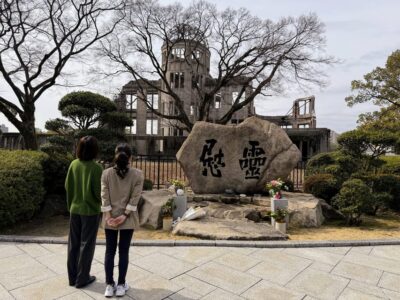
- Standing at the hypocenter monument
- Hiroshima Castle and the city before 1945
- Finding quiet at Shukkeien Garden
- What the private format adds
- Walking, transport, and timing
- Is $105.42 a fair price?
- Who should book this experience?
- Should you book it?
- FAQ
- How long does the Hiroshima history tour last?
- Is the Peace Memorial Museum admission included?
- Is Shukkeien Garden admission included?
- Is Hiroshima Castle admission included?
- Is transportation included?
- Is this a private tour?
- What is the cancellation policy?
Key points to know
- Personal Hiroshima stories: Some guides are second-generation atomic bomb survivors, while others grew up in Hiroshima or have family members affected by the bombing.
- Skip-the-line museum entry: The Peace Memorial Museum admission is included, with priority entry noted as part of the tour.
- A flexible private route: You can adjust the pace and focus before the tour, useful for families, couples, and solo visitors.
- More than memorials: Hiroshima Castle and Shukkeien Garden add samurai-era history, gardens, and a quieter view of the city.
- Strong guide praise: Yuka, Masa, Yuta, and Ally are specifically praised for warmth, clear explanations, patience, and personal local insight.
- Good value for a small group: At $105.42 per person, the price makes more sense when shared by a private group and when you value guided museum time.
Why this Hiroshima tour feels different
Many Hiroshima visits follow a familiar path: museum, memorial park, A-Bomb Dome, then onward to Miyajima or another destination. This private walk follows those essential stops but gives the history a human voice.
Your guide may share stories passed through family conversations, memories, and local life. Some guides have a direct family connection to the atomic bombing. Others were born and raised in Hiroshima and can explain how the city’s past remains part of ordinary life.
That personal angle matters here. The subject is too serious for a rushed checklist of dates and monuments. A good guide can help you pause at the right moments, explain what you are seeing, and connect the physical places with Hiroshima’s recovery.
The tour is offered in English and Japanese. It is private, so only your group takes part. That makes it easier to ask difficult questions, slow down in the museum, or skip a stop that does not suit your family.
You should still arrive ready for a sober morning or afternoon. This is not a light sightseeing stroll with a little history added. The Peace Memorial Museum contains painful evidence and survivor artwork. The guide’s role is to help you process the visit without turning it into a lecture.
A few more options to weigh up in Hiroshima
- Peaceful Hiroshima & Miyajima UNESCO 1 Day Bus Tour
★ 5.0 · 5,309 reviews - Hiroshima Peace Memorial Museum Ticket
★ 4.8 · 2,727 reviews - Hiroshima: Hiroshima and Miyajima UNESCO Sites 1-Day Tour
★ 4.9 · 2,330 reviews
Starting inside the Peace Memorial Museum
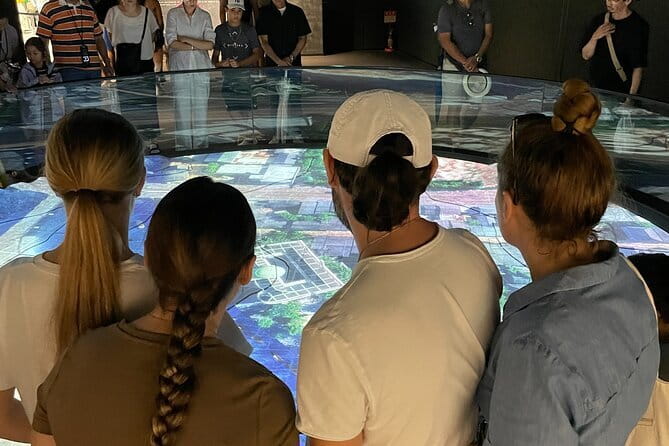
The Peace Memorial Museum is the emotional center of the experience. About one hour is set aside here, and admission is included with skip-the-line entry.
The museum presents Hiroshima as the first city in the world hit by an atomic bomb. Exhibits, data, paintings by survivors, and personal effects explain the event and its human cost. You will not simply look at a famous building from outside. You will confront the evidence.
Having a guide with you can make a real difference. Yuka was praised for taking her group through the museum while explaining the people, the bombing, the dome, and the surrounding buildings. That is useful because the museum can feel dense and emotionally heavy when you move through it alone.
I like that the museum comes early in the route. You receive the historical facts before walking through the park and seeing the monuments. The later stops then have more meaning because you understand what happened at the site.
One practical point: an hour may feel short if you read every display closely. The tour is designed to continue through several more locations, so you will need to accept some selectivity. If the museum is your main reason for visiting Hiroshima, tell the guide in advance and ask for more time there. The itinerary is customizable, but the total tour length remains limited.
Walking through Peace Memorial Park
After the museum, you spend about 20 minutes in Peace Memorial Park. Admission is free, and the park brings a different mood from the indoor exhibits.
Here, you see monuments set among open paths and greenery. The focus shifts from objects and data to remembrance, recovery, and the city’s message for the future. Your guide can explain several monuments and share thoughts shaped by growing up in Hiroshima.
The short time listed for the park should be treated as a starting point rather than a hard rule. You may pause longer at a monument, especially if your guide is explaining a local connection. Families with children might also need a slower pace, since the subject is difficult and young visitors may ask many questions.
The park gives you room to breathe after the museum. I value that change of pace. Hiroshima is not presented only as a place of destruction. The park shows how the city has chosen to remember while continuing daily life around these memorials.
The Children’s Peace Monument and Sadako’s cranes
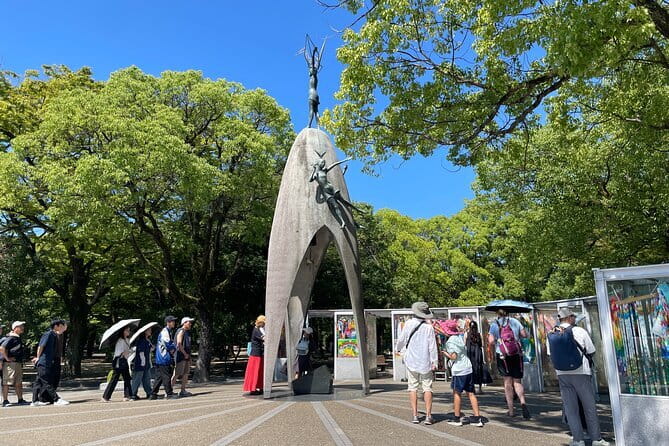
The Children’s Peace Monument is a brief stop, about five minutes, but it carries great weight. It is connected with the story of Sadako and the many origami cranes placed at the site.
You will see colorful paper cranes gathered around the monument. They offer a child-centered way to understand the human cost of the bombing. Instead of focusing only on governments, weapons, and military decisions, this stop brings attention to children and families.
Five minutes is enough to see the monument, but it may not be enough if you want a longer explanation or quiet reflection. Ask your guide to expand the story if it is important to you. Since the tour is private, you have more freedom to do that than you would on a large group outing.
A completely different kind of day out:
- Hiroshima Peace Memorial Museum Admission
★ 4.6 · 1,308 reviews - Hiroshima / Miyajima Full-day Private Tour with Government Licensed Guide
★ 5.0 · 1,298 reviews - Hiroshima Historical Walking Tour – Why A-Bomb was Dropped
★ 4.8 · 893 reviews - Hiroshima Peace (Heiwa) Walking Tour at World Heritage Sites
★ 5.0 · 872 reviews
Seeing the A-Bomb Dome from the riverside area
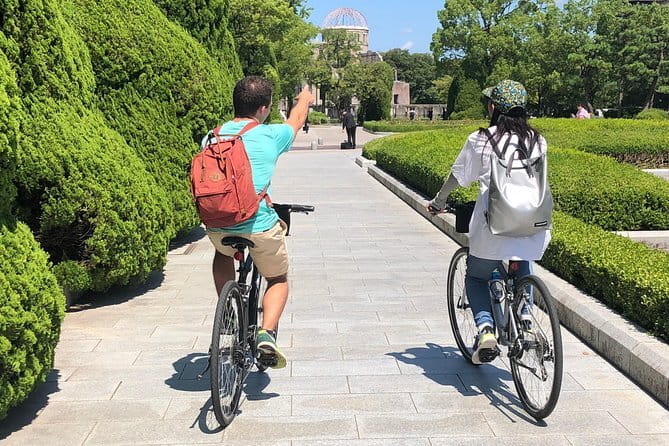
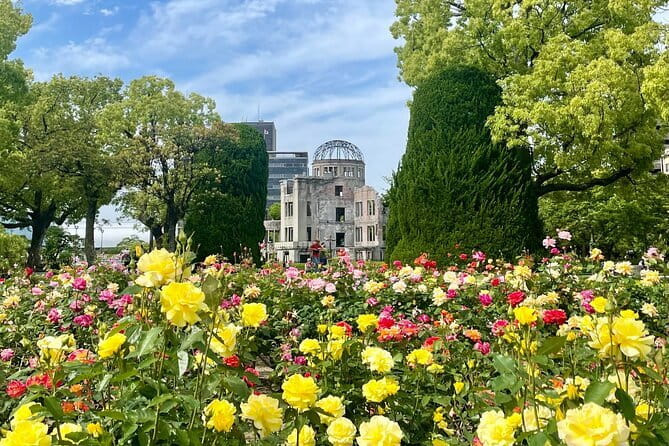
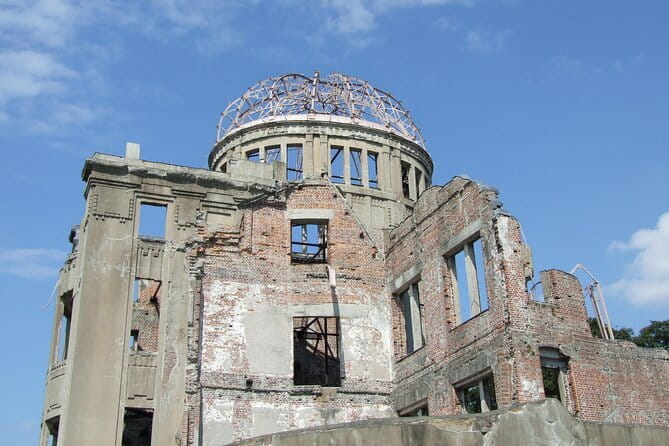
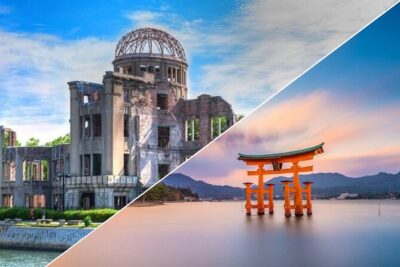
The Atomic Bomb Dome is a UNESCO World Heritage Site and one of Hiroshima’s most recognizable places. The building retains its original appearance because it was located almost directly below the hypocenter.
You can expect roughly 20 minutes here. The guide explains the building’s place in the bombing and why it has become a symbol of war’s destruction. The contrast is striking: the structure is damaged and skeletal, yet it remains part of a living city.
This is an important stop, but it should not be the only place where you learn about Hiroshima. The dome is powerful as an image, while the museum provides the evidence and personal accounts behind that image. The route works best because it joins both.
The area can attract many people, especially at popular times. A private guide cannot make the site empty, but can help you focus on the building and its setting instead of simply taking a quick photograph.
Standing at the hypocenter monument
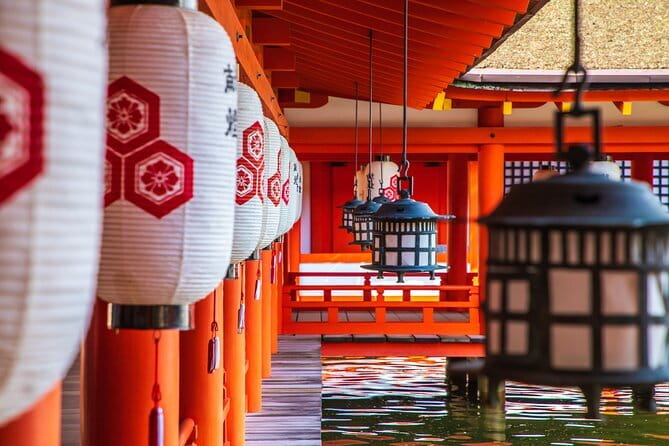
The hypocenter monument marks the spot above Shima Hospital where the atomic bomb exploded. The planned visit lasts about ten minutes.
This stop is more understated than the A-Bomb Dome. There is no grand building to study. You are simply asked to consider what it meant to stand at that exact point and imagine the force of the event around you.
That plainness is part of its effect. The tour moves from museum displays, to public memorials, to a precise location in the city. Hiroshima’s history becomes less distant as the route narrows from a broad city story to one marked point.
You may find this stop especially useful if you want geographic context. The guide can show how the memorial sites relate to one another and explain what makes the location significant.
Hiroshima Castle and the city before 1945
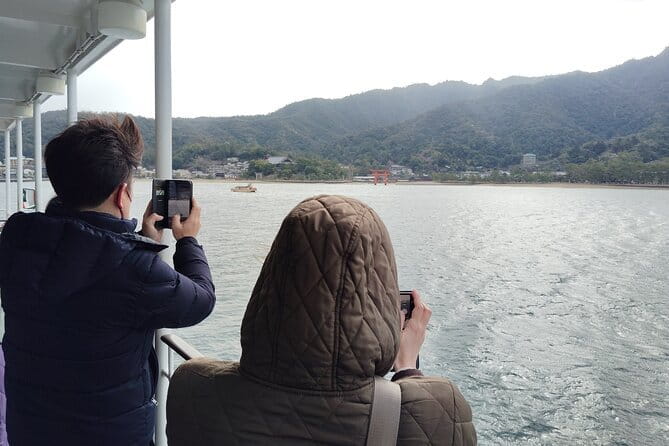
Hiroshima Castle adds a different chapter. The castle was built in the 16th century and destroyed by the atomic bomb. The current structure is a replica.
Normally, this is an outside photo stop lasting about 15 minutes. If you want to enter the museum inside, that can be arranged, but admission is not included. Ask about this before the tour if castle history matters to you, since entering will affect the available time.
I like this stop because it keeps Hiroshima from becoming a single-issue destination. The city existed long before the bombing, with samurai-era buildings, political history, and local traditions. Seeing the castle, even briefly, helps place the modern memorial district within a much longer story.
The drawback is time. On a three-hour tour, the castle may receive only a quick look. If your priority is the Peace Memorial Museum and park, you may prefer an exterior stop. If you want a broader city tour, the castle makes a good addition.
Finding quiet at Shukkeien Garden
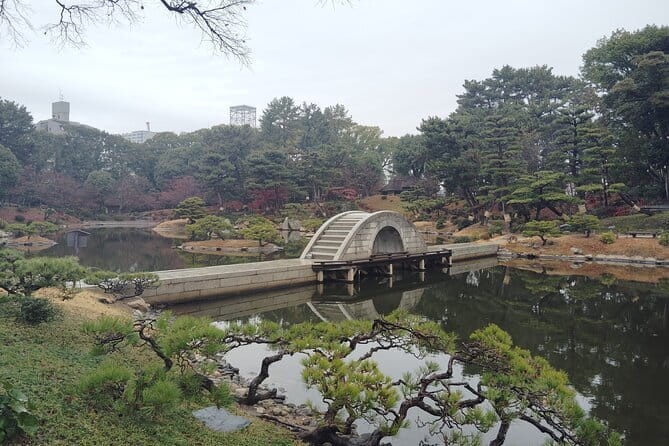
Shukkeien is one of the oldest Japanese gardens in Hiroshima. Created in 1620, it features a pond, trees, and carefully shaped ground. It once belonged to a samurai who settled in the area.
The planned visit is about 45 minutes, and admission is included. This is the route’s calmest stop. After the museum, memorials, and hypocenter, the garden gives you time to walk through a quieter setting and see another side of Hiroshima.
The garden also shows why the 3-hour and 4-hour versions matter. If you want to enjoy the paths rather than hurry through for photographs, the longer option is more sensible. The stop can feel especially rewarding during seasonal events. One group had the chance to visit during the Momiji Festival and found the scenery strikingly beautiful.
Shukkeien is not just a pleasant extra. It gives the tour balance. Hiroshima’s identity includes loss and recovery, but also gardens, local routines, historic places, and beauty. You leave with a fuller sense of the city instead of one frozen image.
What the private format adds
The private setup is the strongest practical feature. Your group alone joins the tour, and customization is included. You can discuss your interests in advance, ask to spend more time at the museum, or adjust the balance between memorials, castle history, and the garden.
This format suits families especially well. One family tour with Ally included hotel pickup, a prompt meeting, and visits to the main memorial sites, museum, gardens, and castle. A private guide can explain difficult material at a level that suits adults and children without making either group wait.
Couples and solo visitors also gain flexibility. You can have a serious conversation with the guide, ask about family connections, or pause without worrying about a large group schedule.
The guide quality matters more than the walking route. Masa received especially strong praise for combining local understanding with a personal family connection to the events. Yuka was praised for clear museum guidance and flexibility, while Yuta and Ally were noted for friendly, accommodating service. The descriptions also suggest that guides may offer useful local recommendations, including food stops and ideas for continuing your day.
Walking, transport, and timing
The experience is described as about three hours, with a 4-hour option available. The listed stop times add up to more than three hours before allowing for walking and public transportation, so you should confirm the exact version and route when booking.
Pickup is offered, but private transportation is not included. Public transportation costs ¥240 per person. You may need to walk between several sites, and one participant specifically praised the route while warning that you should be ready to walk a lot.
Wear comfortable shoes. In warm or wet weather, the open park and garden portions may take more effort. The tour requires good weather, and poor weather can lead to a new date or full refund.
Most people can participate, and service animals are allowed. Do not join if you have cold symptoms. The tour is near public transportation, which makes it practical to continue independently afterward.
Is $105.42 a fair price?
At $105.42 per person, this is not the cheapest way to see Hiroshima’s memorial district. You are paying for a private guide, English or Japanese service, advance customization, Peace Memorial Museum admission with priority entry, Shukkeien admission, and photo data from the tour.
The value improves when two or more people share the private experience. A family can ask questions freely, set a suitable pace, and avoid the awkward pauses that come with a large group. Group discounts may also be available.
The price is less attractive if you only want a quick photo at the A-Bomb Dome and a short walk through the park. You can visit the free outdoor sites without a paid guide. The cost makes the most sense if you want help understanding the museum, local context, and the connection between Hiroshima’s memorial places and its wider city history.
Lunch and drinks are not included. Hiroshima Castle admission is also extra if you enter, and transportation costs separately. Those are modest additions, but budget for them rather than assuming the price covers the whole afternoon.
Free cancellation is available up to 24 hours before the local start time. Cancellations or changes inside that window are not refundable or accepted.
Who should book this experience?
I would choose this tour if Hiroshima is a key part of your Japan trip and you want more than a self-guided walk. It is particularly well suited to:
- Families that want a flexible pace and help discussing difficult history
- Couples who prefer a private conversation over a large group tour
- Solo visitors who want a local companion at the museum and memorial sites
- First-time Hiroshima visitors who want the essential sites plus a garden and castle
- People interested in how atomic bomb memories continue through local families
You may want a different plan if you dislike walking, want a full day at the museum, or prefer to explore entirely on your own. You should also confirm whether the 3-hour or 4-hour route fits your schedule, especially if you want both Hiroshima Castle and an unhurried visit to Shukkeien.
Should you book it?
Book this tour if you want Hiroshima explained by someone tied to the city, not simply presented as a list of dates and buildings. The best feature is the combination of the Peace Memorial Museum with personal local insight, followed by the A-Bomb Dome, hypocenter, castle, and Shukkeien Garden.
I would request extra museum time if the bombing’s history is your main interest. Choose the longer option if you want the full route without rushing. For families and small private groups, the price is reasonable for the access, flexibility, and guide time. For independent visitors on a tight budget, the free memorial sites and public transport may be enough.
FAQ
How long does the Hiroshima history tour last?
The experience is offered as a private 3-hour or 4-hour walking tour. The advertised route includes seven stops, so confirm the exact duration and route when booking.
Is the Peace Memorial Museum admission included?
Yes. Admission to the Peace Memorial Museum is included, with skip-the-line entry listed as part of the experience.
Is Shukkeien Garden admission included?
Yes. Entry to Shukkeien Garden is included in the tour price.
Is Hiroshima Castle admission included?
No. The castle is normally an outside photo stop. If you choose to enter its museum, the admission fee is not included.
Is transportation included?
No. Private transportation is not included. Public transportation costs ¥240 per person, and pickup is offered.
Is this a private tour?
Yes. Only your group participates in the activity. The route can be customized in advance around your pace and interests.
What is the cancellation policy?
You can cancel up to 24 hours before the experience start time for a full refund. Changes or cancellations made less than 24 hours in advance are not accepted or refunded. If poor weather causes the tour to be canceled, you will be offered another date or a full refund.
Just added in Hiroshima
- Hiroshima Peace Memorial Museum Ticket★ 4.8 · 2,727 reviews
- Hiroshima Peace Memorial Museum Admission★ 4.6 · 1,308 reviews
- Private Full Day Hiroshima Tour★ 4.5 · 29 reviews
- The Peace Memorial to Miyajima : Icons of Peace and Beauty★ 4.5 · 31 reviews
- Shore Excursion from Hiroshima Port : Private Tour in Hiroshima★ 5.0 · 17 reviews
- Hiroshima & Miyajima All-Inclusive Tour w/Licensed guide Pancho★ 5.0 · 54 reviews
- Hiroshima Country Cycling: Explore Rural Life 1 HR from City★ 5.0 · 22 reviews
- Hiroshima Saijo Sake Tasting Tour with visit to 7 Breweries★ 5.0 · 104 reviews
Hiroshima Tours, compared.
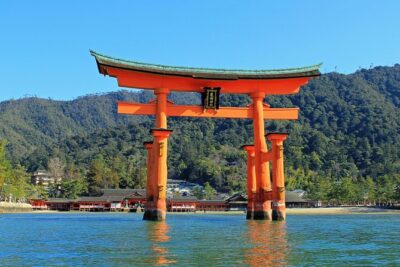
Peaceful Hiroshima & Miyajima UNESCO 1 Day Bus Tour
Read our review →
Hiroshima and Miyajima UNESCO Sites 1-Day Tour
Read our review →
Hiroshima / Miyajima Full-day Private Tour with Government Licensed Guide
Read our review →
Hiroshima Historical Walking Tour – Why A-Bomb was Dropped
Read our review →
Hiroshima Peace (Heiwa) Walking Tour at World Heritage Sites
Read our review →
Hiroshima in a Nutshell: Morning Bike Adventure
Read our review →Browse the lists this tour appears in