
Reviewed · HIROSHIMA TOURS
Hiroshima & Miyajima: UNESCO A-Bomb Dome & Itsukushima with Local
Hiroshima asks for your full attention. This seven-hour private tour connects Miyajima’s sacred sites with Hiroshima’s Atomic Bomb Dome, Peace Memorial Park, and museum, giving you room to pause rather than hurry through a large group itinerary. I like the included hotel or station pickup and the chance to shape the day around your interests. I also like the family stories and personal perspective guides such as Yuka, Masa, and Ally bring to difficult subjects. The main consideration is stamina: this is a long walking day, and public transportation costs about ¥1,340 per person beyond the tour price.
Miyajima is more than a quick photo of a red torii gate. You’ll visit Itsukushima Shrine, Daishoin Temple, Senjokaku, and the shopping street before turning to the sober work of understanding Hiroshima’s wartime past. The schedule is flexible enough to place Miyajima first or last, which matters if you want to improve your chance of seeing the torii against the tide.
In This Review
- Key points to know before booking
- Why this private Hiroshima tour works well
- Starting in Hiroshima and heading toward Miyajima
- Miyajima Island and the meaning of Itsukushima
- Seeing the Itsukushima torii with the tide
- Itsukushima Shrine, a short but essential visit
- Daishoin Temple and Senjokaku
- Miyajima’s food and shopping street
- From Miyajima to Hiroshima’s Peace Memorial Park
- The Atomic Bomb Dome and the Hypocenter
- Peace Memorial Park and the museum
- Sadako and the Children’s Peace Monument
- What the guides add to the experience
- Walking, weather, and extra costs
- Who should book this Hiroshima experience?
- FAQ
- How long does the Hiroshima and Miyajima tour last?
- Where does pickup take place?
- Is this a private tour?
- Is transportation included in the tour price?
- Is lunch included?
- Is admission to Itsukushima Shrine included?
- Can the tour order change?
- Can I cancel for a full refund?
- Should you book it?
Key points to know before booking
- A private seven-hour day: Your group alone joins the guide, with the pace and emphasis adjusted to your interests.
- Two very different experiences: Miyajima offers shrine, temple, island, and food culture, while Peace Memorial Park deals directly with the atomic bombing and its effects.
- Tide planning matters: The torii appears to float at high tide, so ask about the day’s tide times before settling the order of visits.
- Public transportation is part of the tour: Expect walking, ferries, JR or local trains, and possibly a direct boat or taxi at extra cost.
- The guide is central to the experience: Yuka, Masa, and Ally have been praised for clear English, thoughtful explanations, flexibility, and a friendly manner.
- Lunch is not included: You’ll need to budget for food, though Miyajima gives you plenty of chances to try oysters, conger eel rice, and momiji manju.
Why this private Hiroshima tour works well
At $181.19 per person, this is not a bargain sightseeing bus. It is priced as a private, guide-led day, so the value depends heavily on your group size and how much you want personal attention.
For a couple or small family, the cost buys flexibility. You can slow down at the Peace Memorial Museum, ask questions about the bombing and reconstruction, or spend extra time at a temple instead of being pulled along by a fixed group schedule. A guide can also help with train and ferry tickets, which is useful when you are trying to connect Miyajima and central Hiroshima in one day.
The tour has a perfect five-star rating from 25 reviews and a 100 percent recommendation rate. The most consistent praise is not for one single monument. It is for the guides. Yuka is described as engaging, clear in English, and willing to answer questions. Masa helped with station pickup and ticket buying, then adjusted the walking pace without losing sight of the day’s main sights. One couple on a honeymoon found that seven hours passed quickly because the day felt full without becoming frantic.
That flexibility is the point. A private tour cannot change the basic distance between Miyajima and Hiroshima, but it can make the day feel less mechanical.
A few more options to weigh up in Hiroshima
- Peaceful Hiroshima & Miyajima UNESCO 1 Day Bus Tour
★ 5.0 · 5,309 reviews - Hiroshima Peace Memorial Museum Ticket
★ 4.8 · 2,727 reviews - Hiroshima: Hiroshima and Miyajima UNESCO Sites 1-Day Tour
★ 4.9 · 2,330 reviews
Starting in Hiroshima and heading toward Miyajima
Pickup is on foot from a Hiroshima hotel or train station in the city. The guide meets you there, and the group then uses public transportation. The exact order can change, with Miyajima first or Peace Memorial Park first, depending partly on your interests and the tide.
The listed travel time between Miyajima Port and the Peace Memorial area is about one hour using a ferry, JR, or train. A direct boat to Peace Memorial Park can cut the ride to about 45 minutes, but it costs extra. Optional transportation, including direct boats and taxis, ranges from about ¥2,300 to ¥8,000 one way, so ask about the price before choosing speed over the basic route.
Your transportation budget may be lower if you have a JR Pass. The tour information gives a range of ¥0 to ¥270 for JR Pass users, compared with about ¥1,340 to ¥1,380 for basic public transport. Those costs are paid separately because the tour uses regular local services.
This part of the day is practical rather than scenic sightseeing. You are moving between two major places, and the guide’s help with directions, tickets, and timing can save mental effort.
Miyajima Island and the meaning of Itsukushima
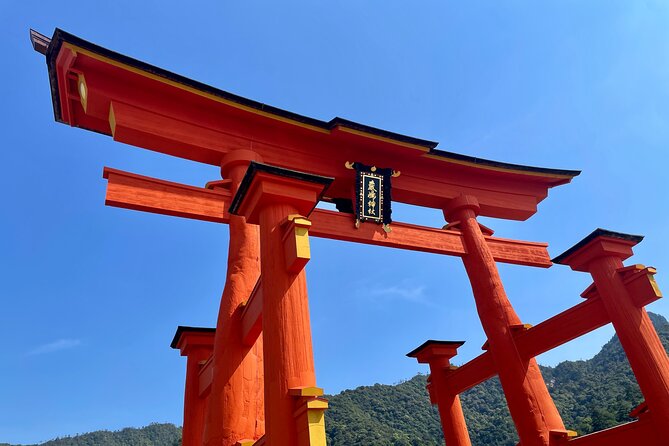
Miyajima has long been treated as a sacred island, traditionally known as a place associated with the gods. That idea shapes the visit. You are not simply walking through a monument complex, but through an island where Shinto and Buddhist places of worship sit close together.
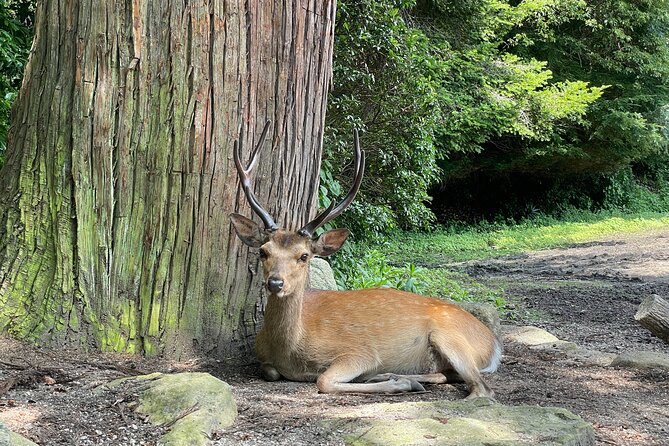
The first stop allows about 30 minutes to get a feel for Itsukushima. The island is also known for deer wandering around public areas, though the tour information does not promise a particular animal encounter. Keep your attention on the buildings and the approach to the shrine as well as the deer.
The island portion is one of the tour’s strongest features because it places the famous torii within a wider setting. You see how the shrine, temple, old halls, shopping street, and waterfront fit together rather than treating the gate as an isolated photo stop.
Seeing the Itsukushima torii with the tide
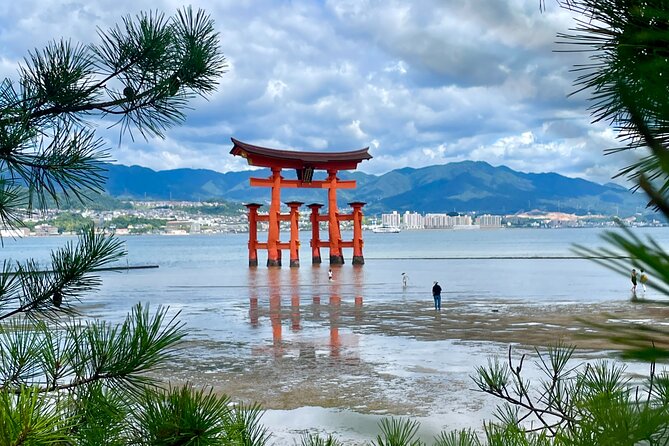
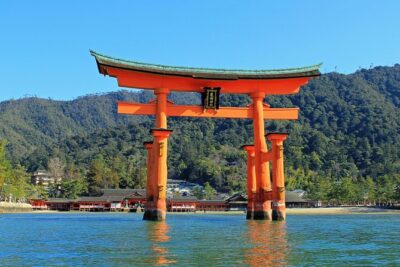
The red torii gate is the image most people associate with Miyajima. At high tide, seawater surrounds it and gives the impression that it floats. At lower tide, the view changes, and you may be able to see more of the ground around the gate.
The planned stop is only about 15 minutes, so tide timing is important. The guide can change the order of Miyajima and Peace Memorial Park, but you should still ask in advance how the schedule matches the tide. No tour can guarantee perfect weather or a particular water level, yet this tour has more room to adjust than a rigid group departure.
Do not judge the visit only by whether the gate appears to float. The torii is part of the approach to Itsukushima Shrine, and the view from the waterfront gives you a useful sense of how Japanese sacred architecture can work with water, distance, and ritual movement.
A completely different kind of day out:
- Hiroshima Peace Memorial Museum Admission
★ 4.6 · 1,308 reviews - Hiroshima / Miyajima Full-day Private Tour with Government Licensed Guide
★ 5.0 · 1,298 reviews - Hiroshima Historical Walking Tour – Why A-Bomb was Dropped
★ 4.8 · 893 reviews - Hiroshima Peace (Heiwa) Walking Tour at World Heritage Sites
★ 5.0 · 872 reviews
Itsukushima Shrine, a short but essential visit
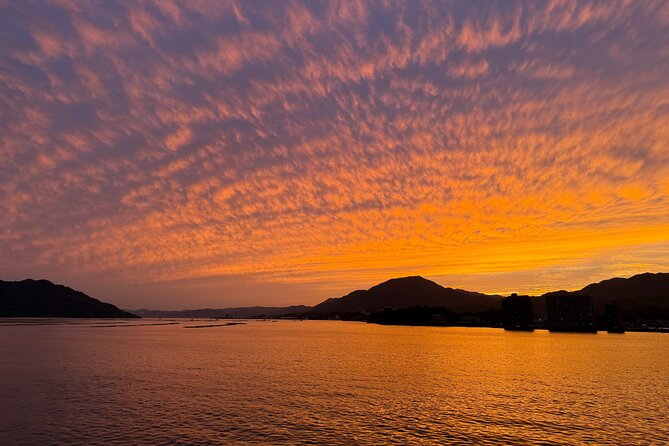
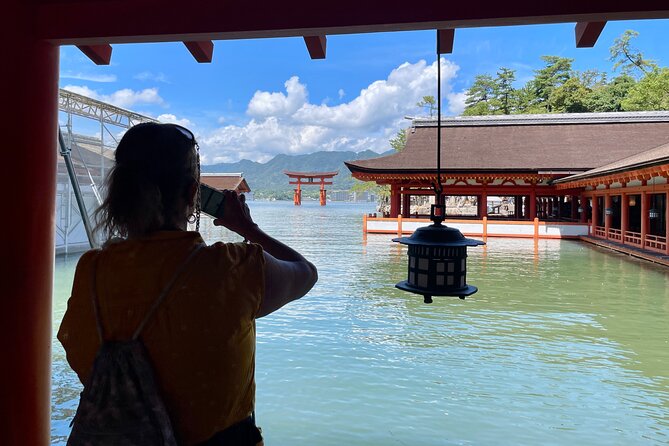
Itsukushima Shrine is a UNESCO-listed World Heritage Site and a Japanese national treasure. The tour includes admission, with about 20 minutes set aside inside the shrine.
That is a fairly brief allocation for a major site. If you enjoy architectural details or want quiet time for photographs, tell the guide early. The private format makes that conversation possible, though you still have to cover the rest of the island and reach Hiroshima later in the day.
The shrine is famous for its position over the water, but the value of a guided visit comes from understanding how the buildings relate to the island’s sacred status. You can ask questions as you move through the complex instead of reading a short caption and moving on.
Daishoin Temple and Senjokaku
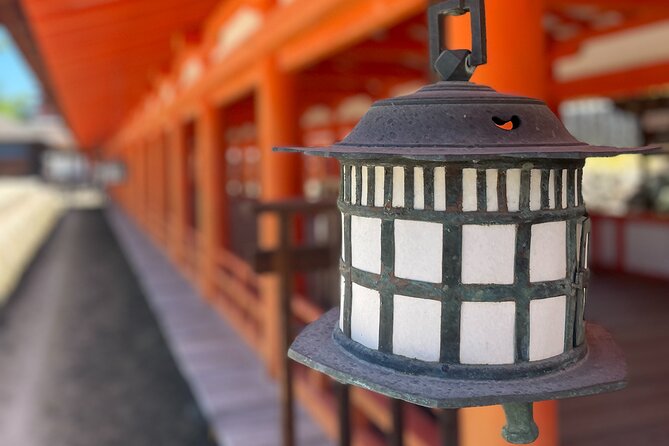
Daishoin, described as Miyajima’s oldest temple, receives about 40 minutes. It has more than 1,200 years of history and is noted for its distinctive features and many things to see. This is a welcome counterpoint to the shrine. Miyajima is not only a Shinto destination.
The longer stop here suggests that you can look around without treating the temple as filler between major attractions. If Buddhist architecture, religious practice, or island history interests you, this is a good place to ask the guide for more detail.
Senjokaku receives about 15 minutes. The large hall was ordered by Shogun Hideyoshi in the 16th century and includes broad, wall-less spaces that feel quiet and open. Admission is not included, so confirm the current fee with your guide or at the entrance. The stop is short, but its scale and unfinished character offer a different view of Miyajima’s religious buildings.
Taken together, Itsukushima Shrine, Daishoin, and Senjokaku make the island visit feel rounded. You see a sacred gate, a working temple setting, and a large historic hall rather than only one famous landmark.
Miyajima’s food and shopping street
About an hour is reserved for Omotesando Shopping Street. This is where the day becomes more casual. You can browse souvenirs and try local specialties, including oysters, conger eel rice, and momiji manju, a maple-leaf-shaped sweet.
Since lunch is not included, this is the natural place to eat. The hour gives you time to choose food instead of accepting a set restaurant selected for a large group. It also gives you a chance to buy something small without turning the whole day into a shopping trip.
The tradeoff is timing. An hour disappears quickly if you want a proper meal, snacks, photographs, and browsing. Tell the guide what matters most. If you would rather spend longer at Daishoin or the museum, you may need to shorten this stop.
From Miyajima to Hiroshima’s Peace Memorial Park
After Miyajima, you travel toward Peace Memorial Park. The basic route uses public transportation and takes about an hour. A direct boat is faster at roughly 45 minutes, but it is optional and costs extra.
This transfer is one reason the day requires good walking ability. You are not just strolling between nearby monuments. You are boarding and leaving public transportation, covering the island, and moving through a large memorial area.
The guide’s role becomes especially useful here. Masa’s help with station tickets is the sort of small service that can make a difference, particularly if you are unfamiliar with Japanese transport or have limited time in Hiroshima. Still, transportation is not covered in the $181.19 price, so plan for those additional fares.
The Atomic Bomb Dome and the Hypocenter
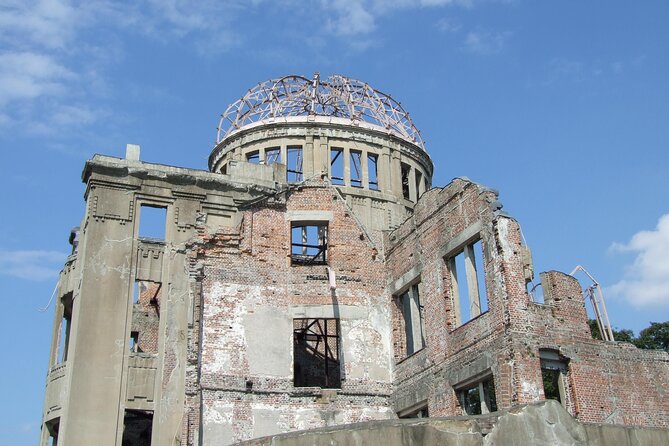
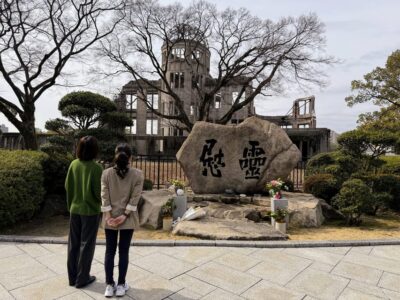
The Atomic Bomb Dome receives about 15 minutes. This UNESCO-listed structure is one of Hiroshima’s most recognizable reminders of the atomic bombing. Its damaged frame remains visible in the city, making the event feel connected to an actual place rather than only a date in a history book.
The stop is outside and the admission is free. The short timing is enough for an introduction and photographs, but you may want to ask questions as you look at the building. The guide can connect the structure to the larger story of destruction, survival, and rebuilding.
The Hypocenter Monument receives another 15 minutes. The bomb exploded about 600 meters above the hospital at this location. Standing here gives the tour a more exact physical reference point than the Dome alone.
This can be an emotionally heavy part of the day. The tour promises personal stories passed through families, including loss, recovery, and hope. That does not make the subject easier, but it can make the history less abstract. Guide Masa has been especially praised for offering thoughtful explanation about why the bomb was dropped and what happened to people exposed to radiation.
Peace Memorial Park and the museum
Peace Memorial Park gets about 20 minutes for several monuments and an explanation of the city’s destruction and reconstruction. The park is spread out, so the guide helps you understand what you are seeing rather than simply leading you from one stone marker to another.
The Hiroshima Peace Memorial Museum is the main indoor stop, with about one hour included in the admission price. Exhibits include photographs and documents that show the human effects of the bombing and radiation exposure.
One hour is useful but not generous. The displays can be difficult to process, and you may prefer to spend more time with certain photographs or personal accounts. The private format lets you tell the guide when you need a pause, but the schedule still has limits because the tour began on Miyajima.
Yuka’s approach, based on the feedback about her guiding, combines clear explanations with an openness to questions. That matters in the museum, where a polished speech is less helpful than a calm guide who lets you think and respond.
Sadako and the Children’s Peace Monument
The final listed stop is the Children’s Peace Monument, with about 10 minutes. It is linked to the story of Sadako and the many folded paper cranes placed around the monument.
This short visit gives the day a human focus after the museum’s photographs and documents. The cranes are connected with children, peace, and remembrance, and the stop is likely to feel especially meaningful for families.
Ten minutes is enough to see the monument and hear the basic story, but not enough for an extended visit. If Sadako’s story matters to you, mention it during your pre-tour consultation so the guide can help fit your interests into the day.
What the guides add to the experience
The provider is Local Gem Tour Hiroshima, and the guides are the heart of the experience. Yuka has been praised for very good English, a pleasant manner, and a willingness to answer questions. She has also guided honeymooners, keeping the day personal and well paced.
Masa has been praised for meeting a group at the station, helping with tickets, adjusting the speed of the walk, and keeping the most important stops on schedule. Ally has been praised for explaining both the Shinto importance of the torii and the Buddhist side of Miyajima.
Those details suggest a useful pattern: the guide is not simply reciting facts. You can expect help with decisions, transport, timing, and the balance between temples, food, photographs, and difficult history.
The quality may still vary by individual guide, as it does on any guide-led activity. The strongest preparation is to use the advance customization consultation. Tell the provider if you care most about religious sites, food, photography, family history, or the Peace Memorial Museum.
Walking, weather, and extra costs
This is a walking tour using public transportation. It is not recommended if you cannot walk long distances. The day includes station and ferry connections, island paths, shrine and temple visits, a shopping street, and the broad grounds of Peace Memorial Park.
Wear comfortable shoes and keep your schedule clear. The seven-hour duration is approximate, and transport delays or longer museum visits can affect the pace.
The advertised price includes admission to Itsukushima Shrine and the Peace Memorial Museum, tour photo data, a live local guide, pickup on foot, and advance planning. It does not include public transportation, lunch, drinks, tips, or optional boats and taxis.
The experience requires good weather. If poor weather cancels the tour, you are offered another date or a full refund. You can cancel for a full refund up to 24 hours before the start time, but cancellations or changes made inside that window are not refunded or accepted.
Who should book this Hiroshima experience?
I would recommend this tour to a couple, family, or small group that wants one carefully organized day covering both Miyajima and Hiroshima. It suits you particularly well if you want to ask questions, adjust the pace, and hear local or family perspectives rather than follow a fixed script.
It is also a good choice if transport in Japan makes you uneasy. You still pay the fares, but the guide can help you manage the practical connections.
I would be more cautious if you prefer a slow day at one site, dislike public transportation, or have trouble walking for several hours. The itinerary is ambitious. You see a lot, but the price does not buy unlimited time at every stop.
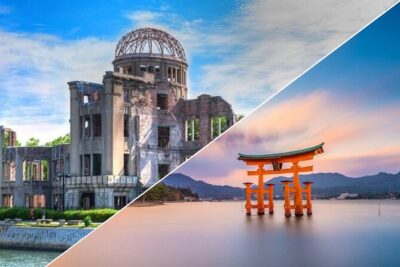
For a first visit with only one full day available, the combination is persuasive. Miyajima gives you beauty, religious sites, island food, and the famous torii. Hiroshima gives you the Dome, the Hypocenter, the museum, and a serious chance to understand what happened. That contrast is exactly why the day works.
FAQ
How long does the Hiroshima and Miyajima tour last?
The tour lasts approximately seven hours.
Where does pickup take place?
Pickup is offered on foot from a hotel or train station in Hiroshima City.
Is this a private tour?
Yes. Only your group participates in the private activity.
Is transportation included in the tour price?
No. Basic public transportation costs about ¥1,340 to ¥1,380 per person and are paid separately. Optional direct boats and taxis cost extra.
Is lunch included?
No. Food and drinks are not included. Miyajima’s shopping street has oysters, conger eel rice, momiji manju, and other food options.
Is admission to Itsukushima Shrine included?
Yes. Admission to Itsukushima Shrine is included. Admission to the Peace Memorial Museum is also included.
Can the tour order change?
Yes. The guide can change the order between Miyajima and Peace Memorial Park. This can help with tide timing for the torii gate.
Can I cancel for a full refund?
Yes, if you cancel at least 24 hours before the experience start time. Poor-weather cancellations offer a different date or a full refund.
Should you book it?
Book this tour if you want Hiroshima explained by a person who can adapt the day to your questions and energy. The strongest reasons are the private format, guide help with transport, family-centered historical perspective, and the chance to see Miyajima and Peace Memorial Park in one day.
Skip it if you want a cheap, slow-paced visit or cannot manage a long walking day. For everyone else, the $181.19 price can be fair value, especially for a small group that wants a thoughtful introduction rather than a quick checklist of famous sights. Just budget for transport and lunch, ask about tide times, and use the pre-tour consultation to shape the day before you arrive.
Just added in Hiroshima
- Hiroshima Peace Memorial Museum Ticket★ 4.8 · 2,727 reviews
- Hiroshima Peace Memorial Museum Admission★ 4.6 · 1,308 reviews
- Private Full Day Hiroshima Tour★ 4.5 · 29 reviews
- The Peace Memorial to Miyajima : Icons of Peace and Beauty★ 4.5 · 31 reviews
- Shore Excursion from Hiroshima Port : Private Tour in Hiroshima★ 5.0 · 17 reviews
- Hiroshima & Miyajima All-Inclusive Tour w/Licensed guide Pancho★ 5.0 · 54 reviews
- Hiroshima Country Cycling: Explore Rural Life 1 HR from City★ 5.0 · 22 reviews
- Hiroshima Saijo Sake Tasting Tour with visit to 7 Breweries★ 5.0 · 104 reviews
Hiroshima Tours, compared.
Peaceful Hiroshima & Miyajima UNESCO 1 Day Bus Tour
Read our review →
Hiroshima and Miyajima UNESCO Sites 1-Day Tour
Read our review →
Hiroshima / Miyajima Full-day Private Tour with Government Licensed Guide
Read our review →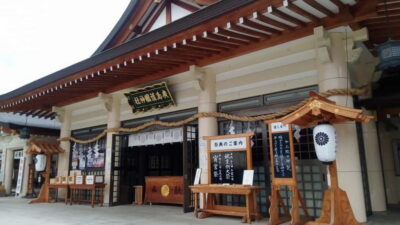
Hiroshima Historical Walking Tour – Why A-Bomb was Dropped
Read our review →
Hiroshima Peace (Heiwa) Walking Tour at World Heritage Sites
Read our review →
Hiroshima in a Nutshell: Morning Bike Adventure
Read our review →Browse the lists this tour appears in