
Reviewed · HIROSHIMA TOURS
Hiroshima: Traditional Japanese Archery Experience
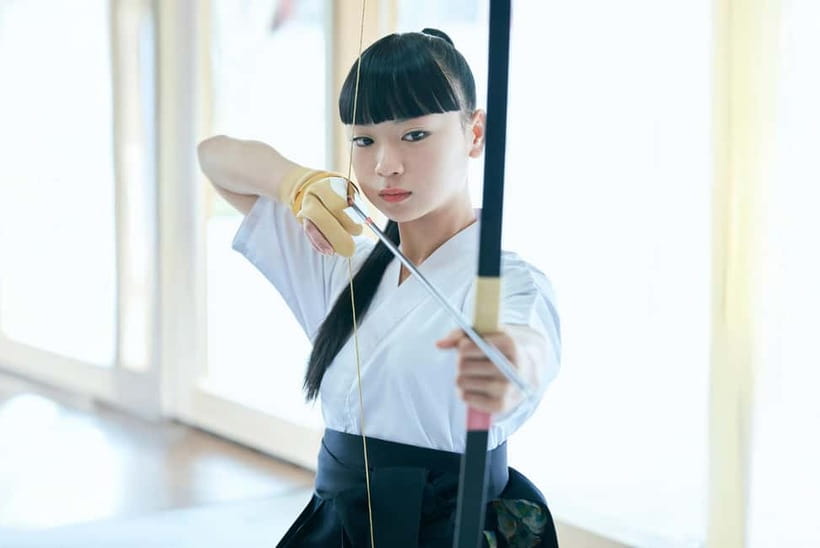
Slow down and let the arrow teach you. Just 15 minutes on foot from the Atomic Bomb Dome, this one-hour kyudo session gives you a taste of Japanese archery through formal movements, traditional clothing, and plenty of target practice. I like the close location and the unusually personal group size, limited to four people.
I also like that complete beginners can shoot real arrows instead of spending the whole session watching. The main consideration is time: the actual practice and shooting take about 45 minutes, so anyone hoping for a long lesson in Japanese archery may wish the session lasted longer. English support is available, though some instruction may rely on a translation app.
In This Review
- Key Points To Know Before Booking
- Kyudo Is More Than Japanese Archery
- From Hiroshima Castle Sannomaru to the Range
- Changing Into Dogi and Hakama
- The First 15 Minutes: Explanation and Demonstration
- Learning the Exact Shooting Routine
- Finally Shooting at the Target
- Why the Small Group Makes a Difference
- Is $41 Good Value for One Hour?
- Who Should Book This Kyudo Session?
- Practical Tips for a Better Session
- Should You Book It?
- FAQ
- How long does the Hiroshima kyudo experience last?
- How much does the experience cost?
- Where is the meeting point?
- How far is the activity from the Atomic Bomb Dome?
- Can complete beginners join?
- Is English instruction available?
- How many people can join one session?
- What clothing should I wear?
- Is the experience wheelchair accessible?
- Can I cancel for a full refund?
Key Points To Know Before Booking
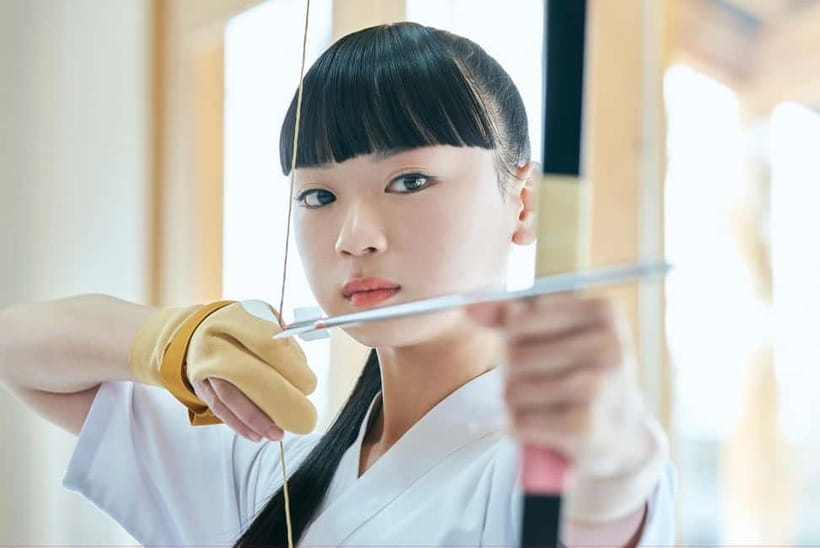
- You dress in dogi and hakama: The traditional upper and lower garments make this feel more like a cultural activity than a standard archery lesson.
- You shoot arrows as a beginner: Kyudo usually demands a long period of basic training before target shooting, but this session gives you a rare introductory chance to fire.
- The range is close to the Atomic Bomb Dome: You can reach the meeting point on foot from one of Hiroshima’s major sights.
- The group is very small: With no more than four participants, instructors can give plenty of correction and encouragement.
- The routine matters as much as the target: You learn respectful movements for handling the bow, arrow, and shooting process.
- A short competition may add some fun: Families and friends can compare their target hits after learning the basics.
Kyudo Is More Than Japanese Archery
Kyudo uses a Japanese bow and target, but it is not simply Japanese-style western archery. The goal includes control of the mind and body, so each movement follows a set routine. You learn to prepare, load, draw, and release with care rather than rushing straight to the target.
That formal process is one of the best reasons to choose this activity. I enjoy experiences that show how a traditional art works from the inside, and kyudo makes its discipline visible. The bow is not treated like a casual prop. Your movements show respect for the equipment, the range, and the people sharing the space.
This can also make the first few minutes feel more serious than expected. Several people found the number of rules and exact movements intense at first. That is part of the point, but it may surprise you if you expect a quick, informal round of shooting.
The session presents kyudo in a friendly way for first-timers. You do not need previous archery experience, and the instructors break the process into manageable steps. You may find that the routine becomes easier after several practice rounds, even if your first attempt feels awkward.
A few more options to weigh up in Hiroshima
- Peaceful Hiroshima & Miyajima UNESCO 1 Day Bus Tour
★ 5.0 · 5,309 reviews - Hiroshima Peace Memorial Museum Ticket
★ 4.8 · 2,727 reviews - Hiroshima: Hiroshima and Miyajima UNESCO Sites 1-Day Tour
★ 4.9 · 2,330 reviews
From Hiroshima Castle Sannomaru to the Range
The meeting point is Hiroshima Castle Sannomaru, at a shop in a shopping mall called HIROSHIMA CASTLE SHARAKU. Check your meeting details carefully before setting out, since the activity does not include hotel pickup or drop-off.
The location works well in a day of sightseeing. After visiting the Atomic Bomb Dome, you can walk to the activity in about 15 minutes. The short distance makes this a handy choice if you want a hands-on experience without giving up half a day to transport.
Allow yourself enough time to find the shop and arrive ready to change. The supplied details identify the meeting place, but they do not describe a full outdoor range or a long journey through the castle grounds. I would use the exact booking instructions and map rather than assuming the shop is directly beside the castle ruins.
The compact setting is not a drawback for this type of lesson. Kyudo requires attention to safety, sequence, and form. A small practice area can help you focus on the instructor instead of treating the bow like a toy.
Changing Into Dogi and Hakama
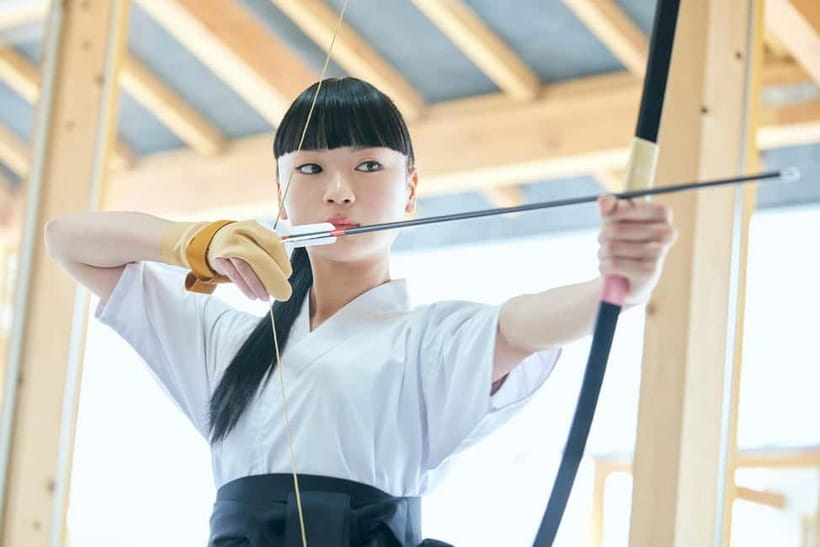
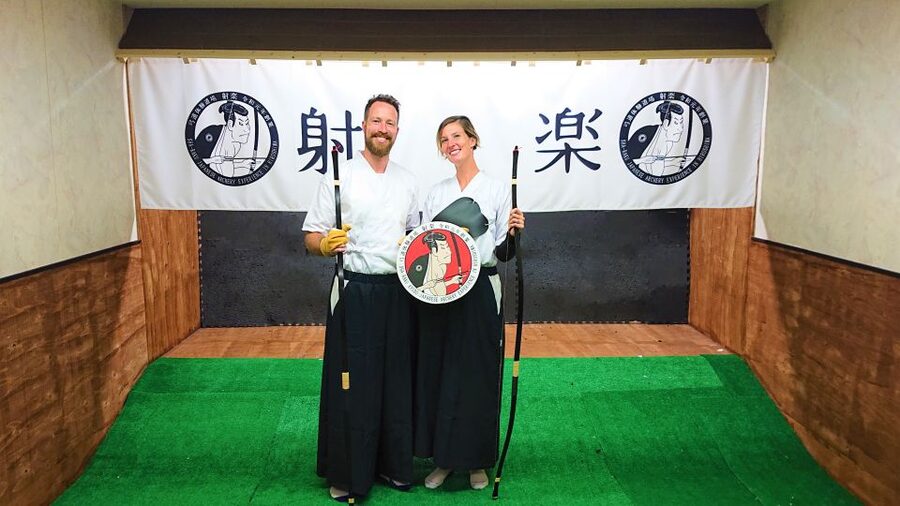
The session includes traditional tools and costumes, with an authentic dogi upper garment and hakama lower garment. Getting dressed is more than a photo opportunity. The clothing changes how you move, and the hakama can make ordinary standing and stepping feel less familiar.
Wear pants underneath or bring them for the activity. Skirts and shorts are not recommended, so plan your outfit with changing in mind. Comfortable clothing will also make it easier to follow the instructor’s movements.
The traditional outfit adds real value at $41 per person. You are not paying only for a few shots at a target. You are trying the activity in clothing connected with its formal style, learning how the body works within the routine, and leaving with photos from the session.
Armor is also part of the experience, according to the activity details. The combination of uniform and armor helps you understand why posture and movement matter. It may look dramatic in pictures, but the practical side is more important: the clothing can make the basic steps feel more demanding.
You should also know about a small safety concern. In rare cases, the bowstring can strike the arm or wrist and lead to swelling. Listen closely to the instructor’s advice about arm position, and do not force the draw if your form is not ready.
The First 15 Minutes: Explanation and Demonstration
The session includes about 15 minutes for changing, closing activities, and photos, leaving roughly 45 minutes for practice and shooting. The exact pace can vary with the group, but the early instruction usually focuses on the basic sequence.
You can expect the instructor to explain the art of kyudo, show the movements, and guide you through the equipment. Some instructors speak English well enough for direct instruction, while others use a phone or translation app. The communication method may not feel polished every second, but the activity has a physical structure that is easy to demonstrate.
Several sessions have included short background explanations about Japanese archery, samurai, and different types of bows. If you are interested in military history, you may find the cultural context a little brief. The focus is clearly on learning the shooting process rather than receiving a long lecture about archers on Japanese battlefields.
That balance suits me. A short activity needs to put the bow in your hands quickly. Still, if historical detail is your main reason for booking, keep your expectations modest and ask questions when the instructor pauses.
The instructors are often described as patient, friendly, and willing to help each person improve. Kenji-san has been singled out for clear guidance, historical comments, and a playful shooting contest. Instructor quality matters here because small changes in hand position or posture can affect the whole shot.
A completely different kind of day out:
- Hiroshima Peace Memorial Museum Admission
★ 4.6 · 1,308 reviews - Hiroshima / Miyajima Full-day Private Tour with Government Licensed Guide
★ 5.0 · 1,298 reviews - Hiroshima Historical Walking Tour – Why A-Bomb was Dropped
★ 4.8 · 893 reviews - Hiroshima Peace (Heiwa) Walking Tour at World Heritage Sites
★ 5.0 · 872 reviews
Learning the Exact Shooting Routine
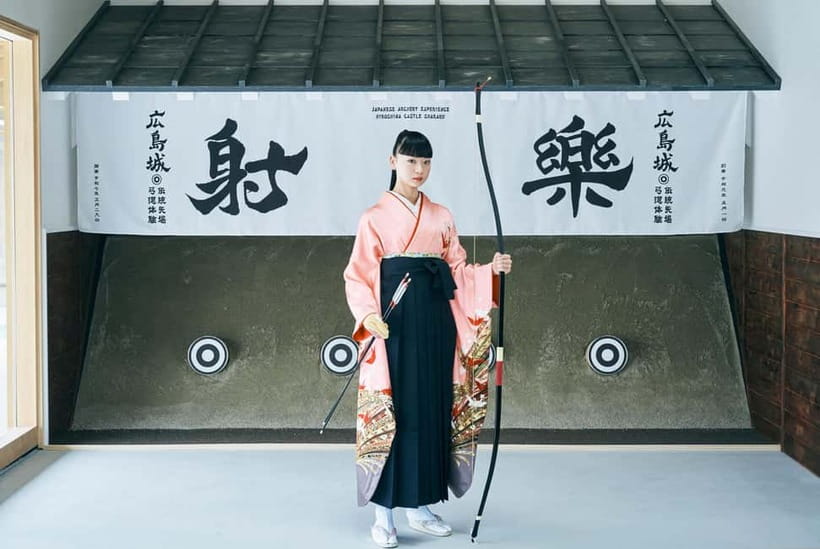
Kyudo asks you to remember a chain of movements. You are not simply standing, pulling, and releasing. The instructor shows you how to handle the arrow and bow, how to prepare your body, and how to complete the motion with control.
At first, this can feel technical. One person compared the experience with other archery classes and found the many rules intense. That is a useful warning: if you prefer a relaxed activity with instant results, you may need a little patience.
The upside is that the technique gives the session shape. You are not just firing arrows repeatedly. You are learning why the process is slow and deliberate. After several practice attempts, the steps may begin to feel more natural, and you can concentrate less on remembering and more on aiming.
The instructors give repeated corrections rather than leaving you to guess. This is where the four-person limit pays off. A large group would make it harder to see your mistakes, while a tiny group can feel almost like a private lesson.
Solo bookings can be especially good value if the schedule places you alone with the instructor and assistant. One participant described the session as nearly a private lesson for that reason. You should not assume every booking will be private, but the small maximum gives you a better chance of close attention than a mass-market class.
Finally Shooting at the Target
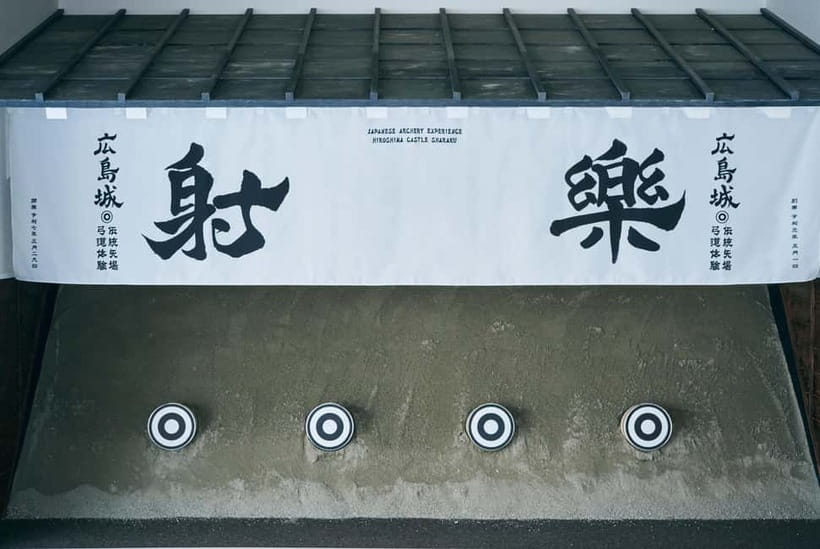
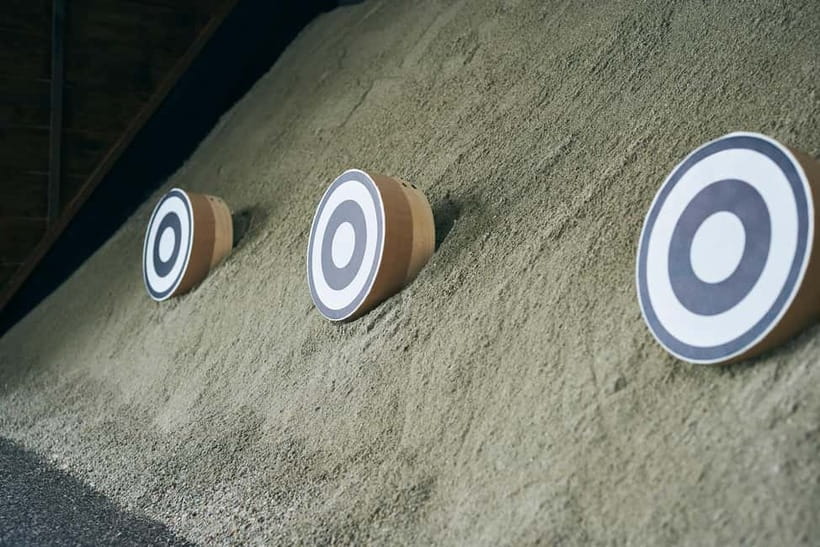
The most exciting part comes when you use what you have learned and fire arrows at the target. The target is closer than the distance used in professional kyudo, but do not mistake that for an easy shot. Form, release, and concentration still matter.
Your first arrows may miss. That is normal and, in a way, useful. You quickly understand that kyudo rewards repeatable movement rather than raw strength. The closer target gives beginners a fair chance to succeed without removing the challenge.
Several people found that hitting the target within about 30 minutes felt like a real achievement. For some, the first successful shot changed the whole mood of the session. The small range also supports a friendly competition between family members or other participants.
A contest at the end is not guaranteed in every wording of the activity, but it has been part of many sessions. It can add energy after the quiet concentration of the formal routine. Families with older children and teenagers may particularly enjoy this part, as long as everyone understands that the goal is safe, respectful shooting rather than speed.
Japanese tradition also associates hitting the target with good luck and fulfilled wishes. In this mini-sized kyudo setting, that belief adds a charming cultural detail. You can enjoy the symbolism without needing to treat it as a guarantee.
The instructors make sure beginners get enough chances to improve. People have described shooting many arrows during the practice period, which is important for value. You need repetition to understand the technique, and this activity does not appear to stop after one ceremonial shot.
Why the Small Group Makes a Difference
The maximum group size is four participants. That is a strong feature for an activity built around posture and sequence, since the instructor can watch each person and offer corrections.
It also works well for families and couples. You can learn together, compare target hits, and encourage one another without being lost in a crowd. Adults and children can take part, though the experience is not recommended for people with limited mobility.
The quiet focus of kyudo may appeal to you if you want a break from Hiroshima’s busy sightseeing schedule. One person described it as peaceful and a lesson in patience and artistry. Another called it an intense but rewarding activity. Both reactions make sense: the atmosphere is calm, but the technique asks for concentration.
Translation apps may be used to assist customers. Do not expect every explanation to be delivered in fluent English. At the same time, demonstrations, repeated practice, and visual correction make the basic lesson accessible. If you want detailed discussion of Japanese philosophy or archery history, the language barrier may limit the depth.
Is $41 Good Value for One Hour?
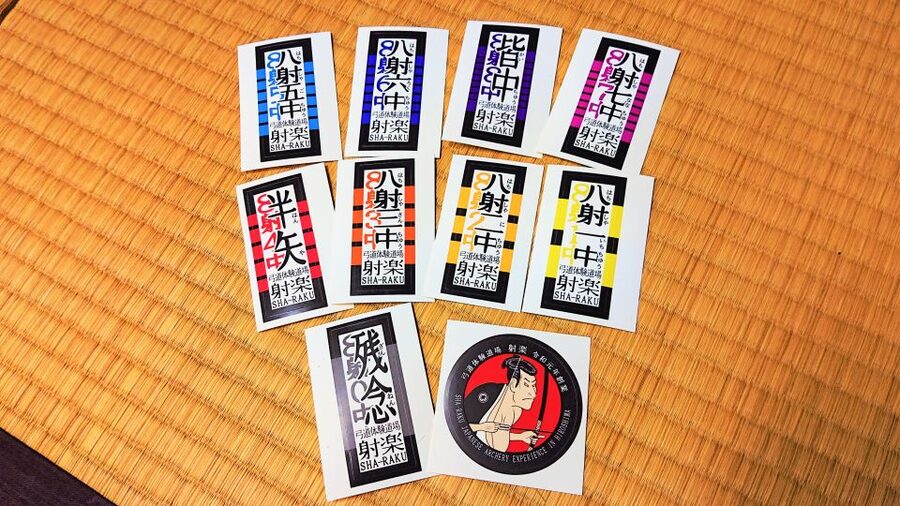
At $41 per person, the price is reasonable if you value the full package: traditional clothing, equipment, instruction, repeated target shooting, and photos. The short walk from the Atomic Bomb Dome also keeps your extra transport costs low.
The strongest value comes from the amount of hands-on practice. You are not paying for a passive demonstration. The session includes about 45 minutes of instruction and target shooting, and the activity has been praised for giving participants plenty of arrows to use.
The weak point is the one-hour limit. Several people wished they could stay for an entire afternoon, and that feeling is easy to understand once the shooting starts. The first part goes toward changing and learning the routine, so the time passes quickly.
I would compare it with the cost of another paid cultural activity in Hiroshima, not with the price of a casual amusement attraction. For a focused introduction to a traditional Japanese sport, the fee is fair. If you already practice archery and want advanced coaching, it may feel too short and basic.
Food, drinks, hotel pickup, and drop-off are not included. That keeps the activity simple, but you should plan your meal and transport separately.
Who Should Book This Kyudo Session?
You are a good match if you:
- Want a cultural activity close to central Hiroshima
- Have never tried archery before
- Enjoy learning a precise physical skill
- Are visiting with family or teenagers
- Like wearing traditional clothing for photos
- Prefer small groups to large guided activities
- Can follow a formal routine and wait for results
You may want to skip it if you have limited mobility, dislike repeated instructions, or want a long historical talk. The activity is not recommended for people with mobility impairments, and the exact movements may be uncomfortable if you cannot stand and shift position easily.
It is also not the best choice if you want western-style archery with immediate, relaxed shooting. Kyudo is slower and more formal. That difference is exactly what makes it interesting, but it is worth knowing before you book.
Practical Tips for a Better Session
Wear pants rather than a skirt or shorts. Choose clothing that is easy to change and comfortable beneath the dogi and hakama.
Read any last-minute instructions as soon as you receive them. One person noted that an important clothing and hygiene reminder arrived shortly before the class, when they were already nearby. Getting those details early would make planning easier, so check your messages after booking.
Arrive with an open mind about language. English is offered, but translation apps may be part of the lesson. The instructor can demonstrate the movements, and you can ask for a repeat when a step is unclear.
Do not judge your ability by the first arrow. The activity is designed for beginners, yet the target still takes practice. Focus on the sequence, keep your arm position safe, and enjoy the small victory when the arrow lands well.
If you are visiting with a family, consider making the contest part of the fun without turning the whole session into a score chase. The best part is learning why each movement exists.
Should You Book It?
I would book this Hiroshima kyudo experience if you want a short, affordable activity with genuine cultural texture. The traditional uniform, close location, patient instruction, and repeated shooting give it more substance than a quick photo stop.
The main limits are clear: one hour is brief, English may sometimes depend on translation, and the physical routine is not suitable for people with mobility impairments. For most beginners who can manage the movements, though, $41 buys a memorable lesson, a few good photos, and the satisfying challenge of making a Japanese arrow reach its mark.
FAQ
How long does the Hiroshima kyudo experience last?
The activity lasts one hour. About 45 minutes are used for practice and target shooting, while approximately 15 minutes cover changing, closing activities, and photos.
How much does the experience cost?
The price is $41 per person.
Where is the meeting point?
Meet at Hiroshima Castle Sannomaru, at a shopping mall shop called HIROSHIMA CASTLE SHARAKU.
How far is the activity from the Atomic Bomb Dome?
The archery location is about a 15-minute walk from the Atomic Bomb Dome.
Can complete beginners join?
Yes. The activity is designed for beginners, and you can shoot arrows during the session even without previous kyudo experience.
Is English instruction available?
English is listed as the activity language. Translation apps may also be used to help with communication.
How many people can join one session?
The activity is limited to four participants.
What clothing should I wear?
Pants are recommended. Skirts and shorts are not suitable for the activity.
Is the experience wheelchair accessible?
The activity is listed as wheelchair accessible, but it is not recommended for people with limited mobility or mobility impairments. Follow the specific guidance provided when booking.
Can I cancel for a full refund?
Yes. You can cancel up to 24 hours in advance for a full refund.
Just added in Hiroshima
- Hiroshima Peace Memorial Museum Ticket★ 4.8 · 2,727 reviews
- Hiroshima Peace Memorial Museum Admission★ 4.6 · 1,308 reviews
- Private Full Day Hiroshima Tour★ 4.5 · 29 reviews
- The Peace Memorial to Miyajima : Icons of Peace and Beauty★ 4.5 · 31 reviews
- Shore Excursion from Hiroshima Port : Private Tour in Hiroshima★ 5.0 · 17 reviews
- Hiroshima & Miyajima All-Inclusive Tour w/Licensed guide Pancho★ 5.0 · 54 reviews
- Hiroshima Country Cycling: Explore Rural Life 1 HR from City★ 5.0 · 22 reviews
- Hiroshima Saijo Sake Tasting Tour with visit to 7 Breweries★ 5.0 · 104 reviews
Hiroshima Tours, compared.
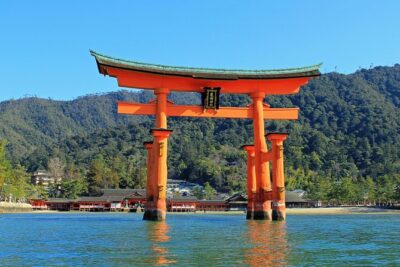
Peaceful Hiroshima & Miyajima UNESCO 1 Day Bus Tour
Read our review →
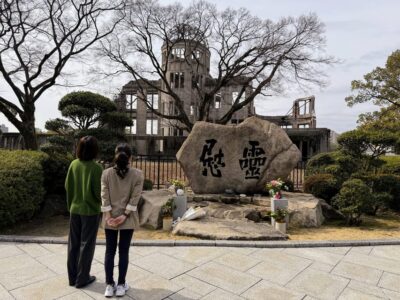
Hiroshima and Miyajima UNESCO Sites 1-Day Tour
Read our review →

Hiroshima / Miyajima Full-day Private Tour with Government Licensed Guide
Read our review →
Hiroshima Historical Walking Tour – Why A-Bomb was Dropped
Read our review →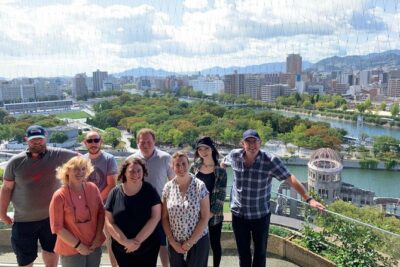
Hiroshima Peace (Heiwa) Walking Tour at World Heritage Sites
Read our review →
Hiroshima in a Nutshell: Morning Bike Adventure
Read our review →Browse the lists this tour appears in