Reviewed · MULTI-DAY TOURS THAT VISIT HIMEJI
Japan Bucketlist: Konbini, Karaoke & Kawaii Culture 13-Day Tour by journaway DACH – Reviews & Prices
Tokyo’s neon streets, Kyoto’s shrine paths and Miyajima’s red torii gate give this 13-day trip a satisfying range, with the Shinkansen doing the long-distance work. You explore on your own rather than follow a guide, so the days can feel personal, but they call for planning.
I like two things in particular: the route links pop culture and historic sites without asking you to arrange each intercity train, and the package includes flights, a seven-day Japan Rail Pass, accommodation and a data SIM. The final Tokyo night offers a capsule hotel for a taste of compact Japanese lodging, with a regular room available as an upgrade.
The trade-off is that this is not a fully guided tour. Local transit, many entrance fees, meals and insurance are extra, and a recent trip encountered a nonworking SIM, flight delays and late updates. Test your SIM as soon as you land, and keep your own backup plan for disruptions.
- Tokyo’s contrasts: Pair Shibuya, Harajuku and Akihabara with quiet time at Meiji Shrine and Yoyogi Park.
- A seven-day rail window: The Shinkansen connects Tokyo, Kyoto, Himeji, Hiroshima and Osaka; plan the pass’s first valid day carefully.
- Kyoto on foot: Fushimi Inari, Gion, Higashiyama and Arashiyama each deserve time, so start early and avoid cramming in every temple.
- Himeji and Hiroshima in one day: The castle and Peace Memorial sites are powerful stops, but this is the itinerary’s most demanding sightseeing day.
- Miyajima by tide: The torii gate looks different at high and low tide, while the cable car and Mount Misen hike add optional time and cost.
- Independent travel, with support: You get a 24-hour emergency hotline and a data SIM, but no tour guide and no guarantee that every connection or device will work as planned.
In This Review
- A fast-moving route with room to choose
- Tokyo: neon, shrines and convenience-store dinners
- Kyoto: gates, old lanes and a very early start
- Himeji Castle: a striking stop with a full day ahead
- Miyajima: check the tide before you go
- Osaka: street food, shopping and bright signs
- What the package covers, and where costs build
- Service strengths and practical cautions
- Who should book this Japan trip?
- FAQ
- How long is the tour?
- Is the tour guided?
- Which transport is included?
- Are meals included?
- Are attraction tickets included?
- Is the capsule hotel compulsory?
A fast-moving route with room to choose
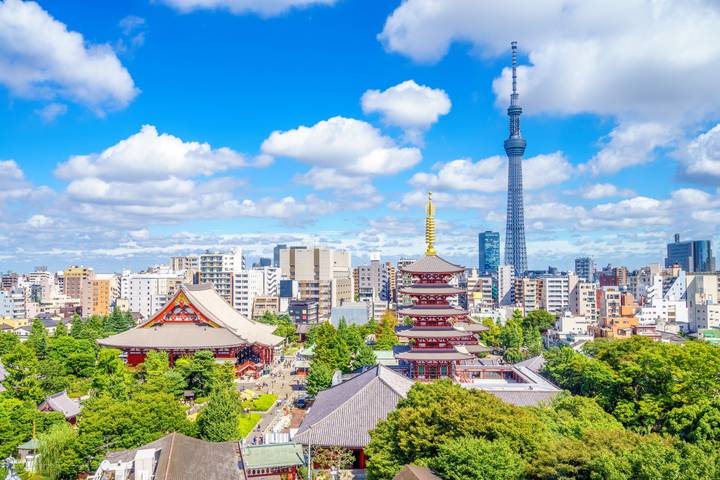
This is a city-and-culture trip built around a clear north-to-south-and-back route: Tokyo, Kyoto, Himeji, Hiroshima, Miyajima and Osaka, then Tokyo again. You get ten nights in Japan’s hotels or other selected accommodation, plus the long-haul flights at either end. The package includes a seven-day Japan Rail Pass for the main rail journey and a ferry crossing to Miyajima.
The structure is useful if you want the major sights without booking every hotel and bullet train yourself. It is less useful if you want a guide to manage each day or explain what you are seeing on the spot. The tour is described as self-guided, and no tour guide is included, even though German is named as the tour language. Ask the operator what German-language service means in practice before you book.
The route is packed, but not every stop is compulsory. That flexibility matters: you can add a temple, museum or viewpoint when you have the energy, or skip it when the day is already full. Just remember that most optional activities and entrance fees cost extra.
Tokyo: neon, shrines and convenience-store dinners
You arrive in Tokyo on Day 2, exchange your voucher for the Japan Rail Pass at the airport, then make your own way to the hotel by train. The first day is deliberately open. Use it to get oriented, eat something simple and adjust to the time difference rather than trying to conquer the city at once.
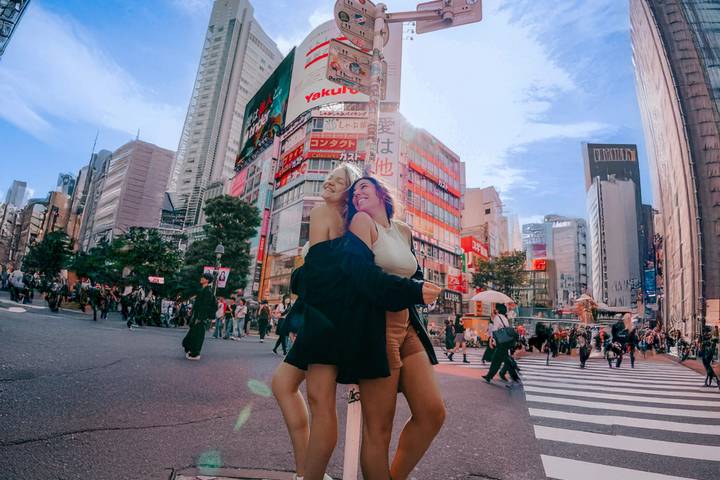
On Day 3, Shibuya Crossing and Harajuku show Tokyo at its most youthful and theatrical. Then the mood changes at Yoyogi Park and Meiji Shrine, where forested paths offer a welcome pause from traffic and signs. Shinjuku is the evening choice, with izakayas serving dishes such as yakitori and drinks including sake. If you go, take your time choosing a restaurant; the best part of an independent trip is not having to follow a group timetable.
Day 4 is for Akihabara, known as Electric Town. Anime and manga shops, electronics stores, game halls and cosplay cafés put Japanese pop culture front and center. You do not need to be an avid gamer to enjoy the spectacle, but it is easy to spend longer browsing than planned.
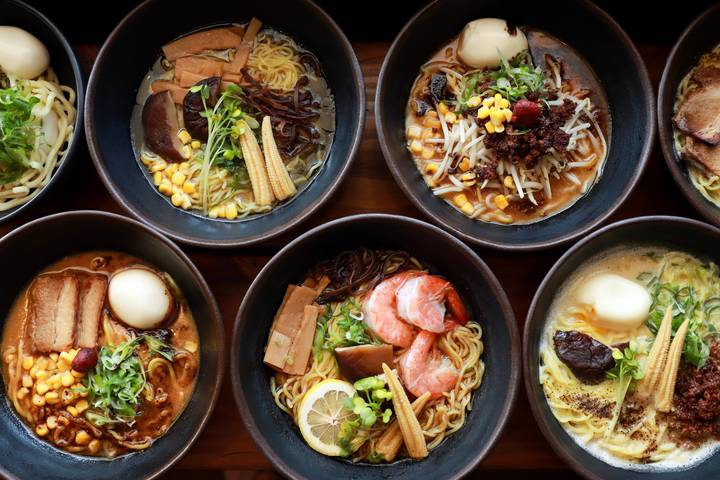
The konbini, or convenience store, is more than a backup snack stop here. Onigiri, packed meals, cold drinks and sweets can make a quick, affordable meal between sights. The included SIM should help with maps and train directions, but test it while you still have access to airport assistance. One recent departure found the SIM did not work, so do not wait until you are lost in a station to check.
A few more options to weigh up in Tokyo
- Tokyo Disney Resort – Tokyo Disneyland & Tokyo DisneySea Park Tickets
★ 4.8 · 99,488 reviews - SHIBUYA SKY Ticket
★ 4.7 · 46,509 reviews - JR Whole Japan Rail Pass
★ 4.8 · 29,150 reviews
Kyoto: gates, old lanes and a very early start
On Day 5, the Shinkansen takes you from Tokyo to Kyoto. After checking in, Nishiki Market is a practical first outing: browse food stalls, try local snacks and pick up small gifts. Pontocho, beside the Kamo River, is a good evening wander, with narrow lanes and restaurants behind traditional wooden fronts. It is atmospheric, but popular places can be busy, and dinner costs are not included.
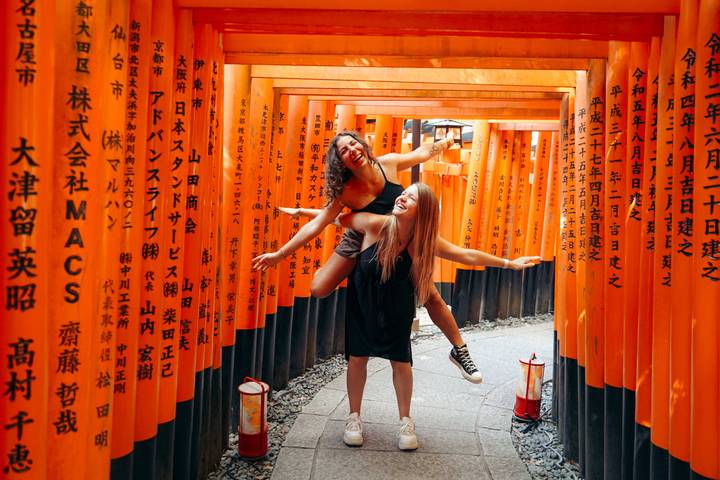
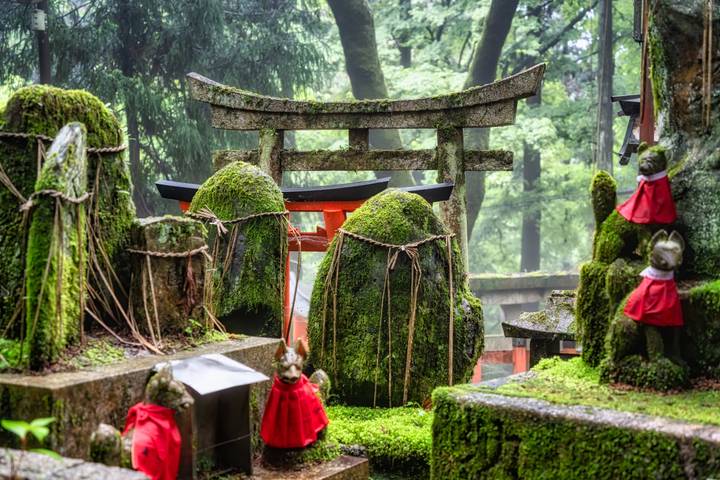
Fushimi Inari is the focus of Day 6. Its rows of red torii gates climb Mount Inari, and the walk becomes quieter as you move farther up the path. The Yotsutsuji viewing platform gives a broad look over Kyoto. You can turn back there or continue walking, depending on your legs and schedule.
Later, Kiyomizudera and the lanes of Higashiyama and Gion create a more historic side of the city. The plan suggests timing the temple for sunset, but avoid treating that as a fixed appointment: opening times and seasonal light vary. Gion is best approached respectfully. You may see a geisha, but do not block narrow streets or treat residents as part of a photo display.
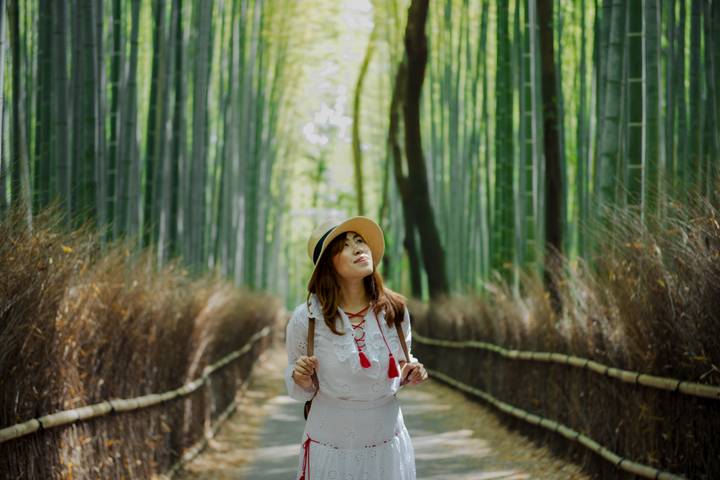
Day 7 starts in Arashiyama, where an early visit to the bamboo grove is the best way to enjoy it before the day’s crowds build. Tenryu-ji’s Zen garden is optional and admission is paid locally. The day also suggests Kinkaku-ji, the Golden Pavilion, or Ginkaku-ji, the Silver Pavilion. Both are worthwhile, but they sit in different parts of Kyoto; choose one rather than trying to race across town and turn a calm day into a transit exercise.
Himeji Castle: a striking stop with a full day ahead
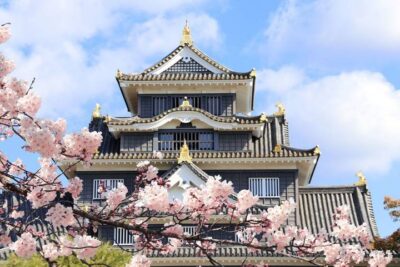
Day 8 combines Kyoto, Himeji and Hiroshima. Himeji Castle is the main reason to break the rail journey. Its white exterior and layered roofs explain its nickname, White Heron Castle, and inside you can climb through its wooden floors to views over the city. Shoes come off before entering, so wear footwear you can remove easily.
The nearby Japanese garden and a bowl of udon are possible additions, but the clock matters. You still need to continue to Hiroshima, where the Peace Memorial Park, Atomic Bomb Dome and Peace Memorial Museum are the day’s central stops. These are not sights to rush through. The museum gives necessary context to the 1945 bombing and its consequences, and the park invites a quieter, more reflective visit.
The itinerary also lists Hiroshima Castle for the evening. I would treat that as an extra, not a must. Himeji’s interior, the train connections and the Peace Memorial sites already make this the most demanding day of the trip. If you need to choose, give Hiroshima’s memorial area the time it deserves.
Miyajima: check the tide before you go
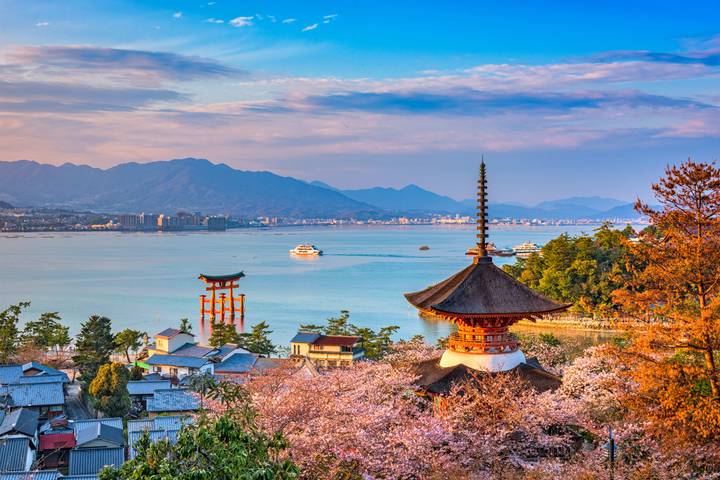
Day 9 takes you by ferry from Hiroshima to Miyajima, with the ferry crossing included. Itsukushima Shrine’s red torii gate appears to float at high tide; at low tide, you can walk close to it. Check tide times before leaving Hiroshima, since they shape the view and the feel of the visit.
Omotesando Street is the place to look for Momiji Manju, the island’s maple-leaf-shaped sweet. You can also take an optional cable car to the Shishiiwa viewpoint or hike toward Mount Misen. The cable car and other optional costs are not included, and a mountain visit needs extra time and energy. If the weather is poor or your schedule is tight, the shrine and waterfront still make a worthwhile day.
The suggested sunset view is a fine way to end the visit, but keep an eye on the ferry schedule back to Hiroshima. A late stay is only relaxing if you know how you are getting back.
A completely different kind of day out:
- Mt Fuji and Hakone 1-Day Bus Tour Return by Bullet Train
★ 5.0 · 26,383 reviews - TOKYO SKYTREE® Ticket
★ 4.7 · 25,136 reviews - teamLab Borderless Tickets: MORI Building DIGITAL ART MUSEUM
★ 4.7 · 24,126 reviews - teamLab Planets TOKYO Ticket
★ 4.7 · 21,663 reviews
Osaka: street food, shopping and bright signs
The Shinkansen carries you to Osaka on Day 10. Shinsaibashi is the main shopping area in the plan, while the Umeda Sky Building offers a city view for an additional ticket. In the evening, Dotonbori brings bright signs, restaurants and the familiar Glico Running Man. It is a fun place to sample Osaka’s street-food culture, though the crowds and oversized displays can feel more commercial than intimate.
Amerika-mura gives you a different evening option, with vintage shops, music and bars. Choose one neighborhood rather than trying to cover both in a hurry. On Day 11, there is time for a last look at the Glico sign near Ebisubashi Bridge and a hunt for Japanese Kit-Kat flavors before the train back to Tokyo.
That final Tokyo night is in a capsule hotel unless you choose a regular room upgrade. A capsule is a compact place to sleep, not a roomy hotel stay, so consider the upgrade if you value more personal space or need room to sort luggage. Either way, the night gives you one more chance for a meal at an izakaya before flying home the next day.
What the package covers, and where costs build
Flights to and from Tokyo, accommodation, baggage according to the selected airline, a seven-day Japan Rail Pass, a data SIM and a 24-hour emergency hotline are included. Accommodation is offered in a choice of type, and meals depend on what you select. The schedule lists one Tokyo night in a capsule hotel or an accommodation of your choice.
The package’s value comes from combining long-haul flights, hotels and major intercity rail travel in one booking. That can save planning time, especially if this is your first trip to Japan. There is no tour price provided here, so compare the actual quote with the cost of booking those elements independently before deciding. Also check which accommodation category and flights are included in your particular departure.
The extras can add up. Public transport outside the Japan Rail Pass, optional tours, attraction tickets, meals not covered by your accommodation, insurance and visa or entry fees where applicable are not included. You are also responsible for your airport-to-hotel train on arrival. A seven-day pass does not cover every local metro or bus ride, so budget for city transport.
The pass is central to the route. Ask when its first valid day should be, since the schedule uses it for several long-distance journeys from Tokyo to Kyoto and onward, then back from Osaka to Tokyo. The tour has you exchange the voucher at the airport, but exchanging it is not the same as needing to use all seven days immediately.
Service strengths and practical cautions
The operator has a 4.6 out of 5 rating across 109 reviews, while the tour itself has a 3.5 rating based on two reviews. That small tour-specific sample is not enough to predict your own experience, but the difference is worth noting. One February 2024 trip praised personal handling of requests, clear travel documents, the SIM and rail pass, and smooth arrangements on the ground.
There is also a specific caution from a September 2025 trip: the SIM did not work, flights were postponed both ways, updates were described as late and imprecise, and checked baggage arrived three days late. The account reported no compensation for the disruption. Delays caused by technical faults or a typhoon are not things a tour operator can prevent, but clear help when plans change matters. Save the 24-hour hotline details, keep essential items in your hand luggage, and test your data connection as soon as possible.
The provider’s stated response time is within three days, with a 50 percent response rate. Before departure, confirm the practical details that matter to you: flight arrangements, what support is available during a disruption, the hotel locations and the meaning of the German-language service. Written clarity is especially useful on a self-guided trip.
Who should book this Japan trip?
This package suits independent-minded first-time visitors who want a ready-made route, included long-distance rail and a mix of famous sights and everyday city culture. Families and groups of friends may appreciate the private format, which means you travel with your own party rather than joining a shared group. The listed physical rating is low intensity, though Kyoto’s shrine walks, castle stairs and optional Mount Misen hike still involve walking.
It is less suited to anyone who wants a guide alongside them, carefully paced days or every meal and entry ticket included. The Hiroshima day is especially tight, and the overall schedule leaves little slack if a train, flight or activity runs late. You can still make the trip your own, but you need to be comfortable checking connections and making choices on the fly.
FAQ
How long is the tour?
The trip lasts 13 days, including the flights to Japan and home. The Japan itinerary runs through Tokyo, Kyoto, Himeji, Hiroshima, Miyajima and Osaka.
Is the tour guided?
It is described as self-guided, and no tour guide is included. German is listed as a language, so ask the operator what German-language assistance or materials are provided.
Which transport is included?
The package includes a seven-day Japan Rail Pass for Shinkansen travel and the ferry crossing to Miyajima. Public transport outside the pass is not included.
Are meals included?
Meals depend on the accommodation you select. Other meals are not listed as included, and food stops such as Nishiki Market and Pontocho are optional.
Are attraction tickets included?
Optional tours, excursions and entrance fees are not included. This applies to paid visits such as Tenryu-ji and the Umeda Sky Building, as well as other optional attractions.
Is the capsule hotel compulsory?
No. The final Tokyo night can be in a capsule hotel or in accommodation of your choice. A regular room upgrade is available.
Just added in Tokyo
- Mt. Fuji & Hakone Cherry Blossom private One Day Tour★ 4.5 · 35 reviews
- Fish Market & Tokyo Skyline Private Walking Tour★ 5.0 · 14 reviews
- 25-Min Downtown Helicopter Tour : Tokyo Skytree and Tokyo Tower★ 5.0 · 19 reviews
- Private Tour with a Local Guide – Learn about daily life in Japan★ 5.0 · 22 reviews
- Tokyo: 3-Hour Bike/E-Bike Tour of the City’s Highlights★ 5.0 · 209 reviews
- Official Japan Go-Kart Through Tokyo Bay / Ginza (IDP Required)★ 4.5 · 71 reviews
- 30-Min Tokyo Central Private Heli Tour– Asakusa, Skytree, Shibuya★ 5.0 · 13 reviews
- Tokyo 2-Hour Genuine Samurai Experience: Kendo in Japan★ 5.0 · 112 reviews
Multi-Day Tours That Visit Himeji, compared.
Japan Delight with Hiroshima 8-Day Tour by Stunning Tours
Read our review →
14 Days Japan Panoramic (Private 3 Star Hotels) by Stunning Tours
Read our review →
Wonders of Japan End Osaka GO by Europamundo – 12-Day Tour
Read our review →
Wonders of Japan End Osaka (including Fukuyama) 12-Day Tour by Europamundo
Read our review →
Wonders of Japan End Osaka by Europamundo – 12-Day Tour
Read our review →
Tokyo, Kyoto and Hiroshima end Tokyo by Europamundo – 7-Day Tour
Read our review →
Tokyo, Kyoto and Hiroshima end Tokyo GO 7-Day Tour by Europamundo
Read our review →