
Reviewed · MULTI-DAY TOURS THAT VISIT NAGOYA
Contrasts of Japan GO by Europamundo – 9-Day Tokyo to Hiroshima Tour Review
Mount Fuji framed by a red pagoda, Kyoto’s temple gardens, and Hiroshima’s Peace Memorial Park: this nine-day journey puts very different sides of Japan within reach without asking you to plan every train and hotel yourself. It starts in Tokyo and ends in Hiroshima, with a coach and English-speaking tour leader connecting the stops.
I like the range of places: you go from a Tokyo shrine and the Skytree to a lakeside ryokan, then on to Kyoto, Nara, Himeji and Miyajima. I also like the built-in logistics, including hotel breakfasts, several lunches and dinners, key admissions, and a guided Shinjuku evening with subway tickets.
The trade-off is pace. You change cities often and may have limited time at some major sights; one traveler described the experience as seeing a lot quickly, while another felt some stops passed too fast. If you want long, unhurried visits or a single guide throughout, this may not be your best fit.
At a glance
- Tokyo to Hiroshima in nine days: Covers major cities and cultural sites, with an overnight near Mount Fuji.
- The Fuji day has several distinct stops: Arakurayama Sengen Park, a Lake Kawaguchiko boat ride, Fuji Sengen Shrine and, when conditions allow, the Fifth Station.
- Kyoto is a full sightseeing day: Includes Arashiyama, Tenryuji, Fushimi Inari, the Imperial Palace and Kinkakuji.
- Meals are included on selected days: Hotel buffet breakfasts are part of the package, along with several lunches and dinners.
- Guides may rotate: English-speaking leaders accompany the tour, but past groups have had more than one guide.
- The group can be large: The stated range is 2 to 72 people, so group size may shape the feel of the experience.
In This Review
- A fast introduction to Japan, from Tokyo to Hiroshima
- Tokyo brings temples, crossings and a city-wide view
- Mount Fuji gets more than a roadside stop
- A rebuilt village, waterfalls and a Toyota museum
- Kyoto’s temples reward a little extra time
- Nara’s Buddha and deer, then Osaka after dark
- Himeji Castle and Okayama’s garden
- Hiroshima and Miyajima close the journey with a change of mood
- Hotels, meals and the guide experience
- Who should book this Japan tour?
- FAQ
- Where does the tour start and end?
- How long is the tour?
- Is the tour guided in English?
- How large can the group be?
- Are meals included?
- Does the tour always reach Mount Fuji’s Fifth Station?
A fast introduction to Japan, from Tokyo to Hiroshima
At a starting price of $3,301, this is a guided coach tour built for breadth and convenience. You get nine days of hotel stays, breakfast, transport between destinations, an arrival transfer, many site admissions and an English-speaking tour leader. That makes it easier to cover a long stretch of Honshu than arranging each connection and ticket yourself.
The value depends on what you want from Japan. If you have limited time and want a ready-made route through famous sights, the coverage is substantial. If you prefer to spend half a day in one neighborhood, linger over lunch or choose every stop yourself, the tour’s packed schedule may feel restrictive.
The stated physical rating is low intensity, but that does not mean no walking. You’ll visit temple grounds, gardens, shrine paths and historic districts, and the days can be full. The group size ranges from 2 to 72, a wide spread that can affect how quickly everyone moves and how personal the guiding feels.
Tokyo brings temples, crossings and a city-wide view
Your first day is deliberately light. After landing, a shared shuttle takes you to the hotel, leaving the afternoon and evening open. Use the time to settle in and adjust to the city; tour details arrive later that day.
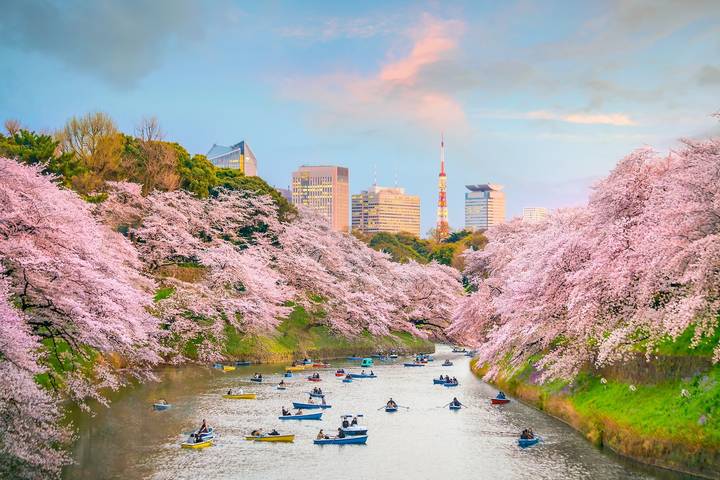
Day two packs in Tokyo’s contrasts. Zojoji Temple offers a view of Tokyo Tower and its rows of Jizo statues, small guardians of children dressed in knitted hats and bibs. At Shibuya Crossing, you see the famous pedestrian crush from the bus, rather than joining the crossing as a dedicated stop.
Meiji Shrine brings a quieter stretch beneath trees, before the visit to Tokyo Skytree. Admission to the Tembo Deck at 350 meters is included, subject to weather and operating conditions. The day finishes in Asakusa, where Sensoji Temple and Nakamise Street give you a look at one of the city’s best-known temple approaches and shopping lanes.
On the return drive, you pass Akihabara, associated with manga and anime, and Ginza. These are drive-by glimpses, not extended neighborhood visits. In the evening, a guide takes the group by subway to Shinjuku for a walk and an included dinner at a local restaurant. Subway tickets are included, which is useful in a city where navigating the rail network can take a little practice.
The full guided sightseeing day is about seven hours, followed by the evening outing. It’s a strong overview, but not a slow one. If you’re keen on a particular Tokyo district, plan to use your free time before or after the tour rather than expecting a long independent visit during the guided day.
A few more options to weigh up in Tokyo
- Tokyo Disney Resort – Tokyo Disneyland & Tokyo DisneySea Park Tickets
★ 4.8 · 99,488 reviews - SHIBUYA SKY Ticket
★ 4.7 · 46,509 reviews - JR Whole Japan Rail Pass
★ 4.8 · 29,150 reviews
Mount Fuji gets more than a roadside stop
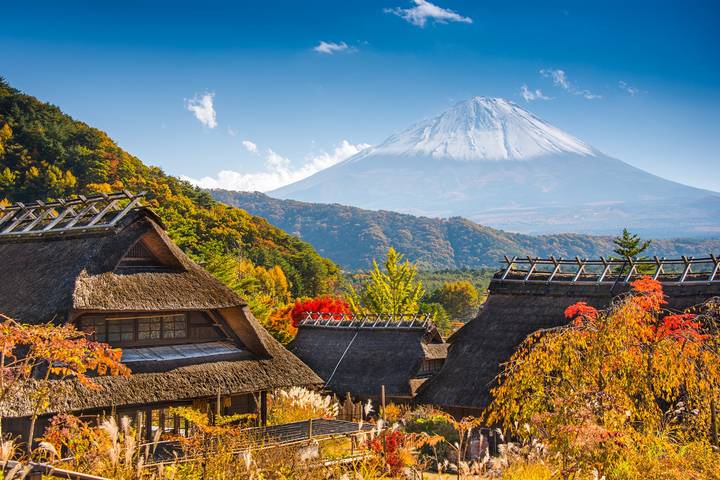
The journey to Kawaguchiko combines several ways of seeing the Fuji area. Arakurayama Sengen Park is the classic viewpoint, with its pagoda and Mount Fuji in the same frame when skies cooperate. The view is weather-dependent, so keep expectations flexible: the mountain can be hidden by clouds.
In Kawaguchiko, the group visits Fuji Sengen Shrine, takes a boat ride on the lake and drives toward Mount Fuji’s Fifth Station, at about 2,305 meters. The road may be closed in winter because of snow or other weather, in which case the coach goes as far as conditions allow. This is a scenic visit, not a climb.
You spend the night at a ryokan, a traditional Japanese inn, with access to an onsen and dinner included. Rooms may be Japanese-style with tatami mats or Western-style, and the operator notes that a Western-style hotel may occasionally replace the planned ryokan. For many people, this overnight is a welcome change from city hotels and a chance to try a hot spring bath. Check the specific accommodation arrangement if the ryokan experience is a key reason for booking.
A rebuilt village, waterfalls and a Toyota museum
Day four begins at Iyashi no Sato Nenba, a village destroyed by a typhoon in 1966 and later restored as an open-air museum. Its traditional houses now hold shops, restaurants and cultural exhibits. This is a compact way to see traditional-style buildings, though it functions as a visitor site rather than a lived-in historic village.
Shiraito Falls adds a natural stop, with water cascading about 20 meters. The day then continues to Nagoya for the Toyota Museum, where admission is included. Car enthusiasts may find this a highlight; if automobiles hold little interest for you, it may feel like an unusual detour in a trip otherwise centered on temples and culture.
After the museum, the coach continues to Kyoto. This is a long transfer day with multiple stops, so don’t count on an evening with much room for independent sightseeing.
Kyoto’s temples reward a little extra time
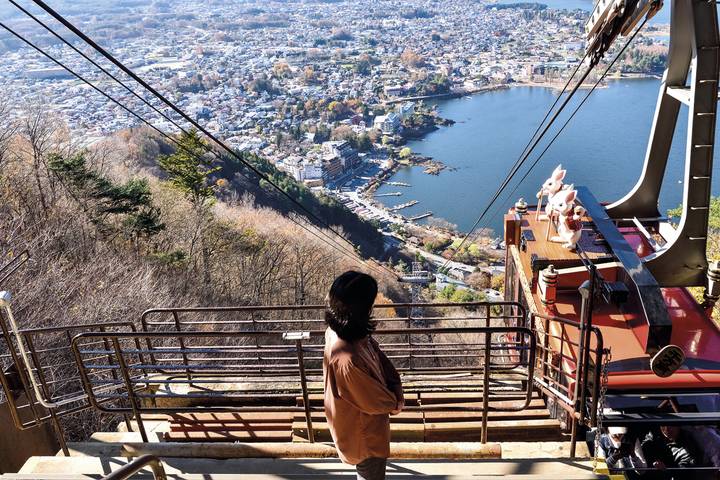
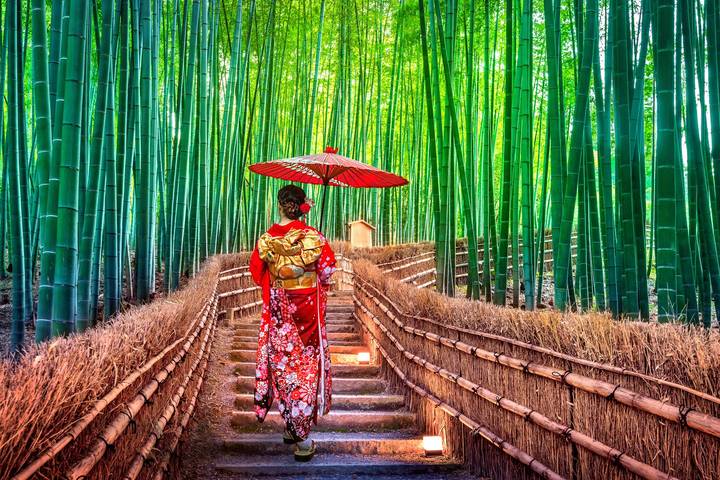
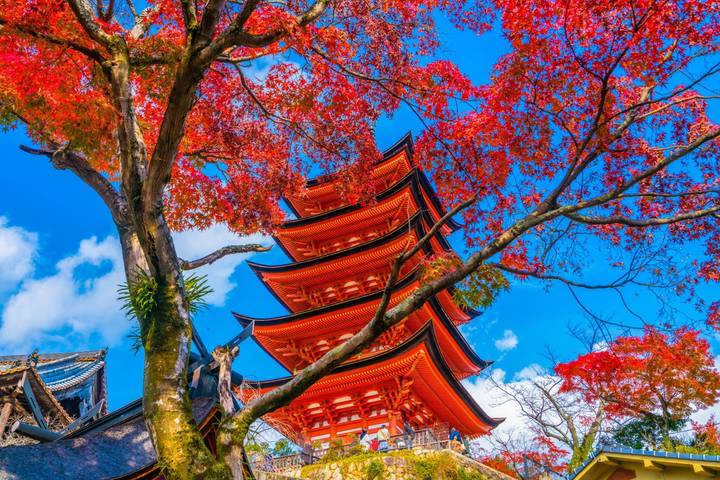
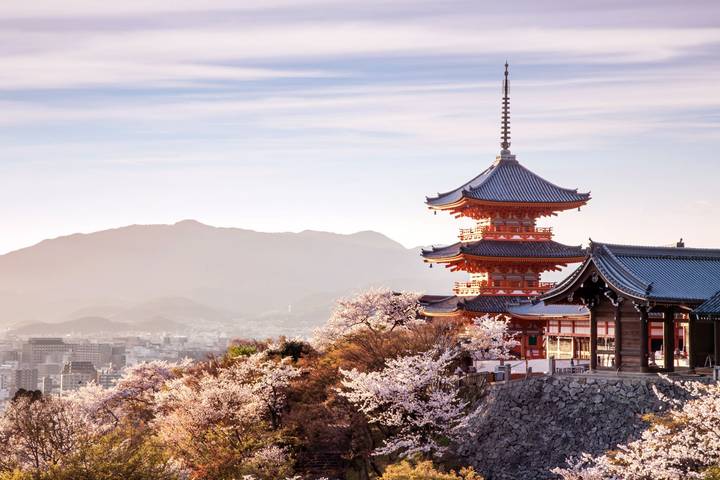
Kyoto gets one full guided day, beginning in Arashiyama. Togetsukyo Bridge looks out over the surrounding hills, and Tenryuji Temple, a UNESCO World Heritage Site, is paired with a walk through its bamboo grove. These are memorable settings, but the popular sites can feel busy, and the group’s schedule determines how long you can stay.
The day also includes Fushimi Inari Shrine, the Imperial Palace and Kinkakuji, the Golden Pavilion, with its gardens. The order may change. It’s an impressive list, but it also means several major sights are fitted into one day. If you want to explore Kyoto at a slower pace, use the post-tour free time to visit Gion, the traditional district, or consider adding a night before or after the tour.
Some past participants have felt there were too many temples and shrines. That is a fair concern: Kyoto’s most famous sights are largely religious or historic, and the tour keeps moving between them. If these places interest you, the variety of settings helps. If you prefer food, craft or neighborhood visits, you may wish the schedule made more room for them.
A completely different kind of day out:
- Mt Fuji and Hakone 1-Day Bus Tour Return by Bullet Train
★ 5.0 · 26,383 reviews - TOKYO SKYTREE® Ticket
★ 4.7 · 25,136 reviews - teamLab Borderless Tickets: MORI Building DIGITAL ART MUSEUM
★ 4.7 · 24,126 reviews - teamLab Planets TOKYO Ticket
★ 4.7 · 21,663 reviews
Nara’s Buddha and deer, then Osaka after dark
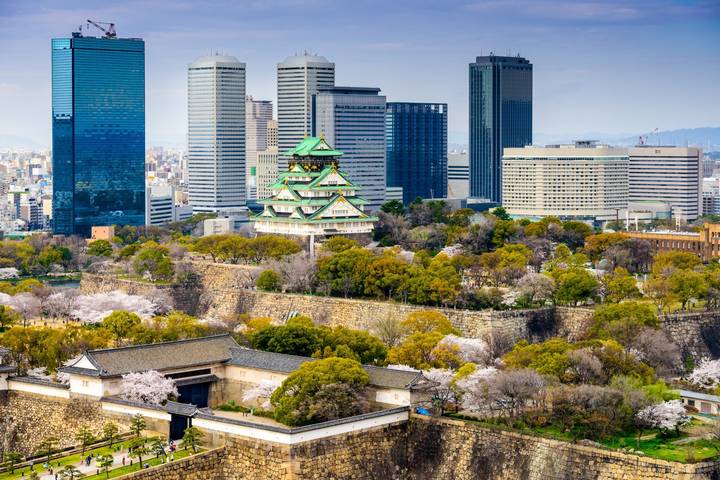
The drive to Nara brings you to Todaiji, built in 752 and home to a giant Buddha statue. The temple is the main draw, while deer roam in the surrounding park. You can take photos and interact with them, but keep food and personal belongings secure around animals.
Lunch is included before the group visits Horyu-ji, a UNESCO-listed temple complex with a pagoda regarded as one of the world’s oldest wooden structures. It’s a useful counterpoint to Todaiji: less about a single monumental statue, more about the scale and age of a temple complex.
You reach Osaka in the evening and visit Dotonbori, known for its bright signs and nightlife. The guided stop is helpful for getting oriented, but the tour does not promise a long stretch of independent time there. Dinner is not listed as included this evening, so budget for your own meal if you want to eat in the district.
Himeji Castle and Okayama’s garden
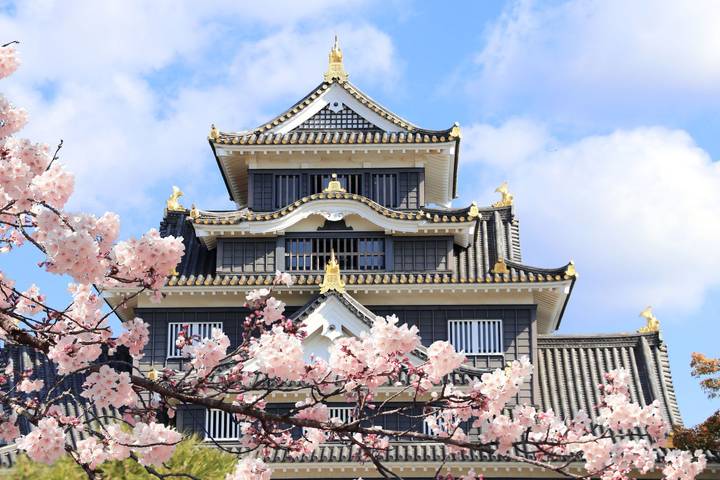
Himeji Castle is a major architectural stop, and admission to the castle complex is included. Its scale makes it a highlight for anyone interested in Japanese castle design. After the visit, lunch at a local restaurant is included, then the coach continues to Okayama.
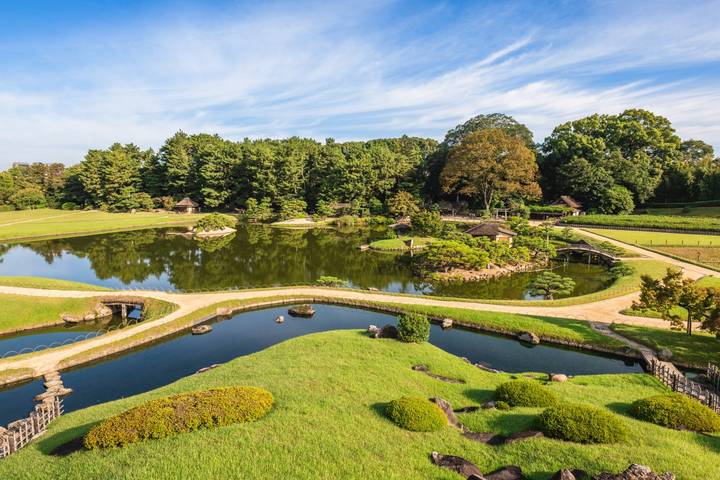
Korakuen Garden is the afternoon’s focus. Lakes, waterfalls and teahouses give it a different rhythm from the castle visits. A pedestrian bridge connects the garden area to Okayama Castle, a sixteenth-century structure rebuilt in 1966 after wartime damage. The castle interior is not included, but you have free time in Okayama afterward.
The hotel is normally in Okayama, although some departures may stay in Fukuyama or Kurashiki. In that case, the timing and placement of the Kurashiki visit may change. It’s worth checking your final hotel details, since location and room standards vary across the tour.
Hiroshima and Miyajima close the journey with a change of mood
The day begins with time in Kurashiki’s preserved historic center, where old streets offer a calmer walk before the group continues to Hiroshima. Hiroshima’s Peace Memorial Park, the Atomic Bomb Dome and the Peace Memorial Museum give the day a serious turn. Set aside attention for the museum: the visit is not just another photo stop, but a central part of understanding the city’s experience of the 1945 atomic bombing.
The schedule then includes a ferry to Itsukushima, commonly called Miyajima, to visit Itsukushima Shrine, partly built over the water. You have time to explore the shrine and town, with lunch included on the island. The order of the Hiroshima and island visits may shift, so the emotional weight of the day can come before or after the island’s quieter setting.
Dinner is included at the Hiroshima hotel. The tour ends after breakfast on day nine, so arrange onward travel from Hiroshima with enough time for your departure plans. There is no extra sightseeing day built in.
Hotels, meals and the guide experience
Accommodation is generally in three- or four-star hotels, with private bathrooms and television. The hotels are in the cities visited, often outside the central area but with public transport nearby. Room size, bed size and quality can vary. Past experiences range from praise for the hotels and included meals to complaints about a small room or a poor stay, so treat the star category as a broad guide, not a promise of luxury.
Breakfast is included each morning. Other meals are selective: dinner in Shinjuku, dinner at the Kawaguchiko ryokan, lunch in Nara, lunch near Himeji, and lunch and dinner on the Hiroshima day. The package does not cover every meal, which leaves room to choose local food but means you should budget for lunches or dinners not specified.
The tour is conducted in English, but guide assignments can change as the route progresses. Past participants have singled out guides including Rei, Paco, José, David and Ken, while others have preferred having one guide for the whole trip. Those names are examples, not a guarantee of who will lead your departure. The tour’s best guides have been described as attentive, clear with meeting instructions and good at explaining Japanese customs and history. A few past accounts also point to uneven commentary, which matters when the guide shapes much of your time on the coach.
Who should book this Japan tour?
Book it if you want to see many of Japan’s headline sights in nine days and value having transport, hotels, admissions and an English-speaking guide organized for you. It suits first-time visitors, families comfortable with a structured group, and anyone who would rather cover ground than manage each transfer independently.
Think twice if you want a relaxed pace, long free afternoons, a guaranteed single guide or extensive time in each city. The price buys convenience and broad coverage, not a custom trip. Before booking, compare the hotel options and meal inclusions, and decide whether a busy schedule is a fair exchange for visiting Tokyo, Fuji, Kyoto, Nara, Himeji and Hiroshima in one journey.
FAQ
Where does the tour start and end?
It starts in Tokyo and ends in Hiroshima. An arrival transfer from Tokyo airport to the hotel is included.
How long is the tour?
The trip lasts nine days, with the final morning in Hiroshima ending after breakfast.
Is the tour guided in English?
Yes. The tour is conducted in English with an English-speaking tour leader. Guide assignments may change during the journey.
How large can the group be?
The stated group size is from 2 to 72 people.
Are meals included?
Hotel buffet breakfasts are included, along with selected lunches and dinners. Meals are specified for the Shinjuku evening, Kawaguchiko, Nara, Himeji, Itsukushima and the final Hiroshima evening. Other meals are not listed as included.
Does the tour always reach Mount Fuji’s Fifth Station?
The plan is to drive to the Fifth Station at about 2,305 meters, but snow or other weather can close the road. In that case, the coach goes as far as permitted.
Just added in Tokyo
- Mt. Fuji & Hakone Cherry Blossom private One Day Tour★ 4.5 · 35 reviews
- Fish Market & Tokyo Skyline Private Walking Tour★ 5.0 · 14 reviews
- 25-Min Downtown Helicopter Tour : Tokyo Skytree and Tokyo Tower★ 5.0 · 19 reviews
- Private Tour with a Local Guide – Learn about daily life in Japan★ 5.0 · 22 reviews
- Tokyo: 3-Hour Bike/E-Bike Tour of the City’s Highlights★ 5.0 · 209 reviews
- 30-Min Tokyo Central Private Heli Tour– Asakusa, Skytree, Shibuya★ 5.0 · 13 reviews
- Tokyo 2-Hour Genuine Samurai Experience: Kendo in Japan★ 5.0 · 112 reviews
- Official Japan Go-Kart Through Tokyo Bay / Ginza (IDP Required)★ 4.5 · 71 reviews
Multi-Day Tours That Visit Nagoya, compared.
9D Splendid Japan-Private 3 Star Hotels-Osaka to Tokyo by Stunning Tours
Read our review →

Essential Japan GO by Europamundo – 7-Day Tokyo to Osaka Tour
Read our review →
8D Splendid Japan-Private 3 Star Hotels-Osaka to Tokyo by Stunning Tours
Read our review →
Wonders of Japan End Osaka GO by Europamundo – 12-Day Tour
Read our review →
Wonders of Japan End Osaka (including Fukuyama) 12-Day Tour by Europamundo
Read our review →
Wonders of Japan End Osaka by Europamundo – 12-Day Tour
Read our review →
9D Splendid Japan Deluxe-Private 4 Star Hotels by Stunning Tours
Read our review →Browse the lists this tour appears in