
Reviewed · MULTI-DAY TOURS
9D Splendid Japan-Private 3 Star Hotels-Osaka to Tokyo
From deer wandering through Nara Park to the vermilion gates of Fushimi Inari and a possible view of Mount Fuji, this tour packs Japan’s big contrasts into nine days. You travel with an English-speaking guide and a group of 10 to 30, moving between cities by coach and sleeping in 3-star hotels.
I like the mix of classic sights and smaller-town stops, especially Narai-juku, a preserved old post town that offers a change of pace from temple visits. I also like the practical setup: breakfasts, intercity transport and guided sightseeing are included, so you spend less time solving logistics and more time seeing the country.
The trade-off is a busy schedule with some long coach journeys and brief visits. Rooms may be small, and the optional Hiroshima day trip adds a substantial cost. This is a good sampler, not a slow, in-depth stay in any one place.
In This Review
- At a glance
- A fast route through several sides of Japan
- Osaka is your starting point, not the main event
- Hiroshima by Shinkansen costs extra
- Kyoto’s famous sights come in quick succession
- Nagoya adds industry before the old post road
- Lake Yamanaka and the weather-dependent Fuji stop
- Tokyo gives you one guided day and one open day
- What the hotels, meals and transport are like
- Who will get the most from this tour?
- Should you book the Osaka-to-Tokyo route?
- FAQ
- Where does the tour start and end?
- How many nights are included?
- Are airport transfers included?
- Is the Hiroshima excursion included in the price?
- Which meals are included?
- Can I book a triple room?
- How large is the tour group?
- Is the Mount Fuji 5th Station visit guaranteed?
At a glance
- Nara’s free-roaming deer share the park with Todaiji Temple and its 15-meter Buddha.
- Kyoto’s headline sights include Fushimi Inari, Kinkaku-ji and Arashiyama.
- Narai-juku and Tsumagoi Village bring a rural and historic note between the big cities.
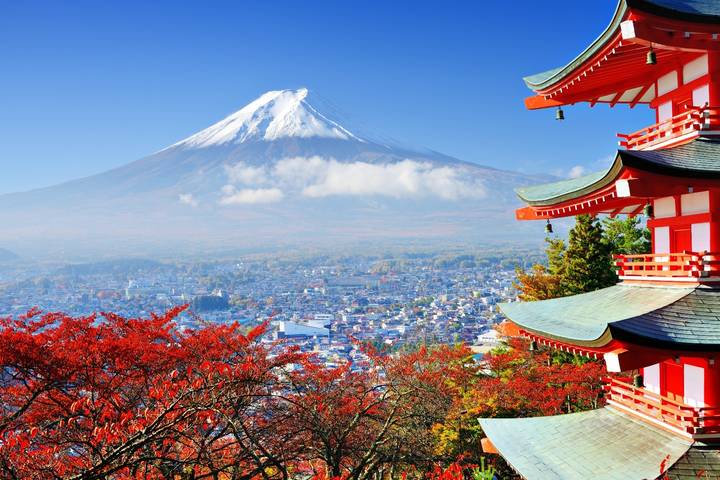
- Lake Yamanaka and Mount Fuji offer a scenic break, though the 5th Station visit depends on weather.
- Tokyo gets a guided sightseeing day and a free day, with time to explore on your own.
- Hiroshima is optional, not part of the standard schedule, and costs about $335 or 54,000 yen per person.
A fast route through several sides of Japan
The route starts at Kansai International Airport in Osaka and ends in Tokyo. The tour includes eight hotel nights, daily breakfast, an English-speaking guide, coach transport between cities and the sightseeing activities listed in the program. International flights, airport transfers, travel insurance, lunches and dinners are not included.
The itinerary takes in Osaka, Nara, Kyoto, Nagoya, the Nagano or Yamanashi area, Mount Fuji and Tokyo. It also makes room for a technical museum and a historic post town, giving the trip more variety than a succession of famous city shrines. The group size is listed as 10 to 30, and the physical rating is low intensity. In practice, expect regular walking, stairs and steps at some sites, so comfortable shoes matter.
At $1,899 and up, the price can be appealing for a guided trip covering this much ground. You’re paying for hotels, breakfasts, transport and a guide, not a luxury experience or an all-inclusive holiday. Meals beyond breakfast and the Hiroshima excursion are extra, as are flights and airport transfers. Factor those costs in before comparing the headline price with a trip you plan yourself.
More Private Tours in Osaka
- Osaka 4hr Private Tour with Government-Licensed Guide
★ 5.0 · 359 reviews - 3/4/5 Hours Private Tour in Osaka with Local Guide
★ 5.0 · 189 reviews - Osaka 6hr Private Walking Tour with Government Licensed Guide
★ 5.0 · 174 reviews
Osaka is your starting point, not the main event
Day one is for arrival and getting to the hotel. The first night is usually at Star Gate Hotel Kansai Airport or a similar property, described as one train stop from the airport. Airport transport is not included, but directions to the hotel are provided. Check-in in Japan is generally after 3 pm, so an early arrival may mean waiting before you can settle in.
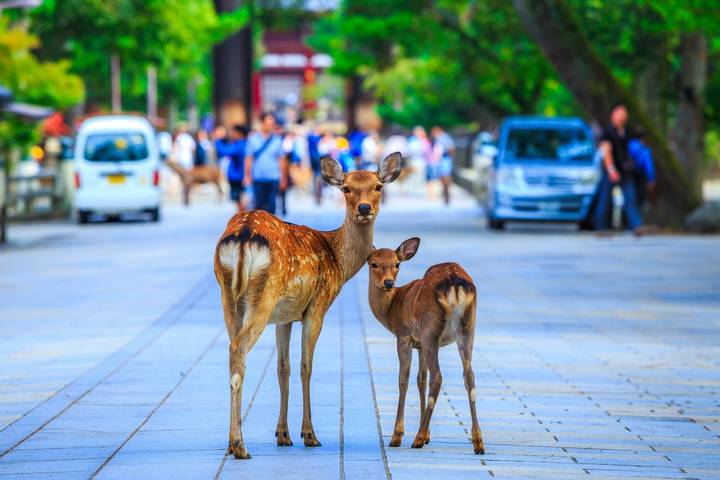
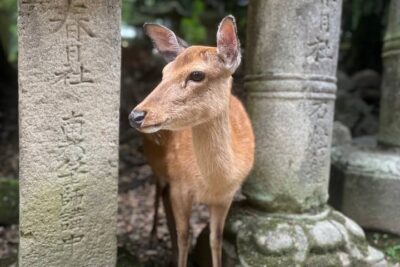
The first full excursion goes to Nara, a useful change of scene from Osaka’s urban scale. Nara Park is known for its free-roaming deer. Deer crackers, called senbei, are sold in the park for about 150 yen a pack, and the deer may bow when offered one. Keep a close eye on your crackers: the deer are used to people and can be persistent.
Todaiji Temple is the day’s major cultural stop. Its Great Buddha Hall houses a Buddha statue about 15 meters tall, and the temple was built more than 1,200 years ago as the head temple for provincial Buddhist institutions. Nearby, Kasuga Taisha offers a different religious setting, with a long connection to the powerful Fujiwara clan. After lunch, the group returns to Osaka for an evening at leisure.
The Osaka day that follows is free unless you book the Hiroshima excursion. That gives you room to explore on your own, but there is no standard guided Osaka sightseeing program listed for this day. If Osaka’s food, neighborhoods or museums are a priority, plan ahead rather than assuming the tour will fill the day for you.
Hiroshima by Shinkansen costs extra
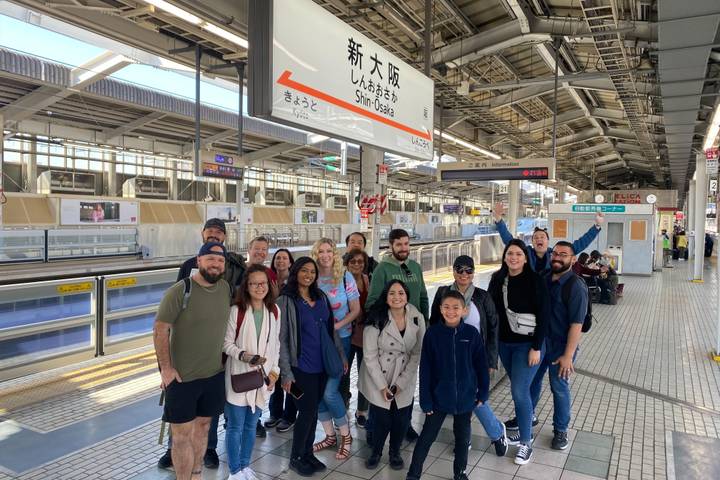
The optional Hiroshima day trip begins with a hotel pickup and transfer to Shin-Osaka Station. From there, the group takes the Shinkansen to Hiroshima, then visits Itsukushima Shrine and Miyajima Island, the Atomic Dome and Ground Zero, and Peace Memorial Park before returning to Osaka by bullet train.
The listed price is 54,000 yen per person, also shown as about $335. You sign up with the guide in Japan, and Visa and Mastercard are accepted. That is a meaningful extra expense, and the schedule is tight: the listed times give limited room at the stops. The plan names the Peace Memorial Park and Atomic Dome, not a visit to the Peace Memorial Museum, so don’t assume museum time is included.
Miyajima and the Peace Park make for a memorable contrast, but this is a long day with several transfers and a fixed timetable. If Hiroshima is a major reason for your trip, consider whether a short group visit suits you. If you would rather spend the day at your own pace, stay in Osaka and use the free time to explore.
Kyoto’s famous sights come in quick succession
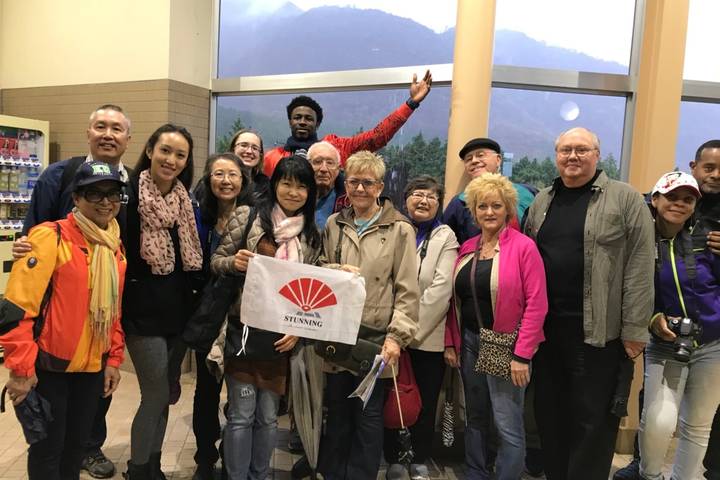
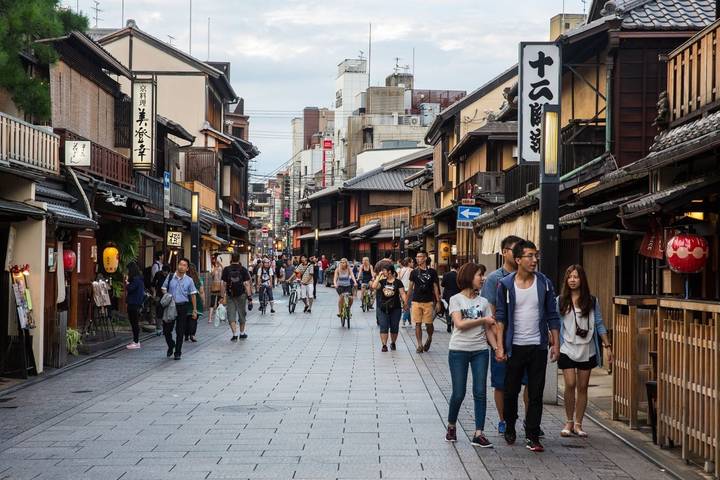
On day four, the coach heads from Osaka to Kyoto. Fushimi Inari Shrine is known for its thousands of red-orange torii gates lining paths up the wooded hillside. You can get a sense of the place even on a short visit, though walking farther along the trail takes more time and effort than a quick photo stop.
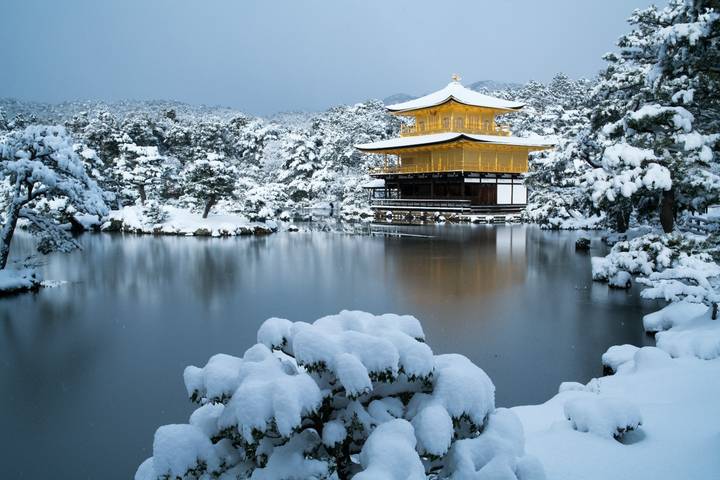
The guided Kyoto half-day continues to Kinkaku-ji, the Golden Pavilion, whose upper floors are covered in gold leaf. Then it’s on to Arashiyama Bamboo Forest and Togetsu Bridge. These are iconic sights, but they can be crowded, and the itinerary moves on to Nagoya afterward. Think of this as an introduction to Kyoto’s highlights rather than time to linger in its lanes, gardens or restaurants.
This concentration of temples and shrines is a strength if you want the classic first visit. It can feel repetitive if religious sites are not your main interest. Several stops involve walking, and the pace may leave little room for an unplanned tea break or a long look around.
A completely different kind of day out:
- Universal Studios Japan Studio Pass
★ 4.8 · 89,883 reviews - Universal Studios Japan Express Pass
★ 4.7 · 53,138 reviews - Osaka Amazing Pass
★ 4.7 · 21,697 reviews - Osaka Aquarium Kaiyukan Ticket
★ 4.8 · 14,894 reviews
Nagoya adds industry before the old post road
The next day begins at the Toyota Commemorative Museum of Industry and Technology in Nagoya. The museum traces the Toyota family’s development from textile machinery into one of Japan’s best-known industrial names. It adds a modern, practical counterpoint to the temples and shrines. If technology and manufacturing interest you, it is worth giving the exhibits time; the day’s schedule also has more ground to cover.
The route continues to Narai-juku, a preserved post town that recalls travel along Japan’s old roads. Its historic streets and buildings offer a welcome change from big-city landmarks. Tsumagoi Village follows, before the coach continues to a hotel in the Nagano or Yamanashi area.
This is one of the tour’s longer travel days, and you may find the stops feel brief. The reward is variety: one day can include industrial history, an old town and rural scenery. The overnight hotel is listed as Iloha Grand Hotel Matsumoto Ekimae or a similar 3-star property, though accommodation can change.
Lake Yamanaka and the weather-dependent Fuji stop
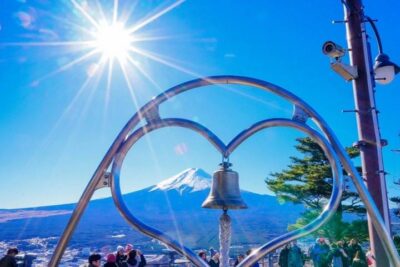
Day six takes you through the countryside to Lake Yamanaka, the largest of the Fuji Five Lakes. The tour includes a scenic boat ride, and the area is known for its swans. On a clear day, the lake can provide a fine view of Mount Fuji. Clouds, of course, do not consult the itinerary.
The plan continues to Mount Fuji’s 5th Station, at about 2,300 meters, if weather permits. Shops and Komitake Shrine are located there, and the station offers views over the surrounding area when conditions cooperate. Because the stop is weather-dependent, treat it as a welcome possibility, not a guaranteed summit-area visit.
The coach then continues to Tokyo. That makes for a substantial day of scenery and transit, but it also means you arrive with a lot behind you. Keep a small day bag handy and avoid counting on a full free evening after the drive.
Tokyo gives you one guided day and one open day
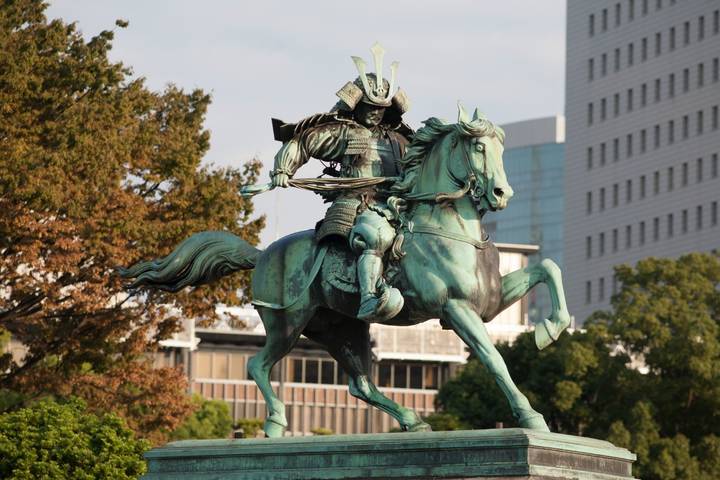
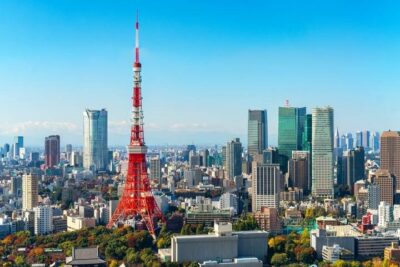
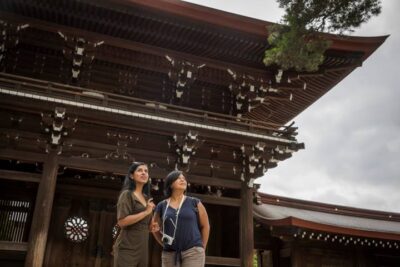
The Tokyo sightseeing day includes Meiji Shrine, Omote-sando, Takeshita Dori, a traditional Japanese rock garden and Tokyo Tower, with admission to the tower included. The schedule ends with free time in Shinjuku’s Kabukicho area, known for its nightlife. The order or timing may change with weather and traffic.
This is a broad introduction to Tokyo rather than a deep exploration of any one neighborhood. Meiji Shrine offers a quieter setting, while Takeshita Dori and Omote-sando bring a more contemporary city feel. Tokyo Tower supplies a high view over the city, and the free evening lets you choose whether to look around Kabukicho or head elsewhere.
Day eight is open for your own plans. That free day is valuable after a full week of group travel. You can revisit a favorite neighborhood, shop, or arrange a museum or meal that matches your interests. Breakfast is included, but the tour does not list any other activities for the day.
The Tokyo hotel is described as a 3-star property, with Far East Village Hotel Ariake and Sunshine City Prince Hotel both appearing in the accommodation details. Exact hotel arrangements can vary, so confirm your assigned property before planning local transport. Rooms in Japan can be compact, and the Tokyo room in particular may leave little space to open large suitcases. Pack light if you can.
What the hotels, meals and transport are like
The tour uses 3-star hotels, with daily breakfast included. The named properties range from Star Gate Hotel Kansai Airport to hotels in Osaka, Nagoya, Matsumoto or the Yamanashi area, and Tokyo. The itinerary says hotels may be replaced by similar properties, so think of the category as a guide rather than a promise of identical rooms throughout.
Breakfast varies by hotel. Some meals may be buffet-style, while others may offer fewer choices. Vegetarian, vegan, halal and kosher food options can be requested from the operator. Lunch and dinner are not included, which gives you flexibility but means meal costs add up over nine days.
The coach handles city-to-city transport, and the tour is described as using an upscale motor coach. That is a practical advantage on a route with several long transfers, especially when you have luggage. But a coach cannot erase travel time. Some days involve multiple stops, and a few hours on the road can make the visit windows feel short.
Who will get the most from this tour?
I’d consider this tour if you’re visiting Japan for the first time, want a guided overview and prefer not to organize each intercity transfer yourself. It covers headline sights, countryside and modern industry, with a guide to help explain customs and keep the group moving. Past groups have had guides named Kentaro, Tracy, Andre, Ken and Yusuke, among others. Your guide will depend on the departure.
The guide can make a real difference on a fast itinerary. Strong guides have helped explain local customs, share history and keep meeting arrangements clear. Still, guided does not always mean a guide accompanies you inside every site. Be ready to explore some attractions independently after receiving directions and a meeting time.
This is less suitable if you want long, unhurried visits, spacious hotel rooms or several days in each city. It also may not fit travelers who prefer fewer temples and more food-focused or museum-based activities. Walking is described as low intensity, but reviews of the actual route noted many stairs and steps. If stairs are a concern, ask the operator for current details before booking.
Should you book the Osaka-to-Tokyo route?
Book it if you value coverage, coach transport and a guide more than slow travel. The route gives you a broad first look at Japan, from Nara’s deer and Kyoto’s shrines to Narai-juku, Fuji country and Tokyo. The included breakfasts and intercity transport help make the starting price useful, while the free Tokyo day gives you some breathing room.
Look elsewhere if you want plenty of time at each stop, larger rooms or a guaranteed Mount Fuji view. Budget separately for lunches, dinners, flights, airport transfers and any optional Hiroshima trip. For the right first-time visitor, this is a practical way to see a lot in nine days. Just pack light, wear comfortable shoes and keep your expectations at sampler pace.
FAQ
Where does the tour start and end?
The tour starts at Kansai International Airport, or KIX, in Osaka. It ends in Tokyo. The departure information names Haneda Airport as the end point, while the tour details say the guide will explain how to reach either Haneda or Narita.
How many nights are included?
The tour includes eight hotel nights over nine days. The planned stays are three nights in Osaka, one in Nagoya, one in the Nagano or Yamanashi area and three in Tokyo.
Are airport transfers included?
No. Airport transportation is not included. The first hotel is usually one train stop from Kansai International Airport, and directions to the hotel are provided.
Is the Hiroshima excursion included in the price?
No. Hiroshima is an optional day trip by Shinkansen, listed at 54,000 yen or about $335 per person. You sign up with the guide in Japan.
Which meals are included?
Daily breakfast is included. Lunch and dinner are not listed as included. Vegetarian, vegan, halal and kosher food options can be requested.
Can I book a triple room?
No. Triple rooms are not available on this tour because hotel rooms in Japan are small. Solo travelers are advised to select a single room.
How large is the tour group?
The listed group size is 10 to 30 people. The tour is guided in English.
Is the Mount Fuji 5th Station visit guaranteed?
No. The visit is weather permitting. The schedule includes Lake Yamanaka and a boat ride, while access to the 5th Station depends on conditions.
Just added in Osaka
- Osaka Wonder Cruise★ 4.6 · 600 reviews
- Osaka Go Karting Experience by Akiba Kart★ 4.8 · 2,276 reviews
- Osaka Sumo Show Experience with Food & Drinks★ 4.5 · 656 reviews
- Tennoji Zoo Ticket in Osaka★ 4.6 · 311 reviews
- Osaka Tsutenkaku Tower Ticket★ 4.5 · 729 reviews
- Osaka: Sumo Experience with Live Show & Audience Challenge★ 4.9 · 721 reviews
- Osaka MIRACLEWORLD Admission Pass★ 4.5 · 223 reviews
- HEP FIVE Ferris Wheel Ticket in Umeda★ 4.7 · 1,740 reviews
Multi-Day Tours, compared.
13-Day Japan Tour: Tokyo, Mount Fuji, Kyoto, Nara, Osaka & Beyond
Read our review →
5 Day All Inclusive Japan Classics(Private Guide and Driver)Family Tour Customizable
Read our review →Browse the lists this tour appears in