
Reviewed · 7-DAY EXPERIENCES
Essential Japan GO by Europamundo – 7-Day Tokyo to Osaka Tour – Reviews & Prices
Japan’s great contrast is the point of this trip: one day you’re looking down on Tokyo from the Skytree, and the next you’re soaking in a hot spring near Mount Fuji. I like the mix of big-city landmarks and rural stops, and the overnight ryokan gives you a taste of a traditional inn without asking you to plan the details yourself.
I also like that the route takes in Kyoto, Nara, and Osaka without making you change hotels every night. The trade-off is a packed schedule. You’ll see a lot, but you won’t have long to linger, and some days involve plenty of walking despite the tour’s low-intensity label.
In This Review
- At a glance
- Seven days from Tokyo to Osaka
- Day 1: Arrive in Tokyo and settle in
- Day 2: Tokyo’s temples, crossings, and skyline
- Day 3: Fuji views and a night near the lake
- Day 4: A restored village, a waterfall, and Nagoya
- Day 5: Kyoto’s temples and bamboo paths
- Day 6: Nara’s great Buddha, then Osaka after dark
- Day 7: Breakfast, then onward travel
- What the price covers, and what it doesn’t
- Guides, group size, and the pace on the ground
- Walking and who will enjoy this route
- Should you book it?
- FAQ
- Where does the tour start and end?
- Which airports can I use to arrive in Tokyo?
- Is a transfer to the airport included at the end?
- Is the tour guided in English?
- How large can the group be?
- Which meals are included?
- Is the Mount Fuji Fifth Station visit guaranteed?
- Is the onsen included?
- Which attractions include admission?
- Does the tour include a departure transfer from Osaka?
At a glance
- Tokyo Skytree and Sensoji: See Tokyo from 350 meters up, then walk through Asakusa’s temple grounds and traditional shopping street.
- Mount Fuji and Kawaguchiko: Visit Arakurayama Sengen Park, take a Lake Kawaguchiko boat ride, and travel to Fuji’s Fifth Station when conditions allow.
- A ryokan night: Stay near Kawaguchiko, with access to a public onsen bath. Room style can vary, and a Western-style hotel may sometimes replace the ryokan.
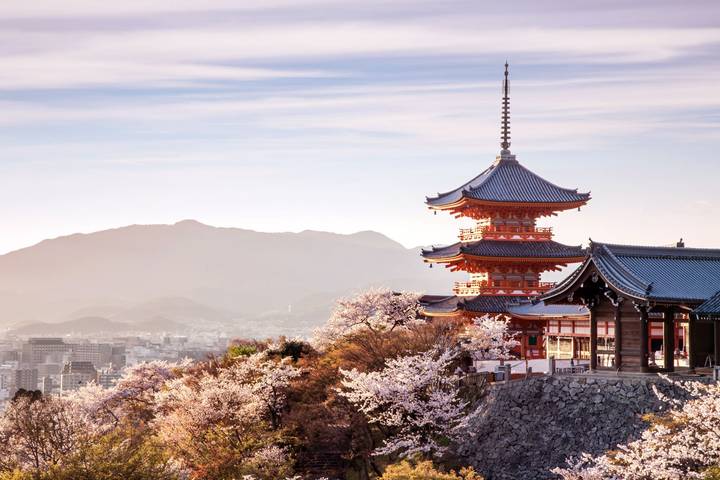
- Kyoto in one full day: Visit Arashiyama, Fushimi Inari, the Imperial Palace, and Kinkakuji, with time afterward to explore Gion on your own.
- Nara and Osaka: See Todaiji and Horyu-ji before reaching Osaka, where Dotonbori is the evening outing.
- Tour rating and price: The tour is listed from $2,406 and has a 4.4 out of 5 rating across 164 reviews. Check what your exact departure includes before booking.
Seven days from Tokyo to Osaka
This is a guided, coach-based introduction to central Japan. The route is carefully arranged to take you from Tokyo to Mount Fuji, then west through Nagoya, Kyoto, Nara, and Osaka. Hotels and breakfast are included, as are three other meals: dinner on days 2 and 4, and lunch on day 6.
The daily rhythm is efficient: a series of major sights, a coach ride to the next stop, and limited time to explore independently. That’s useful if you want a broad first look and don’t want to work out every train connection yourself. It’s less suitable if you prefer unhurried museum visits, long meals, or several open afternoons.
A few more options to weigh up in Tokyo
- Tokyo Disney Resort – Tokyo Disneyland & Tokyo DisneySea Park Tickets
★ 4.8 · 99,488 reviews - SHIBUYA SKY Ticket
★ 4.7 · 46,509 reviews - JR Whole Japan Rail Pass
★ 4.8 · 29,150 reviews
Day 1: Arrive in Tokyo and settle in
After customs, a shared shuttle takes you to your hotel. The rest of the day is free, which is a sensible buffer after a long flight and a chance to adjust to the time difference. You’ll receive details about the next day’s program in the afternoon.
The Tokyo hotel is assigned from options that include Shinagawa Prince Hotel, Tokyo Dome Hotel, and Ibis Styles Tokyo Ginza East. These are not all in the same neighborhood, so don’t make plans that depend on a particular location until you know your hotel. The operator says hotels have nearby public transport, but they may be outside the city center.
Day 2: Tokyo’s temples, crossings, and skyline
The main Tokyo tour lasts about seven hours. Zojoji Temple gives you a memorable view of Tokyo Tower, with rows of small Jizo statues nearby. Shibuya Crossing is viewed from the bus, not explored on foot as part of the guided stop, so think of this as a quick look at the famous intersection rather than time to wander the neighborhood.
Meiji Shrine offers a change of pace, with a forested approach and a quiet setting dedicated to Emperor Meiji and his wife. At Tokyo Skytree, admission to the Tembo Deck at 350 meters is included. If weather or other conditions prevent access, the tour says it will offer another city viewpoint instead.
The day continues at Sensoji Temple and Nakamise Street in Asakusa, where traditional shops and food stalls line the approach to the temple. The coach passes through Akihabara and Ginza on the way back. Those neighborhoods have very different characters, but a pass-through is only a first impression, not time to shop or explore.
In the evening, you travel by subway with the guide to Shinjuku, walk around, and have dinner at a local restaurant. Dinner and subway tickets are included. It’s a helpful first taste of Tokyo after a full day, though expect to be tired by the time you return to the hotel.
Day 3: Fuji views and a night near the lake
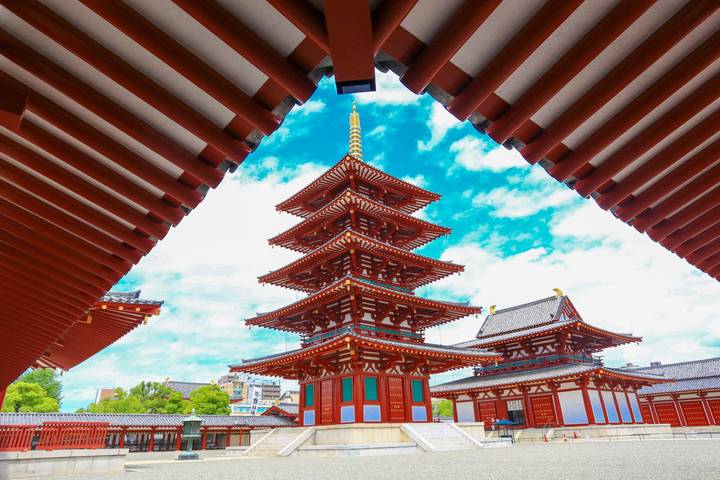
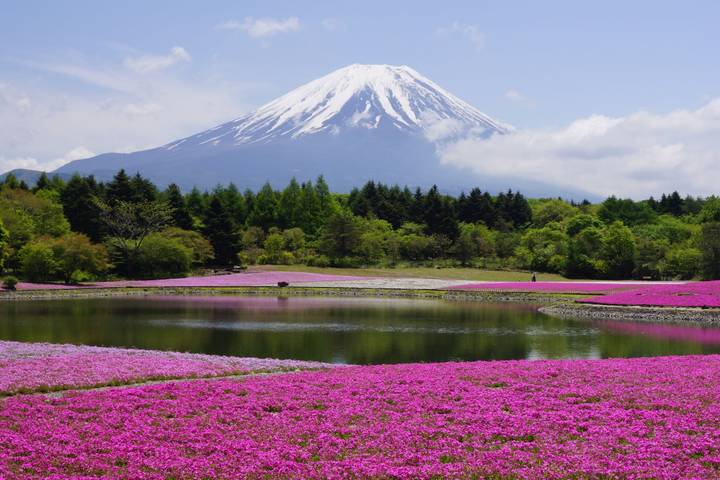
The Fuji day begins at Arakurayama Sengen Park, known for its pagoda and views toward Mount Fuji. The view depends on the weather, so clouds can change the picture. Afterward, you visit Fuji Sengen Shrine, a wooded site traditionally associated with the start of the pilgrimage up the mountain.
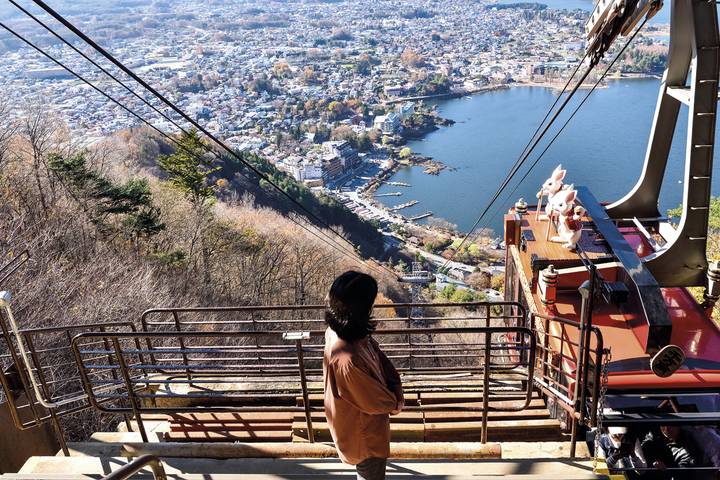
A boat ride on Lake Kawaguchiko adds a different angle on the surrounding area. The coach then climbs toward Mount Fuji’s Fifth Station at 2,305 meters, if road and weather conditions permit. In winter, the road is often closed by snow or weather, and the coach goes as far as conditions allow. This is an important expectation to set: the mountain is the day’s star, but no tour can promise a clear view or access to the highest planned stop.
That night is at a ryokan in the Kawaguchiko area, with dinner and access to a public onsen bath included. Some rooms have tatami mats and Japanese-style sleeping arrangements; others are Western-style. Occasionally, the ryokan is replaced by a Western-style hotel. If sleeping on a floor-level futon would be difficult, ask about the room arrangements before departure rather than counting on a choice.
A completely different kind of day out:
- Mt Fuji and Hakone 1-Day Bus Tour Return by Bullet Train
★ 5.0 · 26,383 reviews - TOKYO SKYTREE® Ticket
★ 4.7 · 25,136 reviews - teamLab Borderless Tickets: MORI Building DIGITAL ART MUSEUM
★ 4.7 · 24,126 reviews - teamLab Planets TOKYO Ticket
★ 4.7 · 21,663 reviews
Day 4: A restored village, a waterfall, and Nagoya
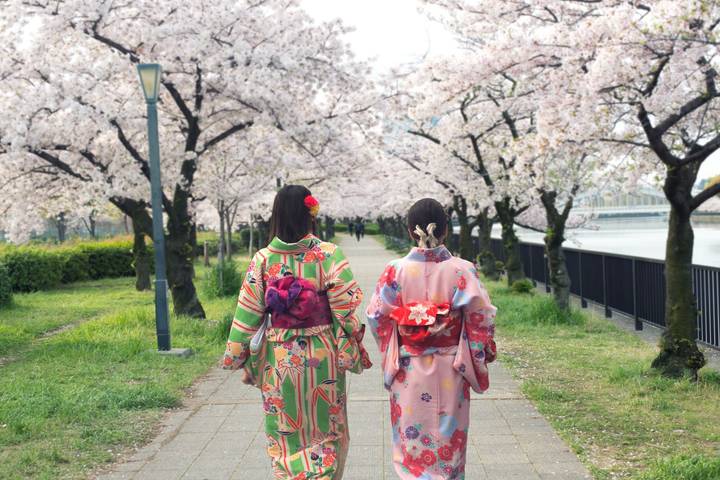
The morning brings Iyashi no Sato Nenba, an open-air museum in a village rebuilt after a 1966 typhoon. Traditional houses now hold craft shops, restaurants, and cultural exhibits. It offers a useful contrast with Tokyo’s modern districts, though the visit is relatively brief within a long travel day.
Next comes Shiraito Falls, where water drops about 20 meters. Then the coach continues to Nagoya for the Toyota Museum, with admission included, before heading on to Kyoto. The museum will appeal most to people interested in cars and industrial design. If that’s not you, the stop may feel like an odd pause in a trip otherwise centered on temples, landscapes, and local traditions. One practical note: this is not a full Nagoya city visit.
Dinner is included, and you sleep in Kyoto. Long coach stretches are part of this day, so it’s a good time to have a book, snacks, or something to listen to.
Day 5: Kyoto’s temples and bamboo paths
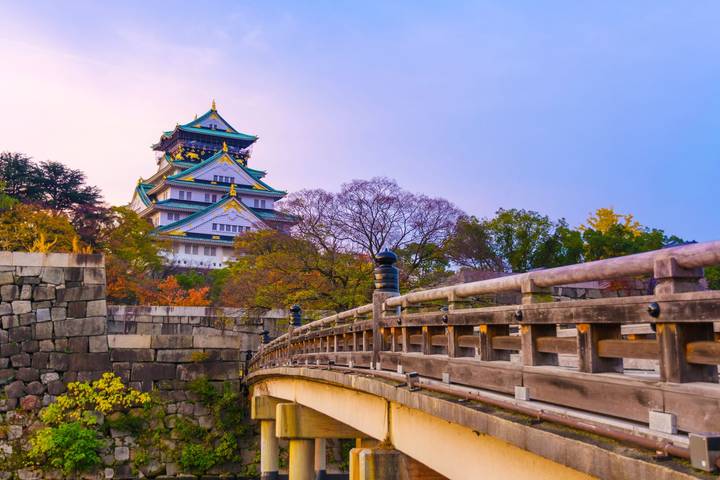
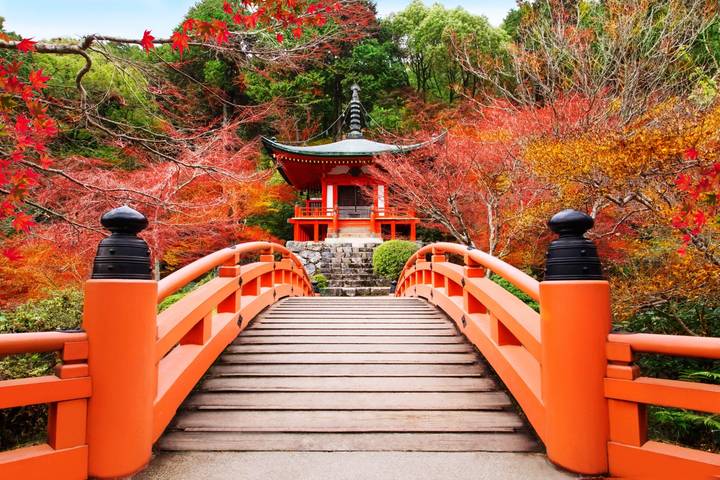
Kyoto gets a full day, though the schedule fits in several major sights. You begin in Arashiyama, crossing or viewing Togetsukyo Bridge, then visit Tenryuji Temple and walk through the bamboo forest. The temple and its grounds offer a calmer setting than the busy main route through the grove, but this is a popular area and your time there will be limited.
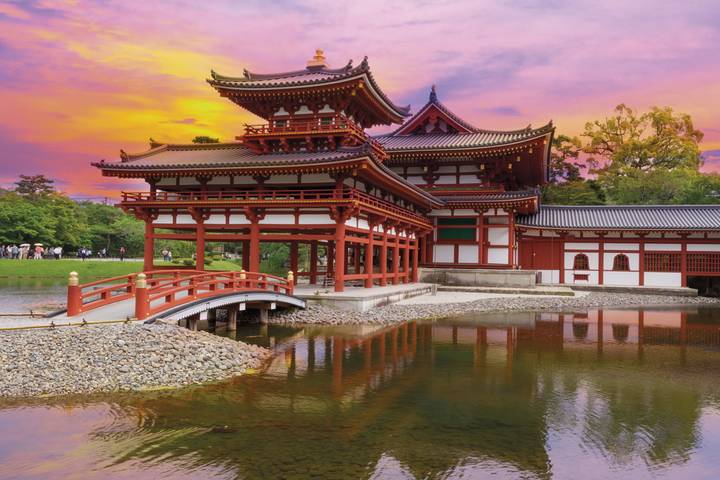
The tour also visits Fushimi Inari Shrine, the Imperial Palace, and Kinkakuji, the Golden Pavilion. The order can change. These sites each deserve time, and fitting them into one day means you’ll need to keep moving. If one place catches your attention, you may wish you had an extra day in Kyoto to return at your own pace.
After the guided visits, you can spend free time in Gion, Kyoto’s traditional district. The outing is described as optional, so check the day’s arrangements and how you’ll return to your hotel before setting off. Gion is best treated as time to walk and take in the area, not as a guaranteed encounter with a geisha.
Day 6: Nara’s great Buddha, then Osaka after dark
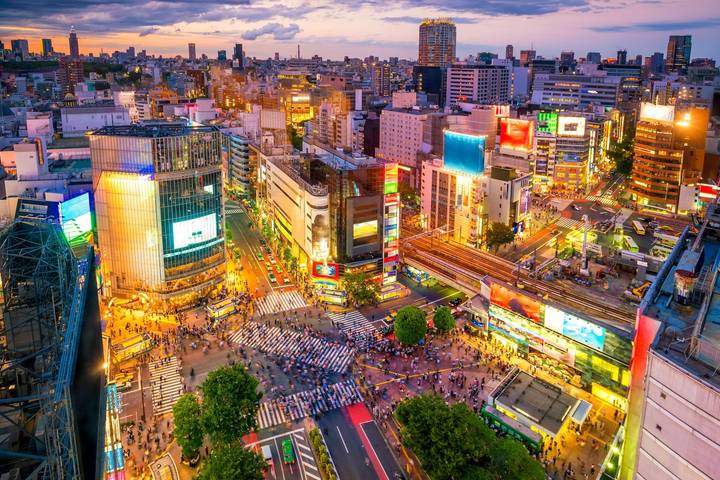
In Nara, you visit Todaiji, a major Buddhist temple dating to 752, and see its large Buddha statue. Deer roam in the surrounding park, where you can take photos and observe them. They are accustomed to people, but they remain animals, so give them room and follow local guidance.
The next stop is Horyu-ji, a UNESCO World Heritage Site with a temple complex that includes a pagoda among the oldest surviving wooden buildings in the world. It’s a rewarding stop for anyone interested in early Buddhist architecture, though two major temple visits in one day may feel like a lot if temples are not your main interest. Lunch is included.
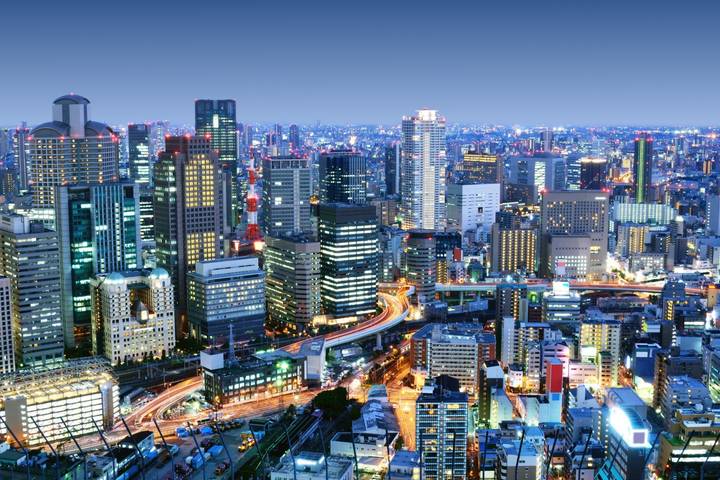
You reach Osaka in the evening, then visit Dotonbori, a lively dining and entertainment district known for its bright signs and busy streets. It’s a fine place to get a first sense of Osaka’s evening food culture. The tour describes an evening transfer, but confirm the exact return arrangements with your guide, especially if you plan to stay out later.
Day 7: Breakfast, then onward travel
The tour ends after breakfast in Osaka. There is no departure transfer included, so arrange your own ride to Kansai International Airport or your next stop. The tour begins in Tokyo, and the included arrival transfer is available from Narita or Haneda airports.
What the price covers, and what it doesn’t
The advertised starting price is $2,406, based on the cheapest room. For seven days, the value comes from the hotel stays, breakfast, coach transport between cities, English-language guiding, Tokyo arrival transfer, Tokyo Skytree and Toyota Museum admission, and a number of meals and activities. You also avoid arranging several long-distance transfers and coordinating a string of hotels yourself.
Not every meal is included. The stated inclusions are breakfast, dinner on days 2 and 4, and lunch on day 6. Budget separately for other lunches and dinners, plus personal purchases and the trip from your Osaka hotel to the airport. Since the price depends on room and departure details, compare the exact package rather than treating the starting price as a guaranteed total.
Accommodation is practical rather than luxury-focused. Listed hotels range from three to four stars, and the exact property can vary. Rooms have private bathrooms, but room dimensions and bed sizes can differ. Ask when the hotel names will be confirmed if you’re coordinating your own plans around the hotel location.
Guides, group size, and the pace on the ground
The tour is described as fully guided in English, with an English-speaking tour leader. The group size can range from 2 to 72, so the feel may shift from a small group to a large coach tour depending on the departure. Past guide names include Ken, Paco, David, and José, but guides vary, and no specific person is guaranteed.
The strongest praise for the experience centers on guides who explain Japanese history and culture with care, and on smooth transport and organization. Names such as Ken, David, Paco, and José appear in particularly warm comments. The quality of commentary has not been uniform, however. Some people have found guides less informative, or found it hard to hear from the back of the bus. If you’re seated far from the guide, ask about hearing arrangements at the start.
There’s another point worth checking. Some past departures have included English and Spanish speakers, with commentary alternating between languages. The tour information describes an English-speaking guide, but reports of bilingual departures suggest the balance can vary. Ask whether your particular departure is English-only or bilingual, and how explanations are handled, before paying.
The tour is rated 4.4 out of 5 overall. Its category scores are strongest for transport at 4.6, followed by itinerary at 4.5, guide at 4.5, accommodation at 4.4, food at 4.3, and operator at 4.1. That pattern fits a trip whose reliable core is getting around and seeing the planned sights, while the day-to-day guide experience and hotel assignment can vary.
Walking and who will enjoy this route
The physical rating is low intensity, but that doesn’t mean no effort. Temples, shrine approaches, parks, and shopping streets involve walking; some sites include steps, hills, or uneven surfaces. A tight schedule can make the walking feel more demanding, especially if you need extra time or frequent rests. The tour welcomes all ages, but anyone with mobility concerns should ask for specific details about walking and access rather than relying on the broad rating alone.
I’d choose this tour if you’re visiting Japan for the first time, want help with transport and orientation, and are happy to trade free time for a broad list of sights. It can also suit families and people traveling alone who like the structure and company of a group. If you want long visits at temples, time for Osaka Castle, or several unscheduled hours in Kyoto, plan extra days before or after the tour.
Should you book it?
Book this if you want a fast, guided introduction to Tokyo, Mount Fuji, Kyoto, Nara, and Osaka, with hotels and most of the major transport arranged. The ryokan night, included Skytree admission, and Kyoto’s full sightseeing day add real value.
Think twice if your priority is a slow pace, extensive time at museums, guaranteed Mount Fuji views, or a particular hotel or guide. Before booking, confirm the exact hotel list, language setup, room style at the ryokan, and transfer details for Gion and Dotonbori. Those checks will help you decide whether this efficient overview matches the Japan trip you have in mind.
FAQ
Where does the tour start and end?
It starts in Tokyo on Day 1 and ends in Osaka after breakfast on Day 7.
Which airports can I use to arrive in Tokyo?
Narita International Airport and Haneda Airport are both suitable. The tour includes an arrival transfer from Tokyo airport to the hotel.
Is a transfer to the airport included at the end?
No. The tour ends in Osaka, and you need to arrange your own transport to Kansai International Airport or another destination.
Is the tour guided in English?
The tour information says it is conducted in English with an English-speaking tour leader. Some past departures have had both English and Spanish speakers, so confirm the language arrangement for your date.
How large can the group be?
The stated group size ranges from 2 to 72 people.
Which meals are included?
Hotel breakfast is included. The listed additional meals are dinner on Day 2, dinner on Day 4, and lunch on Day 6.
Is the Mount Fuji Fifth Station visit guaranteed?
No. In winter, snow or weather can close the road. The coach goes as far as conditions permit.
Is the onsen included?
Access to a public hot spring bath at the Kawaguchiko-area ryokan is included. The ryokan or room style may vary, and a Western-style hotel may sometimes be used instead.
Which attractions include admission?
Admission to Tokyo Skytree’s Tembo Deck at 350 meters and the Toyota Museum is included.
Does the tour include a departure transfer from Osaka?
No. The tour finishes after breakfast, and the airport or onward transfer is not included.
Just added in Tokyo
- Wonders Of Japan 10-Day Tour by Travel Talk★ 4.5 · 14 reviews
- Wonders of Japan end Tokyo GO 15-Day Tour by Europamundo★ 4.2 · 10 reviews
- Wonders of Japan end Tokyo 15-Day Tour by Europamundo★ 4.2 · 10 reviews
- Wonders of Japan End Osaka by Europamundo – 12-Day Tour★ 4.2 · 58 reviews
- Wonders of Japan End Osaka (including Fukuyama) 12-Day Tour by Europamundo★ 4.2 · 58 reviews
- Wonders of Japan End Osaka GO by Europamundo – 12-Day Tour★ 4.2 · 58 reviews
- Walk Japan – Kumano Kodo Trail 12-Day Tour by Explore!★ 4.7 · 20 reviews
- Visions of Japan with Hiroshima & Osaka 15-Day Tour by Globus★ 5.0 · 75 reviews
7-Day Experiences, compared.

Tokyo, Kyoto and Hiroshima end Tokyo by Europamundo – 7-Day Tour
Read our review →
Tokyo, Kyoto and Hiroshima end Tokyo GO 7-Day Tour by Europamundo
Read our review →
Tokyo, Kyoto and Hiroshima 7-Day Tour by Europamundo
Read our review →
Tokyo, Kyoto and Hiroshima GO by Europamundo – 7-Day Tour
Read our review →
7-Day Best Japan Mini Group Tour with 3/4 Stars Hotels by Agate Travel
Read our review →
7-Day Japan Delight: Tokyo, Mt. Fuji, Kyoto by Intertrips
Read our review →Browse the lists this tour appears in