
Reviewed · 7-DAY EXPERIENCES
Tokyo, Kyoto and Hiroshima GO by Europamundo – 7-Day Tour – Reviews & Prices
Tokyo’s biggest crossing, Kyoto’s vermilion shrine gates, Nara’s deer and Hiroshima’s peace memorials all fit into one week here. The route is a brisk introduction to Japan, with the long-distance jump from Tokyo to Kyoto made by bullet train and the western stretch covered by coach.
I like two things in particular: the wide range of sights gives you a strong first look at Japan, and the transport and major admissions are largely arranged, so you can spend less time sorting out connections. Guides including David Solanes, Kiko, Pablo, Jose, Ken Estevez Igarashi and Michiko have been singled out for bringing energy and care to the trip, though guide assignments vary.
The trade-off is pace. You change cities often, some days have a full schedule, and a group can reach 72 people. If you want time to linger in museums, browse neighborhoods at your own speed or spend several nights in one place, this route may feel rushed.
In This Review
- Key points before you book
- Seven days, with five busy middle days
- Tokyo: temples, towers and a long city day
- Kyoto: a fast rail ride into Japan’s old capital
- Nara and Osaka: giant Buddha, deer and neon streets
- Himeji and Okayama: a castle and a garden
- Kurashiki and Hiroshima: a day of contrast
- What the price includes, and what it does not
- Guide quality and group size
- Who should take this route?
- FAQ
- Where does the tour start and end?
- Is an airport transfer included?
- Is the tour conducted in English?
- How many people can be in the group?
- Is the Tokyo to Kyoto bullet train included?
- Which meals are included?
- Are the hotels fixed?
- How much walking should I expect?
Key points before you book
- A Tokyo-to-Hiroshima route: The tour covers Tokyo, Kyoto, Nara, Osaka, Himeji, Okayama, Kurashiki, Hiroshima and Itsukushima Island.
- Bullet train included: The Tokyo to Kyoto ride takes just over two hours for a journey of nearly 500 kilometers.
- Many signature sights are covered: Highlights include Tokyo Skytree, Fushimi Inari, Todaiji, Himeji Castle and Hiroshima’s Peace Memorial Museum.
- Two lunches and two dinners are included: Other meals are yours to arrange, giving you some room to choose local restaurants.
- Hotels vary by departure: Named options range from a 3-star Tokyo hotel to 4-star properties elsewhere; the assigned hotel is not guaranteed to be the same each time.
- Best for a first visit with limited time: Expect organized transport and broad coverage, not long stays or a slow pace.
Seven days, with five busy middle days
The shape of this trip matters. Day one is mostly arrival and hotel check-in; day seven ends after breakfast. That leaves five central days for sightseeing, and they are packed. You travel from Tokyo west through Kyoto and Osaka, then continue to Hiroshima, with several stops along the way.
Europamundo describes the tour as low intensity, but that refers to the level of physical activity, not the schedule. You should still expect regular walking at temples, gardens and city sights, plus early starts and frequent changes of location. The group size can range from 2 to 72, so the feel of the tour may vary considerably between departures.
A few more options to weigh up in Tokyo
- Tokyo Disney Resort – Tokyo Disneyland & Tokyo DisneySea Park Tickets
★ 4.8 · 99,488 reviews - SHIBUYA SKY Ticket
★ 4.7 · 46,509 reviews - JR Whole Japan Rail Pass
★ 4.8 · 29,150 reviews
Tokyo: temples, towers and a long city day
On arrival, a shared shuttle takes you from the airport to your hotel. The first afternoon is free, which is useful after a long flight: rest, get oriented and check the tour information that arrives later in the day. The listed Tokyo hotels are Shinagawa Prince Hotel, Tokyo Dome Hotel or Ibis Styles Tokyo Ginza East. The specific property depends on your departure.
Day two gives you a fast-moving introduction to the capital. The approximately seven-hour guided tour begins at Zojoji Temple, where Jizo statues and the view toward Tokyo Tower offer a quieter opening than the city’s famous crowds. At Shibuya Crossing, you see the intersection from the bus rather than joining the crossing on foot, so think of this as a quick look, not a long neighborhood visit.
Meiji Shrine brings a welcome change of pace. Set among trees, it offers a calmer contrast to the busy streets and high-rise views. At Tokyo Skytree, admission to the Tembo Deck at 350 meters is included. Clear weather can make a big difference to the view; if conditions prevent access, an alternative city viewpoint may be offered.
The tour continues to Sensoji Temple and Nakamise Street in Asakusa, where the temple grounds and traditional shop-lined approach give you a glimpse of an older Tokyo. Akihabara and Ginza are passed en route, but they are not extended visits. If either district is high on your personal list, plan to return independently during free time or after the tour.
In the evening, you take the subway with your guide to Shinjuku, walk around the district and have dinner at a local restaurant. Dinner and subway tickets are included. This is a practical way to experience another side of Tokyo after the daytime sightseeing, though the day as a whole will be a long one.
Kyoto: a fast rail ride into Japan’s old capital
An early bullet train takes you from Tokyo to Kyoto in just over two hours. That speed makes the long distance manageable, but the early departure means you will want to have your bags and morning routine sorted the night before.
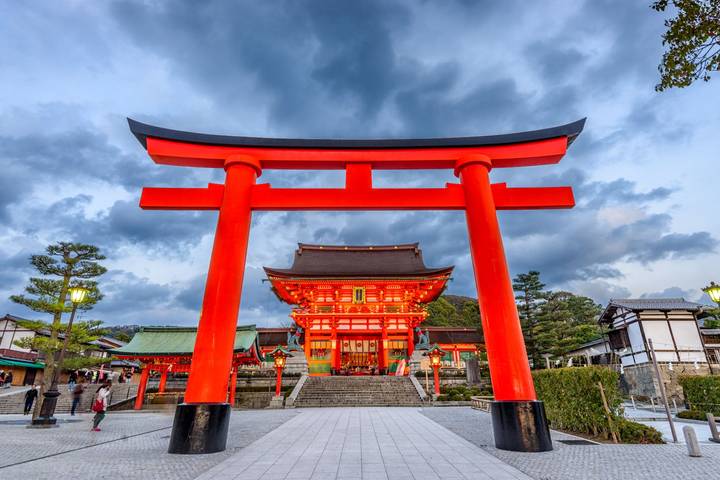
Kyoto’s day includes Fushimi Inari Shrine, the Imperial Palace, Kinkakuji Temple and Gion. Fushimi Inari is known for its rows of red gates; the scheduled visit gives you a chance to see one of the city’s best-known sacred sites, though the time available may not suit a long walk through the grounds. Kinkakuji, the Golden Pavilion, is admired with its gardens, while the Imperial Palace adds a different view of Kyoto’s former role as Japan’s seat of court life.
Gion gives you time among traditional streets associated with geisha culture. The itinerary allows free time afterward, a valuable chance to choose a meal or explore at your own speed. You stay overnight in Kyoto, with New Miyako Hotel or Miyako Kioto Hachijyo listed as possibilities. Both are described as 4-star hotels, but the exact hotel can vary.
Nara and Osaka: giant Buddha, deer and neon streets
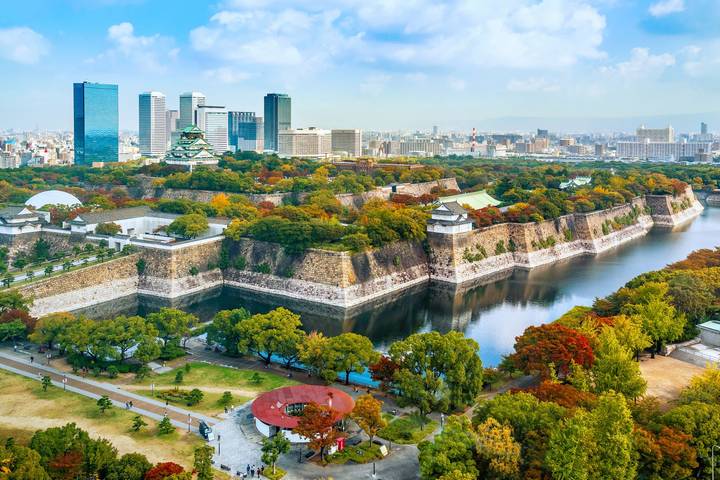
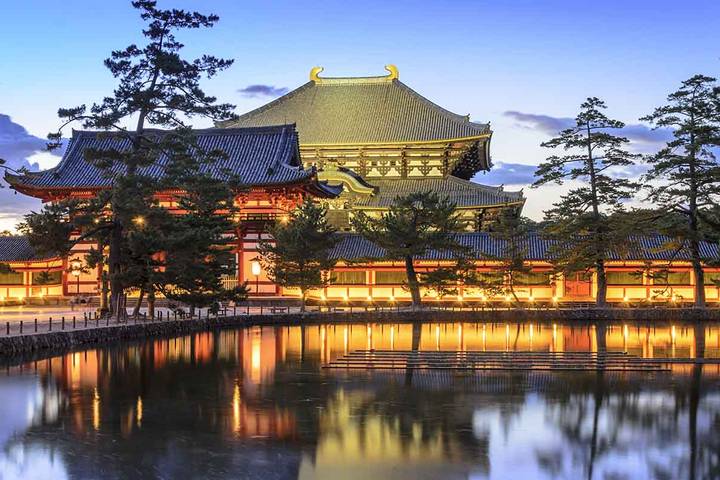
The next morning takes you to Nara. Todaiji Temple, built in 752, is the main draw: a large Buddhist complex known for its enormous Buddha statue. Deer roam the surrounding park, and you have time to see them up close. They are part of the setting, but keep an eye on your belongings and follow any local guidance when interacting with them.
Horyu-ji follows, a UNESCO World Heritage site with temples and monastic buildings. Its central pagoda is among the oldest wooden structures in the world, making this stop especially worthwhile if you are interested in early Japanese architecture. Lunch is included, which saves you the trouble of finding a place during a day of travel.
You reach Osaka in the evening and visit Dotonbori, known for its night-time activity and bright signs. It is a good place to get a feel for the city, but the visit is an introduction rather than a full evening to explore at leisure. Hotels listed in Osaka include Moxy Osaka Honmachi, Onyado Nono Osaka Yodoyabashi and Tokyu Stay Osaka Honmachi.
A completely different kind of day out:
- Mt Fuji and Hakone 1-Day Bus Tour Return by Bullet Train
★ 5.0 · 26,383 reviews - TOKYO SKYTREE® Ticket
★ 4.7 · 25,136 reviews - teamLab Borderless Tickets: MORI Building DIGITAL ART MUSEUM
★ 4.7 · 24,126 reviews - teamLab Planets TOKYO Ticket
★ 4.7 · 21,663 reviews
Himeji and Okayama: a castle and a garden
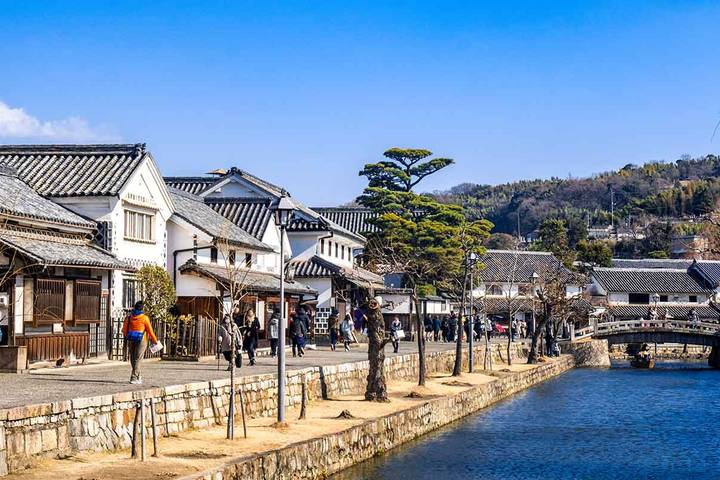
The route continues to Himeji, where admission to the castle complex is included. Himeji Castle is one of Japan’s best-known castle sites, and the complex gives you a chance to see traditional castle architecture up close. Lunch at a local restaurant is also included.
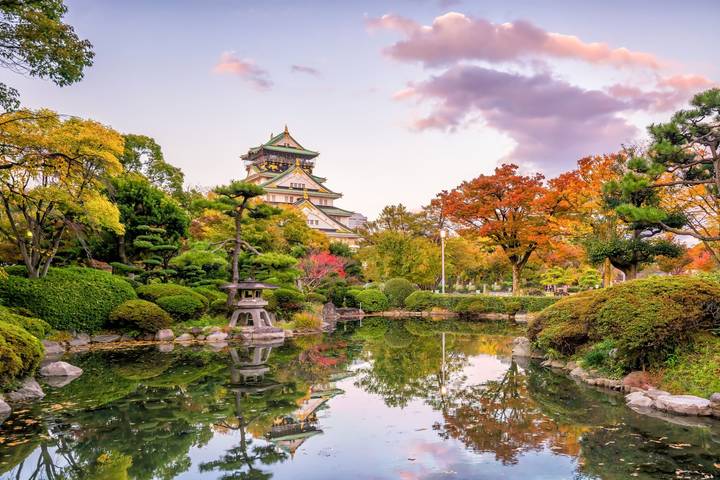
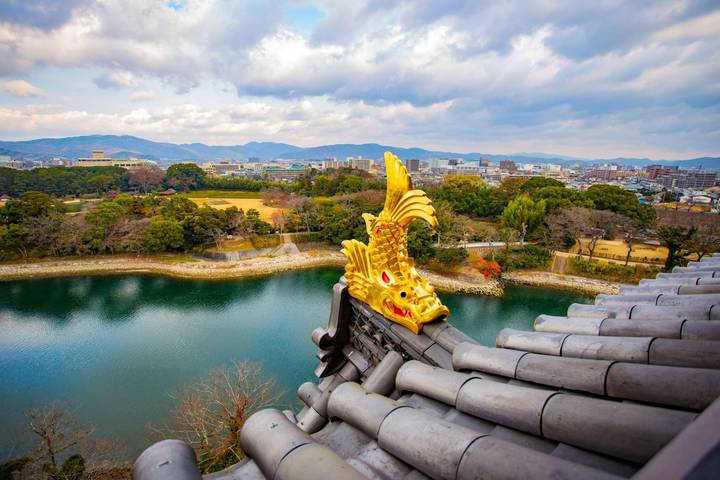
In Okayama, Korakuen Garden is the main stop. Its lakes, waterfalls and teahouses make a pleasant contrast with the previous days’ city sights and temples. A pedestrian bridge connects the garden area with Okayama Castle, which you can view from outside. Entry to the castle interior is not included, so factor that in if you particularly want to see inside.
You have free time in Okayama after the visits. The overnight stay may be in Okayama, Fukuyama or Kurashiki on some dates, and the timing of the Kurashiki stop can change. Check the final arrangements for your departure rather than assuming every day follows exactly the same order.
Kurashiki and Hiroshima: a day of contrast
Kurashiki’s historic center offers a gentler start to the day, with time to wander its preserved streets. It is a useful pause before the more serious visit to Hiroshima, though the stop is brief rather than a full day in town.
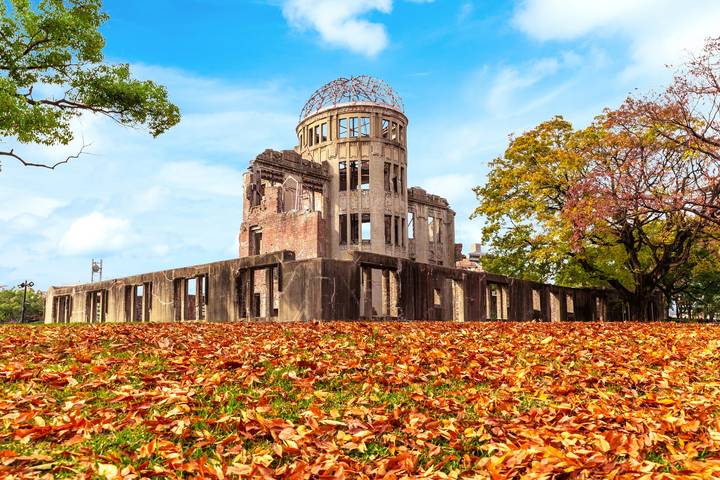
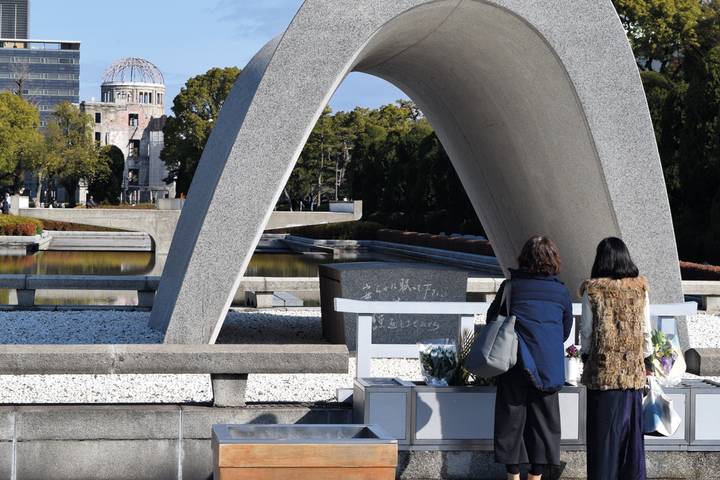
In Hiroshima, the Peace Memorial Park, Atomic Bomb Dome and Peace Memorial Museum focus on the atomic bombing of 1945 and the city’s recovery. The museum is a moving, sobering visit. Allow yourself some quiet afterward if you need it; this part of the itinerary can be emotionally demanding, especially when it follows several days of rapid sightseeing.
Later, a ferry takes you to Itsukushima Island, also known as Miyajima. The tour visits Itsukushima Shrine, partly built over the water and dedicated to the guardian of the sea. You also have time in the town center and for lunch before returning to Hiroshima. Dinner is included at the hotel.
This day packs together Kurashiki, Hiroshima and the island ferry, so it is worth being ready for a full schedule. The order of visits in Hiroshima may change, but the stated plan is to include the memorial sites and the island. Hiroshima accommodation includes Hilton Hiroshima or ANA Crowne Plaza Hiroshima.
What the price includes, and what it does not
The advertised starting price is $2,680. For that, you get six nights of accommodation, breakfast, an arrival transfer, the Tokyo-to-Kyoto bullet train, tour transport, an English-speaking tour leader, basic travel insurance and many named admissions. Tokyo Skytree’s Tembo Deck, key temples, Himeji Castle complex, Korakuen Garden, Itsukushima Shrine and Hiroshima’s Peace Memorial Museum are among the included visits.
Two lunches and two dinners are included: lunch in Nara, lunch in Himeji, dinner in Shinjuku and dinner in Hiroshima. You will need to budget for the other meals, along with personal spending and anything not listed as an included admission. The tour does not include the interior visit to Okayama Castle.
The value is strongest if you want transport, accommodation and headline sights bundled together. Moving across Japan on your own is entirely possible, but arranging several cities, transfers and timed visits takes planning. Here, the logistics are handled for you, and the included bullet train and admissions help make the price easier to assess.
The accommodation is selected for quality, price and access to public transport, not luxury. Hotels are generally described as 4-star, with a 3-star option in Tokyo. Room size, bed size and facilities can vary between properties, and the named options are alternatives rather than a guarantee of a particular hotel.
Guide quality and group size
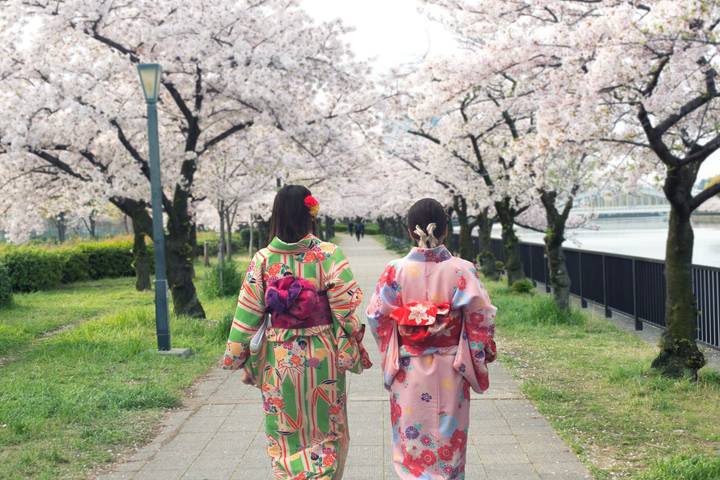
Guide experiences are an important part of a fast tour: a clear explanation can turn a quick stop into something you remember. Names associated with this route include David Solanes, Kiko, Pablo, Jose, Ken Estevez Igarashi and Michiko Hachhijyo. They are not promised for every departure, but the praise for guides often centers on strong explanations, warmth, organization and the ability to keep a busy group moving.
The group size, from 2 to 72, is a real consideration. A smaller group can feel more personal; a full coach means more time gathering everyone and less freedom to linger. The operator may also adjust the order of visits or stages because of traffic, weather, strikes, events or other unusual conditions. The overall route and planned sights are the guideposts, not a guarantee that every stop happens in precisely the same sequence.
Who should take this route?
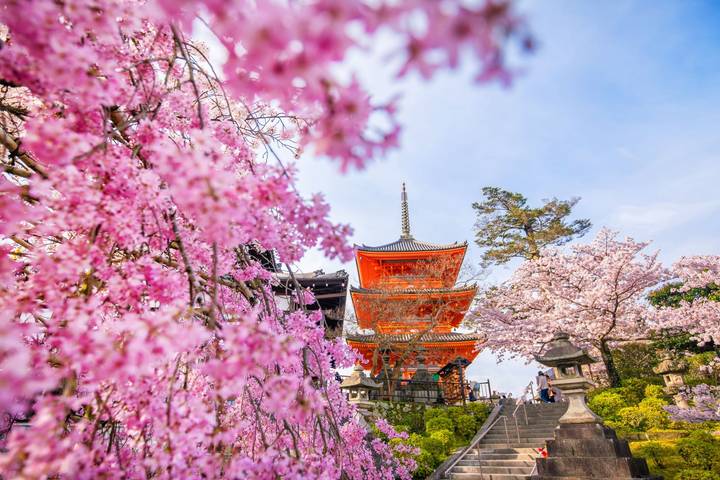
I would consider this tour if you are visiting Japan for the first time, have about a week, and want someone else to organize the main transport and sightseeing. It suits families and adults who are comfortable with early departures, group travel and several hotel changes. The included sights provide a broad sample of city life, sacred sites, gardens, castles and modern Japanese history.
I would hesitate if you want slow mornings, long museum visits or more than a short taste of each city. A traveler who wants two nights or more in each major stop may be happier building a self-guided trip or choosing a longer tour. You can also add days before or after the tour, particularly if you want more time in Tokyo, Kyoto or Osaka.
Book it for breadth and convenience, not for depth in every destination. If your priority is to see Japan’s best-known places in a compact week without planning each transfer yourself, the route makes a strong first framework. If the best part of travel for you is lingering, wandering and changing plans at will, give yourself more time.
FAQ
Where does the tour start and end?
The tour starts in Tokyo and ends in Hiroshima. After breakfast on day seven, the scheduled tour concludes.
Is an airport transfer included?
Yes. A shared shuttle transfer from the Tokyo airport to the hotel is included on day one.
Is the tour conducted in English?
Yes. The tour is conducted in English with an English-speaking tour leader. Specific guide assignments can vary by departure.
How many people can be in the group?
The group size is listed as 2 to 72 people. The size of your departure may affect how personal or large-group the experience feels.
Is the Tokyo to Kyoto bullet train included?
Yes. The train journey from Tokyo to Kyoto is included and takes just over two hours.
Which meals are included?
Breakfast is included with the hotel stays. The tour also includes two lunches, in Nara and Himeji, and two dinners, in Shinjuku and Hiroshima.
Are the hotels fixed?
No single hotel is guaranteed. The tour lists several possible hotels for Tokyo, Kyoto, Osaka, Okayama and Hiroshima, and the assigned property can vary.
How much walking should I expect?
The tour is rated low intensity, but the schedule includes walking at temples, gardens, city districts and memorial sites. Expect active sightseeing across several full days.
Just added in Tokyo
- Wonders Of Japan 10-Day Tour by Travel Talk★ 4.5 · 14 reviews
- Wonders of Japan end Tokyo GO 15-Day Tour by Europamundo★ 4.2 · 10 reviews
- Wonders of Japan end Tokyo 15-Day Tour by Europamundo★ 4.2 · 10 reviews
- Wonders of Japan End Osaka by Europamundo – 12-Day Tour★ 4.2 · 58 reviews
- Wonders of Japan End Osaka (including Fukuyama) 12-Day Tour by Europamundo★ 4.2 · 58 reviews
- Wonders of Japan End Osaka GO by Europamundo – 12-Day Tour★ 4.2 · 58 reviews
- Walk Japan – Kumano Kodo Trail 12-Day Tour by Explore!★ 4.7 · 20 reviews
- Visions of Japan with Hiroshima & Osaka 15-Day Tour by Globus★ 5.0 · 75 reviews
7-Day Experiences, compared.


Essential Japan GO by Europamundo – 7-Day Tokyo to Osaka Tour
Read our review →
Tokyo, Kyoto and Hiroshima end Tokyo by Europamundo – 7-Day Tour
Read our review →
Tokyo, Kyoto and Hiroshima end Tokyo GO 7-Day Tour by Europamundo
Read our review →
Tokyo, Kyoto and Hiroshima 7-Day Tour by Europamundo
Read our review →
7-Day Best Japan Mini Group Tour with 3/4 Stars Hotels by Agate Travel
Read our review →
7-Day Japan Delight: Tokyo, Mt. Fuji, Kyoto by Intertrips
Read our review →Browse the lists this tour appears in