Reviewed · MULTI-DAY TOURS THAT VISIT NAGOYA
9D Splendid Japan Deluxe-Private 4 Star Hotels by Stunning Tours Review
Japan’s appeal on this nine-day trip is the contrast: you can feed deer in Nara one day, pass through Kyoto’s famous torii gates the next, then ride through the mountains toward Mount Fuji. The route gives you a broad first look at the country without asking you to plan every transfer yourself.
I like the mix of major sights and different settings, from old Naraijuku to modern Tokyo. I also like that the tour includes breakfast, an English-speaking guide on scheduled touring days and coach transport between cities, so you can focus less on train connections and more on where you are.
The main caution is the pace. Several sightseeing days cover long distances, and the two free days mean this is not nine days of guided touring. The advertised four-star standard is also worth checking carefully: hotels and locations can vary, and some past stays were described as basic or far from central areas.
In This Review
- At a glance: what you are booking
- The route trades depth for variety
- Arrival in Osaka: easy airport access, limited first-day help
- Nara: deer, a giant Buddha and a busy half-day
- Osaka’s free day and the Hiroshima decision
- Kyoto’s famous sights in a single day
- Nagoya and the old post town of Naraijuku
- Lake Yamanaka and Mount Fuji, weather permitting
- Tokyo’s guided day and a day to make your own
- What the hotels and guiding are really like
- The real value at $2,649
- Who should book this Japan tour?
- FAQ
- Does the tour include international flights?
- Are airport transfers included?
- Is this a private tour?
- Is the Hiroshima trip included?
- What meals are included?
- How many nights are spent in each area?
- Is the visit to Mount Fuji guaranteed?
- Are the hotels confirmed as four-star properties?
At a glance: what you are booking
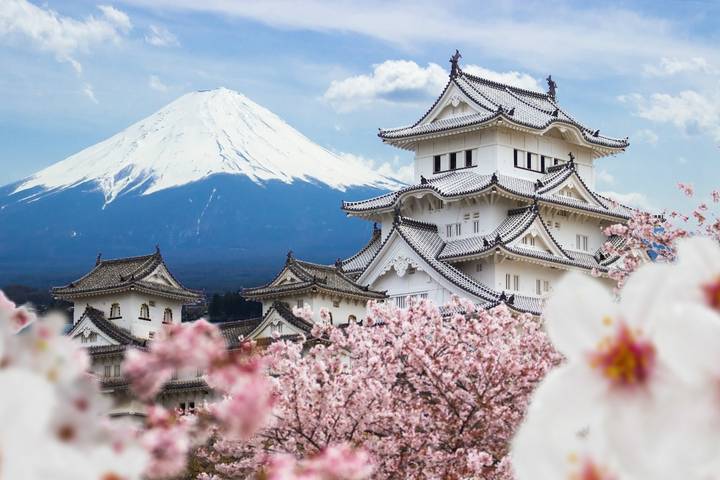
- Osaka to Tokyo in eight nights: The route includes three nights in Osaka, one in Nagoya, one in the Nagano or Yamanashi area, and three in Tokyo.
- A group tour, not a private trip: The name includes Private, but the tour is listed as a group departure for 10 to 25 people. At least 10 are needed for a departure to operate.
- A useful first-time Japan sampler: Nara, Kyoto, a historic post town, Mount Fuji and Tokyo offer a varied introduction, though the schedule leaves limited time at some stops.
- One optional day carries a substantial extra cost: The Hiroshima and Miyajima trip by Shinkansen is listed at 54,000 yen per person and is not included.
- Four-star hotels are part of the price, not a guarantee of central locations: The named hotels vary across the supplied accommodation details. Confirm the actual properties and locations before booking.
- A modest amount of independent time: Day 3 and Day 8 are free in Osaka and Tokyo. That gives you room to make your own plans, but also means you will need to arrange some sightseeing yourself.
The route trades depth for variety
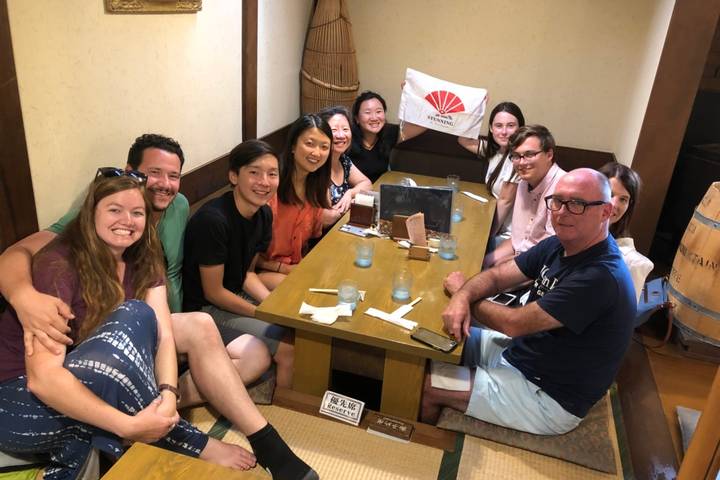
This tour moves from Osaka through Nara, Kyoto, Nagoya, Naraijuku and the Mount Fuji area before finishing in Tokyo. That is a lot of Japan in just over a week. The payoff is variety; the tradeoff is that some famous places get a short visit, and several days involve long coach rides.
The group size is listed as 10 to 25, with the tour requiring at least 10 people to run. That is small enough to be more manageable than a large coach group, but it is still a shared group experience. The word Private in the tour name should not lead you to expect a vehicle, guide or itinerary reserved just for your party.
The advertised price starts at $2,649. It covers eight hotel nights, daily breakfasts, an English-speaking guide on touring days, stated sightseeing and city-to-city transport. It does not cover flights, airport transfers, lunches, dinners, travel insurance or optional activities. Factor those costs into your budget before comparing this package with an independent trip.
A few more options to weigh up in Japan
- Universal Studios Japan Studio Pass
★ 4.8 · 89,883 reviews - Universal Studios Japan Express Pass
★ 4.7 · 53,138 reviews - Osaka Amazing Pass
★ 4.7 · 21,697 reviews
Arrival in Osaka: easy airport access, limited first-day help
The tour begins at Kansai International Airport, or KIX. You are expected to make your own way to the hotel using directions sent before the trip. The first hotel is described as usually one train station from the airport, but airport transport is not included. Check the directions, hotel name and arrival time before you buy flights.
Check-in in Japan is generally after 3 p.m., so an early arrival may mean waiting before you can settle in. Day 1 has no planned sightseeing, which is sensible after a long flight, but you will need to handle the airport-to-hotel leg on your own.
For flights, the practical arrangement is an open-jaw ticket: fly into KIX and depart from Tokyo, using Haneda or Narita. Haneda is described as closer to central Tokyo. The tour provides airport directions, not a transfer, so leave enough time for the final journey.
Nara: deer, a giant Buddha and a busy half-day
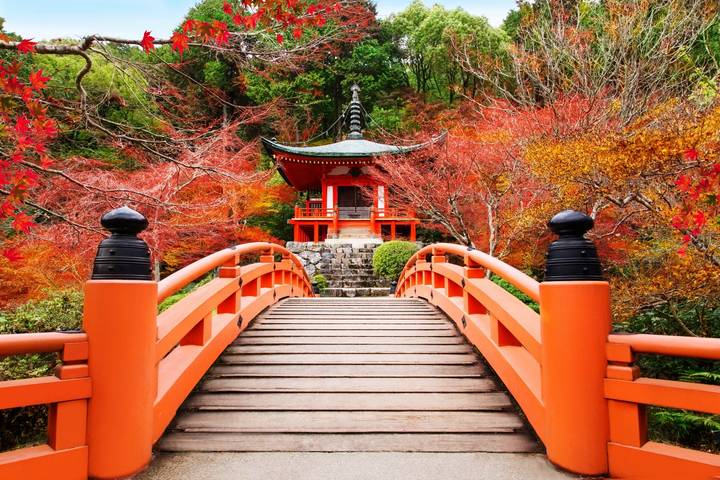
Day 2 takes you to Nara Park, Todaiji Temple and Kasuga Taisha before returning to Osaka. Todaiji’s main hall holds a Buddha statue about 15 metres tall, and the temple’s scale makes this a rewarding stop even if you have seen many Japanese temples.
The deer are the lively part of the visit. Deer crackers, called senbei, cost about 150 yen a pack, and some deer respond to a bow when they see food. Keep hold of your crackers and be prepared for a close encounter: the animals roam freely, not behind a fence.
Kasuga Taisha adds a shrine visit and a glimpse of the area’s older religious traditions. The half-day format means you will see the main sights, but it is not a slow, open-ended wander. Lunch is not included, and the afternoon is free back in Osaka. Note that the accommodation details name different Osaka hotels for the first and following nights, so confirm where you will stay and how the hotel change works.
Osaka’s free day and the Hiroshima decision
Day 3 is yours to spend in Osaka, or you can pay extra for the Hiroshima and Miyajima excursion. The optional trip uses the Shinkansen and includes Miyajima Island, Itsukushima Shrine, the Atomic Bomb Dome and Peace Memorial Park. It is a long day, with an early hotel pickup and a return to Osaka in the evening.
At 54,000 yen per person, this is a major add-on, not a small incidental expense. It may be worthwhile if Hiroshima and Miyajima are priorities and you would rather not arrange the rail journey and visits yourself. If you want a gentler pace or more time in Osaka, keep the free day. The stated schedule is subject to change, and the tour is paid separately.
One point to keep clear: the trip description lists Hiroshima among the highlights, but the detailed day plan makes it optional. Do not assume it is part of the base price.
A completely different kind of day out:
- Tokyo Disney Resort – Tokyo Disneyland & Tokyo DisneySea Park Tickets
★ 4.8 · 99,488 reviews - SHIBUYA SKY Ticket
★ 4.7 · 46,509 reviews - Mt. Fuji Instagram-Worthy Spots Day Tour: Ladder Town, Oshino Hakkai, Lake Kawaguchi, Lawson Convenience Store (Departing from Tokyo Station or Shinjuku Station)
★ 4.8 · 35,467 reviews - JR Whole Japan Rail Pass
★ 4.8 · 29,150 reviews
Kyoto’s famous sights in a single day
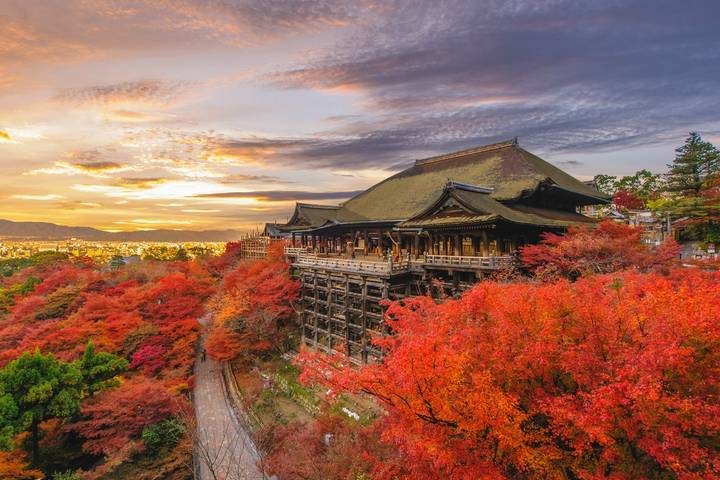
Day 4 starts at Fushimi Inari, where rows of red-orange torii gates follow paths up the hillside. You then visit Kinkaku-ji, the Golden Pavilion, and Arashiyama’s bamboo grove and Togetsu Bridge before travelling on to Nagoya.
These are headline Kyoto sights, but they sit in different parts of the city. The schedule gives you an efficient overview rather than a relaxed day to explore Kyoto’s older lanes, smaller temples or food scene. One past participant wished for more time in old Kyoto, and that is a fair expectation to set: this is a sampler, not a deep visit.
The bamboo grove can be crowded, and the time available at each stop may feel short. If Kyoto is the main reason you are going to Japan, consider adding independent days before or after the tour. If you want a first look at several well-known places without managing transport between them, the guided route is convenient.
Nagoya and the old post town of Naraijuku
In Nagoya, the Toyota Commemorative Museum of Industry and Technology traces the company’s development from textile machinery to automobile manufacturing. It offers a useful change of pace after temples and shrines, especially if you enjoy seeing how industry shaped modern Japan.
The day continues to Naraijuku, a preserved post town associated with the old route through the Kiso Valley, and Tsumagoi Village. The traditional streets offer a sense of historic travel and town life, though the stop is part of a long transfer day toward the Nagano or Yamanashi area.
The accommodation plan lists a hotel or ryokan in this region, but the property names differ across the tour details. One past stay was described as a lodge with small basement rooms. Ask which accommodation is planned for your departure, and whether meals are available nearby. Dinner is not included, and a rural overnight stop may offer fewer easy alternatives than a city hotel.
Lake Yamanaka and Mount Fuji, weather permitting
Day 6 brings a welcome change from urban sights. Lake Yamanaka is the largest of the Fuji Five Lakes and is known for its swans, hence the nickname Swan Lake. A scenic boat ride is included, and on a clear day the lake can offer a striking view of Mount Fuji.
The coach then climbs to the mountain’s Fifth Station, about 2,300 metres above sea level, if weather permits. This is a road-accessible viewpoint, not a summit climb. The altitude and conditions can affect the visit, and cloud may hide Fuji even when the rest of the day goes smoothly.
Afterward, the coach continues to Tokyo. This is a long travel day, but it links the countryside and mountain region with the final city stay without requiring you to manage luggage on multiple trains. The included transport is one of the tour’s practical strengths, particularly on a route with several hotel changes.
Tokyo’s guided day and a day to make your own
Day 7 starts at Meiji Shrine, then moves through Omotesando and Takeshita Street, with a stop at a traditional Japanese rock garden and admission to Tokyo Tower. The day ends with free time in Shinjuku’s Kabukicho area.
The route pairs quiet shrine grounds with fashion streets and a high-rise city view. It is a broad introduction to Tokyo, but the schedule is structured and the city is enormous. The evening stop in Kabukicho gives you a look at one busy entertainment district; it is not a substitute for exploring other neighbourhoods.
Day 8 is entirely free. You can use it for museums, shopping, food or another district that interests you. This is valuable breathing room after the coach-heavy days, though independent navigation is part of the deal. The Tokyo hotel is listed as Villa Fontaine Grand Tokyo Ariake in the detailed itinerary, while other accommodation information names a different property. Confirm the actual hotel and its location before planning your free day.
What the hotels and guiding are really like
Four-star accommodation is a key reason to choose the Deluxe version over the standard package. The operator says the hotel category is the main difference between the two versions, with the sightseeing plan otherwise the same. Still, a star rating does not tell you everything about room size, location or the condition of a particular property.
The accommodation names are inconsistent across the supplied details. Some sections list Star Gate Hotel Kansai, Hotel Monterey Lasoeur Osaka, Hotel Keihan Nagoya and Villa Fontaine Grand Tokyo Ariake; another section names different Osaka, Nagoya, mountain-area and Tokyo properties. Treat the names as examples or possibilities until your exact hotels are confirmed. Japanese rooms can be compact, and past stays have varied from very good to disappointing.
The tour is presented as fully guided, with an English-speaking guide and coach transport between cities and attractions. But free days are not guided sightseeing days, and the optional Hiroshima trip costs extra. Past guides named by participants include Steve, Silvia, Yujin, Kenta, Yusuke and Haruto. Those names show that the guide changes by departure; they do not tell you who will lead yours.
Guides have been praised for history, humour, practical help and making a group feel at ease. The experience can depend heavily on the individual, however. One useful question to ask before booking is how much explanation the guide gives at each site, since some travellers prefer a guide who accompanies the group and interprets the place rather than simply setting a meeting time.
The real value at $2,649
At the starting price, the tour can make sense if you value a guide, coach transport and a planned route through several regions. Daily breakfast also takes one routine expense off your plate. The convenience matters most on transfer days, when independent travel would mean arranging rail tickets, luggage and hotel connections.
But the headline price is only the start of your budget. Add international flights, airport journeys, lunches, dinners, insurance and any optional excursions. The Hiroshima trip alone costs 54,000 yen per person. Suggested gratuities are about $150 per person in total, though they are not mandatory.
The four-star supplement is worthwhile only if the actual properties meet your expectations. Past accounts include comfortable hotels and good breakfast buffets, but also small rooms, distant locations and a stay that felt below its stated category. Ask for the confirmed hotel list, not just the category, and compare locations as well as star ratings.
Departure certainty deserves attention. The tour requires at least 10 people, and the operator has indicated that some Deluxe dates did not attract enough bookings, with travellers offered the standard three-star version instead. The details also identify a specific guaranteed departure at one point, but that information may be date-specific. Confirm in writing that your chosen departure is operating before making non-refundable flight plans.
Who should book this Japan tour?
I would consider this trip if you are visiting Japan for the first time, want a guided route with major cultural stops, and are comfortable with long days and limited time at some sights. It also suits people who prefer coach transfers and a group setting to arranging every rail journey themselves.
I would hesitate if you want slow travel, several nights in Kyoto, central hotels guaranteed, or a guide accompanying you every hour. Independent travellers may find Japan’s transport manageable and gain more control over pace by planning their own route.
Before paying, confirm the departure is guaranteed, the exact hotel names and locations, the group size, and whether any change to the three-star package is possible. Book this tour for its broad itinerary and transport convenience, not for a private experience or a leisurely, fully guided nine days.
FAQ
Does the tour include international flights?
No. Flights are not included. The suggested arrangement is to arrive at Kansai International Airport in Osaka and depart from Haneda or Narita in Tokyo.
Are airport transfers included?
No. Airport transfers are excluded. You receive directions for getting to the first hotel and guidance on reaching your departure airport.
Is this a private tour?
No. It is listed as a group tour for 10 to 25 people. The tour requires a minimum of 10 participants to operate.
Is the Hiroshima trip included?
No. The Hiroshima and Miyajima day trip is optional and costs 54,000 yen per person. It includes travel by Shinkansen and visits to Itsukushima Shrine, Miyajima Island, the Atomic Bomb Dome and Peace Memorial Park.
What meals are included?
Daily breakfasts are included. Lunches and dinners are not.
How many nights are spent in each area?
The plan lists three nights in Osaka, one in Nagoya, one in the Nagano or Yamanashi area, and three in Tokyo, for eight nights total.
Is the visit to Mount Fuji guaranteed?
No. The visit to Mount Fuji’s Fifth Station is weather permitting. The itinerary also includes a boat ride on Lake Yamanaka.
Are the hotels confirmed as four-star properties?
The Deluxe package is described as using four-star hotels, but the accommodation names differ across the tour details. Confirm the specific hotels and locations for your departure before booking.
Just added in Japan
- Mt. Fuji & Hakone Cherry Blossom private One Day Tour★ 4.5 · 35 reviews
- Fish Market & Tokyo Skyline Private Walking Tour★ 5.0 · 14 reviews
- Private Tour with a Local Guide – Learn about daily life in Japan★ 5.0 · 22 reviews
- Tokyo: 3-Hour Bike/E-Bike Tour of the City’s Highlights★ 5.0 · 209 reviews
- 25-Min Downtown Helicopter Tour : Tokyo Skytree and Tokyo Tower★ 5.0 · 19 reviews
- Official Japan Go-Kart Through Tokyo Bay / Ginza (IDP Required)★ 4.5 · 71 reviews
- 30-Min Tokyo Central Private Heli Tour– Asakusa, Skytree, Shibuya★ 5.0 · 13 reviews
- Tokyo 2-Hour Genuine Samurai Experience: Kendo in Japan★ 5.0 · 112 reviews
Multi-Day Tours That Visit Nagoya, compared.
9D Splendid Japan-Private 3 Star Hotels-Osaka to Tokyo by Stunning Tours
Read our review →

Essential Japan GO by Europamundo – 7-Day Tokyo to Osaka Tour
Read our review →
8D Splendid Japan-Private 3 Star Hotels-Osaka to Tokyo by Stunning Tours
Read our review →
Wonders of Japan End Osaka GO by Europamundo – 12-Day Tour
Read our review →
Wonders of Japan End Osaka (including Fukuyama) 12-Day Tour by Europamundo
Read our review →
Wonders of Japan End Osaka by Europamundo – 12-Day Tour
Read our review →