
Reviewed · WINTER ACTIVITIES
Japan Winter Classic 11 Day – One Life Adventures: from Tokyo Review
Nagano’s red-faced snow monkeys soaking in hot springs make an arresting winter finale, but this trip is about more than one famous sight. You move from Tokyo’s neon-lit districts to Kyoto’s shrine paths, Osaka’s food stalls and Hakone’s mountain views, with cultural activities threaded through the route.
I like that you learn by doing: you’ll make sushi with Japanese chefs and try Kendo in a dojo. I also like the mix of group plans and independent time, which gives you support with trains and customs without filling every hour. One consideration: this is a fast-moving trip with shared hostel rooms, plenty of walking and some long rail journeys.
- A night visit to Senso-ji: See Tokyo’s famous temple after the day’s crowds have thinned.
- Sushi and Kendo, not just sightseeing: Make miso soup and sushi, then learn the basics of a traditional martial art.
- Hakone views depend on the weather: Mount Fuji may appear from the mountain routes, but visibility is never guaranteed.
- Kyoto gets three nights: Visit Fushimi-Inari, Kiyomizu-dera and the Golden Pavilion, with time for optional tea and kimono experiences.
- Nagano brings winter outdoors: Walk to Jigokudani Monkey Park, then consider an onsen soak in Yudanaka.
- The price includes key transport: Trains and local transport from Day 2 to Day 11 are included, as is the return train to Tokyo.
In This Review
- Tokyo begins at Senso-ji after dark
- Hakone’s mountain routes and a Fuji-shaped caveat
- Kyoto rewards early starts and unhurried evenings
- Osaka serves up a change of pace
- Nagano’s snow monkeys make a memorable last stop
- What the $2,775 starting price covers
- The pace, group and fit
- Should you book this winter Japan tour?
- FAQ
- Are airport transfers included?
- What time does the tour finish on Day 11?
- What accommodation is included?
- Will I have to share a room?
- What meals are included?
- Can I request vegetarian meals?
- Are the optional activities included in the price?
- How large is the group, and what is the age range?
Tokyo begins at Senso-ji after dark
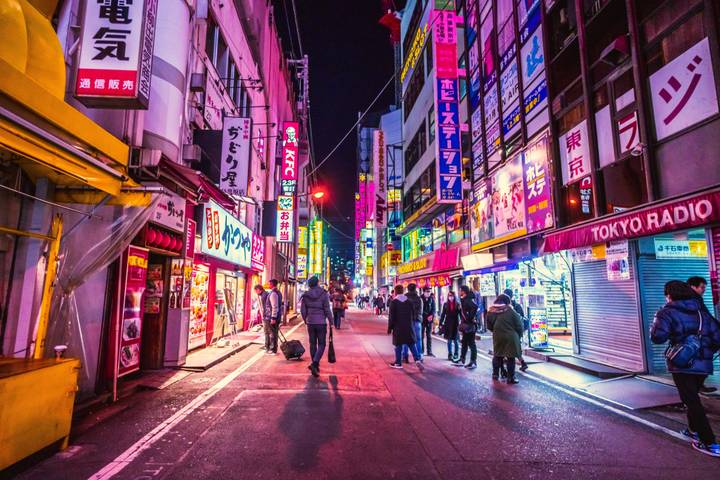
Your first day starts at Sakura Hotel Nippori, where you can settle into a shared bunk room before meeting the group over a Japanese welcome dinner. Airport transfers are not included, but the tour’s welcome information explains how to reach Nippori by train. The hotel is a short walk from Nippori station, a practical arrival point, though it is not right beside Tokyo’s main sightseeing districts.
After dinner, the group visits Senso-ji, Tokyo’s best-known Buddhist temple. Seeing it in the evening offers a calmer first look than a daytime visit, though the grounds remain a public place rather than a private tour space. It’s a good introduction to the trip’s rhythm: your guide handles the plan, while you begin to learn how the city’s transport and neighborhoods fit together.
Day 2 starts with an orientation on customs and useful Japanese phrases. You then visit Harajuku, Yoyogi Park and Meiji Shrine before heading to Akihabara, where you can choose arcades, anime shops, electronics or a Maid Cafe. These stops offer sharply different views of Tokyo, from shrine grounds to pop culture. The day is guided, but some activities in Akihabara cost extra.
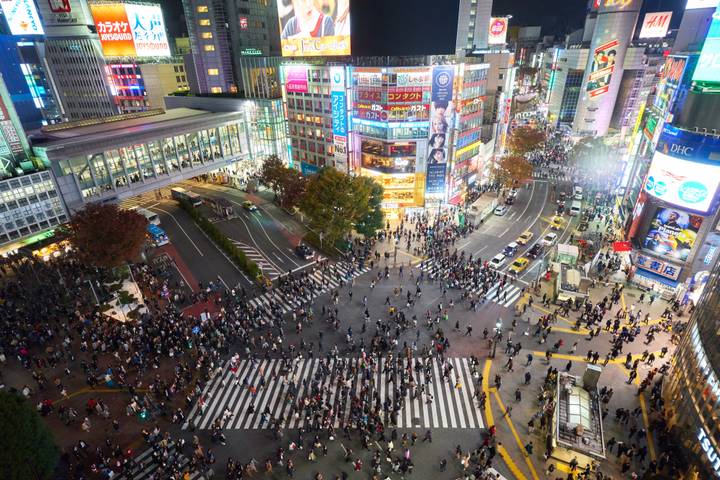
The third day is built around food and city scenes. In the sushi class, you prepare miso soup, three types of sushi and teriyaki; a vegetarian option is available if you request it at least a week before the tour. Later, you head to Shinjuku, Omoide Yokocho Alley and Shibuya Crossing. The sequence gives you a taste of Tokyo’s scale and contrasts, but expect a lot of movement and time on public transport.
Hakone’s mountain routes and a Fuji-shaped caveat
On Day 4, you ride the Romance Car train to Hakone, a mountain town known for its views and hot springs. The day includes local transport around the area, with Mount Fuji viewing dependent on weather. In winter, clear skies can make the mountain a striking sight; cloud cover can hide it entirely, so treat the view as a possibility, not a promise.
The group stays at a guesthouse, with twin or triple rooms on tatami mats, and shares a traditional nabe dinner. That meal is a welcome change from the city routine and gives the group time together away from the stations. Owakudani is listed as an optional visit. If you have asthma or another respiratory condition, the tour advises against the brief visit there and asks you to speak with your guide about an alternative.
Hakone’s accommodation has drawn practical concerns about bathroom arrangements, especially for women. It’s worth asking the operator about the current property and facilities before booking if bathroom privacy or access is important to you. The accommodation is simple rather than luxurious, and comfort can vary by stop.
A few more options to weigh up in Tokyo
- From Tokyo: Private Tour Snow Monkey Park & Zenko-ji Temple
★ 4.7 · 184 reviews - Nagano Snow Monkey 1 Day Tour with Beef Sukiyaki Lunch from Tokyo
★ 4.5 · 123 reviews - Nagano Tokyo: Snow Monkey Private Day Tour Hotel Pick & Drop
★ 4.7 · 84 reviews
Kyoto rewards early starts and unhurried evenings
Day 5 brings a bullet train to Kyoto, followed by a guided evening walk through Gion. The district is known for traditional entertainment and geisha, but spotting a geisha is not guaranteed. The point of the walk is to get oriented among the lanes and understand the area’s character, not to treat it as a performance.
The next morning, you go early to Fushimi-Inari Shrine, where paths climb through long rows of red gates. An early start helps you experience the shrine before the main crowds build. From there, the group visits Kiyomizu-dera, a wooden temple complex set high on a mountainside. Winter can bring cold conditions and, sometimes, snow, but the temple remains worthwhile even without a white-weather scene.
You then have free time, with a tea ceremony and kimono rental available at extra cost. This is one of the tour’s useful design choices: the core visits are organized, but you can decide how much more you want to add. If you have energy, Kyoto offers plenty to fill the afternoon; if not, you can pause rather than follow a packed schedule.
Day 7 takes you to the Golden Pavilion, a gold-covered temple beside a pond. Snow can frame the grounds beautifully, but it is not assured during a winter departure. Later, a Kendo class introduces you to the etiquette and techniques of the martial art. The instructor is described as a Bushido practitioner and descendant of a samurai family. The class is an unusual way to engage with Japanese practice, though it is an introduction rather than a full course.
Three nights give Kyoto more breathing room than some other stops. Still, the schedule only samples the city. If Kyoto’s temples, gardens and neighborhoods are your main reason for visiting Japan, you may want to add nights before or after the tour.
Osaka serves up a change of pace
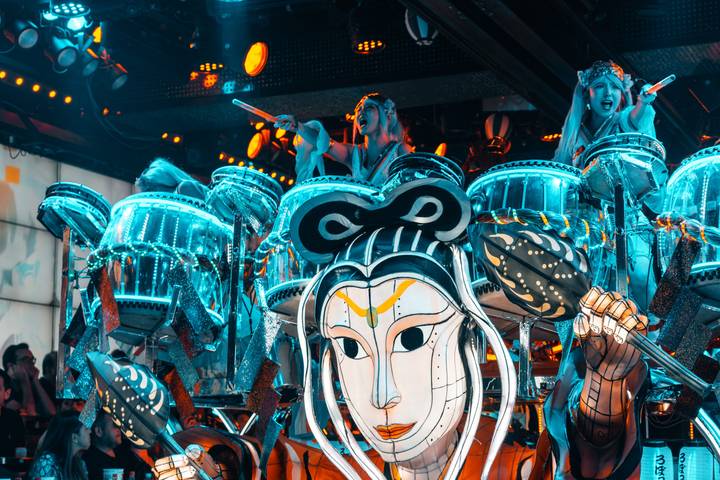
You have part of Day 8 to explore Kyoto before taking the train to Osaka. The evening food tour runs through Dotonbori, a lively entertainment and dining district known for its bright signs and street food. It’s a practical way to sample local dishes with a guide, especially if you are unsure what to order. The tour includes tastings, but you should budget for any extra food or drinks you want.
The next morning includes time to see the grounds of Osaka Castle before collecting your bags and boarding a long train journey to Nagano. The castle visit is a grounds stop, so don’t assume it includes a full interior visit. Osaka gets less time than Kyoto, and some people may wish for another evening here. If food and city nightlife matter more to you than temples, consider adding a night in Osaka after the tour.
Nagano’s snow monkeys make a memorable last stop
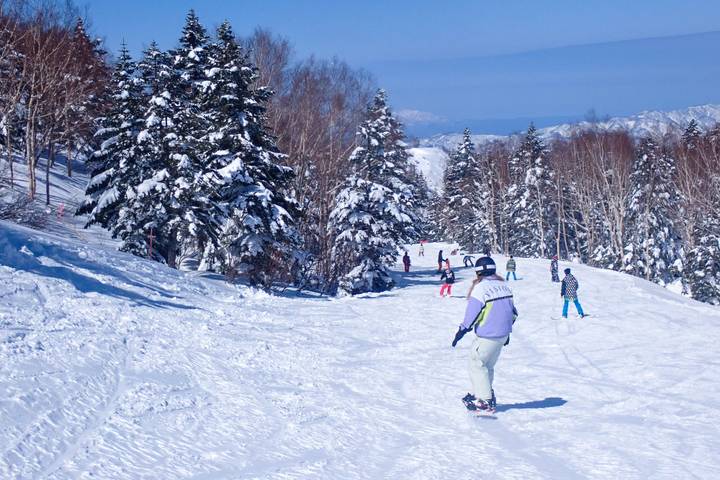
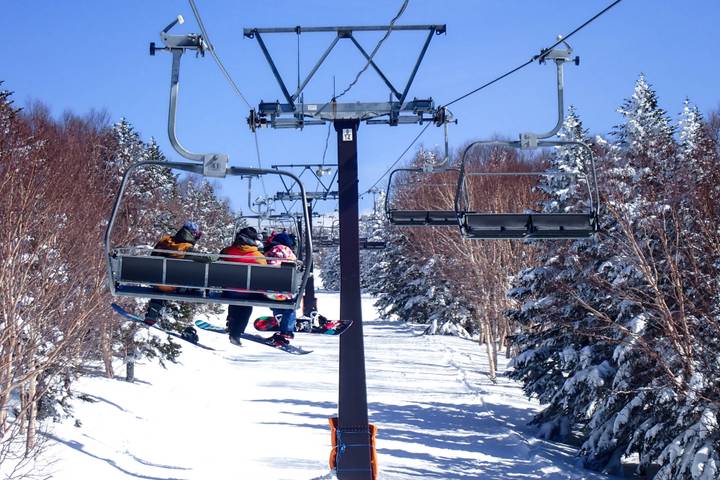
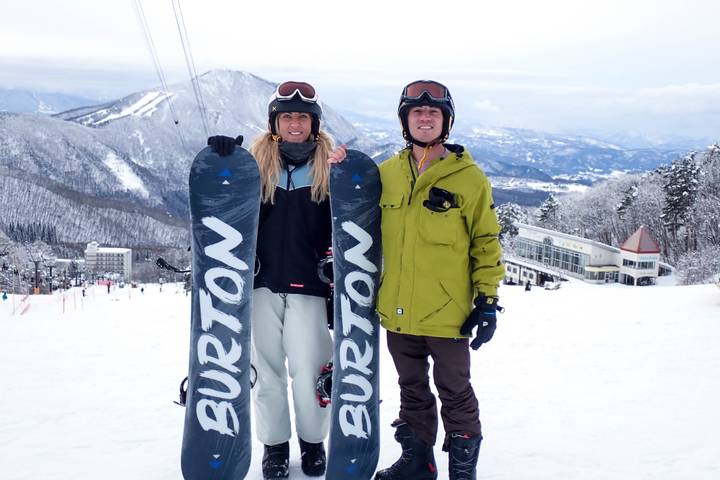
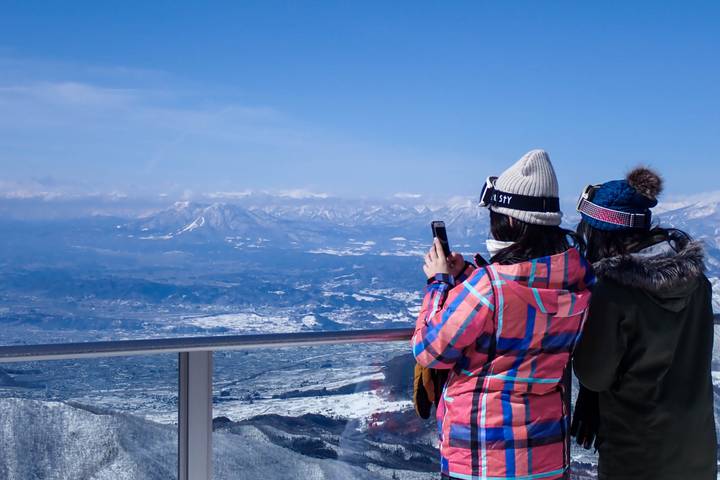
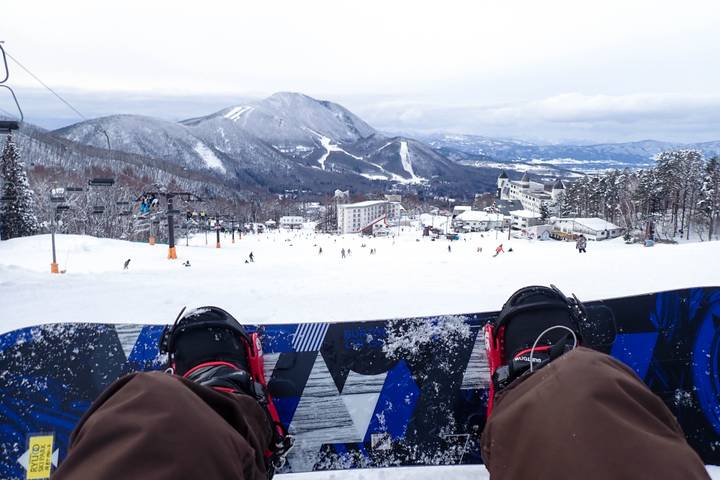
Nagano changes the pace again. It’s a city surrounded by ski areas and was host to the 1998 Winter Olympics. In winter, snow-covered mountains and frosted trees may appear around the region, though conditions vary. You spend two nights at a hotel in the city, rather than staying in the nearby onsen town.
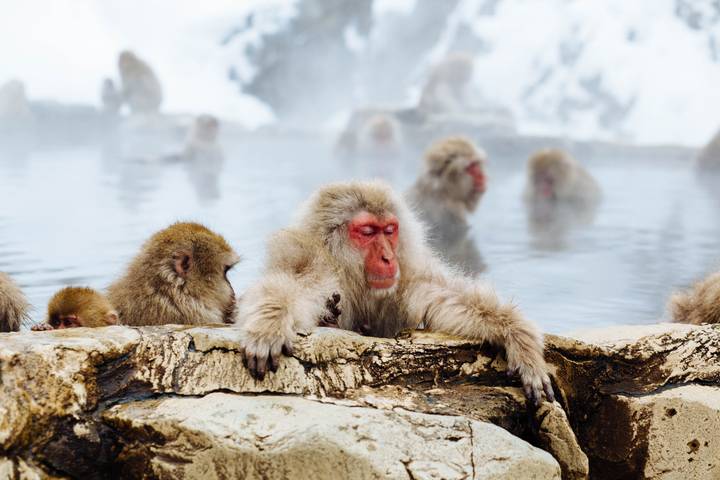
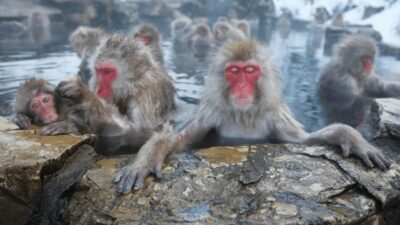
On Day 10, you travel to Jigokudani Monkey Park early, then walk through wooded scenery to reach the hot spring area where the Japanese macaques are often seen. The animals are wild, and their presence in the pools is not something a tour can guarantee. The walk and winter conditions make suitable footwear and warm layers important. The park visit is included; afterward, you have free time in Yudanaka.
Yudanaka is where you can pay for an onsen soak or try local sake. Check what is open on the day you visit, as opening times can affect your plans. One past departure ran into closed onsen options on a Monday, so it’s sensible to confirm details with your guide rather than count on every bathhouse being available. In the evening, the group meets for farewell karaoke, a cheerful end to a trip spent moving through several very different parts of Japan.
On Day 11, the included train takes you from Nagano back to Tokyo. The usual plan is to leave after breakfast at about 9 a.m. and arrive around 10:30 a.m. That makes onward travel possible, but leave a generous buffer before any flight or tight connection.
A completely different kind of day out:
- Tokyo Disney Resort – Tokyo Disneyland & Tokyo DisneySea Park Tickets
★ 4.8 · 99,488 reviews - SHIBUYA SKY Ticket
★ 4.7 · 46,509 reviews - JR Whole Japan Rail Pass
★ 4.8 · 29,150 reviews - Mt Fuji and Hakone 1-Day Bus Tour Return by Bullet Train
★ 5.0 · 26,383 reviews
What the $2,775 starting price covers
At a starting price of $2,775, the value comes from bundling accommodation, guided activities and much of the domestic transport into one trip. The train rides include the Romance Car to Hakone, the bullet train to Kyoto, intercity rail connections and the return train from Nagano to Tokyo. Local transport from Day 2 to Day 11 is included, excluding optional activities and free-time travel.
You also get 10 nights of accommodation, six breakfasts, one lunch and three dinners. Meals include the welcome dinner, the Hakone nabe dinner and the Osaka food tour. Japan’s food is a highlight, but meal coverage is not comprehensive, so plan for additional breakfasts, lunches, dinners and snacks.
The accommodation shifts by location: bunk beds in Tokyo, tatami mats in Hakone, pod-style dorm beds in Kyoto, then twin-share hotels in Osaka and Nagano. Solo participants share with someone of the same gender under the stated rooming arrangement. This keeps the tour price lower than a private-room trip, but it means you should be comfortable sharing facilities and sleeping space.
Flights, insurance, airport transfers, tips, optional activities and extra nights are not included. Travel insurance is required. Vegetarian food can be requested, but strict dietary needs, particularly vegan requirements, may need extra planning. Contact the operator before booking if you need firm assurances about meals.
The guide is a central part of the experience. Departures have been led by guides including Daan, George, Jordan and Evie, and the operator assigns the guide for each date. A good guide can take the strain out of figuring out train changes, explain customs and suggest useful ways to spend free time. The tour is only partially guided, however, so you should be ready to explore independently between scheduled visits.
The pace, group and fit
The group size ranges from 4 to 22, and the tour is conducted in English. It is classed as medium intensity, but the practical demands include walking, early starts, navigating stations and carrying your luggage between stops. Several past participants found the days busy, while others appreciated having downtime. Both can be true: you see a lot, but you may need to use free hours wisely to rest or pursue extra sights.
The listed age range is 18 to 59. The operator says most bookings tend to be from people in their twenties and thirties, while also welcoming older participants who are comfortable with that social mix. This is a group trip suited to people who enjoy meeting others and can adapt to shared rooms and plans.
I’d choose it for a first visit to Japan if I wanted help with transport and a broad introduction to the country’s food, customs and major sights. It is also a good match for solo visitors who want company without being guided every minute. It is less suitable if you want private rooms, a slow pace, extensive time in each city or total control over meals and daily plans.
Should you book this winter Japan tour?
Book it if you want to cover Tokyo, Hakone, Kyoto, Osaka and Nagano in 11 days, and value practical guidance, included rail transport and hands-on activities. The sushi class, Kendo lesson, Dotonbori food tour and snow monkey visit add variety beyond temple stops, while free time lets you follow your own interests.
Before paying, check the current room setup in Hakone, clarify dietary needs and confirm which optional experiences appeal to you. Pack for cold weather and long walking days, and keep your Mount Fuji expectations flexible. If that sounds like a fair trade for a well-organized first taste of Japan, the tour offers a strong mix of culture, food and winter scenery.
FAQ
Are airport transfers included?
No. Airport transfers are not included. The tour information says you can take a train from the airport to Nippori station, a short walk from Sakura Hotel Nippori, and that detailed directions are sent in the welcome pack.
What time does the tour finish on Day 11?
The train from Nagano usually leaves after breakfast at around 9 a.m. and reaches Tokyo at about 10:30 a.m. The tour ends at Tokyo Station.
What accommodation is included?
The 10 nights include bunk rooms in Tokyo, a tatami-mat guesthouse in Hakone, pod-style dorm beds in Kyoto, and twin-share hotels in Osaka and Nagano. Similar accommodation may be used instead of the named properties.
Will I have to share a room?
Yes. The stated room arrangements are shared. Solo participants are matched with someone of the same gender.
What meals are included?
The tour includes six breakfasts, one lunch and three dinners. Other meals are at your own expense.
Can I request vegetarian meals?
Yes. A vegetarian option is available on request. For the vegetarian sushi class, the tour information asks you to notify the operator or guide at least one week before the tour starts. Strict dietary requirements may need extra planning.
Are the optional activities included in the price?
No. Optional experiences cost extra. Examples include a tea ceremony, kimono rental, onsen bathing, sake tasting and some activities in Akihabara.
How large is the group, and what is the age range?
The group size is 4 to 22, and the listed age range is 18 to 59. The tour is guided in English and is rated medium intensity.
Just added in Tokyo
- Wonders Of Japan 10-Day Tour by Travel Talk★ 4.5 · 14 reviews
- Wonders of Japan end Tokyo GO 15-Day Tour by Europamundo★ 4.2 · 10 reviews
- Wonders of Japan end Tokyo 15-Day Tour by Europamundo★ 4.2 · 10 reviews
- Wonders of Japan End Osaka by Europamundo – 12-Day Tour★ 4.2 · 58 reviews
- Wonders of Japan End Osaka (including Fukuyama) 12-Day Tour by Europamundo★ 4.2 · 58 reviews
- Wonders of Japan End Osaka GO by Europamundo – 12-Day Tour★ 4.2 · 58 reviews
- Walk Japan – Kumano Kodo Trail 12-Day Tour by Explore!★ 4.7 · 20 reviews
- Visions of Japan with Hiroshima & Osaka 15-Day Tour by Globus★ 5.0 · 75 reviews
Winter Activities, compared.
1-Day Snow Monkeys, Zenko-ji Temple & Sake in Nagano
Read our review →
Nagano: Snow Monkeys, Zenkoji Temple & Sake Day Trip
Read our review →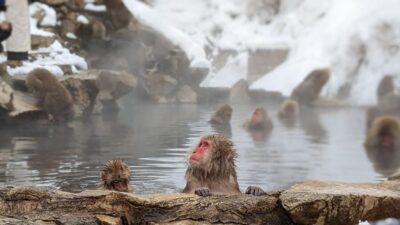
Snow Monkey 1 Day Tour with Beef Sukiyaki Lunch
Read our review →Private Tour Snow Monkey Park & Zenko-ji Temple
Read our review →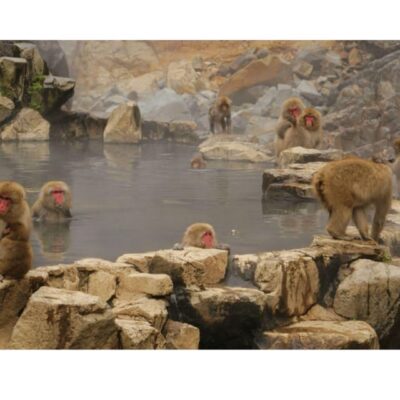
Snow Monkey & Nagano Customiseable Private Day Tour
Read our review →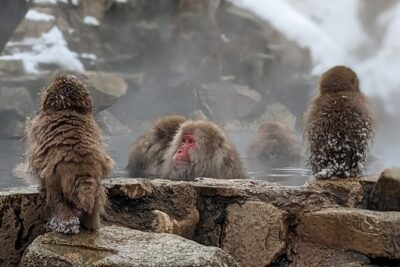
Nagano Snow Monkey 1 Day Tour with Beef Sukiyaki Lunch from Tokyo
Read our review →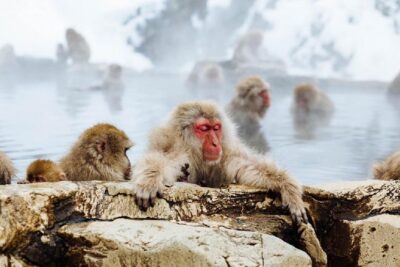
1-Day Snow Monkeys & Snow Fun in Shiga Kogen Tour
Read our review →
Play with Snow Crab Buffet Lunch and Strawberry Picking Bus Tour
Read our review →Browse the lists this tour appears in