
Reviewed · KIMONO AND CULTURAL DRESS
Kanazawa Half-day Tour: Curated: Gardens, Craft & Geisha District
Kanazawa rewards slow walking. This five-hour route links Kenrokuen Garden, Kanazawa Castle, samurai streets, and Higashi Chaya District, giving you a useful first look at the city’s art and old merchant culture. I especially like the small-group format and the chance to visit a working Kaga Yuzen studio rather than simply viewing finished crafts behind glass. The main concern is the amount of walking, especially in hot, cold, or rainy weather.
The tour also has a friendly human touch. Guides such as Tetsuya, Chie, and Misa have earned praise for clear English, local insight, translation help, and extra recommendations after the tour. At $75.12 per person, the price is fair if you want context at each stop, though independent visitors can see several of these places for less.
In This Review
- Key points to know before booking
- Why this Kanazawa walking tour works
- Starting at Kanazawa Shrine
- Kenrokuen Garden in a 30-minute visit
- Kanazawa Castle and the old castle town
- Watching Kaga Yuzen being made by hand
- Matcha in a quiet samurai house
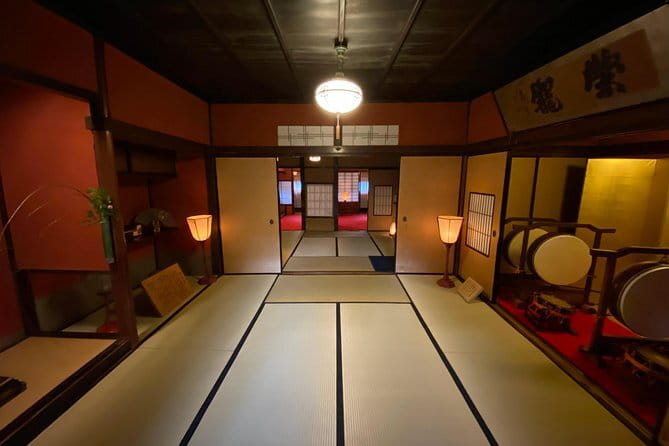
- Inside a geisha-style house
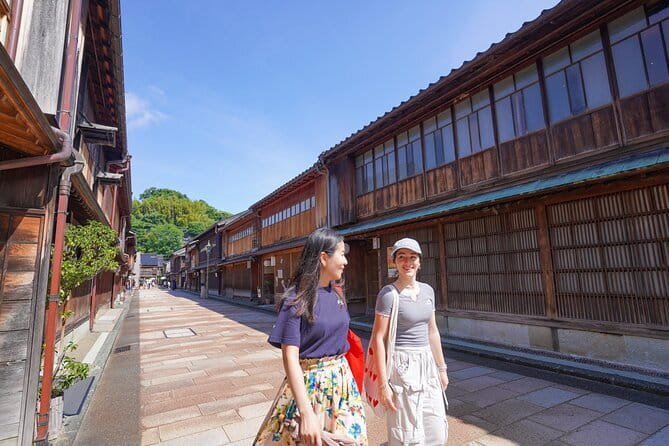
- Walking along the Asano River to Higashi Chaya
- Gold-leaf ice cream and the food side of the tour
- What $75.12 buys you
- Walking, weather, and timing
- Who should book this tour?
- Should you book the Kanazawa half-day tour?
- FAQ
- How long does the Kanazawa half-day tour last?
- How much does the tour cost?
- Where does the tour start?
- Where does the tour finish?
- What places are included?
- Is gold-leaf ice cream included?
- Can I cancel for a full refund?
Key points to know before booking
- Small group, personal pace: The tour is described as having a maximum of six, while the additional tour information lists a maximum of seven travelers.
- Five hours on foot: You cover gardens, castle grounds, craft workshops, historic homes, and a geisha district in one continuous outing.
- A working Kaga Yuzen studio: You see artisans and apprentices making this famous dyed silk by hand.
- Matcha in a samurai residence: A quiet garden break gives the route a welcome pause.
- Gold-leaf ice cream: Kanazawa’s famous decorative craft turns up in edible form.
- Ends in Higashi Chaya District: Your guide can suggest dinner, shops, and further sights after the walk.
Why this Kanazawa walking tour works
Kanazawa is easy to underestimate. It lacks the scale of Tokyo or Kyoto, yet its old districts, gardens, craft traditions, and castle town layout fit together well. This tour is useful because it gives those pieces a clear order.
You begin near Kanazawa Shrine and finish at Higashi Chaya District, walking through several parts of the central city along the way. That route lets you see more than one polished attraction. You get gardens, stonework, religious history, traditional homes, living craft, and teahouse culture.
I like that the tour does not focus only on photographs. The guide explains why the places matter and points out small details you could easily pass without noticing. The castle gates, old walls, garden features, and street layout become part of one larger story about the Kaga Domain and the people who lived here.
The group size is another real advantage. A six-person group can stop without the awkward shuffle of a large tour party. You can ask questions, hear explanations, and request help with translation. If the group reaches seven, it is still fairly small, but the exact size is worth confirming because the published information gives both six and seven as the limit.
More Day Trips in Kanazawa
- Kanazawa Half Day Tour (Private Guide)
★ 5.0 · 361 reviews - Kanazawa Full Day Tour (Private Guide)
★ 5.0 · 323 reviews - From Kanazawa/Toyama: Shirakawago and Takayama Day Tour
★ 4.7 · 82 reviews
Starting at Kanazawa Shrine
The tour begins at Kanazawa Shrine, a local shrine dedicated to Sugawara no Michizane, the patron of learning. The meeting information identifies the large red torii gate as the meeting location, with Kokuritsu Kogeikan or Kenritsu Bijutsukan bus stop nearby, across from the National Crafts Museum and Prefectural Museum of Art.
There is one practical wrinkle here. The separate meeting-point details list FamilyMart+Drug Komeya Kanazawa Musashi Store, at 35-1 Shimotsutsumicho, as the start. Since these locations are not the same, check your booking confirmation carefully before setting out. Do not assume that the shrine and convenience store are interchangeable meeting points.
At the shrine, your guide explains the story connected to Kanazawa’s name. The stop lasts about 20 minutes and costs nothing beyond the tour. This opening works well because it starts with a place tied to local identity rather than rushing straight into the city’s most famous garden.
Expect a short introduction, some cultural context, and time to look around. As with any shrine visit, this is a stop for orientation and explanation rather than a long sightseeing session.
Kenrokuen Garden in a 30-minute visit
Kenrokuen is Kanazawa’s best-known garden, and the tour allows about 30 minutes inside. The garden was developed and refined over generations by the Kaga Domain, the powerful feudal government that shaped Kanazawa’s fortunes.
A guide adds value here because a quick visit can otherwise become a parade of pretty views. You can learn how the garden reflects the tastes of its former rulers and why its design matters within Kanazawa’s story. The route gives you enough time to appreciate the setting without letting one attraction consume the whole morning or afternoon.
The drawback is simple: 30 minutes is not enough for an unhurried visit to every corner. If Kenrokuen is your main reason for coming to Kanazawa, you may want to return independently. This tour gives you a strong introduction, not an exhaustive garden visit.
Wear shoes that are comfortable on paths and be ready for changing weather. Kanazawa’s climate can be severe, with summer highs reported around 40°C and winter lows around -5°C. Rain can also arrive during the walk. The tour may be cancelled if weather conditions become unsafe, but you should still dress for the forecast.
Kanazawa Castle and the old castle town
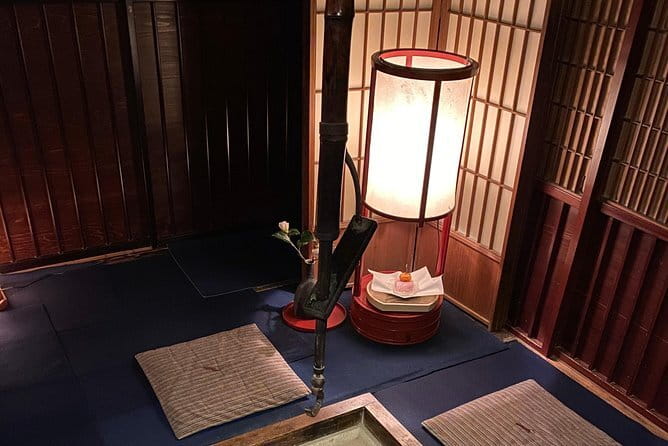
From Kenrokuen, the route continues through the Kanazawa Castle area for about 30 minutes. This is where the city’s former political center begins to make sense.
The castle grounds are not treated as a quick photo stop. Your guide uses gates, stonework, and the layout of the area to explain how the castle town functioned. These are the details that often disappear when you visit alone. A gate is no longer just a gate, and a wall is no longer just an attractive backdrop.
The tour includes the castle area without an additional admission charge listed for this stop. That helps keep the overall price reasonable, especially if you value interpretation more than spending a long time inside a single building.
Still, this section is fairly brief. You will not have time for a slow inspection of every castle feature. Think of it as a well-placed lesson between the garden and the craft districts.
A completely different kind of day out:
- World Heritage Shirakawa-go and Experience Tours from Kanazawa
★ 5.0 · 4,049 reviews - Kanazawa: Kenrokuen Tea Ceremony Experience
★ 4.8 · 1,139 reviews - 1 Day Private Charter Tour to Shirakawa-go & Takayama
★ 4.5 · 253 reviews - [One-day bus tour departing from Kanazawa Station] Shirakawa-go and Gokayama – Two World Heritage Villages Enjoyable Bus Tour
★ 5.0 · 253 reviews
Watching Kaga Yuzen being made by hand

One of the most worthwhile parts of the route is the 40-minute visit to a Kaga Yuzen studio. Kaga Yuzen is a traditional Kanazawa textile craft known for hand-dyed silk and detailed decoration.
This is more useful than a standard shop visit because you see two artisans and their apprentices working by hand. That distinction matters. You are not simply told that a craft is traditional. You see the people who continue to practice it.
The guide provides context before you enter, then helps you understand what you are seeing. The studio visit also gives the tour a sense of present-day Kanazawa. The city’s craft traditions are not only museum pieces. They remain part of working life.
At 40 minutes, the stop is long enough for a proper look without turning the tour into a full workshop course. The supplied information says you can see, learn, and try the craft up close, so this is one place where participation may be part of the experience.
If craft is your main interest, ask questions while you are there. The small group should make that easier. If you prefer fast sightseeing with little explanation, the studio may feel slower than the castle and garden portions.
Matcha in a quiet samurai house
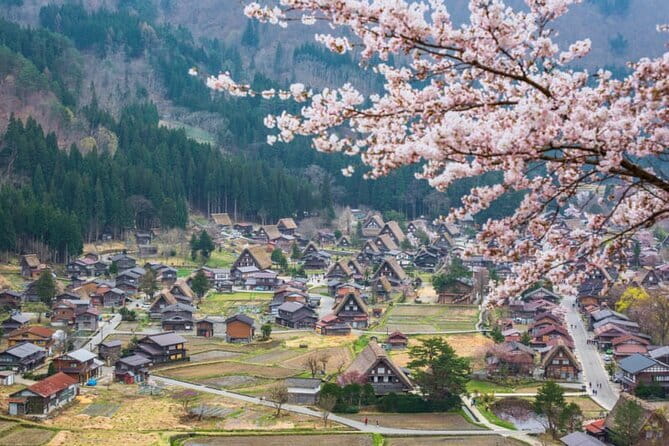
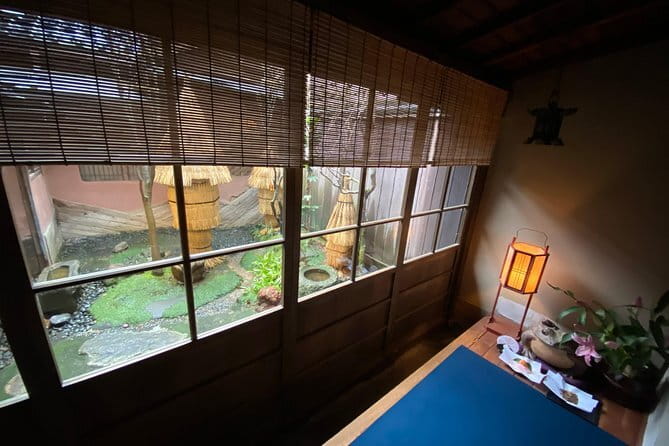
The itinerary then slows down at a samurai residence, where you have matcha and time to look into a quiet garden. This 30-minute break is welcome after several walking stops.
The house offers a different view of samurai culture than castle walls do. You see the domestic side of the old warrior class, with attention shifting from military power to architecture, rooms, and garden space. The experience is less about spectacle and more about atmosphere.
I particularly like the pause built into the route. A five-hour walking tour can become tiring if every stop demands more information and more steps. Matcha gives you time to sit, collect your thoughts, and enjoy a calmer setting.
The phrase used for the garden is one many locals consider Kanazawa’s best, but the tour details do not identify the residence by name. If you want to return later, ask your guide for the exact name and directions. The guide also shares further recommendations at the end, so you can build a second visit around the places that interest you most.
Inside a geisha-style house
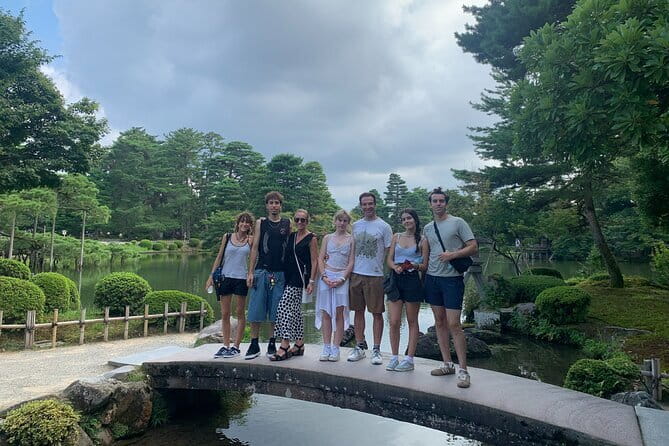
Next comes a 30-minute visit to a geisha-style house. This is your chance to see teahouse culture from the inside rather than only viewing the district from the street.
Kanazawa’s geisha districts are built around controlled access and traditional entertainment. A house visit helps explain the setting, even if you do not see a geisha during the tour. You should keep that expectation realistic. The route offers a look at the house and its culture, not a promise of live geisha performance.
This distinction is important. Higashi Chaya District can look quiet during the day, and traditional buildings do not automatically mean that a performance is taking place. The value here is the explanation of how teahouse culture worked and how the spaces were designed.
The visit also adds variety. You have already seen an outdoor garden, castle grounds, and an active craft studio. Now you get an interior setting connected to music, conversation, and formal hospitality.
Walking along the Asano River to Higashi Chaya
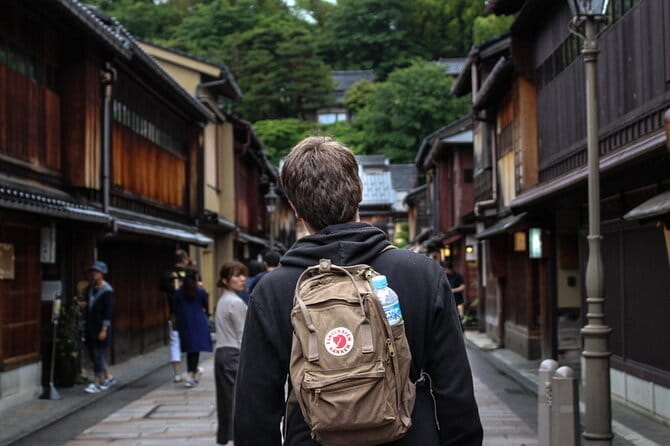
The final major section follows the Asano River toward Higashi Chaya District and lasts about 40 minutes. The river is tied to the old practice of rinsing dyed fabrics, which connects neatly with the earlier Kaga Yuzen studio visit.
That connection is one of the tour’s smart features. Instead of presenting each stop as an isolated attraction, the route links water, textile work, streets, homes, and teahouses. You begin to see how Kanazawa’s crafts and districts developed together.
Higashi Chaya is known for its traditional teahouses and refined streetscape. Your guide introduces the ideas of iki and hana, terms connected with the style and spirit of the teahouse world. The explanations help you look beyond the wooden facades and consider the social rules that shaped the district.
This is also where the tour ends, at 1 Chome-13 Higashiyama. Ending here is practical. You can continue exploring, browse shops, or use the guide’s suggestions for dinner. Afternoon tours receive dinner recommendations, while morning tours receive ideas for lunch and additional activities.
Gold-leaf ice cream and the food side of the tour
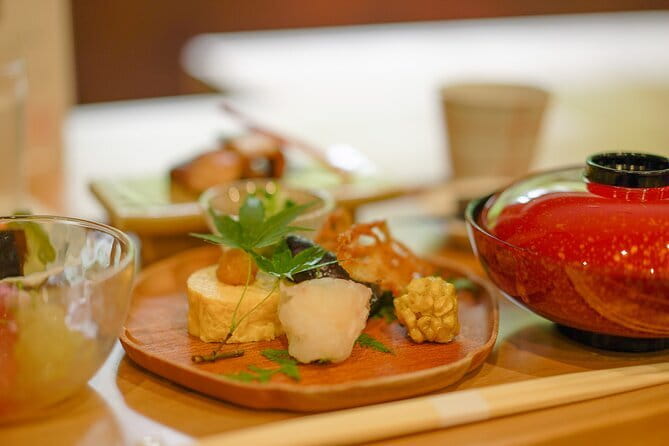
Kanazawa is famous for gold leaf, and the tour includes a gold-leaf ice cream stop. The edible leaf is decorative rather than a reason to expect a dramatic flavor, but it is a fun local specialty and a good energy boost during a long walk.
The ice cream also reflects Kanazawa’s craft identity. Gold leaf is not only something you see on traditional objects. It appears in everyday souvenirs, sweets, and playful food experiences around the city.
Matcha is also part of the route at the samurai residence. Dietary needs need careful planning. You must report allergies or dietary requests at least one day before the tour, and gluten-free requests cannot be accommodated. Vegetarian choices are limited because many Japanese restaurants are not fully set up for vegetarian menus.
The available information focuses on the ice cream and matcha rather than promising a full meal. Plan your main meal separately unless your confirmation says otherwise. That is especially important for an afternoon tour ending around dinner time.
What $75.12 buys you
At $75.12 per person, this is not the cheapest way to walk around Kanazawa. Several locations can be visited independently, and the castle area has no admission charge listed for the tour.
The price becomes more reasonable when you value the guide’s time and the small group. You are paying for a five-hour route, garden admission, the craft studio visit, the samurai-house experience, the geisha-style house, the gold-leaf ice cream, and explanations that connect the stops. You also avoid spending part of your day figuring out which streets and sites fit together.
The guide’s help can be especially useful if you do not speak Japanese. One guide has helped with translation, and the tour staff provide recommendations after the walk. Several guides, including Tetsuya, Chie, and Misa, have been praised for being friendly, patient, and clear in English.
I would call the value good for a first day in Kanazawa, particularly if you have limited time. It is less compelling if you prefer to set your own pace, spend hours in Kenrokuen, or skip structured cultural visits.
Walking, weather, and timing
This is a walking tour, not a bus tour with short stops. Five hours is a substantial block of time, and the route moves through gardens, castle grounds, city streets, residences, and a riverside district.
Start on time. The operator states that you cannot join the group, reschedule, or receive a refund if you arrive late and miss the departure. The walk begins at the designated meeting location, so verify that location before leaving your hotel.
Kanazawa’s weather deserves serious attention. Summer heat can reach 40°C, and winter temperatures can fall to -5°C. Rain has not stopped every tour, but it can make the day less comfortable. Wear suitable shoes, carry weather protection, and bring water in hot conditions.
Most people can take part, but the tour is not ideal for anyone who struggles with several hours of walking or needs frequent unscheduled breaks. Ask about your needs before booking if mobility or dietary concerns are important.
Who should book this tour?
I would choose this tour for a first visit, a short stay, or a day when you want Kanazawa’s major themes explained in a sensible order. It suits couples, families, and small groups who enjoy asking questions and seeing how crafts and old districts connect.
It is also a strong choice if you want more than the standard garden-and-castle checklist. The Kaga Yuzen studio, samurai residence, geisha-style house, and river walk give the day more character.
I would hesitate if you want a slow, independent visit to Kenrokuen, dislike fixed schedules, or want a guaranteed geisha sighting. The tour introduces teahouse culture, but it does not promise live entertainment or encounters.
Free cancellation is available up to 24 hours before the start time. Changes or cancellations made later are not accepted and are not refunded. Since the experience is often booked about 31 days ahead, reserve early if the date matters, then check the meeting point and weather details as your departure approaches.
Should you book the Kanazawa half-day tour?
Book it if you want a well-connected introduction to Kanazawa with a small group, an active craft studio, and a guide who can explain what you are seeing. The strongest parts are the personal scale, local stories, and mix of famous sights with quieter cultural stops.
Skip it if your ideal day means wandering alone, lingering for hours in Kenrokuen, or controlling every pause. At $75.12, the tour earns its price through guidance and access, not through transportation or luxury.
For most first-time visitors with five hours to spare, I think it is a sensible way to get oriented. Finish in Higashi Chaya, follow your guide’s suggestions, and use the rest of your Kanazawa stay to return to the places that caught your attention.
FAQ
How long does the Kanazawa half-day tour last?
The tour lasts approximately five hours.
How much does the tour cost?
The listed price is $75.12 per person.
Where does the tour start?
The tour information identifies the large red torii gate in front of Kanazawa Shrine as the meeting location. The separate meeting-point details list FamilyMart+Drug Komeya Kanazawa Musashi Store, so check your booking confirmation carefully for the correct starting place.
Where does the tour finish?
The tour ends in Higashi Chaya District at 1 Chome-13 Higashiyama, Kanazawa.
What places are included?
The route includes Kanazawa Shrine, Kenrokuen Garden, the Kanazawa Castle area, a Kaga Yuzen studio, a samurai residence with matcha, a geisha-style house, and Higashi Chaya District.
Is gold-leaf ice cream included?
Yes. Gold-leaf ice cream is included as part of the tour experience.
Can I cancel for a full refund?
Yes. You can cancel up to 24 hours before the experience start time for a full refund. Cancellations or changes made less than 24 hours before the start time are not accepted or refunded.
More Kimono Experiences in Kanazawa
- Kanazawa: Samurai, Matcha, Gardens and Geisha Full-Day Tour
★ 4.9 · 75 reviews - Full-Day Tour from Kanazawa: Samurai, Matcha, Gardens and Geisha
★ 5.0 · 68 reviews - Kanazawa:Traditional Experience -kimono rent at wargo
★ 4.7 · 30 reviews - [Kyoto & Nara Day Tour] Sagano Scenic Railway & Nara Park & Fushimi Inari Taisha Thousand Torii Gates & Togetsukyo Bridge & Bamboo Grove & Kimono Forest (Departing from Osaka)
★ 4.9 · 10,942 reviews
Just added in Kanazawa
- Taste of Kanazawa (Food tasting in Omicho Market & Higashi Chaya)★ 5.0 · 58 reviews
- Shirakawago & Kanazawa from Kanazawa★ 5.0 · 51 reviews
- Takayama and Shirakawago/Photoshoot by professional photographer★ 5.0 · 67 reviews
- Kanazawa: Sushi & Japanese Cooking Class at a Historic School★ 5.0 · 66 reviews
- Private Tour of Shirakawago from Kanazawa (Half Day)★ 5.0 · 24 reviews
- Kanazawa private 1 day/Photoshoot by professional photographer★ 5.0 · 33 reviews
- Private Tour of Shirakawago and Gokayama from Kanazawa★ 5.0 · 50 reviews
- Kanazawa private half day/Photoshoot by professional photographer★ 5.0 · 38 reviews
Kimono and Cultural Dress, compared.
![[Kyoto & Nara Day Tour] Sagano Scenic Railway & Nara Park & Fushimi Inari Taisha Thousand Torii Gates & Togetsukyo Bridge & Bamboo Grove & Kimono Forest (Departing from Osaka)](https://media.japanvisits.com/wp-content/uploads/kyoto-nara-day-tour-sagano-scenic-railway-nara-park-fushimi-inari-taisha-thousand-torii-gates-togetsukyo-bridge-bamboo-grove-kimono-forest-departing-from-osaka-k110001-400x257.jpg)

Tokyo Asakusa Kimono&Yukata Rental at Kimono Miyabi Asakusa Station
Read our review →
Kyoto Geisha Walking Tour: Gion District & Hidden Gems
Read our review →
Gion Magical Night Walking Tour with Geisha Trivia
Read our review →
Gion Geisha District Walking Tour – Stories of Geisha
Read our review →
Best of Kyoto: Gion, Geisha, Pagodas & Cobblestones
Read our review →

Kyoto Kimono Rental Experience (Optional Exquisite Hair Styling/Japanese Makeup/Photography) (Ookini Kiyomizu-dera Main Store)
Read our review →Browse the lists this tour appears in