Reviewed · FULL-DAY
Kumamoto Full-Day Private Tour with Government-Licensed Guide
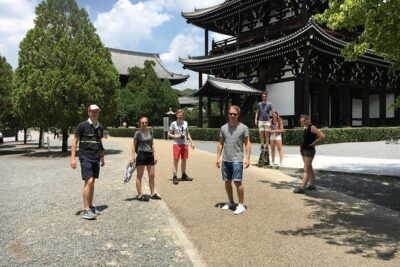
Kumamoto rewards curious walkers. This six-hour private tour gives you a government-licensed local guide and the freedom to choose three or four places that match your interests. I like the personal format, especially because guides such as Mieko and Jun adjust the day, explain local customs, and help with practical travel questions. I also like the mix of major sights, quiet historic homes, gardens, food stops, and city views.
The main catch is simple: transportation and admission fees are extra, and six hours is not enough for every place on the long list. Pickup is on foot within a designated area of Kumamoto city, and no private car is provided. For visitors who want an efficient introduction rather than a rigid bus tour, that trade-off is fair.
In This Review
- Key points to know before booking
- Why a private guide works well in Kumamoto
- Starting with Kumamoto Castle
- Local flavors at Sakuranobaba Josaien
- Suizenji Jojuen Garden and a slower hour
- Former Hosokawa Mansion and samurai-era life
- Two writers, two different windows on Japan
- Shopping and everyday Kumamoto at Shimotori
- Art choices: CAMK and Shimada Museum
- Hanaokayama Park for a city view
- Time, walking, and the cost of flexibility
- What the guide can add beyond the sights
- Who should book this Kumamoto tour?
- Should you book it?
- FAQ
- How long does the Kumamoto private tour last?
- How many attractions can I choose?
- Is transportation included?
- Are entrance fees and lunch included?
- Can the tour pick me up at Yatsuhiro Port?
- Is this a private tour?
Key points to know before booking
- You choose three or four stops, so build the day around your strongest interests instead of trying to see everything.
- Kumamoto Castle is the natural anchor, with wide grounds and a major role in the city’s story.
- Mieko and Jun receive especially warm praise for preparation, flexibility, clear explanations, and thoughtful suggestions.
- This is a walking tour, so you pay your own transportation costs between distant sights if needed.
- Admission, lunch, and personal expenses are not included, which affects the final cost.
- Private means private, with only your own group taking part and no mixing of separate bookings.
Why a private guide works well in Kumamoto
Kumamoto is easy to underestimate. The city has a famous castle, but its appeal goes beyond one landmark. You can move from samurai-era buildings to a Japanese garden, then on to shopping arcades, local food, crafts, or a small museum devoted to a Western writer who made Japan his home.
A private format lets you choose the balance. You might focus on architecture and the Hosokawa family, or spend more time on gardens, food, and daily city life. A family can ask for places that suit children. Art lovers can choose the Contemporary Art Museum and the Shimada Museum of Arts. Visitors with limited time can stay near central Kumamoto and avoid a scattered day.
The guide’s government license matters here. The National Government Licensed Guide Interpreter certification requires strong knowledge of Japanese culture and history. That does not guarantee a perfect match with every personality, but it signals that your guide is trained to explain more than dates and names.
The strongest guide accounts point to careful preparation before the day begins. Mieko contacted one group several days ahead to discuss interests and suggested changes that fit the family. Jun prepared data and figures to make historical background easier to follow. Another group enjoyed an unexpected Zogan workshop after Jun learned what interested them.
That is the real value of this tour. You are not just paying for someone to walk beside you. You are paying for local judgment, translation help, cultural context, and a day shaped around your group.
More Private Tours in Japan:
- Tokyo 6hr Private Tour with Government-Licensed Guide
★ 5.0 · 3,902 reviews - Private Tour to Mt. Fuji and Hakone (Fully Licenced Operator)
★ 5.0 · 1,910 reviews - Tokyo Customized Private Tour (Must See Places in 1 Day)
★ 5.0 · 1,499 reviews
Starting with Kumamoto Castle
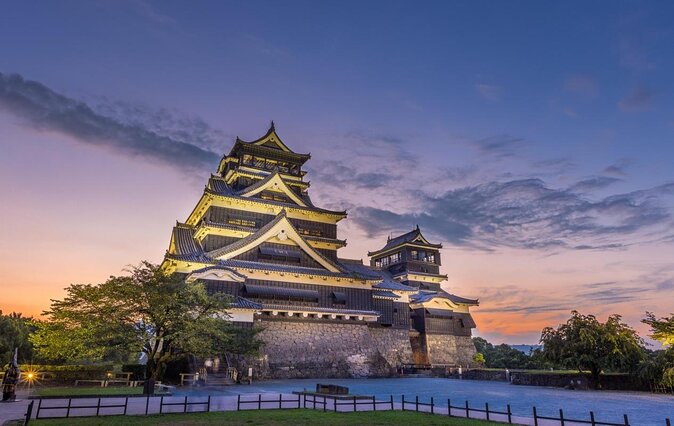
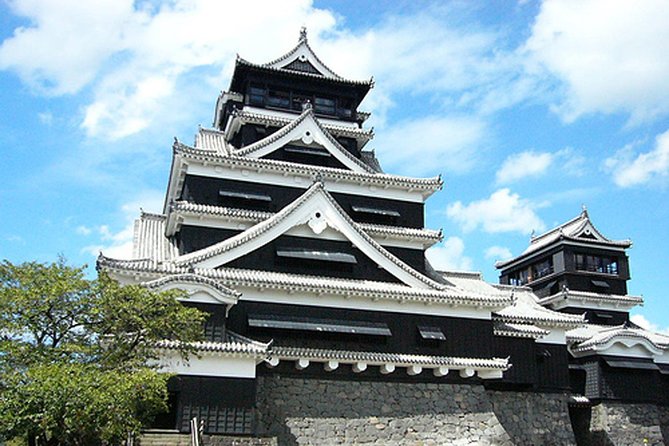
For most first visits, Kumamoto Castle should be one of your chosen stops. It is one of Japan’s major castles, with extensive grounds and a range of buildings rather than one isolated tower. Allowing about an hour gives you a useful introduction, though castle fans may want to make it a priority and spend less time elsewhere.
A guide can help you understand how the castle fits into Kumamoto’s story and point out details you could easily pass without context. The value is not only seeing a famous structure. It is seeing how the castle grounds connect with the city around them.
The drawback is time. The castle is large, and the suggested one-hour visit may feel short if you want to examine every building or move slowly. Since admission is not included, add the entry cost to your budget. Your guide’s entry fees are covered only for sights included under the tour’s stated expectations, while your own admission fees remain separate.
After the castle, Josaien is a natural nearby choice.
Local flavors at Sakuranobaba Josaien
Sakuranobaba Josaien Tourist Information Center is more than a place to ask for directions. It brings together regional foods, souvenirs, and information about Kumamoto. You can use this stop to sample local specialties and find edible gifts that are easier to choose with a guide’s help.
One unusual specialty is salad chikuwa, a deep-fried fish cake filled with potato salad. It is the sort of regional snack that makes a guided food stop worthwhile. A guide can also help you understand what you are ordering and steer you toward items connected to Kumamoto.
Food can be a sensitive part of a custom tour because tastes and comfort levels vary. One particularly adventurous group enjoyed raw horse meat at an izakaya-style lunch and tried shochu. That does not mean your day includes the same meal. It shows how far the guide may adapt when you share your interests clearly.
Lunch is not included, so plan for an additional expense. Ask about food preferences before the tour starts, especially if your group has dietary limits or wants to try local dishes.
Suizenji Jojuen Garden and a slower hour
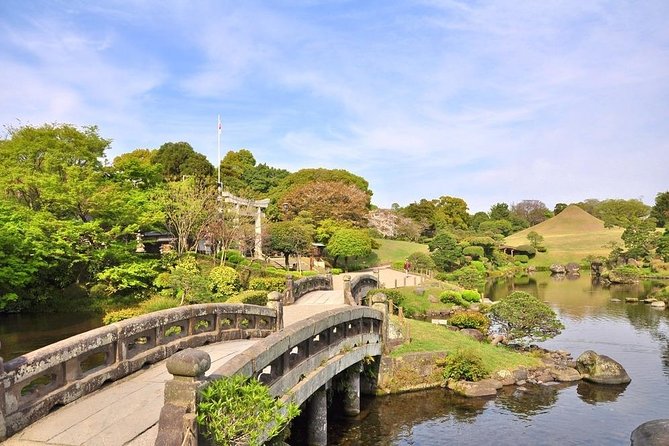
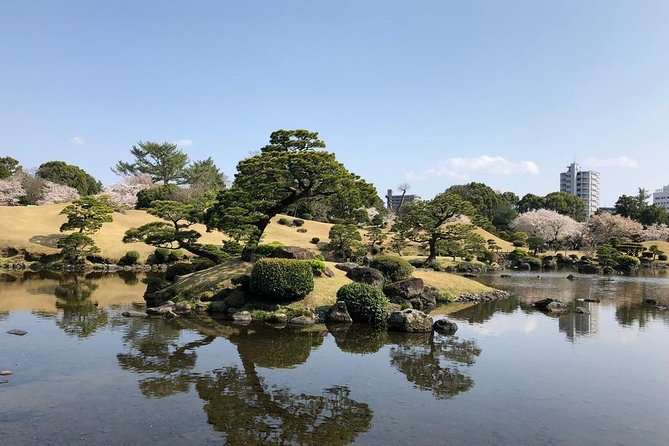
Suizenji Jojuen Garden offers a calm change of pace after the castle and city streets. The spacious Japanese-style garden was created by the Hosokawa family in the 17th century and is designed around a circular walking path.
I would choose this stop if you want scenery and a gentler hour. The garden gives you room to stroll rather than rush from one building to another. Families may find it especially pleasant, since the garden’s carp and turtles were a highlight for one group traveling with children.
The guide can explain the garden’s connection to the Hosokawa family and Japanese garden design. You can also ask for advice on how to walk the grounds at a comfortable pace.
Admission is extra, and the garden is one of the places where an hour can pass quickly. If gardens are central to your trip, tell your guide before the day is finalized so you do not feel pressed.
A few more options to weigh up in Japan
- (Okinawa’s No. 1 Popular Northern Day Trip) Chinese-speaking guide · Includes admission tickets · 1 person can book: Churaumi Aquarium · Cape Manzamo · Kouri Island · American Village
★ 4.7 · 1,846 reviews - Shiraito Falls & Forest Cafe & Handmade Flower Salt Pudding & Grilled Seafood & Totoro Forest & Sakurai Futamigaura & Angel’s Wings & Coconut Tree Swing Day Tour (Departing from Hakata Station, with Mandarin, English, and Cantonese speaking guide)
★ 4.9 · 1,840 reviews - Tokyo: Shinjuku Local Bar and Izakaya Guided Walking Tour
★ 4.9 · 1,794 reviews - Tokyo: Private City Highlights Tour with Local Guide
★ 4.8 · 1,433 reviews
Former Hosokawa Mansion and samurai-era life
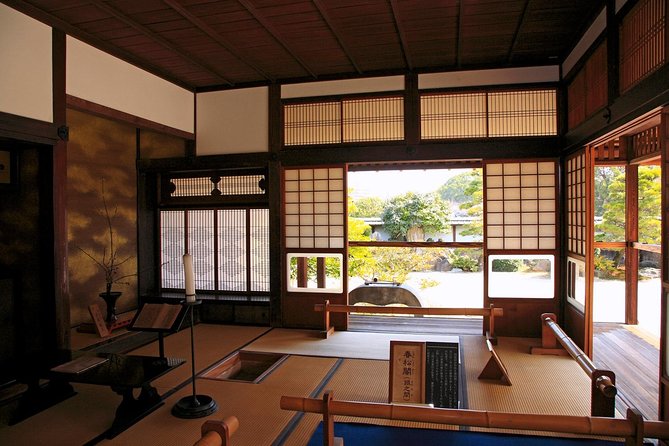
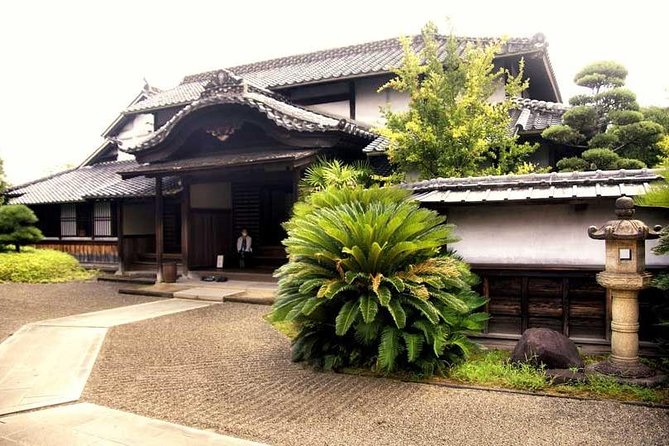
The Former Hosokawa Residence is the old home of a branch family of the Hosokawa clan, the powerful family that ruled Kumamoto during the Edo period. It offers a more intimate look at elite domestic life than the castle does.
This is a good choice for visitors who enjoy rooms, household design, clan connections, and the quieter side of Japanese history. Instead of viewing power from the outside, you get a sense of how an important family lived.
The home may appeal less if you want lively streets, shopping, or food. That is not a flaw, but it is a reason to choose carefully. A six-hour day does not allow every type of attraction, so pair this with the castle for a history-centered route rather than adding several museums as well.
Two writers, two different windows on Japan
Kumamoto offers unusual literary stops. The Lafcadio Hearn House recalls Lafcadio Hearn, known in Japan as Koizumi Yakumo. He was among the first Western writers to publish books about Japan, including Glimpses of Unfamiliar Japan.
This stop works best if you enjoy literary history or want to understand how Japan appeared to an early Western observer. It is a smaller, more specialized choice than the castle or garden, so I would not make it a priority for a first visit unless Hearn interests you.
The Soseki Natsume Uchitsuboi Old House, also called Soseki Memorial Hall, is connected with Natsume Soseki, a Meiji-period writer who died in 1916. The memorial is based in his former home, which dates from the 18th century.
These two stops give your day a thoughtful local angle. They also show why a private guide helps. Without context, an old house can seem like a quick photo stop. With explanation, it becomes part of the story of modern Japan, foreign impressions, and changing society.
Shopping and everyday Kumamoto at Shimotori
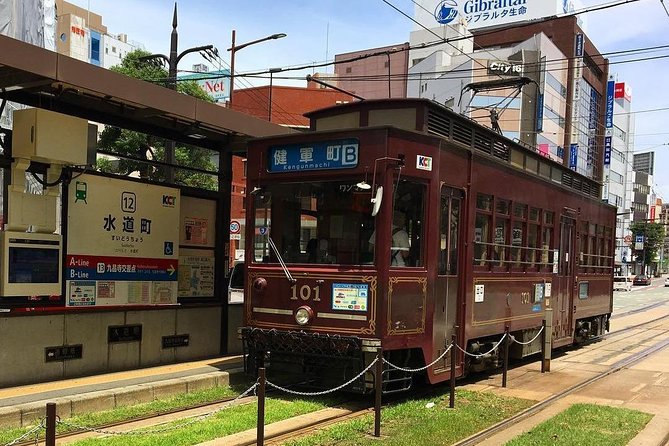
Shimotori Shotengai is the largest shopping arcade in Kumamoto Prefecture. It measures 511 meters long and 15 meters wide, with department stores and shops along the route. More than 50,000 people visit each day.
This is where the tour shifts from formal sights to ordinary city life. You can browse, watch the flow of local shoppers, and look for places to eat or buy small gifts. It is also a sensible choice if your group wants a break from museums and historic buildings.
A shopping arcade is best experienced with spare time. If you are rushing through to reach the next scheduled stop, the visit loses much of its point. Ask your guide to help shape the route around your shopping interests, especially if someone in your group wants food, cosmetics, clothing, or souvenirs.
Art choices: CAMK and Shimada Museum
The Contemporary Art Museum, Kumamoto, or CAMK, focuses on contemporary art. Some works are integrated with the building itself at different points inside and around the museum.
This can be a strong choice on a rainy day or for anyone who wants something beyond traditional architecture. Contemporary art is personal, and a guide can help you place the museum within your broader Kumamoto visit. Still, the experience depends on your taste. If modern art is not your thing, choose the castle, garden, or shopping arcade instead.
The Shimada Museum of Arts is smaller and focuses on works such as calligraphy and paintings. Its scale may suit you if you prefer a quieter museum visit and more traditional forms.
Do not try to fit both museums into a day that also includes the castle, garden, and mansion. Pick one unless your group has a strong art focus. Admission fees are not included, so check the cost when planning your final itinerary.
Hanaokayama Park for a city view
Hanaokayama Park sits on a hill above Kumamoto and offers views across the city. The view is especially appealing in the evening, when city lights begin to appear.
This stop depends heavily on weather and energy. On a clear day, it can give your tour a fine closing scene. The route involves trekking up the hill, so it may not suit every group after several hours on foot. Ask your guide about timing before choosing it, since an evening view may require an itinerary that runs later than a standard sightseeing loop.
A hilltop view also gives you a better sense of Kumamoto’s shape. After seeing individual landmarks, you can look back over the city and understand how the urban center relates to the surrounding countryside.
Time, walking, and the cost of flexibility
The advertised price is $154.37 per person. That is not a bargain if you only want a quick walk through one or two places. It becomes more reasonable for a private group that uses the full six hours, asks detailed questions, and wants help arranging three or four worthwhile stops.
You also need to budget for the items excluded from the price:
- Transportation fees
- Entrance fees
- Lunch
- Personal expenses
There is no private vehicle. Pickup means meeting the guide on foot within a designated area of Kumamoto city. Since the tour is built around walking and public transportation access, wear comfortable shoes and plan for a day that involves movement between sites.
The tour cannot pick you up at Yatsuhiro Port. This point matters for cruise passengers. One group had planned to meet Mieko at the Kumamoto cruise terminal, only to find that the ship docked at Yatsushiro instead. Mieko explained how to reach Kumamoto, and the group eventually met her at the Shinkansen ticket gate. That was a helpful recovery, but you should not treat it as included port pickup. Confirm your arrival point before booking.
The tour also does not allow separate tour groups to be combined. Only your own group takes part, which protects the private format but may make it less affordable for solo visitors or very small parties.
What the guide can add beyond the sights
The most praised feature is not one particular building. It is the guides’ attention to the people in front of them.
Mieko is repeatedly described as caring, organized, easy to understand, and flexible. She has taken groups to a local Shinto shrine that is loved by residents but not usually part of the standard sightseeing circuit. She explained how to pray and introduced the group to a spring associated with long life.
Jun is praised for preparation and clear explanations. He has helped with recommendations and later travel arrangements, and he adjusted a day to include a Zogan workshop. His approach seems especially useful if you want historical background rather than a quick succession of photo stops.
You should tell the agency your interests before the tour. Mention food, gardens, art, family needs, photography, literary sites, or crafts. The more specific you are, the easier it is for the guide to use the six hours well.
Who should book this Kumamoto tour?
I would recommend it most strongly to first-time visitors who want a personal introduction to Kumamoto without planning every train, tram, and ticket themselves. Families, older couples, groups of friends, and visitors who want explanations in English can all benefit from the private format.
It also suits repeat visitors who have already seen the castle and want something more local, such as a shrine, craft activity, food stop, or quiet museum. The custom structure gives you a way to avoid sights that do not interest you.
I would be more cautious if you want a fully escorted vehicle tour, a fixed list of every major attraction, or the lowest possible price. The tour does not include private transportation, and the six-hour limit forces choices. Visitors arriving at Yatsushiro Port should also arrange their own transfer to Kumamoto and allow enough time.
Should you book it?
Book this tour if you value a flexible private day over a fixed group schedule. The strongest reason to choose it is the guide, especially if you are matched with someone like Mieko or Jun, who can explain culture, adjust the plan, and help you make sensible choices.
Before booking, decide on three or four priorities and confirm your meeting point. For a first visit, I would consider Kumamoto Castle, Suizenji Garden, Josaien, and either the Former Hosokawa Mansion or Shimotori. For a quieter, more specialized day, choose one literary or art stop and leave time for conversation.
At $154.37 per person, the tour offers good value for a group that uses the guide well. It is less compelling if you only want a short castle visit. Share your interests early, keep the route realistic, and let the private format do what it does best: turn Kumamoto from a checklist into a day that fits you.
FAQ
How long does the Kumamoto private tour last?
The tour lasts approximately six hours.
How many attractions can I choose?
The tour includes a customizable plan built around three or four sites from the listed choices.
Is transportation included?
No. Transportation fees are not included, and no private vehicle is provided. The guide meets your group on foot within a designated area of Kumamoto city.
Are entrance fees and lunch included?
No. Entrance fees, lunch, and other personal expenses are not included.
Can the tour pick me up at Yatsuhiro Port?
No. Pickup at Yatsuhiro Port is not allowed. The tour provides an on-foot meeting within the designated area of Kumamoto city.
Is this a private tour?
Yes. Only your group participates, and separate tour groups cannot be combined.
Just added in Japan
- A One-of-a-Kind Sushi Experience in a Special Place of Japan★ 5.0 · 15 reviews
- Tokyo Cute Bento Cooking Class – Make a Kawaii Character Lunchbox★ 5.0 · 126 reviews
- Japanese Home Cooking Class & Walk in Todoroki Temple Tokyo★ 5.0 · 88 reviews
- Japan Tokyo Tower Observatory Deck E-Ticket★ 4.0 · 34 reviews
- Catch a Baseball Game in Tokyo with a Local – Tickets Included★ 5.0 · 24 reviews
- JDM Experience with Fast&Furious RX-7 (English speaking Driver)★ 5.0 · 57 reviews
- Tokyo Private Day Tour by Car with English speaking Driver Guide★ 4.0 · 29 reviews
- Japan Classic 10 Day – One Life Adventures★ 5.0 · 129 reviews
Full-Day, compared.

Mount Fuji Full-Day Private Tour from Tokyo (Customizable)
Read our review →
Hiroshima / Miyajima Full-day Private Tour with Government Licensed Guide
Read our review →
Mount Fuji Full-Day Small Group driver-guide tour (with Pick-up option)
Read our review →

5 Top Highlights of Kyoto Full Day Bike Tour (E-bike option)
Read our review →