Reviewed · TOKYO TOURS
Make Your Own Bonsai with a Professional Bonsai Artist in Tokyo
Small trees, serious tradition. This Tokyo workshop combines hands-on bonsai making with a visit to the Shunkaen Bonsai Museum, where you can study remarkable trees and learn directly from a professional artist. I especially like the small group limit of six and the chance to receive help through a translator. I also like that the lesson is practical, not just a demonstration.
The main consideration is the museum’s location in Edogawa City, well outside Tokyo’s best-known sightseeing areas. You’ll need to allow time for public transport, a bus, or a taxi, and the cost does not include getting there or shipping your finished tree home. The experience is listed at about two hours, though one museum portion is described as lasting one hour, so leave some breathing room in your schedule.
In This Review
- Key points to know before booking
- Why this bonsai class is more than a craft lesson
- Entering the Shunkaen Bonsai Museum in Edogawa
- What happens during the hands-on lesson
- Learning with an instructor and translator
- The museum tour adds real value
- What you can take home, and what you cannot
- Is the $78.83 price fair?
- Who will enjoy this two-hour experience most?
- My verdict on the bonsai workshop
- FAQ
- Where does the bonsai workshop take place?
- How long does the experience last?
- What is included in the price?
- Is transportation included?
- Is food or drink included?
- How many people can join the class?
- Do I need previous bonsai experience?
- Can I take my bonsai home?
- Is an assistant or translator available?
- Can I cancel for a full refund?
Key points to know before booking
- Shape a real juniper bonsai: Learn basic wiring and early styling techniques with hands-on guidance.
- See an exceptional collection: The Shunkaen Bonsai Museum includes many styles, display areas, and a bonsai said to be about 1,000 years old.
- Keep the class personal: Attendance is capped at six, making it easier to ask questions and get help.
- Meet the people behind the art: Apprentices may lead the class and explain both bonsai care and their own paths in the craft.
- Plan for the return journey: The museum is near public transportation, but transport costs are separate and the location requires planning.
- Bring home a living souvenir carefully: Shipping is not included, and taking the tree with you may involve an extra fee.
Why this bonsai class is more than a craft lesson
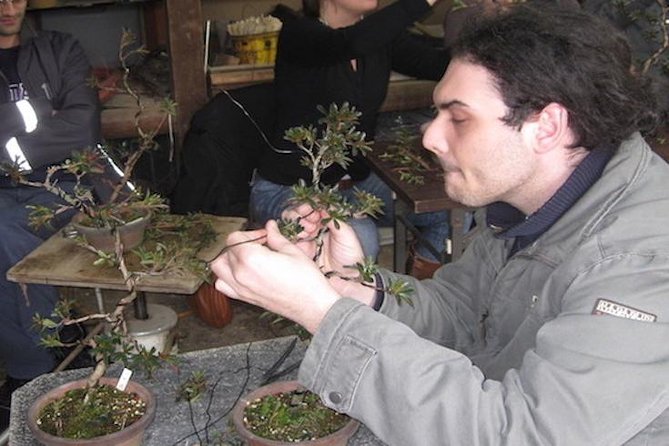
Bonsai can look mysterious from a distance. A tiny tree sits in a shallow pot, carefully angled and wired, and it is easy to assume the art is mainly about making a plant look old. This workshop gives you a more useful understanding: bonsai is a long conversation between the grower and the tree.
You’ll learn how shaping, pruning, wiring, watering, and patience work together. The lesson is not aimed only at serious gardeners. The instruction is designed to make the first steps approachable, which is important because bonsai tools and techniques can seem intimidating at first.
I like the balance here. You do not simply walk through a museum while someone recites facts. You work on a tree, then see mature examples that show where those basic choices can lead over many years.
The experience also gives you a closer look at a form of Japanese culture that is quiet and highly detailed. There is no large show, theatrical presentation, or packed schedule. Instead, you spend time looking carefully, asking questions, and making small adjustments. That slower pace can be a welcome change after Tokyo’s crowded streets.
A few more options to weigh up in Tokyo
- Tokyo Disney Resort – Tokyo Disneyland & Tokyo DisneySea Park Tickets
★ 4.8 · 99,488 reviews - SHIBUYA SKY Ticket
★ 4.7 · 46,509 reviews - JR Whole Japan Rail Pass
★ 4.8 · 29,150 reviews
Entering the Shunkaen Bonsai Museum in Edogawa
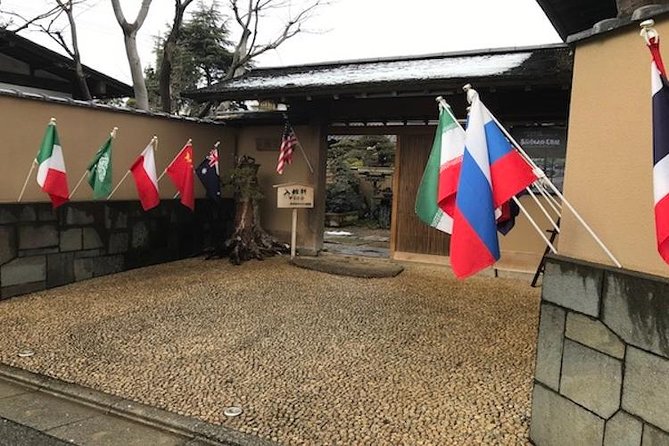
The activity begins at Shunkaen Bonsai Museum, at 1-chōme-29-16 Niihori, Edogawa City, Tokyo 132-0001. This is not a central Tokyo stop you can casually add between Shibuya and Asakusa. It is near public transportation, but you should check the route from your hotel and allow extra time for the final part of the journey.
A taxi or bus may be useful after the train ride. One practical point from the experience details is that local people generally know the museum, so asking for directions should be manageable if you need help. Your transport costs are not included, and the meeting point is also where the activity ends.
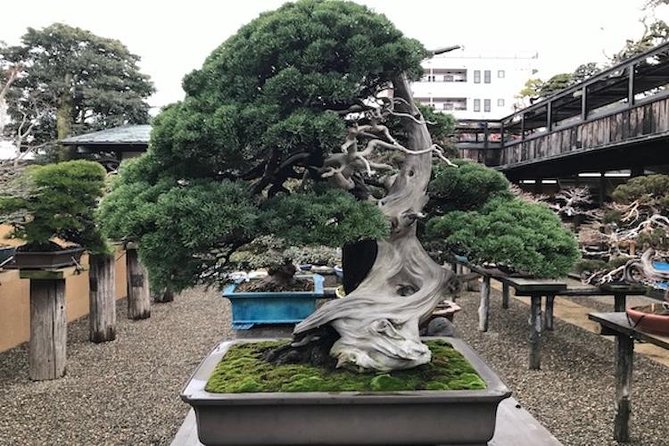
The setting is part of the appeal. The museum has a courtyard and raised display areas filled with bonsai in different styles. You can expect to see trees arranged for close study rather than simply placed as decoration. The collection helps you notice the features your instructor discusses: trunk shape, branch placement, balance, pot choice, and the way the tree suggests age.
The museum is also home to a bonsai reported to be around 1,000 years old. That single tree can change your sense of scale. Your own class tree will be young by comparison, but seeing an ancient specimen makes clear that bonsai is measured in generations, not in a single holiday.
What happens during the hands-on lesson
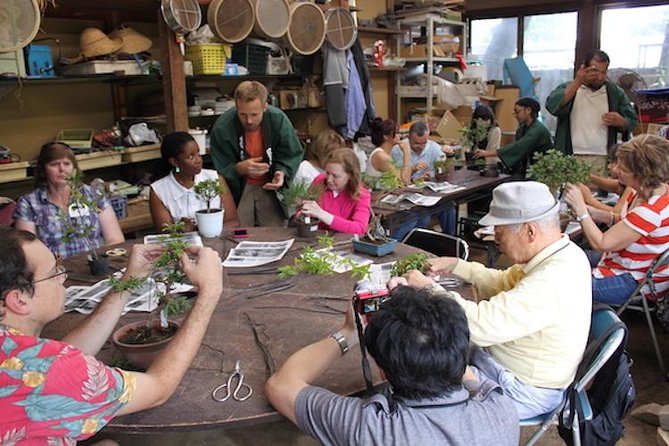
The central activity is making your own bonsai with guidance from a professional bonsai artist or an apprentice. The available details specifically mention learning to wire a juniper tree, so you can expect the lesson to focus on basic shaping rather than producing a finished masterpiece in two hours.
That distinction matters. A first bonsai is an introduction, not a final work of art. You’ll learn how to place wire and guide branches without damaging the tree. The instructor can show you where to begin and how much pressure to use, then help you make decisions about the tree’s form.
The most useful part is likely the personal correction. Bonsai work depends on small movements, and written instructions cannot easily tell you when a branch is bending too far or when the wire is too tight. With no more than six people in the group, you should have a fair chance to ask for help instead of waiting behind a large class.
The lesson may also cover basic care. That can include how to look after the tree after you leave, along with the general principles behind watering and ongoing shaping. The instruction is especially useful if you are thinking of buying a bonsai in Japan or trying to care for one at home.
The class has been praised for making bonsai feel accessible. That is a strong reason to choose it over a purely observational museum visit. You leave with a better sense of how much thought goes into the art, along with practical skills you can continue using.
Learning with an instructor and translator
Language can be a concern in a technical activity. Bonsai terms, plant care, and wiring instructions are not always easy to understand through gestures alone. An assistant is available if you select that option, and tailored instruction can be provided with the help of a translator.
Check the exact option you book, since the assistant is listed as an additional selection rather than an automatic inclusion in every booking. This is one of the details worth confirming before payment, especially if you want substantial help in English or another language.
The people leading the class may vary. Apprentices have taught the lesson, answered questions, guided museum visits, and explained their own experiences in bonsai. That can be a benefit rather than a compromise. An apprentice may offer a close look at the daily work behind the collection and explain the craft in a direct, personal way.
Kunio Kobayashi, the museum’s master, has also been present at times, and meeting him has been described as a memorable part of the experience. His presence is not guaranteed, so you should book for the lesson and museum, not on the expectation of meeting the master.
Some sessions include green tea, according to the experience details supplied by past participants, but you should not treat food or drinks as part of the formal inclusions. The official inclusions are the bonsai-making lesson and the assistant only if you select that option.
A completely different kind of day out:
- Mt Fuji and Hakone 1-Day Bus Tour Return by Bullet Train
★ 5.0 · 26,383 reviews - TOKYO SKYTREE® Ticket
★ 4.7 · 25,136 reviews - teamLab Borderless Tickets: MORI Building DIGITAL ART MUSEUM
★ 4.7 · 24,126 reviews - teamLab Planets TOKYO Ticket
★ 4.7 · 21,663 reviews
The museum tour adds real value
The class would be worthwhile on its own, but the museum gives the lesson context. After learning how to shape a small tree, you can look at mature bonsai and see how the same principles develop over time.
The collection includes different bonsai styles, and the courtyard and upper display areas provide plenty to examine. You might notice how one tree is built around a dramatic trunk while another depends on a simple, balanced shape. The museum makes it easier to understand that bonsai is not one fixed look.
I would set aside time to look carefully rather than rushing through. The experience is often described as peaceful, friendly, and personal. That atmosphere suits the subject. Bonsai rewards attention, and the museum encourages you to slow down.
You can also ask questions during the visit. Questions about care, buying a tree, and the amount of work involved are especially useful if you are considering taking bonsai home. The staff and apprentices can explain the practical side of ownership, not just the artistic ideal.
The main drawback is that the museum may be less convenient for someone with only one day in Tokyo. If your schedule is packed with major sights, reaching Edogawa and spending about two hours here requires a deliberate choice. If you have room for a quieter cultural stop, the distance is easier to justify.
What you can take home, and what you cannot
The finished bonsai is the obvious souvenir, but taking it home requires planning. Shipping is not included in the price, and an additional fee may apply if you take the tree with you. The information provided specifically notes that people living in Japan can take their tree home for a fee.
For international visitors, ask about shipping before the lesson ends. Do not assume you can carry the plant through your entire Japan itinerary or onto your flight without extra arrangements. The activity details do not provide a shipping price or explain international customs requirements, so you will need to confirm those points directly.
You can still gain plenty even if you do not bring the tree home. The wiring and care skills can help you make a better purchase later, and the museum visit gives you a clearer idea of what to look for. A bonsai tool or plant-care knowledge may be a more practical souvenir than a living tree that needs special handling.
Food and drinks are not included. The class is short enough to fit around a meal, but you should plan refreshments separately rather than expecting a full afternoon tea service.
Is the $78.83 price fair?
At $78.83 per person, this is not the cheapest cultural activity in Tokyo. It becomes better value when you consider what is bundled together: museum admission, instruction, a small-group setting, and a bonsai-making session led by an expert or apprentice.
A regular museum visit would give you the collection but not the chance to wire and shape a tree. A basic craft class might offer hands-on work but not the setting, mature collection, or connection to a working bonsai institution. This experience combines both sides.
The group limit of six is important for the price. A large class can make a technical activity frustrating, particularly when everyone needs help with the same delicate task. Here, the small format should give you more time to ask questions and adjust your work.
The value is strongest for people who are genuinely curious about plants, Japanese arts, or the care of bonsai. If you only want a quick photo opportunity, the cost and journey may feel excessive. If you want to understand a living art form and try it yourself, the price is more defensible.
The activity is often booked well ahead, with an average booking point about 34 days in advance. That suggests you should reserve early if your Tokyo dates are fixed, especially because the group is limited to six people.
Who will enjoy this two-hour experience most?
I would recommend this workshop to you if you like hands-on activities, gardens, design, or traditional arts. It also suits people who prefer a calm morning or afternoon away from Tokyo’s biggest commercial districts.
Plant lovers will get the most from it, but you do not need prior horticulture experience. The lesson begins with the basics and is intended to help you shape a tree yourself. A moderate level of physical fitness is advised, so expect some standing, walking around the museum, and hands-on work.
Families and couples may enjoy the activity, provided everyone is comfortable with a quiet lesson rather than a fast-moving attraction. The six-person limit can make the outing feel personal, but it also means availability is limited.
I would be more cautious about booking if your schedule is extremely tight, if you do not want to arrange transport outside central Tokyo, or if you need to guarantee that a master artist personally leads the class. The experience may include Kunio Kobayashi, but that cannot be promised.
The free cancellation policy gives you some flexibility. You can cancel up to 24 hours before the start time for a full refund. Changes or cancellations made less than 24 hours before the start time are not accepted for a refund, and all cut-off times follow Tokyo local time.
My verdict on the bonsai workshop
Book this experience if you want a thoughtful, hands-on look at Japanese culture rather than another quick city attraction. The strongest features are the small class, the beautiful museum collection, and the chance to learn basic wiring and care from people who work closely with bonsai.
I would choose it for a free half-day when staying in Tokyo, especially if you are interested in plants or want a souvenir with a story. Just plan the route carefully, confirm whether you need the assistant option, and ask about shipping before you begin.
Skip it if you want a central Tokyo activity with no transport planning. For everyone else, the workshop offers a rare chance to slow down, shape a living tree, and see why bonsai demands both skill and patience.
FAQ
Where does the bonsai workshop take place?
The activity starts and ends at Shunkaen Bonsai Museum, 1-chōme-29-16 Niihori, Edogawa City, Tokyo 132-0001, Japan.
How long does the experience last?
The experience lasts approximately two hours. One part of the museum visit is listed as lasting one hour, so you should allow about two hours overall.
What is included in the price?
The price includes the bonsai-making lesson and museum admission. An assistant is included only if you select that option.
Is transportation included?
No. Transportation to and from Shunkaen Bonsai Museum is not included.
Is food or drink included?
No. Food and drinks are not included in the activity price.
How many people can join the class?
The activity has a maximum of six participants.
Do I need previous bonsai experience?
No previous experience is stated as a requirement. The session teaches basic bonsai-making and care techniques with personal instruction.
Can I take my bonsai home?
You may be able to take the tree with you for an additional fee. Shipping is not included, and the available information specifically notes this option for people living in Japan.
Is an assistant or translator available?
An assistant is available if you select that option. The instruction can include translator support, but you should confirm the details when booking.
Can I cancel for a full refund?
Yes. You can cancel at least 24 hours before the start time for a full refund. Cancellations or changes made less than 24 hours before the start time are not accepted for a refund.
Just added in Tokyo
- Manga Lesson with a Professional Japanese Manga Artist in Nakano★ 5.0 · 77 reviews
- Making a bento box with cute character look in Japan★ 5.0 · 15 reviews
- Tokyo/Ikebukuro Manga drawing workshop by pro-Manga artists★ 5.0 · 65 reviews
- Luxury Tokyo Sake, Cocktail, Whisky and Pairing Tour★ 5.0 · 18 reviews
- Tokyo Ueno Food & Nature & Localtown Tour: 10Dishes+ Drinks★ 5.0 · 34 reviews
- Make Traditional Nerikiri Sweets & Matcha experience in Shibuya★ 5.0 · 130 reviews
- Daikoku Parking Tokyo Drift & APIT Car Meet JDM Culture Tour★ 5.0 · 79 reviews
- Official Sumo Tournament Ticket with Guided Experience★ 4.5 · 19 reviews
Tokyo Tours, compared.

Tokyo Disney Resort – Tokyo Disneyland & Tokyo DisneySea Park Tickets
Read our review →
Mt Fuji and Hakone 1-Day Bus Tour Return by Bullet Train
Read our review →

teamLab Borderless Tickets: MORI Building DIGITAL ART MUSEUM
Read our review →