
Reviewed · JAPAN
Make your own kitchen knife with a master blacksmith in Shimanto
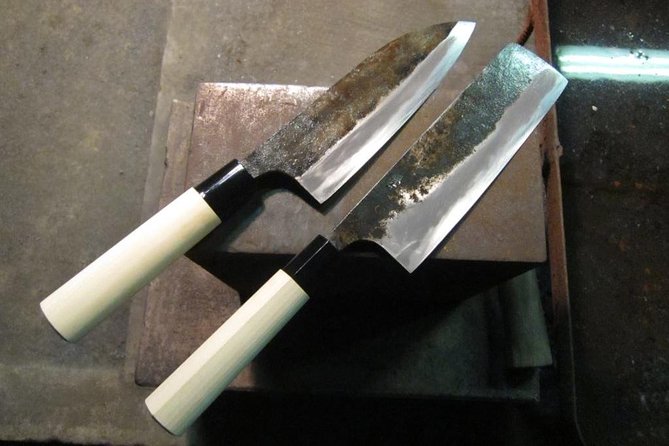
Fire, steel, and a day well spent. This private workshop in rural Shimanto lets you work beside a master blacksmith as you shape your own kitchen knife, scissors, or other steel tool using traditional Japanese methods. I like the hands-on format and the chance to leave with a useful object rather than a disposable souvenir. I also like that English instruction, safety gear, work clothes, raw materials, and tools are included. The main drawback is the price, $407.26 per person, plus the need to arrange your own transport and lunch.
This is not a quick craft demonstration. You should set aside about eight hours, starting at 9:00 a.m., and expect smoke, heat, physical work, and a full day in the Shimanto countryside. The workshop is private for your group, but booking well ahead is wise, since it is commonly reserved about 95 days in advance.
In This Review
- Key points to know before booking
- Why this Shimanto workshop feels different
- What the eight-hour day involves
- Working with Hayashi-san and the Kurogane team
- The Shimanto River setting
- Kachima Chinka Bridge and Iwama Chinka Bridge
- What to wear and what to bring
- Is $407.26 a fair price?
- How far ahead should you plan?
- Who will enjoy this most?
- Should you book the Shimanto knife-making workshop?
- FAQ
- Where does the knife-making experience begin?
- What time does the experience start?
- How long does the workshop last?
- Is the instruction available in English?
- What equipment is provided?
- Can I make something besides a kitchen knife?
- Is food included?
- Is hotel pickup available?
- Can I cancel for a full refund?
Key points to know before booking
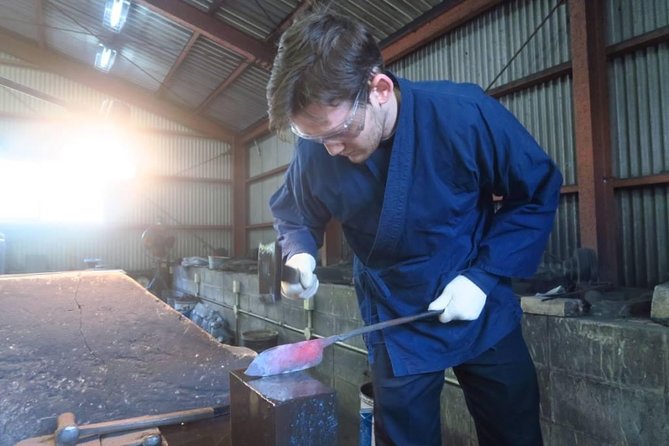
- You shape real steel beside a master blacksmith: This is a working craft session, not just a show.
- The day takes about eight hours: Plan for a full morning and afternoon, with no included food or drinks.
- English teaching is included: Staff guide you through the process and help you work safely.
- The setting is rural and scenic: The workshop sits around the Shimanto River area, with mountain and river surroundings.
- You can make more than a knife: Cutlery, scissors, and other tools are possible, depending on the session.
- Engraving adds a personal finish: You can commemorate a wedding or mark your time in Japan with engraved text.
Why this Shimanto workshop feels different
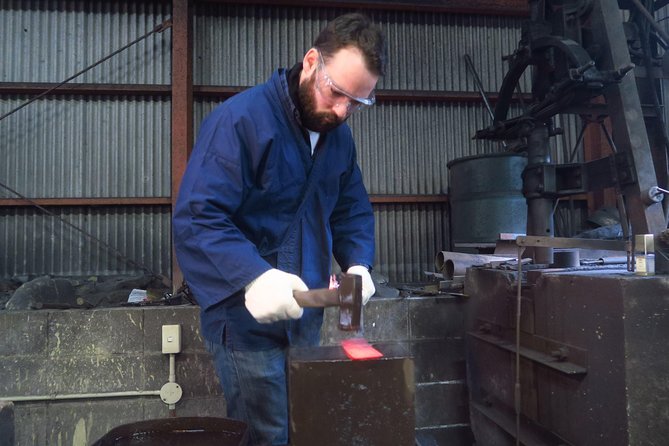
Many Japanese craft activities give you a small item to decorate. Here, you work with steel, fire, and traditional forging methods. That changes the character of the day. You are not simply watching a blacksmith make something beautiful. You are taking part in the hard, controlled work that gives the object its shape.
The workshop, called Tatara Iron & Steel Forging Workshop Kurogane, is in the Shimanto area of Kochi Prefecture. The address is in Nishitosakuchiyanai, at 944 Tenyama, Shimanto, Kochi 787-1324. The setting is surrounded by mountains and the Shimanto River region, so getting there is part of the experience.
You will be taught in English, and the necessary equipment is supplied. That includes work clothes, protective glasses, raw materials, and a set of tools. You still need to take the safety instructions seriously. Fire and hot metal are not props, even in a carefully managed class.
I especially like the balance between expert help and personal effort. The master blacksmith does not simply hand you a finished knife. At the same time, the staff guide the process closely enough that you can finish with something attractive and useful.
Other trips worth a look in Japan:
- Tokyo Disney Resort – Tokyo Disneyland & Tokyo DisneySea Park Tickets
★ 4.8 · 99,488 reviews - Universal Studios Japan Studio Pass
★ 4.8 · 89,883 reviews - Universal Studios Japan Express Pass
★ 4.7 · 53,138 reviews
What the eight-hour day involves
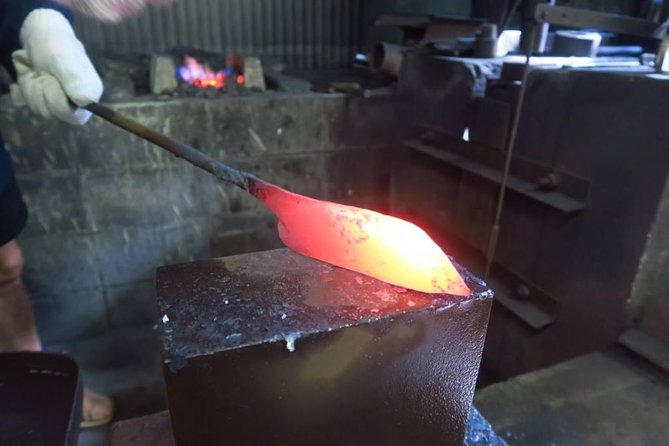
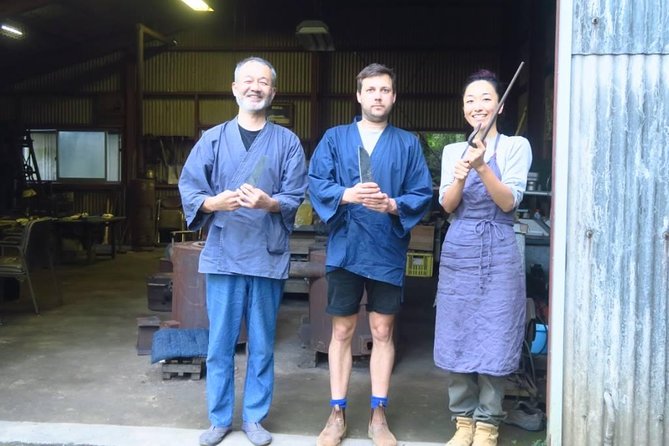
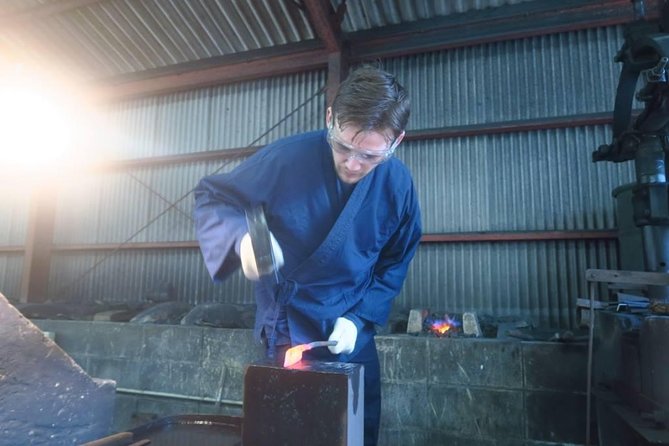
The day begins at 9:00 a.m. at Workshop Kurogane. From there, the focus is the forging session. The exact order of each task can vary, but the basic idea is clear: you heat steel in the fire, work it with traditional Japanese techniques, and gradually shape it into a knife, scissors, cutlery item, or another tool.
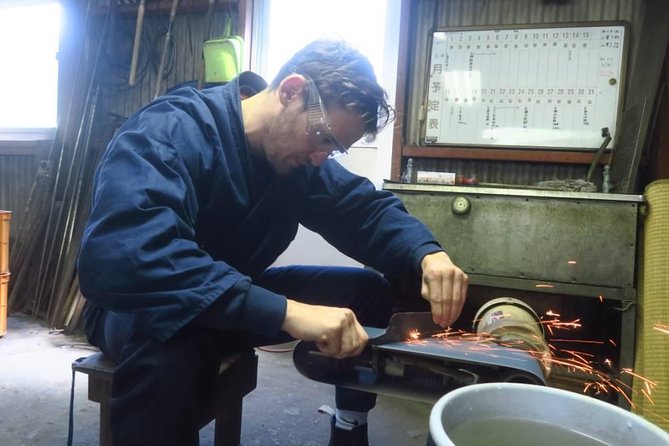
That gradual process matters. A kitchen knife is not created in one dramatic strike. You work through a series of steps, with the instructor showing you how to handle the metal and tools. The process calls for attention and patience. If you want a fast activity that takes an hour and leaves you free for lunch, choose something else.
The strongest part of the experience is the level of participation. You get to do as much of the work as possible while the master keeps an eye on the result. That gives you a real sense of making something, without pretending that a first-time blacksmith can work entirely alone.
The class is suitable for most people, and service animals are allowed. The private format is useful if you are a couple, a family, or a small group with different levels of confidence. You are not sharing the day with a large crowd, and the instructor can focus on your group.
Working with Hayashi-san and the Kurogane team
Several names appear in the experience feedback, including Master Hayashi, Nobuya-san, Takeshi, and Jesse-san. The exact staff lineup may vary, but the repeated impression is of careful, kind guidance and clear explanations.
That personal instruction is important here. Japanese forging has its own rhythm, and a short demonstration cannot tell you everything you need to know about timing, pressure, and tool handling. The master helps you avoid wasting material and keeps the work moving toward a finished object.
The best part is the sense of being trusted with real work while still being supervised. You may make mistakes, but you are not left to guess what comes next. The instructors share tips for getting a clean result and help you create a knife you can take home with pride.
This is also where the private format earns its keep. At $407.26 per person, you are paying for a full day, specialist teaching, supplied materials, protective equipment, and a personal workshop rather than a basic group demonstration. The cost is high, but the value is easier to see if you care about Japanese craft and want more than a standard sightseeing stop.
The Shimanto River setting
The Shimanto River is listed as one of the stops, and it gives the day a strong sense of place. This part of Kochi is known for mountain and river wilderness, and the workshop sits within that rural environment rather than in a city shopping district.
Do not expect a large cultural complex with rows of souvenir stalls. The appeal is the quiet setting and the connection between the material you are shaping and the countryside around you. Steel, fire, wood, water, mountains, and river all feel more connected here than they would in an urban classroom.
The rural location is also the main logistical challenge. Hotel pickup and drop-off are not included, though pickup from Shimanto City is available for an extra fee. You need to arrange transport to the workshop and back. One useful option is a rental car, and it also makes it easier to see the surrounding river area and bridges.
If you are relying on public transportation, check your plan carefully before booking. The meeting point is specific, and the activity ends back there. Do not assume that transport to the nearby attractions is included.
A completely different kind of day out:
- SHIBUYA SKY Ticket
★ 4.7 · 46,509 reviews - Mt. Fuji Instagram-Worthy Spots Day Tour: Ladder Town, Oshino Hakkai, Lake Kawaguchi, Lawson Convenience Store (Departing from Tokyo Station or Shinjuku Station)
★ 4.8 · 35,467 reviews - JR Whole Japan Rail Pass
★ 4.8 · 29,150 reviews - Mt Fuji and Hakone 1-Day Bus Tour Return by Bullet Train
★ 5.0 · 26,383 reviews
Kachima Chinka Bridge and Iwama Chinka Bridge
The itinerary also includes Kachima Chinka Bridge and Iwama Chinka Bridge. These are part of the day’s connection to the Shimanto River area, not separate full-day sightseeing tours.
The word chinka refers to a low-water crossing design associated with the river region. The bridges are practical, local features rather than grand monuments. Their value is in showing how people move through a river environment where water levels and seasonal conditions matter.
You should keep your expectations sensible. The supplied details do not specify how long you stop at each bridge or what guided commentary is provided there. The workshop is clearly the main event. The river and bridges add context and scenery, but they do not replace the need to enjoy an entire day of blacksmithing.
For someone interested in rural Kochi, that combination works well. You get a substantial craft activity, then a sense of the area that surrounds it. If you only want knife-making and have limited time, ask the operator how much time is planned for each stop.
What to wear and what to bring
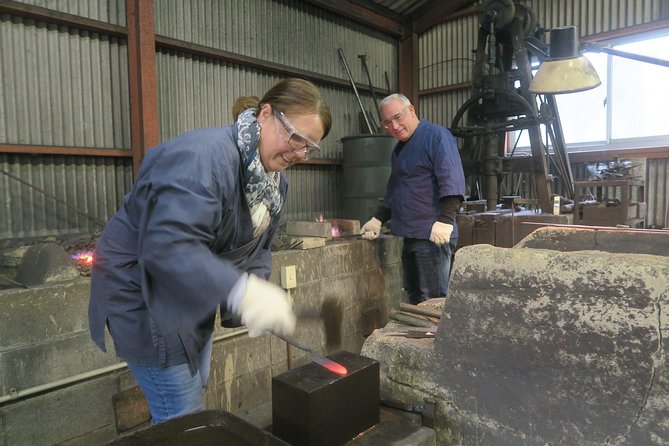
The workshop supplies work clothes and protective glasses, but your personal clothing still matters. Wear something you do not mind smelling of smoke. A previous participant also warned that a small burned hole is possible, so avoid delicate or favorite clothing.
Closed, practical clothing is the sensible choice. You will be near fire and metal, not seated at a polished craft table. The supplied protective equipment helps, but it does not make carelessness safe.
Food and drinks are not included. Bring your own lunch. A practical plan is to buy food at a convenience store the night before or early in the morning, as one participant advised. The workshop is in a rural area, so do not count on finding a café at the exact moment you want a break.
You may also want to think about engraving before you arrive. The experience offers the chance to engrave your knife, which can make it a wedding keepsake, a trip memento, or a family gift. Decide on a short word, date, or name in advance rather than trying to invent one at the end of a long day.
Is $407.26 a fair price?
This is an expensive activity. At $407.26 per person, it costs far more than a short cooking lesson or a standard museum visit. The price makes sense only if you value the time, instruction, materials, private format, and finished object.
I would judge it as good value for a serious craft experience, not as a bargain attraction. You receive an approximately eight-hour session, English teaching, work clothes, safety glasses, raw steel, and tools. You also get close supervision from a master blacksmith and the chance to create something that has a practical use after your holiday.
The private nature helps. Your group has the instructor’s attention rather than competing with a large class. That matters when you are using unfamiliar equipment and learning a process that depends on careful timing.
The price is harder to justify if you are mainly collecting photographs or have no interest in using the knife afterward. The activity asks for a full day and a fair amount of concentration. You should book it because you want the process, not just the finished item.
How far ahead should you plan?
This experience is often booked about 95 days in advance. That is a useful warning for anyone building a Japan itinerary around fixed dates. Shimanto is not a place where you should assume you can arrive and find an opening the next morning.
Confirmation is sent within 48 hours of booking, subject to availability. Because one participant thought the booking was complete but still needed to confirm directly with the operator, I would check the reservation details carefully. Direct contact through WhatsApp was useful in that case, though you should follow the current instructions given with your booking.
The start time is 9:00 a.m. The activity ends back at Workshop Kurogane, so allow time afterward for your return journey. Hotel pickup from Shimanto City can be arranged for an extra fee, but standard hotel pickup and drop-off are not included.
Free cancellation is available if you cancel at least 24 hours before the local start time. Changes or cancellations inside that 24-hour window are not accepted for a refund.
Who will enjoy this most?
I would recommend the workshop to you if you like practical cultural experiences, traditional tools, and activities where your hands do real work. It suits couples, families with appropriate ages and interest, and small private groups.
It is also a strong choice for someone who has already seen Japan’s major cities and wants a slower day in Shikoku. The Shimanto setting, river stops, and local craft focus offer a different side of Japan than temples, shopping streets, and crowded city districts.
You do not need previous blacksmithing experience. The class is built around guidance from the instructor, and most people can participate. Still, you should be comfortable around heat, smoke, noise, and physical tool work.
I would hesitate to recommend it if you dislike smoke, have very limited time in Kochi, or need a low-cost activity. The day is long, the transport takes planning, and the price is substantial. It is also not the right choice if you expect to wander freely through several attractions, since the workshop occupies most of the day.
Should you book the Shimanto knife-making workshop?
Book it if you want a lasting souvenir that you helped create, and if a full day of fire, steel, and expert instruction sounds better than another quick photo stop. The strongest reasons are the private setting, the English guidance, the careful help from the blacksmiths, and the chance to engrave your finished knife.
Before paying, arrange transport, plan your lunch, wear smoke-friendly clothes, and contact the operator if your confirmation is unclear. If you can accept the high price and rural logistics, this is one of the more memorable ways to connect with Kochi’s craft traditions.
FAQ
Where does the knife-making experience begin?
It begins at Workshop Kurogane, located at 944 Tenyama, Nishitosakuchiyanai, Shimanto, Kochi 787-1324, Japan.
What time does the experience start?
The scheduled start time is 9:00 a.m.
How long does the workshop last?
The full experience lasts approximately eight hours.
Is the instruction available in English?
Yes. English teaching is included.
What equipment is provided?
The workshop provides work clothes, protective glasses, raw materials, and the tools needed for the experience.
Can I make something besides a kitchen knife?
Yes. The experience can include cutlery, scissors, and other tools, depending on the work selected.
Is food included?
No. Food and drinks are not included, so you should bring your own lunch.
Is hotel pickup available?
Hotel pickup and drop-off are not included. Pickup from Shimanto City is available for an extra fee.
Can I cancel for a full refund?
Yes, if you cancel at least 24 hours before the local start time. Cancellations or changes made less than 24 hours before the start are not eligible for a refund.
Just added in Japan
- Manga Lesson with a Professional Japanese Manga Artist in Nakano★ 5.0 · 77 reviews
- Making a bento box with cute character look in Japan★ 5.0 · 15 reviews
- Tokyo/Ikebukuro Manga drawing workshop by pro-Manga artists★ 5.0 · 65 reviews
- Luxury Tokyo Sake, Cocktail, Whisky and Pairing Tour★ 5.0 · 18 reviews
- Tokyo Ueno Food & Nature & Localtown Tour: 10Dishes+ Drinks★ 5.0 · 34 reviews
- Make Your Own Bonsai with a Professional Bonsai Artist in Tokyo★ 4.5 · 18 reviews
- Make Traditional Nerikiri Sweets & Matcha experience in Shibuya★ 5.0 · 130 reviews
- Daikoku Parking Tokyo Drift & APIT Car Meet JDM Culture Tour★ 5.0 · 79 reviews