Reviewed · TOKYO TOURS
Tokyo Ueno Food & Nature & Localtown Tour: 10Dishes+ Drinks
Come hungry, leave better oriented. This three-hour Ueno tour combines park scenery, Ameyoko street food, local izakayas, and a final bowl of ramen, giving you several sides of Tokyo in one compact outing. I especially like the small-group format and the way the tour joins food with etiquette, local customs, and Ueno’s past.
I also like that guide Sakura has made such a strong impression for her warmth, humor, and clear explanations. The main consideration is the food policy: meals are prepared outside the company’s kitchen, so allergy-free meals and dietary substitutions cannot be guaranteed.
In This Review
- Key points to know before booking
- Why this three-hour Ueno tour works
- Meeting at Ueno Park
- Ameyoko Shopping Street and its local eating spots
- The ramen finish at Ueno Station
- Sakura and the value of a local guide
- Group size, language help, and the social side
- Food restrictions and other practical limits
- Who gets the most from this experience?
- Is the $120 price fair?
- Should you book the Ueno food tour?
- FAQ
- How long does the Tokyo Ueno Food and Nature Tour last?
- What food and drinks are included?
- Where does the tour start?
- Where does the tour finish?
- How many people can join the tour?
- Can children join the tour?
- Can the tour accommodate food allergies or dietary restrictions?
- Is cancellation free?
Key points to know before booking
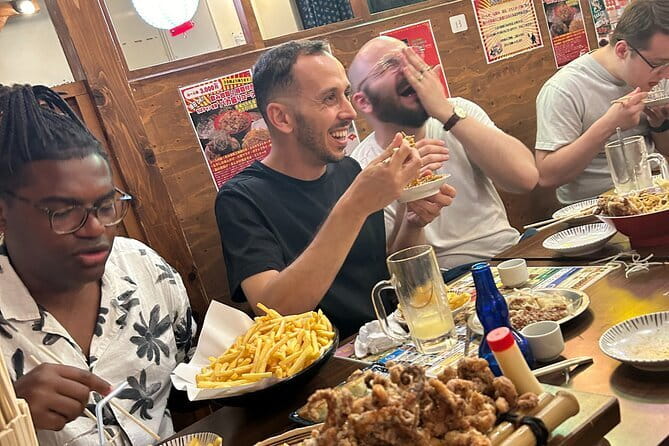
- Ten or more food tastings and drinks are included, ending with a bowl of Japanese ramen.
- Ueno Park and Ameyoko Shopping Street give the tour a useful mix of nature, history, shopping, snacks, and local eating.
- Sakura is a highly praised guide, especially for her friendly manner and ability to make solo visitors feel comfortable.
- Groups are kept small, with around six people per guide and a stated limit of seven for the experience.
- The tour returns to its starting point, making it easy to continue sightseeing around Ueno afterward.
- WhatsApp is used for day-of communication, so download it before the tour.
Why this three-hour Ueno tour works
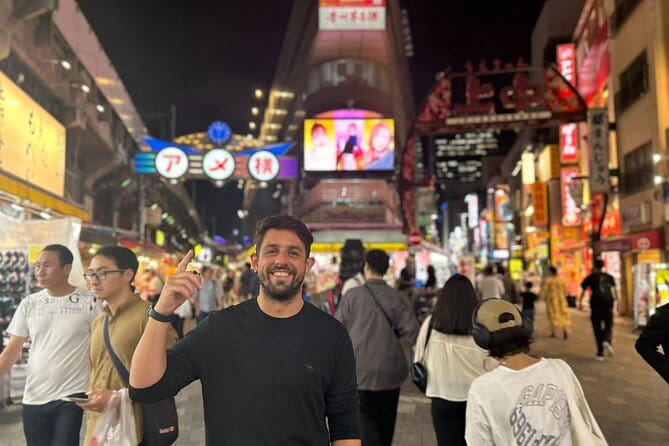
Ueno is a smart place for a food tour because it offers more than one version of Tokyo. You get an open park with temples, museums, and ponds, then a short walk brings you to Ameyoko, where market stalls, shops, snack counters, and casual drinking spots crowd together.
This tour uses that contrast well. You are not spending three hours at a single restaurant or simply moving from one tasting counter to the next. Instead, you get a quick look at the area, some guidance on Japanese eating and drinking customs, visits to local pubs, and a final ramen stop.
The experience is priced at $120 per person. That is not a low-cost meal, but the price includes food and drinks, a local guide, explanations of etiquette and culture, photos taken during the tour, and entry to the park. For a visitor who wants help navigating Japanese dining customs, the value is stronger than the food quantity alone suggests.
You are paying for translation and context as much as for the dishes. That matters in an izakaya, where menus, ordering habits, shared plates, and drink customs may not be obvious at first.
A few more options to weigh up in Tokyo
- Tokyo Disney Resort – Tokyo Disneyland & Tokyo DisneySea Park Tickets
★ 4.8 · 99,488 reviews - SHIBUYA SKY Ticket
★ 4.7 · 46,509 reviews - JR Whole Japan Rail Pass
★ 4.8 · 29,150 reviews
Meeting at Ueno Park
The meeting point is the Ueno Police Station Koen Mae Police Box at 1-65 Uenokoen, Taito City. The tour begins with a walk through Ueno Park, and park admission is included.
This first hour gives the tour a gentler start. You can enjoy greenery and open space before moving into the tighter streets around Ameyoko. The guide also uses this time to explain Ueno’s historical and cultural importance, so the park is not just a pleasant walk before lunch or dinner.
I like this order. Starting with food can make a group focus only on the next plate, while beginning in the park gives you a sense of place. Ueno is known for major cultural attractions, but this experience keeps the focus on the area as a lived-in part of Tokyo rather than turning the opening into a museum visit.
The park portion may be less exciting for someone who has already spent a full day exploring Ueno’s museums and temples. If you want a tour devoted only to eating, one hour on paths and open ground may feel like time taken away from the table. For a first visit, though, it helps explain why the neighborhood has such a different feel from Tokyo’s major shopping districts.
Ameyoko Shopping Street and its local eating spots
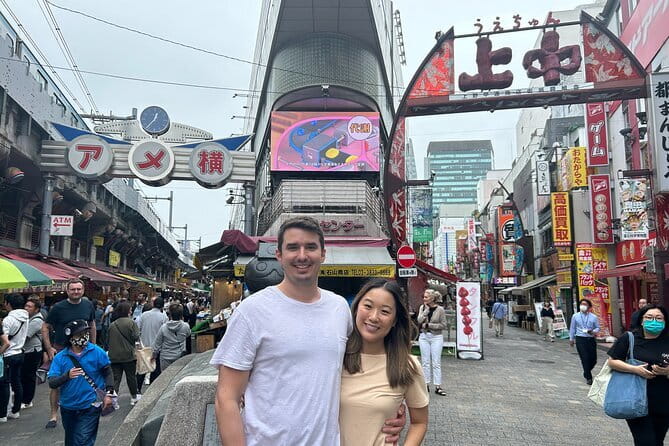
The second hour moves into Ameyoko Shopping Street, one of Ueno’s most useful places for casual shopping and snacking. You can expect souvenir shops, Japanese fruit, food stalls, an arcade, and izakayas packed into a lively commercial area.
The appeal here is variety. Ameyoko is not a polished dining complex where every business feels designed for international visitors. It is a place to browse, compare, stop for a snack, and see how food and shopping overlap in a busy Tokyo neighborhood.
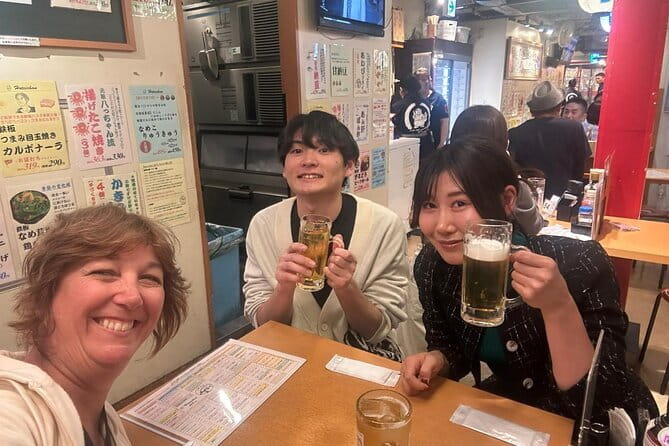
The guide takes you into local Japanese pubs and helps translate the experience. That assistance can be particularly useful if you are unsure how to order, how drinks and food are shared, or what behavior is expected in an izakaya. The tour also explains Japanese-style eating and drinking, etiquette, customs, and local history.
This is one of the tour’s best features. Japanese dining rules are usually simple once someone explains them, but they can feel unclear when you are standing in a small restaurant with a menu you cannot read. A guide can turn that uncertainty into part of the fun.
The food portion is described as 10 or more dishes plus drinks, but individual dishes are not specified. You should therefore book for the overall tasting experience rather than expecting a fixed menu built around particular foods. The included tastings make the tour convenient, but extra food and drinks cost more.
Ameyoko is also a good stop for visitors who like to keep exploring after the formal tour ends. You can return to the snack shops, browse souvenirs, or try the arcade. The tour does not trap you in a single restaurant, and that gives you more freedom to form your own impression of the neighborhood.
The ramen finish at Ueno Station
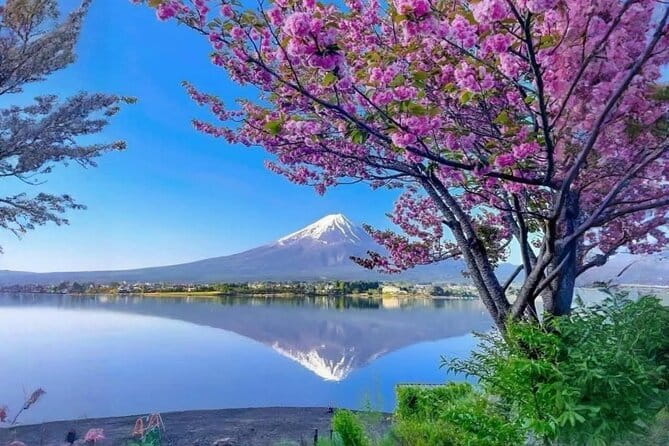
The last hour ends near Ueno Station with a bowl of Japanese ramen. The description calls it a must-try and includes it in the experience.
Ramen is a fitting final stop because it gives the meal a clear finish. After smaller tastings and izakaya dishes, a warm bowl of noodles makes the outing feel like a complete meal rather than a string of samples. It also gives you one of Japan’s best-known foods in a straightforward local setting.
The available information does not identify the ramen shop, broth style, or toppings. I would not book this expecting a specific famous ramen brand. Instead, think of it as a satisfying final course and a chance to ask the guide more questions about Japanese dining.
The timing may matter if you have a large dinner planned immediately afterward. Three hours of food and drinks can be plenty, especially if you choose extra items along the way. A light meal before the tour is sensible, but arriving completely full defeats much of the point.
The activity ends back at the meeting point. That makes the tour easy to combine with other plans in Ueno, though you should allow extra time if the group finishes a little later than expected.
A completely different kind of day out:
- Mt Fuji and Hakone 1-Day Bus Tour Return by Bullet Train
★ 5.0 · 26,383 reviews - TOKYO SKYTREE® Ticket
★ 4.7 · 25,136 reviews - teamLab Borderless Tickets: MORI Building DIGITAL ART MUSEUM
★ 4.7 · 24,126 reviews - teamLab Planets TOKYO Ticket
★ 4.7 · 21,663 reviews
Sakura and the value of a local guide
Sakura is the guide most clearly praised in the available comments. Her strengths are not limited to information. She is described as fun, kind, and able to make the outing feel comfortable for a solo visitor.
That last point is worth noting. Food tours can feel awkward when you arrive alone and everyone else seems to know one another. A friendly guide who keeps conversation moving can make a major difference, particularly during shared tastings and pub visits.
Sakura is also praised for explaining Ueno’s cultural and historical side while keeping the mood relaxed. That combination suits this tour. You are not signing up for a formal lecture, but you still get more than a list of dishes and restaurant names.
Guide quality can never be guaranteed for every departure, since the provider may assign different staff. Still, the repeated praise for Sakura gives you a useful indication of the experience at its best. If you are assigned her, expect a warm and social outing with plenty of explanation.
Group size, language help, and the social side
The tour is designed as a small-group experience. The stated limit is seven people, while larger bookings of up to 15 may be split into groups of around six, with each group receiving its own guide.
That distinction matters. A group of six or seven is much easier to manage in a narrow izakaya than a large tour party. You can hear explanations, ask questions, and get help with ordering without waiting behind a crowd.
The guide translates everything for you, which removes one of the biggest sources of stress in a local food outing. You still get the pleasure of seeing how Japanese restaurants work, but you are not left to guess what a menu item means or when to order.
The social tone appears to be friendly rather than formal. That is good news for solo visitors and couples who want conversation. If you prefer to eat quietly and independently, a guided group with several stops may feel more involved than you want.
For day-of contact, you need WhatsApp. Download it before meeting the guide, since it is the stated communication method for the day.
Food restrictions and other practical limits
The most important caution concerns allergies and dietary restrictions. Because the food is prepared outside Fuji Tour’s kitchen, the company cannot guarantee allergy-free meals. Substitutions may not be available at every stop, though the guide may try to compensate at other points.
If you have a serious allergy, contact the provider before booking and explain your needs clearly. Do not assume that translation alone makes a meal safe. The same warning applies to strict vegetarian, vegan, religious, or medical diets.
Alcohol is prohibited in Japan for anyone under 20. Participants under that age receive soft drinks instead. Children must be accompanied by an adult.
The tour is near public transportation, and most people can take part. Transportation to the meeting point is not included, and personal expenses, extra food and drinks, and tips are also outside the price.
You receive confirmation when booking, and the ticket is mobile, so there is no need to collect a paper voucher. The experience allows free cancellation up to 24 hours before the start time. Cancellations inside that window are not refunded, and changes made within 24 hours are not accepted.
Who gets the most from this experience?
I would recommend this tour to a first-time Tokyo visitor who wants an easy introduction to Japanese food customs. It is also a strong choice if you want to visit Ueno but do not know which casual restaurants or pubs are worth trying.
Solo visitors are likely to appreciate the friendly group setting and the support of a local guide. Couples and small groups can also use it as a low-stress way to sample several foods without having to plan every stop themselves.
It is less suitable for anyone with serious food restrictions, anyone who dislikes group dining, or anyone seeking a specialist food tour built around one cuisine or one famous restaurant. The exact dishes are not listed, so food enthusiasts who need a fixed menu may prefer a more tightly defined tasting.
The tour is also better for people who want a neighborhood introduction than for repeat visitors who already know Ueno well. If you have spent several days eating around Ameyoko, the explanations and guide’s company may still be useful, but the sightseeing portion will offer fewer surprises.
Is the $120 price fair?
The price makes sense if you use the full package. You receive at least 10 food tastings and drinks, a ramen course, a park walk, pub visits, translation, cultural explanations, and photos after the tour.
The strongest value comes from reducing the guesswork. You do not have to choose a first izakaya, worry about language problems, or wonder if your behavior is appropriate. For many visitors, that confidence is worth paying for during the first days in Japan.
Still, $120 is a sizeable amount for three hours. It does not include transportation to Ueno, extra food or drinks, or tips. If you are comfortable reading menus, ordering independently, and paying as you go, you could likely spend less by exploring Ameyoko on your own.
I see the tour as a guided introduction, not a bargain meal. The price is fair for visitors who value personal help, a small group, and a planned sequence of food stops. It is less compelling for budget-minded eaters who care more about the amount of food than the explanation around it.
Should you book the Ueno food tour?
Book it if you want food, local pubs, a park walk, and practical etiquette advice in one three-hour outing. The strongest reasons are the small groups, included tastings, translation, and Sakura’s warm guiding style.
Skip it if you need guaranteed allergy-safe meals, want a fixed list of named dishes, or prefer to explore Ameyoko without a schedule. For everyone else, this is a friendly way to get your bearings in Ueno while eating well and learning how casual Japanese dining works.
FAQ
How long does the Tokyo Ueno Food and Nature Tour last?
The experience lasts approximately three hours.
What food and drinks are included?
Food and drinks are included, with 10 or more dishes advertised during the tour. The experience also ends with a bowl of Japanese ramen.
Where does the tour start?
It starts at the Ueno Police Station Koen Mae Police Box, located at 1-65 Uenokoen, Taito City, Tokyo 110-0007, Japan.
Where does the tour finish?
The activity ends back at the meeting point.
How many people can join the tour?
The stated maximum is 15 people. Larger bookings may be divided into smaller groups of around six, with each group assigned its own guide. The experience also lists a limit of seven people.
Can children join the tour?
Children can join, but they must be accompanied by an adult. Participants under 20 receive soft drinks instead of alcohol.
Can the tour accommodate food allergies or dietary restrictions?
Allergy-free meals and dietary restrictions cannot be guaranteed. Substitutions may not be possible at every stop, though the provider will try to compensate at other stops.
Is cancellation free?
Yes. You can receive a full refund if you cancel at least 24 hours before the experience begins. Cancellations or changes made within 24 hours are not accepted for a refund.
Just added in Tokyo
- Manga Lesson with a Professional Japanese Manga Artist in Nakano★ 5.0 · 77 reviews
- Making a bento box with cute character look in Japan★ 5.0 · 15 reviews
- Tokyo/Ikebukuro Manga drawing workshop by pro-Manga artists★ 5.0 · 65 reviews
- Luxury Tokyo Sake, Cocktail, Whisky and Pairing Tour★ 5.0 · 18 reviews
- Make Your Own Bonsai with a Professional Bonsai Artist in Tokyo★ 4.5 · 18 reviews
- Make Traditional Nerikiri Sweets & Matcha experience in Shibuya★ 5.0 · 130 reviews
- Daikoku Parking Tokyo Drift & APIT Car Meet JDM Culture Tour★ 5.0 · 79 reviews
- Official Sumo Tournament Ticket with Guided Experience★ 4.5 · 19 reviews
Tokyo Tours, compared.

Tokyo Disney Resort – Tokyo Disneyland & Tokyo DisneySea Park Tickets
Read our review →
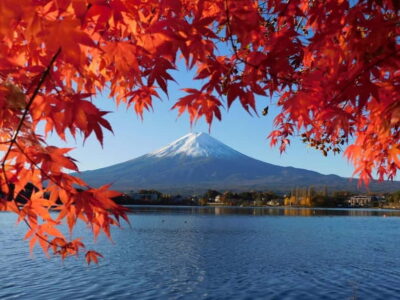
Mt Fuji and Hakone 1-Day Bus Tour Return by Bullet Train
Read our review →

teamLab Borderless Tickets: MORI Building DIGITAL ART MUSEUM
Read our review →