
Reviewed · FOOD TOURS
Tokyo Ueno Food Tour Sushi Ramen and Local Favorites
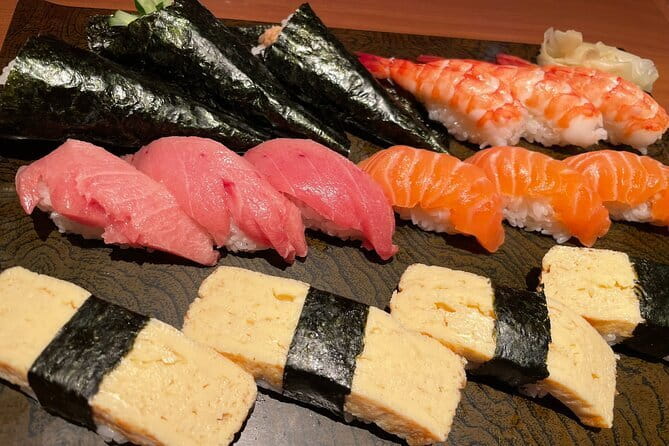
Small restaurants tell Tokyo’s best stories. This three-hour Ueno food tour takes you through Ameyoko Shopping Street and several local eateries for sushi, ramen, gyoza, yakitori, drinks, and neighborhood context. I like the small-group format, capped at five people, and the chance to eat in places where local customers actually gather. I also like that guides such as Kaho, Kana, Nana, and Nobutane add food advice and cultural detail instead of simply pointing at dishes.
The main caution is food flexibility. This tour is not suitable for vegetarians, vegans, pescatarians, or people with gluten allergies. One restaurant also permits smoking, which matters if you are sensitive to smoke. The alcohol arrangement deserves a quick check when booking, since drinks are included with the alcohol package and Japan’s legal drinking age is 20.
In This Review
- Key points to know before you book
- Why Ueno makes a good food-tour base
- What the three-hour route is likely to feel like
- Ameyoko Shopping Street: market energy with local context
- Sushi, ramen, and the comfort-food lineup
- Izakayas and the question of atmosphere
- Guides who make the food easier to enjoy
- Alcohol, age limits, and what is included
- Is $89.17 a fair price?
- Who will get the most from this Ueno outing?
- Booking details and cancellation advice
- Should you book the Ueno food tour?
- FAQ
- How long does the Ueno food tour last?
- Where does the tour start and finish?
- What foods are included?
- Are alcoholic drinks included?
- Is the tour suitable for dietary restrictions?
- How many people can join the tour?
Key points to know before you book
- Ameyoko is the tour’s setting: This former postwar black-market district now packs about 400 small shops into a compact area near Ueno Station.
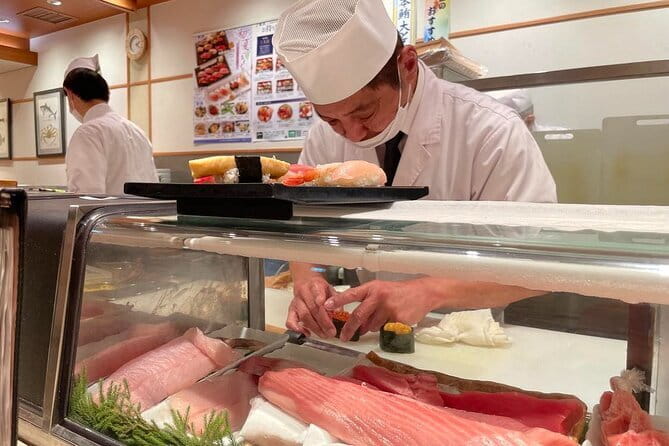
- You eat at several places: Expect seating at multiple restaurants and izakayas, with classic dishes such as sushi, ramen, gyoza, and yakitori.
- The group is very small: A maximum of five people allows for questions, food choices, and a more personal evening.
- Guides are a major strength: Kaho, Kana, Nana, and Nobutane are praised for clear explanations, good recommendations, and friendly company.
- The price is about $89.17: That is reasonable if you value a guide, several tastings, restaurant seating, and included drinks with the right package.
- The tour returns to its start: Meet at Andersen Atre Ueno, near Ueno Station, and finish back at the same point.
Why Ueno makes a good food-tour base
Ueno is a useful first stop in Tokyo because it feels less polished than the city’s grand shopping districts. Around the station, you get market stalls, small shops, casual restaurants, and narrow food streets. The area has an everyday feel that can be harder to find around major sights.
Ameyoko Shopping Street is the center of the experience. Its story begins after World War II, when the area developed as a black market. Today, roughly 400 small shops fill this tight district. That history gives the food walk some shape. You are not just moving from one restaurant to another. You are seeing how trade, station life, and casual dining grew together in Ueno.
I like this setting for a first or early Tokyo food outing. You can ask your guide what a dish is, how people order it, and which foods deserve another try later. That kind of help is useful when menus, customs, and restaurant layouts feel unfamiliar.
Ameyoko is also a practical meeting area. The start point is at Andersen Atre Ueno, 7-chome, 1F, near the station. The tour ends there as well. You will still need to pay attention to the exact meeting instructions, since Ueno Station has several exits and connected buildings.
More Food Tours in Tokyo
- Tokyo: Shinjuku Food Tour (13 Dishes at 4 Local Eateries)
★ 5.0 · 6,603 reviews - Tokyo: Shinjuku Food Tour (15 Dishes and 4 Eateries)
★ 4.9 · 2,033 reviews - Best of Shinjuku: Izakaya Food Tour (4 Stops, 14+ Tastings)
★ 5.0 · 1,863 reviews
What the three-hour route is likely to feel like
The tour lasts about three hours, with roughly two hours associated with Ameyoko Shopping Street and the food stops around it. The schedule includes several restaurants and izakayas rather than one long meal at a single address.
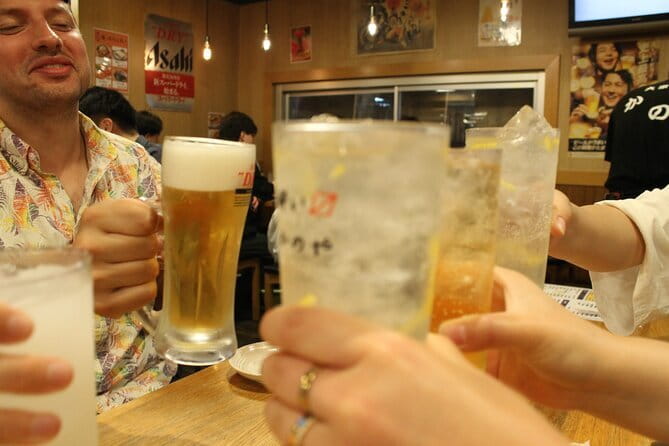
That format is the heart of the tour. You get a series of small tastings, sit down more than once, and compare different kinds of Japanese comfort food. The exact order and restaurant choices may vary, but the advertised food range includes sushi, ramen, gyoza, yakitori, and other classic dishes.
You should arrive ready to eat, but not overly full. The tour is described as a dinner outing, and the food is meant to add up across the evening. Pacing matters here. A small serving at the first stop may seem modest, but several stops later, you may be glad you did not have a large lunch just before meeting.
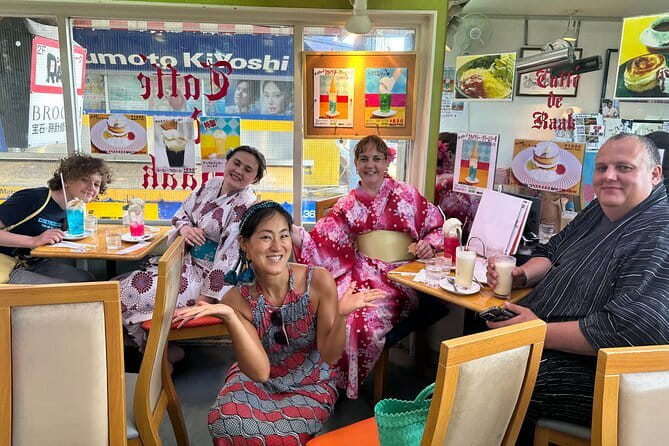
The small group also changes the mood. With no more than five participants, you can ask about ingredients, customs, or later restaurant choices without trying to speak over a busload of people. Solo visitors may find this especially comfortable. Couples and families can also get direct help rather than a one-size-fits-all speech.
Ameyoko Shopping Street: market energy with local context
Ameyoko is not a quiet historic lane. It is a compact shopping district with many shops pressed close together, so expect a busy urban setting and plenty to look at between food stops. The appeal is the mix: food, retail, station traffic, and a long connection to Ueno’s postwar life.
Your guide adds value here by explaining what you are seeing. The tour includes cultural stories about Ueno’s place in Tokyo and recommendations for food beyond the scheduled stops. That context can make the district easier to understand, especially if you are visiting Tokyo for the first time.
The drawback is that a market street is not always easy to navigate. Crowds, signs, and small storefronts can make it hard to keep track of where you are. A guide removes much of that friction. You can focus on the food and neighborhood instead of spending your evening searching for a restaurant entrance.
The itinerary gives Ameyoko a large share of the time, but the supplied schedule repeats the same stop description several times and does not give a precise list of restaurant names. You should treat the route as a guided introduction to the area rather than a fixed restaurant crawl with every venue guaranteed in advance.
Sushi, ramen, and the comfort-food lineup
The food selection is broad enough to give you a useful introduction to casual Japanese dining. Sushi offers a familiar starting point for many visitors, while ramen brings a warmer, more filling bowl to the meal. Gyoza and yakitori add the kind of shared, easy-to-order food that fits an izakaya setting.
One guide-led outing included sushi, gyoza, yakitori, and ramen. Another particularly praised the chicken ramen. These details suggest that the tour is not limited to one style of Japanese food. You get a range of textures, serving styles, and restaurant atmospheres.
That variety is a strong reason to choose this experience over booking one restaurant yourself. You can sample several dishes in one evening and learn which foods you want to pursue later. If your guide is Kaho, Kana, Nana, or Nobutane, you can also ask for suggestions that fit your tastes during the walk.
Still, do not expect a cooking class or a detailed chef’s tour. The focus is eating, moving between venues, and receiving explanations along the way. The food is the main event, while the cultural information helps you make sense of it.
A completely different kind of day out:
- Tokyo Disney Resort – Tokyo Disneyland & Tokyo DisneySea Park Tickets
★ 4.8 · 99,488 reviews - SHIBUYA SKY Ticket
★ 4.7 · 46,509 reviews - JR Whole Japan Rail Pass
★ 4.8 · 29,150 reviews - Mt Fuji and Hakone 1-Day Bus Tour Return by Bullet Train
★ 5.0 · 26,383 reviews
Izakayas and the question of atmosphere
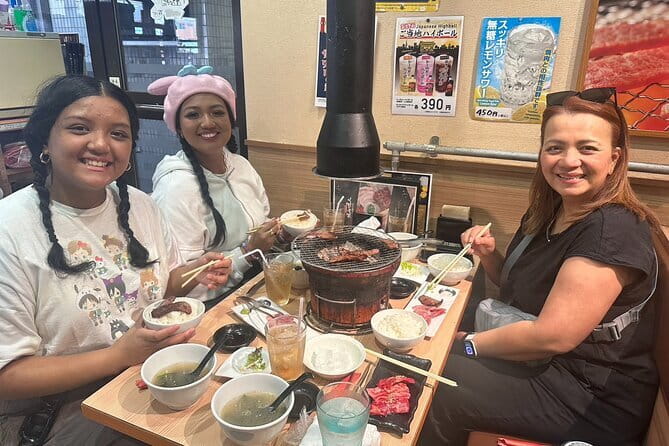
Izakayas are casual Japanese dining places built around small dishes and drinks. They are a natural match for this kind of tour because a group can try several foods without committing to a formal multi-course meal.
The experience includes seating at multiple restaurants and izakayas. That matters because you will have a place to pause and eat, not just a series of samples taken while standing in the street. You also get a better sense of how casual dining works in Ueno.
The atmosphere may be part of the charm. The restaurants selected for the tour are described as local places, with a local feel and local customers. That can be more revealing than a restaurant designed mainly for international visitors.
There is one clear trade-off. One restaurant allows smoking, a practice that still occurs in some Japanese eateries. If smoke bothers you, tell the operator in advance. The tour team says it will do its best to make the experience comfortable, but it cannot promise a completely smoke-free route.
There is no dress code. Wear comfortable clothing and shoes, since you will be walking through the district and moving between venues.
Guides who make the food easier to enjoy
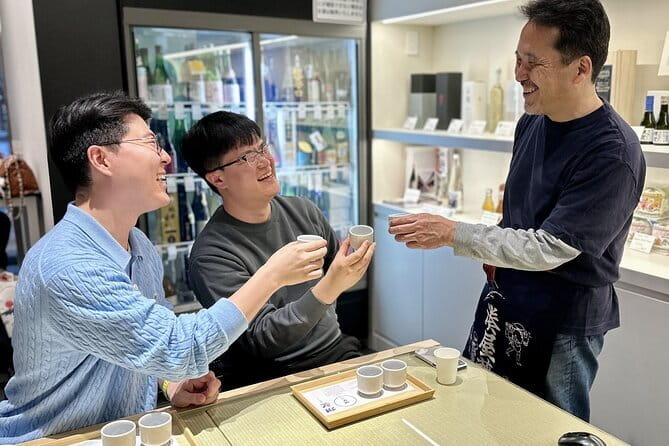
The guide is one of the strongest parts of this experience. Kaho is praised for explaining Japanese food culture and customs in good English, while also answering questions throughout the outing. Kana is described as accommodating and informative, with the ability to explain both food and local customs.
Nana has led a particularly personal experience for a solo participant, sharing her favorite Ueno places and spending time explaining the area. Nobutane has been praised for pairing good food with good drink recommendations and for creating an easygoing evening.
Those individual details matter. A food tour can be useful even with a basic route, but a good guide helps you handle unfamiliar menus and decide what to try. If you are unsure about raw fish, strong flavors, ordering customs, or drink choices, this is the person to ask.
The guides also seem to offer advice beyond the final stop. Kana has helped a participant reach the station and pointed out additional favorite places. Another useful suggestion was to take the tour early in your Tokyo trip, when the recommendations can shape the rest of your eating plans.
Alcohol, age limits, and what is included
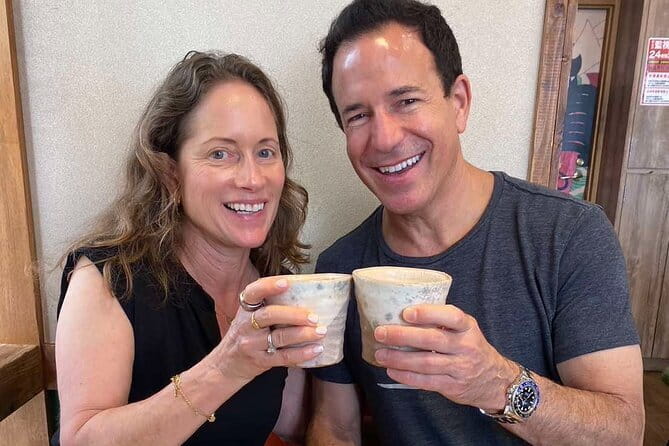
The experience includes alcoholic drinks when you purchase the alcohol package. The tour information also presents alcoholic beverages as an included feature, so check the exact booking option and inclusions before paying. That small bit of homework avoids confusion at the meeting point.
Japan’s legal drinking age is 20. Anyone under 20 cannot drink alcohol on the tour. If your group includes younger people, confirm how the food and nonalcoholic options will work before booking.
Drinks can improve an izakaya evening, especially if you want to try sake or other local choices with guidance. One outing even began with sake in the morning, showing that the operating time may not always fit the typical dinner pattern. Check your specific start time carefully, especially if you are expecting an evening meal.
The alcohol package adds value for adults who want drinks, but it should not be the reason to book if your main interest is sightseeing. The real benefit is the food access, the small group, and the local guidance.
Is $89.17 a fair price?
At about $89.17 per person, this is not a bargain meal in the everyday Tokyo sense. You could spend less by eating at one casual restaurant on your own. The price begins to make more sense when you count the guide, tastings at several stops, restaurant seating, local recommendations, and the time saved by not researching each place yourself.
A small group capped at five is another value point. Private tours in Tokyo can cost much more, while large group food walks often feel less personal. This sits between those two options.
I would book it if you want a planned first taste of Ueno and are likely to ask questions about Japanese food. I would skip it if you already know the neighborhood well, prefer choosing every dish yourself, or want a single high-end sushi meal.
The value also depends on your appetite and package. Adults who want alcoholic drinks should confirm that the alcohol option is included in the price they see. People with strict dietary restrictions may get little value from the tour because the experience is not designed for vegetarian, vegan, pescatarian, or gluten-free needs.
Who will get the most from this Ueno outing?
This tour suits first-time Tokyo visitors who want help with the basics without spending an entire day on a formal food program. It also works for solo visitors, couples, families, and people who enjoy trying several dishes in small portions.
I especially like it for the first or second day of a Tokyo stay. You can ask your guide for restaurant ideas, learn how the local dining areas work, and return to Ueno later with more confidence.
It is less suitable for someone who wants a quiet, polished restaurant setting. Ameyoko is a compact market district, and the participating restaurants may have a casual local feel rather than a refined one. It is also a poor fit for diners who cannot eat the listed foods or who need firm control over ingredients.
The tour is near public transportation, and most people can participate. Since the route begins and ends at the same meeting point, it is easier to plan around than an activity that finishes in an unfamiliar part of Tokyo.
Booking details and cancellation advice
You receive confirmation when you book, and the activity uses a mobile ticket. The tour is commonly booked well ahead, with an average booking lead time of about 51 days, so popular dates may require planning.
Free cancellation is available up to 24 hours before the start time for a full refund. Cancellations or changes made less than 24 hours before the start time are not accepted for a refund, and the cut-off follows local Tokyo time.
Give the operator advance notice about smoking concerns or other practical needs. The food restrictions are firm, so do not assume the guide can redesign the tour for a vegetarian, vegan, pescatarian, or gluten-free diet.
Should you book the Ueno food tour?
Book this tour if you want several classic Japanese foods, a tiny group, and a guide who can explain what you are eating while leading you through Ueno’s market district. The strong guide feedback, including praise for Kaho, Kana, Nana, and Nobutane, is a real reason to consider it.
I would make it an early-trip activity, especially if this is your first time in Tokyo. You get food, local orientation, and restaurant advice in one three-hour outing.
Skip it if you need strict dietary control, dislike smoking around meals, or would rather spend $89.17 on one restaurant of your own choosing. For everyone else, this is a practical, social way to get beyond the obvious tourist dining choices without turning dinner into a research project.
FAQ
How long does the Ueno food tour last?
The tour lasts approximately three hours. About two hours are associated with Ameyoko Shopping Street and the food stops in the area.
Where does the tour start and finish?
It starts at Andersen Atre Ueno, 7-chome, 1F, in Ueno, Tokyo. The activity ends back at the meeting point.
What foods are included?
The tour includes tastings of classic Japanese dishes, including sushi, ramen, gyoza, yakitori, and other foods. The exact dishes and restaurant sequence may vary.
Are alcoholic drinks included?
Alcoholic drinks are included if you purchase the alcohol package. The legal drinking age in Japan is 20, and anyone younger than 20 cannot drink alcohol during the tour.
Is the tour suitable for dietary restrictions?
The tour is not suitable for vegetarians, vegans, pescatarians, or people with gluten allergies. One restaurant also allows smoking, so mention any concerns before the tour.
How many people can join the tour?
The maximum group size is five people. This keeps the experience small and gives you more opportunity to speak with the guide.
Just added in Tokyo
- Tokyo Like a Local: Private & Personalised Experience (2-3 hours)★ 4.5 · 81 reviews
- Samurai Experience – Learn Bushido through Kendo, in Tokyo★ 5.0 · 88 reviews
- Tokyo Layover 5 Hours Private Tour★ 5.0 · 40 reviews
- Tokyo: SEGA Joypolis E-Tickets with Optional Tokyo Metro Pass★ 4.0 · 14 reviews
- Experience Big soba knife Soba Making Class in Tokyo Kappabashi★ 5.0 · 71 reviews
- Traditional Japanese Comedy, Juggling & Magic Live Show in Tokyo★ 5.0 · 37 reviews
- Imperial Palace Tour: Discover Samurai History with a Local Guide★ 5.0 · 20 reviews
- Tokyo Imperial Palace with Kagurazaka Alley Tour★ 5.0 · 54 reviews
Food Tours, compared.
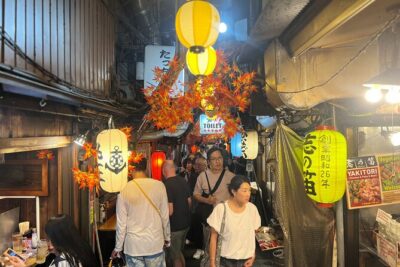
Shinjuku Food Tour (13 Dishes at 4 Local Eateries)
Read our review →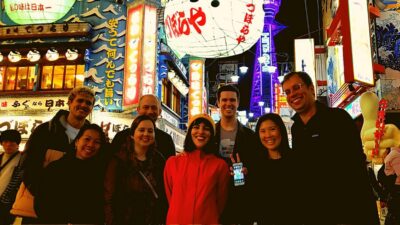
Shinsekai Food Tour with 13-15 Dishes at 5 Eateries
Read our review →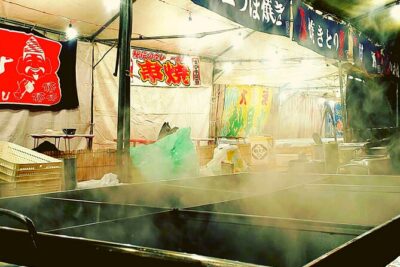
Osaka Food Tour: 13 Dishes at 5 Local Eateries
Read our review →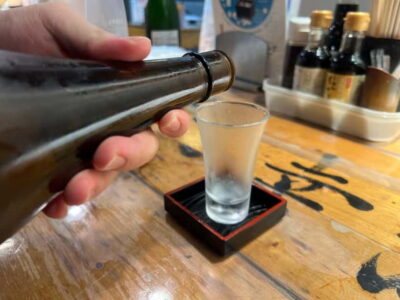
Shinjuku Food Tour (15 Dishes and 4 Eateries)
Read our review →
Best of Shinjuku: Izakaya Food Tour (4 Stops, 14+ Tastings)
Read our review →
Kyoto Night Foodie Tour in Gion (9+ dishes + 6 Sake tastings)
Read our review →
Hungry Osaka Street Food Tour:15 Tastings & 3 Drinks with a Local
Read our review →
Tokyo Night Foodie Tour in Shinjuku – Seasonal Sushi, Wagyu Beef
Read our review →Browse the lists this tour appears in