
Reviewed · WORKSHOPS
Tokyo/Ikebukuro Manga drawing workshop by pro-Manga artists
Your Tokyo souvenir can come from your own pen. This two-hour workshop in Ikebukuro gives you direct instruction from a professional Japanese manga artist, with lessons in character creation, panel layout, story structure, and chibi-style drawing. I like the small maximum group of eight, which leaves room to ask questions, and I like that beginners and experienced artists can choose different course levels.
The workshop also includes all drawing supplies, an original clear file, and three postcards to take home. The main consideration is the price: at $114 per person, this is not a cheap casual art class. You are paying for specialist instruction and a hands-on cultural experience, so it makes the most sense if you want to do more than simply look at manga in shops and museums.
In This Review
- Key points to know before booking
- What the two-hour workshop is really about
- Choosing between beginner, intermediate, and advanced
- From travel memory to manga page
- Creating an original chibi character
- Learning from a professional Japanese manga artist
- The included tools make the class easy
- Getting to Manga Dojo Tokyo in Ikebukuro
- Is $114 a fair price?
- Who will enjoy this most?
- Souvenirs that mean more than a shop purchase
- Booking, timing, and cancellation
- Should you book this manga class?
- FAQ
- How long does the manga drawing workshop last?
- Where does the activity start?
- Where does the activity end?
- What skill levels are available?
- Is drawing equipment included?
- What souvenirs are included?
- Can I cancel for a full refund?
Key points to know before booking
- Three skill levels: Choose beginner, intermediate, or advanced instruction so the lesson better matches your drawing experience.
- Professional instruction: A working Japanese manga artist teaches character design and manga-making methods during the two-hour class.
- Small class size: The group is capped at eight people, giving you a better chance to receive help than in a large studio.
- Complete drawing kit: Screen tones, ink, pens, and comic paper are included, so you do not need to bring art supplies.
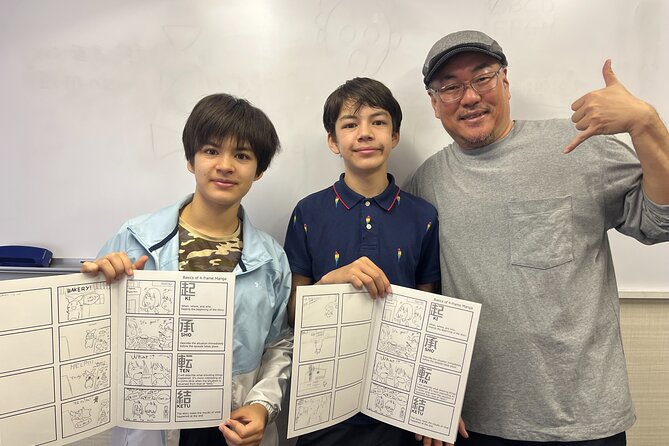
- A personal souvenir: You create an original manga piece and receive a MANGA DOJO TOKYO clear file plus three postcards.
- Central Ikebukuro location: The class begins and ends at Manga Dojo Tokyo, making it easy to plan around other time in the area.
What the two-hour workshop is really about
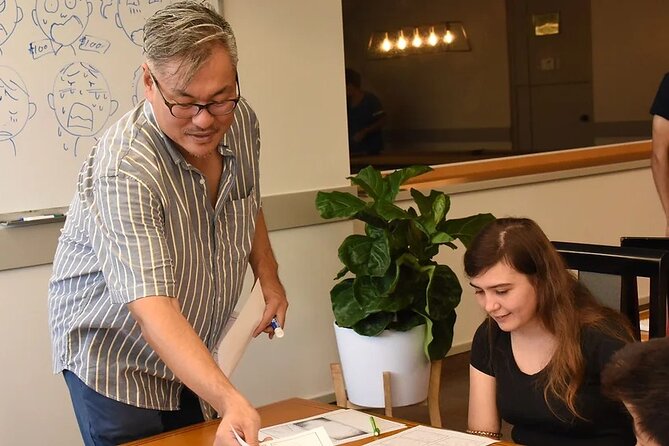
This is not a sightseeing tour with a short drawing demonstration. You sit down and work through the basic steps of manga creation, guided by an artist who knows the form from the inside.
The class covers three connected parts of the process: planning a story, arranging panels, and creating characters. That combination matters because manga is not simply a matter of drawing large eyes or copying a popular style. The page needs movement, timing, and a clear order for the reader to follow.
You can expect the tutor to lead you through exercises and examples before you make your own work. The exact balance will depend on the level you choose and the needs of the group, but the goal is clear: in two hours, you should finish with something that feels like your own creation rather than a worksheet completed for you.
That makes the class useful even if you are not confident with a pencil. One participant with drawing experience attended with a husband who had never drawn before, and the class was able to involve both of them. For couples, families, or friends with different ability levels, that flexibility is a real advantage.
A few more options to weigh up in Tokyo
- Tokyo Disney Resort – Tokyo Disneyland & Tokyo DisneySea Park Tickets
★ 4.8 · 99,488 reviews - SHIBUYA SKY Ticket
★ 4.7 · 46,509 reviews - JR Whole Japan Rail Pass
★ 4.8 · 29,150 reviews
Choosing between beginner, intermediate, and advanced
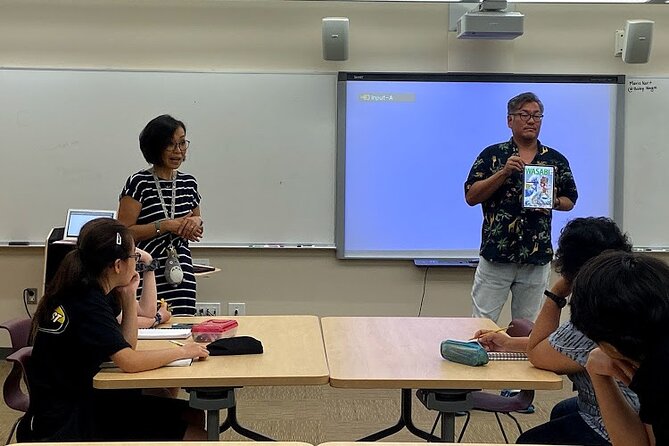
Pick your level carefully when you book. The three choices are designed for different abilities, and the class works best when you do not choose a course simply because its title sounds more impressive.
The beginner course is the safest choice if you have little drawing experience or feel unsure about basic shapes and character construction. It should also suit younger children better than an advanced class, since the instructions can match their ability more closely.
The intermediate course fits you if you already understand basic drawing but want more practice with manga-specific character work, page design, or storytelling. You may get more from this level if you have drawn before and do not need every step explained from the start.
The advanced course is intended for aspiring artists and people with stronger drawing skills. The supplied information does not promise professional portfolio coaching or a career lesson, so keep your expectations sensible. You are getting focused workshop instruction, not a full art-school program.
If you are booking for several people, talk through the levels before arriving. It may be better for each person to take the class that suits their skill rather than forcing a whole group into one level. The workshop is small enough that individual questions can still be part of the experience.
From travel memory to manga page
One of the most appealing lesson ideas is turning a travel memory into manga. Instead of drawing a generic character, you can use something from your time in Japan as the starting point for a short scene or illustration.
That idea gives the workshop a useful link to your trip. You are not just practicing a Japanese art form in isolation. You can shape a character, setting, or small travel episode into a page that reminds you of Tokyo after you return home.
The class also introduces story structure and panel layout. These lessons help you understand why manga reads the way it does. A panel can show an action, a reaction, a change in time, or a detail that sets the mood. Even a simple travel memory becomes more interesting when you decide what to show first and what to leave for the next panel.
Do not expect to produce a long comic in two hours. The value comes from learning how the pieces fit together and finishing a small, personal work. If you prefer a polished professional result, you may find the time short. If you want a creative souvenir with a story behind it, the format works well.
Creating an original chibi character
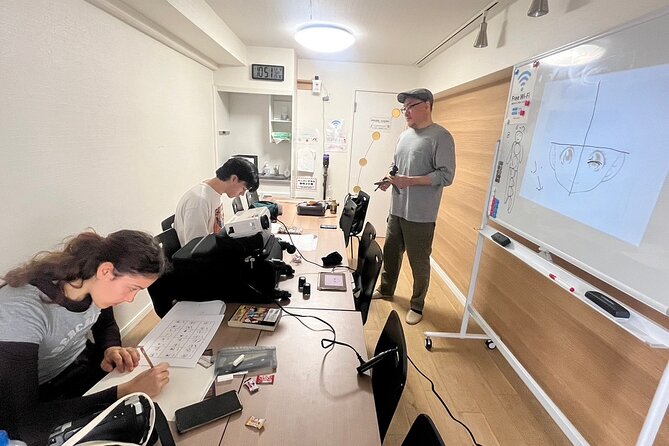
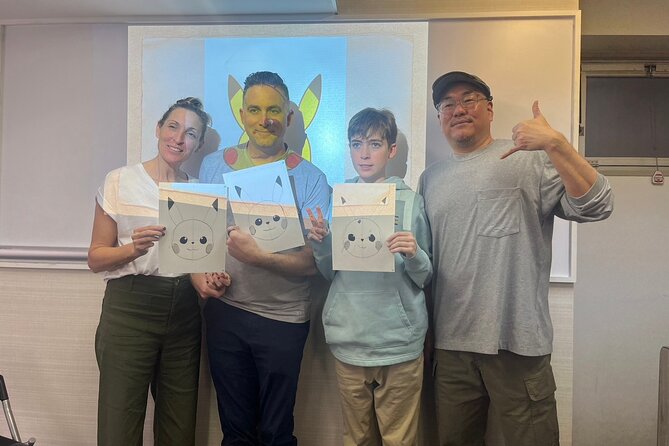
Character design is another central part of the class. You learn to draw chibi-style figures, then combine different features from reference samples to build your own character.
Chibi drawing can be approachable for beginners because it uses simplified proportions and expressive details. At the same time, it gives more experienced artists room to make choices about clothing, hair, facial expression, and personality.
The important word here is original. You are not only reproducing a famous manga character. You use examples for guidance, then make choices that shape your own figure. That makes the finished sheet more personal and avoids the feeling that you have merely copied a model.
This section should suit children and adults, but younger participants may need help staying focused during the full two hours. The supplied information says most people can take part, though it does not give a minimum age. If you are considering the class for a child, select the level that best fits the child’s abilities.
A completely different kind of day out:
- Mt Fuji and Hakone 1-Day Bus Tour Return by Bullet Train
★ 5.0 · 26,383 reviews - TOKYO SKYTREE® Ticket
★ 4.7 · 25,136 reviews - teamLab Borderless Tickets: MORI Building DIGITAL ART MUSEUM
★ 4.7 · 24,126 reviews - teamLab Planets TOKYO Ticket
★ 4.7 · 21,663 reviews
Learning from a professional Japanese manga artist
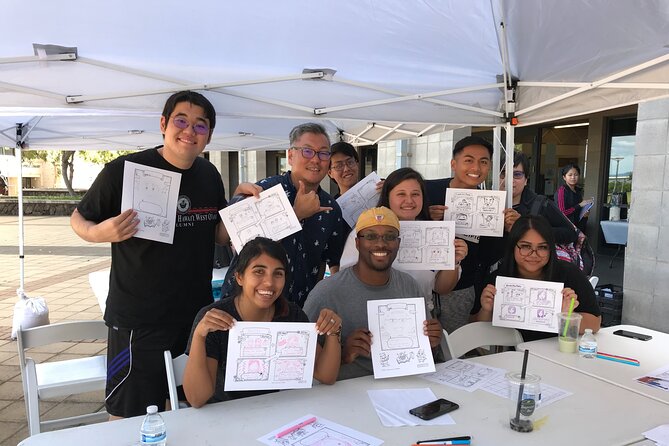
The tutor is a professional manga artist, and that is the feature that gives the workshop its cultural value. You are learning a Japanese art form from someone who works within that tradition, rather than watching a general craft demonstration led by a guide.
The instruction is described as step by step, which is helpful if you worry that the class will move too quickly. One especially useful message from the teaching is that there are no strict limits on what you can draw or achieve. That does not mean every sketch will look perfect. It means the workshop encourages you to try ideas instead of treating manga as a set of rules only experts can follow.
You also have a chance to ask questions during the lesson. With a group limit of eight, the setting should feel more personal than a large public class. You can ask about a technique, request help with a character, or check how to arrange an idea on the page.
The official language offered is English guidance. If you are comfortable learning through demonstrations, samples, and short explanations, that should be enough for a practical art session. Still, anyone expecting a long lecture in fluent English should keep the format in mind. This is a drawing workshop first.
The included tools make the class easy
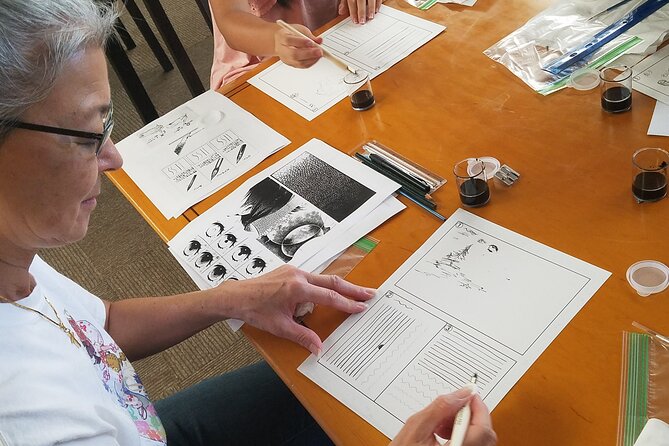
All the main equipment is supplied: screen tones, ink, pens, and comic paper. That is useful for you because manga production often involves tools that are unfamiliar if you normally draw with a standard pencil or tablet.
Screen tones are especially tied to the printed manga look. They let you add patterns, shadows, and texture to a page without having to shade every area by hand. Using them during the class gives you a small but meaningful taste of the production methods behind the finished style.
You do not need to budget for a separate art kit, and the mobile ticket makes entry simple. Bottled water and snacks are not included, so plan around the two-hour session if you need refreshments. The experience ends back at the same meeting point, with no transport segment attached.
Getting to Manga Dojo Tokyo in Ikebukuro
The meeting point is Manga Dojo Tokyo, at 602 Sansho Building, 1-31-6 Higashiikebukuro, Toshima City, Tokyo 170-0013. The activity begins and ends there.
The location is near public transportation and in central Ikebukuro, which makes it practical to combine with other plans. You can explore the area before the class or continue sightseeing afterward without crossing the city for your next stop.
Allow yourself enough time to find the building and room before the start. The address includes the building and room number, so it is worth checking your route carefully rather than arriving at the neighborhood and assuming the venue will be obvious.
Ikebukuro is also a sensible base for a manga-themed day because the class gives you a creative activity, not just shopping time. The experience itself takes about two hours, leaving room on either side for other plans. No separate end point needs to be arranged.
Is $114 a fair price?
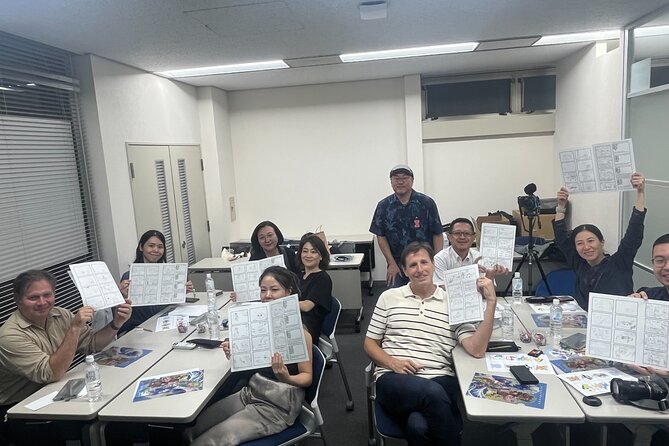
At $114 per person, this workshop costs more than a simple public drawing activity. The price is easier to justify if you value the combination of a professional tutor, specialized materials, a small group, and a finished personal souvenir.
You are also paying for access to an art form that can be hard to understand from the outside. Guidebooks can explain that manga is important in Japanese pop culture, but a practical lesson shows you how stories, panels, characters, and visual details work together.
The value drops if you only want a quick novelty or already have advanced professional training. You might feel constrained by the two-hour format, especially if you want detailed feedback on a large project. The class is best viewed as a focused cultural workshop, not as a full private lesson.
Group discounts may improve the cost for families or friends booking together. Since the group maximum is eight, the experience should also avoid the impersonal feeling that can come with a crowded class. The high rating of 4.9 from 65 ratings and a 97 percent recommendation figure suggest strong satisfaction, though your enjoyment will still depend on choosing the right level.
Who will enjoy this most?
I would recommend the class to you if you like hands-on activities and want a souvenir with a personal story. It suits a solo participant who wants to ask questions, a couple with different drawing abilities, or a small family group that can choose suitable levels.
It is also a good fit for fans of Japanese pop culture who want context beyond character merchandise. You will learn how manga pages are planned and how a character is built, which gives you a better sense of the craft behind the finished books and shows you already know.
Beginners should not feel embarrassed. The class is designed to include people without drawing experience, and the step-by-step teaching can help you lose the hesitation that often comes with putting a blank page in front of you.
You may want to skip it if you dislike structured instruction, need a long break during a two-hour session, or want to spend your Tokyo time entirely outdoors. Snacks and bottled water are not provided, and the class is held at one fixed location.
Souvenirs that mean more than a shop purchase
Your main souvenir is the manga work you create during class. It may not be perfect, but that is part of its value. You can remember the choices you made, the techniques you tried, and the time you spent making something rather than buying something.
You also receive a MANGA DOJO TOKYO original clear file and three postcards. These are easy to pack and useful after the trip, especially if you want to send a small reminder of Japan to someone at home.
The postcards are an added benefit, not the main reason to book. If the class itself does not appeal to you, the printed items alone would not justify the cost. But alongside your own artwork, they make the take-home package feel complete.
Booking, timing, and cancellation
The workshop is commonly booked about 31 days ahead, so you should not leave it until the last moment if your Tokyo dates are fixed. Confirmation is sent within 48 hours of booking, subject to availability.
You can cancel for a full refund up to 24 hours before the local start time. Cancellations or changes made less than 24 hours before the experience are not accepted for a refund.
The activity lasts about two hours and returns to the meeting point. Most people can participate, and the class has a maximum of eight participants. Since the precise class schedule and available level depend on availability, check those details before finalizing your plans.
Should you book this manga class?
Book it if you want to make something in Tokyo, not simply collect another purchased souvenir. The strongest reasons are the small group, the professional Japanese manga artist, the choice of three levels, and the chance to turn a travel memory into your own page.
I would especially choose it for a mixed-ability couple or family. The class has enough structure to help a beginner and enough flexibility to keep a more experienced artist involved. At $114, it needs to be a planned highlight rather than an impulse activity, but the materials, guidance, and personal artwork give it a stronger value than a basic craft class.
Skip it if your interest in manga is only casual or if you want a cheap, drop-in activity. For everyone else, this is a thoughtful two-hour way to connect with Japanese pop culture through your own hands.
FAQ
How long does the manga drawing workshop last?
The workshop lasts approximately two hours.
Where does the activity start?
It starts at Manga Dojo Tokyo, 602 Sansho Building, 1-31-6 Higashiikebukuro, Toshima City, Tokyo 170-0013.
Where does the activity end?
The activity ends back at the Manga Dojo Tokyo meeting point.
What skill levels are available?
You can choose from beginner, intermediate, and advanced courses.
Is drawing equipment included?
Yes. The workshop supplies screen tones, ink, pens, and comic paper.
What souvenirs are included?
You receive a MANGA DOJO TOKYO original clear file and a set of three postcards. You also create your own manga artwork during the workshop.
Can I cancel for a full refund?
Yes. You can cancel at least 24 hours before the local start time for a full refund. Cancellations or changes made less than 24 hours before the start time are not accepted for a refund.
Just added in Tokyo
- Manga Lesson with a Professional Japanese Manga Artist in Nakano★ 5.0 · 77 reviews
- Making a bento box with cute character look in Japan★ 5.0 · 15 reviews
- Luxury Tokyo Sake, Cocktail, Whisky and Pairing Tour★ 5.0 · 18 reviews
- Tokyo Ueno Food & Nature & Localtown Tour: 10Dishes+ Drinks★ 5.0 · 34 reviews
- Make Your Own Bonsai with a Professional Bonsai Artist in Tokyo★ 4.5 · 18 reviews
- Make Traditional Nerikiri Sweets & Matcha experience in Shibuya★ 5.0 · 130 reviews
- Daikoku Parking Tokyo Drift & APIT Car Meet JDM Culture Tour★ 5.0 · 79 reviews
- Official Sumo Tournament Ticket with Guided Experience★ 4.5 · 19 reviews
Workshops, compared.

Sushi Making Tokyo Roll and Authentic Japanese Sushi Class
Read our review →
Gion Make Your Own Chopsticks with Engraving Option
Read our review →
Roll and Authentic Sushi Making Class in Asakusa
Read our review →
Ramen Cooking Class at Ramen Factory in Kyoto
Read our review →
Tokyo Asakusa Chopsticks Workshop: Make Your Own Pair
Read our review →
Ring Making Workshop : Vintage Japanese Coin Ring
Read our review →Browse the lists this tour appears in