
Reviewed · ONSEN AND WELLNESS
Tokyo Ikebana Wellness Art Experience near Shinjuku
Flowers can slow Tokyo down.
This 90-minute Ikebana workshop gives you a quiet, hands-on look at Japanese flower arrangement in central Tokyo. I like the gentle, beginner-friendly teaching from Ai-sensei, and I like that you take your finished arrangement with you. The main consideration is the fixed 1:00 pm start in Nakano, which may not fit every sightseeing plan.
The group is limited to five people, so you should receive more attention than in a large craft class. Still, this is a non-refundable booking, and the activity ends where it starts, so check your schedule and train route before paying.
In This Review
- Key Points Before You Book
- What Ikebana Adds to a Tokyo Trip
- Arriving in Nakano at 1:00 pm
- Beginning With Ikebana’s Story
- Choosing Flowers, Branches, and Space
- Learning With Ai-sensei
- The Japanese-Style Room and the Quiet Mood
- Taking Your Arrangement Back to Your Hotel
- Is $52.71 a Fair Price?
- Who Should Choose This Workshop?
- Final Verdict: A Small Class With Real Personal Value
- FAQ
- How long does the Ikebana experience last?
- What time does the experience begin?
- Where does the activity meet?
- Where does the activity end?
- Do I need previous Ikebana experience?
- Is the class taught in English?
- How many people can join the activity?
- Can I take my flower arrangement with me?
Key Points Before You Book
- A true first-timer activity: You need no previous Ikebana experience, and the lesson begins with simple background and basic methods.
- Personal instruction from Ai-sensei: Participants describe her English guidance as kind, clear, and carefully paced.
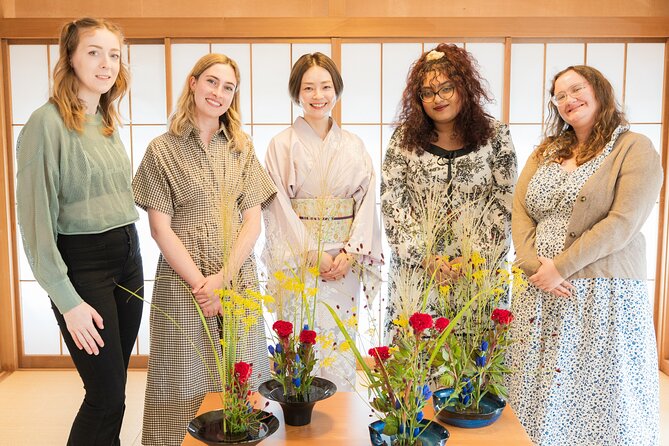
- A small group of up to five: The limited size allows the instructor to advise you on branch length, leaf direction, balance, and placement.
- A peaceful Japanese-style setting: The bright, attractive room helps create a calm break from Tokyo’s busy streets.
- Your flowers go back to your hotel: You can enjoy the arrangement during your stay instead of leaving the work behind.
- Seasonal materials shape the lesson: The flowers and branches vary, so the activity connects Japanese design with the time of year.
What Ikebana Adds to a Tokyo Trip
Tokyo offers plenty of fast-moving sights. You can spend the morning crossing Shibuya, riding packed trains, and weaving through department stores. Then, for 90 minutes, you sit with flowers and consider one branch at a time.
That change of pace is the heart of this experience. Ikebana is not simply putting flowers in a vase. You learn to notice the shape of each stem, the direction of each leaf, the spaces between branches, and the way a small change can alter the entire arrangement.
The workshop introduces Ikebana as a Japanese art with roughly 600 years of history. That background matters because it gives your activity a cultural frame. You are not just making a souvenir. You are learning why Japanese flower arrangement values line, space, balance, seasonality, and the individual character of natural materials.
You do not need to arrive with artistic confidence. In fact, the activity seems particularly well suited to people who assume Ikebana will be formal, difficult, or reserved for experts. The class uses a free-style approach, so you can work within basic principles while still making choices of your own.
More Onsen and Wellness in Tokyo
- Senkyaku Banrai Toyosu Manyo Club Onsen Experience in Tokyo
★ 4.7 · 1,690 reviews - From Tokyo: Private Tour to Fuji/Hakone – Onsen, Art, Nature
★ 5.0 · 116 reviews - Mt. Fuji, Hakone Private Tour from Tokyo – Onsen, Arts and Nature
★ 5.0 · 79 reviews
Arriving in Nakano at 1:00 pm
The meeting point is in Nakano City at 3-chome Nakano, Tokyo 164-0001, at M SQUARE. The activity begins at 1:00 pm and ends back at the same location.
The address is near public transportation, but you should allow time to locate the exact building. Central Tokyo addresses can be confusing, especially when you are moving between stations, shopping streets, and residential blocks. Use the mobile ticket and booking confirmation on your phone, and avoid planning a tight appointment immediately afterward.
Nakano is a useful location for this kind of class. It is close enough to fit into a day around Shinjuku, yet the workshop itself offers a quieter setting than the major commercial districts. If you are staying near Shinjuku, make the train ride part of your planning rather than treating the activity as if it were directly beside Shinjuku Station.
The 1:00 pm start also works well as a midday reset. You can visit a morning attraction first, attend the class, then continue your afternoon in Nakano or return toward Shinjuku. The drawback is simple: there is only one stated start time, so flexibility is limited.
Beginning With Ikebana’s Story
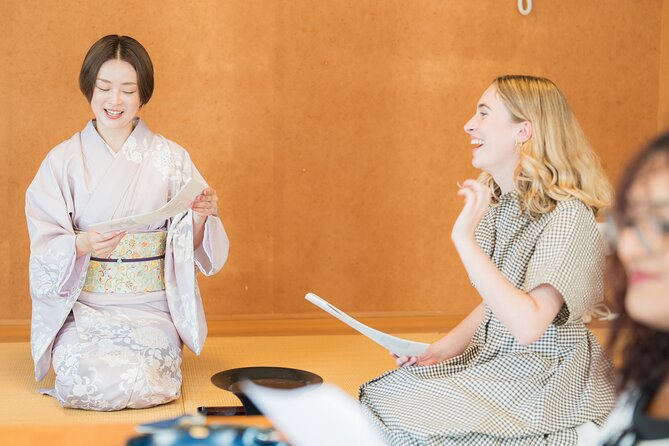
The class starts with an introduction to Ikebana’s origins, history, and cultural meaning. Ai-sensei also shows photographs of her own work, helping you see the possibilities before you begin cutting stems.
This opening is more useful than a long lecture would be. You get enough context to understand that the finished piece does not need to look like a dense bouquet. The structure may depend on a few strong lines, open space, and a careful relationship between the flowers and branches.
The introduction also covers flower vases, tools, major Ikebana styles, and basic handling. The exact lesson can feel different depending on the seasonal materials used that day, but the purpose remains clear: give you a few rules, then let you make decisions.
That balance is important. Too much theory would turn a short activity into a classroom lecture. Too little would reduce it to a standard flower craft. Here, the background prepares you to understand the choices you make at the table.
Choosing Flowers, Branches, and Space
The hands-on portion begins with the materials provided for the session. Seasonal flowers and branches are part of the appeal. You may work with blooms that are familiar, but the branches, leaves, and changing forms give the arrangement its Japanese character.
One of the most useful lessons is that the same flowers can produce completely different results. Participants create distinct shapes even when working with the same number of stems. That gives you permission to make a personal arrangement rather than chase a single correct model.
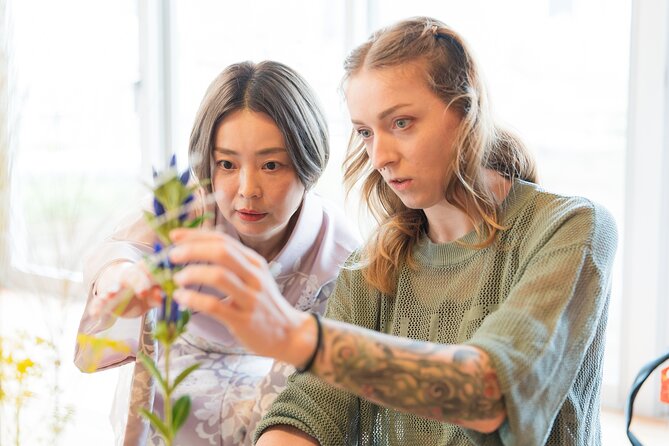
The instructor guides you through the practical decisions. You learn how to handle the flowers, cut them, consider their length, and decide which material should take the leading role. Reviews of the class repeatedly describe advice about branch direction, leaf orientation, height, and balance.
Small adjustments matter. Raising a chrysanthemum, removing one leaf, or turning a branch can change the feeling of the whole piece. This is where Ikebana becomes more interesting than simply filling a vase. You are paying attention to what the flower wants to do.
The process also has a mindful quality, though you do not need to treat it as a formal meditation. You simply slow down, look closely, and make one choice after another. For many people, that is enough to create a welcome sense of calm.
A completely different kind of day out:
- Tokyo Disney Resort – Tokyo Disneyland & Tokyo DisneySea Park Tickets
★ 4.8 · 99,488 reviews - SHIBUYA SKY Ticket
★ 4.7 · 46,509 reviews - JR Whole Japan Rail Pass
★ 4.8 · 29,150 reviews - Mt Fuji and Hakone 1-Day Bus Tour Return by Bullet Train
★ 5.0 · 26,383 reviews
Learning With Ai-sensei
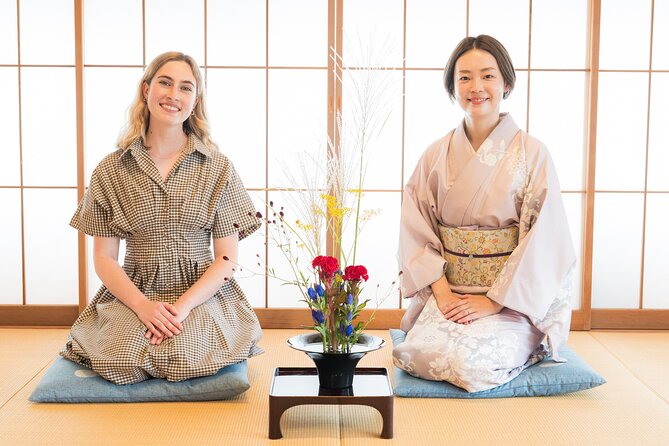
Ai-sensei receives the strongest praise for her manner of teaching. Her guidance is described as warm, patient, and easy to understand, with English instruction available for international participants.
That point is especially important if you are worried about language. You should not expect a specialist vocabulary lesson in advanced English, but the core directions are explained clearly enough for beginners to follow. Ai-sensei demonstrates the process, then gives individual advice as you work.
The small group limit of five supports this style. You are not left to copy a demonstration from across a crowded room. The instructor can look at your arrangement and suggest a small correction that fits your idea.
Just as important, she appears to respect personal choices. If you have a shape in mind, the goal is not to replace it with the teacher’s design. Instead, the guidance helps you make your idea stronger while staying within the basic rules of Ikebana.
That makes the class suitable for couples, friends, colleagues, families, and solo participants. Several people who arrived nervous finished with a sense of achievement. Men also took part successfully, so this is not an activity limited to one age group or type of visitor.
The Japanese-Style Room and the Quiet Mood
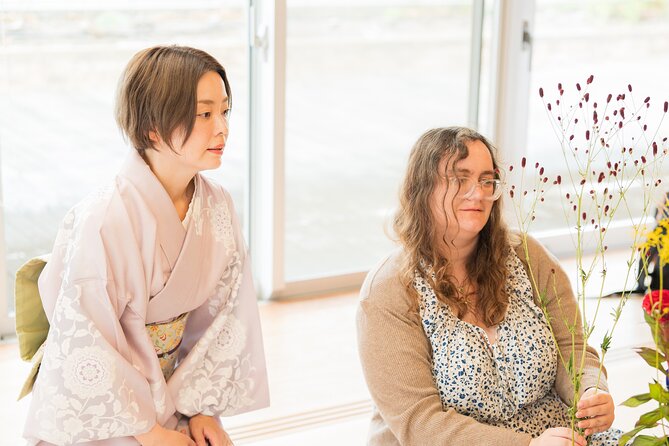
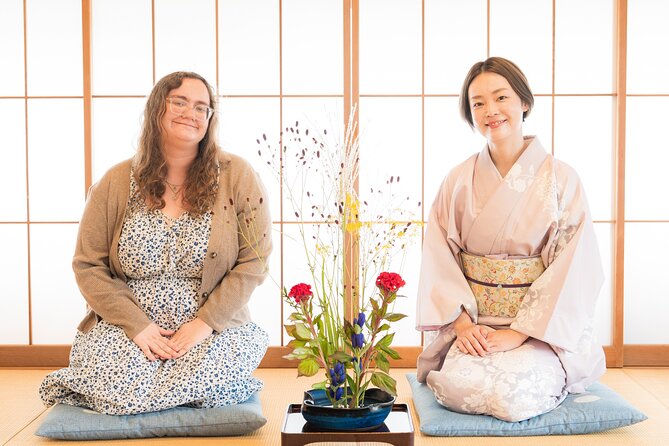
The setting contributes a great deal. The room is described as clean, bright, attractive, and Japanese in style. That does not mean you are touring a major historic building. It means the surroundings support the lesson instead of competing with it.
You sit with the flowers in a space that feels separate from Tokyo’s traffic and noise. The result is a short pause that can feel surprisingly substantial during a packed city itinerary.
The atmosphere is calm without being stiff. Participants describe pleasant conversation, friendly instruction, and enough quiet to concentrate. That mix matters. An overly formal setting could make a first lesson intimidating, while a noisy workshop would weaken the reflective side of Ikebana.
I would choose this activity when you want a cultural experience that asks you to participate. You are not only watching a demonstration or taking photographs. Your hands are busy, your decisions shape the result, and the finished arrangement carries a little of your personality.
Taking Your Arrangement Back to Your Hotel
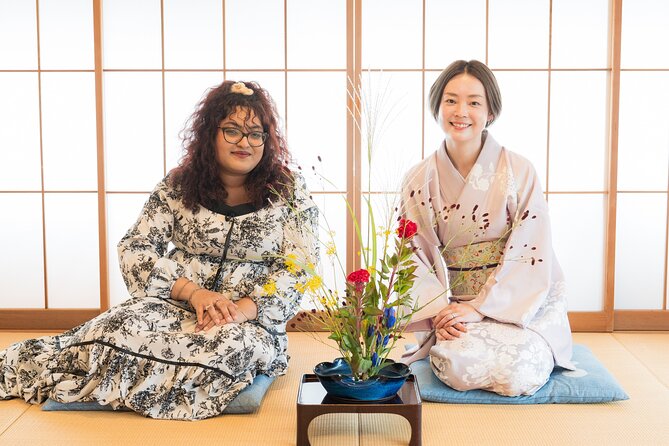
The practical reward comes at the end. You can take your arrangement with you and enjoy it during the rest of your stay, perhaps in your hotel room.
That is a better souvenir than another small object in a crowded suitcase. The flowers give you something to look at during the evening, and they connect your room with the activity you just completed.
You should remember that fresh flowers are temporary. Their lifespan depends on the materials and how you care for them, and no specific preservation method is provided in the details for this activity. Still, the short life of the arrangement fits the spirit of seasonal Japanese flower art. You enjoy it now, not indefinitely.
The take-home element also makes the workshop feel complete. You begin with an unfamiliar set of flowers and finish with something you made yourself. Several participants found themselves attached to the result and continued enjoying the flowers at home.
Is $52.71 a Fair Price?
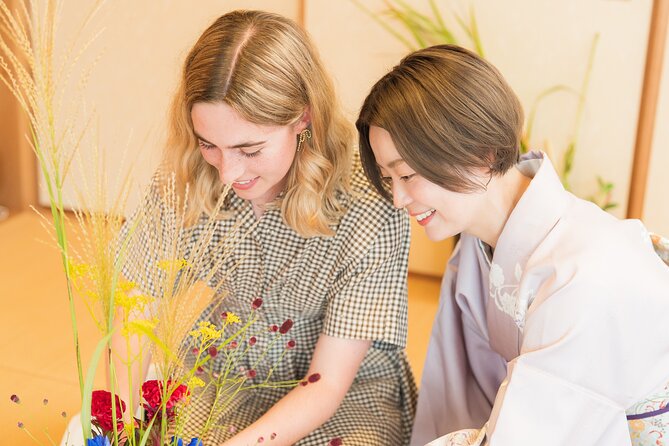
At $52.71 per person, this is not the cheapest way to spend 90 minutes in Tokyo. You could visit a park or browse Nakano shops for less. The value depends on what you want from your sightseeing.
You are paying for instruction, materials, cultural explanation, a small group, and a finished arrangement. The maximum of five people is a real advantage because personal correction is central to learning Ikebana. A larger class might cost less, but it could also leave you with fewer chances to ask questions or receive advice.
The price makes more sense if you value authentic participation over a quick photo opportunity. You learn about Japanese aesthetics, work with seasonal flowers, and take the result away. It also suits visitors who want a calmer cultural activity between major attractions.
I would be less enthusiastic if you are looking for a long workshop, advanced training, or a detailed course in one particular Ikebana school. The experience lasts about an hour and a half, so it is an introduction rather than a full certification lesson.
It is also worth noting that the activity is usually booked about 22 days ahead. That pattern suggests you should not assume you can decide at the last minute, especially if your Tokyo dates are fixed.
Who Should Choose This Workshop?
I would recommend it to first-timers who have always been curious about Ikebana but felt unsure how to begin. The lesson removes the formal barrier and lets you learn through direct practice.
It is also a good choice for:
- Couples who want a shared activity with a lasting, personal souvenir
- Friends or colleagues looking for a quiet break from shopping and sightseeing
- Families seeking a cultural activity that can suit different ages
- Visitors who enjoy design, flowers, crafts, or Japanese traditions
- People who prefer making something to simply looking at another attraction
- Anyone who wants a slower afternoon near the Shinjuku and Nakano area
You may want to skip it if your schedule cannot accommodate a 1:00 pm start, if you dislike working with fresh flowers, or if you need a refundable booking. The activity is non-refundable and cannot be changed for any reason, so this is one reservation to make only after checking your plans.
Most people can participate, and the activity is near public transportation. No prior skill is required. If you are already in Japan, you do not need to provide a passport number or flight information when booking. If those fields appear, enter N/A as instructed.
Final Verdict: A Small Class With Real Personal Value
I like this workshop because it offers something Tokyo does not always make easy: time to stop. You learn enough history to understand the art, then use your own hands to test its principles.
The best parts are Ai-sensei’s patient English guidance, the group size of five, the attractive Japanese-style room, and the fact that your work comes with you. The main limits are the fixed meeting time, the short length, and the strict non-refundable policy.
Book it if you want an approachable introduction to Japanese culture, especially if you like flowers, design, or thoughtful hands-on activities. If you are hoping for advanced instruction or a full-day craft course, choose something longer. For a compact and personal cultural experience near Shinjuku, this is a strong use of 90 minutes.
FAQ
How long does the Ikebana experience last?
The activity lasts approximately 1 hour and 30 minutes.
What time does the experience begin?
The stated start time is 1:00 pm.
Where does the activity meet?
It meets at M SQUARE, 3-chome Nakano, Nakano City, Tokyo 164-0001, Japan.
Where does the activity end?
The experience ends back at the meeting point.
Do I need previous Ikebana experience?
No. The workshop is designed for beginners, and no prior experience is required.
Is the class taught in English?
Ai-sensei provides guidance in English, and participants describe the explanations as clear and easy to understand.
How many people can join the activity?
The group has a maximum of five participants.
Can I take my flower arrangement with me?
Yes. You can take your completed arrangement with you and enjoy it during your stay, including in your hotel room.
Just added in Tokyo
- A One-of-a-Kind Sushi Experience in a Special Place of Japan★ 5.0 · 15 reviews
- Tokyo Cute Bento Cooking Class – Make a Kawaii Character Lunchbox★ 5.0 · 126 reviews
- Japanese Home Cooking Class & Walk in Todoroki Temple Tokyo★ 5.0 · 88 reviews
- Japan Tokyo Tower Observatory Deck E-Ticket★ 4.0 · 34 reviews
- Catch a Baseball Game in Tokyo with a Local – Tickets Included★ 5.0 · 24 reviews
- JDM Experience with Fast&Furious RX-7 (English speaking Driver)★ 5.0 · 57 reviews
- Tokyo Private Day Tour by Car with English speaking Driver Guide★ 4.0 · 29 reviews
- Japan Classic 10 Day – One Life Adventures★ 5.0 · 129 reviews
Onsen and Wellness, compared.
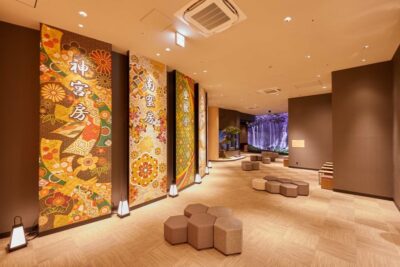
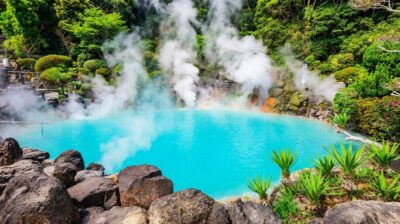
Kyushu One-Day Tour: Yufuin no Mori Train & Yufuin Town & Nyoirin-ji Temple & Dazaifu & Hell Hot Springs (Departing from Fukuoka)
Read our review →
Senkyaku Banrai Toyosu Manyo Club Onsen Experience in Tokyo
Read our review →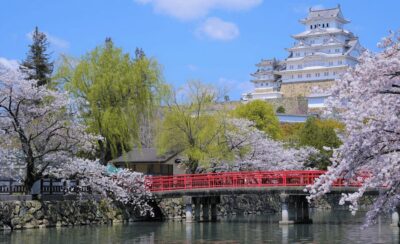
Himeji Castle, Arima Onsen & Mt. Rokko Day Tour
Read our review →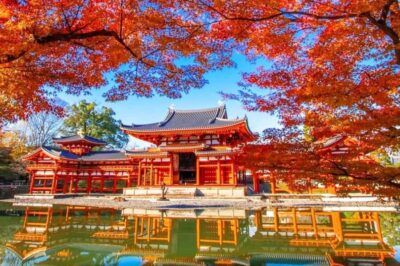
Nara and Uji Day Trip with Deer Park and Hot Spring
Read our review →
Private Tour to Fuji/Hakone – Onsen, Art, Nature
Read our review →Mt. Fuji, Hakone Private Tour from Tokyo – Onsen, Arts and Nature
Read our review →
Browse the lists this tour appears in