
Reviewed · WORKSHOPS
Tokyo: Manga Drawing Workshop Guided by Pro Manga Artist
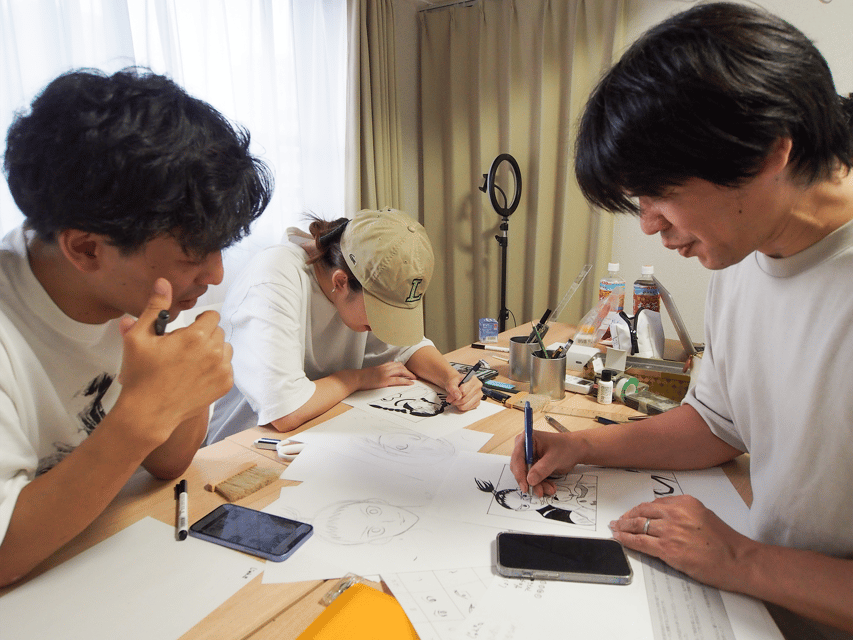
Bring your anime dream to paper. This 150-minute workshop lets you work through the traditional manga process with a professional artist who has more than 20 years of experience. You sketch, ink, add solid blacks and screen tones, then finish your own manga panel in central Tokyo.
I especially like the small groups of up to eight and the patient help from both the manga artist and interpreter. The finished, laminated artwork is also a far more personal souvenir than another keychain or character plush. The main consideration is that the class may suit beginners better than advanced artists who want complete creative freedom. Some participants receive a strong artist-made outline to trace and develop rather than creating every line from scratch.
This is a good fit for families, couples, solo art fans, and anyone who likes One Piece, Naruto, anime, or Japanese comics. You do not need drawing experience, and all materials are provided. The meeting point is in Shibuya, though the narrow black building can be tricky to spot, so arrive early.
In This Review
- What makes this workshop special
- Arriving at the black building in Shibuya
- Your first task: turn an idea into a manga panel
- Rough sketching with a professional sensei
- From pencil lines to ink
- Solid blacks and the magic of screen tones
- Speech bubbles and a finished souvenir
- The sensei and interpreter make the difference
- Is $129 a fair price?
- Who should book this class?
- Practical details before you reserve
- Should you book the Tokyo manga workshop?
- FAQ
- Where is the manga drawing workshop held?
- How long does the workshop last?
- How much does the workshop cost?
- Do I need drawing experience?
- What languages are available?
- What drawing techniques will I learn?
- Are drawing materials provided?
- Can I choose what to draw?
- Can I keep my finished manga drawing?
What makes this workshop special
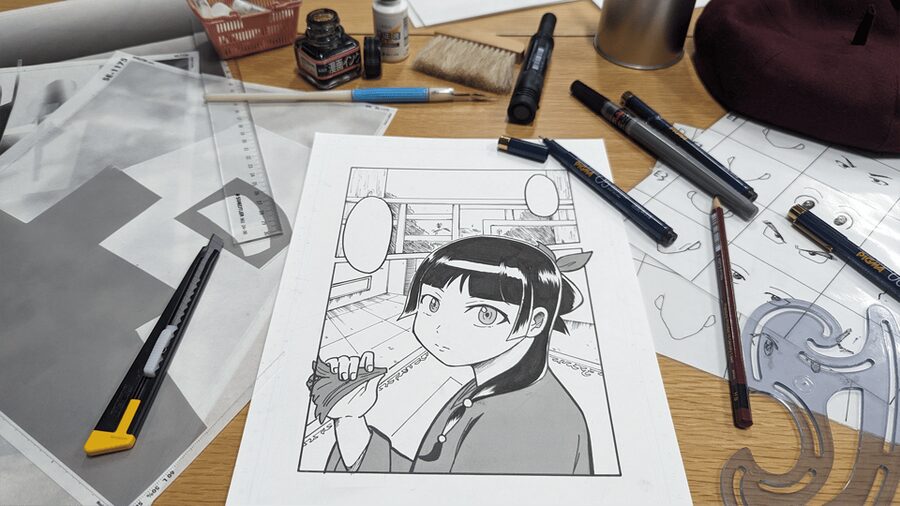
- You follow a real manga workflow: Move from an idea and rough sketch through drafting, inking, black fills, screen tones, and speech bubbles.
- A professional artist guides your hand: Instructors named in past sessions include Shige Matsumori, Rokkaku-sensei, Kousei-sensei, Hiroshi, and Kamaya Katsuki.
- The group stays intimate: With no more than eight participants, the artist can work closely with children, beginners, and experienced artists.
- The interpreter matters: English and Japanese support helps you ask about technique, careers, tools, and the manga industry.
- You choose the subject: You may select from sample images or bring your own idea, character, photo, or pose.
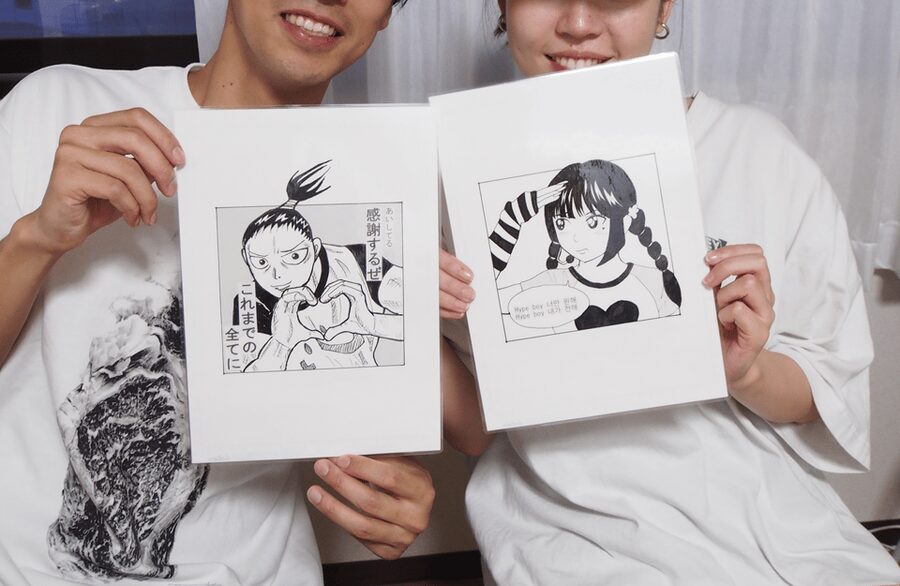
- Your artwork travels home: The completed panel is laminated, giving you a sturdy keepsake for a wall, scrapbook, or suitcase.
Arriving at the black building in Shibuya
The workshop meets at 6F, Shibuya 3-chome TR Building, 3-8-11 Shibuya, Shibuya-ku, Tokyo. The building is described as black and relatively thin, details that matter in a neighborhood where a first-time visitor can easily walk past the correct entrance.
I would give yourself extra time. One family had trouble finding the studio during a political rally near Shibuya Crossing, and the staff helped locate them. That kind of assistance is reassuring, but it is still better to arrive before your scheduled start instead of trying to identify a narrow building while watching the clock.
The address places you in Shibuya, one of Tokyo’s most useful bases for an afternoon or evening activity. You can combine the workshop with the area’s shops, cafés, and anime-related stops, but keep the 150-minute class in mind when planning the rest of the day. Pickup is not included, so you make your own way there.
The class is wheelchair accessible. English and Japanese are offered, with an interpreter included rather than treated as an optional extra. That makes a real difference because this is a hands-on lesson, not just a demonstration.
A few more options to weigh up in Tokyo
- Tokyo Disney Resort – Tokyo Disneyland & Tokyo DisneySea Park Tickets
★ 4.8 · 99,488 reviews - SHIBUYA SKY Ticket
★ 4.7 · 46,509 reviews - JR Whole Japan Rail Pass
★ 4.8 · 29,150 reviews
Your first task: turn an idea into a manga panel
The workshop begins with the creative problem every comic artist faces: deciding what to draw. You can choose an image from a provided selection or work from your own reference. Several people have used personal ideas, original characters, pets, and favorite characters.
One participant asked for a manga-style version of a V-tuber. Another wanted two dogs drawn by the sensei. A couple used their own ideas and characters. This flexibility gives the activity more personality than a standard paint-by-numbers class.
At the same time, you should understand the limits of the format. The artist may first create a rough outline or guide drawing, which you then adjust, trace, and develop. That helps a complete beginner produce something polished within two and a half hours. It also means an experienced artist may want more room to invent an entirely original panel.
I see this as assisted creation rather than a formal art course. You are learning by doing, but you are also benefiting from the professional’s ability to set up proportions, poses, and expressions. If your goal is to leave with a good-looking manga panel, this is a strength. If your goal is to draw every part independently, ask at the beginning how much freedom you will have.
Rough sketching with a professional sensei
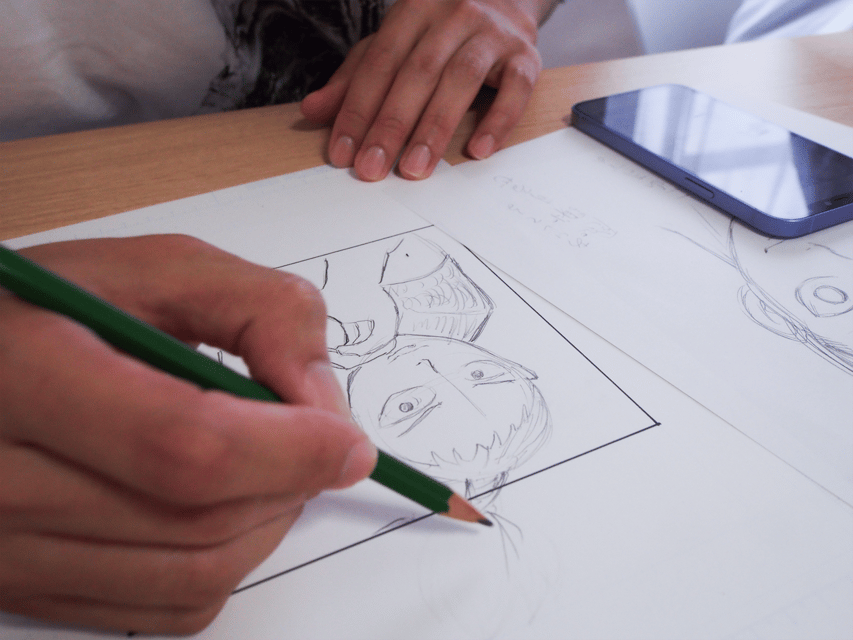
Once you settle on a subject, the manga artist helps shape the composition. The early pencil stage is where you work out the character, pose, facial expression, and placement on the page.
This is where beginners seem to gain the most confidence. Several people arrived worried that they could not draw, then produced artwork they felt proud enough to display at home. An 11-year-old group received patient guidance, and adults with little drawing experience were able to keep up.
The artist’s job is not simply to make a quick sketch and leave you alone. The instruction is broken into steps, and you can ask questions through the interpreter. You may also get a small demonstration of how a difficult feature is handled. One participant was amazed at how quickly the sensei sketched two dogs, while another appreciated help turning a personal character into manga form.
If you are already an artist, especially one who works digitally, the workshop offers a different kind of challenge. A solo participant who normally draws on a tablet used the class to return to traditional tools and learn about screen tones. That person later went art-supply shopping, which tells you how easily this class can spark a new interest in manual drawing.
From pencil lines to ink
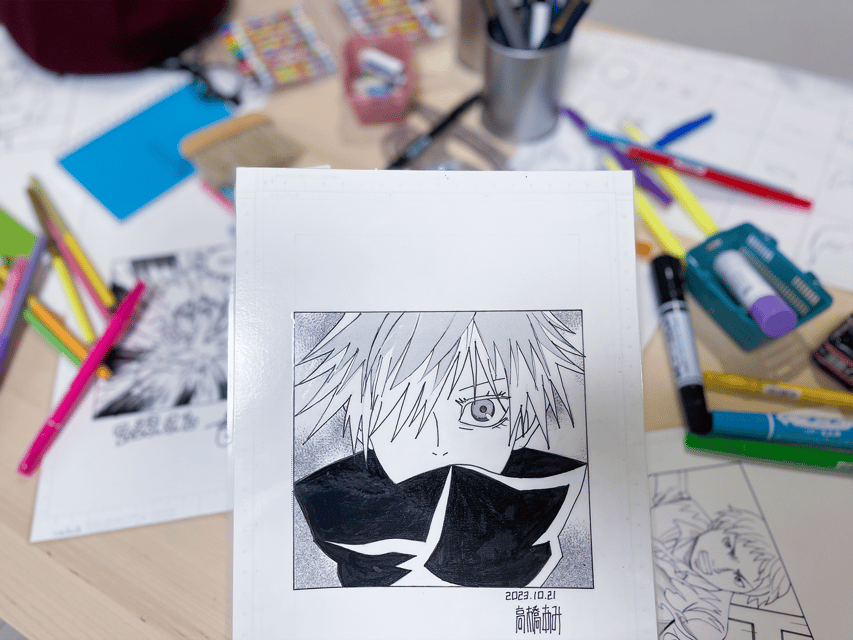
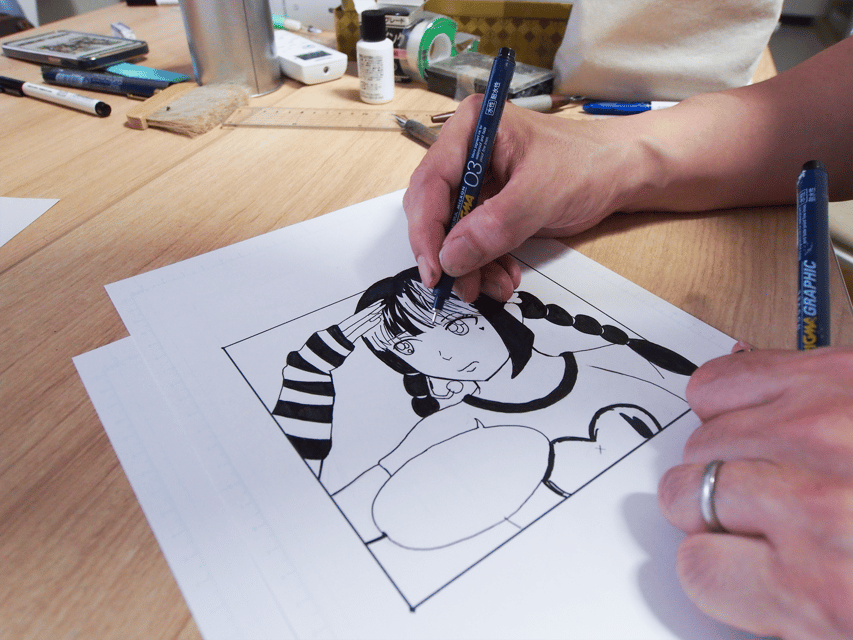
The next phase gives you a taste of the discipline behind finished manga. You go over the pencil drawing with ink, making the lines cleaner and more decisive.
That sounds simple, but it changes the feel of the page. Pencil allows hesitation and correction. Ink asks you to commit. With the artist nearby, you get help with line weight and the details that make a character read clearly.
The full process follows traditional manga methods that have developed over roughly a century. You are not merely sketching an anime face on ordinary paper. You are handling the basic stages used to construct a comic image, including the transition from loose planning to finished line work.
The pace can feel slow at first. One participant rated the class highly but noted that the opening took time. I would stay patient. The early stages may seem modest, yet they prepare the page for the effects that make the final panel look like manga.
A completely different kind of day out:
- Mt Fuji and Hakone 1-Day Bus Tour Return by Bullet Train
★ 5.0 · 26,383 reviews - TOKYO SKYTREE® Ticket
★ 4.7 · 25,136 reviews - teamLab Borderless Tickets: MORI Building DIGITAL ART MUSEUM
★ 4.7 · 24,126 reviews - teamLab Planets TOKYO Ticket
★ 4.7 · 21,663 reviews
Solid blacks and the magic of screen tones
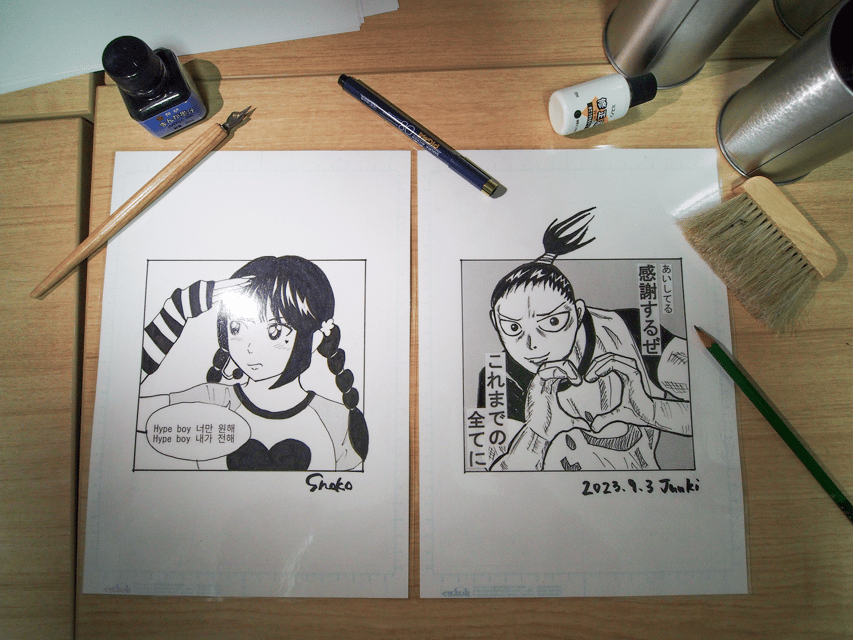
After the ink dries, you erase the remaining pencil marks and fill selected areas with solid black. This creates contrast and gives the panel a stronger graphic look.
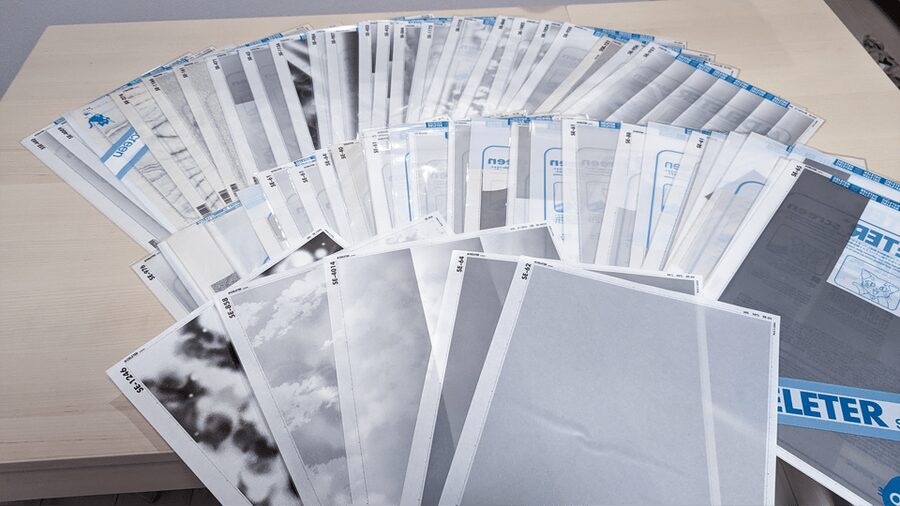
Then comes one of the most distinctive parts of the class: screen tones. These are gray patterned sheets applied to the page, often with a cutter. They add shadow, texture, atmosphere, and visual weight without requiring you to shade every area by hand.
For many people, screen tones are the workshop’s most memorable technical lesson. You get to see how a limited set of tools can create effects that look far more complex than the process feels. One participant who had never seen screen tones before found the method so interesting that a shopping trip for traditional art supplies followed.
This is also where the proper materials make a difference. A finished panel can look much more professional when the paper, ink, tones, and cutting tools are designed for manga work. You will not need to buy anything for the class, since materials are supplied, but you may leave with a new item for your Japan shopping list.
Use the cutter carefully and follow the instructor’s directions. The activity includes hands-on materials, so it is not a purely passive demonstration. Children can take part, but an adult should pay attention during the cutting stage.
Speech bubbles and a finished souvenir
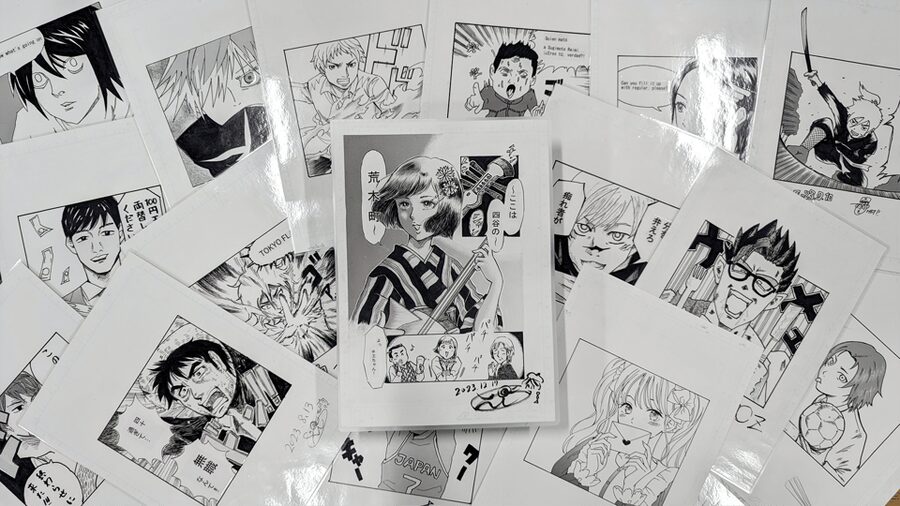
The last steps bring the artwork together. You add speech bubbles and other comic-style details, then inspect the panel as a complete piece rather than a collection of techniques.
The final artwork may reflect a mixture of your choices and the artist’s guidance. That is worth remembering when you look at the finished result. You are not expected to reach professional level in 150 minutes, but the sensei’s input can make your panel look far better than your starting confidence might suggest.
The artwork is laminated before you leave. This small finishing touch matters. It protects the page during the journey home and makes it easy to frame, display, or give as a gift. A honeymooning couple planned to put their pieces on the wall, and another participant called it the best souvenir of a Japan trip.
You leave with something tied to your own time in Tokyo, not just something purchased in a store. Even if the artist helped establish the main drawing, you still took part in the decisions, line work, black fills, tones, and finishing stages.
The sensei and interpreter make the difference
The quality of the teaching depends on the artist assigned to your session, but the names attached to past classes show a range of experienced instructors. Participants have praised Shige Matsumori, Rokkaku-sensei, Kousei-sensei, Hiroshi, and Kamaya Katsuki for their patience, drawing speed, and ability to explain the craft.
The interpreter is just as important. Madoka, Machi, Ai, and Hanae are among the interpreters praised for making the class easy to follow and helping with questions. The support goes beyond translating instructions. People have asked about careers, inspirations, manga production, tools, and working in the comic industry.
Some participants needed occasional help from Google Translate, but the interpreter generally made the session comfortable and clear. If you have a detailed technical question, phrase it simply and give the interpreter time to pass it along. The reward is a more personal exchange with the artist.
I like the social balance here. The class is small enough for conversation, but not so private that you must carry the entire session alone. Solo participants have enjoyed the format, while families and couples can work side by side.
Is $129 a fair price?
At $129 per person, this is not a cheap drop-in activity. You are paying more than you would for a casual museum visit or a few hours of independent sightseeing.
The value comes from the combination of an experienced professional, an interpreter, a small group, specialized materials, and a finished piece to take home. A private art lesson with a professional artist and language support could cost more in many cities, though this is a group experience rather than a one-to-one appointment.
The price makes the most sense if you care about manga and want to understand how a panel is built. It also works well as a special family or honeymoon activity. If you only want a quick character sketch, the workshop may feel expensive, particularly because the creative process takes the full 150 minutes.
I would compare it with the cost of buying a collectible souvenir. A figure or art book may be cheaper, but it will not carry the story of you making a panel in Shibuya. For a fan who values an experience over another purchase, the price is easier to justify.
Who should book this class?
You should consider it if:
- You love manga, anime, or Japanese pop culture.
- You want a structured creative activity during a Tokyo stay.
- You are a beginner who needs encouragement and clear steps.
- You are traveling with children or teenagers who enjoy drawing.
- You work digitally and want to try traditional manga tools.
- You want a personal souvenir rather than a mass-produced item.
- You enjoy asking artists about their work and creative process.
You do not need to be a devoted anime fan. One family found the process enjoyable even without strong manga knowledge. The visual techniques are interesting on their own.
Advanced artists should set expectations carefully. The workshop can teach useful techniques, especially screen tones and traditional materials, but some sessions may rely heavily on the sensei’s rough drawing and your tracing or adaptation. If you want a fully independent portfolio piece, this may not provide enough freedom.
Practical details before you reserve
The activity lasts 150 minutes, and starting times vary, so check availability before booking. Food and drinks are not included, and neither is pickup.
The maximum group size is eight. Smaller sessions can be especially rewarding because the artist has more time to help each person. One participant was alone on the day and enjoyed the extended conversation and individual attention. You cannot count on having a private class, but the small-group design is a good sign.
All drawing materials are provided. You can arrive without special equipment, though you may want to bring an idea or reference image if you have a particular character, pose, pet, or original design in mind.
Cancellation is free up to 24 hours before the activity for a full refund. You can also reserve now and pay later, which helps if your Tokyo schedule is still changing.
Should you book the Tokyo manga workshop?
Book it if you want to make something, not just see something. The strongest part of the experience is the patient human guidance. Artists help beginners produce a credible manga panel, while interpreters open the door to questions that would otherwise be difficult to ask.
The best reason to go is the combination of craft and memory: you learn how traditional manga pages are made, then carry your laminated work home. Just remember that this is guided creation, not necessarily a free-form studio lesson. If that suits your expectations, $129 buys a distinctive Tokyo afternoon and a souvenir with your fingerprints all over it.
FAQ
Where is the manga drawing workshop held?
It is held on the sixth floor of the Shibuya 3-chome TR Building at 3-8-11 Shibuya, Shibuya-ku, Tokyo.
How long does the workshop last?
The session lasts 150 minutes, or two and a half hours.
How much does the workshop cost?
The price is $129 per person.
Do I need drawing experience?
No. Previous drawing skills are not required, and the professional artist guides you through the process.
What languages are available?
The activity is offered in English and Japanese. An interpreter is included.
What drawing techniques will I learn?
The process includes developing an idea, rough sketching, drafting, inking, filling solid black areas, applying screen tones, and adding speech bubbles.
Are drawing materials provided?
Yes. Manga drawing materials are included, so you do not need to bring your own supplies.
Can I choose what to draw?
You can choose an image from a provided selection or use your own image or idea, depending on the session.
Can I keep my finished manga drawing?
Yes. Your completed artwork is laminated and provided as a keepsake to take home.
Just added in Tokyo
- A One-of-a-Kind Sushi Experience in a Special Place of Japan★ 5.0 · 15 reviews
- Tokyo Cute Bento Cooking Class – Make a Kawaii Character Lunchbox★ 5.0 · 126 reviews
- Japanese Home Cooking Class & Walk in Todoroki Temple Tokyo★ 5.0 · 88 reviews
- Japan Tokyo Tower Observatory Deck E-Ticket★ 4.0 · 34 reviews
- Catch a Baseball Game in Tokyo with a Local – Tickets Included★ 5.0 · 24 reviews
- JDM Experience with Fast&Furious RX-7 (English speaking Driver)★ 5.0 · 57 reviews
- Tokyo Private Day Tour by Car with English speaking Driver Guide★ 4.0 · 29 reviews
- Japan Classic 10 Day – One Life Adventures★ 5.0 · 129 reviews
Workshops, compared.

Sushi Making Tokyo Roll and Authentic Japanese Sushi Class
Read our review →
Gion Make Your Own Chopsticks with Engraving Option
Read our review →
Roll and Authentic Sushi Making Class in Asakusa
Read our review →
Ramen Cooking Class at Ramen Factory in Kyoto
Read our review →
Tokyo Asakusa Chopsticks Workshop: Make Your Own Pair
Read our review →
Ring Making Workshop : Vintage Japanese Coin Ring
Read our review →Browse the lists this tour appears in