
Reviewed · WORKSHOPS
Crafting Your Own Chopsticks in Shinjuku
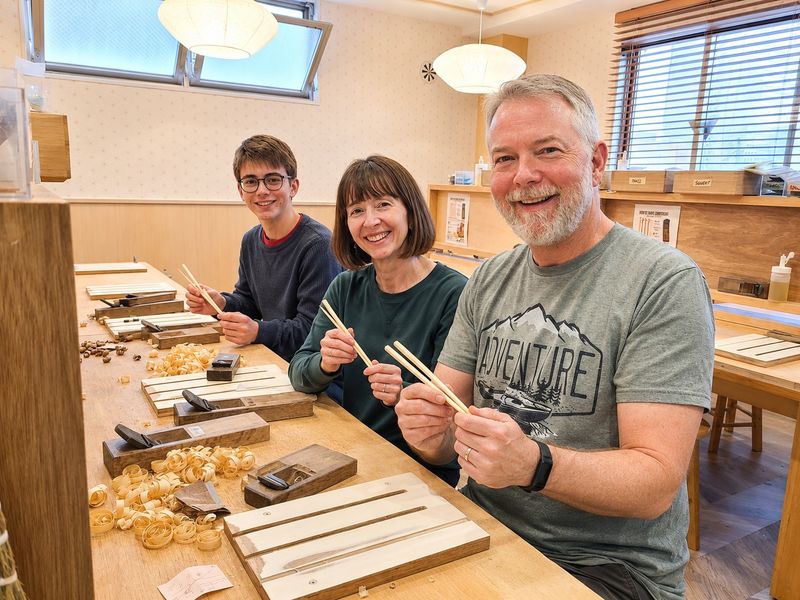
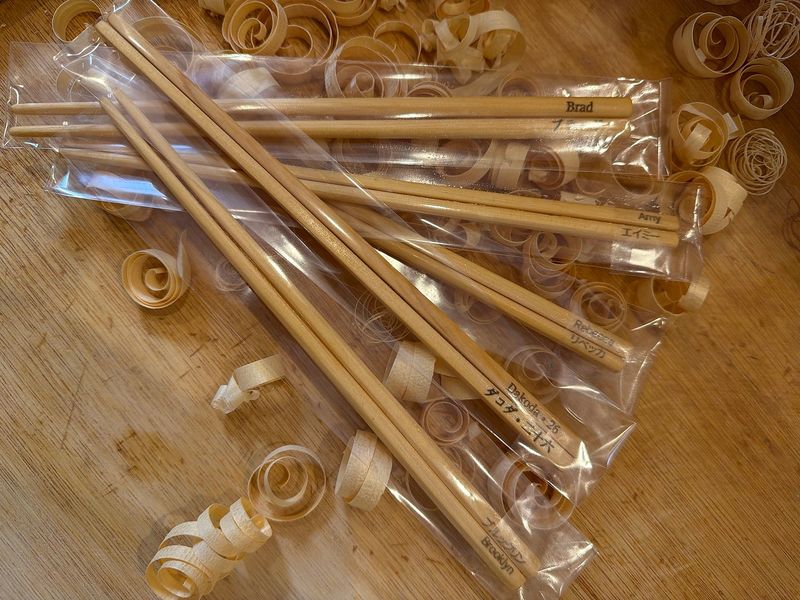
Making chopsticks by hand turns a familiar object into a small lesson in Japanese craft. At ZEN Chopsticks Workshop in Shinjuku, you choose wood, shape it with a traditional hand plane called a kanna, then sand and oil your pair. The 45-minute class is guided in English, and you leave with something you can use at home.
I like the hands-on work, which gives you more than a quick demonstration, and the useful souvenir, made by your own hands rather than picked from a shop shelf. One thing to weigh: the starting price covers standard wood, while premium wood and engraving cost extra, so the final bill can rise if you add both.
In This Review
- The best parts of making chopsticks in Shinjuku
- Choosing your wood before the first shaving
- Shaping with a kanna, then sanding by hand
- Oiling and adding a personal mark
- Forty-five minutes that fit into a Tokyo day
- What the starting price gets you
- A good pick for families, couples, and curious makers
- Should you book the Shinjuku chopstick workshop?
- FAQ
- How long does the chopstick-making workshop take?
- Where does the workshop take place?
- How do I get to the workshop?
- Is wood included in the price?
- Is Japanese name engraving included?
- Is there an age limit?
- Can I pay with cash at the venue?
The best parts of making chopsticks in Shinjuku
- Ten wood choices: Standard wood is included, and you can choose from 10 types, each with its own color and grain.
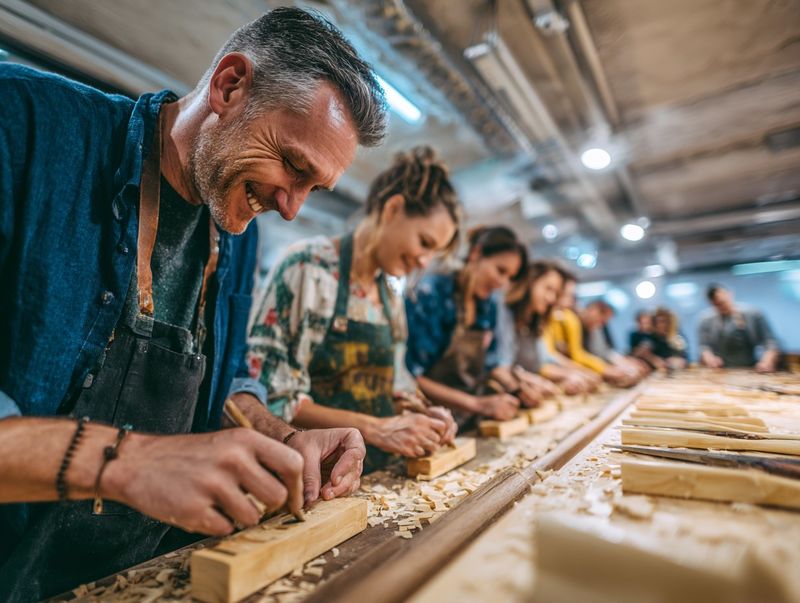
- A real hand plane: You shape the chopsticks with a kanna, then refine them with sandpaper.
- A clear, guided process: English-speaking staff help you through each stage, from selecting wood to applying oil.
- Personal touches cost extra: Premium wood and Japanese name engraving are optional add-ons.
- A 45-minute activity: The short session fits neatly between other plans in central Tokyo, but you will need to keep an eye on the clock.
Choosing your wood before the first shaving
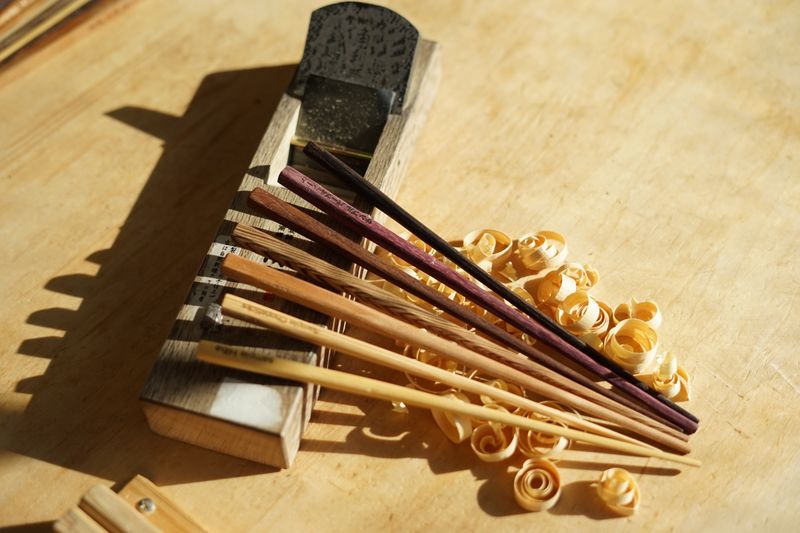
The class begins with a choice that shapes both the look and the feel of your finished chopsticks: the wood. You can select from 10 types, with different colors and grain patterns. Standard wood is included in the base price, so you can make a complete pair without paying for an upgrade.
I would not assume the most unusual wood is the best choice. Some woods are harder to work, and the included standard option is described as the easiest to shape. If this is your first time using a hand plane, choosing the more workable material may make the process more satisfying than paying extra for a distinctive grain.
That choice also makes the class personal. You are not simply decorating a finished object; the material itself becomes part of what you take home. Look closely at the available samples, consider what you like in color and pattern, and ask the instructor for help if you are unsure.
Premium woods are available for an additional fee, but the amount is not specified here. If you want to keep the activity close to its advertised starting price, stick with the included wood. If a particular color or grain matters to you, set aside a little extra room in your budget.
A few more options to weigh up in Tokyo
- Tokyo Disney Resort – Tokyo Disneyland & Tokyo DisneySea Park Tickets
★ 4.8 · 99,488 reviews - SHIBUYA SKY Ticket
★ 4.7 · 46,509 reviews - JR Whole Japan Rail Pass
★ 4.8 · 29,150 reviews
Shaping with a kanna, then sanding by hand
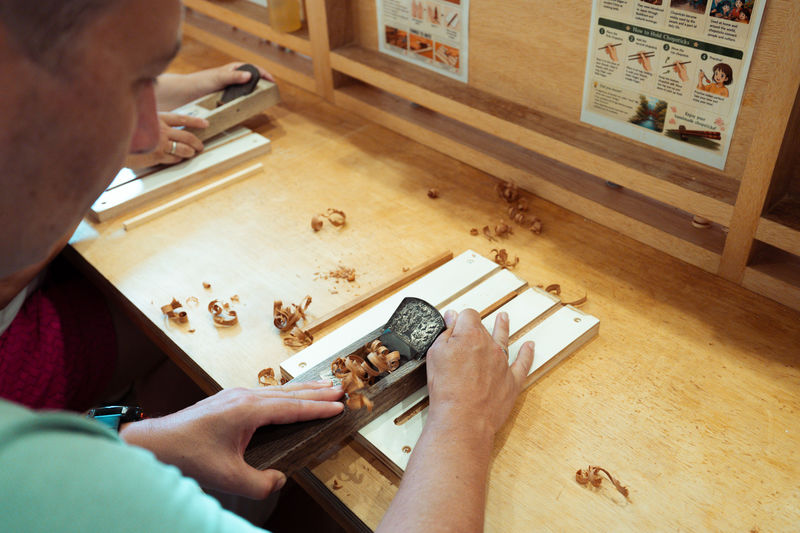
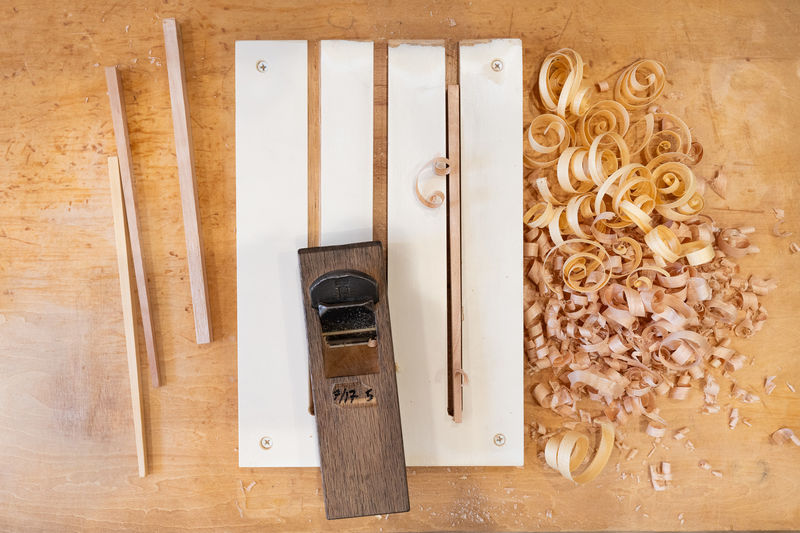
Once you have chosen your wood, you place it on a stand and use a kanna, a traditional hand plane, to shape it. This is the most active part of the class. You need to apply effort and work carefully rather than watch someone else make the finished pair for you.
The instructor demonstrates the process and guides you as you go. Staff members named by participants include Momo, Hazel, Jen, Suzana, Karina, Tomo, and Shervin. Their teaching style is repeatedly described as patient and hands-on, and one instructor helped correct a chopstick when its maker ran into trouble. That support matters: a small mistake need not spoil the finished pair.
After planing, you use sandpaper to smooth the surfaces and edges. This step helps bring out the wood’s natural appearance and makes the chopsticks more comfortable to hold. It is also where you can take a little care over the finish. The class is brief, so follow your instructor’s guidance and use the time well.
The work is approachable for beginners, but it is not entirely passive. You will put in some elbow grease, and different woods may feel more demanding than others. If you want a craft activity with a bit of effort and a clear result, that is part of the appeal. If you expect a quick demonstration with no hands-on work, this is not that sort of class.
Oiling and adding a personal mark
After the shaping and sanding, you apply natural oil to protect the wood and bring out its finish. It is a simple final stage, but it changes the feel of the work: the surface takes on a softer, more polished look, and the grain becomes more noticeable.
Japanese name engraving is available as an optional extra. It can make the chopsticks feel more personal, particularly if you are giving them as a gift or making a pair as a family keepsake. The engraving fee is not included in the starting price, so check the cost before deciding.
You should also be clear about what you are paying for. The workshop fee includes standard wood, the class, an English-speaking staff member, and use of the tools. Premium wood and engraving are separate choices. The package information describes chopstick making, not a guaranteed engraving service in the base price.
The end product has practical value. Unlike a small decorative trinket, a pair of chopsticks can be used at home, which gives this souvenir a longer life than many things packed into a suitcase. You will also remember the steps involved each time you reach for them.
Forty-five minutes that fit into a Tokyo day
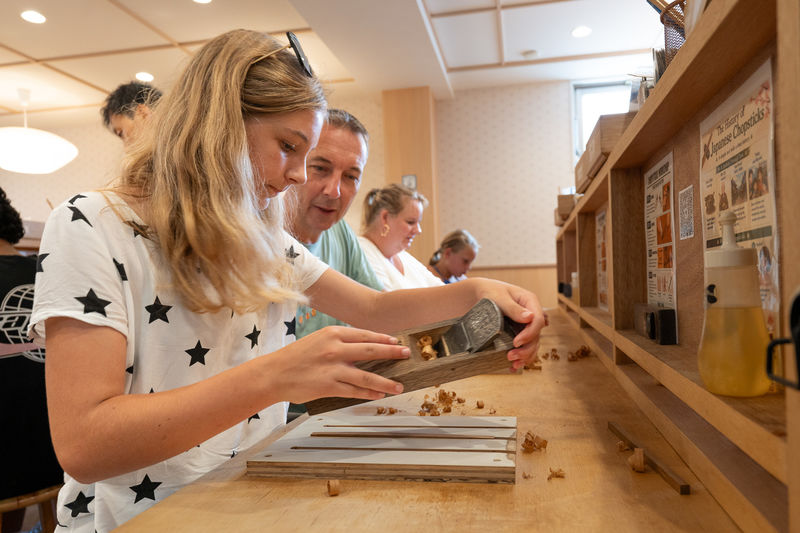
The class lasts about 45 minutes and takes place at 禅 (ZEN) Chopsticks Making Workshop in the Shinjuku West Square Building. The workshop is on the 10th floor, reached by elevator. It is a meet-up activity rather than a tour that collects you from a hotel or takes you around the city.
Several start times are offered, from 9:00 in the morning through 7:00 in the evening. The exact time depends on the slot you book, so plan around that appointment rather than treating the class as an open drop-in. Arrive five minutes early. If you are more than 15 minutes late, you may be asked to reschedule because later bookings can be affected.
The short duration is a strength if your Tokyo schedule is full. You can set aside less than an hour for the class itself, then continue with other plans in Shinjuku. But allow extra time to find the building and reach the 10th floor. The venue is close to Shinjuku-Nishiguchi Station on the Oedo Line, using Exit D5. From Shinjuku Station, use the West Exit or Exit 15 or 16.
The address is 7-4-5 Nishishinjuku, Shinjuku City, Tokyo 160-0023. The meeting point is in front of the building, followed by an elevator ride upstairs. Large bags and luggage cannot be stored at the workshop, so leave them at your accommodation or in your vehicle before arriving.
A completely different kind of day out:
- Mt Fuji and Hakone 1-Day Bus Tour Return by Bullet Train
★ 5.0 · 26,383 reviews - TOKYO SKYTREE® Ticket
★ 4.7 · 25,136 reviews - teamLab Borderless Tickets: MORI Building DIGITAL ART MUSEUM
★ 4.7 · 24,126 reviews - teamLab Planets TOKYO Ticket
★ 4.7 · 21,663 reviews
What the starting price gets you
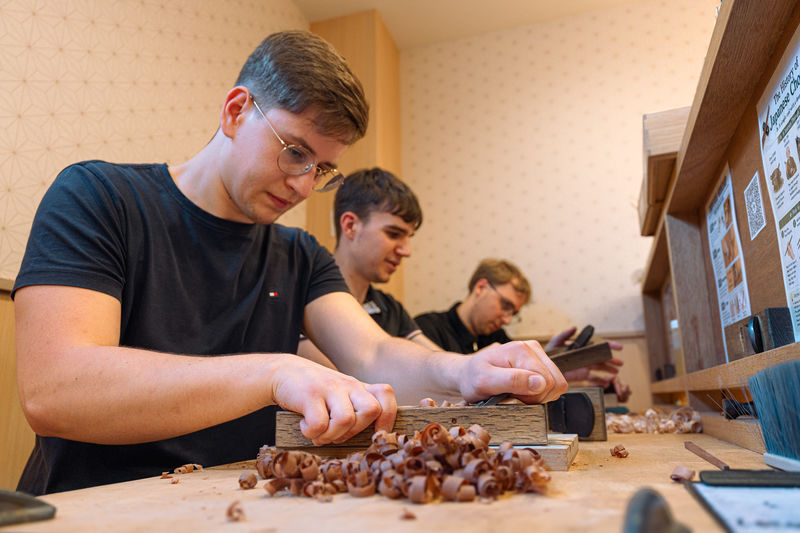
Prices start at $6.35, a low entry point for a guided craft session in central Tokyo. The key is to treat that as a starting price, not necessarily the price of every version of the activity. Standard wood is included; premium wood and engraving are extra.
For the base option, the value comes from making something yourself with traditional tools and taking home the result. English-speaking staff are included, so you do not need to understand Japanese instructions to take part. The process has several distinct stages, and the finished object is both personal and usable.
This is not a long lesson in woodworking or a deep study of the craft. Forty-five minutes allows time to shape, sand, and finish a pair, but it is a compact introduction. If you want a full-day workshop, this will feel brief. If you want a hands-on activity that does not take over the day, the length is practical.
The high rating of 4.9 from 2,429 ratings points to a consistently well-liked activity, but the useful detail is what makes the class work: clear instruction, patient help, and a finished pair to take home. I would value those qualities more than a promise of a highly technical lesson. The instructors named by participants, including Momo, Hazel, Jen, Karina, Suzana, and Tomo, are frequently praised for making the steps easy to follow and helping when someone struggles.
A good pick for families, couples, and curious makers
This is an easy activity to share because everyone works on an individual item while following the same steps. Families have used it as a group outing, and children are reported to find the basic work manageable with instructor guidance. There is no age limit; children aged 0 to 2 are free, while children aged 13 and older pay the adult rate.
It suits couples and friends who want a shared activity without needing prior craft skills. It also works well for someone who likes practical souvenirs, or who wants a break from Tokyo’s shops and museums. You get to slow down for a while and concentrate on one object.
The workshop may be less appealing if you dislike manual work, want a quiet private lesson, or are watching every extra cost. Group size is not specified, so do not book on the assumption that you will have one-to-one instruction. The staff guide the process, but the activity is a scheduled workshop.
Payment at the venue is cashless. Accepted cards include Visa, Mastercard, American Express, JCB, Diners Club, and Discover. You can book for the same day, receive instant confirmation, and cancel for a full refund if you cancel at least 24 hours before the activity date, using local time. Your voucher is valid only for the date and time selected.
Should you book the Shinjuku chopstick workshop?
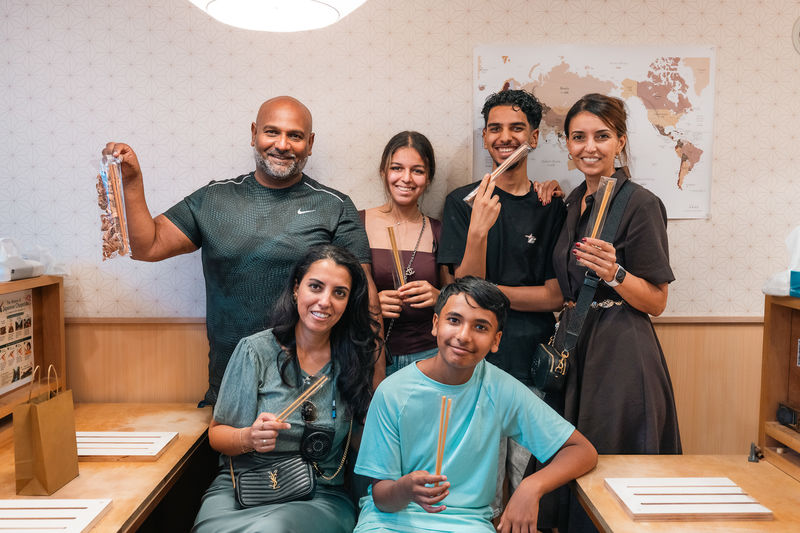
I would book this if you want a short, hands-on Tokyo activity that ends with a useful souvenir, especially if you enjoy making things or are traveling with family. The combination of a hand plane, sanding, and oiling makes the result feel earned, while English-speaking instruction keeps the steps accessible.
Keep your expectations and budget simple: choose the included standard wood if you want the easiest route and the lowest cost, and treat engraving or premium wood as optional extras. Book another kind of activity if you want a long, intensive craft course or prefer not to use tools. For a memorable 45-minute stop in Shinjuku, this is a practical choice.
FAQ
How long does the chopstick-making workshop take?
The guided workshop lasts about 45 minutes.
Where does the workshop take place?
It takes place at 禅 (ZEN) Chopsticks Making Workshop, on the 10th floor of Shinjuku West Square Building at 7-4-5 Nishishinjuku, Shinjuku City, Tokyo.
How do I get to the workshop?
The closest station is Shinjuku-Nishiguchi Station on the Oedo Line, using Exit D5. From Shinjuku Station, use the West Exit or Exit 15 or 16.
Is wood included in the price?
Yes. Standard wood is included. Premium wood upgrades are available for an additional fee.
Is Japanese name engraving included?
No. Engraving is optional and costs extra.
Is there an age limit?
There is no age limit. Children aged 0 to 2 are free, and children aged 13 or older pay the adult rate.
Can I pay with cash at the venue?
No. The workshop is cashless. It accepts Visa, Mastercard, American Express, JCB, Diners Club, and Discover.
Just added in Tokyo
- Wonders Of Japan by Travel Talk – 10-Day Tokyo to Osaka Tour Review★ 4.5 · 14 reviews
- Wonders of Japan end Tokyo GO by Europamundo – 15-Day Tour Review★ 4.2 · 10 reviews
- Wonders of Japan end Tokyo by Europamundo – 15-Day Tour Review★ 4.2 · 10 reviews
- Wonders of Japan End Osaka by Europamundo – 12-Day Tour Review★ 4.2 · 58 reviews
- Wonders of Japan End Osaka (including Fukuyama) by Europamundo – 12-Day Tour★ 4.2 · 58 reviews
- Wonders of Japan End Osaka GO by Europamundo – 12-Day Tour Review★ 4.2 · 58 reviews
- Walk Japan – Kumano Kodo Trail by Explore! – 12-Day Tour Review★ 4.7 · 20 reviews
- Visions of Japan with Hiroshima & Osaka by Globus – 15-Day Tour Review★ 5.0 · 75 reviews
Workshops, compared.
Sushi Making Tokyo Roll and Authentic Japanese Sushi Class
Read our review →
Gion Make Your Own Chopsticks with Engraving Option
Read our review →
Roll and Authentic Sushi Making Class in Asakusa
Read our review →
Ramen Cooking Class at Ramen Factory in Kyoto
Read our review →
Tokyo Asakusa Chopsticks Workshop: Make Your Own Pair
Read our review →
Ring Making Workshop : Vintage Japanese Coin Ring
Read our review →Browse the lists this tour appears in