
Reviewed · WORKSHOPS
Chopstick Making Workshop in Ginza
Small souvenir, real handiwork. This one-hour Ginza workshop lets you make usable chopsticks from wood, not simply buy another pair from a shop. I like the choice of 24 wood types and the fact that you can finish the entire pair yourself, from planing to sanding and oiling. The main thing to consider is that most of the attractive specialty woods cost extra, and the hand plane takes more arm strength than you might expect.
The workshop costs about $25 per person, with English-speaking staff and the basic guide fee included. I also like the optional Japanese or native-language engraving, which adds a personal touch without turning the activity into a long museum-style lesson. You should allow for possible extra charges, though, since premium wood and engraving are not included in the base price.
In This Review
- The best parts of the Ginza workshop
- Why making chopsticks in Ginza works
- Choosing wood and length
- Planing the chopsticks by hand
- Sanding the tips and corners
- Oil finishing and taking your pair home
- Adding a name or phrase
- What the instructors are like
- Families, couples, and solo makers
- Timing, location, and practical value
- Is the $25 price worth it?
- Should you book the Ginza chopstick workshop?
- FAQ
- How long does the chopstick-making workshop last?
- How much does the experience cost?
- How many types of wood can I choose from?
- Is engraving included?
- Can I engrave a name in English?
- Can I take the chopsticks home immediately?
- Is English instruction available?
- Is the workshop wheelchair accessible?
The best parts of the Ginza workshop
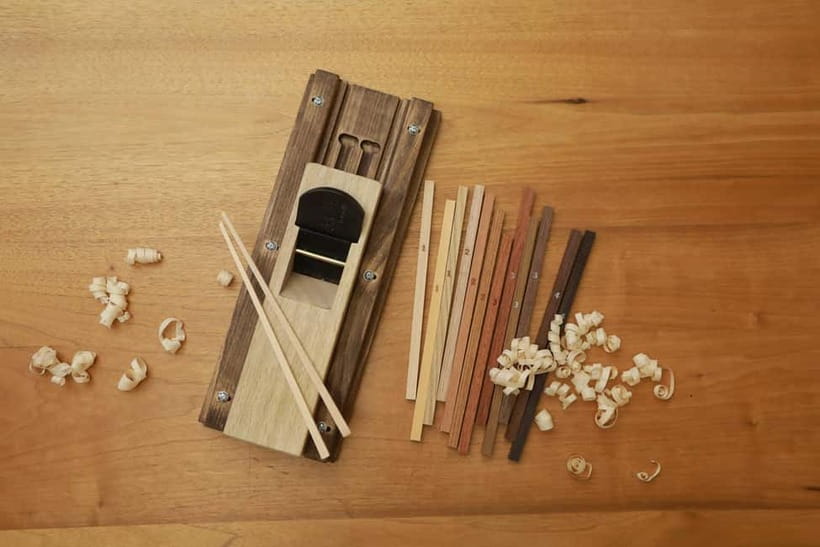
- Choose from 24 types of wood: Five options are included, while 19 higher-grade woods cost extra.
- Use traditional hand tools: You shape the chopsticks with a plane, then smooth them by hand with sandpaper.
- Take them home the same day: Your finished pair becomes a practical souvenir, not just a display item.
- Add a personal engraving: Names or favorite phrases can be engraved in Japanese or your own language for ¥1,100 per pair.
- English help is available: Staff guide you through each stage and can help with wording for the engraving.
- Expect a little physical effort: Planing can work your arms, but that effort makes the finished chopsticks feel earned.
Why making chopsticks in Ginza works
Ginza is known for department stores, polished streets, and expensive shopping. This workshop gives you something different to do in the middle of that retail district: sit down, handle a piece of wood, and make a small object you can use at home.
The activity is run by a woodworking company that selects, processes, and finishes its materials in-house. That matters because the workshop is not simply a souvenir shop with a quick decorative task attached. You are working with real wood and real hand tools, and the finish of the final pair depends partly on your own patience.
The basic price is about $25 per person. For a one-hour activity in central Tokyo, that is a fair price, especially since you leave with chopsticks you made yourself. It is not the cheapest way to buy chopsticks, of course. You can purchase ready-made pairs for less. The value here is the process, the choice of wood, and the memory attached to the finished pair.
You should look closely at the wood pricing before you begin. Five types are included, while the other 19 are higher-grade choices with an additional charge. Some people choose the included wood and are perfectly happy with the result. Others upgrade to oak, beech, olive, or another specialty wood because the material becomes part of the souvenir.
A few more options to weigh up in Tokyo
- Tokyo Disney Resort – Tokyo Disneyland & Tokyo DisneySea Park Tickets
★ 4.8 · 99,488 reviews - SHIBUYA SKY Ticket
★ 4.7 · 46,509 reviews - JR Whole Japan Rail Pass
★ 4.8 · 29,150 reviews
Choosing wood and length
The first step is choosing your chopstick material. You can select from 24 types of wood and two lengths. The two sizes are useful for couples or families who do not all want the same fit, and they also let you choose a pair that feels comfortable in your hand.
This choice takes more thought than it may seem. Different woods can have different colors, grains, and levels of difficulty when you plane them. Oak and beech were popular choices for one family, while olive proved harder to work for another participant. That is not necessarily a bad thing, but it is worth knowing before you pick a wood based only on its appearance.
I would ask the staff two simple questions before deciding:
- Which woods are included in the base price?
- Which woods are easiest or hardest to plane?
The staff can speak English and Japanese, so you do not need woodworking vocabulary to make a sensible choice. If you are making chopsticks with a child, an easier wood may keep the activity cheerful. If you want more of a challenge, a harder specialty wood can give you extra satisfaction, along with an added cost.
The wood selection is one of the workshop’s strongest features. It gives the activity a material connection to Japanese woodworking rather than making every participant produce an identical pair. You can compare the grain, think about who the chopsticks are for, and choose something that feels personal.
Planing the chopsticks by hand
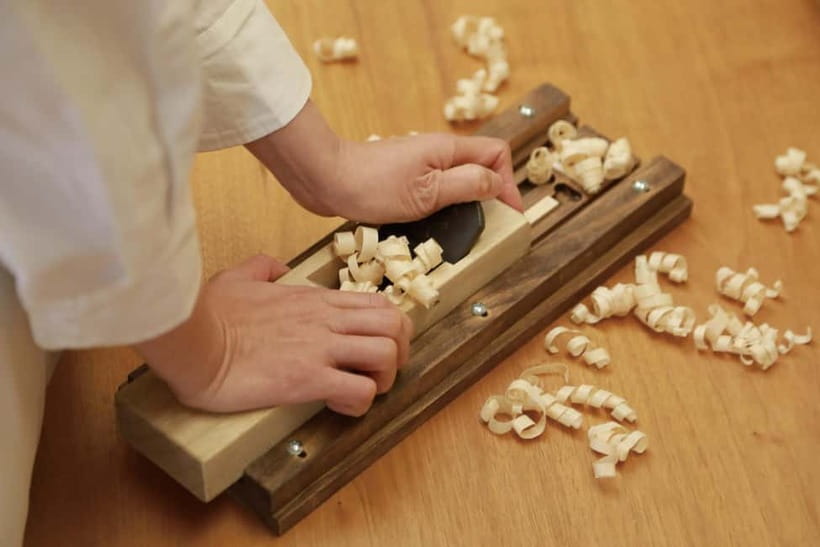
Once you have selected the wood, you place the chopsticks on a stand and use a hand plane to shave them down. This is the most physical part of the session, and it is where the workshop feels like actual woodworking.
You need to apply steady pressure and guide the plane carefully. Several participants found that the tool required more strength than expected, especially at first. One person described the work as a good challenge for the arms and shoulders. Another said the main learning curve was figuring out which side of the chopstick should face upward after it shifted.
The staff demonstrate the movement and help you adjust your technique. The process is beginner-friendly, but it is not completely effortless. You will not simply press a button and watch a machine do the work. That is good news if you want a hands-on activity, but it may be tiring for anyone with limited arm strength.
I like that the workshop does not push you to rush through this stage. Several people were allowed extra time to keep shaving and refining their chopsticks. One participant stayed for about two hours while carefully sanding a second pair, although the advertised duration is one hour. At full capacity, the schedule may feel tighter, so take advantage of the instruction and work steadily from the beginning.
You should also tie back long hair. One participant specifically noted that the workshop can become surprisingly sporty. Wear clothes you do not mind working in, although the information provided does not indicate any special clothing requirement.
Sanding the tips and corners
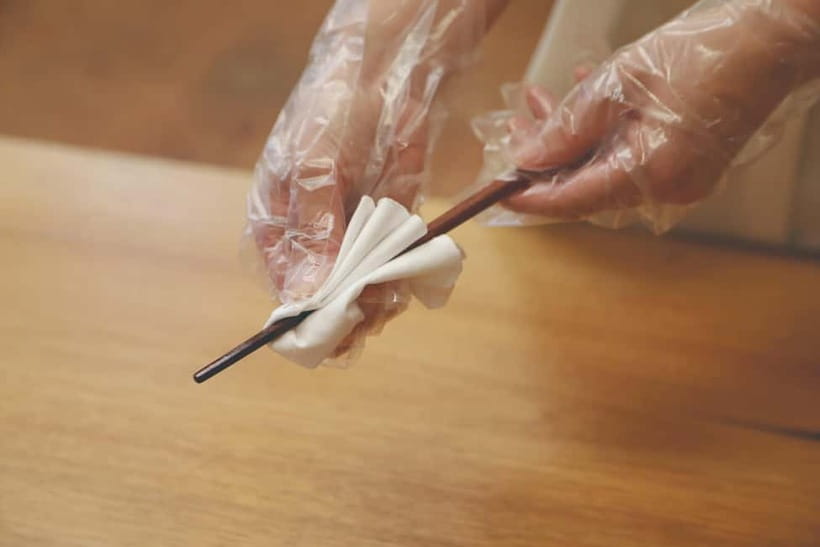
After planing, you use sandpaper to smooth the tips and corners. This stage is slower and quieter. It is also where your chopsticks begin to feel like a finished object instead of two rough pieces of wood.
Sanding gives you control over the final shape. You can remove rough edges, soften the corners, and make the tips feel more comfortable. It rewards patience. If you hurry, the chopsticks may still work, but careful sanding makes them feel more refined in your hand.
This is also the point where differences in wood become clear. A softer wood may be easier to shape, while a harder or denser choice could take more time. The staff remain available to check your progress and show you where more work is needed.
The workshop appears to manage several stages at once, with instructors moving between people who are planing, sanding, and finishing. At busy times, you may need to wait briefly for direct help. Most of the instructions are simple, but participants who struggled with the plane sometimes found it harder to get immediate assistance when the room was crowded.
That is a practical reason to arrive ready to listen at the beginning. Pay attention to the first demonstration, then ask for help early if the tool feels awkward. The staff are patient, but they may be helping several people at different stages.
A completely different kind of day out:
- Mt Fuji and Hakone 1-Day Bus Tour Return by Bullet Train
★ 5.0 · 26,383 reviews - TOKYO SKYTREE® Ticket
★ 4.7 · 25,136 reviews - teamLab Borderless Tickets: MORI Building DIGITAL ART MUSEUM
★ 4.7 · 24,126 reviews - teamLab Planets TOKYO Ticket
★ 4.7 · 21,663 reviews
Oil finishing and taking your pair home
The last production step is applying oil. This gives the wood a more polished appearance and helps bring out the grain. It also marks the shift from workshop project to usable kitchen item.
You can take the finished chopsticks home on the day. That makes the activity easy to fit into a Tokyo itinerary. You do not need to return later or arrange shipping, at least according to the information provided.
The final product has a nice practical advantage. You will use the chopsticks at home and remember where you made them, instead of putting another decorative object in a suitcase and forgetting about it. Several people valued this everyday use, especially when the pair was engraved.
The finish will not be identical for everyone. Your result depends on how evenly you plane, how carefully you sand, and how much time you spend refining the shape. That variation is part of the point. A perfectly uniform factory pair may look more polished, but it will not carry the same sense of personal work.
Adding a name or phrase
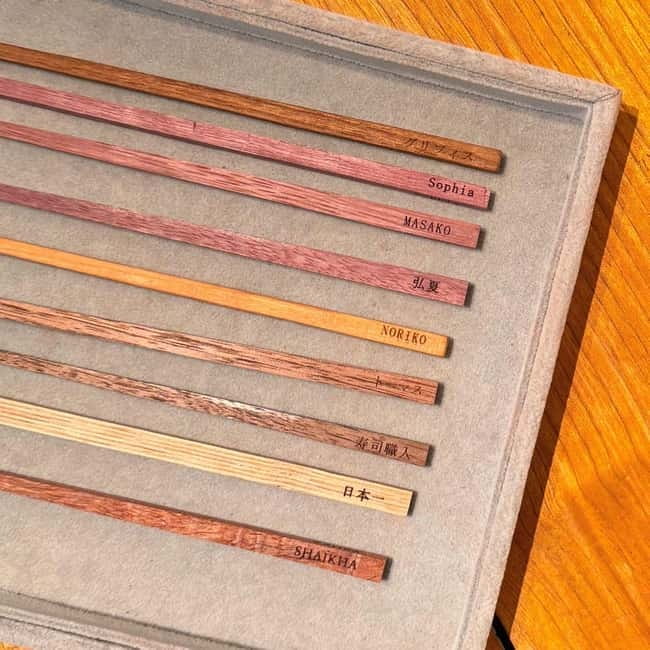
Engraving is optional and costs an additional ¥1,100 per pair. You can add your name or a favorite phrase in Japanese or your own language.
This is one of the best upgrades if you are making the chopsticks as a gift or family keepsake. Staff can help translate a name or phrase into Japanese, as one participant discovered when the instructors helped create a more local presentation. The engraving is done with a high-performance laser designed to put gentle stress on the wood.
For couples or families, engraving can make each pair distinct. One birthday group paid ¥2,200 to engrave two pairs, adding ¥1,100 per pair. They considered the extra cost worthwhile because the chopsticks marked the occasion.
Still, decide before you settle your budget. The base price does not include engraving, and the wood upgrade is separate as well. If you are making several pairs, these additions can change the total quickly. Ask for the full price of your chosen wood and engraving before you commit.
What the instructors are like
The English-speaking staff receive consistent praise for patient, clear instruction. Names mentioned by participants include Tina, Waka, Kotoha, Shion, and Koko. The staff explain each step, correct technique, and help when the plane or sanding feels difficult.
This support is important because the workshop uses tools that may be unfamiliar. You do not need previous woodworking experience, but you do need to follow instructions carefully. The activity is beginner-friendly because help is close by, not because the tools are completely effortless.
The staff also seem to handle families well. Children aged eight, ten, and twelve were able to take part, with some needing a little time to understand how much pressure to use. Teenagers and young adults also enjoyed the project, and one family used it to celebrate a 12th birthday.
There is a published restriction against children under three and people over 70. At the same time, one family reported an age range from four to 72. Because those details do not fully match, I would confirm the age policy directly if your group includes someone near or beyond the stated limit.
Families, couples, and solo makers
This is a good choice for couples who want a shared souvenir without committing half a day. You can choose different woods or lengths, work beside each other, and compare the final pairs.
Families can also fit it into a Tokyo day. The one-hour format is short enough for children who lose interest in long cultural activities, but the physical work gives them something clear to do. Younger children may need close help, especially during planing.
For solo visitors, the workshop offers a simple way to meet a local craft tradition without needing a Japanese-language tour. The activity is structured, the staff speak English, and you have a finished object to take away.
I would skip it if you want a purely passive experience. This is not a demonstration where you sit back and watch a craftsperson work. Your hands do the sanding, your arms do the planing, and your patience affects the final result.
Timing, location, and practical value
The meeting point is 2-9-13 Ginza, Chuo-ku, Tokyo. Check the exact address carefully before setting out, since one participant initially went to the wrong location. The workshop lasts one hour, though some people have taken longer when making a second pair or spending extra time on precision sanding.
The activity is wheelchair accessible. English and Japanese are available, and the guide fee of ¥1,000 is included in the experience price. You can reserve now and pay later, and cancellation is free up to 24 hours in advance for a full refund.
The reported rating is 4.8 from 1,366 reviews, and the strongest praise centers on three things: friendly instruction, the satisfaction of using hand tools, and the quality of the finished souvenir. The most useful criticism is also clear: busy sessions can make it harder to get immediate help, and extra costs for premium wood and engraving are easy to overlook.
Is the $25 price worth it?
At roughly $25, I think the base experience offers good value. You receive instruction, tools, materials, and a pair of chopsticks made during the session. The central Ginza location also makes it easy to add before or after shopping, dining, or other Tokyo plans.
The value becomes less straightforward if you upgrade the wood and add engraving. Those choices may be worthwhile, especially for a birthday, anniversary, or family gift, but they are optional. You do not need them to enjoy the workshop or leave with a meaningful souvenir.
I would budget the base price first, then treat the wood selection as part of the decision. If a particular grain or species catches your eye, ask the price before choosing it. That small step prevents an unwelcome surprise at the end.
Should you book the Ginza chopstick workshop?
Book it if you want a short, active Tokyo experience with a useful souvenir. It suits couples, families with school-age children, teenagers, and adults who enjoy making things with their hands. It is especially good on a rainy afternoon or when you want a break from temples, shopping, and crowded sightseeing.
Choose the included wood if you want to keep the cost simple. Upgrade if the material matters to you, and add engraving when the chopsticks mark a special occasion. Bring patience, expect some arm work, and check the address carefully.
I would not book it for a toddler, anyone covered by the stated age restriction without first confirming eligibility, or someone looking for a no-effort activity. For everyone else, this is a cheerful one-hour project that turns a common Japanese object into a personal reminder of Tokyo.
FAQ
How long does the chopstick-making workshop last?
The scheduled duration is one hour. Some participants have taken longer when making a second pair or spending extra time on sanding.
How much does the experience cost?
The listed price is $25 per person. The guide fee of ¥1,000 is included.
How many types of wood can I choose from?
You can choose from 24 types of wood and two different lengths. Five wood types are included, while the other 19 are higher-grade options with an additional charge.
Is engraving included?
No. Name or phrase engraving is optional and costs an additional ¥1,100 per pair.
Can I engrave a name in English?
Yes. Names or favorite phrases can be engraved in Japanese or in your native language.
Can I take the chopsticks home immediately?
Yes. You can take your finished chopsticks home on the day of the workshop.
Is English instruction available?
Yes. English-speaking staff assist with the activity, and instruction is available in English and Japanese.
Is the workshop wheelchair accessible?
Yes. The activity is listed as wheelchair accessible. Children under three are not suitable, and the stated information also excludes people over 70.
Just added in Tokyo
- A One-of-a-Kind Sushi Experience in a Special Place of Japan★ 5.0 · 15 reviews
- Tokyo Cute Bento Cooking Class – Make a Kawaii Character Lunchbox★ 5.0 · 126 reviews
- Japanese Home Cooking Class & Walk in Todoroki Temple Tokyo★ 5.0 · 88 reviews
- Japan Tokyo Tower Observatory Deck E-Ticket★ 4.0 · 34 reviews
- Catch a Baseball Game in Tokyo with a Local – Tickets Included★ 5.0 · 24 reviews
- JDM Experience with Fast&Furious RX-7 (English speaking Driver)★ 5.0 · 57 reviews
- Tokyo Private Day Tour by Car with English speaking Driver Guide★ 4.0 · 29 reviews
- Japan Classic 10 Day – One Life Adventures★ 5.0 · 129 reviews
Workshops, compared.
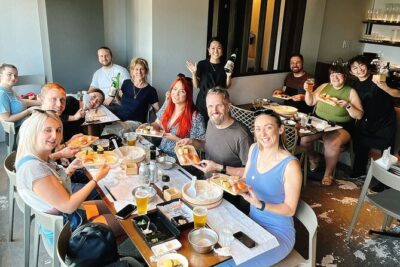
Sushi Making Tokyo Roll and Authentic Japanese Sushi Class
Read our review →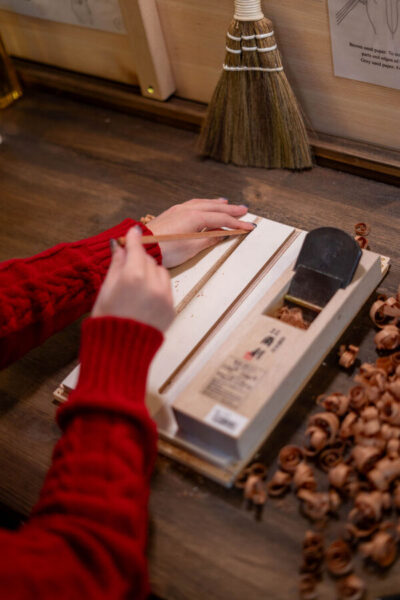
Gion Make Your Own Chopsticks with Engraving Option
Read our review →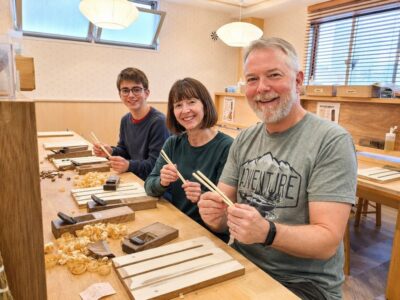
Roll and Authentic Sushi Making Class in Asakusa
Read our review →
Ramen Cooking Class at Ramen Factory in Kyoto
Read our review →
Tokyo Asakusa Chopsticks Workshop: Make Your Own Pair
Read our review →
Ring Making Workshop : Vintage Japanese Coin Ring
Read our review →Browse the lists this tour appears in